Search Result
Results for "
embryos
" in MedChemExpress (MCE) Product Catalog:
7
Biochemical Assay Reagents
10
Isotope-Labeled Compounds
| Cat. No. |
Product Name |
Target |
Research Areas |
Chemical Structure |
-
- HY-B0717
-
|
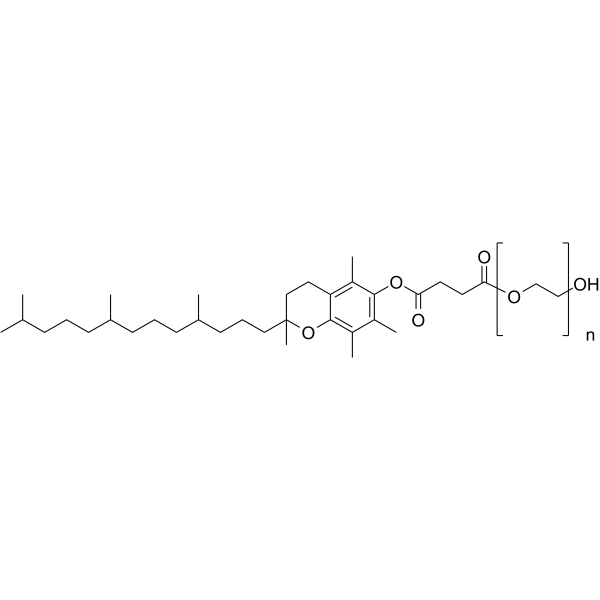
TPGS; D-α-Tocopherol polyethylene glycol 1000 succinate; Vitamin E-TPGS
|
Drug Derivative
|
Neurological Disease
Metabolic Disease
|
|
Tocofersolan is synthetic polyethylene glycol derivative of α-tocopherol. Tocofersolan is an orally active and water-soluble analog of vitamin E. Tocofersolan can reduce neurobehavioral deficits in zebrafish embryos exposed to moderate and high concentrations of BaP during early development. Tocofersolan shows antioxidant activity. Tocofersolan can be used to provide an orally bioavailable source of vitamin E .
|
-
-
- HY-A0096
-
-
-
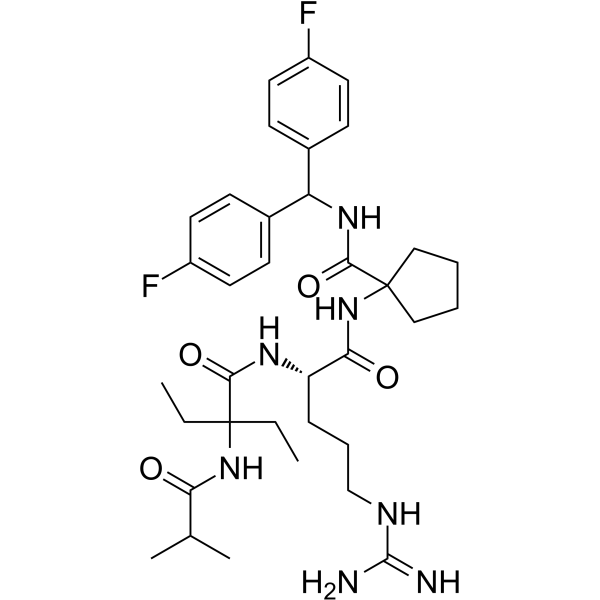
- HY-P99187
-
|
PF-04950615; RN316
|
PCSK9
|
Cardiovascular Disease
Metabolic Disease
|
|
Bococizumab (PF-04950615) is an anti-human PCSK9 inhibitory antibody that reduces LDL cholesterol levels. Bococizumab can be used in the research of hypercholesterolemia .
|
-
-
- HY-B0510
-
|
|
Antifolate
Bacterial
Antibiotic
Influenza Virus
|
Infection
Cancer
|
|
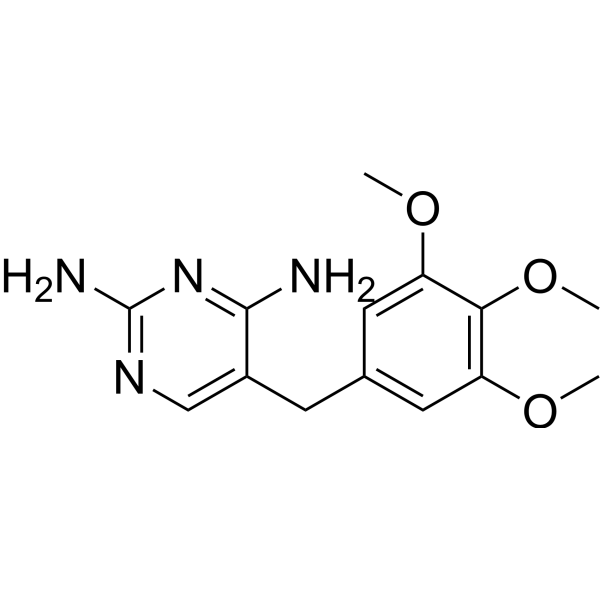
Trimethoprim is a bacteriostatic antibiotic and an orally active dihydrofolate reductase inhibitor. Trimethoprim is active against a wide range of Gram-positive and Gram-negative aerobic bacteria. Trimethoprim has the potential for the research of urinary tract infections, Shigellosis and Pneumocystis pneumonia. Trimethoprim can inhibit infection of Influenza A virus in chick embryo when combinated with zinc .
|
-
-
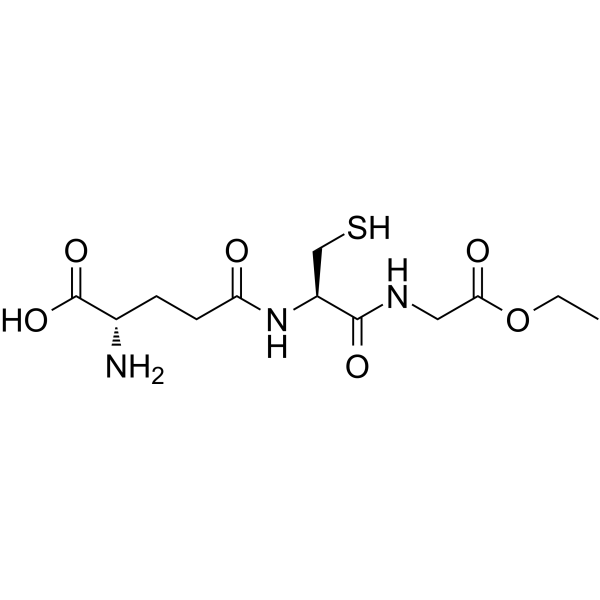
- HY-134124
-
|
|
Reactive Oxygen Species (ROS)
|
Metabolic Disease
|
|
Glutathione ethyl ester is a cell-permeable GSH donor and provides an efficient supply of GSH to the oocyte. Glutathione ethyl ester shows positive effect on the in vitro production of embryos by enhancement of the antioxidative defense .
|
-
-
- HY-33037
-
|
|
Fungal
|
Infection
Inflammation/Immunology
Cancer
|
|
Phenazine-1-carboxylic acid is an antifungal agent. Additionally, Phenazine-1-carboxylic acid exhibits anticancer activity by inducing apoptosis in cancer cells through the regulation of ROS generation. Phenazine-1-carboxylic acid can upregulate the expression of IL-8 and ICAM-1 while inhibiting the release of RANTES and MCP-1, demonstrating its potential immunomodulatory effects. Phenazine-1-carboxylic acid holds significant research value in the areas of anti-infection, anticancer, and immune response modulation .
|
-
-
- HY-W011689
-
6PPD
1 Publications Verification
|
Reactive Oxygen Species (ROS)
|
Others
|
|
6PPD is a rubber antioxidant that scavenges ozone and forms nitro radicals. Exposure to 6PPD reduces the hatching rate, impairs spontaneous locomotor activity, shortens body length and causes malformations in zebrafish embryos. 6PPD also induces oxidative stress in zebrafish embryos .
|
-
-
- HY-B0642
-
|
Isosorbide-5-mononitrate
|
Autophagy
Endogenous Metabolite
Apoptosis
|
Cardiovascular Disease
Cancer
|
|
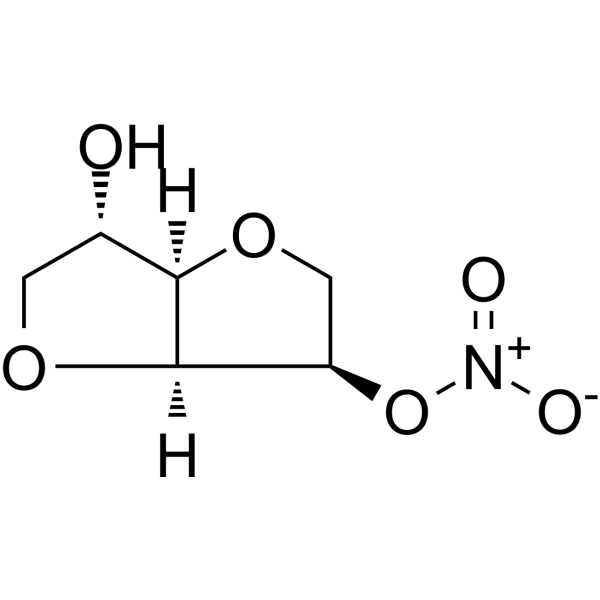
Isosorbide mononitrate (Isosorbide-5-mononitrate) is an orally active nitric acid compound used for angina pectoris by dilating blood vessels and lowering blood pressure. Isosorbide mononitrate increases the viability and proliferation of HUVECs by decreasing Apoptosis and elevated the expressions of vedf, kdrl, pdgfr in zebrafish embryos. Isosorbide mononitrate is promising for research of heart failure and coronary heart disease .
|
-
-
- HY-W105310A
-
|
Nacr
|
HDAC
Sirtuin
CDK
Bcl-2 Family
Apoptosis
|
Others
|
|
Croconic acid disodium (Nacr) is a lysine crotonylation (Kcr) activator and electroactive material. Croconic acid disodium reduces the expression of HDAC2, HDAC3, SIRT1, and SIRT3, and increases the expression of EP300, CITED1, ACSS2, DPF2, CDYL, MLLT3, and YEATS2. Croconic acid disodium elevates intracellular crotonyl-CoA content and global histone lysine crotonylation levels. Croconic acid disodium promotes the growth of bovine fibroblasts, regulates cell cycle progression, and inhibits bovine fibroblast apoptosis (apoptosis). Croconic acid disodium improves the blastocyst development efficiency of bovine somatic cell nuclear transfer embryos. Croconic acid disodium undergoes reversible lithium intercalation/deintercalation reactions via sodium-lithium ion exchange. Croconic acid disodium is applicable to research related to cell growth promotion .
|
-
-
- HY-107399
-
-
-
- HY-N0770
-
|
|
Apoptosis
|
Inflammation/Immunology
Cancer
|
|
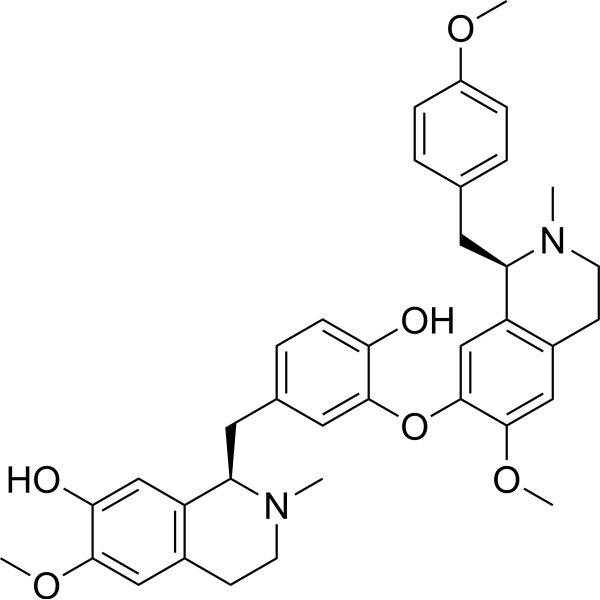
Isoliensinine is a bisbenzylisoquinoline alkaloid extracted from the seed embryo of Nelumbo nucifera, with anti-oxidant and anti-inflammatory and anti-cancer activities. Isoliensinine induces apoptosis in triple-negative human breast cancer cells .
|
-
-
- HY-D1416
-
HMBR
1 Publications Verification
|
Fluorescent Dye
|
Others
|
|
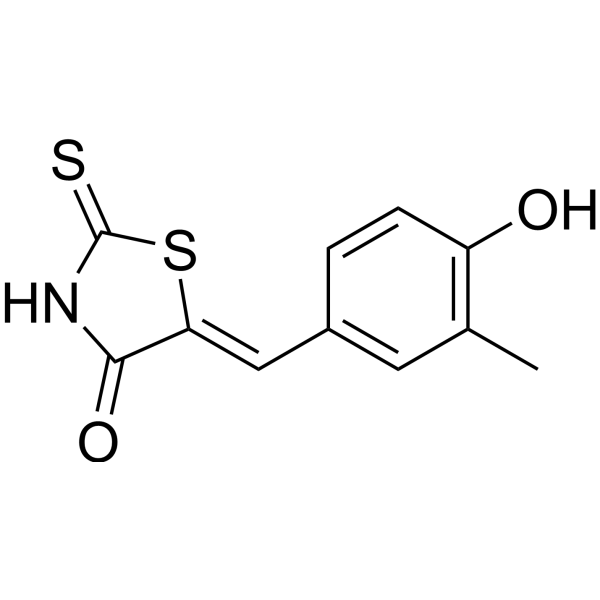
HMBR is an analogue with an additional methyl group on the aromatic ring and is non-fluorescent. HMBR conjugated with Y-FAST emits yellow fluorescence under blue light excitation (Ex= 419 nm; Em= 525–539 nm). HMBR is non-toxic to zebrafish embryos. HMBR has high cell permeability .
|
-
-
- HY-175238
-
|
|
ATP Synthase
DNA/RNA Synthesis
|
Neurological Disease
Cancer
|
|
KI-DX-014 is a DDX21 inhibitor with high RNA-binding inhibitory activity (IC50 of 3.31 μM). KI-DX-014 targets DDX21’s intrinsically disordered C-terminal domain, inhibits DDX21-structured RNA interaction, modulates DDX21’s RNA-dependent ATPase activity, and disrupts DDX21 biomolecular condensate formation. KI-DX-014 attenuates in vitro P-TEFb release from the 7SK snRNP complex, suppresses P-TEFb-dependent RNA polymerase II CTD phosphorylation, and induces developmental defects in zebrafish embryos. KI-DX-014 acts as a chemical probe for dissecting DDX21 functions in normal physiology and disease states. KI-DX-014 can be used for cancers and neurodegenerative disorders research .
|
-
-
- HY-B1209
-
|
7-(β-Hydroxyethyl)theophylline
|
Phosphodiesterase (PDE)
|
Cardiovascular Disease
Inflammation/Immunology
|
|
Etofylline (7-(β-Hydroxyethyl) theophylline) is an oral bronchodilator with anti-inflammatory effects. Etofylline inhibits phosphodiesterase and prevents the degradation of cAMP (cyclic adenosine monophosphate), leading to smooth muscle relaxation, reducing inflammatory responses and improving respiratory function. Etofylline affects the development of zebrafish embryos .
|
-
-
- HY-123230
-
-
-
- HY-N0485
-
|
|
Autophagy
Mitophagy
|
Cardiovascular Disease
|
|
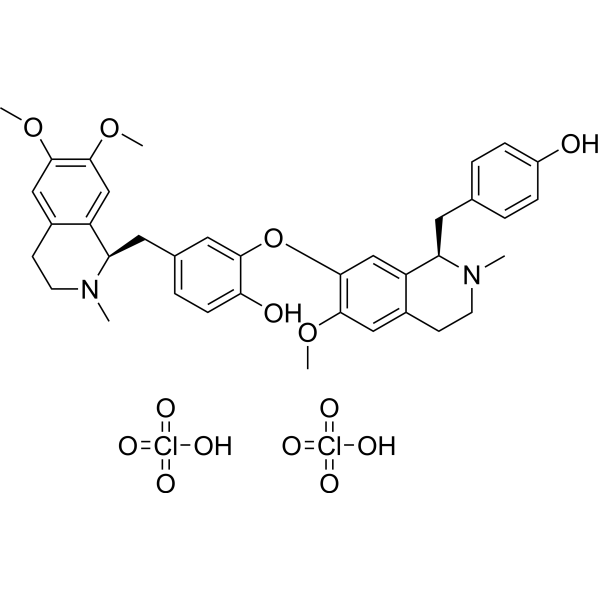
Liensinine Diperchlorate is a major isoquinoline alkaloid, extracted from the seed embryo of Nelumbo nucifera Gaertn. Liensinine Diperchlorate inhibits late-stage autophagy/mitophagy through blocking autophagosome-lysosome fusion. Liensinine Diperchlorate has a wide range of biological activities, including anti-arrhythmias, anti-hypertension, anti-pulmonary fibrosis, relaxation on vascular smooth muscle, etc .
|
-
-
- HY-136149
-
|
|
SARS-CoV
Virus Protease
|
Infection
|
|
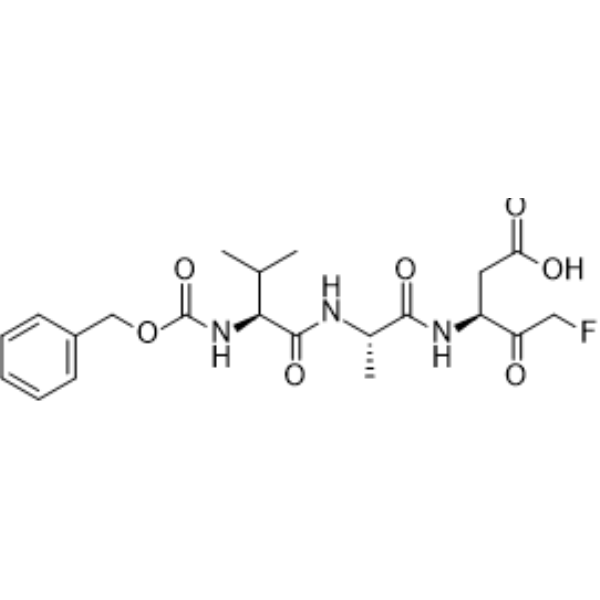
Mpro inhibitor N3 is a potent SARS-CoV-2 MPro inhibitor with an EC50 value of 16.77 µM. Mpro inhibitor N3 shows antiviral activities against HCoV-229E, FIPV, IBV and MHV-A59 .
|
-
-
- HY-W099479
-
|
Ethyl butylacetylaminopropionate; IR-3535
|
Environmental Pollutants
Apoptosis
Reactive Oxygen Species (ROS)
Parasite
SOD
|
Infection
Inflammation/Immunology
|
|
Insect repellent M 3535 (Ethyl butylacetylaminopropionate) is a broad-spectrum, mild insect repellent based on the structure of β-alanine. Insect repellent M 3535 exerts repellent effects by interfering with the olfaction of mosquitoes, but it poses risks of developmental and cardiac toxicity to aquatic organisms such as zebrafish embryos in aquatic environments, and can activate oxidative stress responses .
|
-
-
- HY-A0277
-
|
|
Environmental Pollutants
Fungal
|
Others
|
|
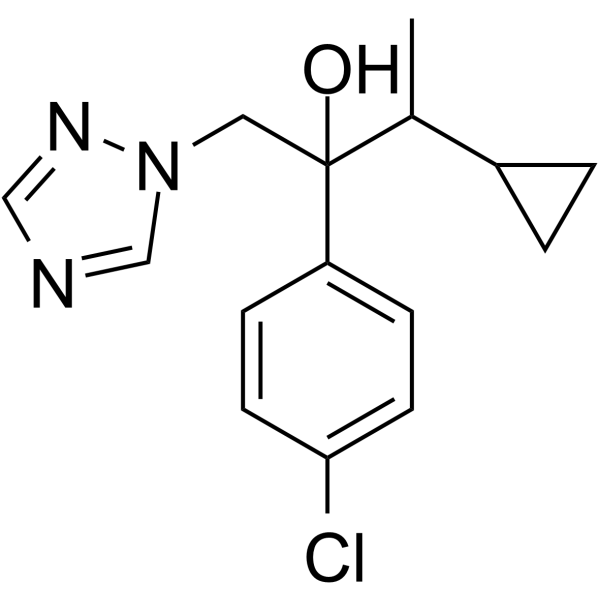
Cyproconazole is a triazole fungicide used to protect crops, fruits and vegetables against a wide range of fungal pathogens. Cyproconazole can cause hepatocellular adenomas and carcinomas in CD-1 mice. Cyproconazole also exhibits low toxicity to zebrafish embryos and affects locomotor activity .
|
-
-
- HY-N6786
-
|
|
Endogenous Metabolite
|
Metabolic Disease
|
|
Ochratoxin B is an orally active secondary metabolite of Aspergillus ochraceus and non-chlorinated analog of the mycotoxin Ochratoxin A. Ochratoxin B reduces the toxic effects of Ochratoxin A (HY-N6788). Ochratoxin B inhibits cell division. Ochratoxin B causes craniofacial malformations in Xenopus laevis embryos .
|
-
-
- HY-B0510C
-
|
|
Antifolate
Bacterial
Antibiotic
|
Infection
Cancer
|
|
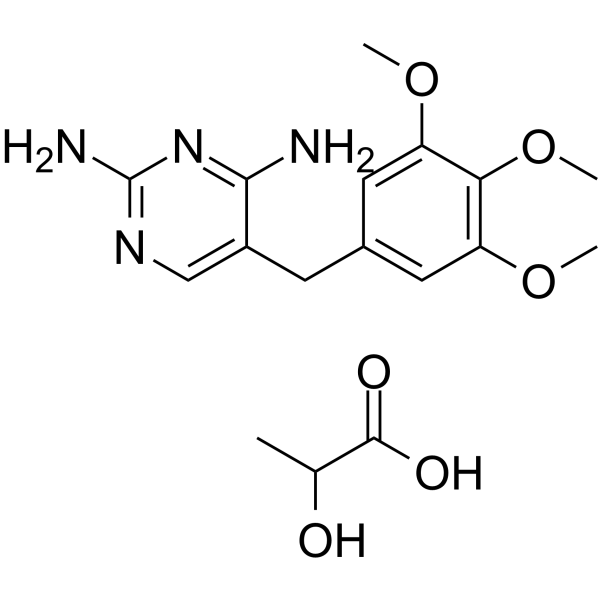
Trimethoprim lactate is a bacteriostatic antibiotic and an orally active dihydrofolate reductase inhibitor. Trimethoprim lactate is active against a wide range of Gram-positive and Gram-negative aerobic bacteria. Trimethoprim lactate has the potential for the research of urinary tract infections, Shigellosis and Pneumocystis pneumonia. Trimethoprim lactate can inhibit infection of Influenza A virus in chick embryo when combinated with zinc .
|
-
-
- HY-127170
-
|
|
Lipoxygenase
Tyrosinase
|
Metabolic Disease
Inflammation/Immunology
|
|
3-Hydroxycoumarin is an inhibitor of tyrosinase and lipoxygenase with an IC50 for recombinant human tyrosinase (rHT) of 26 μM, and a Ki of 3.39 μM; its IC50 for LOX is 9.5 μM. 3-Hydroxycoumarin has DPPH free radical scavenging activity (IC50 = 31.2 μM). 3-Hydroxycoumarin has photoprotective effects on sea urchin zygotes and embryos .
|
-
-
- HY-12346
-
|
NSC 12407; BRD-K4477
|
Quinone Reductase
|
Others
|
|
FH1 (NSC 12407) is a NQO2 inhibitor with hepatoprotective effects. FH1 enhances hepatocyte function and promotes differentiation of induced pluripotent stem (iPS)-derived hepatocytes to a more mature phenotype and maturation of well-differentiated hepatocyte-like cell (iHeps) cultures. FH1 protects against Acetaminophen (HY-66005)-induced hepatotoxicity in both embryos and adult zebrafish .
|
-
-
- HY-136355
-
-
-
- HY-N6726
-
|
|
Fungal
Endogenous Metabolite
|
Infection
Cancer
|
|
Fumonisin B3 is an orally active fumonisin Mycotoxin. Fumonisin B3 can be isolated from Fusarium moniliforme, Fusarium proliferatum and Fusarium nygamai. Fumonisin B3 induces precancerous lesions, triggers embryonic death of chicken embryos, causes severe hemorrhage in dead chicken embryos. Fumonisin B3 can be used in studies related to hepatocellular carcinoma .
|
-
-
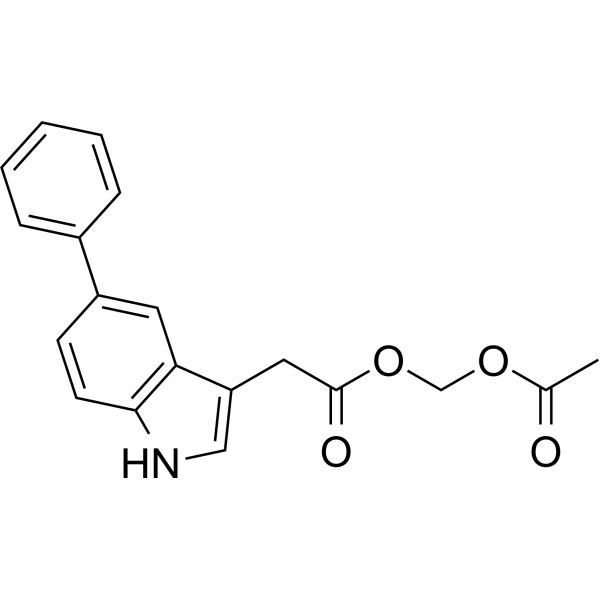
- HY-141894
-
|
|
Histone Acetyltransferase
|
Metabolic Disease
|
5-Ph-IAA-AM is an eggshell-permeable 5-Ph-IAA (HY-134653) analog which contains an acetoxymethyl (AM) group. 5-Ph-IAA-AM affords an enhanced protein degradation in laid embryos. 5-Ph-IAA-AM can be used to disclosure the roles of proteins in C. elegans, in particular those that are involved in embryogenesis and development, through temporally controlled protein degradation .
|
-
-
- HY-21191
-
|
PFBS
|
Biochemical Assay Reagents
PPAR
Reactive Oxygen Species (ROS)
|
Metabolic Disease
|
|
Perfluorobutanesulfonic acid (PFBS) is a short-chain perfluoroalkyl substance and the main replacement for perfluorooctanesulfonic acid. Perfluorobutanesulfonic acid induces fat accumulation in human HepG2 hepatoma cells. Perfluorobutanesulfonic acid promotes lipid accumulation by activating PPARγ pathway and triggering oxidative stress, endoplasmic reticulum stress and calcium dyshomeostasis. Perfluorobutanesulfonic acid impairs reproduction and causes developmental disorders in offspring of Caenorhabditis elegans. Perfluorobutanesulfonic acid disrupts pancreatic organogenesis and lipid homeostasis in zebrafish embryos. Perfluorobutanesulfonic acid can be used in environmental toxicology, lipid metabolism and developmental toxicity studies .
|
-
-
- HY-156696
-
|
|
Na+/H+ Exchanger (NHE)
|
Metabolic Disease
|
|
S3226 is a highly selective NHE-3 inhibitor (IC50<1 μM) that specifically blocks NHE-3-mediated sodium transport. S3226 significantly inhibits blastocyst formation and expansion in mouse embryos, and reduces fluid and electrolyte reabsorption in rat proximal tubules in a dose-dependent manner. S3226 effectively alleviates ischemia-induced acute renal failure by improving renal function parameters, reducing renal tubular injury and restoring intracellular pH homeostasis, without interfering with the normal tubuloglomerular feedback response. S3226 is widely used in studies of acute renal failure and related pathological mechanisms .
|
-
-
- HY-147372
-
|
|
TGF-beta/Smad
|
Metabolic Disease
|
|
SJ000063181 is a potent BMP signaling activator. SJ000063181 activates BMP4 and the phosphorylation of SMAD1/5/8 (p-SMAD1/5/8). SJ000063181 induces ventralization in zebrafish embryos .
|
-
-
- HY-W040194
-
|
|
Environmental Pollutants
Herbicide
|
Metabolic Disease
|
|
Clomazone is a broad spectrum herbicide, mainly used to control annual broadleaf weeds and grass weeds in various crops such as rice, soybeans, and peanuts. Clomazone inhibits carotenoid biosynthesis, and treated plants show typical "albinism" symptoms due to the destruction of chloroplast membrane structure leading to chlorophyll degradation. Clomazone exhibits multiple toxic effects on non-target organisms, including aquatic lethality, developmental malformations, liver damage, mitochondrial dysfunction, and hematotoxicity .
|
-
-
- HY-119896
-
-
-
- HY-131492
-
|
|
Endogenous Metabolite
VD/VDR
|
Metabolic Disease
|
|
Δ4‑Dafachronic acid is an endogenous steroid hormone, an agonist of the DAF‑12 nuclear receptor, and a key ligand for the vitamin D receptor (VDR). Δ4‑Dafachronic acid promotes the active escape developmental trajectory in Austrofundulus limnaeus embryos even under diapause‑inducing conditions. Δ4‑Dafachronic acid is suitable for research on the developmental biology .
|
-
-
- HY-136450
-
|
TCBZ-SO
|
Parasite
BCRP
|
Infection
Cancer
|
|
Triclabendazole sulfoxide (TCBZ-SO) is an orally active ABCG2 inhibitor with antiparasitic activity. Triclabendazole sulfoxide inhibits ABCG2-mediated active efflux and ATPase activity. Triclabendazole sulfoxide increases the intracellular accumulation of Mitoxantrone (HY-13502). Triclabendazole sulfoxide reduces the apical-directed transepithelial transport of Nitrofurantoin and Danofloxacin, while increasing their basolateral-directed transepithelial transport. Triclabendazole sulfoxide elevates the plasma levels of sulfasalazine in wild-type mice. Triclabendazole sulfoxide decreases ABCG2-mediated secretion of Nitrofurantoin into milk in wild-type lactating mice. Triclabendazole sulfoxide can be used in the research of insecticidal agents and cancers such as breast cancer .
|
-
-
- HY-W250743
-
|
|
Biochemical Assay Reagents
|
Others
|
|
Cresyl diphenyl phosphate is a compound that disrupts lipid homeostasis in zebrafish embryos, causing alterations in lipid content and lipidomic profiles, as well as affecting gene expression and energy homeostasis. |
|
-
-
- HY-128683
-
|
|
Biochemical Assay Reagents
|
Others
|
|
Cycloposine is a steroidal alkaloid that can be found in the roots and rhizomes of Veratrum californicum. Cycloposine is also a teratogenic compound that may induce cyclopia in pregnant Mianyang embryos .
|
-
-
- HY-139059
-
ERD03
1 Publications Verification
|
DNA Alkylator/Crosslinker
|
Neurological Disease
|
|
ERD03 is a potent disruptor of the EXOSC3-RNA interaction, with a Kd of 17±7 μM . ERD03 induces PCH1B-like phenotype in zebrafish embryo and can be used for neurological disorder disease research .
|
-
-
- HY-N8492
-
|
|
Bacterial
Calcium Channel
|
Infection
Inflammation/Immunology
Cancer
|
|
Monascorubrin is a compound that can be isolated from Monascus mycelia. Monascorubrin has activities such as anti-inflammatory, anti-tumor, antibacterial, and immunomodulatory. Monascorubrin also has certain embryotoxicity, with an ED50 of 4.3 μg for chicken embryos. Monascorubrin can be used for the research of tumors and inflammatory diseases .
|
-
-
- HY-78574
-
|
|
Nucleoside Antimetabolite/Analog
|
Others
|
|
N-Benzoylcytidine is a modified cytidine analogue that can be phosphorylated by uracil-cytidine kinase (UCK1 and UCK2). N-Benzoylcytidine can be used to synthesize 2-OH protective groups for solid-phase RNA synthesis, as well as synthetic oligonucleotides for UV induction and targeted gene silencing in zebrafish embryos .
|
-
-
- HY-B0510B
-
|
|
Antifolate
Bacterial
Antibiotic
Influenza Virus
|
Infection
Cancer
|
|
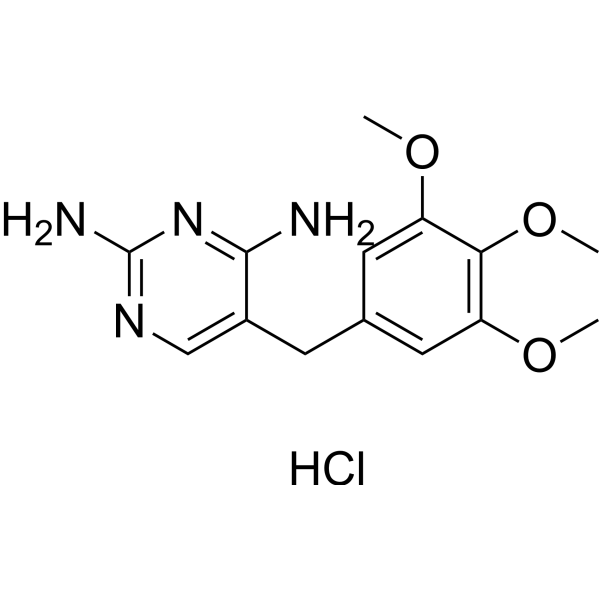
Trimethoprim hydrochloride is a bacteriostatic antibiotic and an orally active dihydrofolate reductase inhibitor. Trimethoprim hydrochloride is active against a wide range of Gram-positive and Gram-negative aerobic bacteria. Trimethoprim hydrochloride has the potential for the research of urinary tract infections, Shigellosis and Pneumocystis pneumonia. Trimethoprim hydrochloride can inhibit infection of Influenza A virus in chick embryo when combinated with zinc .
|
-
-
- HY-119966
-
|
|
Wnt
β-catenin
PPAR
CDK
|
Cancer
|
|
CCT036477 is a Wnt/β-catenin pathway inhibitor. CCT036477 blocks transcription at β-catenin without altering its levels. CCT036477 inhibits proliferation of various cancer cells, development of embryos, and expression of Wnt target genes (PPARδ, Cyclin D1, TCF4, and ID2) .
|
-
-
- HY-A0096R
-
|
Ciloprost (Standard); ZK 36374 (Standard)
|
Reference Standards
Prostaglandin Receptor
Endogenous Metabolite
|
Endocrinology
Cancer
|
|
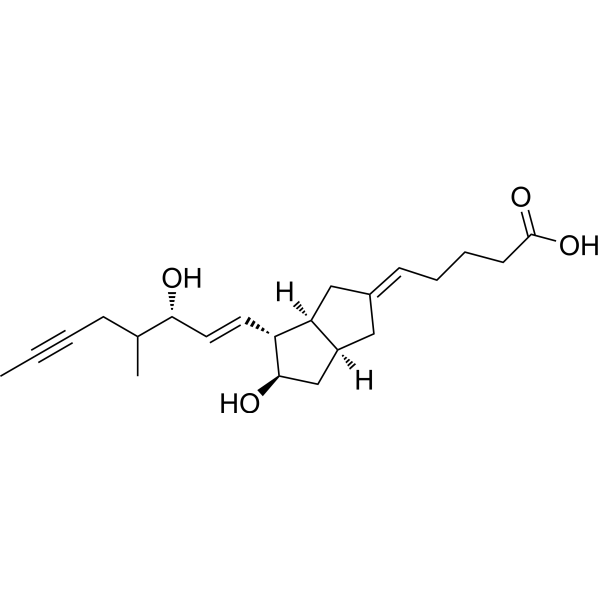
Iloprost (Standard) is the analytical standard of Iloprost. This product is intended for research and analytical applications. Iloprost (ZK 36374; Ciloprost) is a prostacyclin (PGI2) analogue, involves in embryo development and inflammation improvement, and inhibits tumor metastasis. Iloprost can be used for peripheral vascular research .
|
-
-
- HY-P1015
-
|
Vasoactive Intestinal Peptide, guinea pig
|
PACAP Receptor
|
Neurological Disease
Metabolic Disease
|
|
VIP Guinea pig (Vasoactive intestinal peptide), a trophic and mitogenic factor, stimulates growth in whole cultured embryos. VIP Guinea pig functions as a simple gastrointestinal hormone and suggest a possible neurotransmitter function .
|
-
-
- HY-N2238
-
|
|
Others
|
Metabolic Disease
|
|
Dipsanoside A is a novel tetrairidoid glucoside from Dipsacus asper. Dipsacus asper Wall., a perennial plant widespread in China, has been used in traditional Chinese medicine for hundreds of years as a tonic for refreshment, as a fissiparism promoter of the osseous cells, and as an embryo security agent, etc .
|
-
-
- HY-N2236
-
|
|
Others
|
Infection
|
|
Dipsanoside B is a novel tetrairidoid glucoside from Dipsacus asper. Dipasandin B shows s an anti-osteoarthritis effect. Dipsacus asper Wall., a perennial plant widespread in China, has been used in traditional Chinese medicine for hundreds of years as a tonic for refreshment, as a fissiparism promoter of the osseous cells, and as an embryo security agent, etc .
|
-
-
- HY-117617
-
|
|
Histone Acetyltransferase
|
Cancer
|
|
CAY10669 (compound 6d) is an anacardic acid (HY-N2020) derivative that inhibits histone acetyltransferase PCAF with an IC50 of 662 μM . CAY10669 enhances the SAHA-induced acetylation in HEPG2 cells, exhibits cytotoxicity in zebrafish embryo, promotes transgene expression in CHO-K1 cells .
|
-
-
- HY-N1738
-
|
|
Others
|
Others
|
|
2-Methoxystypandroneis a naphthoquinonethat can be found inPolygonum cuspidatum. 2-Methoxystypandrone showsantioxidantactivities. 2-Methoxystypandrone improves developmental competence of bovine embryos .
|
-
-
- HY-N12201
-
|
|
Antibiotic
Fungal
|
Infection
|
|
Funiculosin is a neutral lipophilic antibiotic that inhibits DNA and RNA viruses. Funiculosin also has antifungal activity. Funiculosin inhibits infections caused by pathogenic fungi in primary chicken embryo fibroblasts .
|
-
-
- HY-W014004
-
|
CBHA
|
HDAC
Apoptosis
|
Others
Cancer
|
|
m-Carboxycinnamic acid bishydroxamide (CBHA) is a histone deacetylase inhibitor. m-Carboxycinnamic acid bishydroxamide modulates histone acetylation sites, alters DNA methylation and epigenetic status, increases global histone acetylation, alleviates transcription repression, and facilitates chromatin remodelling. m-Carboxycinnamic acid bishydroxamide can be used for the research of cloned embryo development and epigenetic regulation .
|
-
-
- HY-136439
-
|
|
Bacterial
Antibiotic
Apoptosis
|
Infection
|
|
4-Epianhydrotetracycline hydrochloride is a major intermediate product of Tetracycline (HY-A0107). 4-Epianhydrotetracycline hydrochloride shows lethal effects and induces cell apoptosis of zebrafish embryos. 4-Epianhydrotetracycline hydrochloride inhibits Shewanella, E. coli and P. aeruginosa with MIC values of 2, 1 and 64 mg/L, respectively .
|
-
-
- HY-N6726S
-
|
|
Isotope-Labeled Compounds
Fungal
Endogenous Metabolite
|
Infection
Cancer
|
|
Fumonisin B3- 13C34 is the 13C labeled Fumonisin B3 (HY-N6726). Fumonisin B3 is an orally active fumonisin Mycotoxin. Fumonisin B3 can be isolated from Fusarium moniliforme, Fusarium proliferatum and Fusarium nygamai. Fumonisin B3 induces precancerous lesions, triggers embryonic death of chicken embryos, causes severe hemorrhage in dead chicken embryos. Fumonisin B3 can be used in studies related to hepatocellular carcinoma .
|
-
- HY-B1944
-
|
|
Apoptosis
FOXO
|
Others
|
|
Dipropyl phthalate is a plasticizer. Dipropyl phthalate induced activation of the FoxO signaling pathway, leading to abnormal proliferation of pharyngeal arch cartilage and promoting its apoptosis in a zebrafish model. Dipropyl phthalate also induced developmental defects in the craniofacial cartilage of zebrafish embryos in a zebrafish model .
|
-
- HY-A0277R
-
|
|
Reference Standards
Fungal
|
Others
|
|
Cyproconazole (Standard) is the analytical standard of Cyproconazole. This product is intended for research and analytical applications. Cyproconazole is a triazole fungicide used to protect crops, fruits and vegetables against a wide range of fungal pathogens. Cyproconazole can cause hepatocellular adenomas and carcinomas in CD-1 mice. Cyproconazole also exhibits low toxicity to zebrafish embryos and affects locomotor activity .
|
-
- HY-136380
-
|
|
Herbicide
|
Others
|
|
Clodinafop-propargyl, a main member of aryloxyphenoxy-propionate herbicides, is used for postemergence control of annual grasses in cereals, including Avena, Lolium, Setaria, Phalaris and Alopecurus spp . Clodinafop-propargyl is a click chemistry reagent, it contains an Alkyne group and can undergo copper-catalyzed azide-alkyne cycloaddition (CuAAc) with molecules containing Azide groups. Clodinafop-propargyl has developmental toxicity to zebrafish embryos .
|
-
- HY-124021
-
|
|
Aryl Hydrocarbon Receptor
|
Others
|
|
Benzyl 2-naphthyl ether is a compound mentioned in the study of the effects of aromatic sensitizers on zebrafish embryos. It can cause morphological abnormalities and changes in gene expression in zebrafish embryos. Its toxicity mechanism is partly related to AHR, and there may be other mechanisms independent of AHR.
|
-
- HY-108475
-
|
|
DYRK
|
Cancer
|
|
ProINDY, a prodrug of INDY (HY-108476), is a DYRK1A and DYRK1B inhibitor. ProINDY effectively recovers Xenopus embryos from head malformation induced by Dyrk1A overexpression .
|
-
- HY-N15389
-
|
|
Influenza Virus
|
Infection
|
|
Noformicin has inhibitory effect on mumps virus and Newcastle disease virus in chicken embryo. Noformicin also extended the survival of mice infected with swine, influenza A (PR8) and influenza B (Lee) viruses .
|
-
- HY-171398
-
|
|
Nucleoside Antimetabolite/Analog
|
Others
|
|
5′-O-Phosphonocytidylyl-(3′→5′)-adenosine is a diribonucleotide. 5′-O-Phosphonocytidylyl-(3′→5′)-adenosine can be isolated from embryos of the copepod Euchaeta japonica Marukawa .
|
-
- HY-123230S
-
|
CGA 279202-d6
|
Isotope-Labeled Compounds
Fungal
|
Infection
|
|
Trifloxystrobin-d6 is the deuterium labeled Trifloxystrobin. Trifloxystrobin (CGA 279202) is a fungicide, with EC50s of 23.0 μg/L and 1.7 μg/L for Daphnia magna neonate and embryos, respectively, after treatment for 48 h .
|
-
- HY-W025062
-
|
|
Drug Intermediate
|
Others
|
|
Diethyl pyridine-2,4-dicarb is a potent prolyl 4-hydroxylase-directed proinhibitor. Diethyl pyridine-2,4-dicarb inhibits prolyl hydroxylation and procollagen processing in chick-embryo calvaria .
|
-
- HY-173420
-
-
- HY-N8933
-
|
|
Others
|
Others
|
|
Glucolimnanthin is a plant glucoside that can be isolated from Limnanthes douglasii. Glucolimnanthin can increase metabolic activation of benzo[a]pyrene (B[a]P) in cultured mammalian cells
|
-
- HY-16741
-
|
OBE001
|
Oxytocin Receptor
|
Endocrinology
|
|
Erlosiban (OBE001) is an orally active non-peptide type oxytocin receptor antagonist. Erlosiban inhibits the increase of intracellular calcium concentration, thereby reducing uterine smooth muscle contraction. Erlosiban can be used for research on premature birth and to improve embryo implantation and pregnancy rate in assisted reproductive technology (AR).
|
-
- HY-107408
-
|
|
Hedgehog
Gli
|
Metabolic Disease
Cancer
|
|
SANT 2 is a potent Hh-signaling pathway antagonist. SANT 2 interferes with the expression of Gli1. SANT 2 causes developmental delay in medaka embryos. SANT 2 has the potential for the research of several malignancies including Gorlin syndrome (a disorder predisposing to basal cell carcinoma, medulloblastoma and rhabdomyosarcoma), prostate, pancreatic and breast cancers .
|
-
- HY-B0510A
-
|
|
Antifolate
Bacterial
Antibiotic
Influenza Virus
|
Infection
Cancer
|
|
Trimethoprim sulfate is a bacteriostatic antibiotic and an orally active dihydrofolate reductase inhibitor. Trimethoprim sulfate is active against a wide range of Gram-positive and Gram-negative aerobic bacteria. Trimethoprim sulfate has the potential for the research of urinary tract infections, Shigellosis and Pneumocystis pneumonia. Trimethoprim sulfate can inhibit infection of Influenza A virus in chick embryo when combinated with zinc .
|
-
- HY-110296
-
-
- HY-123492
-
|
|
Opioid Receptor
|
Neurological Disease
Endocrinology
|
|
Kentsin (Thr-Pro-Arg-Lys), a contraceptive tetrapeptide, is originally extracted from hamster embryos. Kentsin prevents the maturation of Graafian follicles and consequently inhibits ovulation, without binding to opioid receptors. Kentsin has opiate properties on gastrointestinal motility .
|
-
- HY-136439R
-
|
|
Reference Standards
Bacterial
Antibiotic
Apoptosis
|
Infection
|
|
4-Epianhydrotetracycline hydrochloride (Standard) is the analytical standard of 4-Epianhydrotetracycline hydrochloride. This product is intended for research and analytical applications. 4-Epianhydrotetracycline hydrochloride is a major intermediate product of Tetracycline (HY-A0107). 4-Epianhydrotetracycline hydrochloride shows lethal effects and induces cell apoptosis of zebrafish embryos. 4-Epianhydrotetracycline hydrochloride inhibits Shewanella, E. coli and P. aeruginosa with MIC values of 2, 1 and 64 mg/L, respectively .
|
-
- HY-177869
-
|
|
Drug Derivative
Apoptosis
Caspase
PARP
|
Cancer
|
|
CHNQD-00824 is a Terphenyllin (HY-119821) derivative with potent anticancer effect. CHNQD-00824 inhibits the proliferation and migration of cancer cells via DNA damage. CHNQD-00824 triggers apoptosis and inhibits Doxycin Hydrochloride (DOX)-induced liver-specific enlargement in zebrafish embryos. CHNQD-00824 can be used for cancer research, such as liver and breast cancer .
|
-
- HY-171985
-
|
|
Biochemical Assay Reagents
|
Others
|
|
DCPD is an amine compound. DCPD has significant embryotoxicity with an ED50 of 0.6 μmol per egg for chick embryos, and it induces embryos deaths and malformations. DCPD can be used for human teratogenesis research .
|
-
- HY-149500
-
-
- HY-N6726R
-
|
|
Reference Standards
Fungal
Endogenous Metabolite
|
Infection
Cancer
|
|
Fumonisin B3 (Standard) is the analytical standard of Fumonisin B3. This product is intended for research and analytical applications. Fumonisin B3 is an orally active fumonisin Mycotoxin. Fumonisin B3 can be isolated from Fusarium moniliforme, Fusarium proliferatum and Fusarium nygamai. Fumonisin B3 induces precancerous lesions, triggers embryonic death of chicken embryos, causes severe hemorrhage in dead chicken embryos. Fumonisin B3 can be used in studies related to hepatocellular carcinoma .
|
-
- HY-119896R
-
|
|
Herbicide
Reference Standards
|
Neurological Disease
|
|
Clethodim (Standard) is the analytical standard of Clethodim. This product is intended for research and analytical applications. Clethodim is a postemergence herbicide. Clethodim shows developmental toxicity and neurotoxicity in zebrafish embryos and larvae .
|
-
- HY-N6726S1
-
|
|
Isotope-Labeled Compounds
Fungal
Endogenous Metabolite
|
Infection
Cancer
|
|
Fumonisin B3-13C34-1 is the isotopic internal standard of Fumonisin B3 (HY-N6726). Fumonisin B3 is an orally active fumonisin Mycotoxin. Fumonisin B3 can be isolated from Fusarium moniliforme, Fusarium proliferatum and Fusarium nygamai. Fumonisin B3 induces precancerous lesions, triggers embryonic death of chicken embryos, causes severe hemorrhage in dead chicken embryos. Fumonisin B3 can be used in studies related to hepatocellular carcinoma .
|
-
- HY-N0770R
-
|
|
Reference Standards
Apoptosis
|
Inflammation/Immunology
Cancer
|
|
Isoliensinine is a bisbenzylisoquinoline alkaloid extracted from the seed embryo of Nelumbo nucifera, with anti-oxidant and anti-inflammatory and anti-cancer activities. Isoliensinine induces apoptosis in triple-negative human breast cancer cells .
|
-
- HY-153936
-
|
|
Apoptosis
ROS Kinase
|
Others
|
|
Methyl 12-methyltridecanoate is a biosurfactant. Methyl 12-methyltridecanoate provides a novel approach for functionalizing the silver nanoparticles higher biocompatibility in vivo environmental .
|
-
- HY-P1015A
-
|
Vasoactive Intestinal Peptide, guinea pig TFA
|
PACAP Receptor
|
Neurological Disease
Metabolic Disease
|
|
VIP Guinea pig TFA (Vasoactive intestinal peptide), a trophic and mitogenic factor, stimulates growth in whole cultured embryos. VIP Guinea pig functions as a simple gastrointestinal hormone and suggest a possible neurotransmitter function .
|
-
- HY-136355S
-
-
- HY-120367
-
|
|
Carbonic Anhydrase
|
Cancer
|
|
DTP348 is an inhibitor for carbonic anhydrase IX with a Ki of 8.3 nM in vitro and an IC50 of 19.26 μM in Xenopus oocytes. DTP348 exhibits slight toxicity in zebrafish embryos with LD50 of 3.5 mM. DTP348 can be used in the anti-cancer research .
|
-
- HY-136355R
-
|
|
Reference Standards
Fungal
Reactive Oxygen Species (ROS)
SOD
|
Infection
Inflammation/Immunology
|
|
Picoxystrobin (Standard) is the analytical standard of Picoxystrobin (HY-136355). This product is intended for research and analytical applications. Picoxystrobin is a strobilurin fungicide. Picoxystrobin controls plant diseases by inhibiting mitochondrial respiration. Picoxystrobin is highly toxic to zebrafish embryos, causing developmental abnormalities, oxidative stress, and immunotoxicity .
|
-
- HY-N7821
-
|
Aphidicolin 17-monoacetate
|
DNA/RNA Synthesis
|
Cancer
|
|
Aphidicolin 17-acetate is a selective eukaryotic DNA polymerase α inhibitor. Aphidicolin 17-acetate does not inhibit DNA polymerase β and γ. Aphidicolin 17-acetate markedly inhibits the in vivo DNA synthesis of sea urchin embryos and HeLa cells but not RNA and protein syntheses .
|
-
- HY-117757
-
-
- HY-138964
-
|
|
Phosphatase
|
Cancer
|
|
TC-PTP-IN-1 (compound 8) is a potent TC-PTP inhibitor with an IC50 value of 9.2 nM, Ki values of 4.3, 34 nM for TC-PTP, PTP1B, respectively. TC-PTP-IN-1 increases the protein expression of pSre416 . TC-PTP-IN-1 (compound 3) is the TC-PTP Ligand of TP1L (HY-160151) .
|
-
- HY-162985
-
|
|
CDK
|
Cancer
|
|
JHD205 is a CDK4/6 inhibitor that induces apoptosis and DNA damage. JHD205 inhibits DNA repair by upregulating Caspase3 and p-H2AX. JHD205 has superior potency to Abemaciclib (HY-16297A) in a xenograft chick embryo breast cancer model. .
|
-
- HY-W746269
-
|
|
Drug Derivative
|
Metabolic Disease
|
|
KCA 098 is an orally active benzofuroquinoline derivative. KCA 098 can inhibit bone resorption and stimulat bone formation of chick embryo. KCA 098 can increase calcium and phosphorus content as well as the amount of force required to break the femur from ovariectomized rats. KCA 098 can be used for the research of bone diseases .
|
-
- HY-33037R
-
|
|
Reference Standards
Fungal
|
Infection
Inflammation/Immunology
Cancer
|
|
Phenazine-1-carboxylic acid (Standard) is the analytical standard of Phenazine-1-carboxylic acid. This product is intended for research and analytical applications. Phenazine-1-carboxylic acid is an antifungal agent. Additionally, Phenazine-1-carboxylic acid exhibits anticancer activity by inducing apoptosis in cancer cells through the regulation of ROS generation. Phenazine-1-carboxylic acid can upregulate the expression of IL-8 and ICAM-1 while inhibiting the release of RANTES and MCP-1, demonstrating its potential immunomodulatory effects. Phenazine-1-carboxylic acid holds significant research value in the areas of anti-infection, anticancer, and immune response modulation[1][2][3][4].
|
-
- HY-163841
-
|
|
Drug Derivative
|
Cancer
|
|
Antitumor agent-181 (HJ1) is an anticancer agent. Antitumor agent-181 inhibits tumor cell growth in vivo and in vitro .
|
-
- HY-W011616
-
|
CDNG1/vuc230
|
Wnt
|
Cardiovascular Disease
Cancer
|
|
Cardionogen 1 (CDNG1/vuc230) is a Wnt signaling pathway inhibitor that slows down Myc-induced liver tumorigenesis. Cardionogen 1 treatment of zebrafish embryos before gastrulation inhibits cardiomyocyte formation, whereas treatment during or after gastrulation induces cardiomyocyte formation. Cardionogen 1 has potential in research into cancer and cardiovascular disease .
|
-
- HY-155331
-
|
|
Fungal
|
Infection
|
|
Antifungal agent 77 (Compound 13h) is an antifungal agent. Antifungal agent 77 (500 μg/mL) also shows good insecticidal activity against Mythimna separate, Helicoverpa armigera, Ostrinia nubilalis, and Spodoptera frugiperda with a death rate of 30%, 25%, 40%, and 25%. Antifungal agent 77 shows toxicity in zebrafish embryo with a LC50 of 2.43 μg/mL .
|
-
- HY-118295
-
|
|
Endogenous Metabolite
|
Cancer
|
|
Pyrimidine-indole hybrid is a compound that inhibits ciliogenesis and has the activity of antagonizing the Hedgehog signaling pathway by destabilizing microtubules. Pyrimidine-indole hybrid exerts its biological effects by inhibiting ciliogenesis and deconstructing the stable form of α-tubulin. Pyrimidine-indole hybrid has shown its unique mechanism of action in in vitro cell experiments and zebrafish embryo models, interfering with microtubule dynamics .
|
-
- HY-W042298
-
|
|
Environmental Pollutants
|
Others
|
|
Triisobutyl phosphate is an environmental pollutant that undergoes biodegradation. TiBP can be degraded in activated sludge via hydrolysis, dehydrogenation and hydroxylation, a process mediated by an acclimated microbial community with Pseudomonas as the key strain, and enhanced by TiBP-induced enzymatic activity. TiBP exerts toxic effects on zebrafish embryos .
|
-
- HY-W747601
-
|
|
Cholinesterase (ChE)
SOD
Reactive Oxygen Species (ROS)
Bcl-2 Family
MDM-2/p53
Apoptosis
|
Infection
|
|
Chlorphoxim is a broad-spectrum and highly efficient insecticide. Chlorphoxim kills pests by inhibiting AChE. Chlorphoxim inhibits the activities of SOD and CAT in zebrafish embryos. Chlorphoxim induces oxidative stress in zebrafish embryos by activating ROS. Chlorphoxim induces apoptosis by upregulating the expression levels of Bax, Bcl2 and p53 in zebrafish embryos. Chlorphoxim exhibits neurotoxicity and developmental toxicity. Chlorphoxim is used in agricultural research for the control of various pests .
|
-
- HY-B2052A
-
|
Monosultap
|
Insecticide
Angiotensin-converting Enzyme (ACE)
Apoptosis
|
Infection
|
|
Thiosultap monosodium (Monosultap) is a broad-spectrum insecticide and a competitive inhibitor of acetylcholine. Thiosultap monosodium exerts contact and stomach poisoning effects through systemic conduction in field pests. Thiosultap monosodium has teratogenic effects, induces notochord malformations in zebrafish embryos, and causes apoptosis and abnormally elevated cell proliferation in partial notochord tissues of zebrafish. Thiosultap monosodium is applicable to the research of controlling rice stem borers .
|
-
- HY-N18470
-
|
|
DNA/RNA Synthesis
Apoptosis
Reactive Oxygen Species (ROS)
|
Inflammation/Immunology
|
|
Gadusol is a potent, maternally supplied natural sunscreen. Gadusol is synthesized by the mother during oogenesis and stored in eggs, representing the primary sunscreen mechanism during the early developmental stages of fish. Gadusol directly prevents UVB-induced DNA damage and reduces the generation of ROS thereby avoiding cellular stress and apoptosis. Gadusol does not exert antioxidant functions in zebrafish embryos. Gadusol can be used in studies related to topical photoprotective cosmetics .
|
-
- HY-W714183
-
|
|
Herbicide
ERK
p38 MAPK
JNK
PI3K
Akt
Apoptosis
Microtubule/Tubulin
|
Metabolic Disease
|
|
Dinitramine is a herbicide. Dinitramine activates the Erk/P38/JNK/MAPK pathway and inactivates the PI3k/Akt pathway in testicular cells. Dinitramine induces endoplasmic reticulum stress, dysregulation of calcium homeostasis in the cytoplasm and mitochondria, apoptosis, and downregulated expression of cell cycle genes in testicular cells. Dinitramine reduces the viability and proliferation capacity of testicular cells, and inhibits cell division by suppressing the synthesis of tubulin. Dinitramine induces abnormal heart development, inhibited angiogenesis, inflammatory responses, apoptosis, and impaired embryonic growth in zebrafish embryos .
|
-
- HY-107399R
-
|
|
Reference Standards
RAR/RXR
|
Metabolic Disease
Cancer
|
|
CD3254 (Standard) is the analytical standard of CD3254 (HY-107399). This product is intended for research and analytical applications. CD3254 a potent and selective retinoid-X-receptor (RXR) agonist .
|
-
- HY-N19880
-
|
|
Drug Derivative
|
Infection
|
|
Oleanoglycotoxin A is a saponin present in the berries of Phytolacca dodecandra, with antifertility and molluscicidal activities. Oleanoglycotoxin A prevents pregnancy, reduces the number of embryos, inhibits implantation, terminates established pregnancy, and kills Biomphalaria glabrata. Oleanoglycotoxin A can be used in studies related to schistosomiasis .
|
-
- HY-N13111
-
|
|
Others
|
Others
|
|
Neoliensinine is a benzylisoquinoline that effectively inhibits KCl (124 mM)-induced contraction of isolated mesenteric vascular smooth muscle (MVSM) with an IC50 value of 2.407 μM. Neoliensinine can be isolated from the embryo of Nelumbo nucifera Gaertn., a traditional Chinese medicine.
|
-
- HY-115474
-
|
|
Wnt
|
Cardiovascular Disease
|
|
Cardionogen-2 is a biphasic modulator of cardiogenesis, either promoting or inhibiting heart formation depending on the stage of treatment. Cardionogen-2 inhibits Wnt/β-catenin-dependent transcription in murine embryonic stem (ES) cells and zebrafish embryos .
|
-
- HY-182738B
-
|
|
Biochemical Assay Reagents
|
Others
|
|
White Medium (With Sucrose) is mainly composed of potassium nitrate, calcium chloride, magnesium sulfate, and phosphate, with potassium nitrate concentration of 80 mg/L and magnesium sulfate concentration of 720 mg/L. White Medium (With Sucrose) has a low concentration of inorganic salts and is primarily used for culturing plant roots, embryos, and general tissues; it is a sterile solution.
|
-
- HY-174572
-
|
|
mRNA
|
Neurological Disease
|
|
Human NEUROD2 mRNA encodes the human neuronal differentiation 2 (NEUROD2) protein, a member of the neuroD family of neurogenic basic helix-loop-helix (bHLH) proteins. Human NEUROD2 can induce neurogenic differentiation in non-neuronal cells in Xenopus embryos, and is thought to play a role in the determination and maintenance of neuronal cell fates.
|
-
- HY-B0510R
-
|
|
Reference Standards
Antifolate
Bacterial
Antibiotic
Influenza Virus
|
Infection
|
|
Trimethoprim (Standard) is the analytical standard of Trimethoprim. This product is intended for research and analytical applications. Trimethoprim is a bacteriostatic antibiotic and an orally active dihydrofolate reductase inhibitor. Trimethoprim is active against a wide range of Gram-positive and Gram-negative aerobic bacteria. Trimethoprim has the potential for the research of urinary tract infections, Shigellosis and Pneumocystis pneumonia. Trimethoprim can inhibit infection of Influenza A virus in chick embryo when combinated with zinc .
|
-
- HY-147891
-
|
|
Apoptosis
|
Cancer
|
|
Angiogenesis inhibitor 3 (compound 8) is a potent angiogenesis inhibitor. Angiogenesis inhibitor 3 inhibits the proliferation of HUVEC and HCT-15 cells, with IC50 values of 1.00 and 0.71 μM. Angiogenesis inhibitor 3 induces the apoptosis of HUVEC and HCT-15 cells. Angiogenesis inhibitor 3 shows anticancer activity, and suppresses the invasion of cancer cells. Angiogenesis inhibitor 3 inhibits the angiogenesis in zebrafish embryos .
|
-
- HY-D0842A
-
|
Albumin bovine serum (Low Endotoxin,Fatty acid free); BSA (Low Endotoxin,Fatty acid free)
|
Biochemical Assay Reagents
Nucleoside Antimetabolite/Analog
|
Inflammation/Immunology
|
|
Bovine Serum Albumin (Low Endotoxin,Fatty acid free) (BSA) is a 583 amino acid globular protein and oligonucleotide binding protein composed of three homologous full α domains. Bovine Serum Albumin (Low Endotoxin,Fatty acid free) (BSA) blocks the overall binding of oligonucleotides to cells. Bovine Serum Albumin (Low Endotoxin,Fatty acid free) (BSA) regulates the development of hamster embryos and induces arthritis .
|
-
- HY-116603
-
|
|
5-HT Receptor
|
Others
|
|
SB-236057 is an inverse agonist of the 5-HT1B receptor that exhibits strong skeletal teratogenicity in rodents and rabbits. SB-236057 affects gene expression during embryonic development through interference with the Notch signaling pathway and interaction with r-esp1. SB-236057 induces somatic patterning and tail extension defects in rat embryos during early organogenesis .
|
-
- HY-N16734
-
|
|
Others
|
Cancer
|
|
Norviburtinal is a non-selective cytotoxic and pro-angiogenic agent. Norviburtinal has an IC50 of 3.25 μg/mL on G361 melanoma cells and an effective concentration of 50 μg/mL on zebrafish embryos. Norviburtinal promotes capillary sprout formation in zebrafish subintestinal vessels (SIV) and has both cytotoxic and pro-angiogenic activities. Norviburtinal can be used in research on promoting angiogenesis related to melanoma, lung cancer, and wound healing .
|
-
- HY-147890
-
|
|
Apoptosis
|
Cancer
|
|
Angiogenesis inhibitor 2 (compound 72) is a potent angiogenesis inhibitor. Angiogenesis inhibitor 2 inhibits the proliferation of HUVEC and HCT-15 cells, with IC50 values of 1.93 and 0.21 μM. Angiogenesis inhibitor 2 induces the apoptosis of HUVEC and HCT-15 cells. Angiogenesis inhibitor 2 shows anticancer activity, and suppresses the invasion of cancer cells. Angiogenesis inhibitor 2 inhibits the angiogenesis in zebrafish embryos .
|
-
- HY-N11526
-
|
|
Others
|
Inflammation/Immunology
|
|
3-Hydroxy-2-(palmitoyloxy)propyl stearat is a non-volatile compound. 3-Hydroxy-2-(palmitoyloxy)propyl stearat can be isolated from less polar fractions of the brown macroalga Fucus virsoides J. Agardh. This part of the substance has a good ability to scavenge free radicals and has a protective effect on the oxidative stress induced by hydrogen peroxide in zebrafish embryos .
|
-
- HY-173419
-
|
5-cis-15(R)-Ciloprost; 5-cis-15(R)-ZK 36374
|
Drug Isomer
Prostaglandin Receptor
|
Endocrinology
Cancer
|
|
5-cis-15(R)-Iloprost (5-cis-15(R)-Ciloprost) is the C-5 cis-isomer and 15(R)-epimer of Iloprost (HY-A0096). Iloprost is a prostacyclin (PGI2) analogue, involves in embryo development and inflammation improvement, and inhibits tumor metastasis. Iloprost can be used for peripheral vascular research .
|
-
- HY-W002199
-
|
6:2 FTOH; 1H,1H,2H,2H-Perfluoro-1-octanol; 2-(Perfluorohexyl)ethanol
|
Bacterial
Apoptosis
ERK
TNF Receptor
|
Infection
Neurological Disease
|
|
6:2 Fluorotelomer alcohol (6:2 FTOH) is an orally active, blood-brain barrier-permeable modulator of cyclin D1 and ETS1. 6:2 Fluorotelomer alcohol downregulates cyclin D1 expression, upregulates ETS1 via the TNF-α/ERK 1/2 pathway, impairs mitochondrial membrane potential and respiratory function, increases reactive oxygen species levels, disrupts calcium homeostasis and activates endoplasmic reticulum stress markers, and induces cell proliferation inhibition and endothelial-mesenchymal transition. Furthermore, 6:2 Fluorotelomer alcohol induces morphological abnormalities in zebrafish embryos and liver developmental damage, while disrupting the brain immune microenvironment in mice, causing systemic toxicity and delayed pup maturation in CD-1 mice. 6:2 Fluorotelomer alcohol also induces cortical neuron apoptosis, glial cell activation, synaptic abnormalities, colonic barrier damage, intestinal dysbiosis and autism spectrum disorder-like symptoms in mice. 6:2 Fluorotelomer alcohol shows no mutagenic, clastogenic, primary skin/eye irritation or skin sensitizing effects, exhibits no selective reproductive toxicity in CD-1 mice, and is classified as GHS Category 4 for acute oral toxicity. 6:2 Fluorotelomer alcohol can be used in studies of neurodevelopmental disorders and autism spectrum disorders .
|
-
- HY-124144
-
|
|
Endogenous Metabolite
|
Cancer
|
|
MMV667492 is a potent Ezrin inhibitor with the activity to inhibit the invasion phenotype of osteosarcoma cells. MMV667492 exhibited potent anti-Ezrin activity in all biological assays and its compound properties were superior to NSC305787. MMV667492 was able to exhibit morphological defect phenotypes associated with Ezrin inhibition in zebrafish embryos. MMV667492 also showed the ability to inhibit the lung metastasis of osteosarcoma cells that highly expressed Ezrin .
|
-
- HY-B0510S3
-
|
|
Isotope-Labeled Compounds
Antibiotic
Bacterial
Antifolate
Influenza Virus
|
Others
|
|
Trimethoprim- 13C3 is the deuterium labeled Trimethoprim (HY-B0510) . Trimethoprim is a bacteriostatic antibiotic and an orally active dihydrofolate reductase inhibitor. Trimethoprim is active against a wide range of Gram-positive and Gram-negative aerobic bacteria. Trimethoprim has the potential for the research of urinary tract infections, Shigellosis and Pneumocystis pneumonia. Trimethoprim can inhibit infection of Influenza A virus in chick embryo when combinated with zinc .
|
-
- HY-N10802
-
|
|
ERK
Akt
PI3K
Epigenetic Reader Domain
|
Cancer
|
|
6-O-Isobutyrylbritannilactone is a natural melanogenesis inhibitor. 6-O-Isobutyrylbritannilactone, a sesquiterpene, can be isolated from the flowers of Inula britannica. 6-O-Isobutyrylbritannilactone inhibits IBMX (HY-12318)-induced melanin production in B16F10 cells. 6-O-Isobutyrylbritannilactone also regulates ERK, PI3K/AKT, and CREB, shows antimelanogenic activity in zebrafish embryos models .
|
-
- HY-D1585
-
|
|
Fluorescent Dye
|
Others
|
|
BODIPY TR methyl ester is a lipophilic GFP Counterstain. BODIPY TR methyl ester dye readily permeates cell membranes and localizes in endomembranous organelles but not localize strongly in plasma membranes. BODIPY TR methyl ester is an excellent red fluorescent vital dye (Ex=568 nm, Em=625 nm), can be used to reveal the location and shapes of cell nuclei, the shapes of cells within embryonic tissues, as well as the bound aries of organ-forming tissues within the whole embryo .
|
-
- HY-N6786R
-
|
|
Endogenous Metabolite
Reference Standards
|
Metabolic Disease
|
|
Ochratoxin B (Standard) is the analytical standard of Ochratoxin B (HY-N6786). This product is intended for research and analytical applications. Ochratoxin B is an orally active secondary metabolite of Aspergillus ochraceus and non-chlorinated analog of the mycotoxin Ochratoxin A. Ochratoxin B reduces the toxic effects of Ochratoxin A (HY-N6788). Ochratoxin B inhibits cell division. Ochratoxin B causes craniofacial malformations in Xenopus laevis embryos .
|
-
- HY-N6786S
-
|
|
Isotope-Labeled Compounds
Endogenous Metabolite
|
Metabolic Disease
|
|
Ochratoxin B- 13C20 is 13C-labeled Ochratoxin B (HY-N6786). Ochratoxin B is an orally active secondary metabolite of Aspergillus ochraceus and non-chlorinated analog of the mycotoxin Ochratoxin A. Ochratoxin B reduces the toxic effects of Ochratoxin A (HY-N6788). Ochratoxin B inhibits cell division. Ochratoxin B causes craniofacial malformations in Xenopus laevis embryos .
|
-
- HY-B2041
-
|
|
Insecticide
|
Infection
|
|
Benfuracarb is a broad-spectrum carbamate insecticide with crop protection activity. Benfuracarb is used to control springtails, aphids, and other pests, typically on sugar beet crops. Benfuracarb exhibits toxicity to humans and aquatic organisms. Benfuracarb exposure to zebrafish embryos resulted in a reduction in the body length of zebrafish larvae. Superoxide dismutase (SOD) activity was significantly increased after Benfuracarb treatment. Benfuracarb also interfered with the transcriptional levels of marker genes associated with early embryonic development .
|
-
- HY-172166B
-
|
|
Fluorescent Dye
|
Neurological Disease
|
|
TRITC-lysine-dextran (MW 70kDa) is a fluorescent label prepared by the conjugation of TRITC (HY-D0791), lysine and dextran. TRITC-lysine-dextran (MW 70kDa) serves multiple functions as an axonal tracer, non-viral nanocarrier and fixable fluorescent clonal marker. TRITC-lysine-dextran (MW 70kDa) undergoes anterograde and retrograde transport within axons of sensory neurons, and acts as a non-viral delivery system to precisely deliver biomolecules to neurons. TRITC-lysine-dextran (MW 70kDa) remains stably retained during histological preparation, thereby supporting continuous observation in live or fixed samples .
|
-
- HY-N12329
-
|
|
Others
|
Others
|
|
Fumonisin B4 is a derivative of fumonisin. Fumonisin B4 has low albumin binding capacity .
|
-
- HY-148592
-
|
|
Cytochrome P450
|
Cancer
|
|
Antitumor agent-87 is a potent antitumor agent. Antitumor agent-87 shows a high affinity for CYP1A1 with a Ki value of 0.23 µM. Antitumor agent-87 shows antiproliferative activity. Antitumor agent-87 induces cell cycle arrest at the G2/M phase. Antitumor agent-87 show antitumoral activity .
|
-
- HY-125629
-
|
|
Others
|
Others
|
|
Primordazine B is a small molecule compound identified by chemical screening in zebrafish embryos with the activity of selectively destroying Primordial Germ Cells (PGCs). Primordazine B inhibits a process called Poly(A)-tail Independent Non-canonical Translation (PAINT) without inhibition of polyadenylate tail dependent typical translation (PAT). Primordazine B can be used to study translational control of cells in specific physiological or pathological states, such as gene expression regulation during cell dormancy, viral infection, or stress conditions .
|
-
- HY-163511
-
|
|
Akt
Apoptosis
mTOR
PI3K
Microtubule/Tubulin
|
Cancer
|
|
PI3K/Akt/mTOR-IN-4 (compound 4r) is a potent PI3K/Akt/mTOR and tubulin polymerization inhibitor. PI3K/Akt/mTOR-IN-4 induce apoptosis and cell cycle arrest at G2/M phase. PI3K/Akt/mTOR-IN-4 decreases the expression of p-PI3K, p-Akt, and p-mTOR, β-tubulin .
|
-
- HY-138903
-
|
L-HCA
|
iGluR
|
Neurological Disease
|
|
L-Homocysteic acid (L-HCA) is an endogenous excitatory amino acid that acts as a NMDA receptor agonist (EC50: 14 μM). L-Homocysteic acid is neurotoxic, and can be used in the research of neurological disorders .
|
-
- HY-W099479R
-
|
Ethyl butylacetylaminopropionate (Standard); IR-3535 (Standard)
|
Reference Standards
Reactive Oxygen Species (ROS)
Apoptosis
|
Infection
Inflammation/Immunology
|
|
Insect repellent M 3535 (Ethyl butylacetylaminopropionate) Standard is the analytical standard of Insect repellent M 3535 (HY-W099479). This product is intended for research and analytical applications. Insect repellent M 3535 (Ethyl butylacetylaminopropionate) is a broad-spectrum, mild insect repellent based on the structure of β-alanine. Insect repellent M 3535 exerts repellent effects by interfering with the olfaction of mosquitoes, but it poses risks of developmental and cardiac toxicity to aquatic organisms such as zebrafish embryos in aquatic environments, and can activate oxidative stress responses.
|
-
- HY-W008927
-
|
|
Fungal
Reactive Oxygen Species (ROS)
DNA/RNA Synthesis
Apoptosis
|
Infection
|
|
Fluoxastrobin is a fungicide. By binding to NAD-dependent epimerase/dehydratase, Fluoxastrobin interferes with electron transport, reduces ATP production and inhibits mycelial growth, thereby effectively controlling foliar diseases of tea plants. Fluoxastrobin induces oxidative stress by increasing ROS levels and lipid peroxidation, causes DNA damage and promotes apoptosis; meanwhile, it shows high acute toxicity to Danio rerio embryos and larvae. Fluoxastrobin can be used in research related to tea foliar diseases (including tea red leaf spot and tea gray leaf spot) .
|
-
- HY-B2041R
-
|
|
Parasite
Reference Standards
|
Infection
|
|
Benfuracarb (Standard) is the analytical standard of Benfuracarb. This product is intended for research and analytical applications. Benfuracarb is a broad-spectrum carbamate insecticide with crop protection activity. Benfuracarb is used to control springtails, aphids, and other pests, typically on sugar beet crops. Benfuracarb exhibits toxicity to humans and aquatic organisms. Benfuracarb exposure to zebrafish embryos resulted in a reduction in the body length of zebrafish larvae. Superoxide dismutase (SOD) activity was significantly increased after Benfuracarb treatment. Benfuracarb also interfered with the transcriptional levels of marker genes associated with early embryonic development .
|
-
- HY-107420
-
|
|
Endogenous Metabolite
|
Metabolic Disease
|
|
AY 9944 is a specific cholesterol biosynthesis inhibitor. AY 9944 inhibits the 7-dehydro cholesterol Δ7-reductase (DHCR7) enzyme with an IC50 of 13 nM. AY 9944 causes hypocholesterolemia and accumulation of 7DHC. At high doses, AY 9944 inhibits also in cultured embryos sterol Δ7-Δ8 isomerase, which causes the accumulation of cholest-8-en-3β-ol .
|
-
- HY-W099331R
-
|
MEGX hydrochloride (Standard); Norlidocaine hydrochloride (Standard)
|
Reference Standards
Drug Metabolite
|
Metabolic Disease
Inflammation/Immunology
|
|
Benfuracarb (Standard) is the analytical standard of Benfuracarb. This product is intended for research and analytical applications. Benfuracarb is a broad-spectrum carbamate insecticide with crop protection activity. Benfuracarb is used to control springtails, aphids, and other pests, typically on sugar beet crops. Benfuracarb exhibits toxicity to humans and aquatic organisms. Benfuracarb exposure to zebrafish embryos resulted in a reduction in the body length of zebrafish larvae. Superoxide dismutase (SOD) activity was significantly increased after Benfuracarb treatment. Benfuracarb also interfered with the transcriptional levels of marker genes associated with early embryonic development .
|
-
- HY-178921
-
|
|
Drug Derivative
Apoptosis
|
Cancer
|
HJ-4 is a Piperine (HY-N0144) derivative. HJ-4 potently inhibits the proliferation of CRC cells by dose-dependently reducing colony formation and DNA synthesis. HJ-4 markedly suppresses the adhesion, migration, invasion and induces apoptosis of CRC cells. HJ-4 demonstrates anti-tumor efficacy in chicken embryo chorioallantoic membrane (CAM) model implanted with HCT116/SW480 tumor spheroids. HJ-4 can be used for the study of colorectal cancer (CRC) .
|
-
- HY-W036015
-
|
|
Parasite
|
Infection
|
|
(Z)-7-Tetradecen-2-one acts as a species-specific nematicide. (Z)-7-Tetradecen-2-one induces terminal embryogenesis, morphological abnormalities, irreversible developmental arrest and increases eggshell permeability in *Pristionchus pacificus* embryos. (Z)-7-Tetradecen-2-one exerts olfactory attraction toward *Pristionchus pacificus*. (Z)-7-Tetradecen-2-one can be used to study the symbiotic relationship between hosts and nematodes .
|
-
- HY-18684
-
|
5'-Isobutylthioadenosine; 5'-Deoxy-5'-isobutylthioadenosine
|
Nucleoside Antimetabolite/Analog
HSV
Parasite
|
Infection
Metabolic Disease
Cancer
|
|
SIBA (5'-Isobutylthioadenosine) is a transmethylation inhibitor (SAH (HY-19528) analogue), with potent anti-proliferative activity. SIBA reversibly inhibits the production of HSV-1 by blocking methylation, specifically by blocking the 5' end-capping of viral mRNA. SIBA also inhibits the growth of tumour cells in vitro and metastatic spread in vivo. SIBA can be used in cancer, HSV-1 infection and anti-malaria studies .
|
-
- HY-108640
-
|
|
MDM-2/p53
Parasite
Apoptosis
|
Infection
Cancer
|
|
HLI373 is an efficacious Hdm2 inhibitor. HLI373 inhibits the ubiquitin ligase activity of Hdm2. HLI373 is effective in inducing apoptosis of several tumor cells that are sensitive to DNA-damaging agents . Antimalarial activity .
|
-
- HY-12464R
-
|
WC-9717 (Standard); CGA-276854 (Standard)
|
Herbicide
Reference Standards
|
Others
|
|
Butafenacil (Standard) is the analytical standard of Butafenacil. This product is intended for research and analytical applications. Butafenacil (WC-9717; CGA-276854) is an herbicide that inhibits protoporphyrinogen oxidase .
|
-
- HY-12464
-
|
WC-9717; CGA-276854
|
Herbicide
|
Others
|
|
Butafenacil (WC-9717; CGA-276854) is an herbicide that inhibits protoporphyrinogen oxidase .
|
-
- HY-146000
-
|
|
Influenza Virus
|
Inflammation/Immunology
|
|
Influenza virus-IN-3 (compound 9) is a potent and selective influenza virus inhibitor with IC50s of 0.88, 0.10, 5.5, 0.51 µM for H5N1, H5N2, H5N6, H5N8, respectively. Influenza virus-IN-3 shows antiviral and NA (neuraminidase enzyme)-inhibitory activity. Influenza virus-IN-3 shows low cytotoxicity with an CC50 of >200 µM .
|
-
- HY-146001
-
|
|
Influenza Virus
|
Inflammation/Immunology
|
|
Influenza virus-IN-4 (compound 11e) is a potent influenza virus neuraminidase inhibitor with IC50s of 3.4, 0.094, 0.79, 0.077 µM for H5N1, H5N2, H5N6, H5N8, respectively. Influenza virus-IN-4 shows NA (neuraminidase enzyme)-inhibitory activity. Influenza virus-IN-4 shows low cytotoxicity with an CC50 of >200 µM. Influenza virus-IN-4 shows no obvious toxicity at the dose of 1500 mg/kg in mice .
|
-
- HY-108640A
-
|
|
MDM-2/p53
Parasite
Apoptosis
|
Infection
Cancer
|
|
HLI373 dihydrochloride is an efficacious Hdm2 inhibitor. HLI373 dihydrochloride inhibits the ubiquitin ligase activity of Hdm2. HLI373 dihydrochloride is effective in inducing apoptosis of several tumor cells that are sensitive to DNA-damaging agents . Antimalarial activity .
|
-
- HY-P990794
-
|
|
TNF Receptor
Dengue Virus
|
Infection
Inflammation/Immunology
Cancer
|
|
Anti-Mouse TNF-alpha/TNFSF2 Antibody (XT3.11) is a rat-derived IgG1 antibody inhibitor, targeting to TNF-alpha/TNFSF2. Anti-Mouse TNF-alpha/TNFSF2 Antibody (XT3.11) neutralizes of TNF-alpha. Anti-Mouse TNF-alpha/TNFSF2 Antibody (XT3.11) can be used for the researches of cancer, infection and immunology, such as dengue virus and B16K1 tumor .
|
-
- HY-B0570
-
|
|
nAChR
|
Neurological Disease
|
Decamethonium Bromide is an acetylcholine receptor inhibitor and muscle relaxant. Decamethonium Bromide first induces depolarization of skeletal muscles, and then binds to postsynaptic acetylcholine receptors to induce persistent paralysis .\n
|
-
- HY-181029
-
|
|
Tyrosinase
|
Neurological Disease
Inflammation/Immunology
|
|
Tyrosinase-IN-49 (Compound 12) is a potent and mixed-type chalcone-based tyrosinase inhibitor with an IC50 of 0.19 μM. Tyrosinase-IN-49 has potent antioxidant potential with significant DPPH and ABTS radical scavenging capacity. Tyrosinase-IN-49 can chelate the binuclear copper ions in the active center of tyrosinase and reduce Cu 2+ to Cu +, thereby reducing the catalytic activity of the enzyme. Tyrosinase-IN-49 has low cytotoxicity for HEK293 cells and zebrafish embryo. Tyrosinase-IN-49 shows antibrowning effects to improve food quality and can be used for research of food preservation .
|
-
- HY-W854721
-
|
Manganese(III) Protoporphyrin IX Chloride
|
Heme Oxygenase (HO)
|
Metabolic Disease
|
|
Mn(III) protoporphyrin IX chloride is a metalloporphyrin. It induces mRNA expression of the genes encoding δ-aminolevulinate synthase and heme oxygenase (HO), enzymes that catalyze the rate-limiting steps of heme biosynthesis and degradation, respectively, in chick embryo liver cells when used at a concentration of 10 μM. Mn(III) protoporphyrin IX chloride-containing nanobialys have been used in magnetic resonance imaging (MRI) of fibrin clots in vitro. It has also been used in the synthesis of Mn(III) protoporphyrin IX-6(7)-glycyl-glycyl-L-histidine methyl ester (MnGGH), a metalloporphyrin conjugate with microperoxidase activity.
|
-
- HY-12220
-
MM-102
4 Publications Verification
HMTase Inhibitor IX
|
WDR5
Apoptosis
NF-κB
TNF Receptor
Interleukin Related
|
Inflammation/Immunology
Cancer
|
|
MM-102 (HMTase Inhibitor IX) is a cell-permeable and tightly binding inhibitor of MLL1-WDR5 interaction (IC50=2.4 nM). MM-102 can specifically inhibit the growth and induce apoptosis of leukemia cells containing MLL1 fusion protein, and reduce renal fibrosis and inflammation in mice with ischemia-reperfusion injury. In addition, MM-102 also acts as an H3K4 histone methyltransferase inhibitor to improve the development of porcine somatic cell nuclear transfer (SCNT) embryos .
|
-
- HY-181028
-
|
|
Tyrosinase
|
Neurological Disease
Inflammation/Immunology
|
|
Tyrosinase-IN-48 (Compound 3) is a potent and competitive chalcone-based tyrosinase inhibitor with an IC50 of 0.49 μM. Tyrosinase-IN-48 has potent antioxidant potential with significant DPPH and ABTS radical scavenging capacity. Tyrosinase-IN-48 can chelate the binuclear copper ions in the active center of tyrosinase and reduce Cu 2+ to Cu +, thereby reducing the catalytic activity of the enzyme. Tyrosinase-IN-48 has low cytotoxicity for HEK293 cells and zebrafish embryo. Tyrosinase-IN-48 shows antibrowning effects to improve food quality and can be used for research of food preservation .
|
-
- HY-127009
-
|
Levofolinic acid; Levofolene
|
Lysyl Oxidase
Apoptosis
|
Metabolic Disease
Cancer
|
|
Levoleucovorin (Levofolinic acid; Levofolene) is the pharmacologically and orally active levoisomer of Folinic acid (HY-17556), a synthetic folate analogue. Levoleucovorin can inhibit LOXL2 with an IC50 of 68.81 μM. Levoleucovorin can inhibit cancer cells proliferation, migration and induce apoptosis. Levoleucovorin can be used as a rescue agent for high-dose Methotrexate (HY-14519). Levoleucovorin can reduce the frequency of embryonic malformations. Levoleucovorin can be used for the research of can and endocrinology, such as breast cancer and osteosarcoma .
|
-
- HY-144818
-
|
|
Apoptosis
Microtubule/Tubulin
|
Cancer
|
|
Tubulin inhibitor 23 is a potent Tubulin inhibitor with an IC50 of 4.8 µM. Tubulin inhibitor 23 induces cell apoptosis. Tubulin inhibitor 23 shows antiangiogenic activity in a dose-dependent manner. Tubulin inhibitor 23 has the potential for the research of leukaemia .
|
-
- HY-116452
-
|
|
VEGFR
|
Cancer
|
|
YLT192 is an orally active and highly bioavailable VEGFR2 inhibitor with potent anti-angiogenic activity and anti-tumor efficacy. YLT192 significantly inhibited the kinase activity of VEGFR2 and inhibited the proliferation, migration, invasion and tube formation of human umbilical cord vascular endothelial cells. YLT192 also inhibited VEGF-induced VEGFR2 phosphorylation and its downstream signaling regulators. YLT192 also showed the ability to inhibit angiogenesis in vivo in zebrafish embryo models and alginate-coated tumor cell experiments. YLT192 can directly inhibit the proliferation of cancer cells and induce their apoptosis .
|
-
- HY-131492S
-
|
|
Isotope-Labeled Compounds
Endogenous Metabolite
VD/VDR
|
Metabolic Disease
|
|
Δ4-Dafachronic Acid-d3 is deuterium labeled Δ4-Dafachronic acid (HY-131492). Δ4‑Dafachronic acid is an endogenous steroid hormone, an agonist of the DAF‑12 nuclear receptor, and a key ligand for the vitamin D receptor (VDR). Δ4‑Dafachronic acid promotes the active escape developmental trajectory in Austrofundulus limnaeus embryos even under diapause‑inducing conditions. Δ4‑Dafachronic acid is suitable for research on the developmental biology .
|
-
- HY-178453
-
|
|
VEGFR
Apoptosis
|
Cancer
|
|
VEGFR-2-IN-74 (compound 55) is a potent VEGFR-2 inhibitor (IC50 = 0.035 µM). VEGFR-2-IN-74 exhibits good anti proliferative activity and can induce apoptosis in various cancer cells, such as A549 (IC50 = 2.67 µM) and HCT116 (IC50 = 10.87 µM) cells. VEGFR-2-IN-74 has low toxicity to normal cells. VEGFR-2-IN-74 shows significant anti angiogenic effects in chicken embryo models. VEGFR-2-IN-74 can be used in the research of cancer .
|
-
- HY-104044A
-
|
BGB-290 maleate
|
Apoptosis
|
Neurological Disease
|
|
Pamiparib maleate (BGB-290 maleate) is a highly potent and selective PARP inhibitor with neurotoxicity-inducing activity. Pamiparib maleate can effectively penetrate the blood-brain barrier and cause cerebral hemorrhage, brain atrophy, and movement disorders in zebrafish embryos exposed. Pamiparib maleate exposure downregulates the activities of acetylcholinesterase (AChE) and adenosine triphosphatase (ATPase) and leads to upregulation of oxidative stress, which triggers apoptosis and interferes with the expression of neurodevelopment-related genes. The use of pamiparib maleate is also accompanied by downregulation of the Notch signaling pathway, while activation of the Notch signaling pathway can partially rescue neurodevelopmental toxicity. Therefore, pamiparib maleate provides a reference for evaluating its potential neurotoxicity during embryonic development .
|
-
- HY-B1777A
-
|
|
Endogenous Metabolite
Bacterial
Reactive Oxygen Species (ROS)
DNA/RNA Synthesis
|
Infection
Neurological Disease
Inflammation/Immunology
|
|
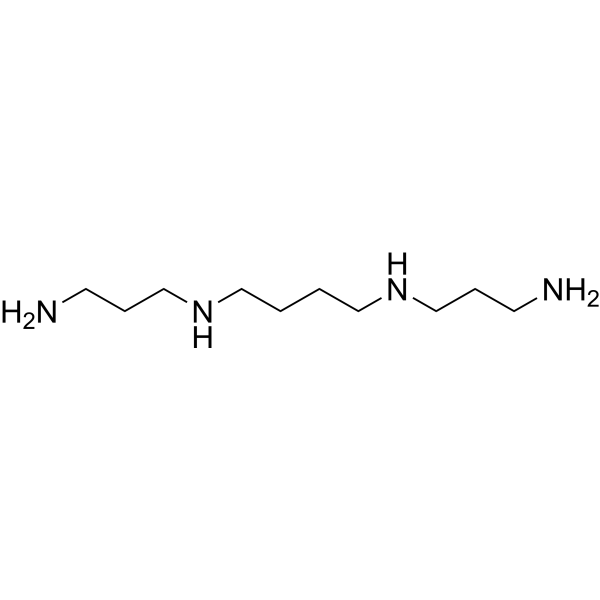
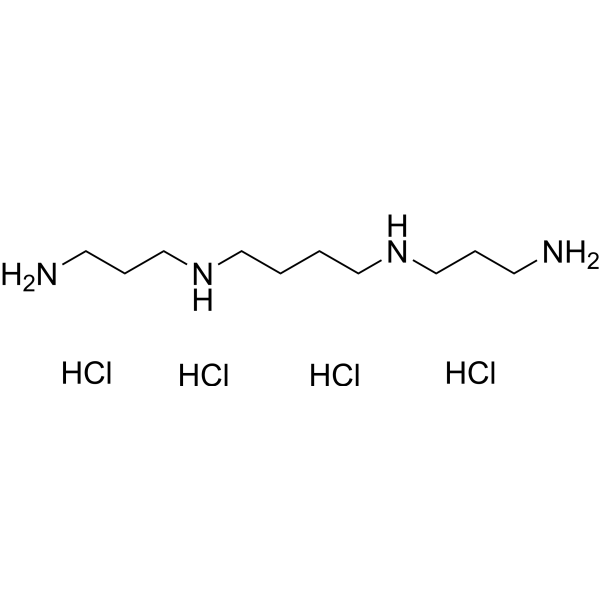
Spermine tetrahydrochloride is a polyamine nitric oxide donor that can provide nitric oxide to platelets and inhibit platelet activation to a certain extent concentration-dependently. Spermine tetrahydrochloride occurs in mammalian tissues, plants, bacteria, ribosomes and bacteriophage. Spermine tetrahydrochloride inhibits primary human embryo lung fibroblasts in vitro. Spermine is a natural antioxidant and anti-inflammatory agent. Spermine is known to inhibit some bacterial cultures, especially strains of Staphylococcus aureus. Spermine induces neurotoxicity in the striarum dose-dependently. Spermine can reversibly inhibits DNA synthetic response, mixed lymphocyte response and the induction of cytolytic lymphocyte response in primary cultures of murine spleen cells .
|
-
- HY-107420R
-
|
|
Endogenous Metabolite
Reference Standards
|
Metabolic Disease
|
|
AY 9944 (Standard) is the analytical standard of AY 9944 (HY-107420). This product is intended for research and analytical applications. AY 9944 is a specific cholesterol biosynthesis inhibitor. AY 9944 inhibits the 7-dehydro cholesterol Δ7-reductase (DHCR7) enzyme with an IC50 of 13 nM. AY 9944 causes hypocholesterolemia and accumulation of 7DHC. At high doses, AY 9944 inhibits also in cultured embryos sterol Δ7-Δ8 isomerase, which causes the accumulation of cholest-8-en-3β-ol .
|
-
- HY-B1777
-
|
NSC 268508; Neuridine
|
Endogenous Metabolite
Bacterial
Reactive Oxygen Species (ROS)
DNA/RNA Synthesis
|
Infection
Neurological Disease
Inflammation/Immunology
|
|
Spermine is a natural antioxidant and anti-inflammatory agent. Spermine is known to inhibit some bacterial cultures, especially strains of Staphylococcus aureus. Spermine induces neurotoxicity in the striarum dose-dependently. Spermine can reversibly inhibits DNA synthetic response, mixed lymphocyte response and the induction of cytolytic lymphocyte response in primary cultures of murine spleen cells. Spermine tetrahydrochloride is a polyamine nitric oxide donor that can provide nitric oxide to platelets and inhibit platelet activation to a certain extent concentration-dependently. Spermine tetrahydrochloride occurs in mammalian tissues, plants, bacteria, ribosomes and bacteriophage. Spermine tetrahydrochloride inhibits primary human embryo lung fibroblasts in vitro .
|
-
- HY-117733
-
|
|
Tie
VEGFR
|
Cancer
|
|
Zerumin A is an anti-angiogenic agent that acts on multiple molecular targets related to angiogenesis (including kdr/VEGFR2, angpt1, angpt2, tie1, and tie2). Zerumin A specifically inhibits the proliferation and migration of human umbilical vein endothelial cells (HUVECs) by regulating the VEGF-VEGFR and ANGPT-TIE signaling pathways, and dose-dependently inhibits angiogenesis (10-20 μM significantly inhibits zebrafish embryo angiogenesis). Zerumin A can be used in the research of cancer and angiogenesis-related inflammatory diseases. Zerumin A can be naturally extracted from the 95% ethanol extract of the fruits, seeds, and pericarp of Alpinia caerulea (R.Br.) Bentham (a plant of the Alpinia genus in the Zingiberaceae family) .
|
-
- HY-B1777AS
-
|
|
Isotope-Labeled Compounds
Endogenous Metabolite
Reactive Oxygen Species (ROS)
Bacterial
DNA/RNA Synthesis
|
Metabolic Disease
|
|
Spermine-d8 (tetrahydrochloride) is the deuterium labeled Spermine tetrahydrochloride. Spermine tetrahydrochloride is a polyamine nitric oxide donor that can provide nitric oxide to platelets and inhibit platelet activation to a certain extent concentration-dependently. Spermine tetrahydrochloride occurs in mammalian tissues, plants, bacteria, ribosomes and bacteriophage. Spermine tetrahydrochloride inhibits primary human embryo lung fibroblasts in vitro. Spermine is a natural antioxidant and anti-inflammatory agent. Spermine is known to inhibit some bacterial cultures, especially strains of Staphylococcus aureus. Spermine induces neurotoxicity in the striarum dose-dependently. Spermine can reversibly inhibits DNA synthetic response, mixed lymphocyte response and the induction of cytolytic lymphocyte response in primary cultures of murine spleen cells .
|
-
- HY-B1777AR
-
|
|
Reference Standards
Endogenous Metabolite
Bacterial
Reactive Oxygen Species (ROS)
DNA/RNA Synthesis
|
Infection
Neurological Disease
Inflammation/Immunology
|
|
Spermine (tetrahydrochloride) (Standard) is the analytical standard of Spermine (tetrahydrochloride). This product is intended for research and analytical applications. Spermine tetrahydrochloride is a polyamine nitric oxide donor that can provide nitric oxide to platelets and inhibit platelet activation to a certain extent concentration-dependently. Spermine tetrahydrochloride occurs in mammalian tissues, plants, bacteria, ribosomes and bacteriophage. Spermine tetrahydrochloride inhibits primary human embryo lung fibroblasts in vitro. Spermine is a natural antioxidant and anti-inflammatory agent. Spermine is known to inhibit some bacterial cultures, especially strains of Staphylococcus aureus. Spermine induces neurotoxicity in the striarum dose-dependently. Spermine can reversibly inhibits DNA synthetic response, mixed lymphocyte response and the induction of cytolytic lymphocyte response in primary cultures of murine spleen cells .
|
-
- HY-180814
-
|
|
Drug Derivative
Dopamine Receptor
|
Cancer
|
|
SKF-83566-PEG1-pomalidomide is an anti-tumor agent and is formed by the covalent connection of SKF-83566 (HY-103430A) (dopamine D1 receptor antagonist) and Pomalidomide (HY-10984) (immunomodulatory agent). SKF-83566-PEG1-pomalidomide can inhibit cancer cells invasion, migration and colony formation. SKF-83566-PEG1-pomalidomide can inhibit tumor growth and angiogenesis in MDA-MB-231 cell chicken embryo chorioallantoic membrane (CAM) xenograft model. SKF-83566-PEG1-pomalidomide can be used for research of breast cancer .
|
-
- HY-149088
-
|
|
Influenza Virus
|
Infection
|
|
Neuraminidase-IN-16 (Compound 43b) is a potent neuraminidase inhibitor with IC50s of 0.031, 0.15, 0.25, 0.60, 0.63 and 10.08 μM against neuraminidase of H5N1, H5N8, H1N1, H3N2, H5N1-H274Y and H1N1-H274Y, respectively .
|
-
- HY-N7000
-
-
- HY-159078
-
|
|
DNA/RNA Synthesis
|
Cancer
|
|
PolQi1 is a selective inhibitor targeting the Polθ domain of DNA polymerase. PolQi1 inhibits the Polθ-mediated microhomology end joining (TMEJ/alt-EJ) pathway, reducing insertion/deletion (Indels) and imprecise editing events during DNA repair. PolQi1 can enhance the efficiency and accuracy of homology-directed repair (HDR) or Prime editing, and reduce off-target effects; and in combination with DNA-PK inhibitor AZD-7648 (HY-111783), exert efficient genome editing capabilities with dual pathway regulation. PolQi1 can be mainly used in gene editing research (such as CRISPR-Cas9 or Prime editing system optimization) to improve the precision editing efficiency of difficult-to-edit cells (such as primary hepatocytes and mouse embryos) .
|
-
- HY-150175
-
|
|
Fluorescent Dye
|
Inflammation/Immunology
|
|
HKSOX-1 and its derivatives (HKSOX-1r and HKSOX-1m) are novel fluorescent probes designed for highly sensitive and selective detection of the superoxide anion radical (O2 •−) in cellular environments. These probes utilize an aryl trifluoromethanesulfonate group that undergoes O2 •−-mediated cleavage, releasing a free phenol and emitting fluorescence. They demonstrate excellent specificity and sensitivity across various pH ranges, withstand interference from strong oxidants and reductants typical in cellular contexts. HKSOX-1r, optimized for cellular retention, has been effectively employed in diverse assays including confocal imaging, flow cytometry, and zebrafish embryo studies, highlighting its utility in investigating O2 •− roles in inflammation, mitochondrial stress, and other physiological processes .
|
-
- HY-B1777S
-
|
NSC 268508-15N2; Neuridine-15N2
|
Isotope-Labeled Compounds
Endogenous Metabolite
Bacterial
Reactive Oxygen Species (ROS)
DNA/RNA Synthesis
|
Infection
Neurological Disease
Inflammation/Immunology
|
|
Spermine- 15N2 (NSC 268508- 15N2) is the 15N-labeled Spermine (HY-B1777). Spermine is a natural antioxidant and anti-inflammatory agent. Spermine is known to inhibit some bacterial cultures, especially strains of Staphylococcus aureus. Spermine induces neurotoxicity in the striarum dose-dependently. Spermine can reversibly inhibits DNA synthetic response, mixed lymphocyte response and the induction of cytolytic lymphocyte response in primary cultures of murine spleen cells. Spermine tetrahydrochloride is a polyamine nitric oxide donor that can provide nitric oxide to platelets and inhibit platelet activation to a certain extent concentration-dependently. Spermine tetrahydrochloride occurs in mammalian tissues, plants, bacteria, ribosomes and bacteriophage. Spermine tetrahydrochloride inhibits primary human embryo lung fibroblasts in vitro .
|
-
- HY-W714200
-
|
|
Herbicide
Aryl Hydrocarbon Receptor
Notch
Apoptosis
|
Others
|
|
Neburon is a phenylurea herbicide whose main mechanism of action is to inhibit photosynthetic electron transport, thereby disrupting algal growth. Neburon activates the Ahr and Notch1 signaling pathways, and induces oxidative stress and apoptosis. Long-term exposure causes significant male reproductive toxicity and cardiotoxicity in zebrafish .
|
-
- HY-121314
-
|
|
Prostaglandin Receptor
|
Metabolic Disease
|
|
Cloprostenol is a prostaglandin F-2α (PGF2α (HY-12956)) analogue. Cloprostenol induces luteolysis in marmoset monkeys. Cloprostenol can be used for the research of open-cervix pyometra .
|
-
- HY-P4083A
-
|
|
Fluorescent Dye
|
Others
|
|
(Arg)9,TAMRA-labeled acetate is a TAMRA-labeled, membrane-permeable cationic cell-penetrating polyarginine peptide. (Arg)9,TAMRA-labeled acetate acts as a cell-penetrating peptide for drug delivery .
|
-
- HY-137276
-
|
Bluo-Gal
|
Fluorescent Dye
Glycosidase
|
Others
|
|
5-Bromo-3-indolyl β-D-galactopyranoside (Bluo-Gal) is a chromogenic substrate for β-galactosidase. 5-Bromo-3-indolyl β-D-galactopyranoside is hydrolyzed by the enzyme to generate a 5-bromoindole intermediate, which is further oxidized to form an insoluble blue precipitate. 5-Bromo-3-indolyl β-D-galactopyranoside can specifically recognize bacterial β-galactosidases (such as the product of the Escherichia coli lacZ gene) and reacts at pH 7.4, making it suitable for light and electron microscopic observations. 5-Bromo-3-indolyl β-D-galactopyranoside can be used in histochemical detection of reporter gene expression in transgenic organisms, such as the localization analysis of β-galactosidase activity in mouse embryos or muscle tissues .
|
-
- HY-W714212
-
|
|
Herbicide
Microtubule/Tubulin
DNA/RNA Synthesis
Apoptosis
|
Others
|
|
Fluchloralin is a dinitroaniline herbicide that effectively controls annual gramineous and broadleaf weeds primarily by inhibiting tubulin synthesis and cell division . Fluchloralin exhibits cytotoxicity and genotoxicity, and promotes cell apoptosis by activating apoptotic signaling proteins, forming DNA ladder bands, inducing cell shrinkage and nuclear fragmentation .
|
-
- HY-16658B
-
Z-VAD-FMK
Maximum Cited Publications
740 Publications Verification
Z-VAD(OH)-FMK
|
Caspase
Apoptosis
RIP kinase
Glutathione Peroxidase
Reactive Oxygen Species (ROS)
|
Inflammation/Immunology
Cancer
|
|
Z-VAD-FMK is a pan-caspase inhibitor and also an ICE-like protease inhibitor, which inhibits apoptosis by preventing the processing of CPP32 to its active form. Z-VAD-FMK sensitivity varies primarily due to differential expression of receptor-interacting protein 1 (RIP1). Z-VAD-FMK limits the cryopreservation-induced apoptosis by reducing caspase-3 activity of in vitro produced bovine embryos. Z-VAD-FMK is immunosuppressive in vitro and inhibits T cell proliferation without blocking the processing of caspase-8 and caspase-3. Z-VAD-FMK leads to a decrease in intracellular glutathione (GSH) with a concomitant increase in reactive oxygen species (ROS) levels in activated T cells. Z-VAD-FMK is due to oxidative stress via the depletion of GSH. Z-VAD-FMK can be used for the study of acute pancreatitis .
|
-
- HY-16658BG
-
|
|
Caspase
Apoptosis
|
Cancer
|
|
Z-VAD-FMK is a pan-caspase inhibitor and also an ICE-like protease inhibitor, which inhibits apoptosis by preventing the processing of CPP32 to its active form. Z-VAD-FMK sensitivity varies primarily due to differential expression of receptor-interacting protein 1 (RIP1). Z-VAD-FMK limits the cryopreservation-induced apoptosis by reducing caspase-3 activity of in vitro produced bovine embryos. Z-VAD-FMK is immunosuppressive in vitro and inhibits T cell proliferation without blocking the processing of caspase-8 and caspase-3. Z-VAD-FMK leads to a decrease in intracellular glutathione (GSH) with a concomitant increase in reactive oxygen species (ROS) levels in activated T cells. Z-VAD-FMK is due to oxidative stress via the depletion of GSH. Z-VAD-FMK can be used for the study of acute pancreatitis .
|
-
- HY-W088065
-
|
|
Environmental Pollutants
DNA/RNA Synthesis
|
Others
|
Sodium formate acts as a key promoter for heterogeneous nucleation of ZIF crystals and thin film synthesis. It is also recognized as a GRAS substance by the FDA, and serves as a cosmetic preservative and food additive. Sodium formate has low acute oral toxicity (acute oral LD50=7410 mg/kg and acute intravenous LD50=807 mg/kg in mice), with no heritable or carcinogenic effects, but exhibits embryonic developmental toxicity and teratogenicity at high concentrations. Sodium formate may cause moderate irritation to rabbit eyes, is relatively safe to the skin, and does not induce tumor formation in rats in vivo. Sodium formate is rapidly absorbed and oxidized to carbon dioxide in vivo, and forms DNA adducts in specific metabolic deficiency models or upon high-dose exposure .
|
-
- HY-N0735R
-
|
|
Reference Standards
Autophagy
mTOR
AMPK
Apoptosis
STAT
Interleukin Related
PKC
p38 MAPK
NF-κB
COX
Reactive Oxygen Species (ROS)
PI3K
Akt
MMP
|
Neurological Disease
Inflammation/Immunology
Cancer
|
|
Phellodendrine chloride (Standard) is the analytical standard of Phellodendrine chloride (HY-N0735). Phellodendrine chloride is an orally active plant alkaloid. Phellodendrine chloride inhibits the proliferation of KRAS-mutated pancreatic cancer cells by suppressing macropinocytosis and glutamine metabolism, inducing ROS accumulation and mitochondrial apoptosis. Phellodendrine chloride promotes autophagy by activating the AMPK/mTOR pathway, alleviating intestinal damage in ulcerative colitis. Phellodendrine chloride can alleviate gouty arthritis by inhibiting the IL-6/STAT3 signaling pathway. Phellodendrine chloride suppresses allergic reactions by altering the conformation of MRGPRB3/MRGPRX2 protein, thereby inhibiting the activation of PKC and subsequent downstream MAPK and NF-κB signaling. Phellodendrine chloride inhibits the AKT/NF-κB pathway and down-regulates the expression of COX-2, thereby protecting zebrafish embryos from oxidative stress. Phellodendrine chloride has an anti-major depressive disorder (MDD) effect by down-regulating CHRM1, HTR1A, and the PI3K/Akt signaling pathway.
|
-
- HY-N0735
-
|
|
Autophagy
Apoptosis
AMPK
mTOR
STAT
Interleukin Related
PKC
p38 MAPK
NF-κB
COX
Reactive Oxygen Species (ROS)
PI3K
Akt
MMP
|
Neurological Disease
Inflammation/Immunology
Cancer
|
|
Phellodendrine chloride is an orally active plant alkaloid. Phellodendrine chloride inhibits the proliferation of KRAS-mutated pancreatic cancer cells by suppressing macropinocytosis and glutamine metabolism, inducing ROS accumulation and mitochondrial apoptosis. Phellodendrine chloride promotes autophagy by activating the AMPK/mTOR pathway, alleviating intestinal damage in ulcerative colitis. Phellodendrine chloride can alleviate gouty arthritis by inhibiting the IL-6/STAT3 signaling pathway. Phellodendrine chloride suppresses allergic reactions by altering the conformation of MRGPRB3/MRGPRX2 protein, thereby inhibiting the activation of PKC and subsequent downstream MAPK and NF-κB signaling. Phellodendrine chloride inhibits the AKT/NF-κB pathway and down-regulates the expression of COX-2, thereby protecting zebrafish embryos from oxidative stress. Phellodendrine chloride has an anti-major depressive disorder (MDD) effect by down-regulating CHRM1, HTR1A, and the PI3K/Akt signaling pathway .
|
-
- HY-N0427
-
|
|
Akt
NF-κB
AMPK
mTOR
PKC
STAT
Interleukin Related
p38 MAPK
COX
Reactive Oxygen Species (ROS)
Apoptosis
Autophagy
PI3K
MMP
|
Neurological Disease
Inflammation/Immunology
Cancer
|
|
Phellodendrine is an orally active plant alkaloid. Phellodendrine inhibits the proliferation of KRAS-mutated pancreatic cancer cells by suppressing macropinocytosis and glutamine metabolism, inducing ROS accumulation and mitochondrial apoptosis. Phellodendrine promotes autophagy by activating the AMPK/mTOR pathway, alleviating intestinal damage in ulcerative colitis. Phellodendrine can alleviate gouty arthritis by inhibiting the IL-6/STAT3 signaling pathway. Phellodendrine suppresses allergic reactions by altering the conformation of MRGPRB3/MRGPRX2 protein, thereby inhibiting the activation of PKC and subsequent downstream MAPK and NF-κB signaling. Phellodendrine inhibits the AKT/NF-κB pathway and down-regulates the expression of COX-2, thereby protecting zebrafish embryos from oxidative stress. Phellodendrine has an anti-major depressive disorder (MDD) effect by down-regulating CHRM1, HTR1A, and the PI3K/Akt signaling pathway .
|
-
- HY-182477
-
|
|
Antibiotic
Bacterial
Fungal
|
Infection
|
|
Siccayne, found in the marine basidiomycete Halocyphina villosa and deuteromycete Helminthosporium siccans, is an antibiotic. Siccayne interferes with nucleotide incorporation into DNA and RNA, precursor transport enzymatic reactions, and essential macromolecule synthesis. Siccayne inhibits Gram-positive bacteria and some fungi. Siccayne can be used for research on infections caused by bacteria and fungi .
|
-
- HY-W685358
-
|
|
Insecticide
Apoptosis
|
Infection
Metabolic Disease
Inflammation/Immunology
|
|
D-Tetramethrin is a type I synthetic pyrethroid insecticide and hepatotoxicity inducer. D-Tetramethrin induces oxidative stress in the liver of zebrafish. D-Tetramethrin induces Apoptosis and inflammatory responses. D-Tetramethrin causes severe liver damage in zebrafish. D-Tetramethrin can be used in studies related to hepatotoxicity .
|
-
- HY-113205
-
|
15-keto-PGE2
|
Endogenous Metabolite
Prostaglandin Receptor
STAT
PPAR
Fungal
Drug Metabolite
|
Cardiovascular Disease
Infection
Endocrinology
Cancer
|
|
15-keto-Prostaglandin E2 (15-keto-PGE2) is an endogenous PGE2 metabolite. 15-keto-Prostaglandin E2 inhibits STAT3 activation by binding to the Cys259 residue of STAT3. 15-keto-Prostaglandin E2 binds to and stabilizes EP2 and EP4 receptors. 15-keto-Prostaglandin E2 inhibits the growth and progression of breast cancer cells. 15-keto-Prostaglandin E2 activates PPAR-γ and promotes fungal growth. 15-keto-Prostaglandin E2 disrupts glomerular vascularization during zebrafish development and reduces the surface area of the glomerular filtration barrier .
|
-
- HY-N7183
-
|
|
NF-κB
GSK-3
β-catenin
Wnt
|
Cancer
|
|
9-Hydroxycanthin-6-one is a β-carboline alkaloid. 9-Hydroxycanthin-6-one can be isolated from the roots of E. longifolia. 9-Hydroxycanthin-6-one inhibits TNF-α-induced activation of the NF-κB pathway. 9-Hydroxycanthin-6-one activates GSK3β independently of CK1α, drives phosphorylation and degradation of β-catenin, and inhibits the Wnt signaling pathway. 9-Hydroxycanthin-6-one exerts selective cytotoxicity against Wnt-dependent colon cancer cells. 9-Hydroxycanthin-6-one can be used in studies related to colon cancer .
|
-
- HY-W011927
-
|
Bisphenol S; Bis(4-hydroxyphenyl) sulfone
|
Estrogen Receptor/ERR
Histone Methyltransferase
Thyroid Hormone Receptor
PI3K
Akt
mTOR
Androgen Receptor
Drug Derivative
|
Cardiovascular Disease
Neurological Disease
Metabolic Disease
Inflammation/Immunology
Cancer
|
|
4,4'-Sulfonyldiphenol (Bisphenol S; Bis(4-hydroxyphenyl) sulfone), a substitute for Bisphenol A (HY-18260), is widely used in industrial and consumer products. 4,4'-Sulfonyldiphenol is an oally ative estrogen receptor (ER) agonist and can competitively bind to thyroid hormone receptors (TR) with IC50 values for TRα and TRβ are 2650 μM and 2294 μM respectively, thereby affecting breast development and reducing the expression of androgen receptor (AR) in fetal testes. 4,4'-Sulfonyldiphenol promotes the progression of glioblastoma by upregulating the EZH2 mediated PI3K/AKT/mTOR pathway. Under chronic exposure, 4,4'-Sulfonyldiphenol can cause significant lipid deposition and dyslipidemia in the mouse liver by upregulating JunB and Atf3, and has a role in causing obesity at low doses. 4,4'-Sulfonyldiphenol induces intestinal inflammation by altering the intestinal microbiome. 4,4'-Sulfonyldiphenol accelerates the progression of atherosclerosis in zebrafish embryo larvae .
|
-
- HY-W020788
-
|
CGA 154281
|
Environmental Pollutants
Glutathione S-transferase
Estrogen Receptor/ERR
Pregnane X Receptor (PXR)
FXR
|
Metabolic Disease
Cancer
|
Benoxacor (CGA 154281) is a herbicide safener and xenobiotic metabolism regulator. Benoxacor protects maize from the toxicity of metolachlor mainly by inducing detoxifying enzymes such as Glutathione S-transferase. Benoxacor also activates FXR, PXR and ERRα, and inhibits aromatase (aromatase). However, Benoxacor exhibits potential subacute oral toxicity and a high risk of hepatotoxicity in animal models. Benoxacor induces reactive oxygen species accumulation, interferes with embryonic heart development, and causes increased liver and kidney weights as well as alterations in gut microbiota in mice. Benoxacor can be used in studies related to hepatic steatosis, infertility, breast cancer and developmental toxicity .
|
-
- HY-125913
-
|
|
Ser/Thr Protease
|
Inflammation/Immunology
|
Benzamidine is a competitive protease inhibitor that blocks the hydrolytic cleavage of glucagon by plasmin, trypsin and thrombin. Benzamidine effectively inhibits the degradation of glucagon by relevant proteases during the collection, storage and analysis of human plasma and blood samples. During in vivo metabolism, Benzamidine undergoes N-hydroxylation and produces multiple metabolites, exhibiting characteristics of delayed excretion or biphasic elimination. Benzamidine only induces slight single-strand DNA breaks at high concentrations and shows no significant genotoxic potential overall. Benzamidine may interfere with the detection of some glucagon antisera, but does not affect key antigen-antibody affinity at specific concentrations. Benzamidine can be used as a stabilizer in glucagon radioimmunoassays to ensure the accuracy and recovery rate of detection results .
|
-
- HY-W011927R
-
|
Bisphenol S (Standard); Bis(4-hydroxyphenyl) sulfone (Standard)
|
Reference Standards
Estrogen Receptor/ERR
Histone Methyltransferase
Thyroid Hormone Receptor
PI3K
Akt
mTOR
Androgen Receptor
Drug Derivative
|
Cardiovascular Disease
Metabolic Disease
Inflammation/Immunology
Endocrinology
Cancer
|
|
4,4'-Sulfonyldiphenol (Bisphenol S; Bis(4-hydroxyphenyl) sulfone) (Standard) is the analytical standard of 4,4'-Sulfonyldiphenol (HY-W011927). This product is intended for research and analytical applications. 4,4'-Sulfonyldiphenol, a substitute for Bisphenol A (HY-18260), is widely used in industrial and consumer products. 4,4'-Sulfonyldiphenol is an estrogen receptor (ER) agonist and can competitively bind to thyroid hormone receptors (TR) with IC50 values for TRα and TRβ are 2650 μM and 2294 μM respectively, thereby affecting breast development and reducing the expression of androgen receptor (AR) in fetal testes. 4,4'-Sulfonyldiphenol promotes the progression of glioblastoma by upregulating the EZH2 mediated PI3K/AKT/mTOR pathway. Under chronic exposure, 4,4'-Sulfonyldiphenol can cause significant lipid deposition and dyslipidemia in the mouse liver by upregulating JunB and Atf3, and has a role in causing obesity at low doses. 4,4'-Sulfonyldiphenol induces intestinal inflammation by altering the intestinal microbiome. 4,4'-Sulfonyldiphenol accelerates the progression of atherosclerosis in zebrafish embryo larvae.
|
-
- HY-W011927S
-
|
Bisphenol S (4,4'-Sulfonyldiphenol)-d8
|
Isotope-Labeled Compounds
Estrogen Receptor/ERR
Histone Methyltransferase
Thyroid Hormone Receptor
PI3K
Akt
mTOR
Androgen Receptor
|
Cardiovascular Disease
Metabolic Disease
Inflammation/Immunology
Endocrinology
Cancer
|
|
4,4'-Sulfonyldiphenol-d8 (Bisphenol S (4,4'-Sulfonyldiphenol)-d8) is the deuterium labeled 4,4'-Sulfonyldiphenol (HY-W011927).4,4'-Sulfonyldiphenol (Bisphenol S; Bis(4-hydroxyphenyl) sulfone), a substitute for Bisphenol A (HY-18260), is widely used in industrial and consumer products. 4,4'-Sulfonyldiphenol is an estrogen receptor (ER) agonist and can competitively bind to thyroid hormone receptors (TR) with IC50 values for TRα and TRβ are 2650 μM and 2294 μM respectively, thereby affecting breast development and reducing the expression of androgen receptor (AR) in fetal testes. 4,4'-Sulfonyldiphenol promotes the progression of glioblastoma by upregulating the EZH2 mediated PI3K/AKT/mTOR pathway. Under chronic exposure, 4,4'-Sulfonyldiphenol can cause significant lipid deposition and dyslipidemia in the mouse liver by upregulating JunB and Atf3, and has a role in causing obesity at low doses. 4,4'-Sulfonyldiphenol induces intestinal inflammation by altering the intestinal microbiome. 4,4'-Sulfonyldiphenol accelerates the progression of atherosclerosis in zebrafish embryo larvae.
|
-
- HY-N19641
-
|
Dichlorodiaportin
|
Bacterial
Endogenous Metabolite
|
Infection
|
|
Dichlorodiaporthin (Dichlorodiaportin) is an isocoumarin metabolite found in cultures of Penicillium nalgiovense. Dichlorodiaporthin acts as an antibacterial agent against various bacterial species .
|
-
- HY-182648
-
|
|
|
Neurological Disease
|
|
K811 is an orally active ASK1 inhibitor with an IC50 of 6 nM. K811 inhibits glial cell activation in the lumbar spinal cord of SOD1 G93A transgenic mice. K811 extends the survival of SOD1 G93A transgenic mice, a mouse model of amyotrophic lateral sclerosis. K811 can be used in studies related to amyotrophic lateral sclerosis .
|
-
- HY-182321
-
|
|
HDAC
|
Neurological Disease
|
|
HDAC2-IN-3 is a selective, orally active, blood-brain barrier permeable HDAC2 inhibitor with an IC50 of 14 nM. HDAC2-IN-3 upregulates histone acetylation levels in cells and in vivo, and enhances long-term potentiation (LTP) in the hippocampus. HDAC2-IN-3 can be used for the research of Alzheimer's disease .
|
-
- HY-123795
-
|
|
Ras
Akt
ERK
VEGFR
|
Cancer
|
|
NY0123 is a EPAC1 inhibitor. NY0123 significantly inhibits the expression of EPAC1, phosphorylated AKT, phosphorylated ERK1/2 and phosphorylated VEGFR2. NY0123 inhibits angiogenesis and tumor growth of triple-negative breast cancer. NY0123 is applicable to relevant research on triple-negative breast cancer .
|
-
- HY-B1853
-
|
|
Environmental Pollutants
Apoptosis
ERK
Herbicide
MEK
|
Cardiovascular Disease
|
|
Simetryn is a triazine herbicide that exerts teratogenicity. Simetryn inhibits photosynthesis by blocking electron transfer in the chloroplast photosystem II and activates the MEK/Erk signaling pathway. Simetryn triggers vascular and developmental abnormalities in zebrafish and tadpoles, suppresses proliferation, enhances apoptosis, and induces malformations. Simetryn serves as a tool to establish a zebrafish model for studying arteriovenous malformations and related pathogenesis. Simetryn controls paddy weeds and can be used for research on developmental and vascular disorders .
|
-
- HY-W697750
-
|
Tiglaldehyde
|
Biochemical Assay Reagents
|
Cancer
|
|
trans-2-Methyl-2-butenal (Tiglaldehyde) is an adduct former that can be found in cigarette smoke, and very weakly inhibits growth of cancer cells and normal mouse cells. trans-2-Methyl-2-butenal forms adducts with glutathione (GSH) via Michael addition.trans-2-Methyl-2-butenal is an α,β-unsaturated carbonyl compound .
|
-
- HY-W081067
-
|
HFPO-DA
|
PPAR
|
Infection
|
|
Perfluoro (2-methyl-3-oxahexanoic) acid (HFPO-DA) is an orally active peroxisome proliferator-activated receptor α (PPARα) agonist with an EC50 of 2.1 μM for human PPARα. Perfluoro (2-methyl-3-oxahexanoic) acid induces peroxisome proliferation and increases the levels of proinflammatory mediators. It impairs intestinal barrier function and disrupts cecal flora balance. Perfluoro (2-methyl-3-oxahexanoic) acid is applicable to research related to developmental toxicity, hepatotoxicity and intestinal toxicity .
|
-
- HY-15080
-
|
LY 293606
|
iGluR
|
Cardiovascular Disease
Neurological Disease
|
|
GYKI 53405 is a non-competitive, orally active AMPA receptor antagonist. GYKI 53405 shows no significant binding affinity for GABAA, GABAB or benzodiazepine receptors. GYKI 53405 increases self-grooming behavior, induces wet dog-like shakes, reduces spontaneous activity, produces anxiolytic-like behavior, reverses the anxiogenic effect induced by mCPP, inhibits locomotor activity, suppresses sound-induced and maximal electroshock-induced seizures, prolongs survival in global cerebral ischemia models, and exhibits sustained anticonvulsant effects at doses below the sedation threshold. GYKI 53405 can be used in research related to absence epilepsy, anxiety disorders and global cerebral ischemia .
|
-
- HY-W654323
-
|
|
Topoisomerase
Drug Metabolite
|
Others
|
|
PNU-142586 sodiu) is the major metabolite of Linezolid (HY-10394). PNU-142586 can inhibit the activity of DNA topoisomerase 2-α (TOP2A) and DNA topoisomerase 2-β (TOP2B). PNU-142586 interferes with DNA replication and transcription by blocking the binding of DNA to TOP2 and inhibiting ATP hydrolysis, ultimately leading to antiproliferative and cytotoxic effects, including mitochondrial dysfunction. PNU-142586 can be used to study Linezolid-induced hematotoxicity and its molecular mechanism .
|
-
- HY-182031
-
|
|
EGFR
Apoptosis
Bcl-2 Family
Survivin
|
Cancer
|
|
JS04 is a EGFR L858R/T790M kinase inhibitor. JS04 activates both endogenous and exogenous apoptosis (apoptosis) pathways and induces G2/M phase arrest of the cell cycle. JS04 is applicable to the research of drug-resistant non-small cell lung cancer .
|
-
- HY-P11777
-
|
|
MMP
SDCBP
|
Cardiovascular Disease
Neurological Disease
Cancer
|
|
AG73 is a polypeptide. AG73 is derived from the G domain of the Laminin α1 chain. AG73 binds heparin, Syndecan-1 and Syndecan-4. AG73 promotes the adhesion of various cells, induces the differentiation of salivary gland acinar cells, stimulates neurite outgrowth, secretion of matrix metalloproteinases and angiogenesis. AG73 retains its angiogenic activity when conjugated to chitosan membranes. AG73 can be used in the research of melanoma and ischemic injury .
|
-
- HY-119443
-
|
|
Phosphatase
|
Metabolic Disease
|
|
Neridronate is an aminobisphosphonate. Neridronate induces osteoblast differentiation, enhances alkaline phosphatase activity and mineralized nodule formation. Neridronate inhibits endothelial cell proliferation, fibroblast growth factor-2-induced capillary-like tube formation, and angiogenesis. Neridronate can be used for osteogenesis imperfecta and Paget’s disease of bone .
|
-
- HY-N15438
-
|
|
HIV
HIV Integrase
|
Infection
|
|
Herbacitrin is a HIV-1 reverse transcriptase and integrase inhibitor with IC50 values of 21.5 μM and 2.15 μM, respectively. Herbacitrin inhibits the growth of normal mouse embryonic cells, hybridoma HF cells, and ras/myc-transformed SFME cells, regulates the growth of ras-transformed SFME cells, and exhibits cytotoxic activity against hybridoma HF cells. Herbacitrin can be used in studies related to HIV-1 infection .
|
-
- HY-113285
-
|
3-Ureidopropionic acid
|
Oxidative Phosphorylation
|
Metabolic Disease
|
|
Ureidopropionic acid is a mitochondrial respiratory chain complex V inhibitor that selectively inhibits the activity of mitochondrial respiratory chain complex V, with no effect on respiratory chain complexes I-IV or mitochondrial fatty acid β-oxidation. Ureidopropionic acid induces the production of reactive oxygen species, delayed elevation of intracellular calcium concentration, secondary energy-dependent excitotoxicity and neurodegeneration in neurons. Ureidopropionic acid promotes neuropathological changes by impairing mitochondrial energy metabolism, oxidative stress and excitotoxicity pathways. Ureidopropionic acid can be used in studies related to 3-ureidopropionase deficiency and severe propionic aciduria .
|
-
-
-
HY-L020
-
|
|
601 compounds
|
|
The developmental proteins Hedgehog, Notch and Wnt are key regulators of cell fate, proliferation, migration and differentiation in several tissues. Their related signaling pathways are frequently activated in tumors, and particularly in the rare subpopulation of cancer stem cells.
The Wnt signaling pathway is a conserved pathway in animals. Deregulated Wnt signaling has catastrophic consequences for the developing embryo and it is now well appreciated that defective Wnt signaling is a causative factor for a number of pleiotropic human pathologies, including cancer. Hedgehog signaling pathway is linked to tumorigenesis and is aberrantly activated in a variety of cancers. The Notch signaling pathway is a highly conserved cell signaling system present in most animals. It plays an important role in cell-cell communication, and further regulates embryonic development.
MCE designs a unique collection of 601 Wnt/Hedgehog/Notch signaling pathway-related small molecules. Wnt/Hedgehog/Notch Compound Library serves as a useful tool for stem cell research and anti-cancer drug screening.
|
-
-
HY-L018
-
|
|
413 compounds
|
|
The transforming growth factor beta (TGF-β) signaling pathway is involved in many cellular processes in both the adult organism and the developing embryo including cell growth, cell differentiation, apoptosis, cellular homeostasis and other cellular functions. The TGF-β superfamily comprises TGF-βs, bone morphogenetic proteins (BMPs), activins and related proteins. Signaling begins with the binding of a TGF beta superfamily ligand to a TGF beta type II receptor. The type II receptor is a serine/threonine receptor kinase, which catalyzes the phosphorylation of the Type I receptor. The type I receptor then phosphorylates receptor-regulated SMADs (R-SMADs) which can now bind the coSMAD (e.g. SMAD4). R-SMAD/coSMAD complexes accumulate in the nucleus where they act as transcription factors and participate in the regulation of target gene expression. Deregulation of TGF-β signaling contributes to developmental defects and human diseases, including cancers, some bone diseases, chronic kidney disease, etc.
MCE designs a unique collection of 413 TGF-beta/Smad signaling pathway compounds. TGF-beta/Smad Compound Library acts as a useful tool for TGF-beta/Smad-related drug screening and disease research.
|
| Cat. No. |
Product Name |
Type |
-
- HY-D1416
-
HMBR
1 Publications Verification
|
Fluorescent Dye
|
|
HMBR is an analogue with an additional methyl group on the aromatic ring and is non-fluorescent. HMBR conjugated with Y-FAST emits yellow fluorescence under blue light excitation (Ex= 419 nm; Em= 525–539 nm). HMBR is non-toxic to zebrafish embryos. HMBR has high cell permeability .
|
-
- HY-D1585
-
|
|
Fluorescent Dye
|
|
BODIPY TR methyl ester is a lipophilic GFP Counterstain. BODIPY TR methyl ester dye readily permeates cell membranes and localizes in endomembranous organelles but not localize strongly in plasma membranes. BODIPY TR methyl ester is an excellent red fluorescent vital dye (Ex=568 nm, Em=625 nm), can be used to reveal the location and shapes of cell nuclei, the shapes of cells within embryonic tissues, as well as the bound aries of organ-forming tissues within the whole embryo .
|
-
- HY-16658BG
-
|
|
Fluorescent Dye
|
|
Z-VAD-FMK is a pan-caspase inhibitor and also an ICE-like protease inhibitor, which inhibits apoptosis by preventing the processing of CPP32 to its active form. Z-VAD-FMK sensitivity varies primarily due to differential expression of receptor-interacting protein 1 (RIP1). Z-VAD-FMK limits the cryopreservation-induced apoptosis by reducing caspase-3 activity of in vitro produced bovine embryos. Z-VAD-FMK is immunosuppressive in vitro and inhibits T cell proliferation without blocking the processing of caspase-8 and caspase-3. Z-VAD-FMK leads to a decrease in intracellular glutathione (GSH) with a concomitant increase in reactive oxygen species (ROS) levels in activated T cells. Z-VAD-FMK is due to oxidative stress via the depletion of GSH. Z-VAD-FMK can be used for the study of acute pancreatitis .
|
| Cat. No. |
Product Name |
Type |
-
- HY-D0842A
-
|
Albumin bovine serum (Low Endotoxin,Fatty acid free); BSA (Low Endotoxin,Fatty acid free)
|
Biochemical Assay Reagents
|
|
Bovine Serum Albumin (Low Endotoxin,Fatty acid free) (BSA) is a 583 amino acid globular protein and oligonucleotide binding protein composed of three homologous full α domains. Bovine Serum Albumin (Low Endotoxin,Fatty acid free) (BSA) blocks the overall binding of oligonucleotides to cells. Bovine Serum Albumin (Low Endotoxin,Fatty acid free) (BSA) regulates the development of hamster embryos and induces arthritis .
|
-
- HY-W088065
-
|
|
Biochemical Assay Reagents
|
Sodium formate acts as a key promoter for heterogeneous nucleation of ZIF crystals and thin film synthesis. It is also recognized as a GRAS substance by the FDA, and serves as a cosmetic preservative and food additive. Sodium formate has low acute oral toxicity (acute oral LD50=7410 mg/kg and acute intravenous LD50=807 mg/kg in mice), with no heritable or carcinogenic effects, but exhibits embryonic developmental toxicity and teratogenicity at high concentrations. Sodium formate may cause moderate irritation to rabbit eyes, is relatively safe to the skin, and does not induce tumor formation in rats in vivo. Sodium formate is rapidly absorbed and oxidized to carbon dioxide in vivo, and forms DNA adducts in specific metabolic deficiency models or upon high-dose exposure .
|
-
- HY-W011927
-
|
Bisphenol S; Bis(4-hydroxyphenyl) sulfone
|
Biochemical Assay Reagents
|
|
4,4'-Sulfonyldiphenol (Bisphenol S; Bis(4-hydroxyphenyl) sulfone), a substitute for Bisphenol A (HY-18260), is widely used in industrial and consumer products. 4,4'-Sulfonyldiphenol is an oally ative estrogen receptor (ER) agonist and can competitively bind to thyroid hormone receptors (TR) with IC50 values for TRα and TRβ are 2650 μM and 2294 μM respectively, thereby affecting breast development and reducing the expression of androgen receptor (AR) in fetal testes. 4,4'-Sulfonyldiphenol promotes the progression of glioblastoma by upregulating the EZH2 mediated PI3K/AKT/mTOR pathway. Under chronic exposure, 4,4'-Sulfonyldiphenol can cause significant lipid deposition and dyslipidemia in the mouse liver by upregulating JunB and Atf3, and has a role in causing obesity at low doses. 4,4'-Sulfonyldiphenol induces intestinal inflammation by altering the intestinal microbiome. 4,4'-Sulfonyldiphenol accelerates the progression of atherosclerosis in zebrafish embryo larvae .
|
-
- HY-W011927R
-
|
Bisphenol S (Standard); Bis(4-hydroxyphenyl) sulfone (Standard)
|
Biochemical Assay Reagents
|
|
4,4'-Sulfonyldiphenol (Bisphenol S; Bis(4-hydroxyphenyl) sulfone) (Standard) is the analytical standard of 4,4'-Sulfonyldiphenol (HY-W011927). This product is intended for research and analytical applications. 4,4'-Sulfonyldiphenol, a substitute for Bisphenol A (HY-18260), is widely used in industrial and consumer products. 4,4'-Sulfonyldiphenol is an estrogen receptor (ER) agonist and can competitively bind to thyroid hormone receptors (TR) with IC50 values for TRα and TRβ are 2650 μM and 2294 μM respectively, thereby affecting breast development and reducing the expression of androgen receptor (AR) in fetal testes. 4,4'-Sulfonyldiphenol promotes the progression of glioblastoma by upregulating the EZH2 mediated PI3K/AKT/mTOR pathway. Under chronic exposure, 4,4'-Sulfonyldiphenol can cause significant lipid deposition and dyslipidemia in the mouse liver by upregulating JunB and Atf3, and has a role in causing obesity at low doses. 4,4'-Sulfonyldiphenol induces intestinal inflammation by altering the intestinal microbiome. 4,4'-Sulfonyldiphenol accelerates the progression of atherosclerosis in zebrafish embryo larvae.
|
-
- HY-16658BG
-
|
|
Biochemical Assay Reagents
|
|
Z-VAD-FMK is a pan-caspase inhibitor and also an ICE-like protease inhibitor, which inhibits apoptosis by preventing the processing of CPP32 to its active form. Z-VAD-FMK sensitivity varies primarily due to differential expression of receptor-interacting protein 1 (RIP1). Z-VAD-FMK limits the cryopreservation-induced apoptosis by reducing caspase-3 activity of in vitro produced bovine embryos. Z-VAD-FMK is immunosuppressive in vitro and inhibits T cell proliferation without blocking the processing of caspase-8 and caspase-3. Z-VAD-FMK leads to a decrease in intracellular glutathione (GSH) with a concomitant increase in reactive oxygen species (ROS) levels in activated T cells. Z-VAD-FMK is due to oxidative stress via the depletion of GSH. Z-VAD-FMK can be used for the study of acute pancreatitis .
|
-
- HY-172166B
-
|
|
Biochemical Assay Reagents
|
|
TRITC-lysine-dextran (MW 70kDa) is a fluorescent label prepared by the conjugation of TRITC (HY-D0791), lysine and dextran. TRITC-lysine-dextran (MW 70kDa) serves multiple functions as an axonal tracer, non-viral nanocarrier and fixable fluorescent clonal marker. TRITC-lysine-dextran (MW 70kDa) undergoes anterograde and retrograde transport within axons of sensory neurons, and acts as a non-viral delivery system to precisely deliver biomolecules to neurons. TRITC-lysine-dextran (MW 70kDa) remains stably retained during histological preparation, thereby supporting continuous observation in live or fixed samples .
|
-
- HY-182738B
-
|
|
Biochemical Assay Reagents
|
|
White Medium (With Sucrose) is mainly composed of potassium nitrate, calcium chloride, magnesium sulfate, and phosphate, with potassium nitrate concentration of 80 mg/L and magnesium sulfate concentration of 720 mg/L. White Medium (With Sucrose) has a low concentration of inorganic salts and is primarily used for culturing plant roots, embryos, and general tissues; it is a sterile solution.
|
| Cat. No. |
Product Name |
Target |
Research Area |
-
- HY-134124
-
|
|
Reactive Oxygen Species (ROS)
|
Metabolic Disease
|
|
Glutathione ethyl ester is a cell-permeable GSH donor and provides an efficient supply of GSH to the oocyte. Glutathione ethyl ester shows positive effect on the in vitro production of embryos by enhancement of the antioxidative defense .
|
-
- HY-138903
-
|
L-HCA
|
iGluR
|
Neurological Disease
|
|
L-Homocysteic acid (L-HCA) is an endogenous excitatory amino acid that acts as a NMDA receptor agonist (EC50: 14 μM). L-Homocysteic acid is neurotoxic, and can be used in the research of neurological disorders .
|
-
- HY-P1015
-
|
Vasoactive Intestinal Peptide, guinea pig
|
PACAP Receptor
|
Neurological Disease
Metabolic Disease
|
|
VIP Guinea pig (Vasoactive intestinal peptide), a trophic and mitogenic factor, stimulates growth in whole cultured embryos. VIP Guinea pig functions as a simple gastrointestinal hormone and suggest a possible neurotransmitter function .
|
-
- HY-123492
-
|
|
Opioid Receptor
|
Neurological Disease
Endocrinology
|
|
Kentsin (Thr-Pro-Arg-Lys), a contraceptive tetrapeptide, is originally extracted from hamster embryos. Kentsin prevents the maturation of Graafian follicles and consequently inhibits ovulation, without binding to opioid receptors. Kentsin has opiate properties on gastrointestinal motility .
|
-
- HY-P1015A
-
|
Vasoactive Intestinal Peptide, guinea pig TFA
|
PACAP Receptor
|
Neurological Disease
Metabolic Disease
|
|
VIP Guinea pig TFA (Vasoactive intestinal peptide), a trophic and mitogenic factor, stimulates growth in whole cultured embryos. VIP Guinea pig functions as a simple gastrointestinal hormone and suggest a possible neurotransmitter function .
|
-
- HY-P4083A
-
|
|
Fluorescent Dye
|
Others
|
|
(Arg)9,TAMRA-labeled acetate is a TAMRA-labeled, membrane-permeable cationic cell-penetrating polyarginine peptide. (Arg)9,TAMRA-labeled acetate acts as a cell-penetrating peptide for drug delivery .
|
-
- HY-P11777
-
|
|
MMP
SDCBP
|
Cardiovascular Disease
Neurological Disease
Cancer
|
|
AG73 is a polypeptide. AG73 is derived from the G domain of the Laminin α1 chain. AG73 binds heparin, Syndecan-1 and Syndecan-4. AG73 promotes the adhesion of various cells, induces the differentiation of salivary gland acinar cells, stimulates neurite outgrowth, secretion of matrix metalloproteinases and angiogenesis. AG73 retains its angiogenic activity when conjugated to chitosan membranes. AG73 can be used in the research of melanoma and ischemic injury .
|
-
- HY-K1067
-
|
|
|
MCE Exosome Isolation and Purification Kit (From Tissue) provides a simple and effective method to isolate and purify intact exosomes from a variety of tissues (such as brain, heart, lung, liver, muscle, lymph nodes, thymus, embryo, tumor, etc.).
|
| Cat. No. |
Product Name |
Target |
Research Area |
Image |
-
- HY-P99187
-
|
PF-04950615; RN316
|
PCSK9
|
Cardiovascular Disease
Metabolic Disease
|
|
Bococizumab (PF-04950615) is an anti-human PCSK9 inhibitory antibody that reduces LDL cholesterol levels. Bococizumab can be used in the research of hypercholesterolemia .
|
-
(5)
-
- HY-P990794
-
|
|
TNF Receptor
Dengue Virus
|
Infection
Inflammation/Immunology
Cancer
|
|
Anti-Mouse TNF-alpha/TNFSF2 Antibody (XT3.11) is a rat-derived IgG1 antibody inhibitor, targeting to TNF-alpha/TNFSF2. Anti-Mouse TNF-alpha/TNFSF2 Antibody (XT3.11) neutralizes of TNF-alpha. Anti-Mouse TNF-alpha/TNFSF2 Antibody (XT3.11) can be used for the researches of cancer, infection and immunology, such as dengue virus and B16K1 tumor .
|
-
(5)
| Cat. No. |
Product Name |
Category |
Target |
Chemical Structure |
-
- HY-B1777
-
-
-
- HY-A0096
-
-
-
- HY-33037
-
-
-
- HY-B0642
-
-
-
- HY-127009
-
|
Levofolinic acid; Levofolene
|
Human Gut Microbiota Metabolites
Endogenous metabolite
Source Classification
|
Lysyl Oxidase
Apoptosis
|
|
Levoleucovorin (Levofolinic acid; Levofolene) is the pharmacologically and orally active levoisomer of Folinic acid (HY-17556), a synthetic folate analogue. Levoleucovorin can inhibit LOXL2 with an IC50 of 68.81 μM. Levoleucovorin can inhibit cancer cells proliferation, migration and induce apoptosis. Levoleucovorin can be used as a rescue agent for high-dose Methotrexate (HY-14519). Levoleucovorin can reduce the frequency of embryonic malformations. Levoleucovorin can be used for the research of can and endocrinology, such as breast cancer and osteosarcoma .
|
-
-
- HY-N0770
-
-
-
- HY-B1777A
-
-
-
- HY-N7000
-
-
-
- HY-N0735
-
-
-
- HY-N0485
-
-
-
- HY-113205
-
-
-
- HY-N6786
-
-
-
- HY-127170
-
-
-
- HY-113285
-
|
3-Ureidopropionic acid
|
Structural Classification
Classification of Application Fields
Ketones, Aldehydes, Acids
Other Diseases
Endogenous metabolite
Disease Research Fields
|
Oxidative Phosphorylation
|
|
Ureidopropionic acid is a mitochondrial respiratory chain complex V inhibitor that selectively inhibits the activity of mitochondrial respiratory chain complex V, with no effect on respiratory chain complexes I-IV or mitochondrial fatty acid β-oxidation. Ureidopropionic acid induces the production of reactive oxygen species, delayed elevation of intracellular calcium concentration, secondary energy-dependent excitotoxicity and neurodegeneration in neurons. Ureidopropionic acid promotes neuropathological changes by impairing mitochondrial energy metabolism, oxidative stress and excitotoxicity pathways. Ureidopropionic acid can be used in studies related to 3-ureidopropionase deficiency and severe propionic aciduria .
|
-
-
- HY-N6726
-
-
-
- HY-N0427
-
-
-
- HY-128683
-
-
-
- HY-N8492
-
-
-
- HY-A0096R
-
-
-
- HY-N2238
-
-
-
- HY-N2236
-
-
-
- HY-N1738
-
-
-
- HY-N12201
-
-
-
- HY-N7183
-
|
|
Structural Classification
Alkaloids
Simaroubaceae
Other Alkaloids
Plants
Source Classification
|
NF-κB
GSK-3
β-catenin
Wnt
|
|
9-Hydroxycanthin-6-one is a β-carboline alkaloid. 9-Hydroxycanthin-6-one can be isolated from the roots of E. longifolia. 9-Hydroxycanthin-6-one inhibits TNF-α-induced activation of the NF-κB pathway. 9-Hydroxycanthin-6-one activates GSK3β independently of CK1α, drives phosphorylation and degradation of β-catenin, and inhibits the Wnt signaling pathway. 9-Hydroxycanthin-6-one exerts selective cytotoxicity against Wnt-dependent colon cancer cells. 9-Hydroxycanthin-6-one can be used in studies related to colon cancer .
|
-
-
- HY-N15389
-
-
-
- HY-N8933
-
-
-
- HY-N10802
-
-
-
- HY-N0735R
-
|
|
Alkaloids
Structural Classification
Phellodendron amurense Rupr.
Rutaceae
Phenols
Polyphenols
Plants
Isoquinoline Alkaloids
Source Classification
|
Reference Standards
Autophagy
mTOR
AMPK
Apoptosis
STAT
Interleukin Related
PKC
p38 MAPK
NF-κB
COX
Reactive Oxygen Species (ROS)
PI3K
Akt
MMP
|
|
Phellodendrine chloride (Standard) is the analytical standard of Phellodendrine chloride (HY-N0735). Phellodendrine chloride is an orally active plant alkaloid. Phellodendrine chloride inhibits the proliferation of KRAS-mutated pancreatic cancer cells by suppressing macropinocytosis and glutamine metabolism, inducing ROS accumulation and mitochondrial apoptosis. Phellodendrine chloride promotes autophagy by activating the AMPK/mTOR pathway, alleviating intestinal damage in ulcerative colitis. Phellodendrine chloride can alleviate gouty arthritis by inhibiting the IL-6/STAT3 signaling pathway. Phellodendrine chloride suppresses allergic reactions by altering the conformation of MRGPRB3/MRGPRX2 protein, thereby inhibiting the activation of PKC and subsequent downstream MAPK and NF-κB signaling. Phellodendrine chloride inhibits the AKT/NF-κB pathway and down-regulates the expression of COX-2, thereby protecting zebrafish embryos from oxidative stress. Phellodendrine chloride has an anti-major depressive disorder (MDD) effect by down-regulating CHRM1, HTR1A, and the PI3K/Akt signaling pathway.
|
-
-
- HY-N6726R
-
-
-
- HY-N0770R
-
-
-
- HY-N7821
-
-
-
- HY-33037R
-
|
|
Alkaloids
Structural Classification
Microorganisms
Other Alkaloids
Marine natural products
Source Classification
|
Reference Standards
Fungal
|
|
Phenazine-1-carboxylic acid (Standard) is the analytical standard of Phenazine-1-carboxylic acid. This product is intended for research and analytical applications. Phenazine-1-carboxylic acid is an antifungal agent. Additionally, Phenazine-1-carboxylic acid exhibits anticancer activity by inducing apoptosis in cancer cells through the regulation of ROS generation. Phenazine-1-carboxylic acid can upregulate the expression of IL-8 and ICAM-1 while inhibiting the release of RANTES and MCP-1, demonstrating its potential immunomodulatory effects. Phenazine-1-carboxylic acid holds significant research value in the areas of anti-infection, anticancer, and immune response modulation[1][2][3][4].
|
-
-
- HY-N6786R
-
-
-
- HY-N12329
-
-
-
- HY-B1777AR
-
|
|
Structural Classification
Natural Products
Endogenous metabolite
Source Classification
|
Reference Standards
Endogenous Metabolite
Bacterial
Reactive Oxygen Species (ROS)
DNA/RNA Synthesis
|
|
Spermine (tetrahydrochloride) (Standard) is the analytical standard of Spermine (tetrahydrochloride). This product is intended for research and analytical applications. Spermine tetrahydrochloride is a polyamine nitric oxide donor that can provide nitric oxide to platelets and inhibit platelet activation to a certain extent concentration-dependently. Spermine tetrahydrochloride occurs in mammalian tissues, plants, bacteria, ribosomes and bacteriophage. Spermine tetrahydrochloride inhibits primary human embryo lung fibroblasts in vitro. Spermine is a natural antioxidant and anti-inflammatory agent. Spermine is known to inhibit some bacterial cultures, especially strains of Staphylococcus aureus. Spermine induces neurotoxicity in the striarum dose-dependently. Spermine can reversibly inhibits DNA synthetic response, mixed lymphocyte response and the induction of cytolytic lymphocyte response in primary cultures of murine spleen cells .
|
-
-
- HY-N18470
-
|
|
Structural Classification
Natural Products
Animals
Source Classification
|
DNA/RNA Synthesis
Apoptosis
Reactive Oxygen Species (ROS)
|
|
Gadusol is a potent, maternally supplied natural sunscreen. Gadusol is synthesized by the mother during oogenesis and stored in eggs, representing the primary sunscreen mechanism during the early developmental stages of fish. Gadusol directly prevents UVB-induced DNA damage and reduces the generation of ROS thereby avoiding cellular stress and apoptosis. Gadusol does not exert antioxidant functions in zebrafish embryos. Gadusol can be used in studies related to topical photoprotective cosmetics .
|
-
-
- HY-N19880
-
-
-
- HY-N13111
-
-
-
- HY-N16734
-
-
-
- HY-117733
-
|
|
Structural Classification
Arecaceae Bercht. & J. Presl
Ketones, Aldehydes, Acids
Terpenoids
Arecaceae
Diterpenoids
Plants
Source Classification
Zingiberaceae
|
Tie
VEGFR
|
|
Zerumin A is an anti-angiogenic agent that acts on multiple molecular targets related to angiogenesis (including kdr/VEGFR2, angpt1, angpt2, tie1, and tie2). Zerumin A specifically inhibits the proliferation and migration of human umbilical vein endothelial cells (HUVECs) by regulating the VEGF-VEGFR and ANGPT-TIE signaling pathways, and dose-dependently inhibits angiogenesis (10-20 μM significantly inhibits zebrafish embryo angiogenesis). Zerumin A can be used in the research of cancer and angiogenesis-related inflammatory diseases. Zerumin A can be naturally extracted from the 95% ethanol extract of the fruits, seeds, and pericarp of Alpinia caerulea (R.Br.) Bentham (a plant of the Alpinia genus in the Zingiberaceae family) .
|
-
-
- HY-N19641
-
-
-
- HY-W697750
-
-
-
- HY-N15438
-
-
| Cat. No. |
Compare |
Product Name |
Species |
Source |
Image |
Compare Products
|
| Products |
|
| Cat. No. |
|
| Species |
|
| Source |
|
| Tag |
|
| Accession |
|
| Gene ID |
|
| Molecular Weight |
|
| Purity |
|
| Endotoxin Level |
|
| Biological Activity |
|
| Appearance |
|
| Formulation |
|
| Storage & Stability |
|
| Shipping |
|
| Free Sample |
Yes
No
|
| Size |
* This product has been "discontinued".
Optimized version of product available:
|
| Cat. No. |
Product Name |
Chemical Structure |
-
- HY-B1777AS
-
|
|
|
Spermine-d8 (tetrahydrochloride) is the deuterium labeled Spermine tetrahydrochloride. Spermine tetrahydrochloride is a polyamine nitric oxide donor that can provide nitric oxide to platelets and inhibit platelet activation to a certain extent concentration-dependently. Spermine tetrahydrochloride occurs in mammalian tissues, plants, bacteria, ribosomes and bacteriophage. Spermine tetrahydrochloride inhibits primary human embryo lung fibroblasts in vitro. Spermine is a natural antioxidant and anti-inflammatory agent. Spermine is known to inhibit some bacterial cultures, especially strains of Staphylococcus aureus. Spermine induces neurotoxicity in the striarum dose-dependently. Spermine can reversibly inhibits DNA synthetic response, mixed lymphocyte response and the induction of cytolytic lymphocyte response in primary cultures of murine spleen cells .
|
-
-
- HY-W011927S
-
1 Publications Verification
|
|
4,4'-Sulfonyldiphenol-d8 (Bisphenol S (4,4'-Sulfonyldiphenol)-d8) is the deuterium labeled 4,4'-Sulfonyldiphenol (HY-W011927).4,4'-Sulfonyldiphenol (Bisphenol S; Bis(4-hydroxyphenyl) sulfone), a substitute for Bisphenol A (HY-18260), is widely used in industrial and consumer products. 4,4'-Sulfonyldiphenol is an estrogen receptor (ER) agonist and can competitively bind to thyroid hormone receptors (TR) with IC50 values for TRα and TRβ are 2650 μM and 2294 μM respectively, thereby affecting breast development and reducing the expression of androgen receptor (AR) in fetal testes. 4,4'-Sulfonyldiphenol promotes the progression of glioblastoma by upregulating the EZH2 mediated PI3K/AKT/mTOR pathway. Under chronic exposure, 4,4'-Sulfonyldiphenol can cause significant lipid deposition and dyslipidemia in the mouse liver by upregulating JunB and Atf3, and has a role in causing obesity at low doses. 4,4'-Sulfonyldiphenol induces intestinal inflammation by altering the intestinal microbiome. 4,4'-Sulfonyldiphenol accelerates the progression of atherosclerosis in zebrafish embryo larvae.
|
-
-
- HY-N6726S
-
|
|
|
Fumonisin B3- 13C34 is the 13C labeled Fumonisin B3 (HY-N6726). Fumonisin B3 is an orally active fumonisin Mycotoxin. Fumonisin B3 can be isolated from Fusarium moniliforme, Fusarium proliferatum and Fusarium nygamai. Fumonisin B3 induces precancerous lesions, triggers embryonic death of chicken embryos, causes severe hemorrhage in dead chicken embryos. Fumonisin B3 can be used in studies related to hepatocellular carcinoma .
|
-
-
- HY-123230S
-
|
|
|
Trifloxystrobin-d6 is the deuterium labeled Trifloxystrobin. Trifloxystrobin (CGA 279202) is a fungicide, with EC50s of 23.0 μg/L and 1.7 μg/L for Daphnia magna neonate and embryos, respectively, after treatment for 48 h .
|
-
-
- HY-B0510S3
-
|
|
|
Trimethoprim- 13C3 is the deuterium labeled Trimethoprim (HY-B0510) . Trimethoprim is a bacteriostatic antibiotic and an orally active dihydrofolate reductase inhibitor. Trimethoprim is active against a wide range of Gram-positive and Gram-negative aerobic bacteria. Trimethoprim has the potential for the research of urinary tract infections, Shigellosis and Pneumocystis pneumonia. Trimethoprim can inhibit infection of Influenza A virus in chick embryo when combinated with zinc .
|
-
-
- HY-B1777S
-
|
|
|
Spermine- 15N2 (NSC 268508- 15N2) is the 15N-labeled Spermine (HY-B1777). Spermine is a natural antioxidant and anti-inflammatory agent. Spermine is known to inhibit some bacterial cultures, especially strains of Staphylococcus aureus. Spermine induces neurotoxicity in the striarum dose-dependently. Spermine can reversibly inhibits DNA synthetic response, mixed lymphocyte response and the induction of cytolytic lymphocyte response in primary cultures of murine spleen cells. Spermine tetrahydrochloride is a polyamine nitric oxide donor that can provide nitric oxide to platelets and inhibit platelet activation to a certain extent concentration-dependently. Spermine tetrahydrochloride occurs in mammalian tissues, plants, bacteria, ribosomes and bacteriophage. Spermine tetrahydrochloride inhibits primary human embryo lung fibroblasts in vitro .
|
-
-
- HY-N6726S1
-
|
|
|
Fumonisin B3-13C34-1 is the isotopic internal standard of Fumonisin B3 (HY-N6726). Fumonisin B3 is an orally active fumonisin Mycotoxin. Fumonisin B3 can be isolated from Fusarium moniliforme, Fusarium proliferatum and Fusarium nygamai. Fumonisin B3 induces precancerous lesions, triggers embryonic death of chicken embryos, causes severe hemorrhage in dead chicken embryos. Fumonisin B3 can be used in studies related to hepatocellular carcinoma .
|
-
-
- HY-136355S
-
|
|
|
Picoxystrobin-d3 is the deuterium labeled Picoxystrobin (HY-136355). Picoxystrobin is a strobilurin fungicide. Picoxystrobin controls plant diseases by inhibiting mitochondrial respiration. Picoxystrobin is highly toxic to zebrafish embryos, causing developmental abnormalities, oxidative stress, and immunotoxicity .
|
-
-
- HY-N6786S
-
|
|
|
Ochratoxin B- 13C20 is 13C-labeled Ochratoxin B (HY-N6786). Ochratoxin B is an orally active secondary metabolite of Aspergillus ochraceus and non-chlorinated analog of the mycotoxin Ochratoxin A. Ochratoxin B reduces the toxic effects of Ochratoxin A (HY-N6788). Ochratoxin B inhibits cell division. Ochratoxin B causes craniofacial malformations in Xenopus laevis embryos .
|
-
-
- HY-131492S
-
|
|
|
Δ4-Dafachronic Acid-d3 is deuterium labeled Δ4-Dafachronic acid (HY-131492). Δ4‑Dafachronic acid is an endogenous steroid hormone, an agonist of the DAF‑12 nuclear receptor, and a key ligand for the vitamin D receptor (VDR). Δ4‑Dafachronic acid promotes the active escape developmental trajectory in Austrofundulus limnaeus embryos even under diapause‑inducing conditions. Δ4‑Dafachronic acid is suitable for research on the developmental biology .
|
-
| Cat. No. |
Product Name |
|
Classification |
-
- HY-136380
-
|
|
|
Alkynes
|
|
Clodinafop-propargyl, a main member of aryloxyphenoxy-propionate herbicides, is used for postemergence control of annual grasses in cereals, including Avena, Lolium, Setaria, Phalaris and Alopecurus spp . Clodinafop-propargyl is a click chemistry reagent, it contains an Alkyne group and can undergo copper-catalyzed azide-alkyne cycloaddition (CuAAc) with molecules containing Azide groups. Clodinafop-propargyl has developmental toxicity to zebrafish embryos .
|
| Cat. No. |
Product Name |
|
Classification |
-
- HY-174572
-
|
|
|
mRNA
|
|
Human NEUROD2 mRNA encodes the human neuronal differentiation 2 (NEUROD2) protein, a member of the neuroD family of neurogenic basic helix-loop-helix (bHLH) proteins. Human NEUROD2 can induce neurogenic differentiation in non-neuronal cells in Xenopus embryos, and is thought to play a role in the determination and maintenance of neuronal cell fates.
|
| Cat. No. |
Product Name |
Target |
Research Areas |
Chemical Structure |
-
- HY-16658BG
-
|
|
Caspase
Apoptosis
|
Cancer
|
|
Z-VAD-FMK is a pan-caspase inhibitor and also an ICE-like protease inhibitor, which inhibits apoptosis by preventing the processing of CPP32 to its active form. Z-VAD-FMK sensitivity varies primarily due to differential expression of receptor-interacting protein 1 (RIP1). Z-VAD-FMK limits the cryopreservation-induced apoptosis by reducing caspase-3 activity of in vitro produced bovine embryos. Z-VAD-FMK is immunosuppressive in vitro and inhibits T cell proliferation without blocking the processing of caspase-8 and caspase-3. Z-VAD-FMK leads to a decrease in intracellular glutathione (GSH) with a concomitant increase in reactive oxygen species (ROS) levels in activated T cells. Z-VAD-FMK is due to oxidative stress via the depletion of GSH. Z-VAD-FMK can be used for the study of acute pancreatitis .
|
-
Your information is safe with us. * Required Fields.
Inquiry Information
- Product Name:
- Cat. No.:
- Quantity:
- MCE Japan Authorized Agent:

