


1. Search Result
Search Result
Results for "

hypothalamic

" in MedChemExpress (MCE) Product Catalog:

99

Inhibitors & Agonists

2

Biochemical Assay Reagents

41

Peptides

10

Natural
Products

6

Isotope-Labeled Compounds

3

Click Chemistry

Cat. No. Product Name Target Research Areas Chemical Structure
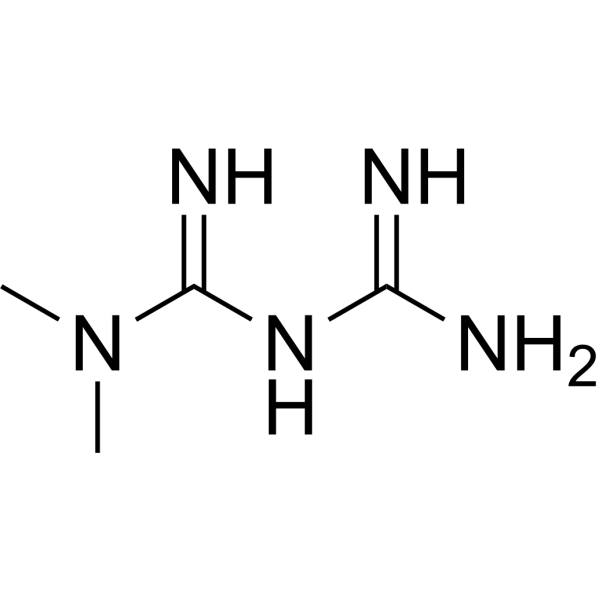
  • HY-B0627
    Metformin
    Maximum Cited Publications
    196 Publications Verification

    1,1-Dimethylbiguanide

    AMPK Autophagy Mitophagy Apoptosis mTOR Cardiovascular Disease Infection Neurological Disease Metabolic Disease Inflammation/Immunology Cancer
    Metformin (1,1-Dimethylbiguanide) inhibits the mitochondrial respiratory chain in the liver, leading to AMPK activation and enhancing insulin sensitivity, and can be used in the study of type 2 diabetes. Metformin exerts central glucose-lowering effects by inhibiting Ras-related protein 1 (Rap1) in SF1 hypothalamic neurons. Metformin also inhibits liver oxidative stress, nitrosative stress, inflammation, and apoptosis caused by liver ischemia/reperfusion injury. In addition, Metformin regulates the expression of autophagy-related proteins by activating AMPK and inhibiting the mTOR signaling pathway, thereby inducing tumor cell autophagy and inhibiting the growth of renal cell carcinoma in vitro and in vivo .
    Metformin
  • HY-17471A
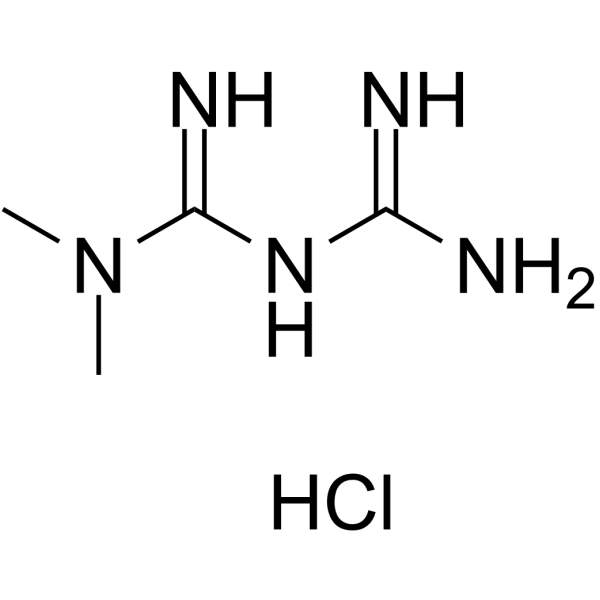
    Metformin hydrochloride
    Maximum Cited Publications
    196 Publications Verification

    1,1-Dimethylbiguanide hydrochloride

    AMPK Autophagy Mitophagy Apoptosis mTOR Cardiovascular Disease Infection Neurological Disease Metabolic Disease Inflammation/Immunology Cancer
    Metformin (1,1-Dimethylbiguanide) hydrochloride inhibits the mitochondrial respiratory chain in the liver, leading to AMPK activation and enhancing insulin sensitivity, and can be used in the study of type 2 diabetes. Metformin hydrochloride exerts central glucose-lowering effects by inhibiting Ras-related protein 1 (Rap1) in SF1 hypothalamic neurons. Metformin hydrochloride also inhibits liver oxidative stress, nitrosative stress, inflammation, and apoptosis caused by liver ischemia/reperfusion injury. In addition, Metformin hydrochloride regulates the expression of autophagy-related proteins by activating AMPK and inhibiting the mTOR signaling pathway, thereby inducing tumor cell autophagy and inhibiting the growth of renal cell carcinoma in vitro and in vivo .
    Metformin hydrochloride
  • HY-17571
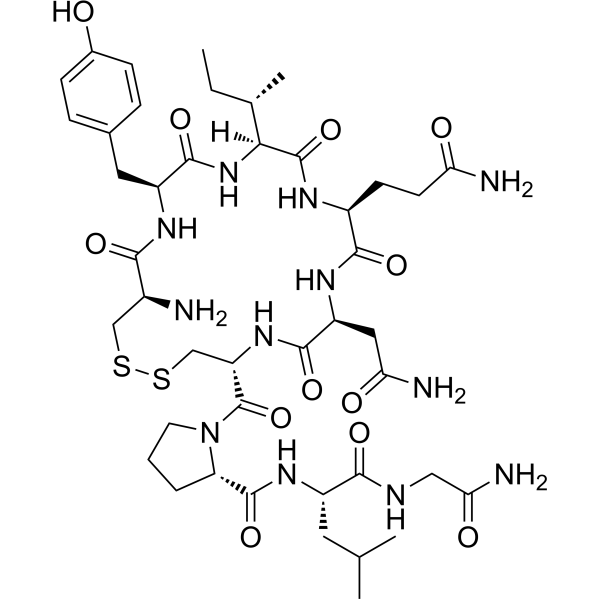
    Oxytocin
    Maximum Cited Publications
    24 Publications Verification

    α-Hypophamine; Oxytocic hormone

    Oxytocin Receptor Endogenous Metabolite Endocrinology Cancer
    Oxytocin (α-Hypophamine; Oxytocic hormone) is a pleiotropic, hypothalamic peptide known for facilitating parturition, lactation, and prosocial behaviors. Oxytocin can function as a stress-coping molecule with anti-inflammatory, antioxidant, and protective effects especially in the face of adversity or trauma .
    Oxytocin
  • HY-B1811
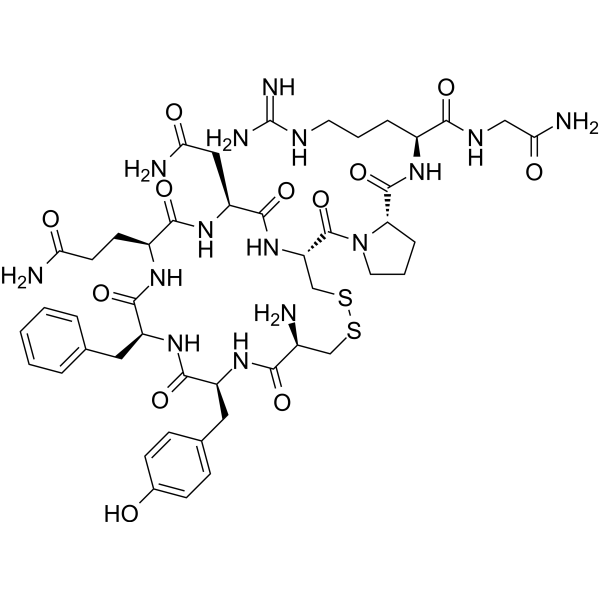
    Vasopressin
    5+ Cited Publications

    Arginine vasopressin; Antidiuretic hormone

    Endogenous Metabolite Neurological Disease
    Vasopressin is a cyclic nonapeptide that is synthesized centrally in the hypothalamus. Vasopressin participates in the hypothalamic-pituitary-adrenal axis, and regulates pituitary corticotropin secretion by potentiating the stimulatory effects of corticotropin releasing factor. Vasopressin also can act as a neurotransmitter, exerting its action by binding to specific G protein-coupled receptors .
    Vasopressin
  • HY-17571A
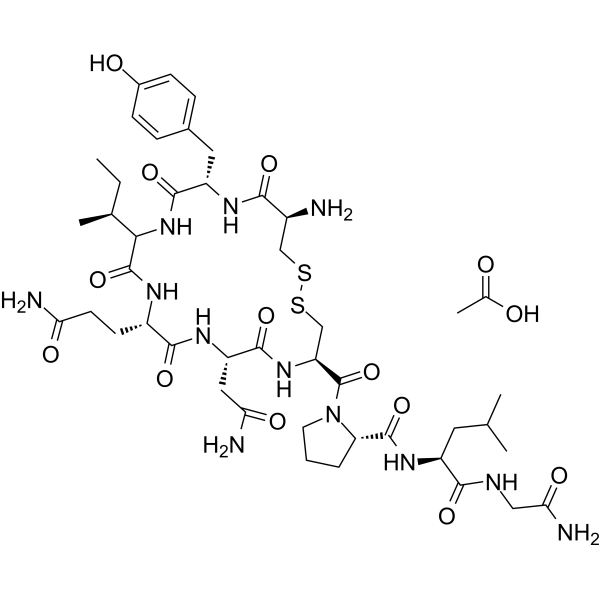
    Oxytocin acetate
    Maximum Cited Publications
    24 Publications Verification

    α-Hypophamine acetate; Oxytocic hormone acetate

    Oxytocin Receptor Endogenous Metabolite Endocrinology Cancer
    Oxytocin (α-Hypophamine) acetate is a pleiotropic, hypothalamic peptide known for facilitating parturition, lactation, and prosocial behaviors. Oxytocin acetate can function as a stress-coping molecule with anti-inflammatory, antioxidant, and protective effects especially in the face of adversity or trauma .
    Oxytocin acetate
  • HY-W004260
    Arachidic acid
    3 Publications Verification

    Eicosanoic acid

    Endogenous Metabolite Neurological Disease
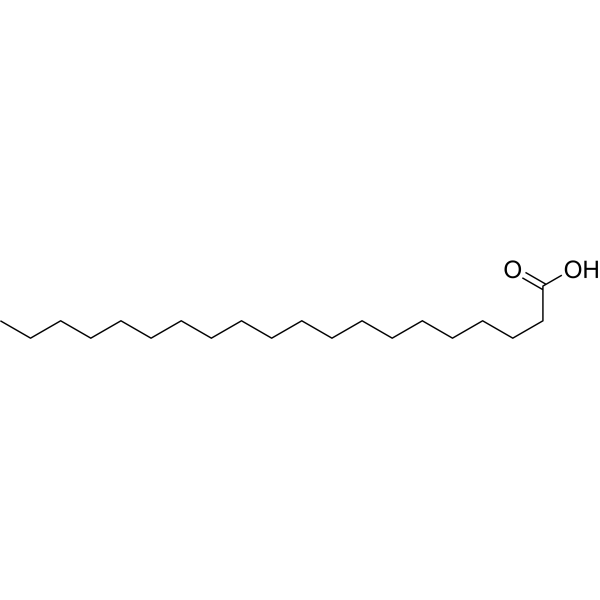
    Arachidic acid is an orally bioavailable membrane fluidity modulator and receptor/ion channel effector. Arachidic acid does not activate arachidonic acid-sensitive K + channels in rat midbrain and hypothalamic neurons. Arachidic acid alleviates age-related spatial cognitive impairment. Arachidic acid is applicable for research related to age-related spatial cognitive impairment .
    Arachidic acid
  • HY-106203

    SSR-125543

    CFTR Metabolic Disease
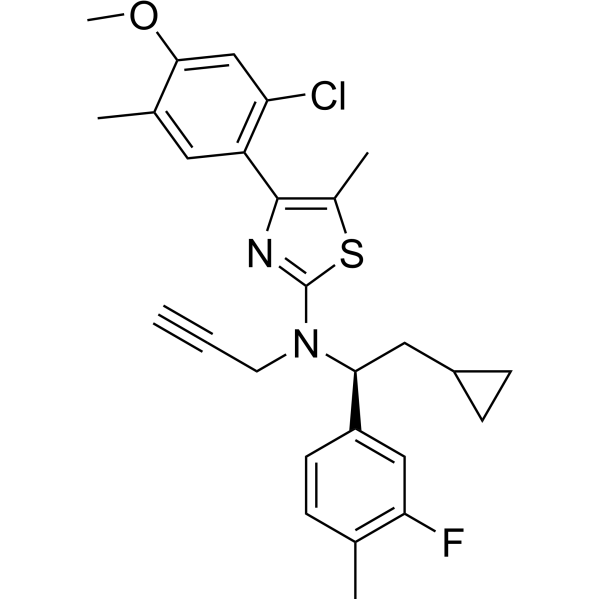
    Crinecerfont (SSR-125543) is an orally effective corticotropin-releasing factor receptor type-1 (CRF1 receptor) antagonist. Crinecerfont blocks CRF1 receptor signaling to reduce adrenocorticotropic hormone secretion. Crinecerfont improves hypothalamic-pituitary-adrenal axis negative feedback sensitivity in chronically stressed mice. Crinecerfont can be used for the research of chronic stress conditions and classic congenital adrenal hyperplasia due to 21-hydroxylase deficiency . Crinecerfont is a click chemistry reagent, it contains an Alkyne group and can undergo copper-catalyzed azide-alkyne cycloaddition (CuAAc) with molecules containing Azide groups.
    Crinecerfont
  • HY-Z0478
    (-)-Limonene
    1 Publications Verification

    (S)-(-)-Limonene

    Bacterial Antibiotic CaMK Infection Cardiovascular Disease Metabolic Disease
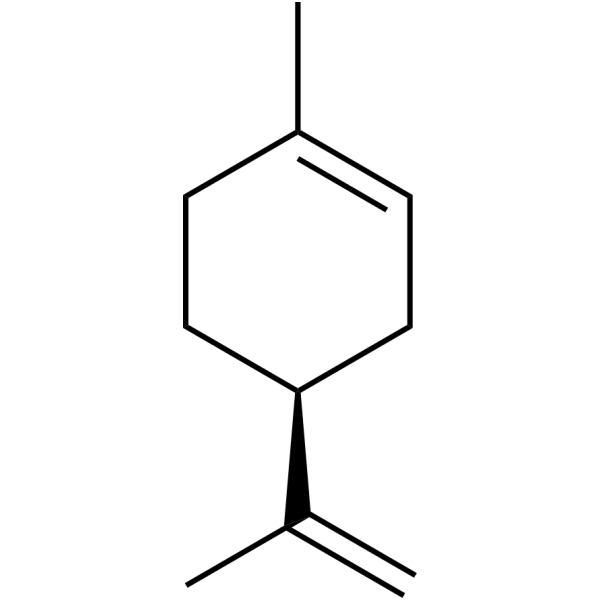
    (-)-Limonene ((S)-(-)-Limonene) is orally active and can cause mild bronchoconstriction. (-)-Limonene alleviates cytosolic and mitochondrial oxidative stress by inhibiting the increase of calcium ions (Ca 2+) and Ca 2+/calmodulin-dependent protein kinase II (CaMKII). It also exerts anti-stress effects by inhibiting the activity of the hypothalamic-pituitary-adrenal (HPA) axis. Additionally, (-)-Limonene can be used as an antibacterial agent in aquaculture .
    (-)-Limonene
  • HY-P0238

    Bombesin Receptor Cancer
    Gastrin-Releasing Peptide, human (GRP) belongs to the bombesin-like peptide family, and is not a classical hypothalamic-hypophyseal regulatory hormone since it plays only a perfunctory role in the mediation of pituitary hormone release.
    Gastrin-Releasing Peptide, human
  • HY-D1056A3

    LPS, from Escherichia coli (O26:B6)

    Toll-like Receptor (TLR) Inflammation/Immunology
    Lipopolysaccharides, from E. coli (Escherichia coli) O26:B6 are lipopolysaccharide endotoxins and TLR-4 activators derived from E. coli, classified as S-type LPS, which can activate pathogen-associated molecular patterns (PAMP) of the immune system and induce cellular secretion of migrasomes. Lipopolysaccharides, from E. coli O26:B6 exhibit a typical three-part structure: O-antigen, core oligosaccharide, and lipid A, and can be recognized by the core-specific monoclonal antibody MAb J8-4C10. Lipopolysaccharides, from E. coli O26:B6 can promote an increase in pro-inflammatory cytokines in plasma, thereby triggering hypothalamic-pituitary-adrenal (HPA) activation and leading to adrenal oxidative damage. The pathogenic effects of Lipopolysaccharides, from E. coli O26:B6 can be used to construct various models, such as cellular inflammation models, sepsis, acute lung injury models, adrenal dysfunction models, and bladder infection models, etc .
    It is recommended to prepare a solution with concentration ≥2 mg/mL. Vortex thoroughly for more than 10 minutes. Due to the adsorption characteristics of LPS, silanized container or low adsorption centrifuge tubes should be used for aliquoting and storage, and mix thoroughly before use.
    Lipopolysaccharides, from E. coli O26:B6
  • HY-106224B

    Hypocretin-1 (human, rat, mouse) acetate

    Orexin Receptor (OX Receptor) Neurological Disease
    Orexin A (Hypocretin-1) (human, rat, mouse) acetate is a hypothalamic neuropeptide with analgesic properties (crosses the blood-brain barrier). Orexin A (human, rat, mouse) acetate binds and activates two types of G protein-coupled receptors, the orexin-1 receptor (OX1R) and the orexin-2 receptor (OX2R). Orexin A (human, rat, mouse) acetate can be used in studies of appetite regulation, neurodegenerative diseases and modulation of injurious messaging .
    Orexin A (human, rat, mouse) acetate
  • HY-106373
    Adrenocorticotropic hormone
    1 Publications Verification

    ACTH; Adrenocorticotrophic hormone

    Androgen Receptor Reactive Oxygen Species (ROS) Mitochondrial Metabolism Interleukin Related TNF Receptor Metabolic Disease Inflammation/Immunology
    Adrenocorticotropic hormone (ACTH; Adrenocorticotrophic hormone) is a polypeptide tropic hormone produced by the anterior pituitary gland. Adrenocorticotropic hormone stimulates cortisol secretion from the adrenal cortex via the hypothalamic-pituitary-adrenal (HPA) axis. Adrenocorticotropic hormone regulates cortisol and androgen production. Adrenocorticotropic hormone can promote the development of spermatogenesis. Adrenocorticotropic hormone can relieve acute inflammation in gout models by inhibiting the polarization of macrophages to M1 type, inhibiting ROS and proinflammatory factor production and protecting mitochondrial function. Adrenocorticotropic hormone can be used for the researches of inflammation, endocrinology, metabolic disease, such as gout and nephrotic syndrome .
    Adrenocorticotropic hormone
  • HY-P1248

    NPFF

    Neuropeptide FF Receptor Cardiovascular Disease Neurological Disease
    Neuropeptide FF (NPFF), an octapeptide belonging to the RF-amide family of peptides, is a NPFF1 and NPFF2 receptors agonist with Ki values of 2.82 nM and 0.21 nM, respectively. Neuropeptide FF induces abstinence syndrome, exerts antiopioid and analgesic effects, releases via calcium-dependent mechanisms from rat spinal cord, regulates memory, autonomic function, and neuroendocrine function, modulates pain and opioid antinociception, reduces food intake, stimulates water intake, alters cardiovascular parameters, and shows differential activity in hypothalamic paraventricular nucleus neurons. Neuropeptide FF is present in mammalian central nervous system and periphery, with NPFF-immunoreactivity increases in rat cerebrospinal fluid during opiate tolerance, and its NPFF gene and NPFF-R2 gene are up-regulated in rat spinal cord and dorsal root ganglia during peripheral inflammation. Neuropeptide FF can be used for the research of opioid tolerance, morphine-induced analgesia, abstinence syndrome, pain, hypertension, nociception, inflammatory pain, and neuropathic pain .
    Neuropeptide FF
  • HY-A0068
    Aurothioglucose
    2 Publications Verification

    Gold thioglucose

    NF-κB HIV Reactive Oxygen Species (ROS) Infection Inflammation/Immunology Cancer
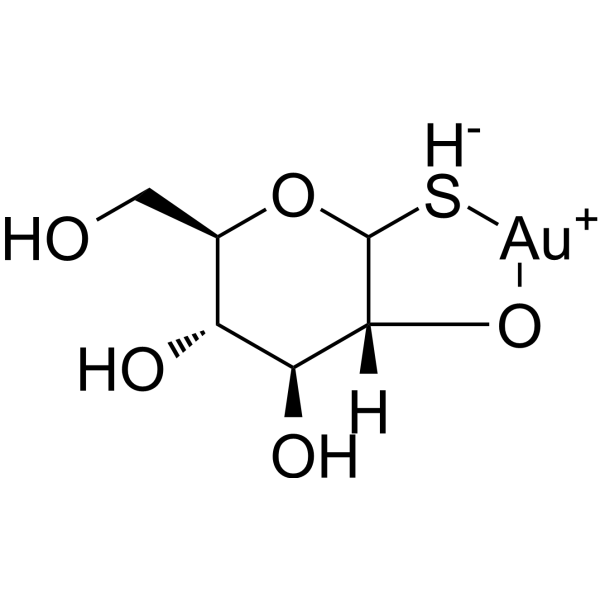
    Aurothioglucose (Gold thioglucose), containing monovalent gold ion, is a potent active-site inhibitor of TrxR1 (thioredoxin reductase 1), with an IC50 of 65 nM. Aurothioglucose inhibits the DNA binding of NF-κB in vitro. Aurothioglucose shows anti-HIV and anti-rheumatic activities .
    Aurothioglucose
  • HY-P1205A
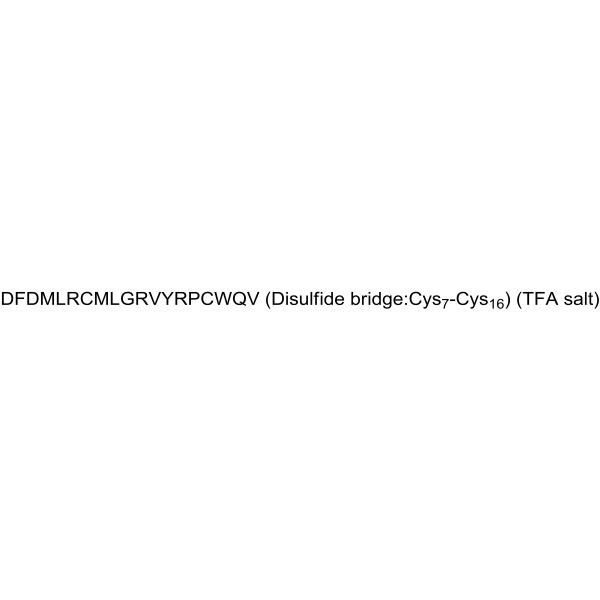
    MCH(human, mouse, rat) TFA
    1 Publications Verification

    Melanin-concentrating hormone(human, mouse, rat) TFA

    MCHR1 (GPR24) Neurological Disease Metabolic Disease
    MCH (human, mouse, rat) TFA is a cyclic neuropeptide mainly synthesized by neurons in the lateral hypothalamic area. MCH (human, mouse, rat) TFA also serves as an endogenous ligand for the melanin-concentrating hormone receptor (MHC receptor), with a binding IC50 of 0.3 nM and 1.5 nM for human MCH-1R and MCH-2R, respectively; its functional EC50 values are 3.9 nM and 88.7 nM. MCH (human, mouse, rat) TFA acts not only as an orexigenic signal but also as a key integrating and regulatory hormone for energy homeostasis and sleep-wake cycles. MCH (human, mouse, rat) TFA can be used in studies related to obesity, sleep disorders, and other associated conditions .
    MCH(human, mouse, rat) TFA
  • HY-106203A

    SSR-125543 hydrochloride

    CFTR Metabolic Disease
    Crinecerfont (SSR-125543) hydrochloride is an orally effective corticotropin-releasing factor receptor type-1 (CRF1 receptor) antagonist. Crinecerfont hydrochloride blocks CRF1 receptor signaling to reduce adrenocorticotropic hormone secretion. Crinecerfont hydrochloride improves hypothalamic-pituitary-adrenal axis negative feedback sensitivity in chronically stressed mice. Crinecerfont hydrochloride can be used for the research of chronic stress conditions and classic congenital adrenal hyperplasia due to 21-hydroxylase deficiency . Crinecerfont hydrochloride is a click chemistry reagent, it contains an Alkyne group and can undergo copper-catalyzed azide-alkyne cycloaddition (CuAAc) with molecules containing Azide groups.
    Crinecerfont hydrochloride
  • HY-17471AR

    1,1-Dimethylbiguanide hydrochloride (Standard)

    Reference Standards AMPK Autophagy Mitophagy Apoptosis mTOR Cardiovascular Disease Metabolic Disease Cancer
    Metformin hydrochloride (Standard) is the analytical standard of Metformin hydrochloride (HY-17471A). This product is intended for research and analytical applications. Metformin (1,1-Dimethylbiguanide) hydrochloride inhibits the mitochondrial respiratory chain in the liver, leading to AMPK activation and enhancing insulin sensitivity, and can be used in the study of type 2 diabetes. Metformin hydrochloride exerts central glucose-lowering effects by inhibiting Ras-related protein 1 (Rap1) in SF1 hypothalamic neurons. Metformin hydrochloride also inhibits liver oxidative stress, nitrosative stress, inflammation, and apoptosis caused by liver ischemia/reperfusion injury. In addition, Metformin hydrochloride regulates the expression of autophagy-related proteins by activating AMPK and inhibiting the mTOR signaling pathway, thereby inducing tumor cell autophagy and inhibiting the growth of renal cell carcinoma in vitro and in vivo .
    Metformin hydrochloride (Standard)
  • HY-114557

    3,5-Diiodo-L-thyronine

    JNK NF-κB Sirtuin PGC-1α COX TGF-β Receptor Collagen Metabolic Disease Inflammation/Immunology Endocrinology
    NSC 90469 (3,5-Diiodo-L-thyronine) is an orally active thyroid hormone derivative. NSC 90469 inhibits JNK phosphorylation and NF-κB acetylation, blocks SIRT1 protein expression, induces elevated PGC-1α levels, and stimulates COX activity. NSC 90469 enhances UCP1-mediated thermogenesis, increases hepatic Dio1 activity, inhibits TSH levels and hypothalamic-pituitary-thyroid axis function, enhances lipid metabolism, and regulates energy metabolism via the mitochondrial pathway. NSC 90469 prevents blood glucose reduction, reduces urinary albumin excretion, inhibits renal matrix expansion, decreases TGF-β1 expression, and reduces renal fibronectin and type Ⅳ collagen deposition. NSC 90469 also increases energy expenditure and prevents diet-induced overweight. NSC 90469 can be used in studies related to diabetic nephropathy, hypothyroidism, non-alcoholic fatty liver disease, and diet-induced obesity .
    NSC 90469
  • HY-108615

    GPi 819

    Phosphorylase Cardiovascular Disease Neurological Disease Metabolic Disease
    CP-316819 (GPi 819) is a blood-brain barrier permeable glycogen phosphorylase inhibitor. CP-316819 inhibits hepatic glycogenolysis, safely reduces blood glucose in type 2 diabetes, and rarely induces hypoglycemia. CP-316819 increases brain glycogen reserves, protects neurons, alleviates hypoglycemic brain injury, and inhibits excessive platelet activation, exerting both neuroprotective and vasculoprotective effects. CP-316819 can be used in research related to hypoglycemia, thrombosis, autoimmune inflammatory diseases, and type 2 diabetes .
    CP-316819
  • HY-P10927A

    BRINP2-related peptide TFA

    PKA AP-1 Metabolic Disease
    BRP (BRINP2-related peptide) TFA is a 12-peptide derived from BRINP2 that can cross the blood-brain barrier. BRP TFA induces the central activation of FOS in neuronal cells via the cAMP-PKA-CREB signaling pathway. BRP TFA exerts anorectic and anti-obesity effects without triggering nausea or aversive responses. The action of BRP TFA is independent of the leptin, GLP-1 receptor and melanocortin 4 receptor pathways. BRP TFA is applicable to obesity-related research .
    BRP TFA
  • HY-B1904

    Dopamine Receptor Neurological Disease
    Fluphenazine decanoate is a CNS-penetrant dopamine D2 receptor inhibitor, is a long-acting phenothiazine neuroleptic. Fluphenazine can be used for schizophrenia research .
    Fluphenazine decanoate
  • HY-P2278
    PEN (human)
    1 Publications Verification

    G protein-coupled Bile Acid Receptor 1 Neurological Disease
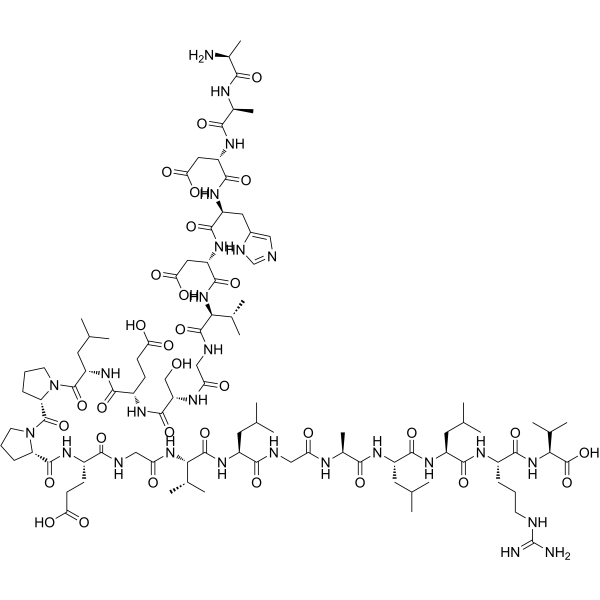
    PEN (human), one of the most abundant hypothalamic neuropeptide and derived from the proprotein ProSAAS, is an endogenous ligand of GPR83 .
    PEN (human)
  • HY-P10409

    Small humanin-like peptide 2

    Apoptosis Reactive Oxygen Species (ROS) Neurological Disease Metabolic Disease
    SHLP2 (Small humanin-like peptide 2) is a small molecule peptide encoded by mitochondrial DNA, belonging to mitochondria derived peptide. SHLP2 has the activity of regulating apoptosis and inhibits cell death. SHLP2 binds to mitochondrial complex 1. SHLP2 improves mitochondrial metabolism by increasing respiration and biogenesis, reducing ROS, and decreasing mtDNA oxidation. SHLP2 also regulated energy homeostasis through the activation of hypothalamic neurons. SHLP2 can be used in the study of diseases related to mitochondrial dysfunction and anti-aging diseases, such as age-related macular degeneration and Parkinson’s disease .
    SHLP2
  • HY-N0046

    Notoginseng triterpenes; Ginsenoside Mb

    Apoptosis Src Neurological Disease Metabolic Disease Cancer
    Notoginsenoside Fe (Notoginseng triterpenes; Ginsenoside Mb) is a saponin with anti-obesity and anti-neuroblastoma activities. Notoginsenoside Fe can be isolated from leaves of Panax notoginseng. Notoginsenoside Fe specifically activates paraventricular nucleus neurons in the hypothalamus, effectively reducing body weight, improving fasting blood glucose and protecting liver function by decreasing food intake, increasing resting metabolic rate and enhancing energy expenditure. Notoginsenoside Fe also inhibits the c-Src signaling pathway, blocks the proliferation and viability of human neuroblastoma cells, while improving mitochondrial dysfunction and alleviating apoptosis. Notoginsenoside Fe can be used in studies related to diet-induced obesity and neuroblastoma .
    Notoginsenoside Fe
  • HY-P10927

    BRINP2-related peptide

    AP-1 PKA Metabolic Disease
    BRP is a 12-peptide derived from BRINP2 that can cross the blood-brain barrier. BRP induces the central activation of FOS in neuronal cells via the cAMP-PKA-CREB signaling pathway. BRP exerts anorectic and anti-obesity effects without triggering nausea or aversive responses. The action of BRP is independent of the leptin, GLP-1 receptor and melanocortin 4 receptor pathways. BRP is applicable to obesity-related research .
    BRP
  • HY-P0089A

    Growth Hormone Releasing Factor human TFA; Somatorelin (1-44) amide (human) TFA

    GHSR Endocrinology
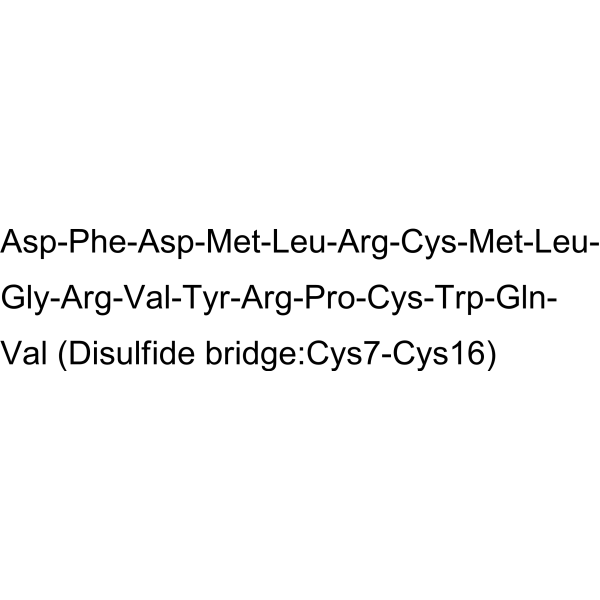
    Human growth hormone-releasing factor TFA (Growth Hormone Releasing Factor human TFA) is a hypothalamic polypeptide and stimulates GH production and release by binding to the GHRH Receptor (GHRHR) on cells in the anterior pituitary .
    Human growth hormone-releasing factor TFA
  • HY-14811

    ZGN-440; CKD-732 free base

    MetAP NF-κB Metabolic Disease
    Beloranib (ZGN-440; CKD-732 free base) is a selective, irreversible inhibitor of methionine aminopeptidase MetAP2 that suppresses appetite and increases energy expenditure. Beloranib blocks the enzymatic cleavage of N-terminal methionine from nascent proteins by forming a covalent bond with MetAP2, thereby regulating fatty acid metabolism, adrenergic signaling, and hypothalamic NF-κB expression. Beloranib significantly reduces food intake, body weight, and fat accumulation, while improving glucose tolerance, insulin sensitivity, and lipid metabolism. Beloranib also elevates energy expenditure and fat oxidation levels, without affecting body temperature, spontaneous activity, or the inflammatory cytokine IL-1β. Beloranib can be used in research on obesity and hypothalamic obesity .
    Beloranib
  • HY-P4675

    GnRH Receptor Endocrinology Cancer
    LHRH (free acid), the luteinizing hormone-releasing hormone, is a neuropeptide hypothalamic. LHRH regulates reproduction. LHRH can be used for the research of cancer .
    LHRH free acid
  • HY-P3513

    ERK MMP Neurological Disease
    β-Neo-Endorphin is an endogenous opioid peptide. β-Neo-Endorphin is a hypothalamic “big” Leu-enkephalin of porcine origin. β-Neo-Endorphin shows activation of the Erk1/2, MMP-2 and MMP-9 .
    β-Neo-Endorphin
  • HY-B0265A

    (R)-BAY-e 9736

    Calcium Channel Cardiovascular Disease Neurological Disease
    (R)-Nimodipine ((R)-BAY-e 9736) is an orally active, blood-brain barrier-permeable L-type calcium channel blocker with an IC50 of 5 nM. (R)-Nimodipine inhibits corticosterone release by blocking calcium channels on the hypothalamic-pituitary-adrenal axis, thereby reversing immobilization stress-induced memory impairment and behavioral abnormalities. (R)-Nimodipine is widely used in studies related to aneurysmal subarachnoid hemorrhage, cerebral ischemia, epilepsy, age-related degenerative neurological diseases, and alcohol intoxication .
    (R)-Nimodipine
  • HY-B0627S

    1,1-Dimethylbiguanide-d6

    Isotope-Labeled Compounds AMPK Autophagy Mitophagy Apoptosis mTOR Cardiovascular Disease Cancer
    Metformin-d6 (1,1-Dimethylbiguanide-d6) is a deuterated labeled Metformin (HY-B0627). Metformin (1,1-Dimethylbiguanide) inhibits the mitochondrial respiratory chain in the liver, leading to AMPK activation and enhancing insulin sensitivity, and can be used in the study of type 2 diabetes. Metformin exerts central glucose-lowering effects by inhibiting Ras-related protein 1 (Rap1) in SF1 hypothalamic neurons. Metformin also inhibits liver oxidative stress, nitrosative stress, inflammation, and apoptosis caused by liver ischemia/reperfusion injury. In addition, Metformin regulates the expression of autophagy-related proteins by activating AMPK and inhibiting the mTOR signaling pathway, thereby inducing tumor cell autophagy and inhibiting the growth of renal cell carcinoma in vitro and in vivo .
    Metformin-d6
  • HY-110023

    Serotonin Transporter Neurological Disease
    Zimelidine dihydrochloride is an orally active selective serotonin reuptake inhibitor. Zimelidine dihydrochloride competitively inhibits central 5-HT uptake and desensitizes 5-HT autoreceptors in dorsal raphe nucleus. Zimelidine dihydrochloride time-dependently modulates 5-HT neuronal firing and hippocampal CA3 responses. Zimelidine dihydrochloride strengthens central serotonergic neurotransmission and produces related behavioral changes. Zimelidine dihydrochloride exerts anxiolytic, analgesic, feeding-suppressive and tolerance-attenuating effects. Zimelidine dihydrochloride is used for the study of depressive disorders and analgesic tolerance .
    Zimelidine dihydrochloride
  • HY-15691

    Opioid Receptor mTOR Neurological Disease Metabolic Disease
    PF-04455242 is an orally bioavailable, blood-brain barrier-permeable κ-opioid receptor (KOR) inhibitor. PF-04455242 blocks in vivo effects induced by KOR and MOR agonists, and elicits KOR-independent outward currents in ventral tegmental area neurons. PF-04455242 promotes energy expenditure and activates the hypothalamic mTOR pathway. PF-04455242 attenuates stress-induced behavioral effects and produces antidepressant-like effects. PF-04455242 can be used in studies related to pain, depression, addictive disorders, and obesity induced by estrogen withdrawal .
    PF-04455242
  • HY-W044525

    Phosphodiesterase (PDE) Metabolic Disease Inflammation/Immunology
    Phyllodulcin is an orally active sweetener found in Hydrangea macrophylla var. thunbergii. Phyllodulcin acts as a non-selective phosphodiesterase inhibitor and exerts anti-allergic effects by suppressing lymphocyte activation. Phyllodulcin can be used to combat obesity by regulating levels of leptin, fat browning-related genes, and hypothalamic BDNF-TrkB signaling .
    Phyllodulcin
  • HY-P1250

    Neuropeptide VF(124-131)(human); Neuropeptide NPVF (human)

    Neuropeptide Y Receptor Neurological Disease
    RFRP-3 (Neuropeptide VF(124-131))(human), a human GnIH peptide homolog, is a potent inhibitor of gonadotropin secretion by inhibiting Ca 2+ mobilization. RFRP-3(human) is a NPFF1 receptor agonist, it inhibits forskolin-induced production of cAMP with an IC50 of 0.7 nM .
    RFRP-3(human)
  • HY-B1811AS1

    Arginine vasopressin-d5 TFA; Antidiuretic hormone-d5 TFA

    Isotope-Labeled Compounds Neurological Disease
    Vasopressin-d5 TFA is the TFA salt form of Vasopressin-d5 (HY-B1811S1). Vasopressin-d5 TFA is an isotope-labeled compound of Vasopressin (HY-B1811). Vasopressin is a cyclic nonapeptide that is synthesized centrally in the hypothalamus. Vasopressin participates in the hypothalamic-pituitary-adrenal axis and regulates pituitary corticotropin secretion by potentiating the stimulatory effects of the corticotropin-releasing factor. Vasopressin also can act as a neurotransmitter, exerting its action by binding to specific G protein-coupled receptors .
    Vasopressin-d5 TFA
  • HY-P3641A

    GnRH Receptor Neurological Disease Metabolic Disease
    Kisspeptin 13 TFA is the TFA salt form of Kisspeptin 13 (HY-P3641). Kisspeptin-13 TFA inhibits glucose-induced insulin secretion with an IC50 of 1.2 nM. Kisspeptin 13 TFA activates the hypothalamic-pituitary-adrenal (HPA) axis, causes hyperthermia, motor behavior and anxiety in rats. Kisspeptin 13 TFA interacts with α2-adrenergic and 5-HT2 serotonin receptors, exhibits antidepressant efficacy. Kisspeptin 13 TFA is an activator for GPR54 and GnRH receptor, which enhances memory and can be used in Alzheimer's disease research .
    Kisspeptin 13 TFA
  • HY-106373A
    Adrenocorticotropic hormone TFA
    1 Publications Verification

    ACTH TFA; Adrenocorticotrophic hormone TFA

    Androgen Receptor Reactive Oxygen Species (ROS) Mitochondrial Metabolism Interleukin Related TNF Receptor Metabolic Disease Inflammation/Immunology
    Adrenocorticotropic hormone (ACTH; Adrenocorticotrophic hormone) TFA is a polypeptide tropic hormone produced by the anterior pituitary gland. Adrenocorticotropic hormone TFA stimulates cortisol secretion from the adrenal cortex via the hypothalamic-pituitary-adrenal (HPA) axis. Adrenocorticotropic hormone TFA regulates cortisol and androgen production. Adrenocorticotropic hormone TFA can promote the development of spermatogenesis. Adrenocorticotropic hormone TFA can relieve acute inflammation in gout models by inhibiting the polarization of macrophages to M1 type, inhibiting ROS and proinflammatory factor production and protecting mitochondrial function. Adrenocorticotropic hormone TFA can be used for the researches of inflammation, endocrinology, metabolic disease, such as gout and nephrotic syndrome .
    Adrenocorticotropic hormone TFA
  • HY-130223

    11β-Dinoprostone; 11β-PGE2

    Prostaglandin Receptor Endocrinology
    11β-Prostaglandin E2 (11β-Dinoprostone), a Prostanoid derivative, inhibits [ 3H]PGE2 binding to hypothalamic membranes in the rat with a Ki of 53.3 nM .
    11β-Prostaglandin E2
  • HY-117787

    Free Fatty Acid Receptor Neurological Disease Metabolic Disease
    TUG-905 is a potent GPR40 agonist with an pEC50 value of 7.03. TUG-905 increases hypothalamic cell proliferation and survival. TUG-905 reduces body mass and increases the POMC mRNA expression .
    TUG-905
  • HY-P1303

    5-HT Receptor Neurological Disease
    CART(62-76)(human,rat) is a neuropeptide (62-76 residues of the CART peptide) with neurotransmitter-like effects. CART(62-76)(human,rat) can modulate the activity of striatal noradrenergic and corticostriatal and hypothalamic serotoninergic (5-HT) system in the rat brain .
    CART(62-76)(human,rat)
  • HY-14811A

    ZGN-440 hemioxalate; ZGN-433 hemioxalate; CDK732 hemioxalate

    NF-κB MetAP Metabolic Disease
    Beloranib (ZGN-440; CKD-732 free base) hemioxalate is a selective, irreversible inhibitor of methionine aminopeptidase MetAP2 that suppresses appetite and increases energy expenditure. Beloranib hemioxalate blocks the enzymatic cleavage of N-terminal methionine from nascent proteins by forming a covalent bond with MetAP2, thereby regulating fatty acid metabolism, adrenergic signaling, and hypothalamic NF-κB expression. Beloranib hemioxalate significantly reduces food intake, body weight, and fat accumulation, while improving glucose tolerance, insulin sensitivity, and lipid metabolism. Beloranib hemioxalate also elevates energy expenditure and fat oxidation levels, without affecting body temperature, spontaneous activity, or the inflammatory cytokine IL-1β. Beloranib hemioxalate can be used in research on obesity and hypothalamic obesity .
    Beloranib hemioxalate
  • HY-A0287

    Clomifene; (Z/E)-Enclomiphene; (Z/E)-Enclomifene

    Estrogen Receptor/ERR Metabolic Disease Cancer
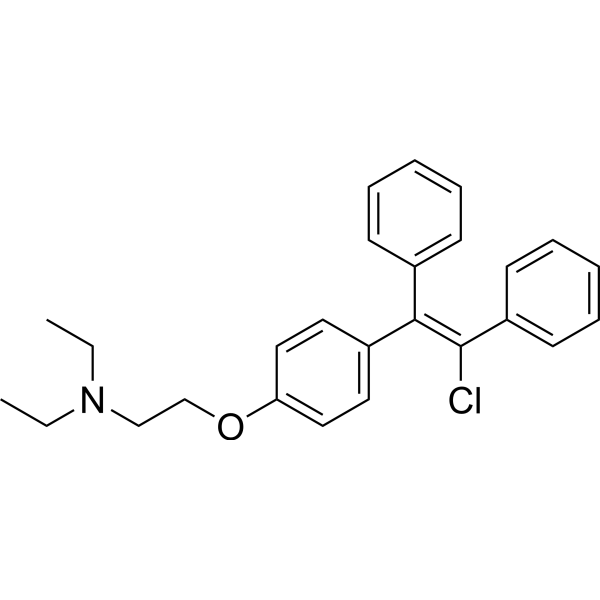
    Clomiphene (Clomifene; (Z/E)-Enclomiphene; (Z/E)-Enclomifene) is an orally active ovulation-inducing agent. Clomiphene binds to hypothalamic estrogen receptors to elevate FSH levels, and exhibits antiestrogenic or estrogenic properties. Clomiphene can induce erturbations during meiotic maturation and cytogenetic abnormalities in mouse oocytes. Clomiphene ameliorates memory impairment in PCOS models. Clomiphene mobilizes cytosolic calcium and reduces viability in prostate cancer cells. Clomiphene can be used for the research of polycystic ovary syndrome (PCOS) and prostate cancer .
    Clomiphene
  • HY-P3069

    Neurokinin Receptor Neurological Disease Endocrinology
    γ-Neuropeptide (rabbit) can be isolated from rabbit intestine. γ-Neuropeptide is an endogenous neurokinin peptide that acts as a neurokinin 2 (NK2) receptor agonist. γ-Neuropeptide mediates hypothalamic-pituitary-adrenal (HPA) axis, as well as reproductive hormone release .
    γ-Neuropeptide (rabbit)
  • HY-P1205

    Melanin-concentrating hormone(human, mouse, rat)

    MCHR1 (GPR24) Neurological Disease Metabolic Disease
    MCH (human, mouse, rat) is a cyclic neuropeptide mainly synthesized by neurons in the lateral hypothalamic area. MCH (human, mouse, rat) also serves as an endogenous ligand for the melanin-concentrating hormone receptor (MHC receptor), with a binding IC50 of 0.3 nM and 1.5 nM for human MCH-1R and MCH-2R, respectively; its functional EC50 values are 3.9 nM and 88.7 nM. MCH (human, mouse, rat) acts not only as an orexigenic signal but also as a key integrating and regulatory hormone for energy homeostasis and sleep-wake cycles. MCH (human, mouse, rat) can be used in studies related to obesity, sleep disorders, and other associated conditions .
    MCH(human, mouse, rat)
  • HY-P0089

    Growth Hormone Releasing Factor human; Somatorelin (1-44) amide (human)

    GHSR Endocrinology
    Human growth hormone-releasing factor (Growth Hormone Releasing Factor human) is a hypothalamic polypeptide and stimulates GH production and release by binding to the GHRH Receptor (GHRHR) on cells in the anterior pituitary .
    Human growth hormone-releasing factor
  • HY-P3687

    CRFR Endocrinology
    [Tyr0] Corticotropin Releasing Factor, ovine is a corticotropin releasing factor/hormone isolated from ovine. Corticotropin releasing factor (CRF) is a hypothalamic hormone, stimulates the release of adrenocorticotropic hormone (ACTH) and of β-endorphin .
    [Tyr0] Corticotropin Releasing Factor, ovine
  • HY-P3683

    CRFR Endocrinology
    a-Helical Corticotropin Releasing Factor (12-41) is a 30 amino acids long, α-helical analogue of corticotropin releasing factor/hormone. Corticotropin releasing factor (CRF) is a hypothalamic hormone, which stimulates the secretion of adrenocorticotrophic hormone (ACTH). a-Helical Corticotropin Releasing Factor (12-41) would suppress the stimulatory effect .
    a-Helical Corticotropin Releasing Factor (12-41)
  • HY-179131

    NOD-like Receptor (NLR) Metabolic Disease Inflammation/Immunology
    TN-783 is an orally active, brain-penetrant NLRP3 (IC50 = 19.3 nM) inhibitor. TN-783 enhances the effects of the GLP-1 receptor agonist semaglutide. TN-783 requires sustained targeted action, not permanent metabolic remodeling. TN-783 can be used for the study of obesity .
    TN-783
  • HY-P11321A

    acyl-GIP hydrochloride

    Insulin Receptor Metabolic Disease
    IUB0271 (acyl-GIP) hydrochloride is a fatty acylated and long-acting glucose-dependent insulinotropic polypeptide (GIP). IUB0271 hydrochloride increases cFos neuronal activity in hypothalamic feeding centers and decreases body weight, food intake and glycemia in DIO mouse models, and these effects depend on CNS-GIPR signaling. IUB0271 hydrochloride can be used for type 2 diabetes mellitus (T2DM) and obesity research .
    IUB0271 hydrochloride

Inquiry Online

Your information is safe with us. * Required Fields.

Salutation


Country or Region *

Applicant Name *


Organization Name *

Department *


Email Address *


Product Name *

Cat. No.


Requested quantity *

Phone Number *


Remarks

Inquiry Online

Inquiry Information

Product Name:
Cat. No.:
Quantity:
MCE Japan Authorized Agent:

