1047 Results for "

lamina I excitatory neuron

" in MedChemExpress (MCE) Product Catalog:
Products (1047)

1047 Results for "lamina I excitatory neuron" in MCE Product Catalog:

  • Categories Recommended:
    More
213
213 Publications Verification
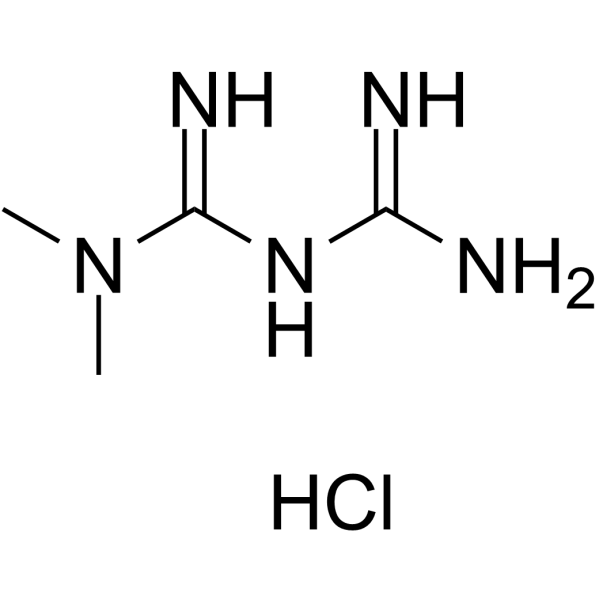
Cat. No.: HY-17471A
CAS No.: 1115-70-4
Synonyms: 1,1-Dimethylbiguanide hydrochloride
Metformin (1,1-Dimethylbiguanide) hydrochloride inhibits the mitochondrial respiratory chain in the liver, leading to AMPK activation and enhancing insulin sensitivity, and can be used in the study of type 2 diabetes. Metformin hydrochloride exerts central glucose-lowering effects by inhibiting Ras-related protein 1 (Rap1) in SF1 hypothalamic neurons. Metformin hydrochloride also inhibits liver oxidative stress, nitrosative stress, inflammation, and apoptosis caused by liver ischemia/reperfusion injury. In addition, Metformin hydrochloride regulates the expression of autophagy-related proteins by activating AMPK and inhibiting the mTOR signaling pathway, thereby inducing tumor cell autophagy and inhibiting the growth of renal cell carcinoma in vitro and in vivo .
loading...
    loading...
213
213 Publications Verification
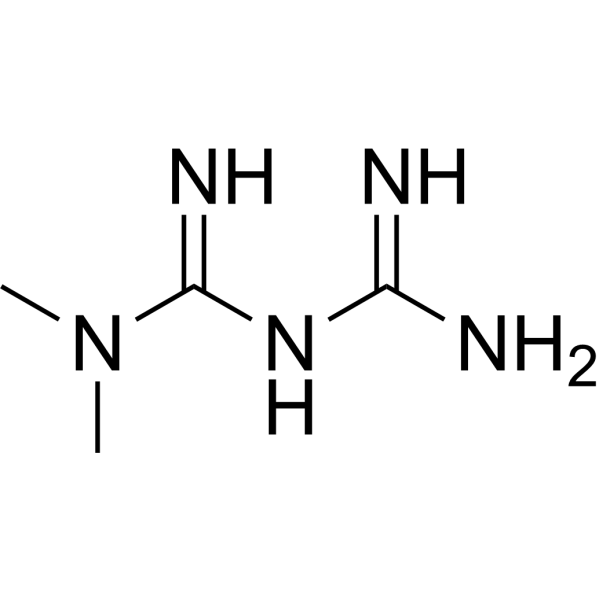
Cat. No.: HY-B0627
CAS No.: 657-24-9
Synonyms: 1,1-Dimethylbiguanide
Metformin (1,1-Dimethylbiguanide) inhibits the mitochondrial respiratory chain in the liver, leading to AMPK activation and enhancing insulin sensitivity, and can be used in the study of type 2 diabetes. Metformin exerts central glucose-lowering effects by inhibiting Ras-related protein 1 (Rap1) in SF1 hypothalamic neurons. Metformin also inhibits liver oxidative stress, nitrosative stress, inflammation, and apoptosis caused by liver ischemia/reperfusion injury. In addition, Metformin regulates the expression of autophagy-related proteins by activating AMPK and inhibiting the mTOR signaling pathway, thereby inducing tumor cell autophagy and inhibiting the growth of renal cell carcinoma in vitro and in vivo .
loading...
    loading...
136
136 Cited Publications
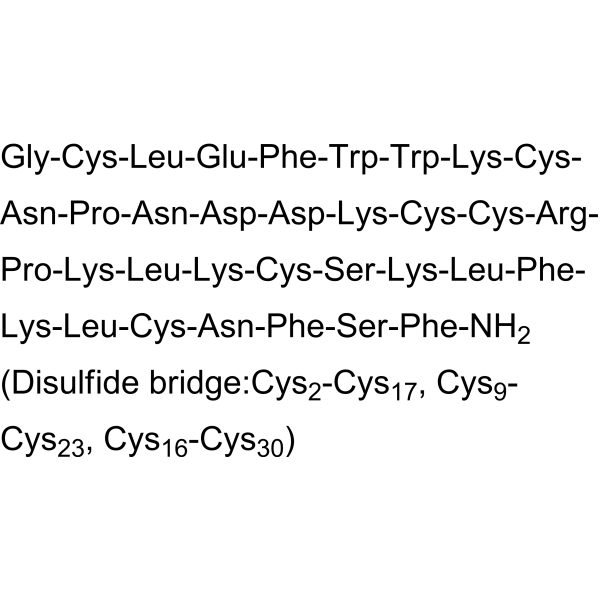
Cat. No.: HY-P1410
CAS No.: 1209500-46-8
GsMTx4 is a spider venom peptide that selectively inhibits cationic-permeable mechanosensitive channels (MSCs) belonging to the Piezo and TRP channel families. GsMTx4 also blocks cation-selective stretch-activated channels (SACs) , attenuates lysophosphatidylcholine (LPC)-induced astrocyte toxicity and microglial reactivity. GsMTx4 is an important pharmacological tool for identifying the role of these excitatory MSCs in normal physiology and pathology .
loading...
    loading...
136
136 Cited Publications
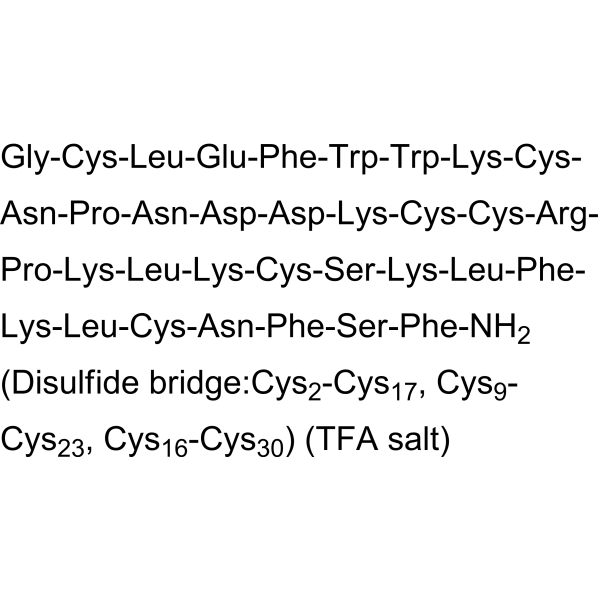
Cat. No.: HY-P1410A
GsMTx4 TFA is a spider venom peptide that selectively inhibits cationic-permeable mechanosensitive channels (MSCs) belonging to the Piezo and TRP channel families. GsMTx4 TFA also blocks cation-selective stretch-activated channels (SACs) , attenuates lysophosphatidylcholine (LPC)-induced astrocyte toxicity and microglial reactivity. GsMTx4 TFA is an important pharmacological tool for identifying the role of these excitatory MSCs in normal physiology and pathology .
loading...
    loading...
52
52 Cited Publications
Cat. No.: HY-B1906
CAS No.: 57-92-1
Synonyms: Agrept; Agrimycin; Streptomycin A
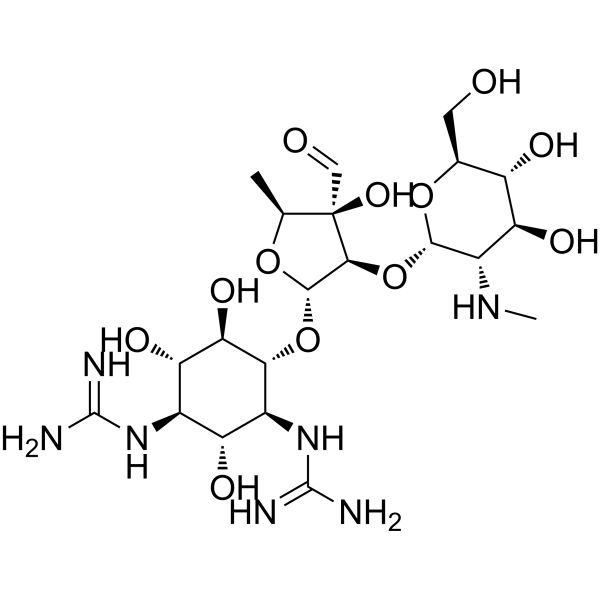
Streptomycin (Agrept) is an effective antibiotic against M. tuberculosis, is used for the research of tuberculosis (TB). Streptomycin also is a bacteriocidal agent that can be used for the research of a number of bacterial infections. Streptomycin can bind strongly to nucleic acids, interferes and blocks protein synthesis while permitting continued RNA and DNA synthesis. Streptomycin, as a common antibiotic used in culture media, also is a blocker of stretch-activated and mechanosensitive ion channels in neurons and cardiac myocytes .
loading...
    loading...
50
50 Cited Publications
Cat. No.: HY-B1081
CAS No.: 28094-15-7
Synonyms: 6-Hydroxydopamine Hydrochloride
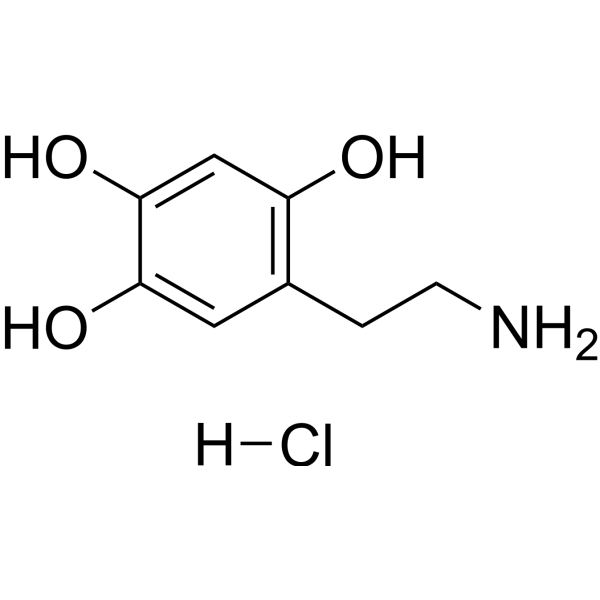
Oxidopamine (6-OHDA) hydrochloride is an antagonist of the neurotransmitter dopamine. Oxidopamine hydrochloride is a widely used neurotoxin and selectively destroys dopaminergic neurons. Oxidopamine hydrochloride promotes COX-2 activation, leading to PGE2 synthesis and pro-inflammatory cytokine IL-1β secretion. Oxidopamine hydrochloride can be used for the research of Parkinson’s disease (PD), attention-deficit hyperactivity disorder (ADHD), and Lesch-Nyhan syndrome .
loading...
    loading...
50
50 Cited Publications
Cat. No.: HY-B1081A
CAS No.: 636-00-0
Synonyms: 6-Hydroxydopamine hydrobromide; 6-OHDA hydrobromide
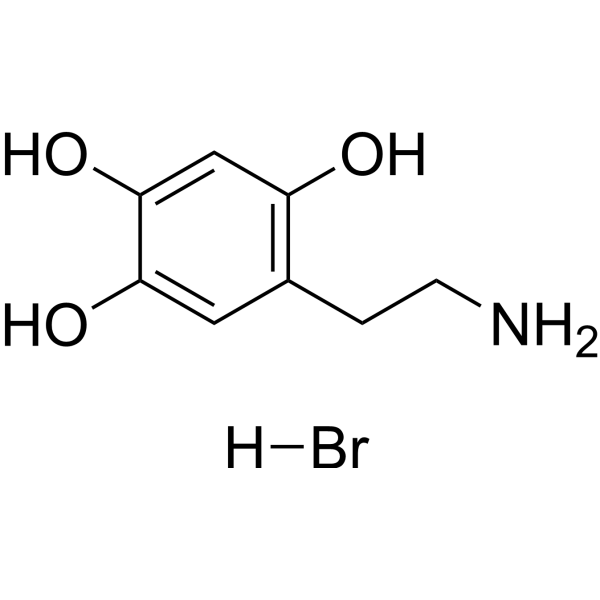
Oxidopamine (6-OHDA) hydrobromide is an antagonist of the neurotransmitter dopamine. Oxidopamine hydrobromide is a widely used neurotoxin and selectively destroys dopaminergic neurons. Oxidopamine hydrobromide promotes COX-2 activation, leading to PGE2 synthesis and pro-inflammatory cytokine IL-1β secretion. Oxidopamine hydrobromide can be used for the research of Parkinson’s disease (PD), attention-deficit hyperactivity disorder (ADHD), and Lesch-Nyhan syndrome .
loading...
    loading...
47
47 Cited Publications
Cat. No.: HY-N0109
CAS No.: 10338-51-9
Synonyms: Rhodioloside
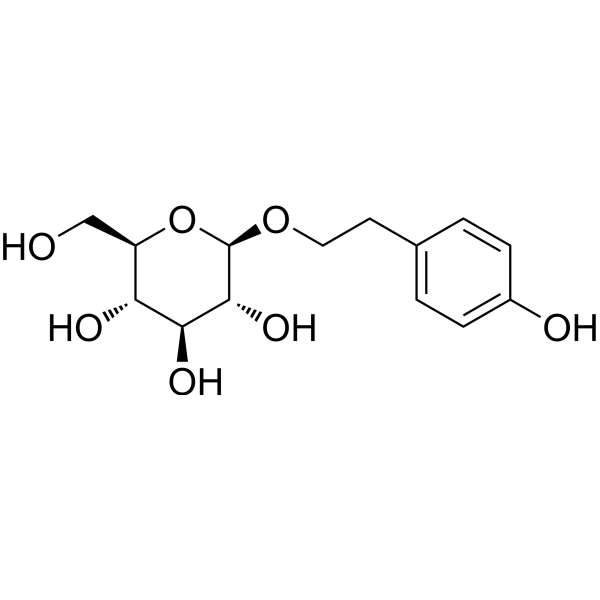
Salidroside (Rhodioloside) is a prolyl endopeptidase inhibitor. Salidroside alleviates cachexia symptoms in mouse models of cancer cachexia via activating mTOR signalling. Salidroside protects dopaminergic neurons by enhancing PINK1/Parkin-mediated mitophagy.
loading...
    loading...
37
37 Cited Publications
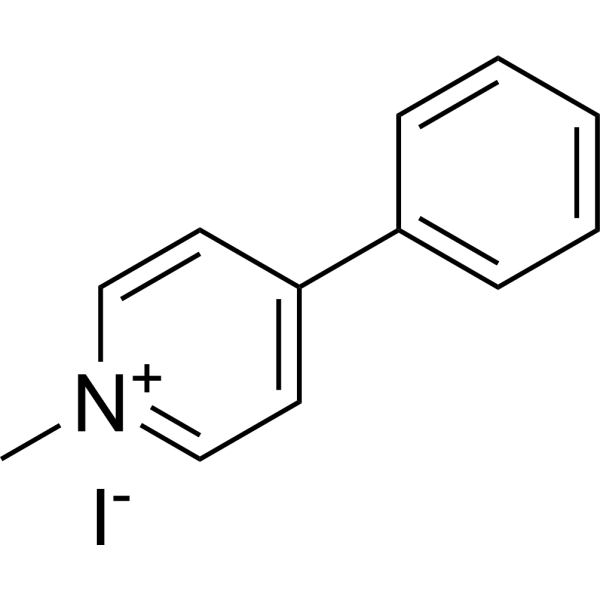
Cat. No.: HY-W008719
CAS No.: 36913-39-0
Research Areas:  

Neurological Disease

MPP+ iodide, a toxic metabolite of the neurotoxin MPTP, causes symptom of Parkinson's disease in animal models by selectively destroying dopaminergic neurons in substantia nigra. MPP+ iodide is taken up by the dopamine transporter into dopaminergic neurons where it exerts its neurotoxic action on mitochondria by affecting complex I of the respiratory chain. MPP+ iodide is also a high affinity substrate for the serotonin transporter (SERT) .
loading...
    loading...
33
33 Cited Publications
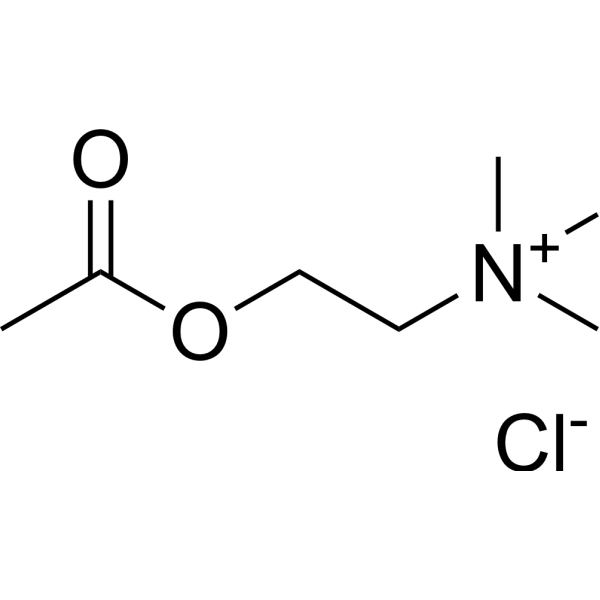
Cat. No.: HY-B0282
CAS No.: 60-31-1
Synonyms: ACh chloride
Acetylcholine chloride (ACh chloride), a neurotransmitter, is a potent and BBB-permeable cholinergic agonist. Acetylcholine chloride is a modulator of the activity of dopaminergic (DAergic) neurons through the stimulation of nicotinic acetylcholine receptors (nAChRs) . Acetylcholine chloride inhibits p53 mutant peptide aggregation in vitro .
loading...
    loading...
33
33 Cited Publications
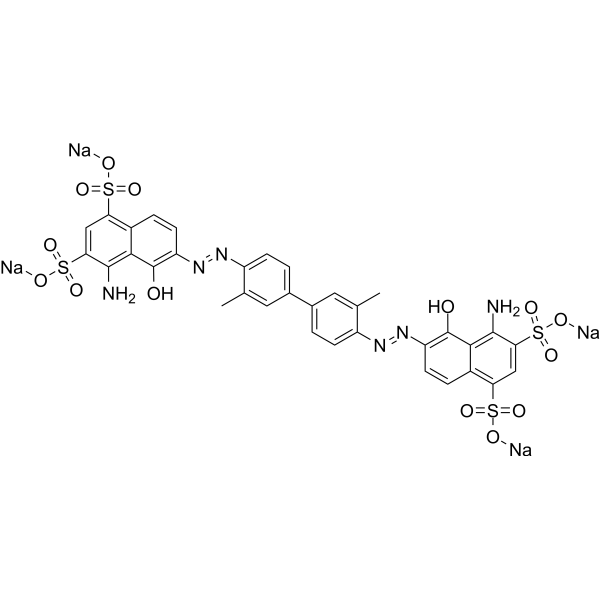
Cat. No.: HY-B1102
CAS No.: 314-13-6
Synonyms: Direct Blue 53; T-1824; C.I. 23860
Target:  

EAAT iGluR

Evans Blue (Direct Blue 53; T-1824; C.I. 23860) is a potent inhibitor of L-glutamate uptake via the membrane bound excitatory amino acid transporter (EAAT). Evans Blue is a L-glutamate and kainate receptor-mediated currents inhibitor. Evans Blue has a strong affinity towards serum albumin, making it a high molecular weight protein tracer. Evans Blue is also used to study BBB (blood-brain barrier) permeability .
loading...
    loading...
26
26 Cited Publications
Cat. No.: HY-P1731C
Synonyms: LY3298176 sodium
Tirzepatide sodium (LY3298176 sodium) is a dual glucose-dependent insulinotropic polypeptide (GIP) and glucagon-like peptide-1 (GLP-1) receptor agonist. Tirzepatide sodium exerts anti-apoptotic and pro-differentiation effects via the pAkt/CREB/BDNF cascade and miRNA in neurons; in the heart, it promotes BCAA catabolism and inhibits the mTOR pathway by mediating the dephosphorylation of BCKDHA; meanwhile, it effectively reduces insulin and leptin levels and suppresses inflammatory responses at the systemic level. Tirzepatide sodium can be used for research on myocardial infarction, colon cancer, diabetes, diabetic cognitive impairment, neurodegeneration, diabetes-related neuropathy, and obesity .
loading...
    loading...
25
25 Cited Publications
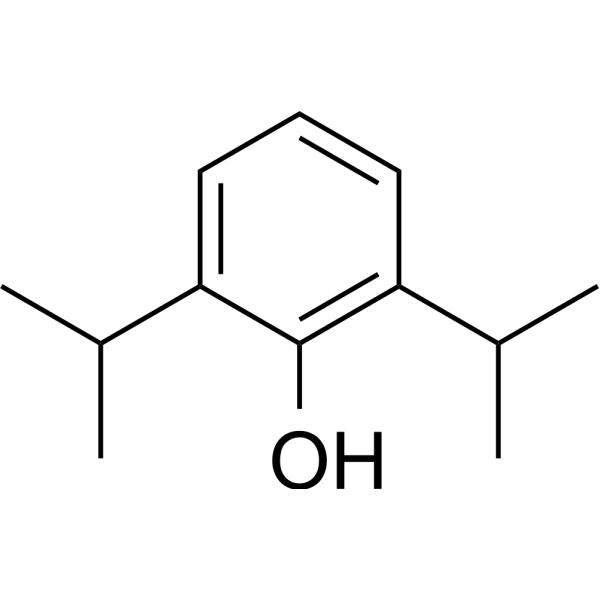
Cat. No.: HY-B0649
CAS No.: 2078-54-8
Synonyms: 2,6-Diisopropylphenol
Propofol potently and directly activates GABAA receptor and inhibits glutamate receptor mediated excitatory synaptic transmission. Propofol has antinociceptive properties and is used for sedation and hypnotic .
loading...
    loading...
22
22 Cited Publications
Cat. No.: HY-17389
CAS No.: 6902-77-8
Synonyms: (+)-Genipin
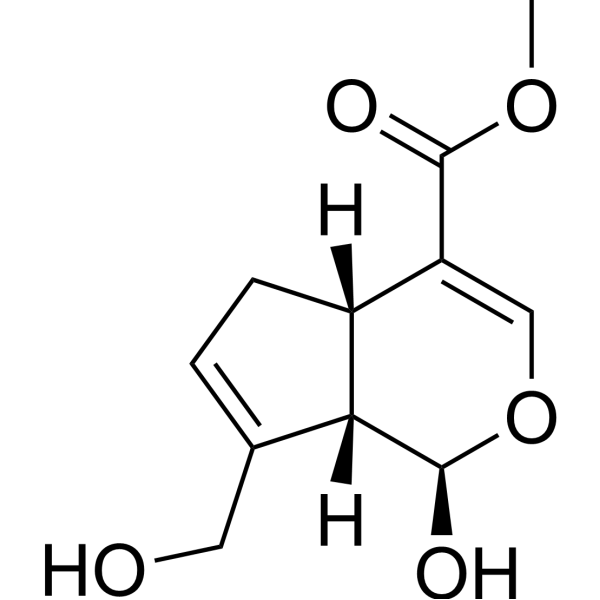
Genipin ((+)-Genipin) is a natural crosslinking reagent derived from Gardenia jasminoides Ellis fruits. Genipin inhibits UCP2 (uncoupling protein 2) in cells. Genipin has a variety of bioactivities, including modulation on proteins, antitumor, anti-inflammation, immunosuppression, antithrombosis, and protection of hippocampal neurons. Genipin also can be used for type 2 diabetes research .
loading...
    loading...
20
20 Cited Publications
Cat. No.: HY-15515
CAS No.: 223104-29-8
Purity:  99.95%
Target:  

Na+/Ca2+ Exchanger

Research Areas:  

Cardiovascular Disease

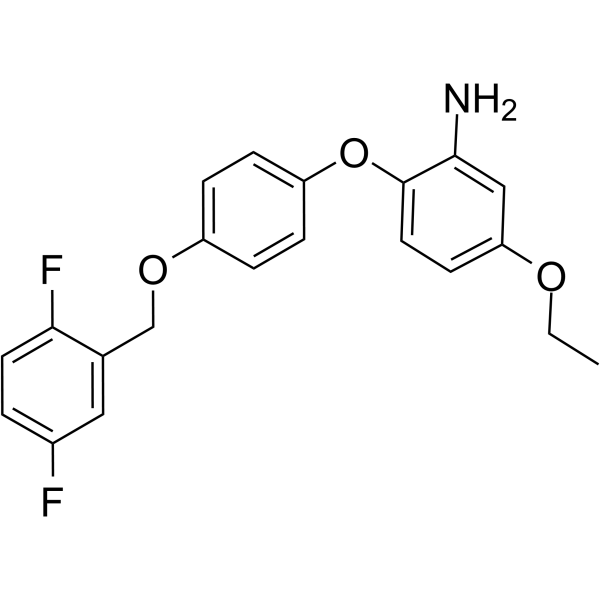
SEA0400 is a novel and selective inhibitor of the Na +-Ca 2+ exchanger (NCX), inhibiting Na +-dependent Ca 2+ uptake in cultured neurons, astrocytes, and microglia with IC50s of from 5 to 33 nM.
loading...
    loading...
18
18 Cited Publications
Cat. No.: HY-Y0966
CAS No.: 56-40-6
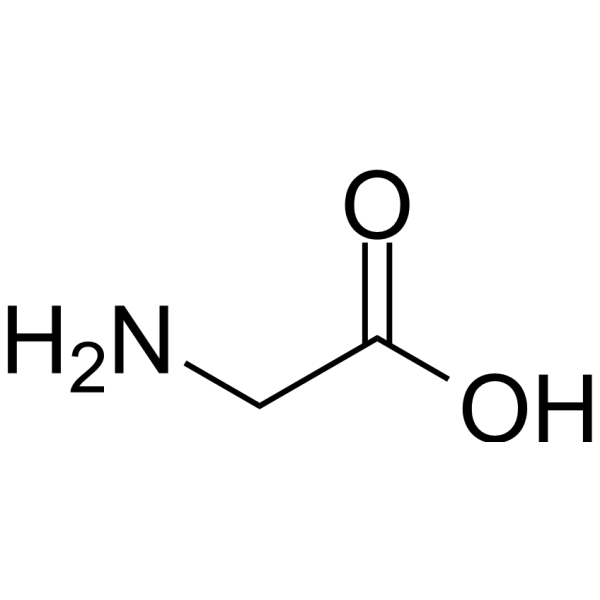
Glycine is an inhibitory neurotransmitter in the CNS and also acts as a co-agonist along with glutamate, facilitating an excitatory potential at the glutaminergic N-methyl-D-aspartic acid (NMDA) receptors. Glycine is orally active. Glycine inhibits the membrane aggregation of NINJ1 and prevents plasma membrane rupture during cell death. Glycine can be used to study cell protection, cancer, neurological diseases, and angiogenesis .
loading...
    loading...
17
17 Cited Publications
Cat. No.: HY-14608
CAS No.: 56-86-0
Purity:  99.81%
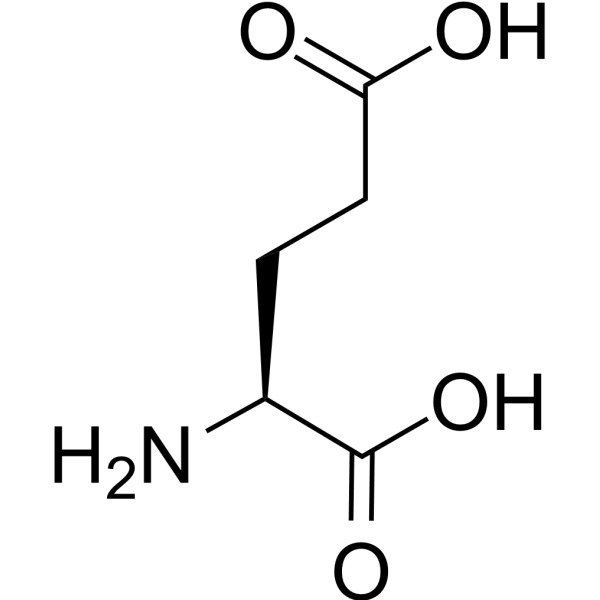
L-Glutamic acid is an excitatory amino acid neurotransmitter that acts as an agonist for all subtypes of glutamate receptors (metabolic rhodophylline, NMDA, and AMPA). L-Glutamic acid has an agonist effect on the release of DA from dopaminergic nerve endings. L-Glutamic acid can be used in the study of neurological diseases. L-Glutamic acid acts at ionotropic and metabotropic glutamate receptors .
loading...
    loading...
16
16 Cited Publications
Cat. No.: HY-19620
CAS No.: 1562338-42-4
Synonyms: LMI070; NVS-SM1
Research Areas:  

Cancer

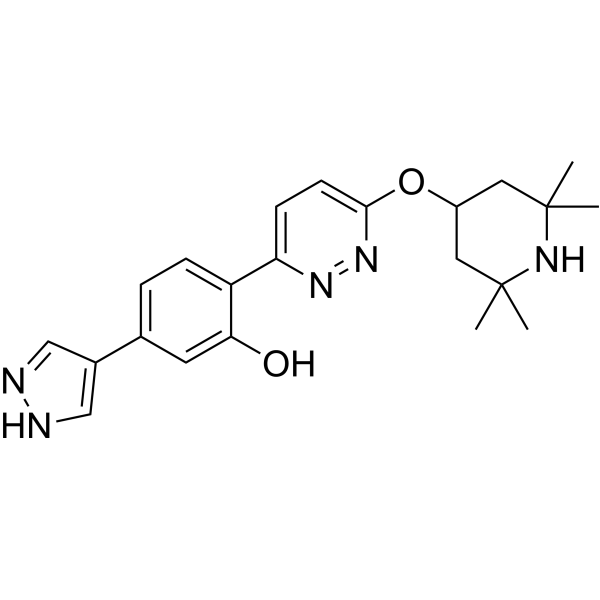
Branaplam (LMI070; NVS-SM1) is a highly potent, selective and orally active survival motor neuron-2 (SMN2) splicing modulator with an EC50 of 20 nM for SMN. Branaplam inhibits human-ether-a-go-go-related gene (hERG) with an IC50 of 6.3 μM. Branaplam elevates full-length SMN protein and extends survival in a severe spinal muscular atrophy (SMA) mouse model .
loading...
    loading...
16
16 Cited Publications
Cat. No.: HY-19620A
CAS No.: 1562338-39-9
Synonyms: LMI070 hydrochloride; NVS-SM1 hydrochloride
Research Areas:  

Cancer

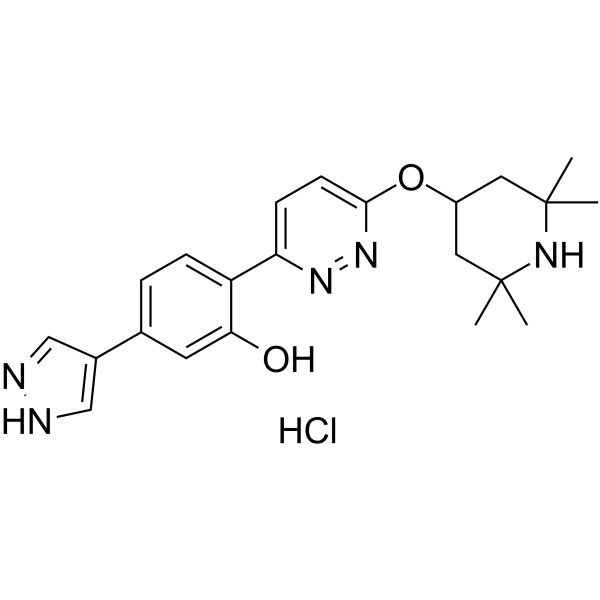
Branaplam (LMI070; NVS-SM1) hydrochloride is a highly potent, selective and orally active survival motor neuron-2 (SMN2) splicing modulator with an EC50 of 20 nM for SMN. Branaplam hydrochloride inhibits human-ether-a-go-go-related gene (hERG) with an IC50 of 6.3 μM. Branaplam hydrochloride elevates full-length SMN protein and extends survival in a severe spinal muscular atrophy (SMA) mouse model .
loading...
    loading...
16
16 Cited Publications
Cat. No.: HY-14608A
CAS No.: 142-47-2
Purity:  ≥98.0%
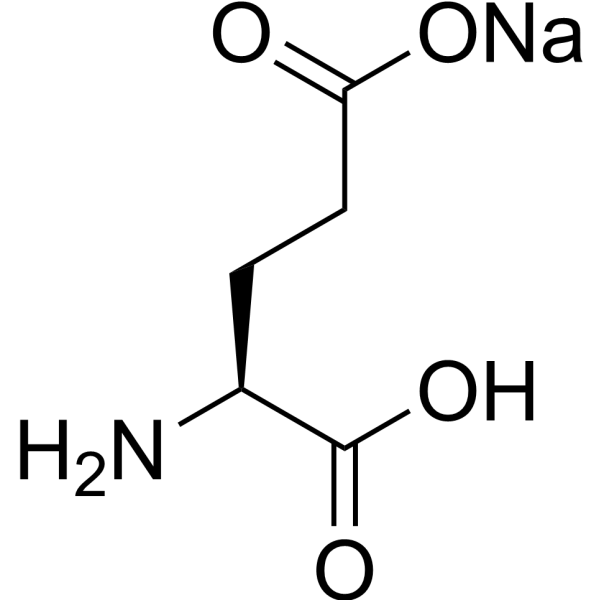
L-Glutamic acid monosodium salt is an excitatory amino acid neurotransmitter that acts as an agonist for all subtypes of glutamate receptors (metabolic rhodophylline, NMDA, and AMPA). L-Glutamic acid monosodium salt has an agonist effect on the release of DA from dopaminergic nerve endings. L-Glutamic acid monosodium salt can be used in the study of neurological diseases. L-Glutamic acid monosodium salt acts at ionotropic and metabotropic glutamate receptors .
loading...
    loading...

