From 11:00 pm to 12:00 pm EST ( 8:00 pm to 9:00 pm PST ) on January 6th, the website will be under maintenance. We are sorry for the inconvenience. Please arrange your schedule properly.
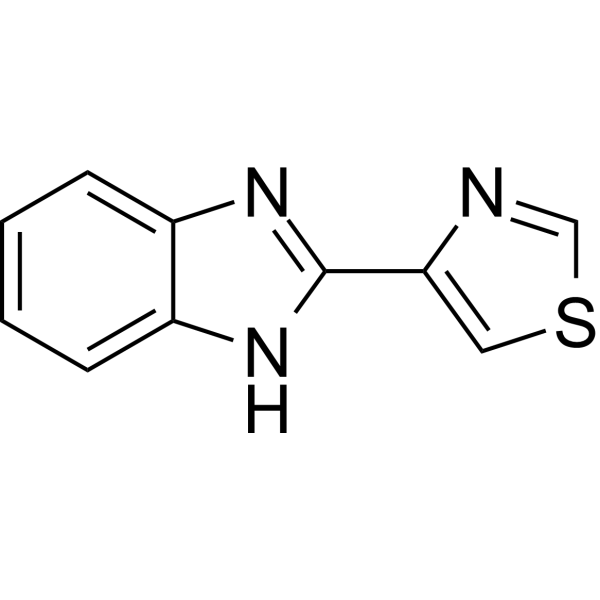
Thiabendazole is an orally available benzimidazole fungicide with repellent and anticancer activities. Thiabendazole can result in developmental malformations. Thiabendazole can be used for modeling .
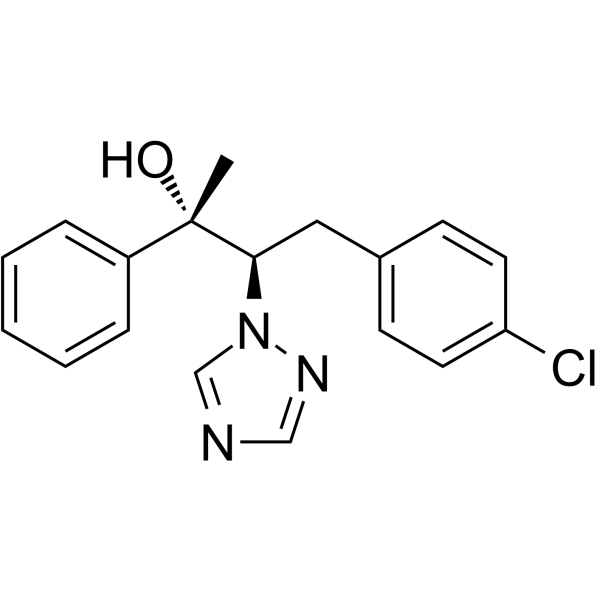
Brassinazole is a selective triazole-type brassinosteroid (BR) biosynthesis inhibitor. Brassinazole is used for regulating plant growth and development .
6PPD is a rubber antioxidant that scavenges ozone and forms nitro radicals. Exposure to 6PPD reduces the hatching rate, impairs spontaneous locomotor activity, shortens body length and causes malformations in zebrafish embryos. 6PPD also induces oxidative stress in zebrafish embryos .
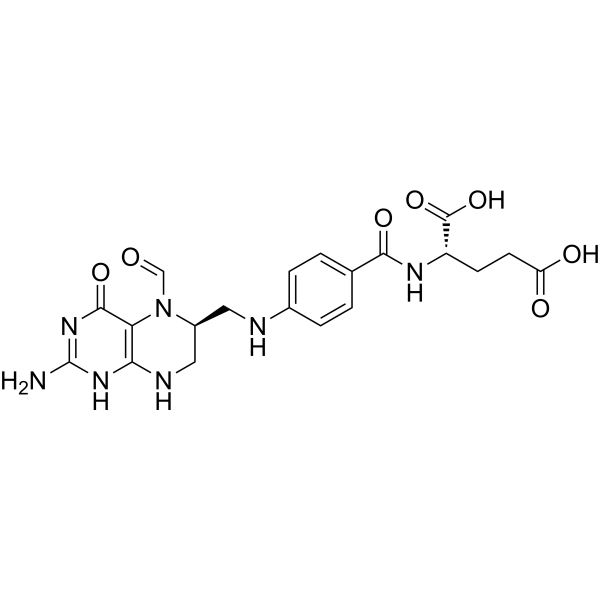
Levoleucovorin (Levofolinic acid; Levofolene) is the pharmacologically and orally active levoisomer of Folinic acid (HY-17556), a synthetic folate analogue. Levoleucovorin can inhibit LOXL2 with an IC50 of 68.81 μM. Levoleucovorin can inhibit cancer cells proliferation, migration and induce apoptosis. Levoleucovorin can be used as a rescue agent for high-dose Methotrexate (HY-14519). Levoleucovorin can reduce the frequency of embryonic malformations. Levoleucovorin can be used for the research of can and endocrinology, such as breast cancer and osteosarcoma .
Ibetazol is a Importin β1 (KPNB1) inhibitor and nucleocytoplasmic transport disruptor. Ibetazol binds covalently to Cys585 of Importin β1, blocks both Importin β1-mediated direct transport and Importin α-dependent nuclear import processes, without affecting transport mediated by other nucleocytoplasmic transport proteins. Ibetazol induces cytoplasmic accumulation of Importin α1, and inhibits nuclear import of substrates carrying nuclear localization signals (NLS), including the NLS-cMyc reporter gene, RelA/p65 and SREBP1. Ibetazol triggers spindle malformation and chromosome misalignment by disrupting the mitotic function of Importin β1. Ibetazol inhibits the proliferation of cells expressing wild-type Importin β1. Ibetazol has a high activity-cytotoxicity window, lacks intrinsic fluorescence, and acts rapidly on nucleocytoplasmic transport processes. Ibetazol serves as a tool compound for investigating nuclear import processes specifically mediated by Importin β1 .
NRL-1049 (BA-1049 (free base)) is an orally available and selective ROCK2 inhibitor with IC50 values of 0.59 µM for ROCK2 and 26 µM for ROCK1, respectively. NRL-1049 modulates ROCK signaling, preserves blood-brain barrier integrity, reduces edema, seizures and hemorrhage, and alleviates cerebral cavernous malformation lesion burden. NRL-1049 can be used for the study of acute brain injury, ischemic stroke, and cerebral cavernous malformations .
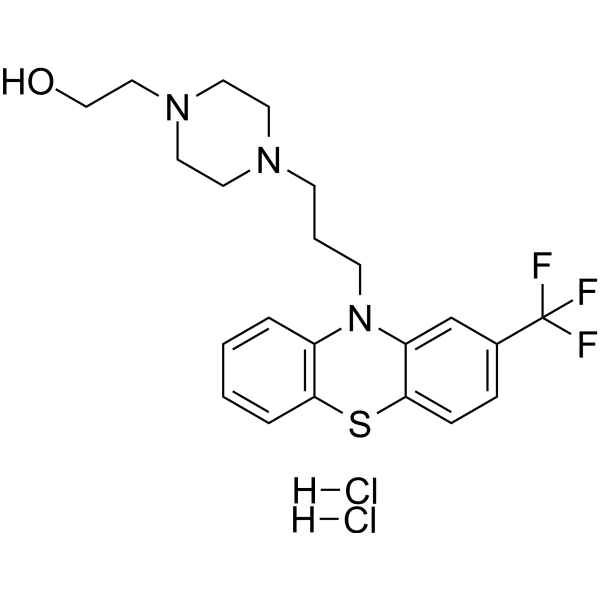
Fluphenazine dihydrochloride is a potent, orally active phenothiazine-based dopamine receptor antagonist. Fluphenazine dihydrochloride blocks neuronal voltage-gated sodium channels. Fluphenazine dihydrochloride acts primarily through antagonism of postsynaptic dopamine-2 receptors in mesolimbic, nigrostriatal, and tuberoinfundibular neural pathways. Fluphenazine dihydrochloride can antagonize Methylphenidate-induced stereotyped gnawing and inhibit climbing behaviour in mice. Fluphenazine dihydrochloride can be used for researching psychosis and painful peripheral neuropathy associated with diabetes and has potential to inhibit SARS-CoV-2 .
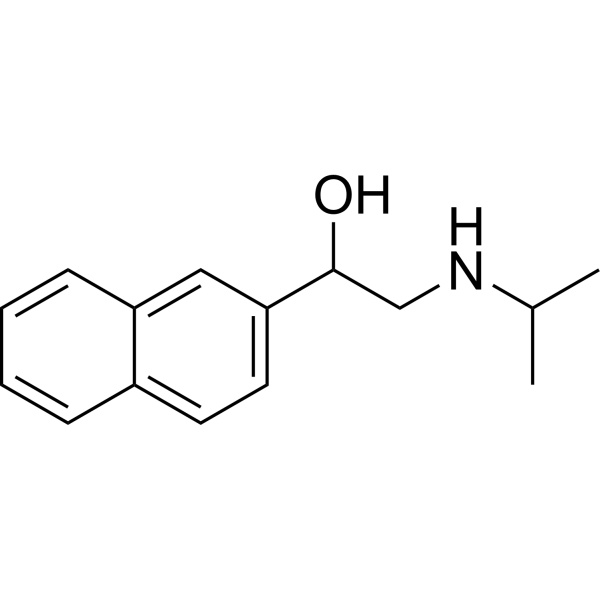
Pronethalol ((±)-Pronethalo) is a non-selective β-adrenergic antagonist. Pronethalol is a potent inhibitor of Sox2 expression. Pronethalol protects against and to reverse Digitalis-induced ventricular arrhythmias and limits the cerebral arteriovenous malformation (AVMs) .
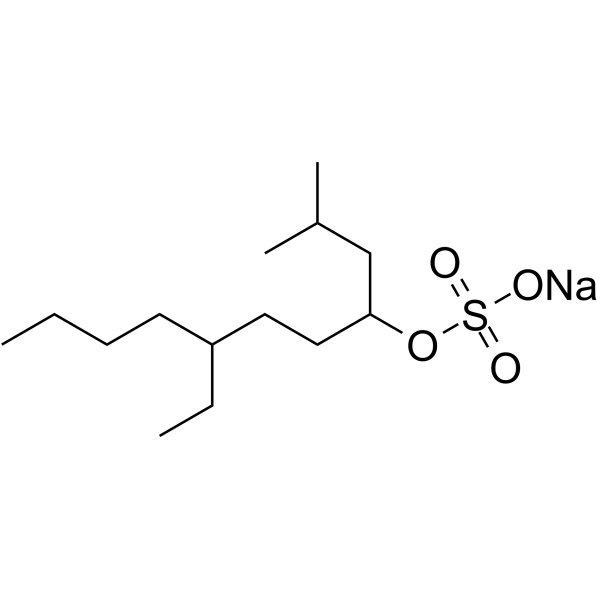
Sodium tetradecyl sulfate (Tergitol 4) is a novel scleroembolic agent and an apoptosis inducer. Sodium tetradecyl sulfate can be used for research on varicose veins and vascular malformation diseases .
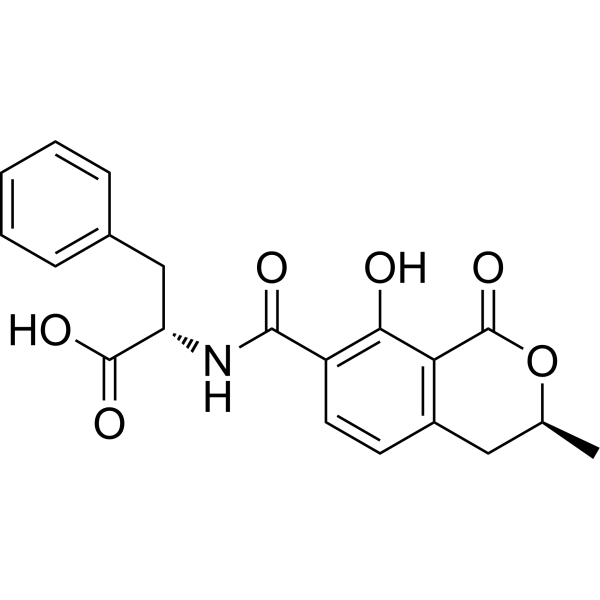
Ochratoxin B is an orally active secondary metabolite of Aspergillus ochraceus and non-chlorinated analog of the mycotoxin Ochratoxin A. Ochratoxin B reduces the toxic effects of Ochratoxin A (HY-N6788). Ochratoxin B inhibits cell division. Ochratoxin B causes craniofacial malformations in Xenopus laevis embryos .
N-Ethyl-N-nitrosourea (ENU) is a DNA alkylating agent. N-Ethyl-N-nitrosourea induces leukemia by alkylating nucleobases, disrupting DNA, and resulting in bone marrow suppression and the formation of leukemic cells. N-Ethyl-N-nitrosourea is teratogenic in vivo, inducing tumor formation and paw malformations in pregnant rats. N-Ethyl-N-nitrosourea cause central nervous system (CNS) tumors and genetic disorders .
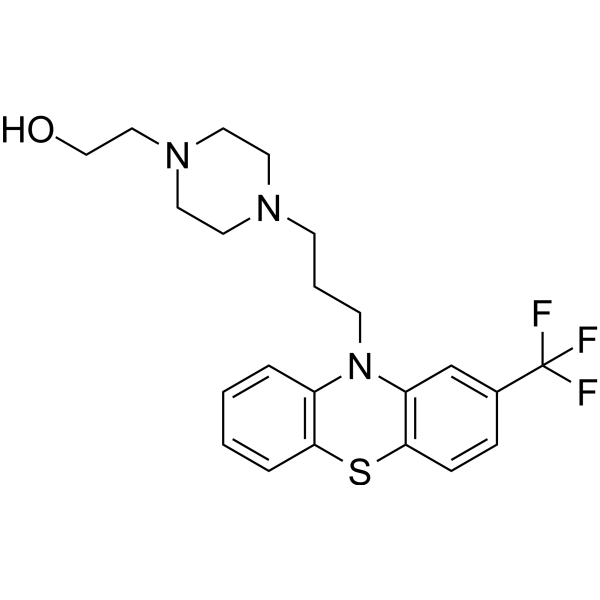
Fluphenazine is a potent, orally active phenothiazine-based dopamine receptor antagonist. Fluphenazine blocks neuronal voltage-gated sodium channels. Fluphenazine acts primarily through antagonism of postsynaptic dopamine-2 receptors in mesolimbic, nigrostriatal, and tuberoinfundibular neural pathways. Fluphenazine can antagonize Methylphenidate-induced stereotyped gnawing and inhibit climbing behaviour in mice. Fluphenazine can be used for researching psychosis and painful peripheral neuropathy associated with diabetes and has potential to inhibit SARS-CoV-2 .
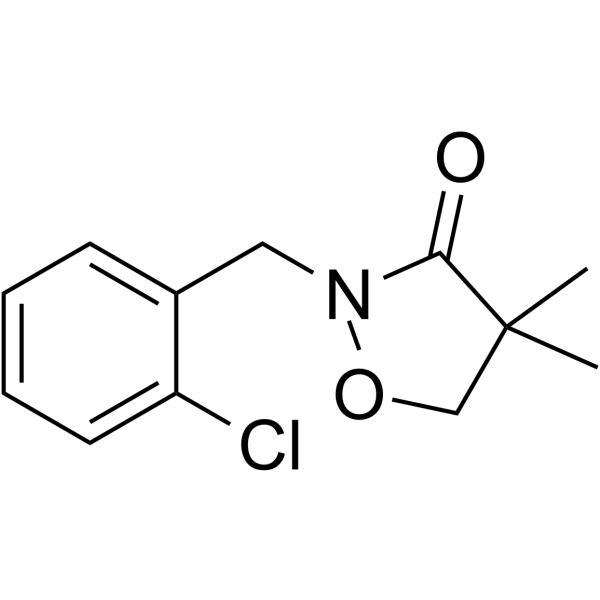
Clomazone is a broad spectrum herbicide, mainly used to control annual broadleaf weeds and grass weeds in various crops such as rice, soybeans, and peanuts. Clomazone inhibits carotenoid biosynthesis, and treated plants show typical "albinism" symptoms due to the destruction of chloroplast membrane structure leading to chlorophyll degradation. Clomazone exhibits multiple toxic effects on non-target organisms, including aquatic lethality, developmental malformations, liver damage, mitochondrial dysfunction, and hematotoxicity .
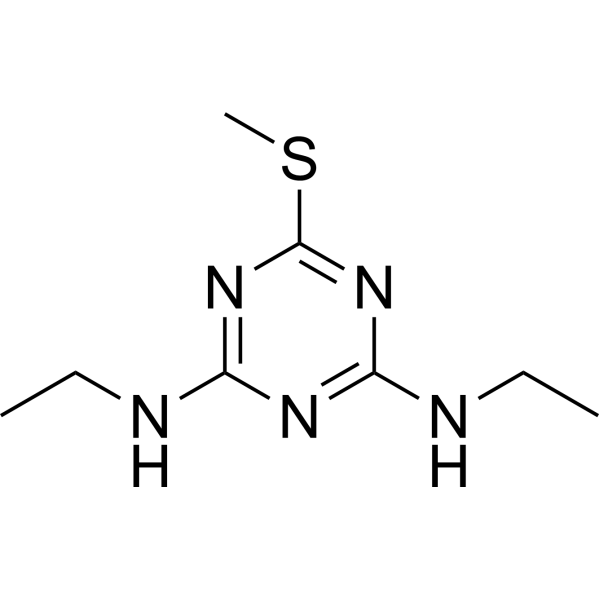
Simetryn is a triazine herbicide that exerts teratogenicity. Simetryn inhibits photosynthesis by blocking electron transfer in the chloroplast photosystem II and activates the MEK/Erk signaling pathway. Simetryn triggers vascular and developmental abnormalities in zebrafish and tadpoles, suppresses proliferation, enhances apoptosis, and induces malformations. Simetryn serves as a tool to establish a zebrafish model for studying arteriovenous malformations and related pathogenesis. Simetryn controls paddy weeds and can be used for research on developmental and vascular disorders .
Chlorfluazuron (IKI-7899) is a benzoylurea insecticide. Chlorfluazuron inhibts insect chitin and disrupts normal exuviation by inducing malformations, thereby preventing and controlling lepidopteran pests .
Perfluoroheptanesulfonic acid (1-Perfluoroheptanesulfonic acid; Perfluoroheptanesulphonic acid) is a perfluoroalkyl substance (PFAS). PFHpS can induce malformations in zebrafish larvae (EC50=168.1 μM). It has also been found in landfill leachate, and fetal exposure to PFHpS can lead to reduced birth weight.
Hydroxyproline (DL-Hydroxyproline) is a non-essential amino acid and one of the main components of collagen tissue. Hydroxyproline can be used in research on endocrine and metabolic diseases, as well as genetic diseases and malformations. Hydroxyproline can also serve as a biomarker .
4-Epianhydrotetracycline hydrochloride is a major intermediate product of Tetracycline (HY-A0107). 4-Epianhydrotetracycline hydrochloride shows lethal effects and induces cell apoptosis of zebrafish embryos. 4-Epianhydrotetracycline hydrochloride inhibits Shewanella, E. coli and P. aeruginosa with MIC values of 2, 1 and 64 mg/L, respectively .
ProINDY, a prodrug of INDY (HY-108476), is a DYRK1A and DYRK1B inhibitor. ProINDY effectively recovers Xenopus embryos from head malformation induced by Dyrk1A overexpression .
DCPD is an amine compound. DCPD has significant embryotoxicity with an ED50 of 0.6 μmol per egg for chick embryos, and it induces embryos deaths and malformations. DCPD can be used for human teratogenesis research .
Pronethalol ((±)-Pronethalo) is a non-selective β-adrenergic antagonist. Pronethalol is a potent inhibitor of Sox2 expression. Pronethalol protects against and to reverse Digitalis-induced ventricular arrhythmias, and limits the cerebral arteriovenous malformation (AVMs) .
Pronethalol (Standard) is the analytical standard of Pronethalol. This product is intended for research and analytical applications. Pronethalol ((±)-Pronethalo) is a non-selective β-adrenergic antagonist. Pronethalol is a potent inhibitor of Sox2 expression. Pronethalol protects against and to reverse Digitalis-induced ventricular arrhythmias and limits the cerebral arteriovenous malformation (AVMs) .
TIE2 plays an important role in vascular formation and maintenance. Mutations in TIE2 lead to vascular malformations, which are painful vascular lesions that cause disfigurement, bleeding, and thrombosis. TIE2 R849W is the most common mutation implicated in an inherited form of vascular malformations. TIE2 R849W Recombinant Human Active Protein Kinase is a recombinant TIE2 R849W protein that can be used to study TIE2 R849W-related functions .
Simetryn (Standard) is the analytical standard of Simetryn (HY-B1853). This product is intended for research and analytical applications. Simetryn is a triazine herbicide that exerts teratogenicity. Simetryn inhibits photosynthesis by blocking electron transfer in the chloroplast photosystem II and activates the MEK/Erk signaling pathway. Simetryn triggers vascular and developmental abnormalities in zebrafish and tadpoles, suppresses proliferation, enhances apoptosis, and induces malformations. Simetryn serves as a tool to establish a zebrafish model for studying arteriovenous malformations and related pathogenesis. Simetryn controls paddy weeds and can be used for research on developmental and vascular disorders .
Chlorfluazuron (Standard) is the analytical standard of Chlorfluazuron. This product is intended for research and analytical applications. Chlorfluazuron (IKI-7899) is a benzoylurea insecticide. Chlorfluazuron inhibts insect chitin and disrupts normal exuviation by inducing malformations, thereby preventing and controlling lepidopteran pests .
Thiabendazole-d6 is a deuterated labeled Thiabendazole (HY-B0263). Thiabendazole is an orally available benzimidazole fungicide with repellent and anticancer activities. Thiabendazole can result in developmental malformations. Thiabendazole can be used for modeling .
Letimide hydrochloride (MA 1143 hydrochloride) is an analgesic with potent analgesic activity. Letimide hydrochloride has shown cytogenetic effects on human lymphocytes in in vitro experiments. Letimide hydrochloride did not exhibit significant chromosomal aberrations or sister chromatid exchanges in in vivo studies in mouse bone marrow cells. Teratogenic studies conducted on mice with Letimide hydrochloride also did not show obvious effects on inducing congenital malformations .
Ochratoxin B (Standard) is the analytical standard of Ochratoxin B (HY-N6786). This product is intended for research and analytical applications. Ochratoxin B is an orally active secondary metabolite of Aspergillus ochraceus and non-chlorinated analog of the mycotoxin Ochratoxin A. Ochratoxin B reduces the toxic effects of Ochratoxin A (HY-N6788). Ochratoxin B inhibits cell division. Ochratoxin B causes craniofacial malformations in Xenopus laevis embryos .
Ochratoxin B- 13C20 is 13C-labeled Ochratoxin B (HY-N6786). Ochratoxin B is an orally active secondary metabolite of Aspergillus ochraceus and non-chlorinated analog of the mycotoxin Ochratoxin A. Ochratoxin B reduces the toxic effects of Ochratoxin A (HY-N6788). Ochratoxin B inhibits cell division. Ochratoxin B causes craniofacial malformations in Xenopus laevis embryos .
TIE2 plays an important role in vascular formation and maintenance. Mutations in TIE2 lead to vascular malformations, which are painful vascular lesions that cause disfigurement, bleeding, and thrombosis. TIE2 Y1108F is the most mutation of TIE2. TIE2 Y1108F Recombinant Human Active Protein Kinase is a recombinant TIE2 Y1108F protein that can be used to study TIE2 Y1108F-related functions .
TIE2 plays an important role in vascular formation and maintenance. Mutations in TIE2 lead to vascular malformations, which are painful vascular lesions that cause disfigurement, bleeding, and thrombosis. TIE2 Y897S is the most mutation of TIE2. TIE2 Y897S Recombinant Human Active Protein Kinase is a recombinant TIE2 Y897S protein that can be used to study TIE2 Y897S-related functions .
Clomazone (Standard) is the analytical standard of Clomazone (HY-W040194). This product is intended for research and analytical applications. Clomazone is a broad spectrum herbicide, mainly used to control annual broadleaf weeds and grass weeds in various crops such as rice, soybeans, and peanuts. Clomazone inhibits carotenoid biosynthesis, and treated plants show typical "albinism" symptoms due to the destruction of chloroplast membrane structure leading to chlorophyll degradation. Clomazone exhibits multiple toxic effects on non-target organisms, including aquatic lethality, developmental malformations, liver damage, mitochondrial dysfunction, and hematotoxicity.
4-Epianhydrotetracycline hydrochloride (Standard) is the analytical standard of 4-Epianhydrotetracycline hydrochloride. This product is intended for research and analytical applications. 4-Epianhydrotetracycline hydrochloride is a major intermediate product of Tetracycline (HY-A0107). 4-Epianhydrotetracycline hydrochloride shows lethal effects and induces cell apoptosis of zebrafish embryos. 4-Epianhydrotetracycline hydrochloride inhibits Shewanella, E. coli and P. aeruginosa with MIC values of 2, 1 and 64 mg/L, respectively .
Fluphenazine dimaleate is a potent, orally active phenothiazine-based dopamine receptor antagonist. Fluphenazine dimaleate blocks neuronal voltage-gated sodium channels. Fluphenazine dimaleate acts primarily through antagonism of postsynaptic dopamine-2 receptors in mesolimbic, nigrostriatal, and tuberoinfundibular neural pathways. Fluphenazine dimaleate can antagonize Methylphenidate-induced stereotyped gnawing and inhibit climbing behaviour in mice. Fluphenazine dimaleate can be used for researching psychosis and painful peripheral neuropathy associated with diabetes and has potential to inhibit SARS-CoV-2 .
Fluphenazine hydrochloride is a potent, orally active phenothiazine-based dopamine receptor antagonist. Fluphenazine hydrochloride blocks neuronal voltage-gated sodium channels. Fluphenazine hydrochloride acts primarily through antagonism of postsynaptic dopamine-2 receptors in mesolimbic, nigrostriatal, and tuberoinfundibular neural pathways. Fluphenazine hydrochloride can antagonize Methylphenidate-induced stereotyped gnawing and inhibit climbing behaviour in mice. Fluphenazine hydrochloride can be used for researching psychosis and painful peripheral neuropathy associated with diabetes and has potential to inhibit SARS-CoV-2 .
Halauxifen-methyl is a 6-arylpicolinic acid herbicide. As a synthetic auxin, Halauxifen-methyl interferes with the normal growth and development of sensitive weeds by mimicking the action of endogenous plant auxins, causing malformation, uncontrolled growth and eventual death .
(Rac)-NRL-1049 is the racemic mixture of NRL-1049 (BA-1049 (free base)) (HY-162596). NRL-1049 is an orally available and selective ROCK2 inhibitor with IC50 values of 0.59 µM for ROCK2 and 26 µM for ROCK1, respectively. NRL-1049 modulates ROCK signaling, preserves blood-brain barrier integrity, reduces edema, seizures and hemorrhage, and alleviates cerebral cavernous malformation lesion burden. NRL-1049 can be used for the study of acute brain injury, ischemic stroke, and cerebral cavernous malformations .
22-Oxo-20-hydroxyecdysone is a phytoecdysteroid, found in Serratula tinctoria (Asteraceae). 22-Oxo-20-hydroxyecdysone triggers supernumerary moulting and leg, mouth part malformations in Ornithodoros moubata females .
Thiosultap monosodium (Monosultap) is a broad-spectrum insecticide and a competitive inhibitor of acetylcholine. Thiosultap monosodium exerts contact and stomach poisoning effects through systemic conduction in field pests. Thiosultap monosodium has teratogenic effects, induces notochord malformations in zebrafish embryos, and causes apoptosis and abnormally elevated cell proliferation in partial notochord tissues of zebrafish. Thiosultap monosodium is applicable to the research of controlling rice stem borers .
Neburon is a phenylurea herbicide whose main mechanism of action is to inhibit photosynthetic electron transport, thereby disrupting algal growth. Neburon activates the Ahr and Notch1 signaling pathways, and induces oxidative stress and apoptosis. Long-term exposure causes significant male reproductive toxicity and cardiotoxicity in zebrafish .
Levoleucovorin (Levofolinic acid; Levofolene) is the pharmacologically and orally active levoisomer of Folinic acid (HY-17556), a synthetic folate analogue. Levoleucovorin can inhibit LOXL2 with an IC50 of 68.81 μM. Levoleucovorin can inhibit cancer cells proliferation, migration and induce apoptosis. Levoleucovorin can be used as a rescue agent for high-dose Methotrexate (HY-14519). Levoleucovorin can reduce the frequency of embryonic malformations. Levoleucovorin can be used for the research of can and endocrinology, such as breast cancer and osteosarcoma .
Ochratoxin B is an orally active secondary metabolite of Aspergillus ochraceus and non-chlorinated analog of the mycotoxin Ochratoxin A. Ochratoxin B reduces the toxic effects of Ochratoxin A (HY-N6788). Ochratoxin B inhibits cell division. Ochratoxin B causes craniofacial malformations in Xenopus laevis embryos .
Ochratoxin B (Standard) is the analytical standard of Ochratoxin B (HY-N6786). This product is intended for research and analytical applications. Ochratoxin B is an orally active secondary metabolite of Aspergillus ochraceus and non-chlorinated analog of the mycotoxin Ochratoxin A. Ochratoxin B reduces the toxic effects of Ochratoxin A (HY-N6788). Ochratoxin B inhibits cell division. Ochratoxin B causes craniofacial malformations in Xenopus laevis embryos .
22-Oxo-20-hydroxyecdysone is a phytoecdysteroid, found in Serratula tinctoria (Asteraceae). 22-Oxo-20-hydroxyecdysone triggers supernumerary moulting and leg, mouth part malformations in Ornithodoros moubata females .
The PDCD10 protein is a multifunctional regulator that plays a key role in cell proliferation, apoptosis regulation, and enhanced kinase activity. It is essential for cell migration, Golgi complex assembly and KDR/VEGFR2 signaling stability, affecting embryonic development, cardiovascular development, vasculogenesis, vasculogenesis and hematopoiesis. PDCD10 Protein, Human is the recombinant human-derived PDCD10 protein, expressed by E. coli , with tag free.
TIE-2 is a tyrosine protein kinase that serves as a cell surface receptor for ANGPT1, ANGPT2, and ANGPT4 and exerts a global control over angiogenesis and vascular stability. It regulates endothelial cell survival, proliferation, migration, adhesion, and actin cytoskeletal reorganization. TIE-2 Protein, Human (Biotinylated, sf9, Avi) is the recombinant human-derived TIE-2, expressed by Sf9 insect cells, with Avi labeled tag.
Thiabendazole-d6 is a deuterated labeled Thiabendazole (HY-B0263). Thiabendazole is an orally available benzimidazole fungicide with repellent and anticancer activities. Thiabendazole can result in developmental malformations. Thiabendazole can be used for modeling .
Ochratoxin B- 13C20 is 13C-labeled Ochratoxin B (HY-N6786). Ochratoxin B is an orally active secondary metabolite of Aspergillus ochraceus and non-chlorinated analog of the mycotoxin Ochratoxin A. Ochratoxin B reduces the toxic effects of Ochratoxin A (HY-N6788). Ochratoxin B inhibits cell division. Ochratoxin B causes craniofacial malformations in Xenopus laevis embryos .
Western blot analysis of extracts from THP-1(lane 2(20μg), Jurkat (lane 3(20μg) and NIH3T3(lane 4(20μg) using FOXO1A (HY-P80132) Rabbit mAb. Proteins were transferred
to a PVDF membrane and blocked with 5% non-fat milk in TBST for 2 hour at room temperature. The primary antibody (1/1000) and Loading control antibody (Beta Actin, HY-P80438, 1/10000) was
used in 5% non-fat milk in TBST at 4°C overnight. Goat Anti-Mouse/Rabbit IgG-HRP Secondary Antibody (1/10000) was used for 1 hour at room temperature.
Western blot analysis of extracts from THP-1(lane 2(20μg), Jurkat (lane 3(20μg) and NIH3T3(lane 4(20μg) using FOXO1A (HY-P80132) Rabbit mAb. Proteins were transferred
to a PVDF membrane and blocked with 5% non-fat milk in TBST for 2 hour at room temperature. The primary antibody (1/1000) and Loading control antibody (Beta Actin, HY-P80438, 1/10000) was
used in 5% non-fat milk in TBST at 4°C overnight. Goat Anti-Mouse/Rabbit IgG-HRP Secondary Antibody (1/10000) was used for 1 hour at room temperature.
Western blot analysis of extracts from THP-1(lane 2(20μg), Jurkat (lane 3(20μg) and NIH3T3(lane 4(20μg) using FOXO1A (HY-P80132) Rabbit mAb. Proteins were transferred
to a PVDF membrane and blocked with 5% non-fat milk in TBST for 2 hour at room temperature. The primary antibody (1/1000) and Loading control antibody (Beta Actin, HY-P80438, 1/10000) was
used in 5% non-fat milk in TBST at 4°C overnight. Goat Anti-Mouse/Rabbit IgG-HRP Secondary Antibody (1/10000) was used for 1 hour at room temperature.
Western blot analysis of extracts from THP-1(lane 2(20μg), Jurkat (lane 3(20μg) and NIH3T3(lane 4(20μg) using FOXO1A (HY-P80132) Rabbit mAb. Proteins were transferred
to a PVDF membrane and blocked with 5% non-fat milk in TBST for 2 hour at room temperature. The primary antibody (1/1000) and Loading control antibody (Beta Actin, HY-P80438, 1/10000) was
MedchemExpress Validation 03
Western blot analysis of extracts from THP-1(lane 2(20μg), Jurkat (lane 3(20μg) and NIH3T3(lane 4(20μg) using FOXO1A (HY-P80132) Rabbit mAb. Proteins were transferred
MedchemExpress Validation 04
Western blot analysis of extracts from THP-1(lane 2(20μg), Jurkat (lane 3(20μg) and NIH3T3(lane 4(20μg) using FOXO1A (HY-P80132) Rabbit mAb. Proteins were transferred
to a PVDF membrane and blocked with 5% non-fat milk in TBST for 2 hour at room temperature. The primary antibody (1/1000) and Loading control antibody (Beta Actin, HY-P80438, 1/10000) was
used in 5% non-fat milk in TBST at 4°C overnight. Goat Anti-Mouse/Rabbit IgG-HRP Secondary Antibody (1/10000) was used for 1 hour at room temperature.
MedchemExpress Validation
Western blot analysis of extracts from THP-1(lane 2(20μg), Jurkat (lane 3(20μg) and NIH3T3(lane 4(20μg) using FOXO1A (HY-P80132) Rabbit mAb. Proteins were transferred
to a PVDF membrane and blocked with 5% non-fat milk in TBST for 2 hour at room temperature. The primary antibody (1/1000) and Loading control antibody (Beta Actin, HY-P80438, 1/10000) was
used in 5% non-fat milk in TBST at 4°C overnight. Goat Anti-Mouse/Rabbit IgG-HRP Secondary Antibody (1/10000) was used for 1 hour at room temperature.
Western blot analysis of extracts from THP-1(lane 2(20μg), Jurkat (lane 3(20μg) and NIH3T3(lane 4(20μg) using FOXO1A (HY-P80132) Rabbit mAb. Proteins were transferred
to a PVDF membrane and blocked with 5% non-fat milk in TBST for 2 hour at room temperature. The primary antibody (1/1000) and Loading control antibody (Beta Actin, HY-P80438, 1/10000) was
used in 5% non-fat milk in TBST at 4°C overnight. Goat Anti-Mouse/Rabbit IgG-HRP Secondary Antibody (1/10000) was used for 1 hour at room temperature.
MedchemExpress Validation
Western blot analysis of extracts from THP-1(lane 2(20μg), Jurkat (lane 3(20μg) and NIH3T3(lane 4(20μg) using FOXO1A (HY-P80132) Rabbit mAb. Proteins were transferred
to a PVDF membrane and blocked with 5% non-fat milk in TBST for 2 hour at room temperature. The primary antibody (1/1000) and Loading control antibody (Beta Actin, HY-P80438, 1/10000) was
used in 5% non-fat milk in TBST at 4°C overnight. Goat Anti-Mouse/Rabbit IgG-HRP Secondary Antibody (1/10000) was used for 1 hour at room temperature.
MedchemExpress Validation
Western blot analysis of extracts from THP-1(lane 2(20μg), Jurkat (lane 3(20μg) and NIH3T3(lane 4(20μg) using FOXO1A (HY-P80132) Rabbit mAb. Proteins were transferred
to a PVDF membrane and blocked with 5% non-fat milk in TBST for 2 hour at room temperature. The primary antibody (1/1000) and Loading control antibody (Beta Actin, HY-P80438, 1/10000) was
used in 5% non-fat milk in TBST at 4°C overnight. Goat Anti-Mouse/Rabbit IgG-HRP Secondary Antibody (1/10000) was used for 1 hour at room temperature.
MedchemExpress Validation
Western blot analysis of extracts from THP-1(lane 2(20μg), Jurkat (lane 3(20μg) and NIH3T3(lane 4(20μg) using FOXO1A (HY-P80132) Rabbit mAb. Proteins were transferred
to a PVDF membrane and blocked with 5% non-fat milk in TBST for 2 hour at room temperature. The primary antibody (1/1000) and Loading control antibody (Beta Actin, HY-P80438, 1/10000) was
used in 5% non-fat milk in TBST at 4°C overnight. Goat Anti-Mouse/Rabbit IgG-HRP Secondary Antibody (1/10000) was used for 1 hour at room temperature.
MedchemExpress Validation
Western blot analysis of extracts from THP-1(lane 2(20μg), Jurkat (lane 3(20μg) and NIH3T3(lane 4(20μg) using FOXO1A (HY-P80132) Rabbit mAb. Proteins were transferred
to a PVDF membrane and blocked with 5% non-fat milk in TBST for 2 hour at room temperature. The primary antibody (1/1000) and Loading control antibody (Beta Actin, HY-P80438, 1/10000) was
used in 5% non-fat milk in TBST at 4°C overnight. Goat Anti-Mouse/Rabbit IgG-HRP Secondary Antibody (1/10000) was used for 1 hour at room temperature.
MedchemExpress Validation
Western blot analysis of extracts from THP-1(lane 2(20μg), Jurkat (lane 3(20μg) and NIH3T3(lane 4(20μg) using FOXO1A (HY-P80132) Rabbit mAb. Proteins were transferred
to a PVDF membrane and blocked with 5% non-fat milk in TBST for 2 hour at room temperature. The primary antibody (1/1000) and Loading control antibody (Beta Actin, HY-P80438, 1/10000) was
used in 5% non-fat milk in TBST at 4°C overnight. Goat Anti-Mouse/Rabbit IgG-HRP Secondary Antibody (1/10000) was used for 1 hour at room temperature.
MedchemExpress Validation
Western blot analysis of extracts from THP-1(lane 2(20μg), Jurkat (lane 3(20μg) and NIH3T3(lane 4(20μg) using FOXO1A (HY-P80132) Rabbit mAb. Proteins were transferred
to a PVDF membrane and blocked with 5% non-fat milk in TBST for 2 hour at room temperature. The primary antibody (1/1000) and Loading control antibody (Beta Actin, HY-P80438, 1/10000) was
used in 5% non-fat milk in TBST at 4°C overnight. Goat Anti-Mouse/Rabbit IgG-HRP Secondary Antibody (1/10000) was used for 1 hour at room temperature.
MedChemExpress values your privacy and your trust is important to us. We use cookies to enhance your website experience. Some cookies are necessary to run the website.
Privacy and Cookie Policy

