1. Search Result
Search Result
Pathways Recommended: Stem Cell/Wnt Cell Cycle/DNA Damage
Results for "

malignant cells

" in MedChemExpress (MCE) Product Catalog:

180

Inhibitors & Agonists

10

Screening Libraries

4

Fluorescent Dyes

4

Biochemical Assay Reagents

10

Peptides

26

Inhibitory Antibodies

30

Natural
Products

3

Isotope-Labeled Compounds

1

Click Chemistry

2

Oligonucleotides

1

GMP Molecules

Cat. No. Product Name Target Research Areas Chemical Structure
  • HY-B1204
    Histamine
    Maximum Cited Publications
    20 Publications Verification

    Ergamine

    Histamine Receptor p38 MAPK Akt Reactive Oxygen Species (ROS) Apoptosis Endogenous Metabolite Neurological Disease Inflammation/Immunology Endocrinology Cancer
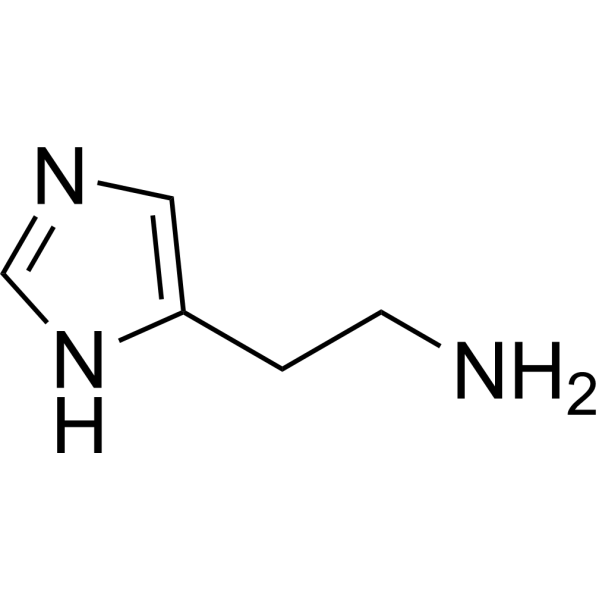
    Histamine is the agonist for histamine receptor and a vasodilator. Histamine is an organic nitrogen compound that participates in local immune responses, regulates intestinal physiological functions, and acts as a neurotransmitter. Histamine affects p38 MAPK/Akt signaling pathway, exhibits antitumor, antioxidant and anti-inflammatory activities. Histamine can be used in the research of acute myeloid leukemia, malignant melanoma, and renal cell carcinoma .
    Histamine
  • HY-P99033
    Mosunetuzumab
    1 Publications Verification

    BTCT-4465A; RG-7828; RO7030816

    CD20 CD3 Inflammation/Immunology Cancer
    Mosunetuzumab (BTCT-4465A) is a full-length, fully humanized immunoglobulin G1 (IgG1) T-cell-dependent bispecific (TDB) antibody targeting CD20 (B cells) and CD3 (T cells). Mosunetuzumab redirects T cells to engage and eliminate malignant B cells and can be used for the research of relapsed or refractory (R/R) B-cell non-Hodgkin lymphomas (B-NHLs) .
    Mosunetuzumab
  • HY-P99024
    Glofitamab
    1 Publications Verification

    RO7082859; RG-6026

    CD20 CD3 Inflammation/Immunology Cancer
    Glofitamab (RO7082859) is a T-cell-engaging bispecific antibody possessing a novel 2:1 structure with bivalency for CD20 on B cells and monovalency for CD3 on T cells. Glofitamab leads to T-cell activation, proliferation, and tumor cell killing upon binding to CD20 on malignant cells. Glofitamab induces durable complete remissions in relapsed or refractory B-Cell non-Hodgkin lymphoma (B-NHL) .
    Glofitamab
  • HY-P99239

    HUJ-591; TLX591

    PSMA Radionuclide-Drug Conjugates (RDCs) Cancer
    Rosopatamab (HuJ591) is a humanized antiPSMA IgG1 monoclonal antibody that can be used in cancer research, especially prostate cancer. Rosopatamab can be linked to the low-energy beta-emitting radioisotope lutetium-177 ( 177Lu) through the bifunctional chelator DOTA-NHS ester to obtain a radioimmunoconjugate that targets malignant prostate cells with high efficiency .
    Rosopatamab
  • HY-147308
    Zelenirstat
    2 Publications Verification

    PCLX-001

    N-myristoyltransferase Cancer
    Zelenirstat is an orally acitve, small-molecule, dual N-myristoyltransferase (NMT) inhibitor, with IC50s of 5 nM (NMT1) and 8 nM (NMT2), respectively. Zelenirstat can induce cell apoptosis, has anti-cancer activity, inhibits early B cell receptor (BCR) signaling, and can be used to study malignant lymphoma .
    Zelenirstat
  • HY-175749

    Molecular Glues Wee1 Inflammation/Immunology Cancer
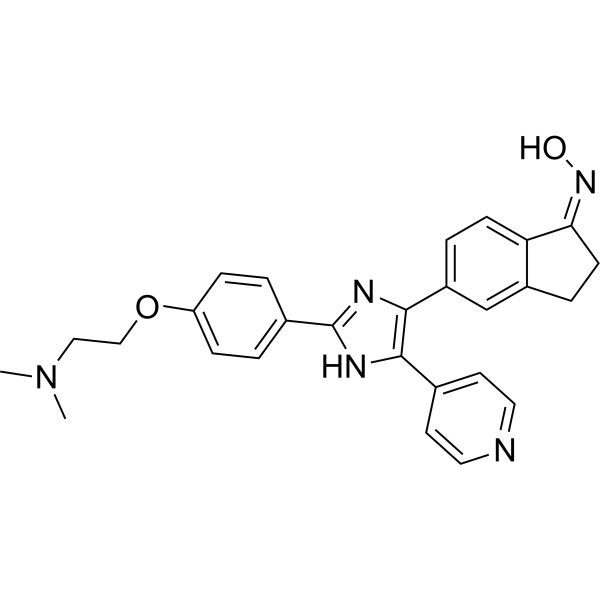
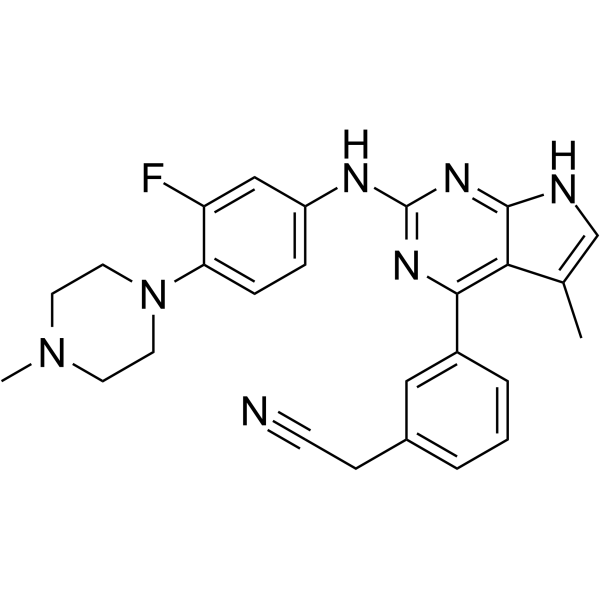
    BMS-986463, a CRBN E3 ligase modulator (CELMoD), is a WEE1 kinase molecular glue degrader. BMS-986463 significantly inhibits tumor regression and reduces the level of phospho-CDK2. BMS-986463 can be used for advanced malignant solid tumors like non-small cell lung cancer (NSCLC) research .
    BMS-986463
  • HY-400902

    YAP VEGFR Hippo (MST) Cancer
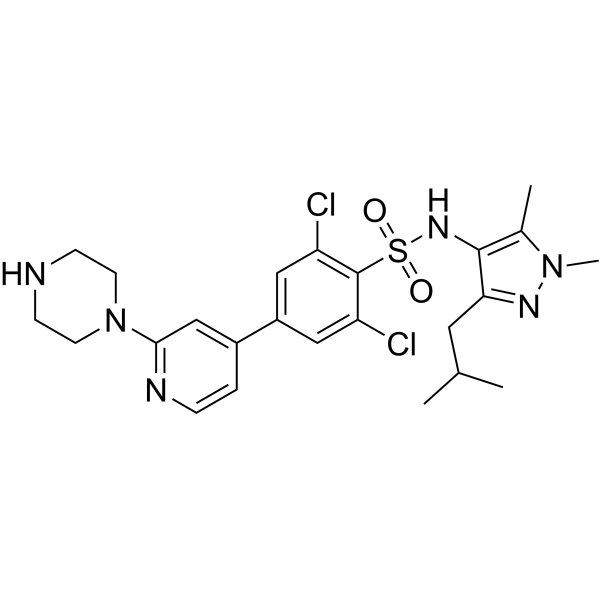
    VT3989 is an orally active pan-TEAD autopalmitoylation inhibitor that modulates the Hippo signaling pathway. VT3989 directly binds to TEAD transcription factors to block their palmitoylation modification, thereby disrupting the formation of YAP/TAZ-TEAD complexes and inhibiting downstream oncogenic transcriptional activity. VT3989 effectively inhibits the growth of NF2-deficient schwannoma and meningioma cells and reverses the Schwann cell phenotype. In addition, VT3989 exerts a synergistic effect when combined with Osimtinib (HY-15772) in EGFR-mutant non-small cell lung cancer models, significantly delaying tumor recurrence and prolonging survival. VT3989 can be used for the research of epithelioid hemangioendothelioma, malignant pleural mesothelioma, type 2 neurofibromatosis and related advanced solid tumors .
    VT3989
  • HY-129390
    Orelabrutinib
    3 Publications Verification

    ICP-022

    Btk Cancer
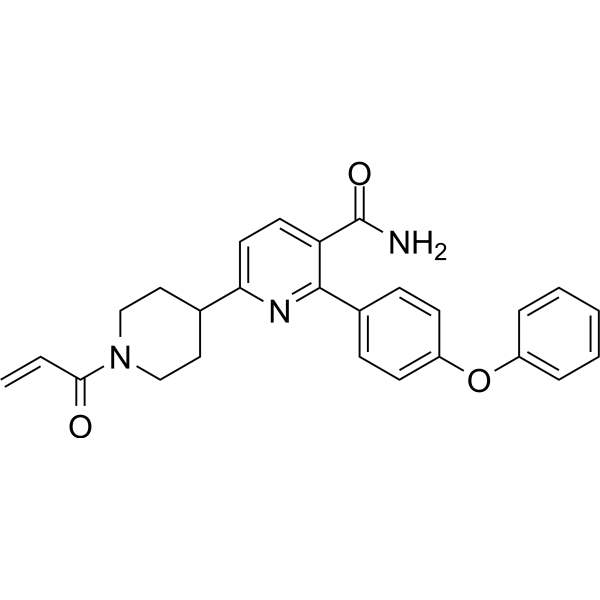
    Orelabrutinib (ICP-022) is a potent, orally active, and irreversible Bruton's tyrosine kinase (BTK) inhibitor with potential antineoplastic activity. Orelabrutinib prevents both the activation of the B-cell antigen receptor (BCR) signaling pathway and BTK-mediated activation of downstream survival pathways, inhibiting the growth of malignant B-cells that overexpress BTK .
    Orelabrutinib
  • HY-18768
    NCT-501
    5 Publications Verification

    Aldehyde Dehydrogenase (ALDH) Akt β-catenin Necroptosis Cancer
    NCT-501 is a reversible, non-competitive, selective, blood-brain barrier-permeable ALDH1A1 inhibitor with an IC50 of 40 nM. NCT-501 inhibits the AKT-β-catenin signaling pathway, induces necroptosis in nasopharyngeal carcinoma cells, suppresses their proliferation and inhibits stem cell spheroid formation. NCT-501 can be used in research related to nasopharyngeal carcinoma, esophageal squamous cell carcinoma and malignant tumors .
    NCT-501
  • HY-D0220
    Toluidine Blue
    3 Publications Verification

    Toluidine Blue O

    Fluorescent Dye Cancer
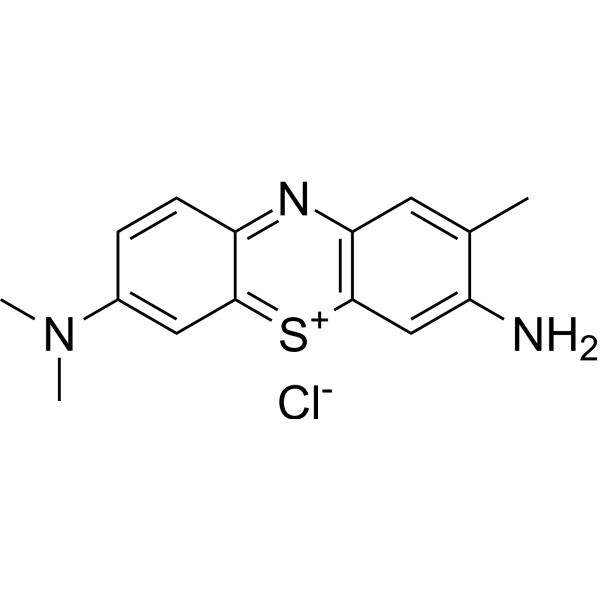
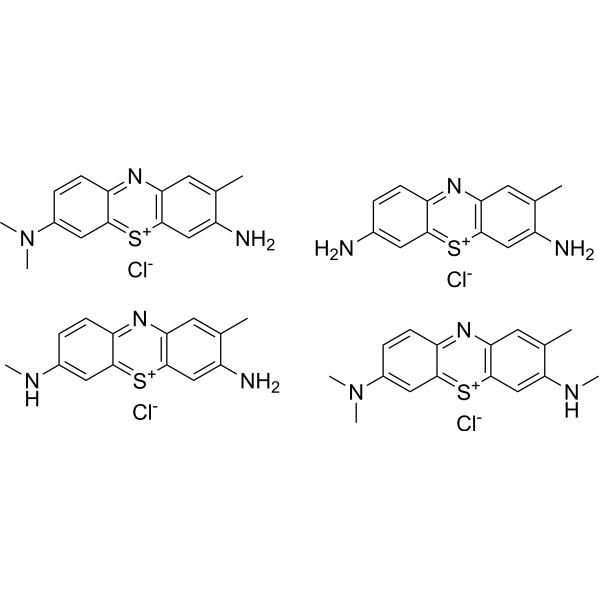
    Toluidine Blue (Toluidine Blue O) is an alkaline quinonimine dye (vivo dye) with high affinity for acidic tissue components, staining nuclei blue and polysaccharides purple. Toluidine Blue shows heterostaining properties for mast cells, mucins and chondrocytes. Toluidine Blue can stain different components of plant tissues and cells in different colours. Toluidine Blue is also used as a diagnostic aid to identify malignant lesions, such as cancer .
    Toluidine Blue
  • HY-N1435
    Oroxin B
    5 Publications Verification

    Apoptosis PI3K PTEN Autophagy Neurological Disease Metabolic Disease Inflammation/Immunology Cancer
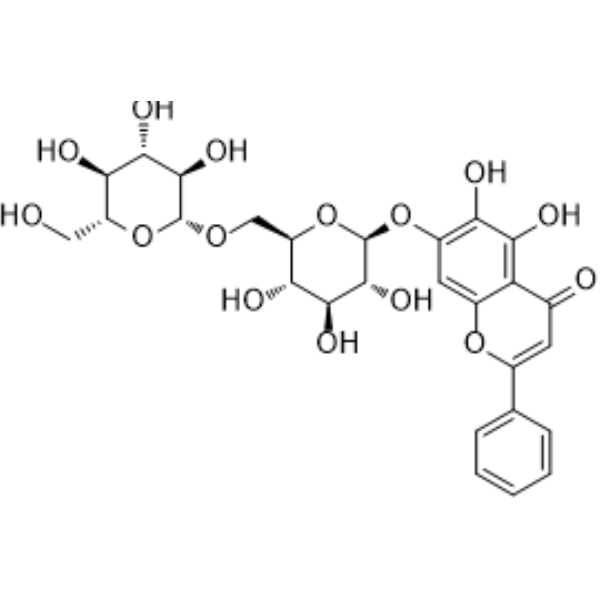
    Oroxin B (OB) is a BBB-permeable flavonoid isolated from traditional Chinese herbal medicine Oroxylum indicum (L.) Vent. Oroxin B (OB) possesses obvious inhibitory effect and induces early apoptosis rather than late apoptosis on liver cancer cells through upregulation of PTEN, down regulation of COX-2, VEGF, PI3K, and p-AKT. Oroxin B (OB) selectively induces tumor-suppressive ER stress in malignant lymphoma cells .
    Oroxin B
  • HY-B0722
    Histamine dihydrochloride
    Maximum Cited Publications
    20 Publications Verification

    Histamine Receptor p38 MAPK Akt Reactive Oxygen Species (ROS) Apoptosis Endogenous Metabolite Neurological Disease Inflammation/Immunology Endocrinology Cancer
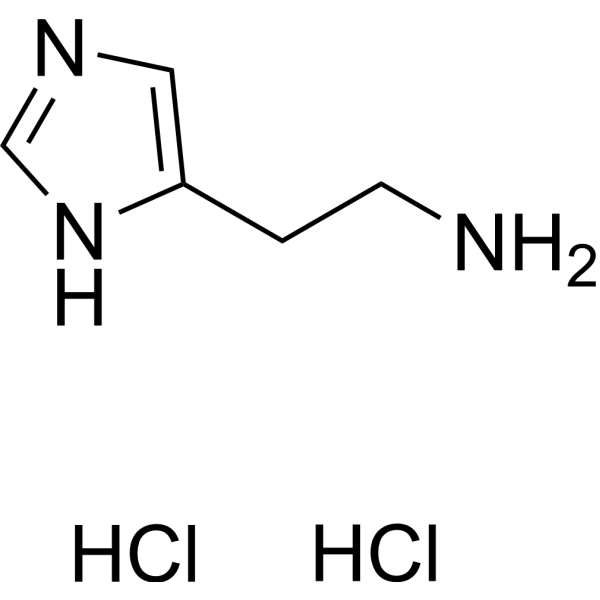
    Histamine dihydrochloride is the agonist for histamine receptor and a vasodilator. Histamine dihydrochloride is an organic nitrogen compound that participates in local immune responses, regulates intestinal physiological functions, and acts as a neurotransmitter. Histamine dihydrochloride affects p38 MAPK/Akt signaling pathway, exhibits antitumor, antioxidant and anti-inflammatory activities. Histamine dihydrochloride can be used in the research of acute myeloid leukemia, malignant melanoma, and renal cell carcinoma .
    Histamine dihydrochloride
  • HY-110382
    Cyclic-di-GMP disodium
    5+ Cited Publications

    c-di-GMP disodium; cyclic diguanylate disodium; 5GP-5GP disodium

    STING Endogenous Metabolite Cancer
    Cyclic-di-GMP disodium is a STING agonist and a bacterial second messenger that coordinates different aspects of bacterial growth and behavior, including motility, virulence, biofilm formation, and cell cycle progression. Cyclic-di-GMP disodium has anti-cancer cell proliferation activity and also induces elevated CD4 receptor expression and cell cycle arrest. Cyclic-di-GMP disodium can be used in cancer research .
    Cyclic-di-GMP disodium
  • HY-N4114

    Apoptosis Cancer
    Picrocrocin, an apocarotenoid found in Saffron. Picrocrocin shows anticancer effect. Picrocrocin exhibits growth inhibitory effects against SKMEL-2 human malignant melanoma cells .
    Picrocrocin
  • HY-P4073

    GRN1005; Paclitaxel trevatide

    Peptide-Drug Conjugates (PDCs) LDLR Cancer
    ANG1005 (Paclitaxel trevatide) is a brain-penetrating peptide-drug conjugate. ANG1005, a taxane derivative, consists of three paclitaxel (HY-B0015) molecules covalently linked to Angiopep-2, designed to cross the blood-brain and blood-cerebrospinal barriers and to penetrate malignant cells via low density lipoprotein receptor-related protein (LRP1) transport system .
    ANG1005
  • HY-122506

    STAT Cancer
    Salviolone is a natural diterpenoid derivative that can against melanoma cells. Salviolone exhibits a pleiotropic effect against melanoma by hampering cell cycle progression, STAT3 signaling, and malignant phenotype of A375 melanoma cells .
    Salviolone
  • HY-12406
    VLX600
    2 Publications Verification

    Oxidative Phosphorylation Mitochondrial Metabolism Autophagy Cancer
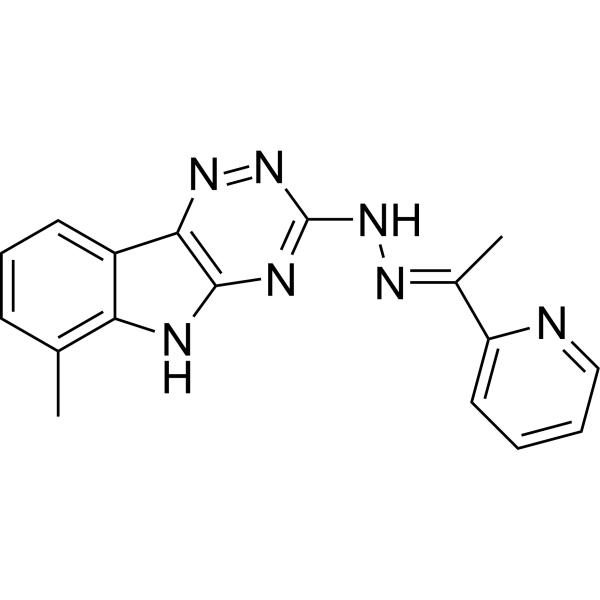
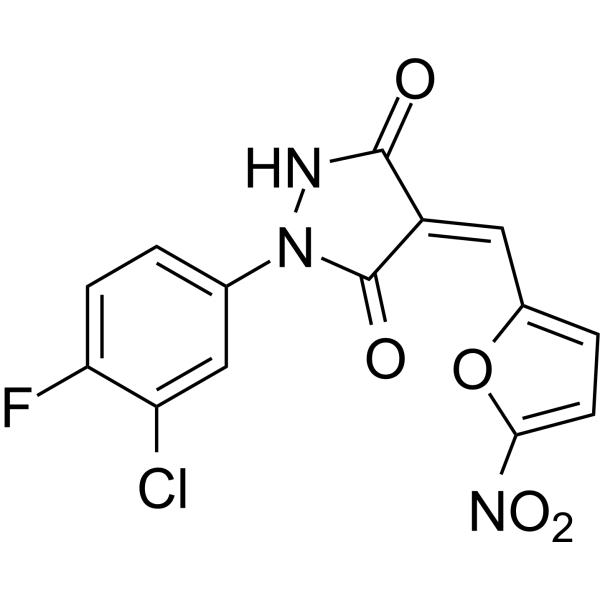
    VLX600 is an iron-chelating inhibitor of oxidative phosphorylation (OXPHOS). VLX600 causes mitochondrial dysfunction and induces a strong shift to glycolysis. VLX600 displays selective cytotoxic activity against malignant cell and induces autophagy. Anticancer activity .
    VLX600
  • HY-13631I

    (1S,9R)-DX8951f

    Drug Derivative Topoisomerase Apoptosis Cancer
    (1S,9R)-Exatecan mesylate ((1S,9R)-DX8951f) is a non-prodrug camptothecin derivative and a topoisomerase I inhibitor (IC50=0.975 μg/mL in mice and 0.82 μg/mL in humans). (1S,9R)-Exatecan mesylate blocks enzyme activity and induces apoptosis by stabilizing the enzyme-DNA cleavable complex. (1S,9R)-Exatecan mesylate not only effectively inhibits the proliferation of various malignant tumor cells and tumor growth, but also circumvents P-glycoprotein-mediated multidrug resistance. (1S,9R)-Exatecan mesylate is widely used in preclinical studies of various cancers such as pancreatic cancer, lung cancer, breast cancer, and leukemia .
    The chiral isomer of (1S,9R)-Exatecan mesylate is (1R,9R)-Exatecan mesylate (HY-13631J).
    (1S,9R)-Exatecan mesylate
  • HY-165740

    Disialoganglioside GD2

    Apoptosis Cancer
    Ganglioside GD2 (Disialoganglioside GD2) is a tumor-associated antigen. Ganglioside GD2 shows limited expression in normal tissues but is overexpressed in multiple tumor types, and thus can serve as a target in cancer. Ganglioside GD2 is associated with tumor development and malignant phenotypes, and its mechanism of action relies on enhancing cell proliferation, motility, migration, adhesion and invasion, with specific effects depending on the tumor type .
    Ganglioside GD2
  • HY-13297
    PYZD-4409
    2 Publications Verification

    E1/E2/E3 Enzyme Cancer
    PYZD-4409 is a specific inhibitor of the ubiquitin-activating enzyme UBA1 with an IC50 of 20 μM (cell-free enzymatic assay). PYZD-4409 induces cell death in malignant cells and preferentially inhibits the clonogenic growth of primary acute myeloid leukemia cells .
    PYZD-4409
  • HY-103317A

    Calcium Channel Cardiovascular Disease Cancer
    NAADP tetrasodium is a second messenger. NAADP tetrasodium releases Ca 2+ from acidic endosomes and lysosomes. NAADP tetrasodium can be used to study cancer (such as oral squamous cell carcinoma, malignant melanoma) and angiogenesis-related diseases .
    NAADP tetrasodium
  • HY-P2336A
    CCZ01048 TFA
    3 Publications Verification

    Melanocortin Receptor Cancer
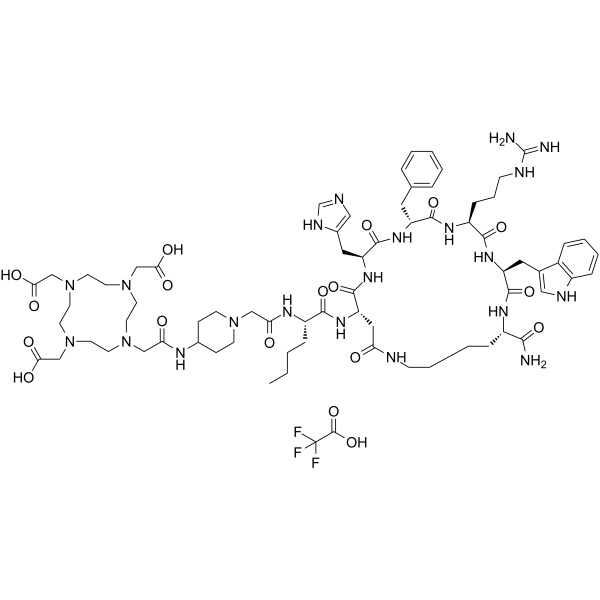
    CCZ01048 TFA, a α-MSH analogue, exhibits high binding affinity to melanocortin 1 receptor (MC1R) with a Ki of 0.31 nM. CCZ01048 TFA shows rapid internalization into B16F10 melanoma cells and high in vivo stability. CCZ01048 TFA is a promising candidate for PET imaging of malignant melanoma .
    CCZ01048 TFA
  • HY-P991228

    Galectin Cancer
    LYT-200 is a humanized monoclonal antibody against galectin-9 (Galectin-9). LYT-200 binds to galectin-9 expressed on the surface of hematologic malignant cells, inhibits pro-leukemic functions and induces cell death. LYT-200 can be used in research related to hematologic malignancies .
    LYT-200
  • HY-P99641

    PD-1/PD-L1 Cancer
    Gilvetmab is a potent caninized anti-PD-1 monoclonal antibody. Gilvetmab blocks the interaction between PD-1 and its ligand PD-L1/L2. Gilvetmab can be used in malignant melanoma and mast cell tumor research .
    Gilvetmab
  • HY-108551
    MG-262
    1 Publications Verification

    Z-Leu-Leu-LeuB(OH)2; ZL3B

    Proteasome VEGFR Apoptosis Reactive Oxygen Species (ROS) Cardiovascular Disease Inflammation/Immunology Cancer
    MG-262 (Z-Leu-Leu-LeuB(OH)2; ZL3B) is a reversible proteasome inhibitor. MG-262 down-regulates VEGF receptor Flt-1. MG-262 inhibits cell growth and induces apoptosis in malignant cells. MG-262 induces reactive oxygen species (ROS). MG-262 can be used for anti-cancer study .
    MG-262
  • HY-D0220A
    Toluidine Blue (purity 36%)
    3 Publications Verification

    Toluidine Blue O (purity 36%)

    Fluorescent Dye Others Cancer
    Toluidine Blue (Toluidine Blue O) purity 36% is an alkaline quinonimine dye (vivo dye) with high affinity for acidic tissue components, staining nuclei blue and polysaccharides purple. Toluidine Blue purity 36% shows heterostaining properties for mast cells, mucins and chondrocytes. Toluidine Blue purity 36% can stain different components of plant tissues and cells in different colours. Toluidine Blue purity 36% is also used as a diagnostic aid to identify malignant lesions, such as cancer .
    Toluidine Blue (purity 36%)
  • HY-107780

    c-di-GMP; cyclic diguanylate; 5GP-5GP

    STING Endogenous Metabolite Cancer
    Cyclic-di-GMP is a STING agonist and a bacterial second messenger that coordinates different aspects of bacterial growth and behavior, including motility, virulence, biofilm formation, and cell cycle progression. Cyclic-di-GMP has anti-cancer cell proliferation activity and also induces elevated CD4 receptor expression and cell cycle arrest. Cyclic-di-GMP can be used in cancer research .
    Cyclic-di-GMP
  • HY-161108

    PROTACs Checkpoint Kinase (Chk) Cancer
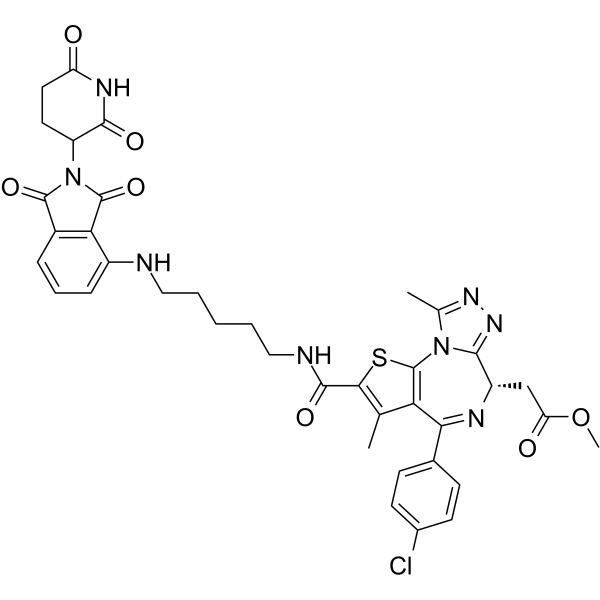
    PROTAC Chk1 degrader-1 is a Chk1-targeting PROTAC.PROTAC Chk1 degrader-1 recruits the Cereblon E3 ligase to induce ubiquitination and proteasomal degradation of Chk1.PROTAC Chk1 degrader-1 exhibits Chk1 degradation activity in malignant melanoma cells without showing a hook effect.PROTAC Chk1 degrader-1 can be used for the research of malignant melanoma .
    PROTAC Chk1 degrader-1
  • HY-175247

    Large Tumor Suppressor (LATS) E1/E2/E3 Enzyme YAP Cancer
    DDO-4033 is a SPOP inhibitor (IC50 = 16.9 μM, Kd = 15.1 μM). DDO-4033 impairs the malignant migration, invasion, and proliferation of clear cell renal cell carcinoma (ccRCC) cell lines. DDO-4033 disrupts SPOP recruitment to its substrate LATS1, inhibits its polyubiquitination and subsequent degradation, and upregulates LATS1 expression. DDO-4033 has promising antitumor activity and is promising for renal cell carcinoma research .
    DDO-4033
  • HY-143411

    HDAC Apoptosis DNA/RNA Synthesis Cancer
    GEM144 is a potent and orally active DNA polymerase α (POLA1) and HDAC 11 dual inhibitor. GEM144 induces acetylation of p53, activation of p21, G1/S cell cycle arrest, and apoptosis. GEM144 has significant antitumor activity in human orthotopic malignant pleural mesothelioma xenografts .
    GEM144
  • HY-107780B
    Cyclic-di-GMP diammonium
    5+ Cited Publications

    c-di-GMP diammonium; cyclic diguanylate diammonium; 5GP-5GP diammonium

    STING Endogenous Metabolite Cancer
    Cyclic-di-GMP diammonium is a STING agonist and a bacterial second messenger that coordinates different aspects of bacterial growth and behavior, including motility, virulence, biofilm formation, and cell cycle progression. Cyclic-di-GMP diammonium has anti-cancer cell proliferation activity and also induces elevated CD4 receptor expression and cell cycle arrest. Cyclic-di-GMP diammonium can be used in cancer research .
    Cyclic-di-GMP diammonium
  • HY-W156324

    PROTAC Linkers Liposome Others
    Biotin-PEGn-NHS ester is a biotin-labeled PROTAC linker, which belongs to the PEG class and can be used to synthesize PROTAC molecules. Biotin-PEGn-NHS ester can interact with free neutral avidin in solution and successfully target malignant glioma cells. Biotin-PEGn-NHS ester can also be grafted onto the amino group of GelMA to prepare biotin-modified functionalized hydrogel, gelatin methacryloyl (Bio-GelMA) .
    Biotin-PEGn-NHS ester
  • HY-W035709

    Dihydrocinchonine

    P-glycoprotein Apoptosis Cancer
    Hydrocinchonine (Dihydrocinchonine) is a multidrug resistance (MDR)-reversal agent. Hydrocinchonine directly inhibits the function and expression of P-gp, which is the mechanism by which it reverses MDR. Hydrocinchonine exerts synergistic apoptotic effect with Paclitaxel (HY-B0015) in MES-SA/DX5 cells. Hydrocinchonine can be used for the study of gynecological malignant tumors (such as uterine sarcoma) with drug resistance caused by excessive expression of P-gp .
    Hydrocinchonine
  • HY-154790

    Neu5Aca2-6GalNAc-a-Ser/Thr

    Ser/Thr Protease Cancer
    STn/sialyl-Tn is a sialic acid associated with breast cancer and its expression is closely related to HER2-pos. STn/sialyl-Tn can be used as a marker to count cells in malignant nipple discharge (PND) .
    STn/sialyl-Tn
  • HY-113326

    trans-Phytoene

    Reactive Oxygen Species (ROS) Cancer
    Phytoene (trans-Phytoene) is a carotene pigment. Phytoene is the precursor of all carotenoids. Phytoene is the predominant PT isomer in most carotenogenic organisms. Phytoene can delay the skin tumors appearance and reduce their number in mice that are induced the tumors with UV-B light. Phytoene leads to protection against oxidative stress and malignant transformation. Phytoene inhibits the proliferation of breast cancer cells .
    Phytoene
  • HY-P2336

    Melanocortin Receptor Cancer
    CCZ01048, a α-melanocyte-stimulating hormone (α-MSH) analogue, exhibits high binding affinity to melanocortin 1 receptor (MC1R) with a Ki of 0.31 nM. CCZ01048 shows rapid internalization into B16F10 melanoma cells and high in vivo stability. CCZ01048 is a promising candidate for PET imaging of malignant melanoma .
    CCZ01048
  • HY-157673

    16:1 PE

    Phosphatase Apoptosis Cancer
    1,2-Dipalmitoleoyl-sn-glycero-3-phosphoethanolamine (16:1 PE) is a phosphatidylethanolamine that can enhance PP2A and PTP1B activities in malignant pleural mesothelioma cells. 1,2-Dipalmitoleoyl-sn-glycero-3-phosphoethanolamine induces apoptosis of NCI-H28 malignant pleural mesothelioma cells .
    1,2-Dipalmitoleoyl-sn-glycero-3-phosphoethanolamine
  • HY-16514

    Drug Derivative Microtubule/Tubulin Cancer
    Vindesine is a derivative of Vinblastine (HY-13780). Vindesine binds to and stabilizes tubulin . Vindesine inhibits mitosis in cancer cells and prevents the invasion of normal tissues by malignant cells. Vindesine can be used in cancer research .
    Vindesine
  • HY-119288

    NSC 45382

    Proteasome Cancer
    BC-23 (NSC 45382) is a proteasome inhibitor. BC-23 exhibits good inhibition of CT-L activity of the proteasome and is selective for malignant over normal cells .
    BC-23
  • HY-136268

    Phosphatase Apoptosis Inflammation/Immunology
    AQX-435 is a potent SHIP1 phosphatase activator. AQX-435 reduces PI3K activation downstream of the B-cell receptor (BCR) and induces apoptosis of malignant B cells, and reduces lymphoma growth .
    AQX-435
  • HY-107780A

    c-di-GMP sodium; cyclic diguanylate sodium; 5GP-5GP sodium

    STING Endogenous Metabolite Cancer
    Cyclic-di-GMP sodium is a STING agonist and a bacterial second messenger that coordinates different aspects of bacterial growth and behavior, including motility, virulence, biofilm formation, and cell cycle progression. Cyclic-di-GMP sodium has anti-cancer cell proliferation activity and also induces elevated CD4 receptor expression and cell cycle arrest. Cyclic-di-GMP sodium can be used in cancer research .
    Cyclic-di-GMP sodium
  • HY-B0078B

    Imidazole Carboxamide hydrochloride

    Antibiotic Cancer
    Dacarbazine hydrochloride is a cell cycle nonspecific antineoplastic alkylating agent. Dacarbazine hydrochloride inhibits T and B lymphoblastic response, with IC50 values of 50 and 10 μg/mL, respectively. Dacarbazine hydrochloride can be used for the research of metastatic malignant melanoma .
    Dacarbazine hydrochloride
  • HY-121561

    At-1258; Nsc 245413

    DNA/RNA Synthesis Cancer
    Nitrocaphane (At-1258) is an antineoplastic agent whose target of action is DNA. Nitrocaphane has a broad antineoplastic spectrum. Nitrocaphane's cytotoxicity on HEp-2 cells can be enhanced by hyperthermia. Nitrocaphane can be used in the research of tumors such as malignant trophoblastic tumors .
    Nitrocaphane
  • HY-N4114R

    Reference Standards Apoptosis Cancer
    Picrocrocin (Standard) is the analytical standard of Picrocrocin. This product is intended for research and analytical applications. Picrocrocin, an apocarotenoid found in Saffron. Picrocrocin shows anticancer effect. Picrocrocin exhibits growth inhibitory effects against SKMEL-2 human malignant melanoma cells .
    Picrocrocin (Standard)
  • HY-175291

    MMP Cadherin Cancer
    Cystatin B agonist 1 is an orally active MMP-2/9 inhibitor. Cystatin B agonist 1 exhibits inhibitory effects with IC50 values of 3.95 and 3.43 μM against U87 and T98G cells, respectively. Cystatin B agonist 1 induces the cell-cycle arrest at S phase, inhibits angiogenesis, and suppresses migration and invasion of MG cells. Cystatin B agonist 1 inhibits tumor growth in U87 MG xenograft model. Cystatin B agonist 1 can be used for the study of malignant glioma (MG) .
    Cystatin B agonist 1
  • HY-B0078A

    Imidazole Carboxamide citrate

    Apoptosis Antibiotic Cancer
    Dacarbazine citrate is a cell cycle nonspecific antineoplastic alkylating agent. Dacarbazine citrate inhibits T and B lymphoblastic response, with IC50 values of 50 and 10 μg/mL, respectively. Dacarbazine Citrate can be used for the research of apoptosis and various cancers such as metastatic malignant melanoma .
    Dacarbazine citrate
  • HY-107336

    Beveno

    COX Inflammation/Immunology
    Cyclovalone (Beveno) is a synthetic curcumin derivate, which inihibits cyclooxygenase and exhibits anti-inflammatory, antitumor and antioxidant activities . Cyclovalone inhibits cell proliferation in normal and malignant prostatic cells. Cyclovalone ist orally active .
    Cyclovalone
  • HY-105130

    DNA/RNA Synthesis Cancer
    Menogaril is a potent and orally active anthracycline antitumor agent. Menogaril is ready penetration into cancer cells can cleave double-stranded DNA. Menogaril can be used for the research of cancer, such as malignant lymphoma .
    Menogaril
  • HY-148174

    DGK Cancer
    JNJ-3790339, a Ritanserin (HY-10791) analog, is a potent and selective diacylglycerol kinase (DGKα) inhibitor with an IC50 of 9.6 μM. JNJ-3790339 has induction of toxicity in malignant cells, and improves ability to upregulate T cell activation .
    JNJ-3790339
  • HY-163607

    Apoptosis NF-κB Cancer
    SpiD3, a spirocyclic dimer, is an anticancer agent. SpiD3 markedly inhibits malignant B-cell proliferation and suppressed NF-κB activation independent of TME-associated stimuli. SpiD3 induces apoptosis and inhibits protein synthesis in chronic lymphocytic leukemia cells. SpiD3 can be used for study of chronic lymphocytic leukemia (CLL) .
    SpiD3

Inquiry Online

Your information is safe with us. * Required Fields.

Salutation


Country or Region *

Applicant Name *


Organization Name *

Department *


Email Address *


Product Name *

Cat. No.


Requested quantity *

Phone Number *


Remarks

Inquiry Online

Inquiry Information

Product Name:
Cat. No.:
Quantity:
MCE Japan Authorized Agent:

