1. Search Result
Search Result
Results for "

marrow-derived

" in MedChemExpress (MCE) Product Catalog:

55

Inhibitors & Agonists

2

Biochemical Assay Reagents

5

Peptides

11

Natural
Products

1

Isotope-Labeled Compounds

1

Oligonucleotides

Cat. No. Product Name Target Research Areas Chemical Structure
  • HY-N3005
    Britannin
    1 Publications Verification

    Apoptosis Autophagy NOD-like Receptor (NLR) Pyroptosis Inflammation/Immunology Cancer
    Britannin is an NLRP3 inhibitor with an IC50 of 3.630 μM, exhibiting anti-inflammatory activity. Britannin inhibits the activation and assembly of the NLRP3 inflammasome by blocking the interaction between NLRP3 and NEK7. Additionally, Britannin demonstrates antitumor activity by inhibiting the proliferation of tumor cells through blocking the interaction between HIF-1α and Myc, thereby suppressing PD-L1 expression and enhancing cytotoxic T lymphocyte activity. Britannin can also induce apoptosis and autophagy in liver cancer cells by activating ROS-regulated AMPK. Britannin holds promise for research in the fields of anti-inflammatory and antitumor therapeutics .
    Britannin
  • HY-NP141

    4-Hydroxy-3-nitrophenylacetyl-bovine serum albumin

    Biochemical Assay Reagents Inflammation/Immunology
    NP-BSA (4-Hydroxy-3-nitrophenylacetyl-bovine serum albumin) is an antigen-adjuvant conjugate of 4-Hydroxy-3-nitrophenylacetyl (NP) conjugated to bovine serum albumin (BSA), which is an immune complex. NP-BSA is taken up, processed, and presented by antigen-presenting cells to stimulate T-cell proliferation and the production of antigen-specific antibodies. NP-BSA can be used in the research of immunological vaccines .
    NP-BSA
  • HY-12836A
    IFN alpha-IFNAR-IN-1 hydrochloride
    Maximum Cited Publications
    25 Publications Verification

    IFNAR Inflammation/Immunology
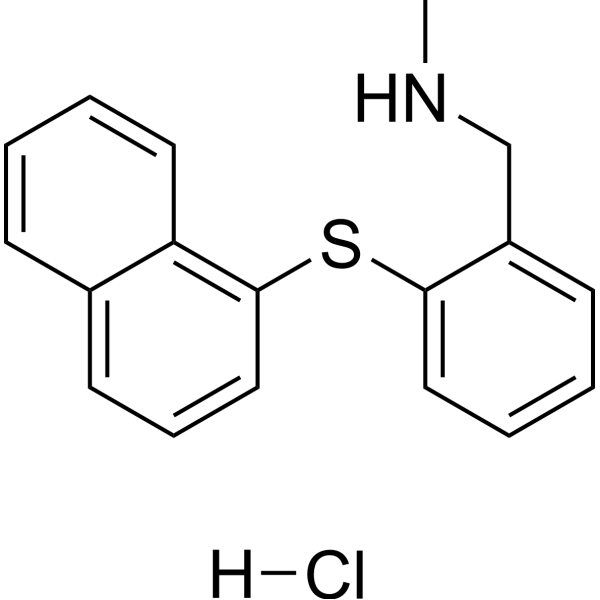
    IFN alpha-IFNAR-IN-1 hydrochloride is a nonpeptidic, low-molecular-weight inhibitor of the interaction between IFN-α and IFNAR. IFN alpha-IFNAR-IN-1 hydrochloride inhibits modified Vaccinia virus ankara (MVA)-induced IFN-α responses in murine bone-marrow-derived, Flt3- L-differentiated pDC cultures (BM-pDCs) (IC50=2-8 μM) .
    IFN alpha-IFNAR-IN-1 hydrochloride
  • HY-W018643
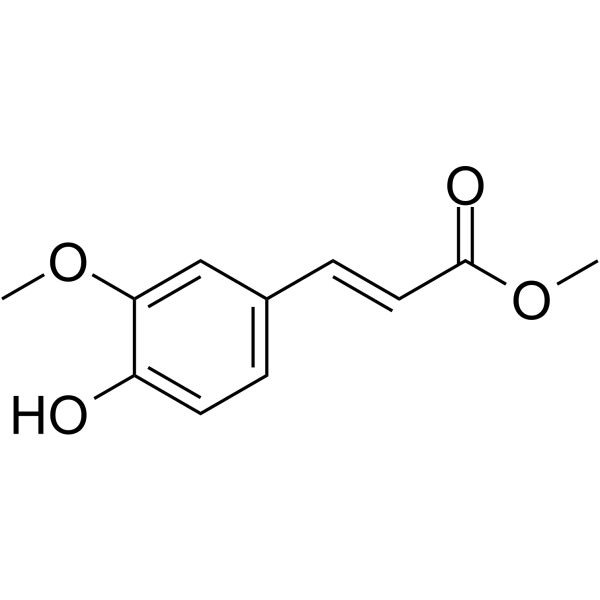
    Ferulic acid methyl ester
    1 Publications Verification

    Methyl ferulate

    p38 MAPK Autophagy Neurological Disease Inflammation/Immunology Cancer
    Ferulic acid methyl ester (Methyl ferulate) is a derivative of ferulic acid, isolated from Stemona tuberosa, with anti-inflammatory and antioxidant properties . Ferulic acid methyl ester is a cell membrane and brain permeable compound, shows free radical scavenging ability, used in the research of neurodegenerative disorders . Ferulic acid methyl ester inhibits COX-2 expression, blocks p-p38 and p-JNK in primary bone marrow derived-macrophages .
    Ferulic acid methyl ester
  • HY-160225
    ISD sodium
    4 Publications Verification

    STING Interleukin Related Inflammation/Immunology
    ISD sodium is an interferon-stimulatory DNA, a 45 bp non-CpG double-stranded oligonucleotide derived from the genome of Listeria monocytogenes. ISD sodium potently induces type I interferon production via the cGAS‑STING‑TBK1‑IRF3 pathway .
    ISD sodium
  • HY-168034

    STING Integrin NF-κB SARS-CoV Infection Inflammation/Immunology
    diABZI-4 is a STING activator and broad-spectrum antiviral agent with immunostimulatory activity. diABZI-4 triggers the TBK1-IRF3 and NF-κB signaling cascades by inducing STING oligomerization, thereby promoting the production of type I/III interferons and various proinflammatory cytokines. diABZI-4 exhibits broad-spectrum antiviral activity and effectively inhibits the replication of influenza A virus, SARS-CoV-2, herpes simplex virus, and other viruses. diABZI-4 also activates lymphocytes and macrophages to provide significant pre- and post-exposure protection in viral disease models. diABZI-4 can be used to study COVID-19, respiratory viral infections, and related immunopathological mechanisms .
    diABZI-4
  • HY-W008634
    Bropirimine
    2 Publications Verification

    U-54461; U-54461S; PNU-54461

    Toll-like Receptor (TLR) Cancer
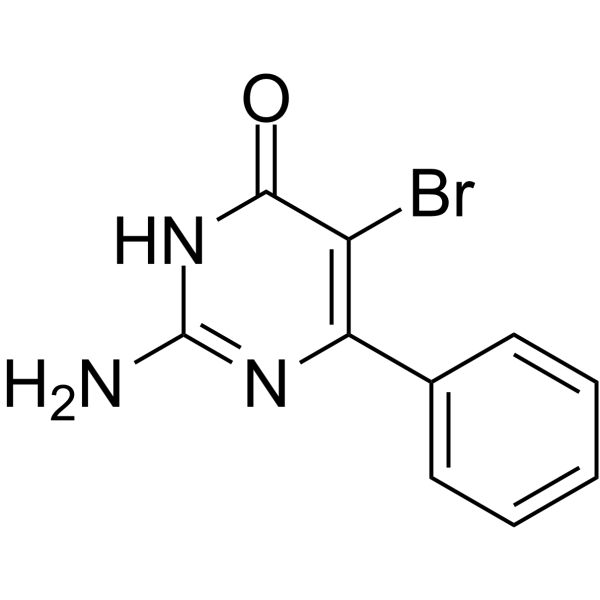
    Bropirimine (U-54461; U-54461S; PNU-54461) is an orally active TLR7 agonist. Bropirimine inhibits RANKL-induced osteoclast differentiation of mouse bone marrow-derived macrophages (BMMs). Bropirimine exhibits dose-dependent direct inhibitory effects on colony formation of cultured KK-47 and 724 cells. Bropirimine can be used for the study of cancers and bone metabolic disorders such as osteoporosis .
    Bropirimine
  • HY-N5048

    6'-O-Galloyl paeoniflorin

    NF-κB ERK JNK Nuclear Factor of activated T Cells (NFAT) Keap1-Nrf2 PI3K Akt Reactive Oxygen Species (ROS) Apoptosis DNA/RNA Synthesis Infection Neurological Disease Metabolic Disease Inflammation/Immunology
    Galloylpaeoniflorin (6'-O-Galloyl paeoniflorin) is an orally active galloylated derivative of Paeoniflorin (HY-N0293) found in peony roots with various anti-inflammatory and antioxidant activities. Galloylpaeoniflorin suppresses RANKL-induced activation of ERK, JNK, c-Fos, c-Jun, and NFATc1, and reduces osteoclast-specific gene expression. Galloylpaeoniflorin activates Nrf2 and PI3K/Akt pathways, inhibits NF-κB activation, and scavenges ROS to reduce oxidative DNA, lipid, and protein damage. Galloylpaeoniflorin attenuates neuroinflammation, inhibits apoptosis, reduces Helicobacter pylori-induced gastric mucosa injury and UVB-induced cell damage. Galloylpaeoniflorin can be used for the research of osteoporosis, gastritis, ischemic stroke and skin diseases .
    Galloylpaeoniflorin
  • HY-175416

    KC289

    Piezo Channel Calcium Channel Cardiovascular Disease Metabolic Disease
    Yoda2 (KC289), the potassium salt of Yoda1 (HY-18723), is a PIEZO1 agonist with an EC50 of 150 nM. Yoda2 evokes Ca 2+ elevation and NO-dependent relaxation. Yoda2 induces relaxation in mouse arterial and cavernous tissues. Yoda2 inhibits glucocorticoid-induced osteoclast formation and bone resorptive activity, reverses glucocorticoid-induced bone density loss and architectural deterioration, and does not induce medication-related osteonecrosis of the jaw in mice. Yoda2 can be used for the researches of hypertension and osteoporosis .
    Yoda2
  • HY-NP159

    Mucin Interleukin Related Inflammation/Immunology
    House Dust Mite Extract, from D.farinae is a house dust mite allergen extract derived from Dermatophagoides farinae. House Dust Mite Extract, from D.farinae significantly increases the levels of cytokines (IL-4, IL-5, IL-6) in bronchoalveolar lavage fluid. House Dust Mite Extract, from D.farinae upregulates the overexpression of MUC5AC. House Dust Mite Extract, from D.farinae induces allergic asthma and pulmonary inflammation .
    House Dust Mite Extract, from D.farinae
  • HY-N4093

    trans-Astringin

    Apoptosis Ferroptosis Reactive Oxygen Species (ROS) Interleukin Related PI3K NF-κB Akt Toll-like Receptor (TLR) MyD88 Neurological Disease Metabolic Disease Inflammation/Immunology Cancer
    Astringin (trans-Astringin) is an orally active natural phenolic stilbene glucoside. Astringin can inhibit the production of oxidative stress, inflammatory factors, etc. Astringin has multiple activities such as anti-oxidation, anti-inflammation, and anti-apoptosis. Astringin is also an inhibitor of ferroptosis. Astringin can be used in the research of diseases such as acute lung injury .
    Astringin
  • HY-B1016

    AR-12008

    PDGFR Phosphodiesterase (PDE) Prostaglandin Receptor Cardiovascular Disease Neurological Disease
    Trapidil (AR-12008) is an orally active vasodilator and antiplatelet agent. Trapidil antagonizes platelet-derived growth factor (PDGF), inhibits phosphodiesterase, thromboxane A2 synthesis and pro-inflammatory cytokine production. Trapidil promotes prostacyclin biosynthesis, reduces lipid peroxidation, regulates nitric oxide metabolism, and inhibits cell proliferation and migration. Trapidil exerts tissue-protective effects, regulates bone turnover, and inhibits pyroptosis via the GPX3/Nrf2 pathway. Trapidil is applicable to research related to renal ischemia-reperfusion injury, chronic stable angina, restenosis, meningioma, diabetic cardiomyopathy and peripheral nerve crush injury .
    Trapidil
  • HY-12700
    RO5256390
    3 Publications Verification

    Trace Amine-associated Receptor (TAAR) Neurological Disease
    RO5256390 is an orally effective trace amine associated receptor 1 (TAAR1) agonist. RO5256390 exhibits pro-cognitive and antidepressant-like properties in rodent and primate models, showing similar brain activation patterns to Olanzapine (HY-14541). RO5256390 blocks compulsive overeating behavior in rats. RO5256390 can inhibit ATP (HY-B2176)-induced TNF secretion in mouse bone marrow-derived macrophages .
    RO5256390
  • HY-170522

    HIF/HIF Prolyl-Hydroxylase Inflammation/Immunology
    ISM012-042 is an orally active PHD1 and PHD2 inhibitor with IC50 values of 1.9 and 2.5 nM, respectively. ISM012-042 (2.5 μM) can protect Caco-2 cells from DSS-induced barrier disruption. In lipopolysaccharide (LPS)-induced mouse bone marrow-derived dendritic cells (BMDC), ISM012-042 has anti-inflammatory effects and can dose-dependently reduce the expression of IL-12 subunit IL-12p35 and TNF. ISM012-042 restores intestinal barrier function and alleviates intestinal inflammation in various experimental colitis models. ISM012-042 can be used for intestinal mucosal repair and research into immune diseases .
    ISM012-042
  • HY-155773

    FAAH Epoxide Hydrolase Cardiovascular Disease
    VU534 is a NAPE-PLD activator, with an EC50 of 0.30 μM. VU534 is dual inhibitors of FAAH and sEH (IC50 of 1.2 μM). VU534 increases efferocytosis in a NAPE-PLD dependent manner. VU534 has the potential for cardiometabolic diseases study [1] .
    VU534
  • HY-114203

    BE003

    Monoamine Oxidase Influenza Virus Infection Neurological Disease Inflammation/Immunology
    Eckol is a potent hMAO-A (Mixed) and hMAO-B (non-competitive) inhibitor with IC50s of 7.20 and 83.44 μM, respectively. Eckol shows stimulatory effects in maize and can be used as a plant biostimulant. Eckol also shows antiallergic and antiviral effects .
    Eckol
  • HY-145961

    Toll-like Receptor (TLR) TNF Receptor Cancer
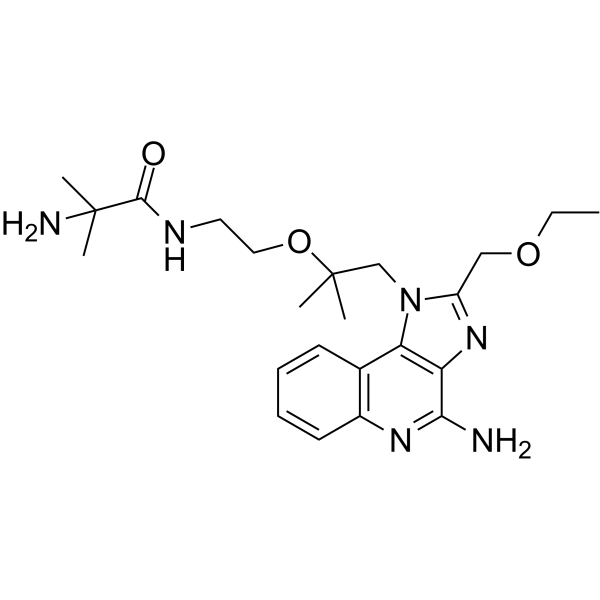
    TLR7 agonist 4 is a TLR7 agonist with pro-inflammatory cytokine-stimulating activity. TLR7 agonist 4 modulates TLR7 activity to stimulate the production of pro-inflammatory cytokines. TLR7 agonist 4 stimulates mouse bone marrow-derived macrophages to produce the pro-inflammatory cytokine TNFα. TLR7 agonist 4 can be conjugated with antibodies to form conjugates. TLR7 agonist 4 is applicable to cancer research .
    TLR7 agonist 4
  • HY-N0853A
    Alisol A 24-acetate
    1 Publications Verification

    Alisol A 24-monoacetate; Alisol A monoacetate

    AMPK Carnitine Palmitoyltransferase (CPT) Acyltransferase Fatty Acid Synthase (FASN) Acetyl-CoA Carboxylase Bcl-2 Family PPAR Nuclear Factor of activated T Cells (NFAT) PI3K Akt PKA ERK Apoptosis Autophagy Cardiovascular Disease Infection Neurological Disease Metabolic Disease Endocrinology
    Alisol A 24-acetate (Alisol A monoacetate) is an orally active derivative of protostane-type tetracyclic triterpenoid. Alisol A 24-acetate upregulates the expression of adiponectin, AMPKα, CPT1, and ACOX1; downregulates the expression of SREBP-1c, ACC, FAS, Bcl-2, Bcl-xl, PPAR-γ, perilipin A, and NFATc1; inhibits the activity of PI3K/Akt/mTOR and HMGR; and activates the PKA and ERK signaling pathways. Alisol A 24-acetate regulates cell apoptosis (apoptosis), autophagy (Autophagy, hepatic lipid accumulation, inflammatory response, neuroprotection, MRSA membrane integrity, and osteoclast differentiation. Alisol A 24-acetate can be used in research related to non-alcoholic fatty liver disease, nephrotoxicity, obesity, global cerebral ischemia-reperfusion injury, bacterial infection, and osteoporosis .
    Alisol A 24-acetate
  • HY-12836
    IFN alpha-IFNAR-IN-1
    Maximum Cited Publications
    25 Publications Verification

    IFNAR Inflammation/Immunology
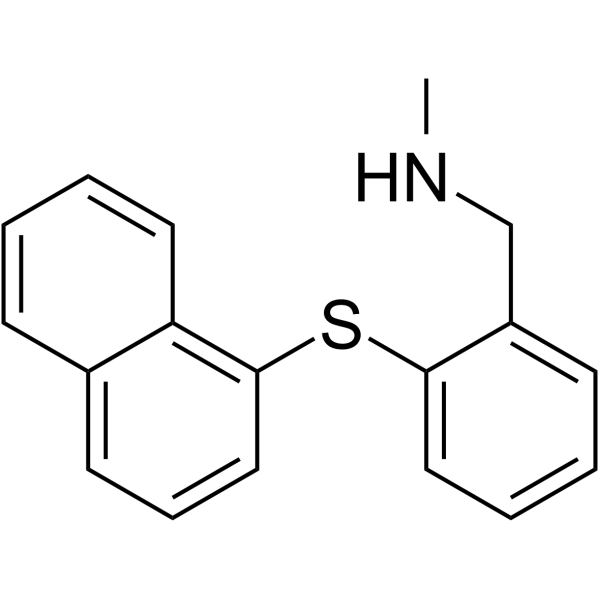
    IFN alpha-IFNAR-IN-1 is a nonpeptidic, low-molecular-weight inhibitor of the interaction between IFN-α and IFNAR. IFN alpha-IFNAR-IN-1 inhibits modified Vaccinia virus ankara (MVA)-induced IFN-α responses in murine bone-marrow-derived, Flt3- L-differentiated pDC cultures (BM-pDCs) (IC50=2-8 μM) .
    IFN alpha-IFNAR-IN-1
  • HY-124958

    NF-κB Dipeptidyl Peptidase Metabolic Disease Inflammation/Immunology
    NDMC101 is a potent osteoclastogenesis inhibitor and inhibits osteoclast differentiation via down-regulation of NFATc1-modulated gene expression. NDMC101 is similar to the DPP4 substrate and is a significant inhibitor of early T-cell activation via DPP4 inhibition. NDMC101can be used for study of bone disorders, such as rheumatoid arthritis, and synovial inflammation et al .
    NDMC101
  • HY-15193B

    SGK Drug Isomer Cardiovascular Disease Cancer
    EMD638683 (S-Form) (Compound 1a), the S-enantiomer of EMD638683 (HY-15193), is a SGK1 inhibitor with an IC50 value > 300 nM. EMD638683 is an orally active SGK1 inhibitor with an IC50 of 3 μM. EMD638683 exhibits strong inhibition against SGK1, moderate inhibition against SGK2 and SGK3, and shows excellent selectivity for other AGC kinase family members. EMD638683 has antihypertensive activity by inhibiting SGK1, and independently of the blood pressure-lowering effect, it effectively prevents heart inflammation and fibrosis caused by hypertension by inhibiting the cardiac NLRP3 inflammation body/ IL-1β axis. EMD638683 promotes apoptosis of colon cancer cells and sensitizes radiotherapy. EMD638683 (S-Form) can be used in research related to hypertension, hypertensive heart damage, and colon cancer .
    EMD638683 (S-Form)
  • HY-P10424

    PD-1/PD-L1 Cancer
    OPBP-1 is a D-peptide obtained by phage display screening, molecular docking and molecular dynamics simulation. OPBP-1 has high stability and strong antitumor and oral activity. OPBP-1 can selectively bind PD-L1 protein, significantly block the interaction between PD-1 and PD-L1, and this blocking effect helps to restore and improve the function of T lymphocytes and reduce the proportion of bone marrow derived suppressor cells (MDSCs) to combat tumor-induced immune escape. OPBP-1 can be used in cancer immunotherapy research .
    OPBP-1
  • HY-171878

    TGF-β Receptor PDGFR TGF-beta/Smad Inflammation/Immunology Cancer
    BI-4659 is a TGFβRI and PDGFRα inhibitor with IC50 values of 19 nM and 99 nM, respectively. BI-4659 inhibits the kinase activities of TGFβRI and PDGFRα, blocks the downstream TGFβRI signaling pathway, and reduces the phosphorylation level of Smad2/3 without altering the expression of TGF-β1. BI-4659 is applicable to research related to pulmonary fibrosis, cancer, and renal ischemia-reperfusion injury .
    BI-4659
  • HY-158650

    Endogenous Metabolite TNF Receptor Inflammation/Immunology Endocrinology
    10-OAHSA is one of fatty acid esters of hydroxy fatty acids (FAHFAs). 10-POHSA increases glucose-stimulated insulin secretion (GSIS) at a high glucose concentration. 10-OAHSA reduces LPS (HY-D1056)-induced Tnf-α secretion in bone marrow-derived dendritic cells (BMDCs) .
    10-OAHSA
  • HY-173070

    Toll-like Receptor (TLR) IFNAR PD-1/PD-L1 ADC Payload Inflammation/Immunology Cancer
    TLR7 agonist 29 (Compound 1) is the agonist for TLR7 with an EC50 of 5.2 nM for human TLR7 (EC50 for mouse TLR7 is 48.2 nM). TLR7 agonist 29 activates bone marrow-derived macrophages (BMDMs), stimulates myeloid cells in the tumor microenvironment, promotes the expression of PD-L1, CD86 and IFN-α. TLR7 agonist 29 can be used as payload for synthesis of ADC .
    TLR7 agonist 29
  • HY-175645

    NOD-like Receptor (NLR) URAT1 Interleukin Related OAT GLUT Metabolic Disease Inflammation/Immunology
    NLRP3/URAT1-IN-1 is an orally active double inhibitor of NLRP3 and URAT1 (IC50 = 3.81 μM). NLRP3/URAT1-IN-1 inhibits IL-1β release in LPS (HY-D1056) and ATP-stimulated mouse bone marrow-derived macrophages (BMDMs), with an IC50 of 2.61 μM. NLRP3/URAT1-IN-1 reduces serum uric acid (SUA) and alleviates liver/kidney damage in mice with acute hyperuricemia (HUA). NLRP3/URAT1-IN-1can be used for the study of gout and hyperuricemia .
    NLRP3/URAT1-IN-1
  • HY-P11003

    Toll-like Receptor (TLR) Inflammation/Immunology
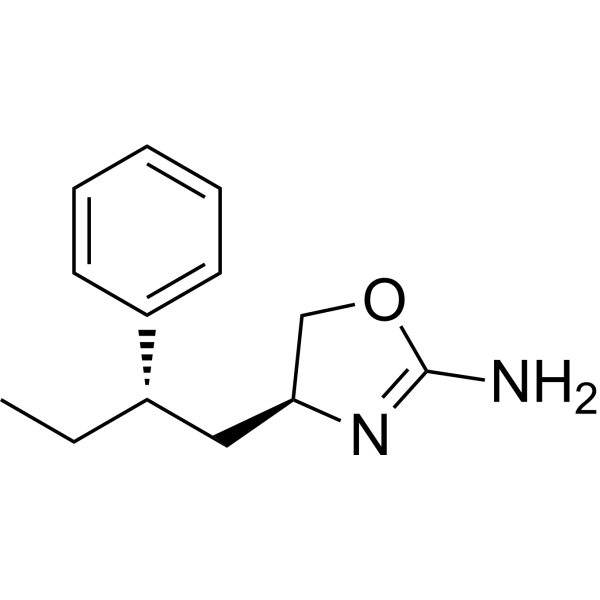
    PTD-N5-1 (N5-1) is an IRF5 inhibitory peptide. PTD-N5-1 blocks β-glucan-induced IL-12 production in IFN-γ primed wild-type and Clec2d-difecient bone-marrow-derived dendritic cells (BMDCs). PTD-N5-1 regulates antifungal immunity through suppression of IRF5-mediated IL-12 production .
    PTD-N5-1
  • HY-W342283

    Parasite Angiotensin-converting Enzyme (ACE) Angiotensin Receptor p38 MAPK STAT NF-κB TNF Receptor 5-HT Receptor Cardiovascular Disease Infection Inflammation/Immunology
    Diminazene is an antiparasitic agent widely used to treat parasitic diseases caused by hemoparasites (such as trypanosomes and babesia). Diminazene acts as an ACE2 activator and exerts cardiovascular protective effects by activating the ACE2/Ang-(1-7)/Mas receptor axis. By regulating gut microbiota-tryptophan metabolism, Diminazene inhibits the activation of core inflammatory signaling pathways including MAPK, STAT and NF-κB, increases central 5-HT levels, and suppresses splenic TNF-α production, thereby alleviating systemic inflammation .
    Diminazene
  • HY-131040

    NOD-like Receptor (NLR) Inflammation/Immunology
    NLRP3-IN-NBC6 is a potent, selective NLRP3 inflammasome inhibitor (IC50= 574 nM) that acts independently of Ca 2+. NLRP3-IN-NBC6 inhibits Nigericin (HY-127019)-induced inflammasome activation in THP-1 cells and Imiquimod (HY-B0180)-induced IL-1β release from LPS-primed bone marrow-derived macrophages (BMDMs) .
    NLRP3-IN-NBC6
  • HY-N4019

    TGF-β Receptor Metabolic Disease
    Maohuoside A, a single compound isolated from the E. koreanum that potently promotes osteogenesis. Maohuoside A enhances the osteogenesis of bone marrow-derived mesenchymal stem cells via bone morphogenetic protein (BMP) and MAPK signaling pathways .
    Maohuoside A
  • HY-169819

    Exosomes Calcium Channel CD28 Inflammation/Immunology
    Calcium influx inducer compound 634 is a calcium influx inducer. Calcium influx inducer compound 634 (10 µM) enhances the release of extracellular vesicles (EVs) from mouse bone marrow-derived dendritic cells (mBMDCs). Calcium influx inducer compound 634 (10 µM) also increases the levels of CD86 and CD80 on the surface of mBMDCs, an effect that can be blocked by the calcium release-activated calcium channel inhibitor YM-58483 (HY-100831) .
    Calcium influx inducer compound 634
  • HY-169703
    SPA0355
    1 Publications Verification

    RANKL/RANK p38 MAPK Akt NF-κB Inflammation/Immunology
    SPA0355 is a thiourea derivative that has antioxidant and anti-inflammatory properties. SPA0355 inhibits the RANKL (receptor activator of nuclear factor κB ligand) induced osteoclast formation in primary bone marrow-derived macrophages. SPA0355 also suppresses the activation of the MAPKs, Akt, and NF-κB pathways. Additionally, SPA0355 promotes osteoblast differentiation, increases alkaline phosphatase activity, and enhances mineral nodule formation. SPA0355 can protect ovariectomized mice from bone loss by stimulating osteoblast differentiation and inhibiting osteoclast resorption, making it useful for studying postmenopausal osteoporosis .
    SPA0355
  • HY-W615446

    Glutathione S-transferase Interleukin Related Inflammation/Immunology Cancer
    GSTO1-IN-3 is a potent GSTO1-1 inhibitor with an IC50 of 0.11 μM, and shows selectivity over GSTO2-2, GSTA1-1 and GSTP1-1 (IC50 > 100 μM). GSTO1-IN-3 enhances the cytotoxicity of Cisplatin (HY-17394) against human breast cancer cells. GSTO1-IN-3 inhibits IL-1β release in mouse bone marrow-derived macrophage (BMDM) cells. GSTO1-IN-3 attenuates inflammation in mice. GSTO1-IN-3 can be used for breast cancer and inflammation research .
    GSTO1-IN-3
  • HY-N6250

    Isomucronulatol 7-O-β-glucoside

    NO Synthase Interleukin Related Inflammation/Immunology
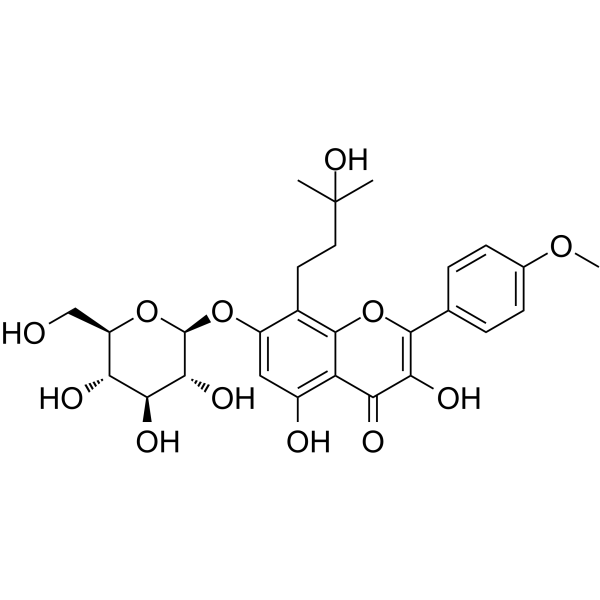
    Isomucronulatol 7-O-glucoside (Isomucronulatol 7-O-β-D-glucoside) is an isoflavonoid glycoside isolated from the roots of Astragalus membranaceus. Isomucronulatol 7-O-glucoside targets inflammation-related pathways in vitro to exert anti-inflammatory activity without cytotoxicity at effective concentrations. Isomucucronulatol 7-O-glucoside inhibits NO production and weakly suppresses IL‑12 p40 production in vitro. Isomucronulatol 7-O-glucoside can be used for the research on inflammation .
    Isomucronulatol 7-O-glucoside
  • HY-N11494

    NF-κB Others
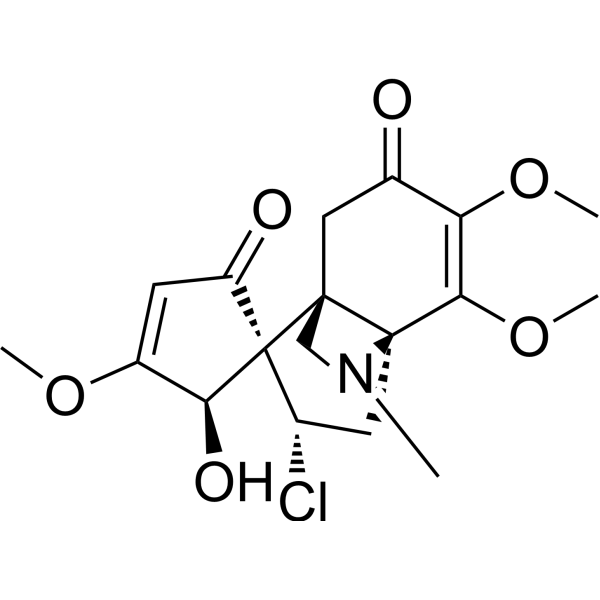
    Dauricumine is a chlorinated alkaloid that inhibits NF-κB ligand-induced differentiation of mouse bone marrow-derived macrophages into multinucleated osteoclasts .
    Dauricumine
  • HY-168137

    NOD-like Receptor (NLR) Inflammation/Immunology
    NOD2 agonist 2 (compound 23) enhanced the antigen presentation of mouse bone marrow-derived dendritic cells (BMDCs), highlighting its potential as a vaccine adjuvant.
    NOD2 agonist 2
  • HY-111077

    JAK STAT Inflammation/Immunology Cancer
    INCB16562 is an orally active and selective inhibitor against JAK1/2 markedly selective over JAK3. INCB16562 potently inhibits interleukin-6 (IL-6)-induced phosphorylation of STAT3. Additionally, INCB16562 inhibits the proliferation and survival of myeloma cells dependent on IL-6 for growth, as well as the IL-6–induced growth of primary bone marrow-derived plasma cells. INCB16562 antagonizes the growth of myeloma xenografts in mice with antitumor activity. INCB16562 is promising for research of multiple myeloma .
    INCB16562
  • HY-160850

    Endogenous Metabolite Endocrinology
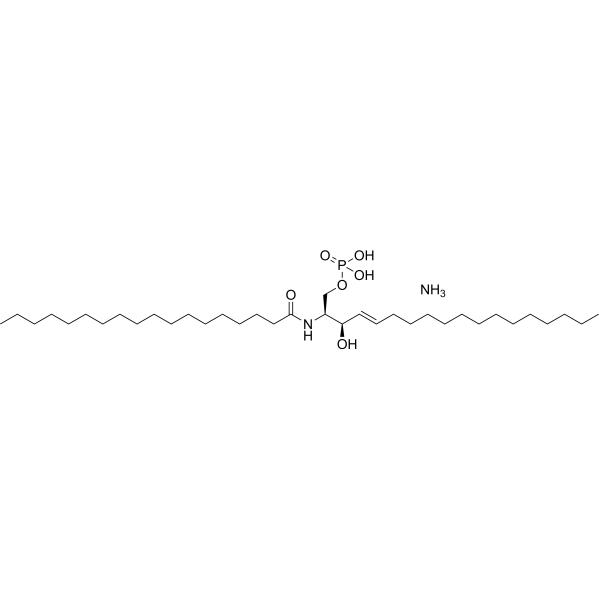
    C18 Ceramide-1-phosphate (d18:1/18:0) (ammonium salt) is a specific type of long-chain molecule found in murine skin . C18 Ceramide-1-phosphate (d18:1/18:0) (ammonium salt) promotes migration of both mouse bone marrow-derived multipotent stromal cells and human umbilical vein endothelial cells at concentrations between 0.5-5 µM. C18 Ceramide-1-phosphate (d18:1/18:0) (ammonium salt)’s levels are higher in CFPAC-1 pancreatic ductal adenocarcinoma cells than in pancreatic cancer stem cells .
    C18 Ceramide-1-phosphate (d18:1/18:0) ammonium salt
  • HY-152021S

    Isotope-Labeled Compounds Others
    C18 Ceramide-1-phosphate (d18:1/18:0)-d3 is the deuterium labeled C18 Ceramide-1-phosphate (d18:1/18:0) (HY-160850). C18 Ceramide-1-phosphate (d18:1/18:0) is a specific type of long-chain molecule found in murine skin. C18 Ceramide-1-phosphate (d18:1/18:0) promotes migration of both mouse bone marrow-derived multipotent stromal cells and human umbilical vein endothelial cells at concentrations between 0.5-5 μM. C18 Ceramide-1-phosphate (d18:1/18:0)’s levels are higher in CFPAC-1 pancreatic ductal adenocarcinoma cells than in pancreatic cancer stem cells .
    C18 Ceramide-1-phosphate (d18:1/18:0)-d3
  • HY-155960

    Cathepsin MMP Inflammation/Immunology
    SH491 (Compound 33) is an antiosteoporosis agent. SH491 inhibits RANKL-induced osteoclast differentiation on bone-marrow-derived monocytes (BMMs) (IC50: 11.8 nM). SH491 inhibits the expression of osteoclastogenesis-related marker genes (TRAP, CTSK, MMP-9, and ATPase v0d2) and proteins (TRAP, CTSK, MMP-9) .
    SH491
  • HY-171239

    Toll-like Receptor (TLR) NF-κB MHC Others
    Ste2Cys is a diacylglycerol cysteine-type immunologic adjuvant lipid molecule. Ste2Cys can bind to TLR2 and activate NF-κB signaling pathway. Ste2Cy can upregulate the expression of MHC II class molecules on the surface of mouse bone marrow-derived D1 dendritic cells. Ste2Cys can be used for research of the development of immunologic vaccines .
    Ste2Cys
  • HY-182757

    RANKL/RANK Nuclear Factor of activated T Cells (NFAT) Cathepsin Metabolic Disease Inflammation/Immunology
    Y1693 is an orally active RANKL inhibitor with a Kd of 5.03 μM for hRANKL. Y1693 inhibits the activation of the downstream c-fos/NFATc1 signaling pathway by blocking its interaction with RANK. Y1693 significantly inhibits RANKL-induced osteoclast differentiation, F-actin ring formation and bone resorptive activity, while downregulating the mRNA and protein expressions of TRAP, cathepsin K, c-fos and NFATc1. Y1693 shows no obvious cytotoxicity to bone marrow-derived macrophages and osteoclast precursor cells, and exhibits favorable ADME properties. Y1693 improves ovariectomy-induced osteoporosis in mice and reverses ligation-induced periodontal alveolar bone loss. Y1693 is applicable to research related to osteoporosis and periodontal diseases .
    Y1693
  • HY-W018643R

    Methyl ferulate (Standard)

    p38 MAPK Reference Standards Autophagy Neurological Disease Inflammation/Immunology Cancer
    Ferulic acid methyl ester (Standard) is the analytical standard of Ferulic acid methyl ester (HY-W018643). This product is intended for research and analytical applications. Ferulic acid methyl ester (Methyl ferulate) is a derivative of ferulic acid, isolated from Stemona tuberosa, with anti-inflammatory and antioxidant properties . Ferulic acid methyl ester is a cell membrane and brain permeable compound, shows free radical scavenging ability, used in the research of neurodegenerative disorders . Ferulic acid methyl ester inhibits COX-2 expression, blocks p-p38 and p-JNK in primary bone marrow derived-macrophages .
    Ferulic acid methyl ester (Standard)
  • HY-N18265

    Others Metabolic Disease
    (4E,6E,12E)-3-Hydroxy-4,6,12-tetradecatriene-8,10-diyn-1-yl acetate is a polyacetylene found in rhizomes of Atractylodes chinensis. (4E,6E,12E)-3-Hydroxy-4,6,12-tetradecatriene-8,10-diyn-1-yl acetate inhibits RANKL-induced osteoclast differentiation. (4E,6E,12E)-3-Hydroxy-4,6,12-tetradecatriene-8,10-diyn-1-yl acetate can be used for the research of osteoporosis .
    (4E,6E,12E)-3-Hydroxy-4,6,12-tetradecatriene-8,10-diyn-1-yl acetate
  • HY-P11648

    Osteopontin Inflammation/Immunology Cancer
    SVVYGLR is an osteopontin-derived peptide. SVVYGLR can promote the differentiation of fibroblasts into myofibroblast-like cells and promote the production of type III collagen by cardiac fibroblasts. SVVYGLR can activate the adhesion, migration and tubule formation of endothelial cells in vitro. SVVYGLR promotes angiogenesis and wound healing and promotes the migration of dermal fibroblasts and keratinocytes. SVVYGLR can be used for research related to angiogenesis, dermal wounds and bone regeneration .
    SVVYGLR
  • HY-114159

    GGTase Metabolic Disease
    GGTI-2166 is a geranylgeranyltransferase I (GGTase I) inhibitor. GGTI-2166 blocks geranylgeranylation modification of target proteins. GGTI-2166 inhibits RANKL- or TNF-α-induced pre-osteoclast formation and TRAP activity. GGTI-2166 is applicable to research on osteoclast differentiation .
    GGTI-2166
  • HY-181967

    PROTACs PARP DNA/RNA Synthesis PD-1/PD-L1 Cancer
    PROTAC PARP1 degrader-5 is a PARP1 PROTAC degrader with a DC50 of 0.12 μM. PROTAC PARP1 degrader-5 hijacks the ubiquitin-proteasome system via catalytic ternary complex formation to drive sustained PARP1 degradation. PROTAC PARP1 degrader-5 induces DNA damage, drives marginal cytosolic double-stranded DNA accumulation in tumor cells, and up-regulates PD-L1 surface expression in tumor cells. PROTAC PARP1 degrader-5 shows tumor growth inhibition activity in murine melanoma models when encapsulated in lipid nanoparticles. PROTAC PARP1 degrader-5 can be used for the research of cancer, such as melanoma .
    PROTAC PARP1 degrader-5
  • HY-182380

    STAT NOD-like Receptor (NLR) Apoptosis Others Neurological Disease Inflammation/Immunology Cancer
    ODZ10117 is a STAT3 and NLRP3 inhibitor with a human STAT3 SH2 domain IC50 of 7.5 μM. ODZ10117 binds to the STAT3 SH2 domain, suppressing tyrosine phosphorylation, dimerization, nuclear translocation, and transcriptional activity. ODZ10117 binds to NLRP3, impairs NEK7 interaction, prevents inflammasome formation, and inhibits caspase-1 and IL-1β cleavage.ODZ10117 reduces MSU (HY-B2130A)-induced IL-1β release, lowers LPS (HY-D1056)-induced sepsis mortality, and exhibits anti-inflammatory effects. ODZ10117 induces apoptosis, suppresses breast cancer cell migration and invasion, reduces tumor growth and lung metastasis, and extends survival in breast cancer models. ODZ10117 can be used for the research of Monosodium urate (HY-B2130A)-induced peritonitis, LPS-induced sepsis, breast cancer, glioblastoma, and Alzheimer's disease .
    ODZ10117
  • HY-181916

    Toll-like Receptor (TLR) PD-1/PD-L1 Inflammation/Immunology Cancer
    BXY-14 is a TLR2 agonist and vaccine adjuvant. BXY-14 significantly downregulates the expression of intratumoral PD-L1 in mouse models. BXY-14 acts as a vaccine adjuvant to induce antibody responses. BXY-14 exhibits synergistic efficacy when combined with the anti-PD-L1 monoclonal antibody Atezolizumab (HY-P9904) in mouse models of melanoma, and prolongs overall survival. BXY-14 is applicable to research related to melanoma .
    BXY-14
  • HY-183626

    PAI-1 Ser/Thr Protease Furin MMP Notch Apoptosis Inflammation/Immunology Cancer
    TM5614 sodium is an orally active and specific PAI-1 inhibitor with an IC50 of <6.95 μM. TM5614 sodium blocks the interaction between PAI-1 and serine proteases or LRP-1, and enhances plasmin generation. TM5614 sodium restores macrophage efferocytosis and promotes macrophage polarization. TM5614 sodium alleviates PAI-1-mediated inhibition of Furin, promotes MT1-MMP maturation, activates the NOTCH1 signaling pathway, inhibits proliferation and induces apoptosis. TM5614 sodium promotes skeletal muscle regeneration and alleviates inflammation in a mouse model of skeletal muscle injury. TM5614 sodium can be used in research on skeletal muscle injury-induced inflammation and chronic myeloid leukemia .
    TM5614 sodium

Inquiry Online

Your information is safe with us. * Required Fields.

Salutation


Country or Region *

Applicant Name *


Organization Name *

Department *


Email Address *


Product Name *

Cat. No.


Requested quantity *

Phone Number *


Remarks

Inquiry Online

Inquiry Information

Product Name:
Cat. No.:
Quantity:
MCE Japan Authorized Agent:

