
1. Search Result
Search Result
Results for "

microtubule depolymerization

" in MedChemExpress (MCE) Product Catalog:

41

Inhibitors & Agonists

14

Natural
Products

2

Isotope-Labeled Compounds

Cat. No. Product Name Target Research Areas Chemical Structure
  • HY-B0011
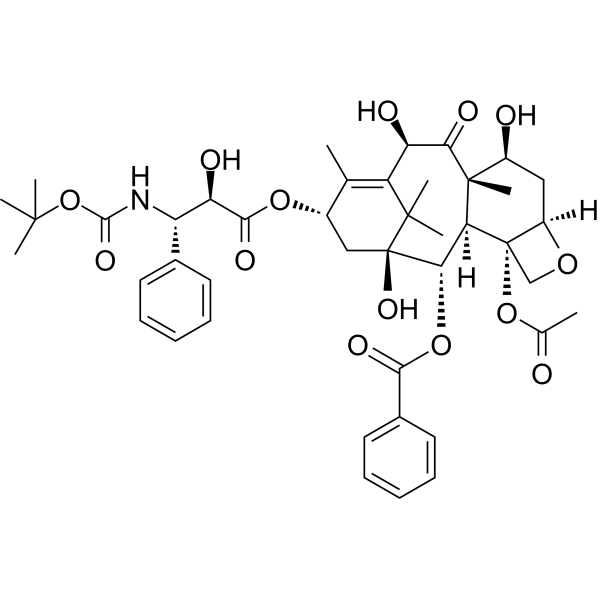
    Docetaxel
    Maximum Cited Publications
    158 Publications Verification

    RP-56976

    Microtubule/Tubulin Apoptosis Endogenous Metabolite Cancer
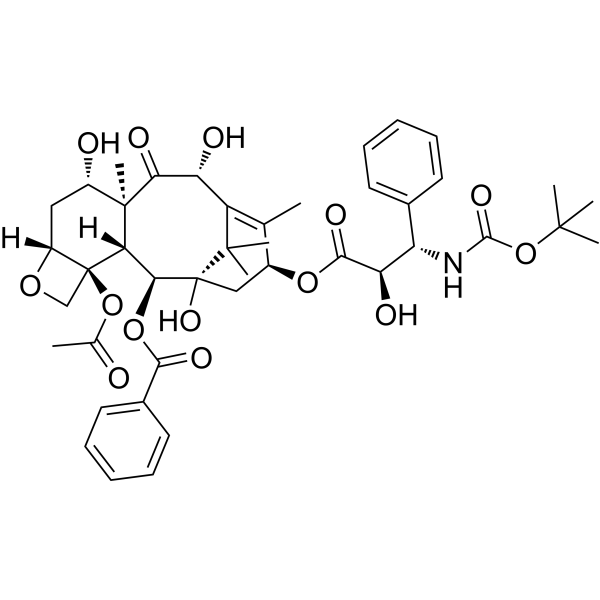
    Docetaxel (RP-56976) is a microtubule depolymerization inhibitor, with an IC50 of 0.2 μM. Docetaxel attenuates the effects of bcl-2 and bcl-xL gene expression. Docetaxel arrests the cell cycle at G2/M and leads to cell apoptosis. Docetaxel has anti-cancer activity .
    Docetaxel
  • HY-B0011A
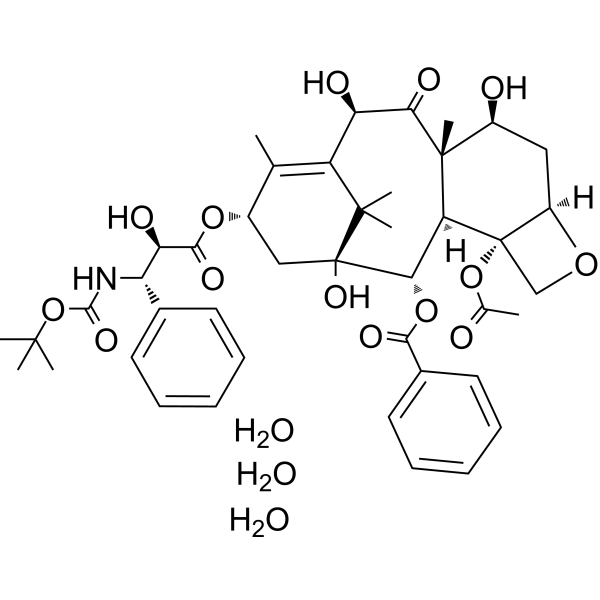
    Docetaxel Trihydrate
    Maximum Cited Publications
    158 Publications Verification

    RP-56976 Trihydrate

    Microtubule/Tubulin Apoptosis Cancer
    Docetaxel Trihydrate (RP-56976 Trihydrate) is an antineoplastic agent and inhibits microtubule depolymerization with an IC50 value of 0.2 μM . Docetaxel Trihydrate is a semisynthetic analog of taxol and attenuates the effects of bcl-2 and bcl-xL gene expression. Docetaxel Trihydrate arrests the cell cycle at G2/M and leads to cell apoptosis .
    Docetaxel Trihydrate
  • HY-N0227
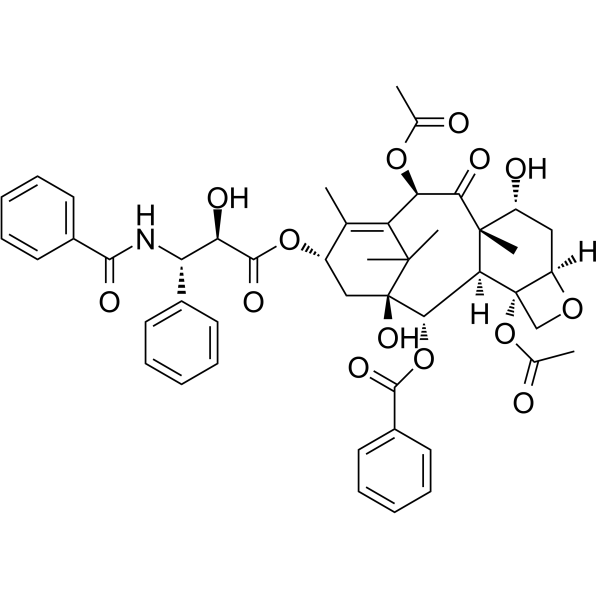
    7-epi-Taxol
    4 Publications Verification

    7-epi-Paclitaxel

    Microtubule/Tubulin Cancer
    7-epi-Taxol is an active metabolite of taxol, with activity comparable to that of taxol against cell replication, promoting microtubule bundle formation and against microtubule depolymerization.
    7-epi-Taxol
  • HY-N7526
    Naphthazarin
    1 Publications Verification

    DHNQ; 5,8-Dihydroxy-1,4-naphthoquinone

    Apoptosis Autophagy PI3K Akt Neurological Disease Inflammation/Immunology Cancer
    Naphthazarin (DHNQ) is a microtubule depolymerizing agent. Naphthazarin can improve motor function and reduce neuroinflammation in mouse models of Parkinson's disease. Naphthazarin can induce tumor cell apoptosis, autophagy, and cell cycle arrest. Naphthazarin can also induce erythrocyte apoptosis. Naphthazarin can be used in the research of tumors and neurodegenerative diseases .
    Naphthazarin
  • HY-N1408

    trans-trismethoxy Resveratrol; (E)-Resveratrol trimethyl ether; trans-3,5,4'-Trimethoxystilbene

    VEGFR Reactive Oxygen Species (ROS) Caspase Apoptosis Inflammation/Immunology Cancer
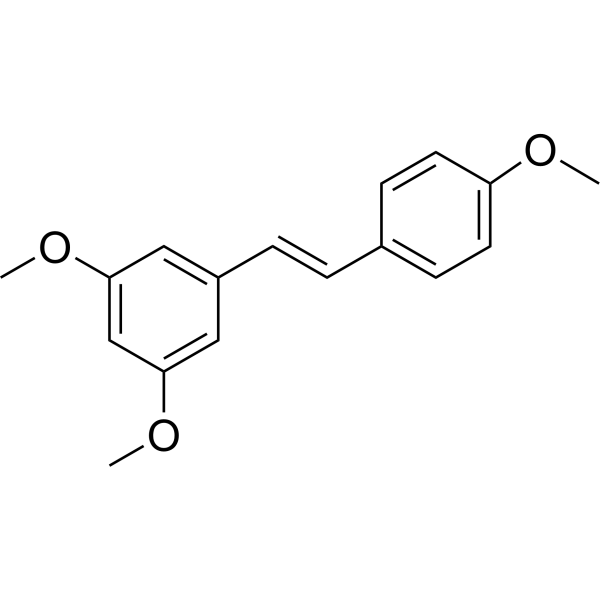
    Trans-Trimethoxyresveratrol (trans-trismethoxy Resveratrol; (E)-Resveratrol trimethyl ether; trans-3,5,4'-Trimethoxystilbene) is an orally active natural derivative of Resveratrol (HY-16561). Trans-Trimethoxyresveratrol has an enhanced anticancer profile compared to Resveratrol, exhibiting higher potency than resveratrol, with improved cancer cell proliferation inhibition, induction of cell cycle arrest, decreased metastasis, and increased apoptosis. Trans-Trimethoxyresveratrol causes microtubule disassembling and tubulin depolymerization and exerts anti-angiogenic effects through VEGFR2. Trans-Trimethoxyresveratrol can be used for the studies of anti-angiogenic and anti-cancer (such as non-small cell lung cancer and osteosarcoma) .
    trans-Trimethoxyresveratrol
  • HY-122236

    Mitosis Kinesin Microtubule/Tubulin Aurora Kinase Cancer
    UMK57 is a MCAK activator and kinetochore-microtubule destabilizer. UMK57 enhances MCAK-dependent microtubule depolymerization, increases kinetochore-microtubule turnover, reduces chromosome mis-segregation and lagging chromosomes, and inhibits cancer cell proliferation. UMK57 triggers adaptive resistance in Aurora B cancer cells via reversible Aurora B signaling pathway alterations. UMK57 can be used for the research of solid tumors .
    UMK57
  • HY-121993
    Combretastatin A-1
    1 Publications Verification

    Wnt Microtubule/Tubulin Cancer
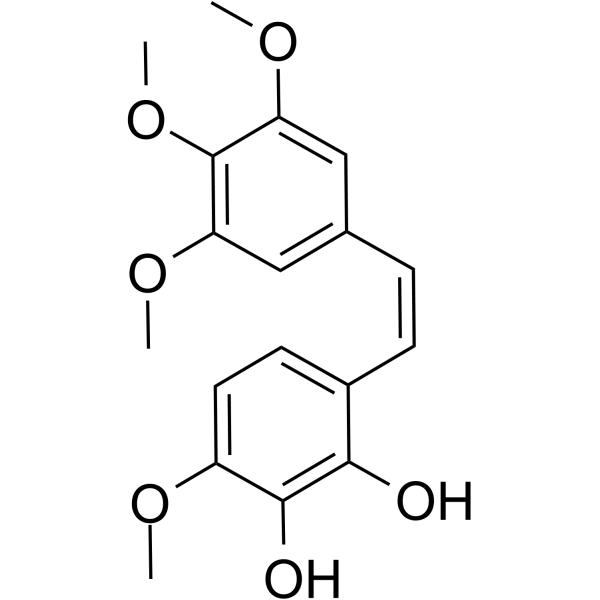
    Combretastatin A-1 is a microtubule polymerization inhibitor that binds to the colchicine-binding site of tubulin. Combretastatin A-1 inhibits the Wnt/β-catenin pathway through tubulin depolymerization mediated AKT deactivation. Combretastatin A-1 exhibits anti-tumor and anti-vascular effects .
    Combretastatin A-1
  • HY-B0011S

    RP-56976-d9

    Microtubule/Tubulin Apoptosis Endogenous Metabolite Cancer
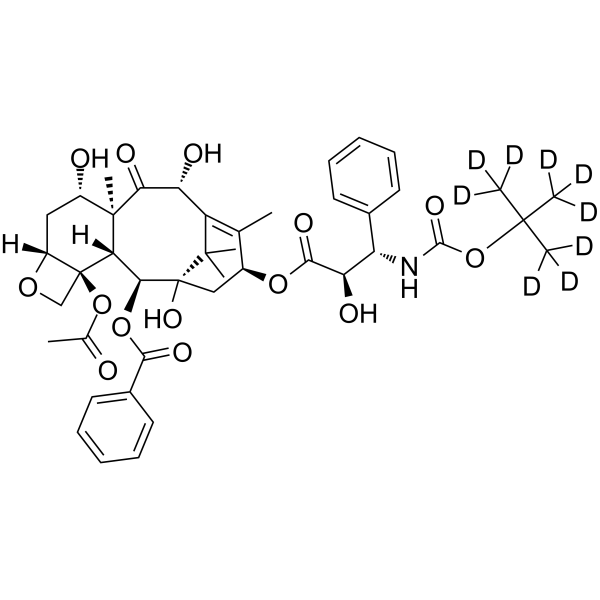
    Docetaxel-d9 is the deuterium labeled Docetaxel. Docetaxel (RP-56976) is a microtubule?depolymerization inhibitor, with an IC50 of 0.2 μM. Docetaxel attenuates the effects of?bcl-2 and bcl-xL gene expression. Docetaxel arrests the cell cycle at G2/M and leads to cell apoptosis. Docetaxel has anti-cancer activity .
    Docetaxel-d9
  • HY-N2438
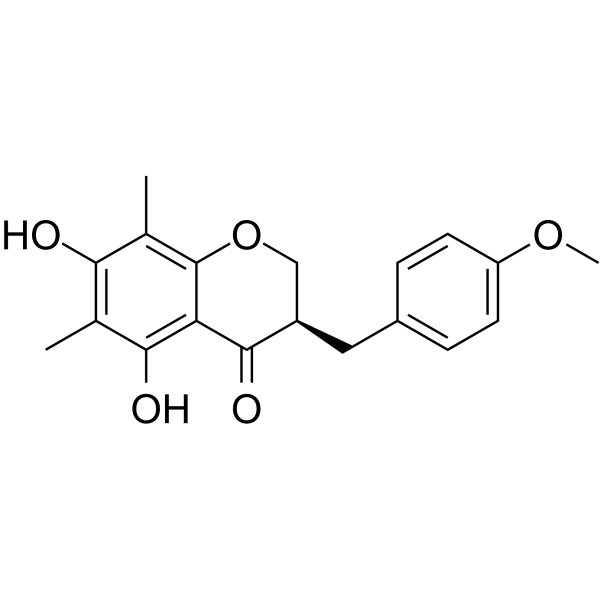
    Methylophiopogonanone B
    2 Publications Verification

    Ras Microtubule/Tubulin Cancer
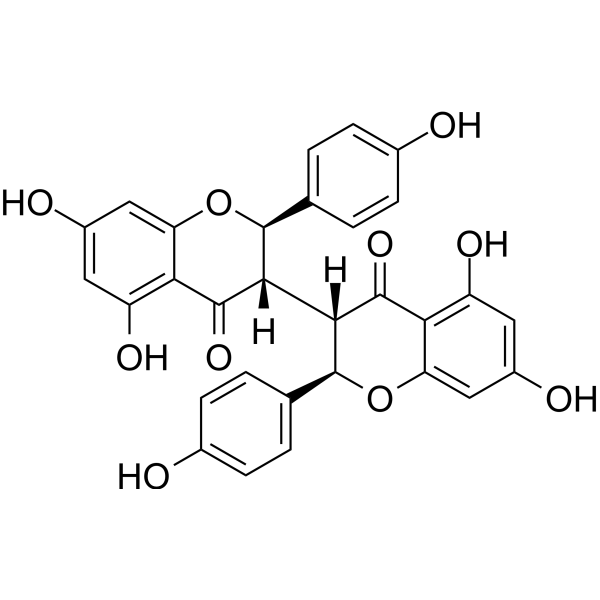
    Methylophiopogonanone B is a homoisoflavonoid compound. Methylophiopogonanone B can be isolated from O. japonicus root. Methylophiopogonanone B promotes Rho activation and Tubulin depolymerization. Methylophiopogonanone B significantly increases GTP-Rho, but not GTP-Rac or GTP-CDC42. Methylophiopogonanone B induces cell morphological change via melanocyte dendrite retraction and stress fiber formation. Methylophiopogonanone B exhibits strong antioxidant activity. Methylophiopogonanone B can be used in the research of cervical cancer .
    Methylophiopogonanone B
  • HY-148818
    S-Me-DM4
    1 Publications Verification

    ADC Payload Others
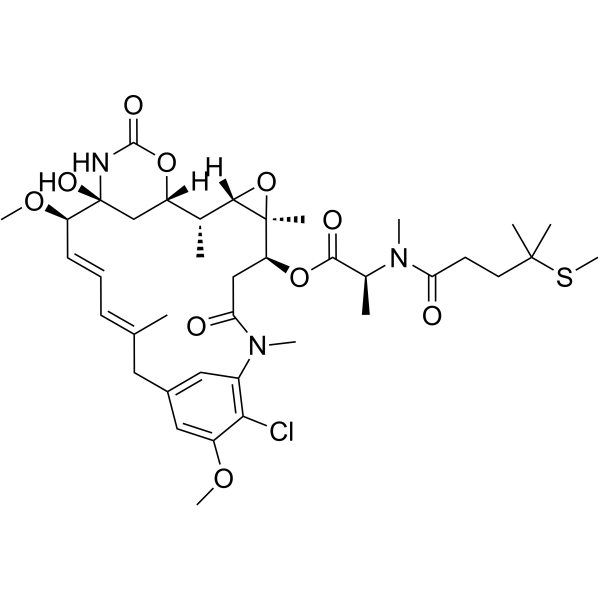
    S-Me-DM4 is a metabolite of DM4 S-methylated by intracellular enzyme. DM4 (HY-100503) is a microtubule-depolymerizing maytansinoid with strong cytotoxicity. DM4 can be used as an ADC Cytotoxin molecule .
    S-Me-DM4
  • HY-N1391

    10-Deacetylpaclitaxel

    Microtubule/Tubulin Cancer
    10-Deacetyltaxol (10-Deacetylpaclitaxel) is a taxane derivative isolated from Taxus wallichiana Zucc . 10-Deacetyltaxol (10-Deacetylpaclitaxel) promotes the polymerization of tubulin and to inhibit the depolymerization of microtubules induced by cold or by calcium ions in vitro . 10-Deacetyltaxol (10-Deacetylpaclitaxel) exhibits cytotoxicity in human glial and neuroblastoma cell-lines .
    10-Deacetyltaxol
  • HY-B0011R

    RP-56976 (Standard)

    Reference Standards Microtubule/Tubulin Apoptosis Endogenous Metabolite Cancer
    Docetaxel (Standard) is the analytical standard of Docetaxel. This product is intended for research and analytical applications. Docetaxel (RP-56976) is a microtubule depolymerization inhibitor, with an IC50 of 0.2 μM. Docetaxel attenuates the effects of bcl-2 and bcl-xL gene expression. Docetaxel arrests the cell cycle at G2/M and leads to cell apoptosis. Docetaxel has anti-cancer activity .
    Docetaxel (Standard)
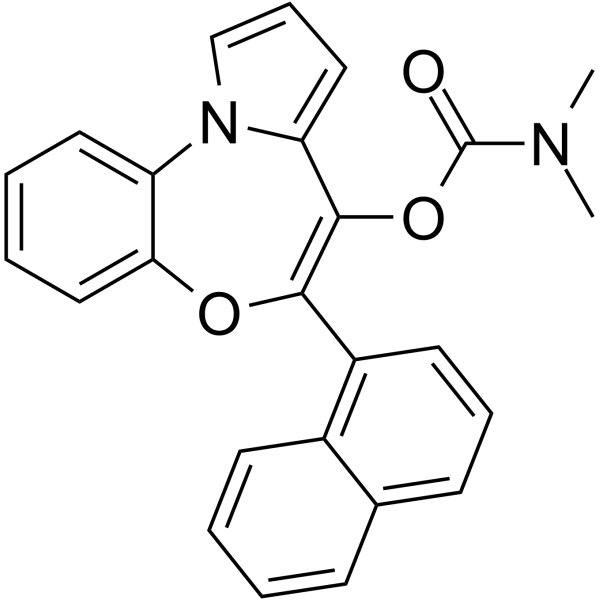
  • HY-U00446

    Apoptosis Microtubule/Tubulin Cancer
    PBOX 6 is a pyrrolo-1,5-benzoxazepine (PBOX) compound, acts as a microtubule-depolymerizing agent and an apoptotic agent.
    PBOX 6
  • HY-148128

    Microtubule/Tubulin ADC Payload Cancer
    TAM470 is a novel cytolysin, inhibiting tubulin polymerization and microtubule depolymerization. TAM470 can be used in the synthesis of OMTX705 as payload molecule, OMTX705 is a novel FAP-targeting antibody-drug conjugates (ADCs) with antitumor activity .
    TAM470
  • HY-W008581

    3-O-Methyl estradiol; 17β-Estradiol 3-methyl ether; 3-Methoxyestradiol

    Biochemical Assay Reagents TRP Channel Microtubule/Tubulin Autophagy Metabolic Disease Cancer
    Estradiol 3-methyl ether (EDME) is a highly selective TRPML1 ion channel antagonist and microtubule (microtubule) depolymerizing agent, with IC50 values of 0.22 μM and 3.8 μM against TRPML1 and TRPML2, respectively; it shows no activity against TRPML3. Estradiol 3-methyl ether induces the disruption of cytoplasmic microtubule networks in mammalian cells, with an EC50 of 9 μM. Independent of estrogen receptors, Estradiol 3-methyl ether blocks autophagy (autophagy), TFEB nuclear translocation, and inhibits the migration and invasion of triple-negative breast cancer cells by suppressing TRPML1. Estradiol 3-methyl ether is applicable for relevant research on triple-negative breast cancer .
    Estradiol 3-methyl ether
  • HY-N7526R

    DHNQ (Standard); 5,8-Dihydroxy-1,4-naphthoquinone (Standard)

    Reference Standards Apoptosis Neurological Disease Cancer
    Naphthazarin (DHNQ) is a naturally occurring compound. Naphthazarin is effective by various cellular mechanisms including oxidative stress, activation of mitochondrial apoptosis-inducing factor (AIF), depolymerization of microtubules, interference with lysosomal function and p53-dependent p21 activation. Naphthazarin triggers apoptosis and has anti-tumor effects .
    Naphthazarin (Standard)
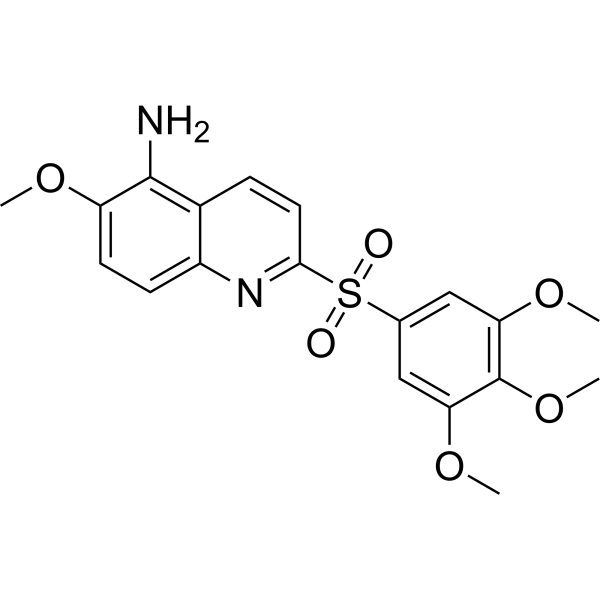
  • HY-101287

    Microtubule/Tubulin JNK Apoptosis Caspase Cancer
    MPT0B392, an orally active quinoline derivative, induces c-Jun N-terminal kinase (JNK) activation, leading to apoptosis. MPT0B392 inhibits tubulin polymerization and triggers induction of the mitotic arrest, followed by mitochondrial membrane potential loss and caspases cleavage by activation of JNK and ultimately leads to apoptosis. MPT0B392 is demonstrated to be a novel microtubule-depolymerizing agent and enhances the cytotoxicity of sirolimus in sirolimus-resistant acute leukemic cells and the multidrug resistant cell line .
    MPT0B392
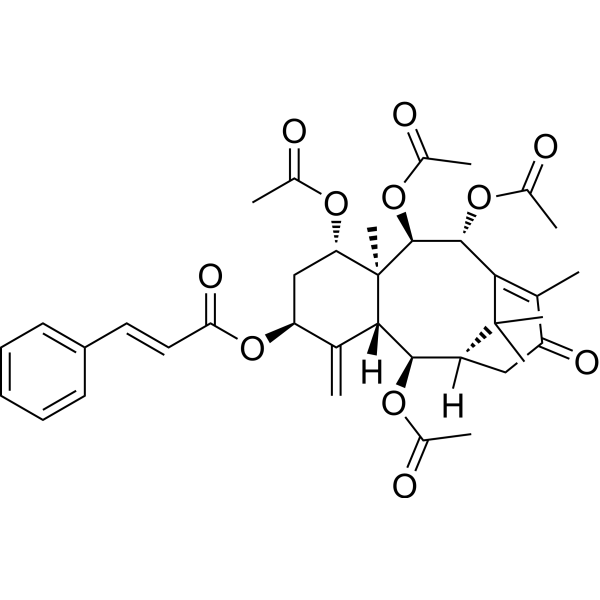
  • HY-N1171

    Taxinin B

    Microtubule/Tubulin Cancer
    Taxinine B is a taxoid that can be isolated from Japanese Yew Taxus Cuspid. Taxinine B inhibits CaCl2-induced depolymerization of microtubule. Taxinine B is useful for overcoming multidrug resistance in tumor cells .
    Taxinine B
  • HY-138056

    Microtubule/Tubulin Others
    7-Acetyl paclitaxel is a microtubule depolymerization inhibitor which inhibits calcium-induced microtubule depolymerization. 7-Acetyl paclitaxel reduces the growth of J774.2 macrophages (IC50 ~ 60 nM) and increases the levels of nitric oxide (NO) and TNF in isolated mouse peritoneal macrophages .
    7-Acetyl paclitaxel
  • HY-157800

    TRX-E-009-1

    Microtubule/Tubulin Apoptosis PARP Caspase Cancer
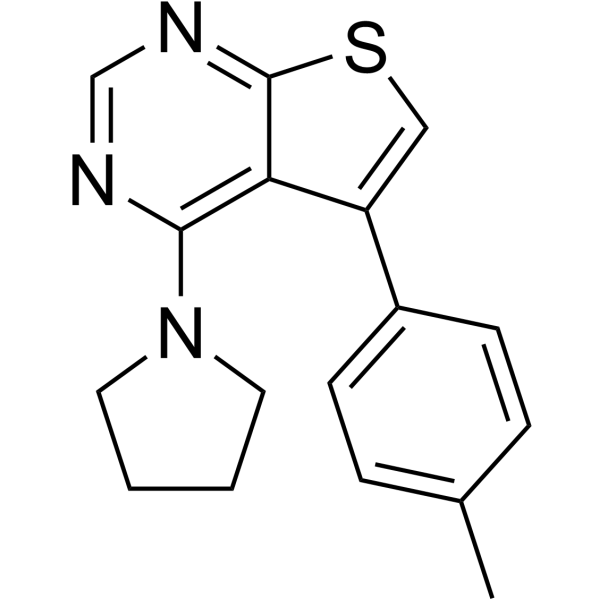
    Trilexium (TRX-E-009-1) is a third-generation of benzopyran structurally related to TRX-E-002-1 (HY-114250). Trilexium increases p21 protein expression and induces apoptosis. Trilexium depolymerizes microtubules. Trilexium shows broad anti-cancer activity .
    Trilexium
  • HY-B0011AS

    RP-56976-d5 trihydrate

    Isotope-Labeled Compounds Microtubule/Tubulin Apoptosis Cancer
    Docetaxel-d5 (trihydrate) is the deuterium labeled Docetaxel (Trihydrate). Docetaxel Trihydrate (RP-56976 Trihydrate) is an antineoplastic agent and inhibits microtubule?depolymerization with an IC50 value of 0.2 μM . Docetaxel Trihydrate is a semisynthetic analog of taxol and attenuates the effects of?bcl-2?and?bcl-xL?gene expression. Docetaxel Trihydrate arrests the cell cycle at G2/M and leads to cell apoptosis .
    Docetaxel-d5 trihydrate
  • HY-145616

    Microtubule/Tubulin Cancer
    Sudocetaxel is a microtubule depolymerization inhibitor for pH-sensitive docetaxel delivery.
    Sudocetaxel
  • HY-124624

    Microtubule/Tubulin Apoptosis Cancer
    PBOX-15 is a microtubule targeting agent. PBOX-15 induces apoptosis by promoting tubulin depolymerization in tumor cells .
    PBOX-15
  • HY-117473

    Microtubule/Tubulin Apoptosis Cancer
    DAT-230 is a microtubule inhibitor. DAT-230 induces cell apoptosis and results in microtubule de-polymerization and G2/M phase arrest. DAT-230 inhibits cell growth in vitro and in vivo .
    DAT-230
  • HY-135746R

    Reference Standards Potassium Channel Phosphodiesterase (PDE) Drug Metabolite Apoptosis Cardiovascular Disease
    7-epi-Taxol (Standard) is the analytical standard of 7-epi-Taxol. This product is intended for research and analytical applications. 7-epi-Taxol is an active metabolite of taxol, with activity comparable to that of taxol against cell replication, promoting microtubule bundle formation and against microtubule depolymerization.
    OR-1896 (Standard)
  • HY-N0227R

    7-epi-Paclitaxel (Standard)

    Reference Standards Microtubule/Tubulin Cancer
    7-epi-Taxol (Standard) is the analytical standard of 7-epi-Taxol. This product is intended for research and analytical applications. 7-epi-Taxol is an active metabolite of taxol, with activity comparable to that of taxol against cell replication, promoting microtubule bundle formation and against microtubule depolymerization.
    7-epi-Taxol (Standard)
  • HY-W854934

    Microtubule/Tubulin Cancer
    IKP-104 is a microtubule/tubulin inhibitor (IC50 = 1.31 μM). IKP-104 arrests cells in mitosis and the M phase by inhibiting microtubule polymerization and inducing cytoskeletal microtubule depolymerization. IKP-104 inhibits the growth of mouse and human tumor cell lines. IKP-104 exhibits anti-tumor effects in mouse ascites tumors and lung cancer models. IKP-104 is useful in the research of cancers such as leukemia, lung cancer and melanoma .
    IKP-104
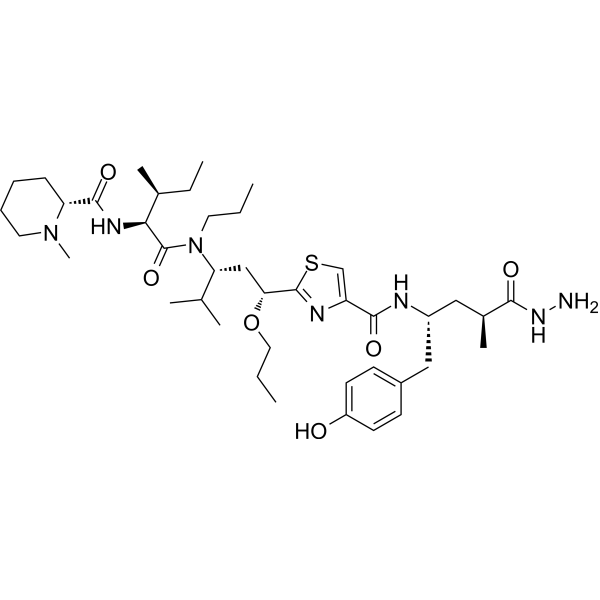
  • HY-400684

    Bacterial Cancer
    Tubulysin A intermediate-1 is an intermediate in the synthesis of the cytotoxic peptide Tubulysin A (HY-15995). Tubulysin A (TubA) is an antibiotic, anti-microtubule toxins, and apoptosis inducer isolated from myxobacteria. Tubulysin A has anti-angiogenic, anti-microtubule, anti-mitotic, and anti-proliferative activities. Tubulysin A arrests cells in the G2/M phase, effectively inhibits tubulin polymerization, and induces depolymerization of detached microtubules. Tubulysin A acts as an ADC cytotoxin (ADC Cytotoxin) to synthesize ADC .
    Tubulysin A intermediate-1
  • HY-16146

    OXi-4503 tetrasodium

    Wnt Microtubule/Tubulin Cancer
    Combretastatin A-1 phosphate (OXi-4503) tetrasodium, a proagent of Combretastatin A-1, is a microtubule polymerization inhibitor that binds to the colchicine-binding site of tubulin. Combretastatin A-1 phosphate tetrasodium inhibits the Wnt/β-catenin pathway through tubulin depolymerization mediated AKT deactivation. Combretastatin A-1 phosphate tetrasodium exhibits anti-tumor and anti-vascular effects .
    Combretastatin A-1 phosphate tetrasodium
  • HY-121993R

    Wnt Microtubule/Tubulin Reference Standards Cancer
    Combretastatin A-1 (Standard) is the analytical standard of Combretastatin A-1. This product is intended for research and analytical applications. Combretastatin A-1 is a microtubule polymerization inhibitor that binds to the colchicine-binding site of tubulin. Combretastatin A-1 inhibits the Wnt/β-catenin pathway through tubulin depolymerization mediated AKT deactivation. Combretastatin A-1 exhibits anti-tumor and anti-vascular effects .
    Combretastatin A-1 (Standard)
  • HY-N1391R

    10-Deacetylpaclitaxel (Standard)

    Reference Standards Microtubule/Tubulin Cancer
    10-Deacetyltaxol (Standard) is the analytical standard of 10-Deacetyltaxol. This product is intended for research and analytical applications. 10-Deacetyltaxol (10-Deacetylpaclitaxel) is a taxane derivative isolated from Taxus wallichiana Zucc . 10-Deacetyltaxol (10-Deacetylpaclitaxel) promotes the polymerization of tubulin and to inhibit the depolymerization of microtubules induced by cold or by calcium ions in vitro . 10-Deacetyltaxol (10-Deacetylpaclitaxel) exhibits cytotoxicity in human glial and neuroblastoma cell-lines .
    10-Deacetyltaxol (Standard)
  • HY-B0011AR

    RP-56976 Trihydrate (Standard)

    Reference Standards Microtubule/Tubulin Apoptosis Cancer
    Docetaxel (Trihydrate) (Standard) is the analytical standard of Docetaxel (Trihydrate). This product is intended for research and analytical applications. Docetaxel Trihydrate (RP-56976 Trihydrate) is an antineoplastic agent and inhibits microtubule?depolymerization with an IC50 value of 0.2 μM . Docetaxel Trihydrate is a semisynthetic analog of taxol and attenuates the effects of?bcl-2?and?bcl-xL?gene expression. Docetaxel Trihydrate arrests the cell cycle at G2/M and leads to cell apoptosis .
    Docetaxel Trihydrate (Standard)
  • HY-N0060AR

    Coniferic acid sodium (Standard)

    Reference Standards FGFR Endogenous Metabolite Reactive Oxygen Species (ROS) Cardiovascular Disease Cancer
    10-Deacetyltaxol (Standard) is the analytical standard of 10-Deacetyltaxol. This product is intended for research and analytical applications. 10-Deacetyltaxol (10-Deacetylpaclitaxel) is a taxane derivative isolated from Taxus wallichiana Zucc . 10-Deacetyltaxol (10-Deacetylpaclitaxel) promotes the polymerization of tubulin and to inhibit the depolymerization of microtubules induced by cold or by calcium ions in vitro . 10-Deacetyltaxol (10-Deacetylpaclitaxel) exhibits cytotoxicity in human glial and neuroblastoma cell-lines .
    Ferulic acid sodium (Standard)
  • HY-181428

    Drug-Linker Conjugates for ADC Cancer
    Fmoc-Gly-Gly-Phe-Gly-Docetaxel (compound 16h-3) is a drug-linker conjugate for ADC, which comprises a microtubule depolymerization inhibitor and a linker. Puxitatug samrotecan drug-linker can be used to synthesize antibody-drug conjugate (ADC) .
    Fmoc-Gly-Gly-Phe-Gly-Docetaxel
  • HY-N18121

    Drug Derivative Others
    Taxinine A is a taxoid with a 6/8/6-membered ring system found in Taxus cuspidata. Taxinine A shows little or no effect against Ca 2+-induced microtubule depolymerization .
    Taxinine A
  • HY-177898

    Kinesin Cancer
    DHTP is a kinesin-13 family of microtubule depolymerases selective allosteric inhibitor that inhibits kinesin-13 ATPase activity and microtubule depolymerization activity. DHTP inhibits Kif2a and MCAK with IC50 values of 1.2 μM and 4.6 μM, respectively, and does not inhibit other kinesin families. DHTP modulates microtubule dynamics in cells, leading to less dynamic microtubules. DHTP links kinesin-13 overexpression to cancer and Paclitaxel (HY-B0015) resistance. DHTP can be used for the research of cancer .
    DHTP
  • HY-182478

    Microtubule/Tubulin Cancer
    MDL-27048, a tubulin inhibitor, binds competitively, reversibly to the Colchicine (HY-16569)-binding site on tubulin heterodimers. MDL-27048 inhibits microtubule assembly, induces slow depolymerization of preassembled microtubules, disrupts microtubule polymerization-depolymerization dynamics, and disrupts cytoplasmic microtubule networks. MDL-27048 exerts growth inhibitory effects on human cancer cells, induces mitotic arrest, and does not disrupt actin filaments at microtubule-depolymerizing concentrations. MDL-27048 can be used for the research of malignant tumors .
    MDL-27048
  • HY-N16438

    Microtubule/Tubulin Cancer
    Phomopsin B (Compound 3), a hexapeptide, is a Microtubule depolymerizer. Phomopsin B can be isolated from the fungus Phomopsis Leptostromiformis. Phomopsin B has an antimitotic activity. Phomopsin B can be used for cancers research .
    Phomopsin B
  • HY-101287R

    Microtubule/Tubulin Reference Standards JNK Apoptosis Caspase Cancer
    MPT0B392 (Standard) is the analytical standard of MPT0B392 (HY-101287). This product is intended for research and analytical applications. MPT0B392, an orally active quinoline derivative, induces c-Jun N-terminal kinase (JNK) activation, leading to apoptosis. MPT0B392 inhibits tubulin polymerization and triggers induction of the mitotic arrest, followed by mitochondrial membrane potential loss and caspases cleavage by activation of JNK and ultimately leads to apoptosis. MPT0B392 is demonstrated to be a novel microtubule-depolymerizing agent and enhances the cytotoxicity of sirolimus in sirolimus-resistant acute leukemic cells and the multidrug resistant cell line .
    MPT0B392 (Standard)
  • HY-183147A

    Amino acid Transporter Cancer
    LAT1-IN-2 hydrochloride is an orally active anticancer agent, as well as a LAT1 substrate and tubulin-binding agent. LAT1-IN-2 hydrochloride relies on LAT1 for cellular uptake, disrupts microtubule formation by binding to the colchicine site of tubulin, and induces actin depolymerization to transform cells into a spherical shape. LAT1-IN-2 hydrochloride effectively inhibits tumor growth in xenograft mice. Compared with Etoposide (HY-13629), LAT1-IN-2 hydrochloride shows higher distribution in tumor tissues, lower distribution in major organs, and better tolerability. LAT1-IN-2 hydrochloride has been applied in studies related to esophageal cancer .
    LAT1-IN-2 hydrochloride
  • HY-138008

    Microtubule/Tubulin Apoptosis Cancer
    WX-132-18B is a tubulin inhibitor with an IC50 of 0.45-0.99 nM. WX-132-18B selectively binds to the colchicine-binding site on tubulin, reduces microtubule content via depolymerization, and inhibits tubulin polymerization. WX-132-18B induces tumor cell cycle arrest, apoptosis and changes in nuclear membrane permeability, and decreases mitochondrial membrane potential. WX-132-18B exhibits antiproliferative activity against endothelial cells and human tumor cells, and inhibits the proliferation and growth of xenograft tumors in mice. WX-132-18B can be used in research related to sarcoma, non-small cell lung cancer, gastric cancer and breast cancer .
    WX-132-18B

Inquiry Online

Your information is safe with us. * Required Fields.

Salutation


Country or Region *

Applicant Name *


Organization Name *

Department *


Email Address *


Product Name *

Cat. No.


Requested quantity *

Phone Number *


Remarks

Inquiry Online

Inquiry Information

Product Name:
Cat. No.:
Quantity:
MCE Japan Authorized Agent:

