
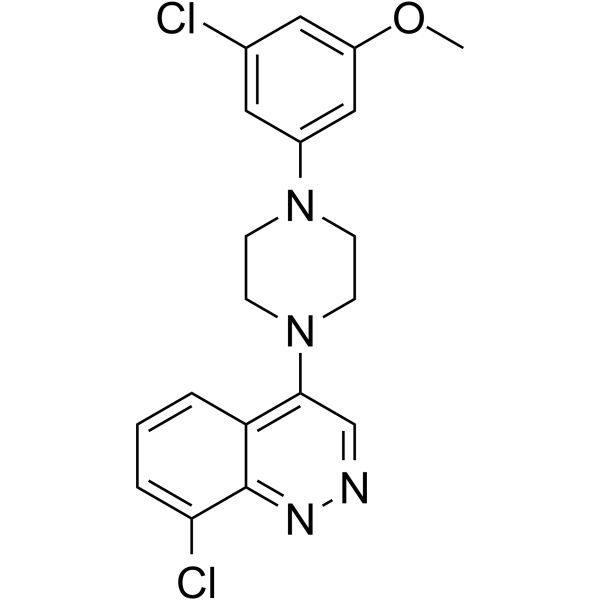
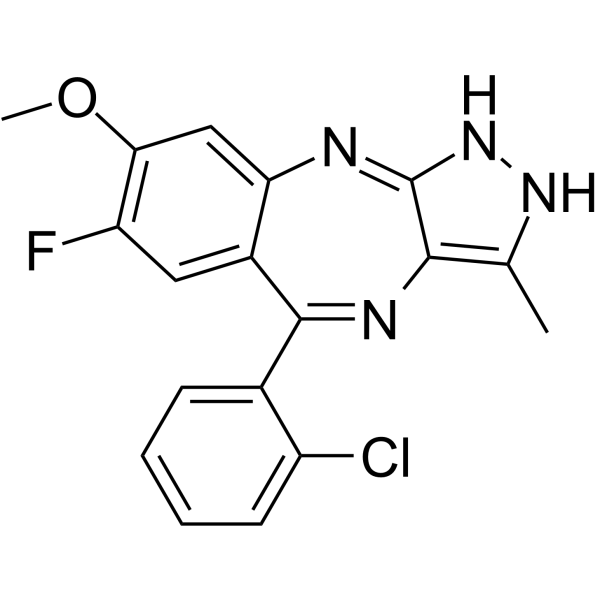
1. Search Result
Search Result
Results for "

mitosis

" in MedChemExpress (MCE) Product Catalog:

139

Inhibitors & Agonists

1

Screening Libraries

1

Fluorescent Dyes

3

Biochemical Assay Reagents

8

Peptides

9

Natural
Products

6

Recombinant Proteins

3

Isotope-Labeled Compounds

3

Antibodies

3

Click Chemistry

Targets Recommended:
Cat. No. Product Name Target Research Areas Chemical Structure
  • HY-13520
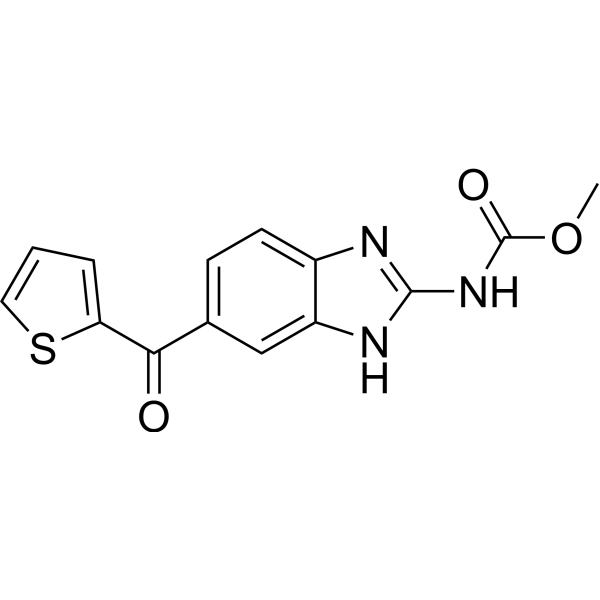
    Nocodazole
    Maximum Cited Publications
    119 Publications Verification

    Oncodazole; R17934

    Bcr-Abl Autophagy Microtubule/Tubulin Apoptosis Mitosis Cancer
    Nocodazole (Oncodazole) is a rapidly-reversible inhibitor of microtubule. Nocodazole binds to β-tubulin and disrupts microtubule assembly/disassembly dynamics, which prevents mitosis and induces apoptosis in tumor cells. Nocodazole inhibits Bcr-Abl.
    Nocodazole
  • HY-107614
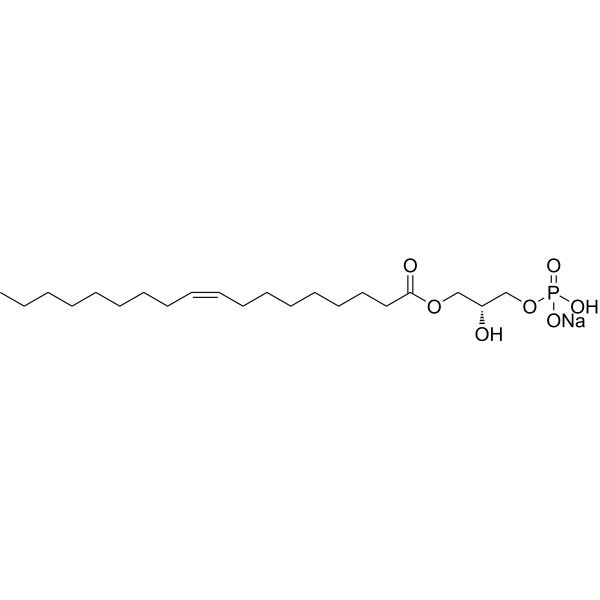
    1-Oleoyl lysophosphatidic acid sodium
    3 Publications Verification

    1-Oleoyl-sn-glycero-3-phosphate sodium; 1-Oleoyl-LPA sodium

    LPL Receptor Mitosis Neurological Disease
    1-Oleoyl lysophosphatidic acid (1-Oleoyl-sn-glycero-3-phosphate) sodium, a potent bioactive phospholipid, is a LPA receptor activator. 1-Oleoyl lysophosphatidic acid sodium can promote mitosis by inducing DNA synthesis. 1-Oleoyl lysophosphatidic acid sodium is also involved in normal and pathological emotional responses, including anxiety and depression .
    1-Oleoyl lysophosphatidic acid sodium
  • HY-19792
    Mertansine
    25+ Cited Publications

    DM1; Maytansinoid DM1

    Microtubule/Tubulin ADC Payload Cancer
    Mertansine (DM1) is a microtubulin inhibitor and is an antibody-conjugatable maytansinoid that is developed to overcome systemic toxicity associated with maytansine and to enhance tumor-specific delivery. Mertansine can be attached to a monoclonal antibody with a linker to create an antibody-drug conjugate (ADC) .
    Mertansine
  • HY-N1480

    6-Desoxygalactose; L-(-)-Fucose; L-Galactomethylose

    Endogenous Metabolite Parasite Infection Metabolic Disease Cancer
    (-)-Fucose is classified as a member of the hexoses, plays a role in A and B blood group antigen substructure determination, selectin-mediated leukocyte-endothelial adhesion, and host-microbe interactions. (-)-Fucose is orally active, inhibits CL11-induced inflammatory response in kidney and tumor growth .
    (-)-Fucose
  • HY-15160
    TAK-960
    2 Publications Verification

    Polo-like Kinase (PLK) Cancer
    TAK-960 is an orally available, selective inhibitor of polo-like kinase 1 (PLK1), with an IC50 of 0.8 nM. TAK-960 also shows inhibitory activities against PLK2 and PLK3, with IC50s of 16.9 and 50.2 nM, respectively. TAK-960 inhibits proliferation of multiple cancer cell lines and exhibits significant efficacy against multiple tumor xenografts .
    TAK-960
  • HY-110287
    Apcin
    5+ Cited Publications

    APC Mitosis Cancer
    Apcin, a ligand of Cdc20, is a potent and competitive anaphase-promoting complex/cyclosome (APC/C(Cdc20)) E3 ligase activity inhibitor. Apcin competitively inhibits APC/C-dependent ubiquitylation by binding to Cdc20 and preventing substrate recognition. Apcin occupes the D-box-binding pocket on the side face of the WD40-domain and can prolong mitosis .
    Apcin
  • HY-145967
    FT709
    1 Publications Verification

    Deubiquitinase Mitosis Cancer
    FT709 is a potent and selective USP9X inhibitor, an IC50 of 82 nM. USP9X has been linked with centrosome function, chromosome alignment during mitosis, EGF receptor degradation, chemo-sensitization, and circadian rhythms .
    FT709
  • HY-100789
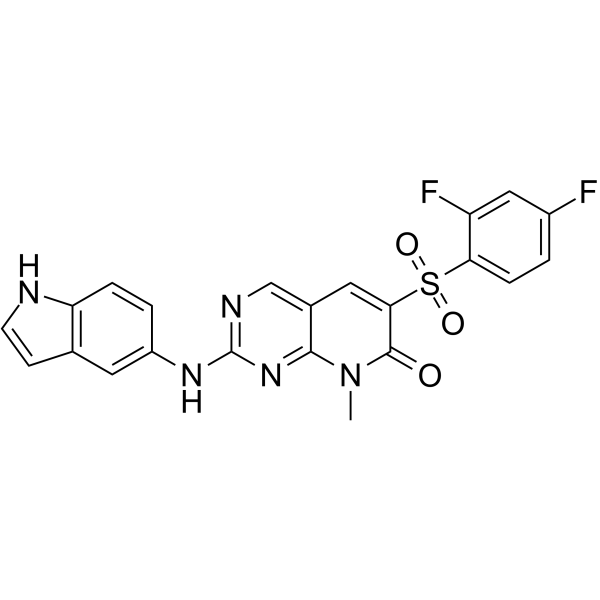
    ON1231320
    2 Publications Verification

    Apoptosis Polo-like Kinase (PLK) Mitosis Cancer
    ON1231320 is a highly specific polo like kinase 2 (PLK2) inhibitor with an IC50 of 0.31 μM. ON1231320 blocks tumor cell cycle progression in the G2/M phase in mitosis, causing apoptotic cell death. ON1231320, an arylsulfonyl pyrido-pyrimidinone, has antitumor activity .
    ON1231320
  • HY-107811
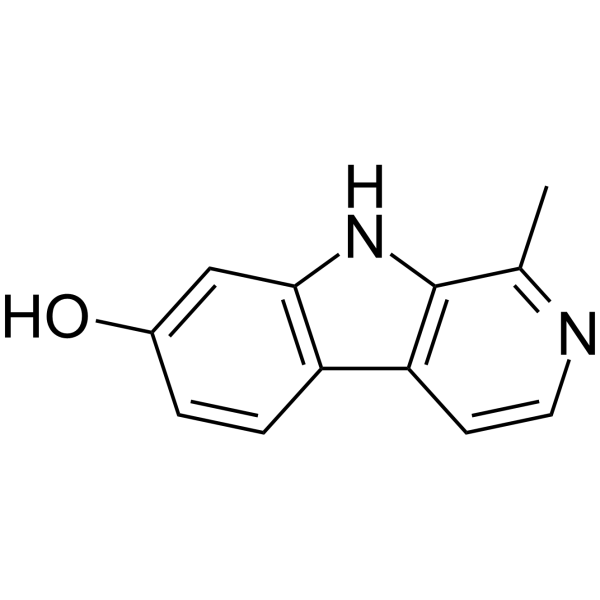
    Harmol
    1 Publications Verification

    Autophagy α-synuclein Apoptosis Monoamine Oxidase Mitosis Neurological Disease Cancer
    Harmol is an orally active β-carboline alkaloid. Harmol is a TFEB activator and monoamine oxidase inhibitor. Harmol can induce cell mitosis, Autophagy and Apoptosis. Harmol promotes the degradation of α-synuclein by regulating the autophagy-lysosomal pathway. Harmol has anti-tumor, anti-depressant and anti-aging activities. Harmol improves motor impairment in a mouse Parkinson's disease model .
    Harmol
  • HY-115576
    P62-mediated mitophagy inducer
    5 Publications Verification

    p62 Mitophagy Autophagy Mitosis Neurological Disease Cancer
    P62-mediated mitophagy inducer (PMI) is a P62-mediated mitophagy activator. P62-mediated mitophagy inducer activates mitochondrial autophagy without recruitment of Parkin or collapse of the mitochondrial membrane potential and remains active in cells lacking a fully functional PINK1/Parkin pathway. P62-mediated mitophagy inducer serves as a pharmacological tool to study the molecular mechanisms of mitosis, avoiding toxicity and some of the non-specific effects associated with the sudden dissipation of mitochondria lacking membrane potential .
    P62-mediated mitophagy inducer
  • HY-33046

    (2R,3R)-BOC-dolaproine

    Microtubule/Tubulin Mitosis Cancer
    N-Boc-dolaproine ((2R,3R)-BOC-dolaproine) is the amino acid residue of the pentapeptide Dolastatin 10 (HY-15580). Dolastatin 10 inhibits tubulin polymerization and mitosis and has anticancer activity .
    N-Boc-dolaproine
  • HY-13627
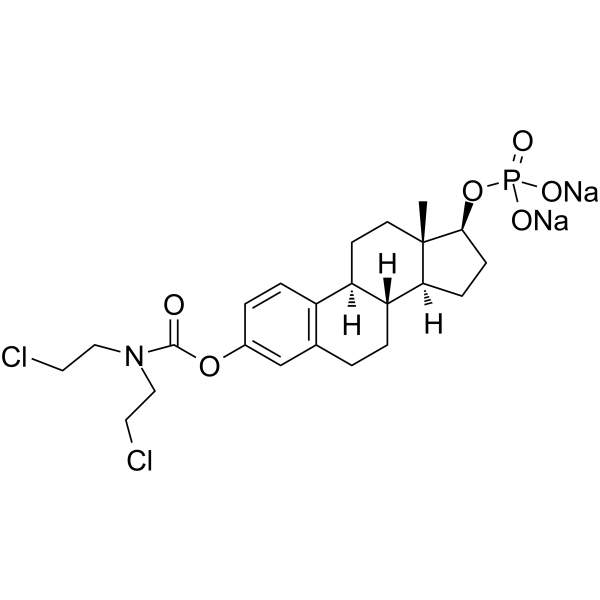
    Estramustine phosphate sodium
    1 Publications Verification

    Apoptosis Microtubule/Tubulin Mitosis Inflammation/Immunology Endocrinology Cancer
    Estramustine phosphate sodium, an estradiol analog, is an orally active antimicrotubule chemotherapy agent. Estramustine phosphate sodium depolymerises microtubules by binding to microtubule associated proteins (MAPs) and/or to tubulin. Estramustine phosphate sodium can interfere mitosis, trigger cell death and induce apoptosis, which can be used for the research of cancer like prostate cancer .
    Estramustine phosphate sodium
  • HY-151424

    Proteasome Mitosis Cancer
    Vimentin-IN-1 is a FiVe1 derivative, an orally active and selective anticancer agent. FiVe1 binds type III intermediate filament protein vimentin (VIM), to induce hyperphosphorylation of Ser56, resulting selective disruption of mitosis and multinucleation in transformed VIM-expressing mesenchymal cancer cells. Vimentin-IN-1 shows better oral bioavailability and pharmacokinetic profiles than FiVe1 .
    Vimentin-IN-1
  • HY-103711
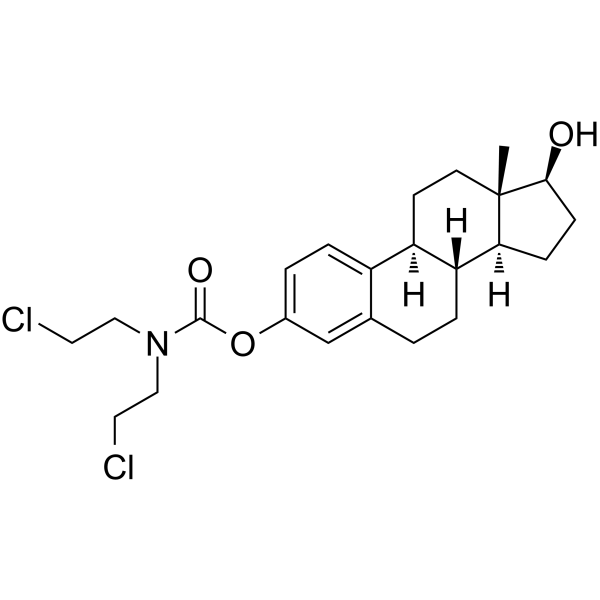
    Estramustine
    1 Publications Verification

    Microtubule/Tubulin Apoptosis Mitosis Cancer
    Estramustine, an estradiol analog, is an orally active antimicrotubule chemotherapy agent. Estramustine depolymerises microtubules by binding to microtubule associated proteins (MAPs) and/or to tubulin. Estramustine can interfere mitosis, trigger cell death and induce apoptosis, which can be used for the research of cancer like prostate cancer .
    Estramustine
  • HY-108330
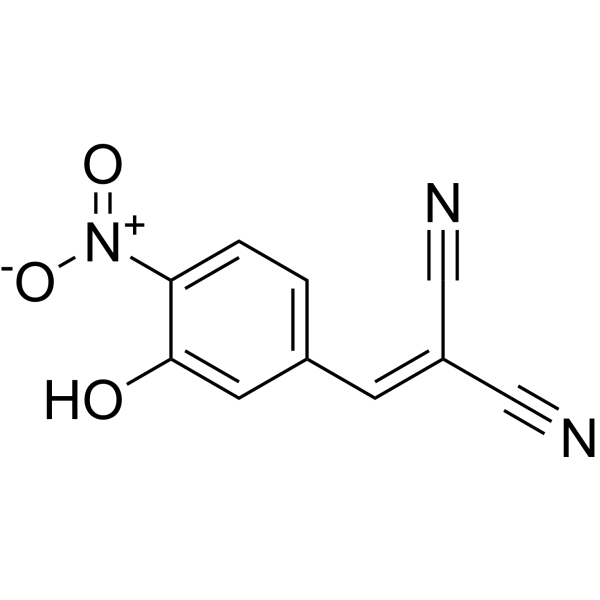
    AG126
    3 Publications Verification

    Tyrphostin AG126

    ERK Mitosis Inflammation/Immunology
    AG126 is a tyrosine kinase inhibitor, can inhibit the phosphorylation of ERK1 and ERK2 at 25-50 μM. AG126 can be used in meiosis, mitosis, and postmitotic research .
    AG126
  • HY-112136
    TAO Kinase inhibitor 1
    5+ Cited Publications

    CP 43

    MAP3K Mitosis Cancer
    TAO Kinase inhibitor 1 (compound 43) is a selective, ATP-competitive thousand-and-one amino acid kinases (TAOK) inhibitor with IC50s of 11 to 15 nM for TAOK1 and 2, respectively. TAO Kinase inhibitor 1 delays mitosis and induces mitotic cell death .
    TAO Kinase inhibitor 1
  • HY-14846
    Litronesib
    2 Publications Verification

    LY2523355

    Kinesin Mitosis Cancer
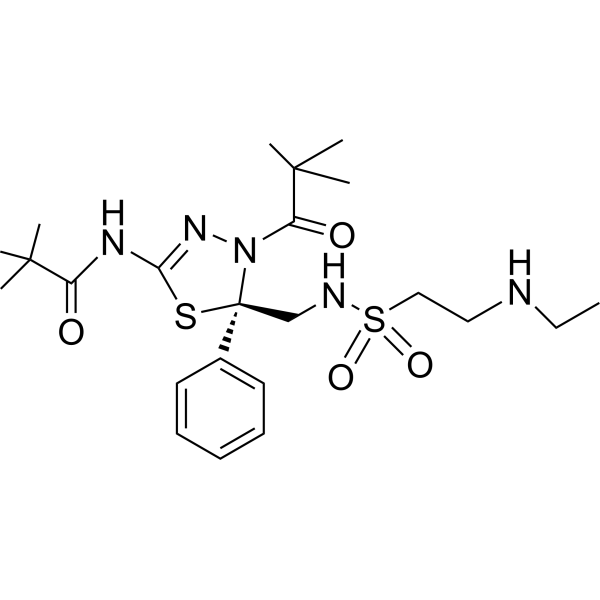
    Litronesib (LY2523355) is a selective mitosis-specific kinesin Eg5 inhibitor, with antitumor activity .
    Litronesib
  • HY-B2050

    Environmental Pollutants Herbicide Microtubule/Tubulin Others
    Trifluralin is a selective, preemergence, soil-applied herbicide providing control of many important annual grass and broadleaf weed species. Trifluralin prevents weed growth by inhibiting root development through the interruption of mitosis. Trifluralin binds to tubulin and results in the failure of spindle apparatus and cell plate formation. Trifluralin inhibits radicle development on roots. Trifluralin inhibits cell mitosis. Trifluralin is considered to be neurotoxic and haematotoxic .
    Trifluralin
  • HY-156437

    Apoptosis Ser/Thr Protease NEKs Mitosis Cancer
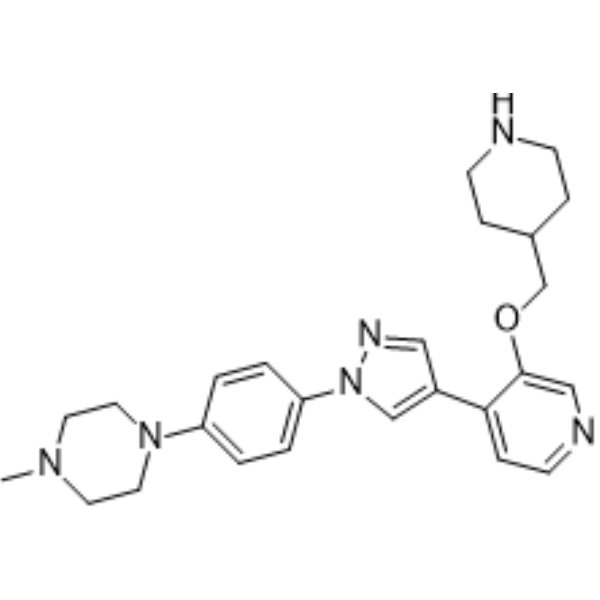
    NBI-961 is a potent NEK2 inhibitor that inhibits proteasomal degradation. NBI-961 induces G2/mitosis arrest and apoptosis in diffuse large B cell lymphoma (DLBCL) cells .
    NBI-961
  • HY-13647

    Polo-like Kinase (PLK) Mitosis Cancer
    HMN-176 is a stilbene derivative which inhibits mitosis, interfering with polo-like kinase-1 (plk1), without significant effect on tubulin polymerization.
    HMN-176
  • HY-125956

    Aurora Kinase Apoptosis Cancer
    Aurkin A is an allosteric inhibitor for the interaction between Aurora A Kinase (also known also Aurka) and TPX2, through targeting the TPX2 binding sites with Kd of 3.77 μM. Aurkin A can disrupt polyploidy induced by Alisertib (HY-10971) and increase apoptosis of tumor cells. Aurkin A can be used in research on mitosis and cancer .
    Aurkin A
  • HY-13691

    Ro-31-7453

    Apoptosis Akt mTOR Microtubule/Tubulin Mitosis Cancer
    MKC-1 (Ro-31-7453) is an orally active and potent cell cycle inhibitor with broad antitumor activity. MKC-1 inhibits the Akt/mTOR pathway. MKC-1 arrests cellular mitosis and induces cell apoptosis by binding to a number of different cellular proteins including tubulin and members of the importin β family .
    MKC-1
  • HY-100368
    MELK-8a
    3 Publications Verification

    NVS-MELK8a

    PDGFR Haspin Kinase MELK Mitosis Cancer
    MELK-8a (NVS-MELK8a) is a highly potent and selective maternal embryonic leucine zipper kinase (MELK) inhibitor with IC50 of 2 nM. MELK-8a also inhibits Flt3 (ITD), Haspin, PDGFRα with IC50s of 0.18, 0.19, and 0.42 μM, respectively. MELK plays an essential role in regulating cell mitosis in a subset of cancer cells .
    MELK-8a
  • HY-D1746
    EDTA-AM
    2 Publications Verification

    EDTA acetoxymethyl ester; Ethylenediaminetetraacetic acid acetoxymethyl ester

    Biochemical Assay Reagents Mitosis Others
    EDTA-AM (ethylenediaminetetraacetic acid, acetoxymethyl ester) is the membrane-permeant form of the metal chelator EDTA (HY-Y0682). Live cells passively load EDTA-AM by incubating with EDTA-AM. Once internalized, cytoplasmic esterase decomposes AM esters, releasing the active ligand EDTA, which isolates metal ions within the cell. EDTA-AM induces an arrest of mitotic progression and chromosome decondensation .
    EDTA-AM
  • HY-138084

    Separase Mitosis Cancer
    SIC5-6 is a potent Separase inhibitor. Separase, a large cysteine protease, involves in chromosome segregation during mitosis and meiosis, DNA damage repair, centrosome disengagement and duplication, spindle stabilization and elongation. Separase is highly overexpressed in many solid cancers, serves as an attractive chemotherapeutic target .
    SIC5-6
  • HY-W014240
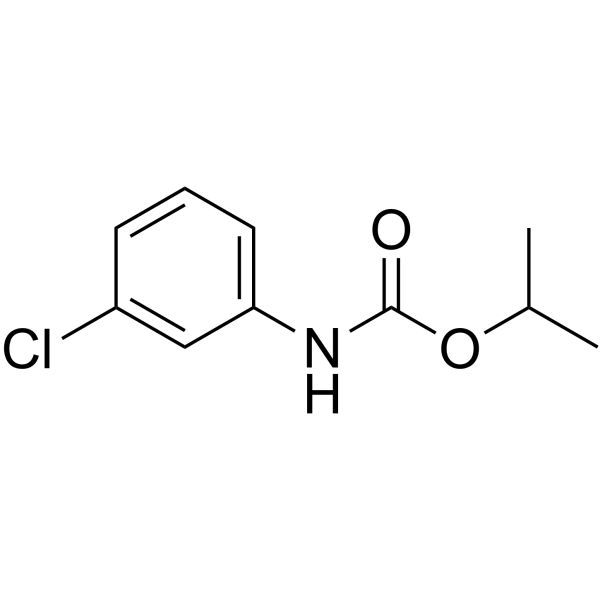
    Chlorpropham
    1 Publications Verification

    Environmental Pollutants Herbicide Others
    Chlorpropham is a carbamate herbicide and plant growth regulator. Chlorpropham inhibits mitosis and cell division by interfering with the organisation of the spindle microtubules .
    Chlorpropham
  • HY-P3840

    Mitosis Neurological Disease Cancer
    Head activator neuropeptide is a mitogen for mammalian cell lines of neuronal or neuroendocrine origin. Head activator neuropeptide signals by binding GPR37 and stimulates cells to enter mitosis .
    Head activator neuropeptide
  • HY-B2062
    Chlorthal-dimethyl
    1 Publications Verification

    Dimethyl tetrachloroterephthalate

    Environmental Pollutants Biochemical Assay Reagents Others
    Chlorthal-dimethyl (Dimethyl tetrachloroterephthalate) is a plant growth regulator. Chlorthal-dimethyl affects cell division and differentiation, interfering with the normal development of vascular tissue. Chlorthal-dimethyl causes localized swelling of tomato hypocotyls and disrupts normal mitosis in germinating millet seedlings .
    Chlorthal-dimethyl
  • HY-W543137

    G-quadruplex DNA/RNA Synthesis Mitosis Cancer
    Pt-ttpy, a metallo-organic complex and potent G-quadruplex ligand, effectively triggers substantial telomere-related DNA damage in cancer cells by inhibiting telomerase and/or telomere functions, while also causing various chromatin abnormalities during mitosis, such as chromatin bridges, ultrafine bridges (UFBs), and double-stranded breaks (DSBs).
    PT-ttpy
  • HY-147006

    MT-VC-ZD02044

    Mitosis Cancer
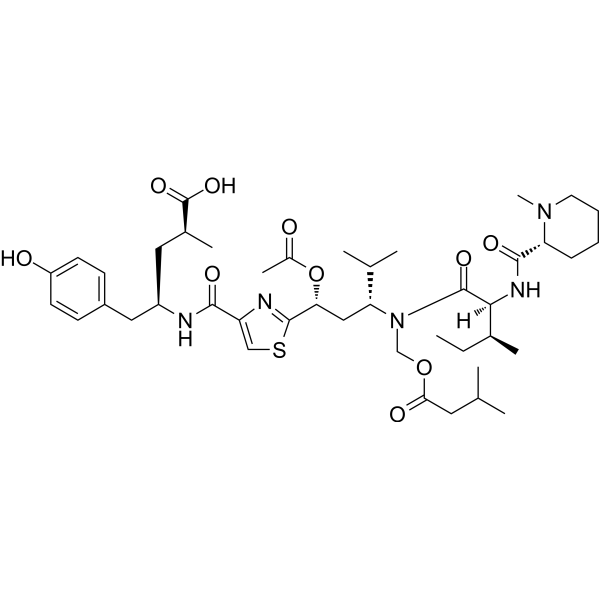
    MT-VC-ZD02044 is a cytotoxic and anti-mitotic agent .
    Zovodotin
  • HY-N8692

    Polo-like Kinase (PLK) VRK Cancer
    Dihydrobaicalein is a PLK1 Inhibitor with an IC50 of 6.3 μM. Dihydrobaicalein also inhibits VRK2 and PLK2. Dihydrobaicalein is a natural product that can be isolated from Scutellaria scandens .
    Dihydrobaicalein
  • HY-177246A

    Kinesin Infection Cardiovascular Disease Inflammation/Immunology Cancer
    Mitotic kinesin-IN-1 (Example 80) hydrochloride is a Mitotic kinesin inhibitor. Mitotic kinesin-IN-1 hydrochloride inhibits cell proliferation by suppressing mitosis. Mitotic kinesin-IN-1 hydrochloride can be used for cancer, cardiac hypertrophy, immune and inflammatory disorders, fungal infections research .
    Mitotic kinesin-IN-1 hydrochloride
  • HY-153384

    Apoptosis Microtubule/Tubulin Mitosis Cancer
    EAPB 02303 is a microtubule-disrupting agent and inhibitor. EAPB 02303 induces mitosis arrest and impairment of spindle assembly. Thus, EAPB 02303 induces apoptosis and exhibits antitumor activity. EAPB 02303 also exhibits a potent synergy with Paclitaxel (HY-B0015) at lower concentrations .
    EAPB 02303
  • HY-NP187

    PWM

    Biochemical Assay Reagents Mitosis
    Phytolacca americana Lectin (PWM) is a lectin that specific for N-acetylglucosamine-containing saccharides. Phytolacca americana Lectin stimulates peripheral lymphocytes to undergo mitosis by binding to their cell surfaces. Phytolacca americana Lectin can be used as a probe to specifically bind to biological molecules. Phytolacca americana Lectin is a biomaterial or organic compound that can be used in life science research .
    Phytolacca americana Lectin
  • HY-12564

    Aurora Kinase Apoptosis Mitosis Cancer
    Phthalazinone pyrazole is a potent, selective, and orally active inhibitor of Aurora-A kinase with an IC50 of 0.031 μM. Phthalazinone pyrazole can arrests mitosis and subsequently inhibit tumor growth via apoptosis of proliferating cells. Phthalazinone pyrazole suppresses the epithelial-mesenchymal transition (EMT) during the differentiation of hepatocyte-like cells (HLCs) from human embryonic stem cells .
    Phthalazinone pyrazole
  • HY-42912A

    Microtubule/Tubulin Mitosis Cancer
    N-Boc-dolaproine-OH dicyclohexylamine is the amino acid residue of the pentapeptide Dolastatin 10 (HY-15580). Dolastatin 10 inhibits tubulin polymerization and mitosis and has anticancer activity .
    N-Boc-dolaproine-OH dicyclohexylamine
  • HY-33046A

    (2R,3R)-BOC-dolaproine dicyclohexylamine

    Microtubule/Tubulin Mitosis Cancer
    N-Boc-dolaproine dicyclohexylamine is an amino acid residue of the pentapeptide Dolastatin 10 (HY-15580). Dolastatin 10 inhibits tubulin polymerization and mitosis and has anticancer activity. And contains dicyclohexylamine .
    N-Boc-dolaproine dicyclohexylamine
  • HY-W014240S1

    Isotope-Labeled Compounds Mitosis Others
    Chlorpropham-d7 is the deuterium labeled Chlorpropham . Chlorpropham is a carbamate herbicide and plant growth regulator. Chlorpropham inhibits mitosis and cell division by interfering with the organisation of the spindle microtubules .
    Chlorpropham-d7
  • HY-78932C

    Microtubule/Tubulin Mitosis Cancer
    (2S,3R)-Dap-NE hydrochloride is the amino acid residue of the pentapeptide Dolastatin 10 (HY-15580). Dolastatin 10 inhibits tubulin polymerization and mitosis and has anticancer activity .
    (2S,3R)-Dap-NE hydrochloride
  • HY-16514

    Drug Derivative Microtubule/Tubulin Cancer
    Vindesine is a derivative of Vinblastine (HY-13780). Vindesine binds to and stabilizes tubulin . Vindesine inhibits mitosis in cancer cells and prevents the invasion of normal tissues by malignant cells. Vindesine can be used in cancer research .
    Vindesine
  • HY-P11417

    DNA/RNA Synthesis Cancer
    Epidermal mitosis inhibiting pentapeptide is a five-peptide that acts as a physiological inhibitor of epidermal cell proliferation. This pentapeptide can significantly reduce the DNA synthesis rate and mitotic rate of epidermal keratinocytes. Epidermal mitosis inhibiting pentapeptide moderately enhances the occurrence of skin tumors in skin cancer models, but also shows a higher tendency to promote the regression of already formed tumors. Epidermal mitosis inhibiting pentapeptide can be hydrolyzed by angiotensin-converting enzyme (ACE). Epidermal mitosis inhibiting pentapeptide can be used in cancer process research .
    Epidermal mitosis inhibiting pentapeptide
  • HY-177247A

    Kinesin Infection Cardiovascular Disease Inflammation/Immunology Cancer
    Mitotic kinesin-IN-2 (Page 135, fifteenth) hydrochloride is a Mitotic kinesin inhibitor. Mitotic kinesin-IN-2 hydrochloride inhibits cell proliferation by suppressing mitosis. Mitotic kinesin-IN-2 hydrochloride can be used for cancer, cardiac hypertrophy, immune and inflammatory disorders, fungal infections research .
    Mitotic kinesin-IN-2 hydrochloride
  • HY-177248A

    Kinesin Infection Cardiovascular Disease Inflammation/Immunology Cancer
    Mitotic kinesin-IN-3 (Page 135, fourteenth) hydrochloride is a Mitotic kinesin inhibitor. Mitotic kinesin-IN-3 hydrochloride inhibits cell proliferation by suppressing mitosis. Mitotic kinesin-IN-3 hydrochloride can be used for cancer, cardiac hypertrophy, immune and inflammatory disorders, fungal infections research .
    Mitotic kinesin-IN-3 hydrochloride
  • HY-120330

    NEKs Mitosis Cancer
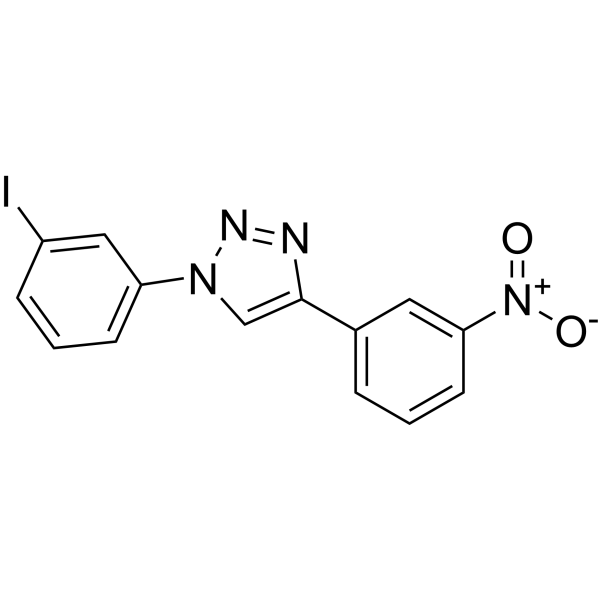
    Nek2-IN-5 (compound 6) is a potent and irreversible Nek2 ((Never in mitosis gene a)-related kinase 2) inhibitior . Nek2-IN-5 is a click chemistry reagent, it contains an Alkyne group and can undergo copper-catalyzed azide-alkyne cycloaddition (CuAAc) with molecules containing Azide groups.
    Nek2-IN-5
  • HY-W130878

    Complement System Toll-like Receptor (TLR) NF-κB Inflammation/Immunology
    4-Octylphenol is a hormone disruptor that has gender-specific effects on male reproductive cells, significantly reducing the mitotic index and the number of spermatogonia. 4-Octylphenol can cause inflammatory damage to fish gills by activating the complement system through the C3a/C3aR axis and the C5a/C5aR1 axis, this leads to complement activation and causes immune suppression due to the imbalance between Th1/Th2 cells and regulatory T cells (Treg)/Th17 cells, as well as inflammatory damage via the Toll-like receptor 7 (Toll-like Receptor (TLR))/IκBα/NF-κB pathway .
    4-Octylphenol
  • HY-B2062R

    Dimethyl tetrachloroterephthalate (Standard)

    Drug Intermediate Mitosis Reference Standards Others
    Chlorthal-dimethyl (Standard) is the analytical standard of Chlorthal-dimethyl. This product is intended for research and analytical applications. Chlorthal-dimethyl (Dimethyl tetrachloroterephthalate) is a plant growth regulator. Chlorthal-dimethyl affects cell division and differentiation, interfering with the normal development of vascular tissue. Chlorthal-dimethyl causes localized swelling of tomato hypocotyls and disrupts normal mitosis in germinating millet seedlings .
    Chlorthal-dimethyl (Standard)
  • HY-136369
    Ethofumesate
    2 Publications Verification

    Environmental Pollutants Herbicide Others
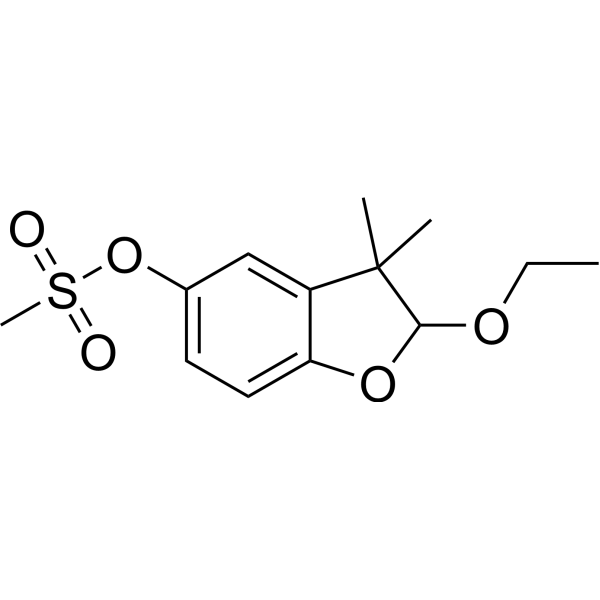
    Ethofumesate, a chiral herbicide, acts by inhibiting mitosis and reducing photosynthesis and plant respiration .
    Ethofumesate
  • HY-124790

    Kinesin Mitosis Cancer
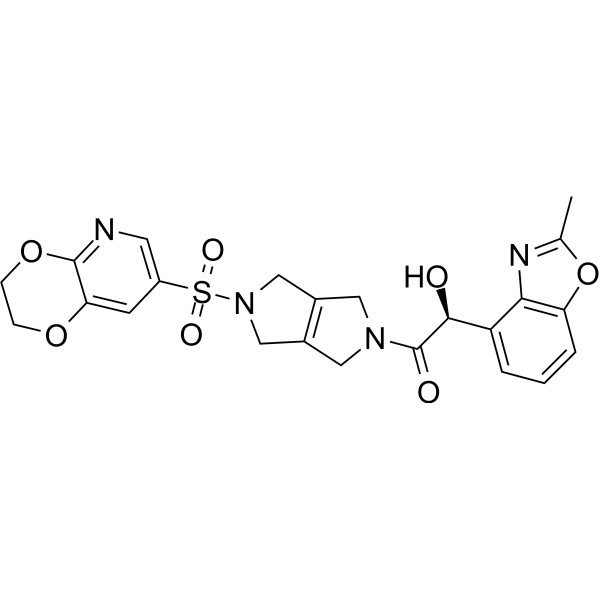
    KSP-IA (compound 17) is a potent kinesin spindle protein (KSP) inhibitor with an IC50 value of 3.6 nM. KSP-IA inhibits cell mitosis .
    KSP-IA
  • HY-150046

    NEKs Cancer
    Nek2-IN-6 (Compound 28e) is a potent never in mitosis (NIMA) related kinase 2 (Nek2) inhibitor .
    Nek2-IN-6
  • HY-164454

    Aurora Kinase STAT JAK Mitosis Inflammation/Immunology
    AJI-100 is a dual-target inhibitor of Aurora kinase A and JAK2 with IC50 values of 12.7 nM and 18.5 nM, respectively. AJI-100 directly blocks Aurora kinase A to inhibit T cell mitosis and cell polarity, and inhibits JAK2 activation to inhibit STAT3 phosphorylation, thereby reducing the differentiation of TH1 and TH17 cells. AJI-100 can be used in studies on regulating immune responses and preventing graft-versus-host disease (GVHD) .
    AJI-100

Inquiry Online

Your information is safe with us. * Required Fields.

Salutation


Country or Region *

Applicant Name *


Organization Name *

Department *


Email Address *


Product Name *

Cat. No.


Requested quantity *

Phone Number *


Remarks

Inquiry Online

Inquiry Information

Product Name:
Cat. No.:
Quantity:
MCE Japan Authorized Agent:

