


12877 Results for "

mouse liver mitochondria

" in MedChemExpress (MCE) Product Catalog:
Products (12877)

12877 Results for "mouse liver mitochondria" in MCE Product Catalog:

  • Categories Recommended:
    More
329
329 Publications Verification
Cat. No.: HY-D1055
CAS No.: 1003197-00-9
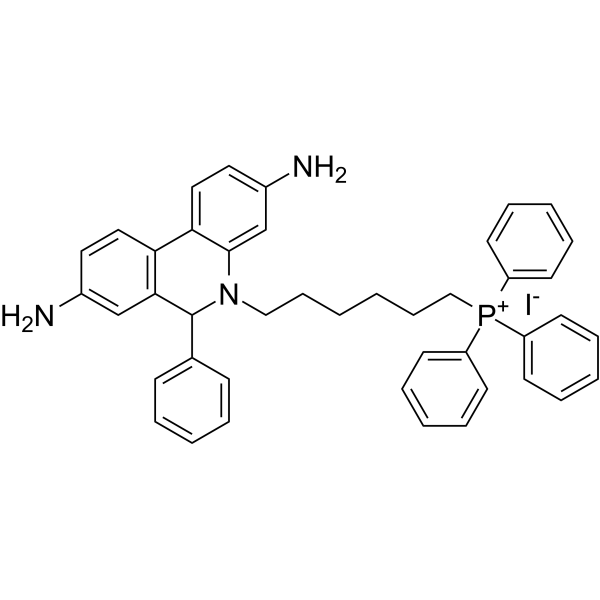
MitoSOX Red is a live cell fluorescent probe that specifically targets mitochondria and is cell membrane permeable. MitoSOX Red enters mitochondria and is oxidized by superoxide but not by other ROS or RNS generating systems. The oxidized MitoSOX Red then binds to nucleic acids in mitochondria/nucleus, producing strong red fluorescence. MitoSOX Red can be used as a fluorescent indicator to specifically detect superoxide. In addition, superoxide dismutase (SOD) can prevent the oxidation of MitoSOX Red.
Excitation/emission wavelength: 510/580 nm.
loading...
    loading...
245
245 Cited Publications
Cat. No.: HY-15534
CAS No.: 3520-43-2
Purity:  98.71%
Synonyms: CBIC2
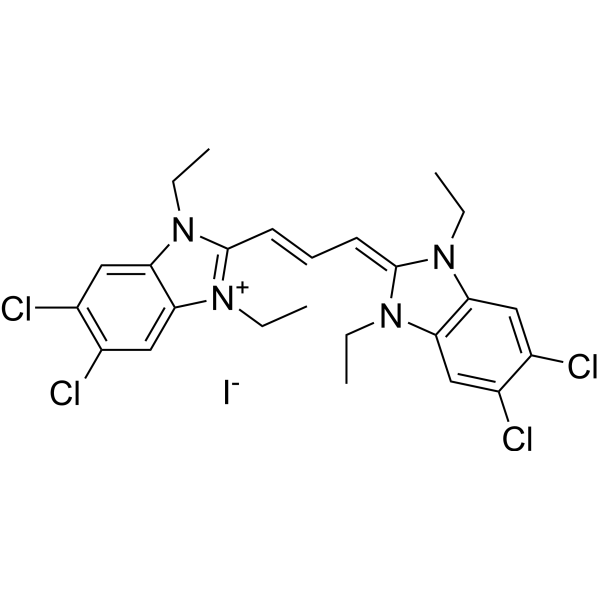
JC-1 (CBIC2) is an ideal fluorescent probe widely used to detect mitochondrial membrane potential. JC-1 accumulates in mitochondria in a potential dependent manner and can be used to detect the membrane potential of cells or purified mitochondria. In normal mitochondria, JC-1 aggregates in the mitochondrial matrix to form a polymer, which emits strong red fluorescence (Ex=585 nm, Em=590 nm); When the mitochondrial membrane potential is low, JC-1 cannot aggregate in the matrix of mitochondria and produce green fluorescence (ex=510 nm, em= 527 nm) .
loading...
    loading...
212
212 Cited Publications
Cat. No.: HY-17471A
CAS No.: 1115-70-4
Synonyms: 1,1-Dimethylbiguanide hydrochloride
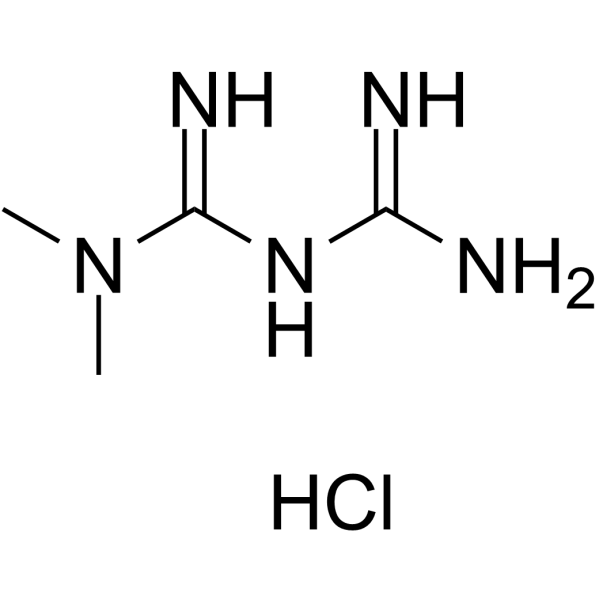
Metformin (1,1-Dimethylbiguanide) hydrochloride inhibits the mitochondrial respiratory chain in the liver, leading to AMPK activation and enhancing insulin sensitivity, and can be used in the study of type 2 diabetes. Metformin hydrochloride exerts central glucose-lowering effects by inhibiting Ras-related protein 1 (Rap1) in SF1 hypothalamic neurons. Metformin hydrochloride also inhibits liver oxidative stress, nitrosative stress, inflammation, and apoptosis caused by liver ischemia/reperfusion injury. In addition, Metformin hydrochloride regulates the expression of autophagy-related proteins by activating AMPK and inhibiting the mTOR signaling pathway, thereby inducing tumor cell autophagy and inhibiting the growth of renal cell carcinoma in vitro and in vivo .
loading...
    loading...
212
212 Cited Publications
Cat. No.: HY-B0627
CAS No.: 657-24-9
Synonyms: 1,1-Dimethylbiguanide
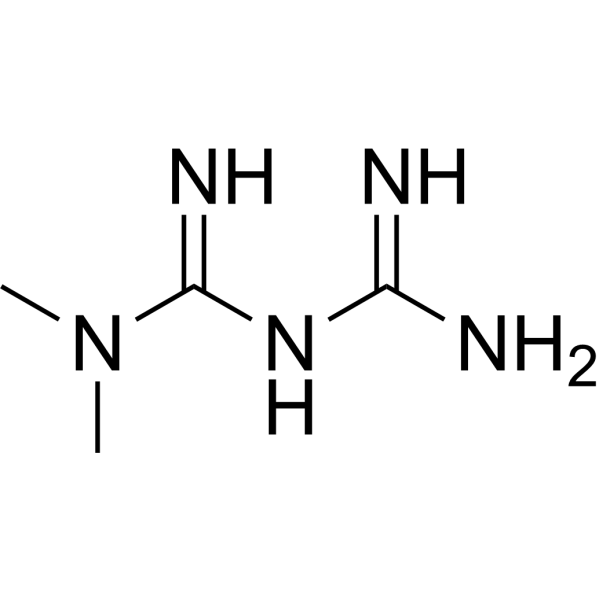
Metformin (1,1-Dimethylbiguanide) inhibits the mitochondrial respiratory chain in the liver, leading to AMPK activation and enhancing insulin sensitivity, and can be used in the study of type 2 diabetes. Metformin exerts central glucose-lowering effects by inhibiting Ras-related protein 1 (Rap1) in SF1 hypothalamic neurons. Metformin also inhibits liver oxidative stress, nitrosative stress, inflammation, and apoptosis caused by liver ischemia/reperfusion injury. In addition, Metformin regulates the expression of autophagy-related proteins by activating AMPK and inhibiting the mTOR signaling pathway, thereby inducing tumor cell autophagy and inhibiting the growth of renal cell carcinoma in vitro and in vivo .
loading...
    loading...
186
186 Cited Publications
Cat. No.: HY-125944
CAS No.: 1569257-94-8
Purity:  98.03%
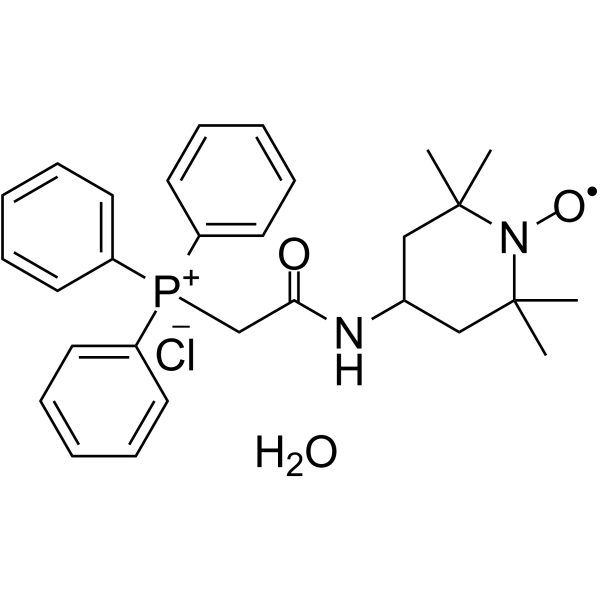
MitoTEMPO hydrate is a mitochondria-targeted antioxidant . MitoTEMPO hydrate induces mitophagy by activating the PINK1/Parkin pathway, inhibits NLRP3 inflammasome activation, restores mitochondrial membrane potential, and improves renal function and podocyte injury. MitoTEMPO hydrate regulates Ca 2+ homeostasis, inhibits Bnip3 overexpression, shortens action potential duration, and exerts antiarrhythmic effects. MitoTEMPO hydrate reverses premature senescence, reduces trabecular bone loss, and decreases cell apoptosis. MitoTEMPO hydrate can be used in studies of chronic kidney disease, age-related cardiac dysfunction, postmenopausal osteoporosis, and ischemic stroke .
loading...
    loading...
186
186 Cited Publications
Cat. No.: HY-112879
CAS No.: 1334850-99-5
Purity:  99.19%
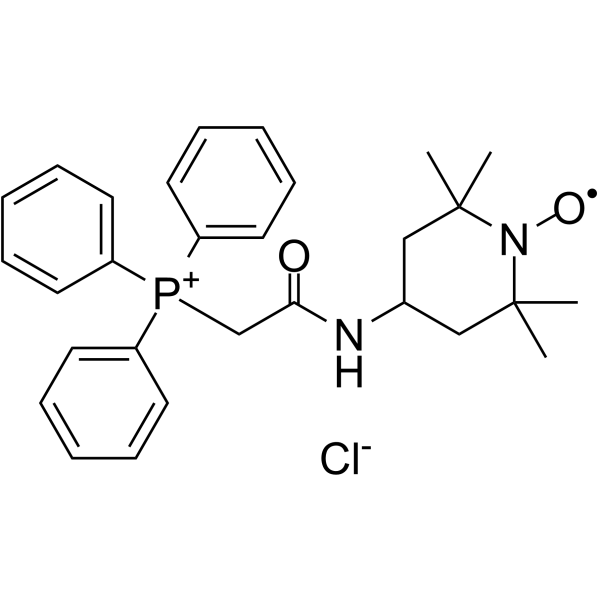
Mito-TEMPO is a mitochondria-targeted antioxidant. Mito-TEMPO induces mitophagy by activating the PINK1/Parkin pathway, inhibits NLRP3 inflammasome activation, restores mitochondrial membrane potential, and improves renal function and podocyte injury. Mito-TEMPO regulates Ca 2+ homeostasis, inhibits Bnip3 overexpression, shortens action potential duration, and exerts antiarrhythmic effects. Mito-TEMPO reverses premature senescence, reduces trabecular bone loss, and decreases cell apoptosis. Mito-TEMPO can be used in studies of chronic kidney disease, age-related cardiac dysfunction, postmenopausal osteoporosis, and ischemic stroke .
loading...
    loading...
170
170 Cited Publications
Cat. No.: HY-K0601

MCE JC-1 Mitochondrial Membrane Potential Assay Kit uses JC-1 to detect the mitochondrial membrane potential in variety of cell types, as well as intact tissues and isolated mitochondria.

loading...
    loading...
148
148 Cited Publications
Cat. No.: HY-P7085
Purity:  ≥ 95%, as determined by reducing SDS-PAGE.
Synonyms: CSF1; Macrophage Colony Stimulating Factor 1; Colony Stimulating Factor 1; Lanimostim; MCSF; MGC31930; Proteoglycan Macrophage Colony-Stimulating Factor; PG-M-CSF; Macrophage Colony-Stimulating Factor 1; CSF-1; M-CSF; CSF1-HERV-LTR71B Fusion Protein; Colo
Species:  
Mouse
Source:  
E. coli
loading...
    loading...
125
125 Cited Publications
Cat. No.: HY-100410
CAS No.: 370-86-5
Purity:  99.23%
Synonyms: Carbonyl cyanide 4-(trifluoromethoxy)phenylhydrazone
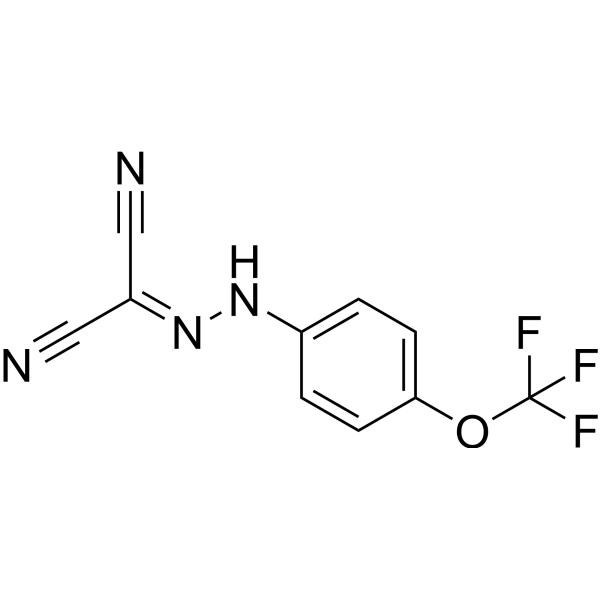
FCCP is an uncoupler of oxidative phosphorylation (OXPHOS) in mitochondria. FCCP induces activation of PINK1 leading to Parkin Ser65 phosphorylation .
loading...
    loading...
111
111 Cited Publications
Cat. No.: HY-19696B
CAS No.: 117609-50-4
Synonyms: Tauroursodeoxycholic acid dihydrate; TUDCA dihydrate; UR 906 dihydrate
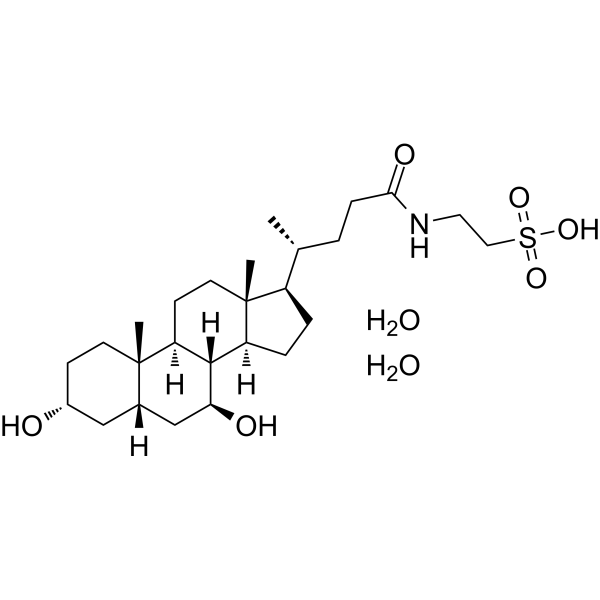
Tauroursodeoxycholate dehydrate is an orally active taurine conjugate of Ursodeoxycholic acid (HY-13771). Tauroursodeoxycholate dehydrate inhibits caspase-3/7, Apoptosis, IRE1α/TRAF2/NF-κB, prevents JNK phosphorylation, inhibits ROS generation, and activates Akt signaling. Tauroursodeoxycholate dehydrate prevents cataract formation, reduces renal tubular damage in type 2 diabetic mice, reduces I/R injury in liver, and inhibits intestinal inflammation and barrier disruption in nonalcoholic fatty liver disease .
loading...
    loading...
87
87 Cited Publications
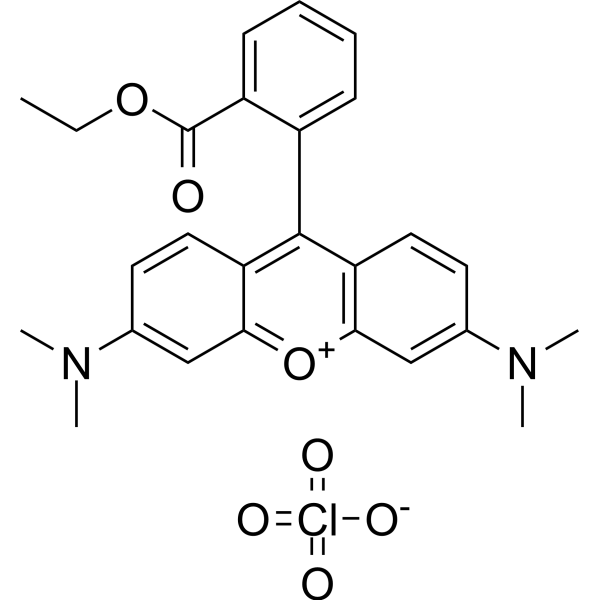
Cat. No.: HY-D0985A
CAS No.: 115532-52-0
Synonyms: Tetramethylrhodamine ethyl ester perchlorate
Rhodamine dyes are membrane-permeable cationic fluorescent probes that specifically recognize mitochondrial membrane potentials, thereby attaching to mitochondria and producing bright fluorescence, and at certain concentrations, rhodamine dyes have low toxicity to cells, so they are commonly used to detect mitochondria in animal cells, plant cells, and microorganisms .
loading...
    loading...
76
76 Cited Publications
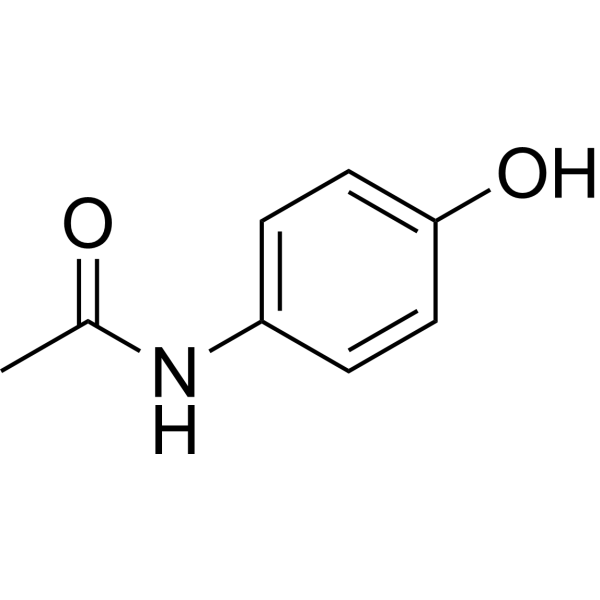
Cat. No.: HY-66005
CAS No.: 103-90-2
Synonyms: Paracetamol; 4-Acetamidophenol; 4'-Hydroxyacetanilide
Acetaminophen (Paracetamol) is a selective cyclooxygenase-2 (COX-2) inhibitor with an IC50 of 25.8 μM; is a widely used antipyretic and analgesic agent. . Acetaminophen is a potent hepatic N-acetyltransferase 2 (NAT2) inhibitor . Acetaminophen induces ferroptosis and leads to acute liver injury in mice model .
loading...
    loading...
74
74 Cited Publications
Cat. No.: HY-112490
CAS No.: 344423-98-9
Purity:  99.64%
Research Areas:  

Cardiovascular Disease Others

Atorvastatin calcium salt trihydrate is a drug belonging to the statin class of drugs used to lower blood cholesterol levels. Atorvastatin calcium salt trihydrate has unique chemical properties that make it an effective tool in controlling high levels of low-density lipoprotein (LDL) cholesterol and triglycerides in the body, reducing the risk of heart attack and stroke. Atorvastatin calcium salt trihydrate works by inhibiting HMG-CoA reductase, the enzyme responsible for producing cholesterol in the liver.
loading...
    loading...
71
71 Cited Publications
Cat. No.: HY-P7117
Purity:  ≥ 95%, as determined by reducing SDS-PAGE.
Synonyms: TGFB1; Transforming Growth Factor Beta1; Prev. TGFB; Camurati-Engelmann Disease; Prev. DPD1; Latency-Associated Peptide; TGFbeta; TGF-Beta-1; CED; TGF-Beta1; Transforming Growth Factor Beta-1 Proprotein; IBDIMDE; Prepro-Transforming Growth Factor Beta-1;
Species:  
Rat Mouse
Source:  
HEK293
loading...
    loading...
57
57 Cited Publications
Cat. No.: HY-P7080
Purity:  ≥ 95%, as determined by reducing SDS-PAGE.
Synonyms: IL4; B_cell Stimulatory Factor 1; Interleukin 4; B-Cell Stimulatory Factor 1; IL-4; B Cell Growth Factor 1; Lymphocyte Stimulatory Factor 1; Binetrakin; Interleukin-4; Pitrakinra; BCGF-1; MGC79402; BCGF1; BSF-1; BSF1
Species:  
Mouse
Source:  
CHO
loading...
    loading...
54
54 Cited Publications
Cat. No.: HY-P7071
Purity:  ≥ 95%, as determined by reducing SDS-PAGE.
Synonyms: IFNG; IMD69; Interferon Gamma; IFG; IFN-Gamma; IFI; Immune Interferon
Species:  
Mouse
Source:  
E. coli
loading...
    loading...
53
53 Cited Publications
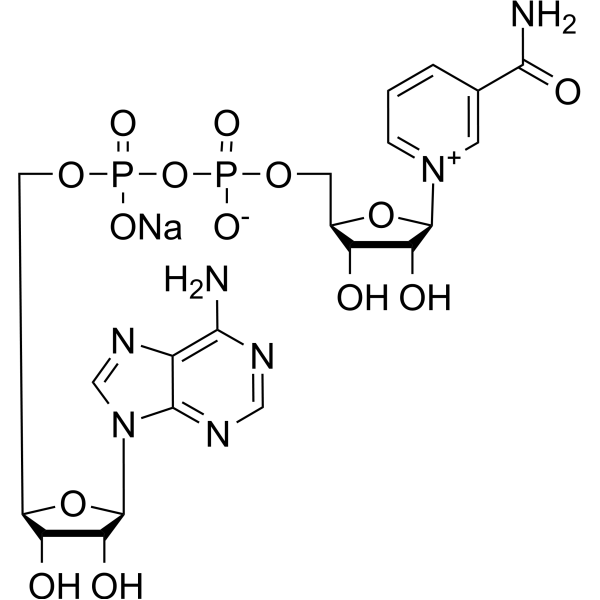
Cat. No.: HY-B0445A
CAS No.: 20111-18-6
Synonyms: β-DPN sodium; β-NAD sodium; β-Nicotinamide Adenine Dinucleotide sodium
NAD sodium is an orally effective cofactor and homeostatic regulator. NAD sodium can be reduced to β-nicotinamide adenine dinucleotide (NADH) during coupling with reactions that oxidize organic substrates. NAD sodium can be converted to β-nicotinamide adenine dinucleotide (NADH) and passes to the inside of mitochondria, which indirectly generates ATP. NAD sodium can be used for the research of non-alcoholic fatty liver disease, obesity, and glucose intolerance .
loading...
    loading...
50
50 Cited Publications
Cat. No.: HY-114118
CAS No.: 910463-68-2
Purity:  99.84%
Semaglutide is a long-acting, selective, competitive GLP-1R agonist that can penetrate the blood-brain barrier. After activating GLP-1R, Semaglutide promotes insulin secretion, inhibits gastric emptying and appetite, and at the same time enhances autophagy, inhibits oxidative stress and apoptosis. Semaglutide also regulates mitochondrial function and lipid metabolism (such as reducing de novo lipogenesis in the liver). Semaglutide has activities such as lowering blood sugar, reducing weight, neuroprotection (such as improving motor function in Parkinson's disease models, reducing α-synuclein aggregation) and improving hepatic steatosis. Semaglutide can be used for the study of neurodegenerative diseases and liver diseases such as type 2 diabetes, obesity, Parkinson's disease, metabolic associated fatty liver disease (MASLD), and cancer .
loading...
    loading...
50
50 Cited Publications
Cat. No.: HY-114118B
CAS No.: 1997361-85-9
Purity:  99.92%
Semaglutide acetate is a long-acting, selective, competitive GLP-1R agonist that can penetrate the blood-brain barrier. After activating GLP-1R, Semaglutide acetate promotes insulin secretion, inhibits gastric emptying and appetite, and at the same time enhances autophagy, inhibits oxidative stress and apoptosis. Semaglutide acetate also regulates mitochondrial function and lipid metabolism (such as reducing de novo lipogenesis in the liver). Semaglutide acetate has activities such as lowering blood sugar, reducing weight, neuroprotection (such as improving motor function in Parkinson's disease models, reducing α-synuclein aggregation) and improving hepatic steatosis. Semaglutide acetate can be used for the study of neurodegenerative diseases and liver diseases such as type 2 diabetes, obesity, Parkinson's disease, metabolic associated fatty liver disease (MASLD), and cancer .
loading...
    loading...
50
50 Cited Publications
Cat. No.: HY-114118A
Purity:  99.92%
Semaglutide TFA is a long-acting, selective, competitive GLP-1R agonist that can penetrate the blood-brain barrier. After activating GLP-1R, Semaglutide TFA promotes insulin secretion, inhibits gastric emptying and appetite, and at the same time enhances autophagy, inhibits oxidative stress and apoptosis. Semaglutide TFA also regulates mitochondrial function and lipid metabolism (such as reducing de novo lipogenesis in the liver). Semaglutide TFA has activities such as lowering blood sugar, reducing weight, neuroprotection (such as improving motor function in Parkinson's disease models, reducing α-synuclein aggregation) and improving hepatic steatosis. Semaglutide TFA can be used for the study of neurodegenerative diseases and liver diseases such as type 2 diabetes, obesity, Parkinson's disease, metabolic associated fatty liver disease (MASLD), and cancer .
loading...
    loading...

