
1. Search Result
Search Result
Results for "

nociceptive

" in MedChemExpress (MCE) Product Catalog:

134

Inhibitors & Agonists

17

Peptides

24

Natural
Products

9

Isotope-Labeled Compounds

1

Click Chemistry

1

GMP Molecules

Cat. No. Product Name Target Research Areas Chemical Structure
  • HY-10448
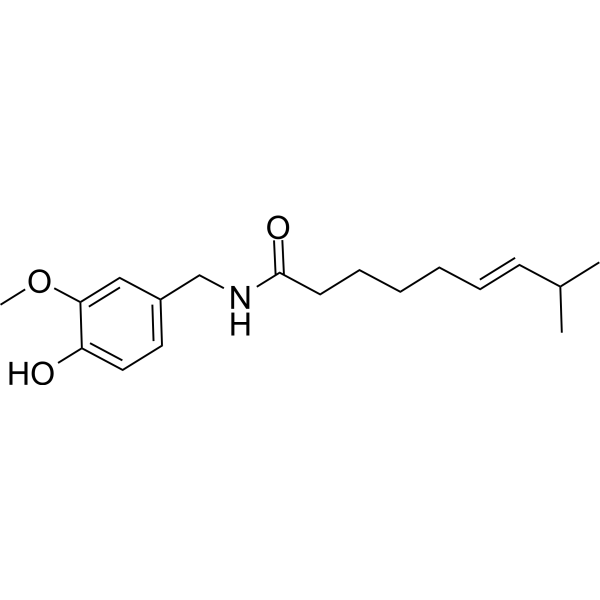
    Capsaicin
    Maximum Cited Publications
    81 Publications Verification

    (E)-Capsaicin

    Environmental Pollutants TRP Channel Autophagy Endogenous Metabolite Apoptosis Infection Neurological Disease Inflammation/Immunology Cancer
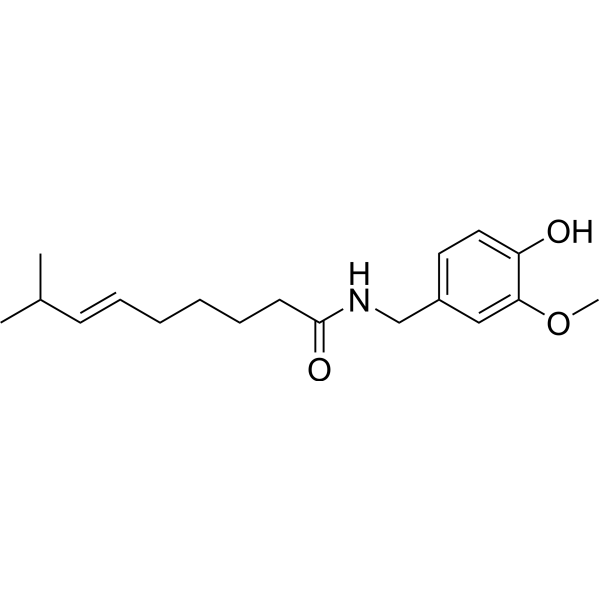
    Capsaicin ((E)-Capsaicin), an active component of chili peppers, is a TRPV1 agonist. Capsaicin induces a nociceptive response by binding to its receptors. Capsaicin has analgesic effects on neurological disorders. Capsaicin has antioxidant, anti-inflammatory, anti-cancer effects .
    Capsaicin
  • HY-106224
    Orexin A (human, rat, mouse)
    10+ Cited Publications

    Hypocretin-1 (human, rat, mouse)

    Orexin Receptor (OX Receptor) Neurological Disease
    Orexin A (human, rat, mouse) (Hypocretin-1 (human, rat, mouse)), a 33 amino acid excitatory neuropeptide, orchestrates diverse central and peripheral processes. Orexin A (human, rat, mouse) binds and activates two types of G protein-coupled receptors, the orexin-1 receptor (OX1R) and the orexin-2 receptor (OX2R). Orexin A (human, rat, mouse) has a role in the regulation of feeding behavior. Orexin A (human, rat, mouse) is an effective anti-nociceptive and anti-hyperalgesic agent in mice and rats .
    Orexin A (human, rat, mouse)
  • HY-B2114
    Escin
    3 Publications Verification

    Apoptosis Metabolic Disease Inflammation/Immunology Cancer
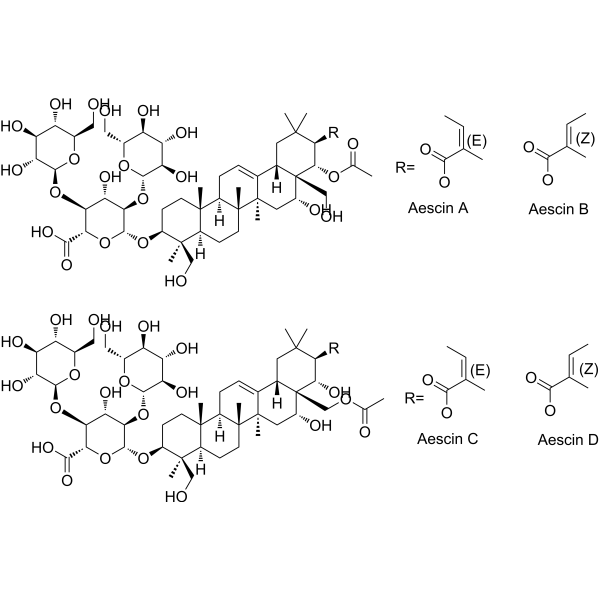
    Escin, a natural compound of triterpenoid saponins that can be isolated from horse chestnut (Aesculus hippocastanum) seeds, can be used as a vasoprotective anti-inflammatory, anti-edematous and anti-nociceptive agent .
    Escin
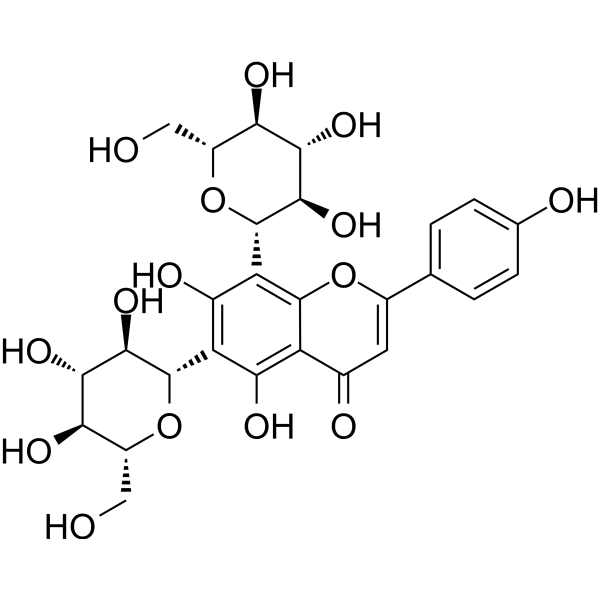
  • HY-N2165
    Vicenin 2
    5+ Cited Publications

    Angiotensin-converting Enzyme (ACE) Cardiovascular Disease Metabolic Disease Inflammation/Immunology Cancer
    Vicenin 2, a flavonoid, is an orally active angiotensin-converting enzyme (ACE) inhibitor (IC50 of 43.83 μM) . Vicenin 2 has radioprotective, anti-nociceptive effects, anti-glycation anti-inflammatory, antioxidant, anticancer, antiangiogenic properties .
    Vicenin 2
  • HY-130605
    BAY-1797
    4 Publications Verification

    P2X Receptor Neurological Disease
    BAY-1797, a chemical probe, is a potent, orally active, and selective P2X4 antagonist, with an IC50 of 211 nM against human P2X4. BAY-1797 displays no or very weak activity on the other P2X ion channels. BAY-1797 shows anti-nociceptive and anti-inflammatory effects .
    BAY-1797
  • HY-135013

    TRP Channel Neurological Disease
    Umbellulone is an active constituent of the leaves of Umbellularia californica. Umbellulone stimulates the TRPA1 channel in a subset of peptidergic, nociceptive neurons, activating the trigeminovascular system via this mechanism .
    Umbellulone
  • HY-Y0892
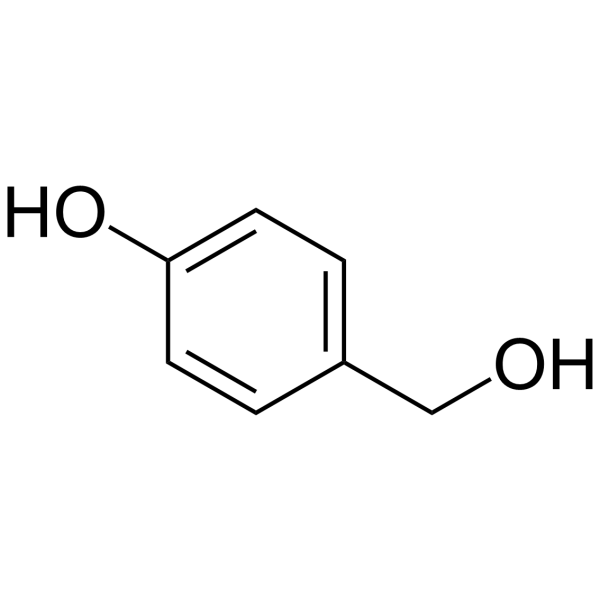
    4-Hydroxybenzyl alcohol
    1 Publications Verification

    Apoptosis Endogenous Metabolite Neurological Disease Inflammation/Immunology Cancer
    4-Hydroxybenzyl alcohol is a phenolic compound widely distributed in various kinds of plants. Anti-inflammatory, anti-oxidant, anti-nociceptive activity. Neuroprotective effect. Inhibitor of tumor angiogenesis and growth .
    4-Hydroxybenzyl alcohol
  • HY-10448R
    Capsaicin (Standard)
    Maximum Cited Publications
    81 Publications Verification

    (E)-Capsaicin (Standard)

    Reference Standards TRP Channel Autophagy Apoptosis Endogenous Metabolite Cancer
    Capsaicin (Standard) is the analytical standard of Capsaicin. This product is intended for research and analytical applications. Capsaicin ((E)-Capsaicin), an active component of chili peppers, is a TRPV1 agonist. Capsaicin induces a nociceptive response by binding to its receptors. Capsaicin has analgesic effects on neurological disorders. Capsaicin has antioxidant, anti-inflammatory, anti-cancer effects .
    Capsaicin (Standard)
  • HY-142240

    HSK16149

    Calcium Channel Neurological Disease
    Crisugabalin is an orally active, selective ligand for the α2δ subunit of voltage-gated calcium channels, with a target IC50 of 3.96 nM in rats. Crisugabalin inhibits the binding of [ 3H]gabapentin to the α2δ subunit, reduces calcium influx, decreases neuronal excitability, and impairs nociceptive transmission. Crisugabalin alleviates mechanical allodynia, neuropathic pain and inflammatory pain in rats, and reduces phase II pain behaviors. Crisugabalin can be used in research related to chronic pain, neuropathic pain, diabetic neuropathy, fibromyalgia, inflammatory pain, diabetic peripheral neuropathy and postherpetic neuralgia.
    Crisugabalin
  • HY-B2082

    VEGFR Ferroportin NF-κB Mitochondrial Metabolism Neurological Disease Inflammation/Immunology Cancer
    Fursultiamine is a vitamin B1 derivative, has anti-nociceptive and antineoplastic activity. Fursultiamine can be used for vitamin B1?deficiency, osteoarthritis (OA) and cancer research .
    Fursultiamine
  • HY-N7000

    Environmental Pollutants Caspase Reactive Oxygen Species (ROS) Apoptosis Akt Ras Cardiovascular Disease Neurological Disease Inflammation/Immunology Cancer
    Perillyl alcohol is an orally active monoterpene. Perillyl alcohol exhibits multiple activities such as analgesic, anti-inflammatory, anti-tumor, anti-angiogenic, and anti-nociceptive effects. Perillyl alcohol can induce apoptosis and cell cycle arrest in tumor cells .
    Perillyl alcohol
  • HY-12741
    LDN-212320
    5+ Cited Publications

    LDN-0212320; OSU-0212320

    EAAT Neurological Disease
    LDN-212320 (LDN-0212320) is a glutamate transporter (GLT-1)/excitatory amino acid transporter 2 (EAAT2) activator (at translational level). LDN-212320 (LDN-0212320) prevents nociceptive pain by upregulating astroglial GLT-1 expression in the hippocampus and ACC [1]
    LDN-212320
  • HY-N6967

    (-)-α-Bisabolol

    Environmental Pollutants Apoptosis Neurological Disease Inflammation/Immunology
    Levomenol ((-)-α-Bisabolol), a monocyclic sesquiterpene alcohol, exerts antioxidant, anti-inflammatory, and anti-apoptotic activities. Levomenol also has neuroprotective effects and prevents neuronal damage and memory deficits through reduction of proinflammatory markers induced by permanent focal cerebral ischemia in mice. Levomenol attenuates nociceptive behaviour and central sensitisation in a rodent model of trigeminal neuropathic pain. Orally active .
    Levomenol
  • HY-70050C

    GR 68755C; GR 68755 Hydrochloride; GR 68755X Hydrochloride

    5-HT Receptor Neurological Disease
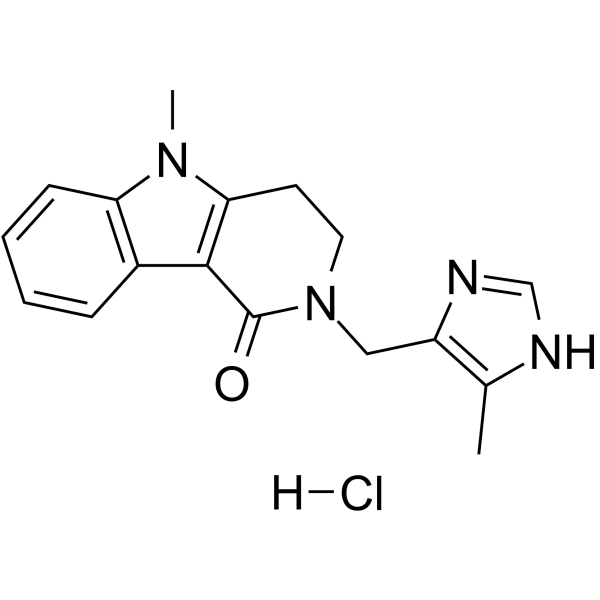
    Alosetron Hydrochloride (GR 68755C) is a potent and highly selective serotonin 5-HT3 receptor antagonist. Alosetron Hydrochloride is used for the research of irritable bowel syndrome (IBS). Alosetron blocks the fast 5HT3-mediated depolarisation of guinea-pig myenteric and submucosal neurons, with IC50 at ~55 nM. Alosetron Hydrochloride attenuates the visceral nociceptive effect of rectal distension in conscious or anaesthetised dogs. Anti-inflammatory effects .
    Alosetron Hydrochloride
  • HY-100197
    Synaptamide
    1 Publications Verification

    N-Docosahexaenoyl ethanolamine (DHEA); Docosahexaenoyl ethanolamide

    Cannabinoid Receptor Neurological Disease
    Synaptamide (Dehydroepiandrosteron; DHEA) is an endogenous metabolite and structural analogue of Anandamide. Synaptamide binds to both the cannabinoid-1 and 2 (CB1 and CB2) cannabinoid receptors and has anti-inflammatory properties. Synaptamide is the first small-molecule endogenous ligand of an adhesion G protein-coupled receptor (aGPCR) .
    Synaptamide
  • HY-N2067
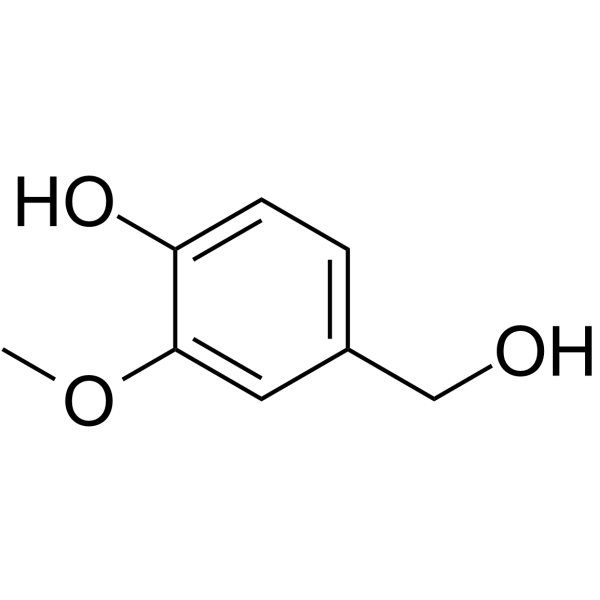
    Vanillyl alcohol
    1 Publications Verification

    p-(Hydroxymethyl)guaiacol

    Reactive Oxygen Species (ROS) Bcl-2 Family Cardiovascular Disease Neurological Disease Inflammation/Immunology
    Vanillyl alcohol (p-(Hydroxymethyl)guaiacol) is an orally active phenolic alcohol. Vanillyl alcohol reduces ROS generation. suppresses Bax, increases Bcl-2. Vanillyl alcohol has anti-angiogenic, anti-inflammatory, anti-nociceptive and neuroprotective effects. Vanillyl alcohol is used as a flavoring agent in foods and beverages .
    Vanillyl alcohol
  • HY-13509
    CCG-50014
    2 Publications Verification

    RGS Protein Inflammation/Immunology
    CCG-50014 is the most potent against the regulator of G-protein signaling protein type 4 (RGS4) (IC50 =30 nM) and is >20-fold selective for RGS4 over other RGS proteins. CCG-50014 binds covalently to the RGS, forming an adduct on two cysteine residues located in an allosteric regulatory site . CCG50014, reduces nociceptive responses and enhances opioid-mediated analgesic effects in the mouse formalin test .
    CCG-50014
  • HY-70050A

    GR 68755; GR 68755X

    5-HT Receptor Neurological Disease Inflammation/Immunology
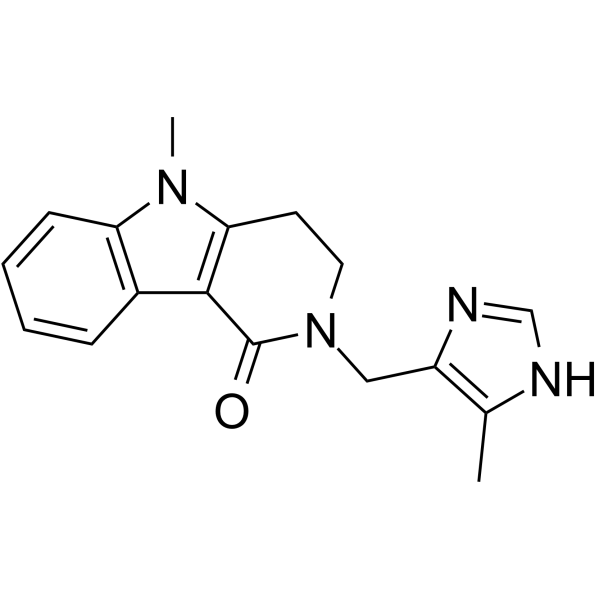
    Alosetron (GR 68755) is a potent and highly selective serotonin 5-HT3 receptor antagonist. Alosetron is used for the research of irritable bowel syndrome (IBS). Alosetron blocks the fast 5HT3-mediated depolarisation of guinea-pig myenteric and submucosal neurons, with IC50 at ~55 nM. Alosetron attenuates the visceral nociceptive effect of rectal distension in conscious or anaesthetised dogs. Anti-inflammatory effects .
    Alosetron
  • HY-66012
    Proparacaine hydrochloride
    2 Publications Verification

    Proxymetacaine hydrochloride

    Sodium Channel Neurological Disease
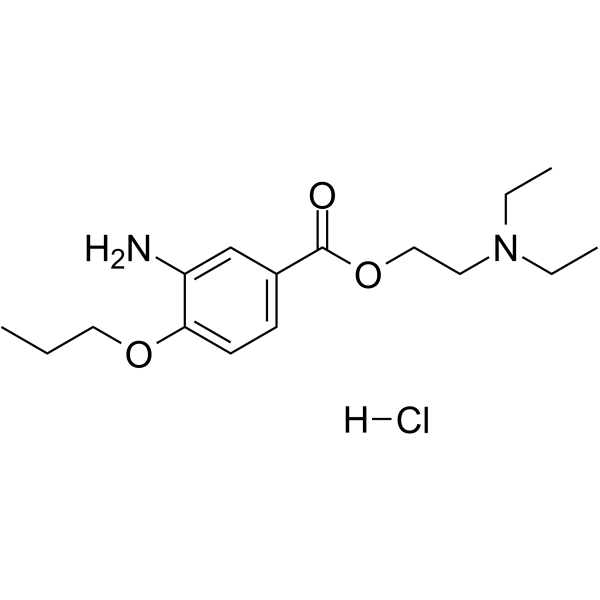
    Proparacaine (Proxymetacaine) hydrochloride is a local anesthetic. Proparacaine hydrochloride blocks voltage-gated sodium channels on neuronal cell membranes, thereby inhibiting signal conduction and nociceptive signal transmission. Proparacaine hydrochloride blocks nociceptive signals in the eye and induces ocular muscle relaxation to reduce eye movement during surgery. Proparacaine hydrochloride is used in research related to cataracts .
    Proparacaine hydrochloride
  • HY-P3499

    Guanylate Cyclase Inflammation/Immunology
    Dolcanatide is an orally active GC-C (guanylate cyclase-C) agonist. Dolcanatide shows laxative, anti-nociceptive and anti-inflammatory activity. Dolcanatide can be used in inflammatory bowel disease research .
    Dolcanatide
  • HY-139347

    LY3556050; CNTX-0290

    Somatostatin Receptor Neurological Disease
    Mazisotine (CNTX-0290) is an orally active, non-opioid somatostatin receptor 4 (SSTR4) agonist with an EC50 of 4.7 nM. Mazisotine exerts significant analgesic effects in various nociceptive (inflammatory, osteoarthritic) and neuropathic pain models. Mazisotine can be used for pain research .
    Mazisotine
  • HY-17617

    Z-360

    Cholecystokinin Receptor Ephrin Receptor Interleukin Related VEGFR HIF/HIF Prolyl-Hydroxylase Akt Neurological Disease Cancer
    Nastorazepide (Z-360) is an orally active 1,5-benzodiazepine derivative and gastrin/CCK-2 receptor antagonist. Nastorazepide inhibits the specific binding of [ 3H]CCK-8 to the human CCK-2 receptor with a Ki value of 0.47 nM. Nastorazepide inhibits IL-1β, ephrin B1, VEGF, and HIF-1alpha, reduces Akt and NR2B phosphorylation. Nastorazepide has antitumor activity against pancreatic cancer. Nastorazepide inhibits colorectal cancer liver metastasis and relieves pain .
    Nastorazepide
  • HY-130118

    Mas-related G-protein-coupled Receptor (MRGPR) Neurological Disease
    MRGPRX1 agonist 1 is a highly potent MRGPRX1 agonist (EC50=50 nM) with greater than 50-fold selectivity for δ, μ, and κ opioid receptors. MRGPRX1 agonist 1 is inactive against MRGPRC11. MRGPRC11 inhibits high voltage-activated (HVA) Ca 2+ currents, reduces neurotransmitter release, and mitigates nociceptive transmission in the spinal cord. MRGPRX1 agonist 1 is useful for the study of chronic pain, especially neuropathic pain .
    MRGPRX1 agonist 1
  • HY-P1626

    Opioid Receptor Neurological Disease
    Acetyl tetrapeptide-15 is a synthetic peptide. Acetyl tetrapeptide-15 is derived from endomorphin-2 (Tyr-Pro-Phe-Phe-NH2), a human μ-opioid agonist with selective anti-nociceptive effect. Acetyl tetrapeptide-15 reduces skin hyperreactivity producing inflammatory, chronic and neuropathic pain, by increasing the threshold of neuronal excitability in μ-opioid receptor via an endorphin-like pathway. Acetyl tetrapeptide-15 is used in the cosmetics for sensitive skin .
    Acetyl tetrapeptide-15
  • HY-107581
    MK-1903
    1 Publications Verification

    GPR109A MMP Metabolic Disease Inflammation/Immunology
    MK-1903 is an orally active full agonist of GPR109a/HCAR2, with an EC50 of 12.9 nM. MK-1903 activates antilipolytic and vasodilatory pathways, reduces plasma free fatty acid levels, and induces skin flushing. MK-1903 stimulates the expression of HCAR2 protein and regulates the inflammatory response of microglia. MK-1903 prevents the enhanced firing activity of spinal nociceptive neurons. MK-1903 triggers the release of MMP-9 and the formation of NET. MK-1903 can be used in the research of dyslipidemia and neuroinflammation-based central nervous system diseases .
    MK-1903
  • HY-100326

    Phosphodiesterase (PDE) Neurological Disease Inflammation/Immunology
    Pde7-in-3 (example 2) is an inhibitor of the phosphodiesterase PDE7 with potential analgesic activity. PDE7-IN-3 can be used to study inflammatory, neuropathic, visceral and nociceptive pain .
    PDE7-IN-3
  • HY-18978

    Adenosine Receptor Inflammation/Immunology
    GR79236 is a highly potent, selective and orally active adenosine A1 receptor agonist with a Kis of 3.1 nM and 1300 nM for A1 and A2 receptors, respectively. GR79236 has anti-nociceptive and anti-inflammatory actions .
    GR79236
  • HY-W014421
    AP-18
    2 Publications Verification

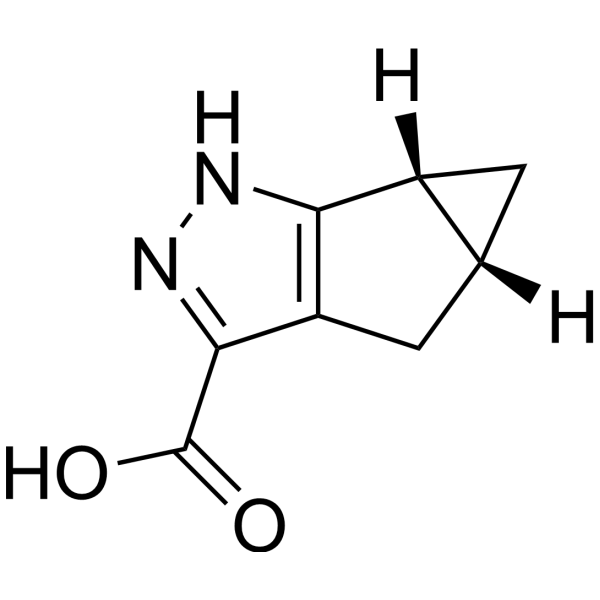
    TRP Channel Neurological Disease
    AP-18, a potent and selective TRPA1 inhibitor, blocks activation of TRPA1 by 50 μM Cinnamaldehyde with an IC50 of 3.1 μM and 4.5 μM for human and mouse TRPA1, respectively. AP-18 reverses complete Freund's adjuvant (CFA)-induced mechanical hyperalgesia in mice. AP-18 attenuated 30 μM AITC-induced Yo-Pro uptake in a concentration-dependent manner, with an IC50 of 10.3 μM .
    AP-18
  • HY-145169

    Sodium Channel Neurological Disease
    AZ194 is a first-in-class, orally active inhibitor of CRMP2-Ubc9 interaction and inhibitor of NaV1.7 (IC50=1.2 μM). AZ194 blocks SUMOylation of CRMP2 to selectively reduce the amount of surface-expressed NaV1.7. Antinociceptive effects .
    AZ194
  • HY-P1213

    Melanocortin Receptor Neurological Disease
    JKC363, a selective melanocortin MC4 receptor antagonist, has a 90-fold higher affinity at the MC4 receptor (IC50=0.5 nM) than at the MC3 receptor (44.9 nM). JKC-363 blocks the stimulatory effect of α-MSH on TRH release. Anti-hyperalgesic effect .
    JKC363
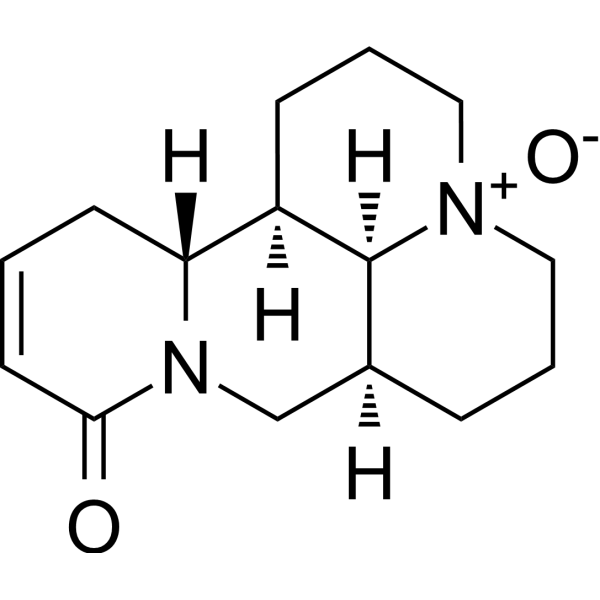
  • HY-N0746
    Oxysophocarpine
    5+ Cited Publications

    Others Cancer
    Oxysophocarpine is an alkaloid extracted from Sophora alopecuroides.?Oxysophocarpine has neuroprotective and anti-nociceptive effects on the central and peripheral nervous systems . Oxysophocarpine inhibits the?growth?and?metastasis?of ?oral?squamous?cell?carcinoma?(OSCC) .
    Oxysophocarpine
  • HY-104006

    Opioid Receptor Neurological Disease
    CYM51010 is a biased ligand of μ-opioid receptor – δ-opioid receptor heterodimers with an EC50 of 403 nM. CYM51010 exhibits anti-nociceptive activity similar to morphine but with a decreased levels of tolerance development and withdrawal symptoms .
    CYM51010
  • HY-155386

    Biochemical Assay Reagents Enterovirus DNA/RNA Synthesis Mitochondrial Metabolism Infection Neurological Disease
    Peroxynitrite sodium is a product of the diffusion-controlled reaction between nitric oxide and superoxide radicals, as well as an oxidant and an antiviral agent. Peroxynitrite sodium inhibits Mitochondrial respiration. Peroxynitrite sodium suppresses the replication of Coxsackievirus, partly by inhibiting viral RNA entry into host cells. Peroxynitrite sodium induces a significant nociceptive response .
    Peroxynitrite sodium
  • HY-N6663

    Environmental Pollutants COX Inflammation/Immunology
    3-Carene is a bicyclic monoterpene in essential oils extracted from pine trees. 3-Carene inhibits nociceptive stimulus-induced inflammatory infiltrates and COX-2 overexpression, and with antinociceptive effect. 3-Carene stimulates the activity and expression of alkaline phosphatase that is an early phase marker of osteoblastic differentiation .
    3-Carene
  • HY-142699

    Somatostatin Receptor Inflammation/Immunology
    SSTR4 agonist 2 is a potent agonist of somatostatin receptor subtype 4 (SSTR4). SSTR4 pathway inhibits nociceptive and inflammatory processes. SSTR4 agonist 2 has the potential for the research of medical disorders related to SSTR4 (extracted from patent WO2014184275A1, compound 107) .
    SSTR4 agonist 2
  • HY-W021450A

    Biochemical Assay Reagents Neurological Disease
    DL-Fluorocitric acid barium is a glial cell metabolic inhibitor. DL-Fluorocitric acid barium inhibits mechanical hyperalgesia induced by subcutaneous injection of complete Freund's adjuvant in rats. DL-Fluorocitric acid barium inhibits nociceptive behaviors induced by Histamine (HY-B1204) in mice and blocks the phosphorylation of the NMDA receptor NR1 subunit in the lumbar spinal cord of mice. DL-Fluorocitric acid (barium) can be used in the research of mechanical hyperalgesia and nociceptive pain .
    DL-Fluorocitric acid barium
  • HY-106224A
    Orexin A (human, rat, mouse) TFA
    10+ Cited Publications

    Hypocretin-1 (human, rat, mouse) TFA

    Orexin Receptor (OX Receptor) Neurological Disease
    Orexin A (human, rat, mouse) (Hypocretin-1 (human, rat, mouse)) TFA, a 33 amino acid excitatory neuropeptide, orchestrates diverse central and peripheral processes. Orexin A (human, rat, mouse) TFA binds and activates two types of G protein-coupled receptors, the orexin-1 receptor (OX1R) and the orexin-2 receptor (OX2R). Orexin A (human, rat, mouse) TFA has a role in the regulation of feeding behavior. Orexin A (human, rat, mouse) TFA is an effective anti-nociceptive and anti-hyperalgesic agent in mice and rats .
    Orexin A (human, rat, mouse) TFA
  • HY-136207

    nAChR Neurological Disease
    TC-2559 idifumarate is a CNS-selective, orally active α4β2 subtype of nicotinic acetylcholine receptor (nAChR) partial agonist (EC50=0.18 μM). TC-2559 difumarate shows selectivity for α4β2 over α2β4, α4β4 and α3β4 receptors, with EC50s in the range of 10-30 µM. Antinociceptive effect .
    TC-2559 difumarate
  • HY-108425B

    (Rac)-AMG8380

    Sodium Channel Neurological Disease
    (Rac)-AMG8379 ((Rac)-AMG8380) is a racemate of AMG8379. AMG8379 is a potent, orally active and selective sulfonamide antagonist of NaV1.7, with IC50s of 8.5 and 18.6 nM for hNaV1.7 and mNaV1.7, respectively .
    (Rac)-AMG8379
  • HY-125527A
    17(R)-Resolvin D1
    1 Publications Verification

    17(R)-RvD1; AT-RvD1

    TRP Channel Inflammation/Immunology
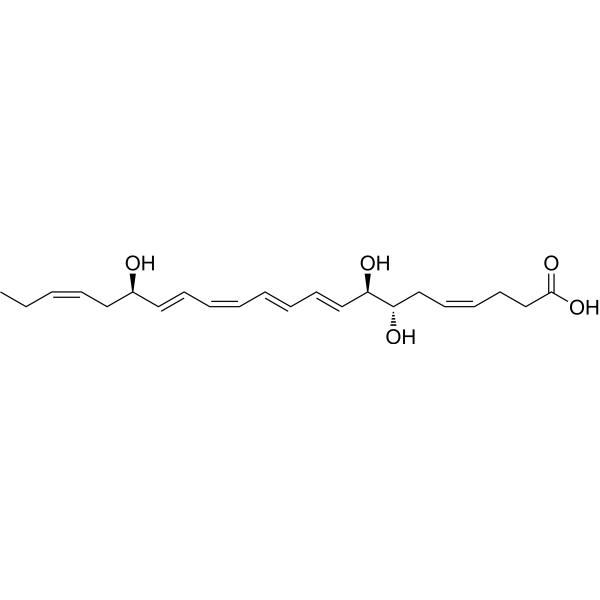
    17R-Resolvin D1 (17R-RvD1; AT-RvD1) is an aspirin-triggered epimer of Resolvin D1, which exhibits anti-inflammatory activity in mice and human PMNs cells . 17R-Resolvin D1 specificially inhibits TRPV3 with an IC50 of 398 nM and exhibits peripheral anti-nociceptive efficacy .
    17(R)-Resolvin D1
  • HY-108425

    Sodium Channel Neurological Disease
    AMG8379 is a potent, orally active and selective sulfonamide antagonist of the voltage-gated sodium channel NaV1.7, with IC50s of 8.5 and 18.6 nM for hNaV1.7 and mNaV1.7, respectively. AMG8379 potently and reversibly blocks endogenous Tetrodotoxin (TTX)-sensitive sodium channels in dorsal root ganglia (DRG) neurons with an IC50 of 3.1 nM .
    AMG8379
  • HY-142701

    Somatostatin Receptor Neurological Disease
    SSTR4 agonist 4 is a potent agonist of SSTR4. SSTR4 is expressed at relatively high levels in the hippocampus and neocortex, memory and learning regions, and Alzheimer's disease pathology. SSTR4 agonists are potent in rodent models of pain associated with acute and chronic associated anti-peripheral nociceptive and anti-inflammatory activity. SSTR4 agonist 4 has the potential for the research of pain (extracted from patent WO2021233428A1, compound 14) .
    SSTR4 agonist 4
  • HY-151391

    Biochemical Assay Reagents Neurological Disease
    LPA5 antagonist 1 (Compound 66) is a potent and selective lysophosphatidic acid receptor 5 (LPA5) antagonist (IC50=32 nM). LPA5 antagonist 1 shows high blood-brain-barrier permeability and anti-nociceptive activity. LPA5 antagonist 1 can be used in inflammatory and neuropathic pain research . LPA5 antagonist 1 is a click chemistry reagent, it contains an Alkyne group and can undergo copper-catalyzed azide-alkyne cycloaddition (CuAAc) with molecules containing Azide groups.
    LPA5 antagonist 1
  • HY-108479

    SR140333

    Neurokinin Receptor Neurological Disease
    Nolpitantium (SR140333) is a potent, selective, competitive, non-peptide tachykinin NK1 receptor antagonist. Nolpitantium blocks the activation of rat thalamic neurons after nociceptive stimulation .
    Nolpitantium
  • HY-130660

    Prostamide F2α

    Prostaglandin Receptor Endocrinology
    Prostaglandin F2α ethanolamide (Prostamide F2α) is an ethanolamide-like G protein-coupled receptor. Prostaglandin F2α is also a luteinizing hormone in sheep and may be a nociceptive mediator in the spinal cord .
    Prostaglandin F2α ethanolamide
  • HY-114810

    Prostaglandin Receptor Endocrinology
    Prostaglandin F2α serinol amide is a serinolamide G protein-coupled receptor that increases calcium levels in human non-small cell lung cancer cells. Prostaglandin F2α is also a luteinizing hormone in sheep and may be a nociceptive mediator in the spinal cord .
    Prostaglandin F2α serinol amide
  • HY-10635

    TRP Channel Inflammation/Immunology Cancer
    ABT-102 is a potent and highly selective Vanilloid Receptor (TRPV1) receptor antagonist. ABT-102 potently and reversibly increases heat pain thresholds and reduced painfulness of suprathreshold oral/cutaneous heat. ABT-102 reduces nociceptive responses of animals in models of inflammatory, bone cancer, postoperative, and osteoarthritic pain .
    ABT-102
  • HY-Y0892R

    Reference Standards Apoptosis Endogenous Metabolite Neurological Disease Inflammation/Immunology Cancer
    4-Hydroxybenzyl alcohol (Standard) is the analytical standard of 4-Hydroxybenzyl alcohol. This product is intended for research and analytical applications. 4-Hydroxybenzyl alcohol is a phenolic compound widely distributed in various kinds of plants. Anti-inflammatory, anti-oxidant, anti-nociceptive activity. Neuroprotective effect. Inhibitor of tumor angiogenesis and growth [4].
    4-Hydroxybenzyl alcohol (Standard)
  • HY-P10358

    Calcium Channel Neurological Disease
    TAT-CBD3A6K, is a modified TAT-CBD3 peptide. TAT-CBD3A6K reduces T- and R-type voltage-dependent calcium currents in dorsal root ganglion (DRG) neurons. TAT-CBD3A6K shows anti-nociceptive effects in a model of AIDS-induced peripheral neuropathy by preventing CRMP-2-mediated enhancement of T- and R-type calcium channel function .
    TAT-CBD3A6K
  • HY-P11431

    IGF-1R Neurological Disease Inflammation/Immunology
    Cyclo(Gly-Pro) is a cyclic dipeptide. Cyclo(Gly-Pro) can be derived from the Nterminus of the IGF-1. Cyclo(Gly-Pro) attenuates nociceptive behaviour and inflammatory response in mice .
    Cyclo(Gly-Pro)

Inquiry Online

Your information is safe with us. * Required Fields.

Salutation


Country or Region *

Applicant Name *


Organization Name *

Department *


Email Address *


Product Name *

Cat. No.


Requested quantity *

Phone Number *


Remarks

Inquiry Online

Inquiry Information

Product Name:
Cat. No.:
Quantity:
MCE Japan Authorized Agent:

