
1. Search Result
Search Result
Results for "

overload

" in MedChemExpress (MCE) Product Catalog:

75

Inhibitors & Agonists

1

Fluorescent Dye

4

Peptides

4

Inhibitory Antibodies

19

Natural
Products

6

Isotope-Labeled Compounds

1

Click Chemistry

1

Oligonucleotides

Cat. No. Product Name Target Research Areas Chemical Structure
  • HY-N0488
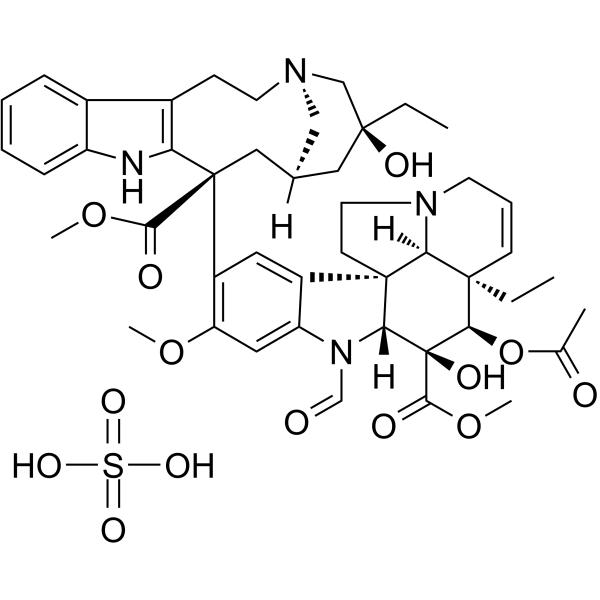
    Vincristine sulfate
    Maximum Cited Publications
    74 Publications Verification

    Leurocristine sulfate; NSC-67574 sulfate; 22-Oxovincaleukoblastine sulfate

    Apoptosis Microtubule/Tubulin Mitosis Cancer
    Vincristine (Leurocristine; NSC-67574; 22-Oxovincaleukoblastine) sulfate is a microtubule inhibitor that disrupts microtubule polymerization by binding to β-tubulin (with a Ki of 85 nM in bovine), arrests the cell cycle and induces apoptosis. Vincristine sulfate inhibits cell replication, tumor blood flow and the proliferation of various cancer cells, while triggering effects such as oxidative stress, inflammation, calcium overload, epithelial-mesenchymal transition and peripheral neuropathic pain. Vincristine sulfate upregulates the expression of various transporters and nuclear receptors, and enriches gastric cancer stem-like cells. Vincristine sulfate is used in research related to various tumors including acute lymphoblastic leukemia, lymphoma, melanoma, gastric cancer, solid tumors and sarcomas .
    Vincristine sulfate
  • HY-B1645
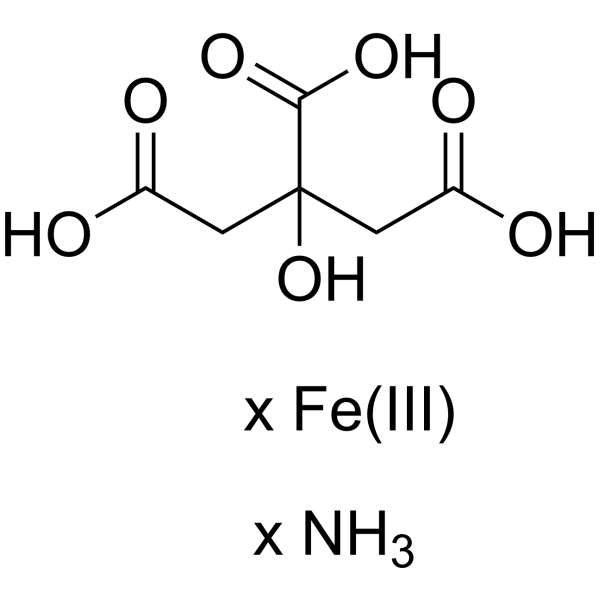
    Ammonium iron(III) citrate
    25+ Cited Publications

    Ammonium ferric citrate; FAC

    Environmental Pollutants Ferroptosis Cancer
    Ammonium iron(III) citrate (Ammonium ferric citrate), a physiological form of nonetransferrin-bound iron, induces intracellular iron overload to cause ferroptosis . Ammonium iron(III) citrate can enhance protein production .
    Ammonium iron(III) citrate
  • HY-17359
    Deferasirox
    10+ Cited Publications

    ICL 670

    Bacterial Ferroptosis Cancer
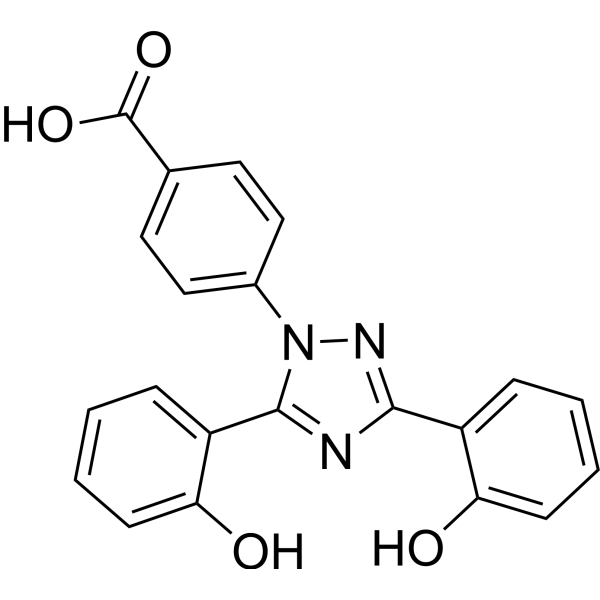
    Deferasirox (ICL 670) is an orally available iron chelator used for the management of transfusional iron overload .
    Deferasirox
  • HY-N0488A
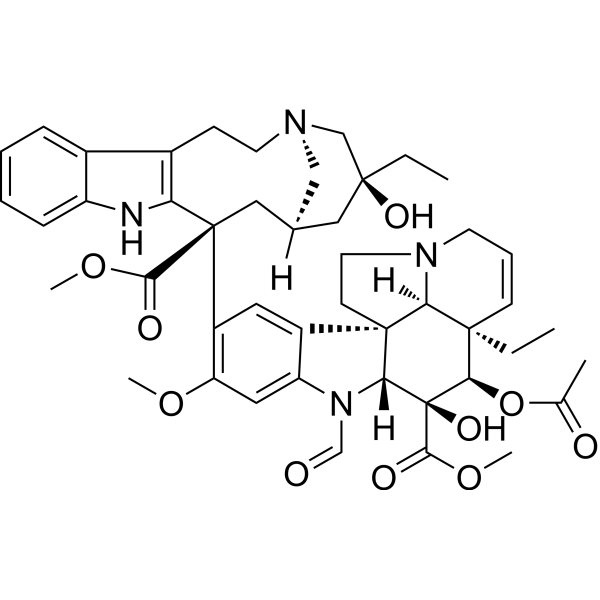
    Vincristine
    Maximum Cited Publications
    74 Publications Verification

    Leurocristine; NSC-67574; 22-Oxovincaleukoblastine

    Apoptosis Microtubule/Tubulin Mitosis Infection Cancer
    Vincristine (Leurocristine; NSC-67574; 22-Oxovincaleukoblastine) is a microtubule inhibitor that disrupts microtubule polymerization by binding to β-tubulin (with a Ki of 85 nM in bovine), arrests the cell cycle and induces apoptosis. Vincristine inhibits cell replication, tumor blood flow and the proliferation of various cancer cells, while triggering effects such as oxidative stress, inflammation, calcium overload, epithelial-mesenchymal transition and peripheral neuropathic pain. Vincristine upregulates the expression of various transporters and nuclear receptors, and enriches gastric cancer stem-like cells. Vincristine is used in research related to various tumors including acute lymphoblastic leukemia, lymphoma, melanoma, gastric cancer, solid tumors and sarcomas .
    Vincristine
  • HY-100001
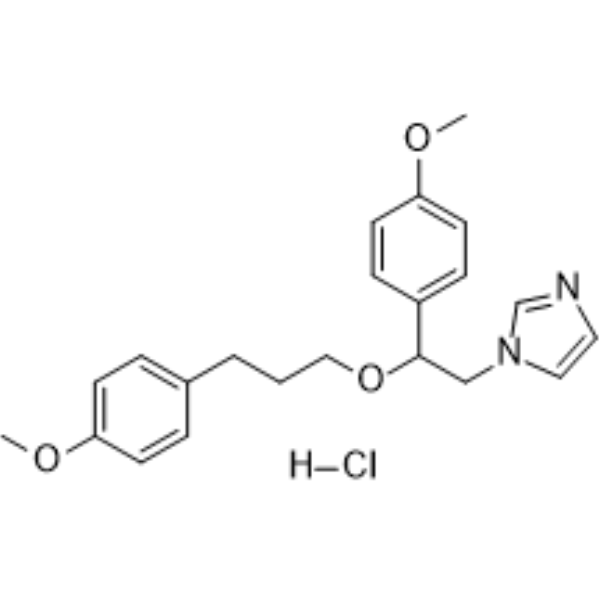
    SKF-96365 hydrochloride
    25+ Cited Publications

    TRP Channel CRAC Channel Autophagy CaMK Akt Apoptosis Na+/Ca2+ Exchanger Calcium Channel Neurological Disease Inflammation/Immunology Cancer
    SKF-96365 hydrochloride is a TRPC channel antagonist and store-operated calcium entry (SOCE) inhibitor. SKF-96365 hydrochloride reduces calcium ion influx by inhibiting the activity and expression of TRPC6, STIM1 and Orai1. SKF-96365 hydrochloride inhibits voltage-gated sodium current (cardiac INa/NaV1.5) and slows myocardial conduction. SKF-96365 hydrochloride inhibits phosphorylation/activation of CaMKIIγ and suppresses the downstream AKT signaling pathway. SKF-96365 hydrochloride induces G2/M phase cell cycle arrest, apoptosis and cytoprotective autophagy in colorectal cancer cells. SKF-96365 hydrochloride alleviates allergic rhinitis symptoms by reducing inflammatory cytokine levels. SKF-96365 hydrochloride reduces intracellular calcium overload, inhibits Homer1 expression, prevents nuclear damage and suppresses apoptosis. SKF-96365 hydrochloride inhibits the growth of colorectal cancer xenografts in nude mice . SKF-96365 hydrochloride is applicable to research related to allergic rhinitis, colorectal cancer, Parkinson's disease, persistent spontaneous nociception and hyperalgesia .
    SKF-96365 hydrochloride
  • HY-14307
    Necrocide 1
    2 Publications Verification

    TRP Channel Eukaryotic Initiation Factor (eIF) Reactive Oxygen Species (ROS) Cancer
    Necrocide 1, a necrosis by sodium overload (NECSO) inducer, is a selective transient receptor potential melastatin 4 (TRPM4) agonist with an EC50 of 306.3 nM for human TRPM4. Necrocide 1 triggers TRPM4-dependent necrotic cell death through the induction of sodium influx. Necrocide 1 induces hallmarks of immunogenic cell death incurring calreticulin (CALR) exposure, ATP secretion and high mobility group box 1 (HMGB1) release. Necrocide 1 can be used for the study of breast and prostate cancer .
    Necrocide 1
  • HY-111914A
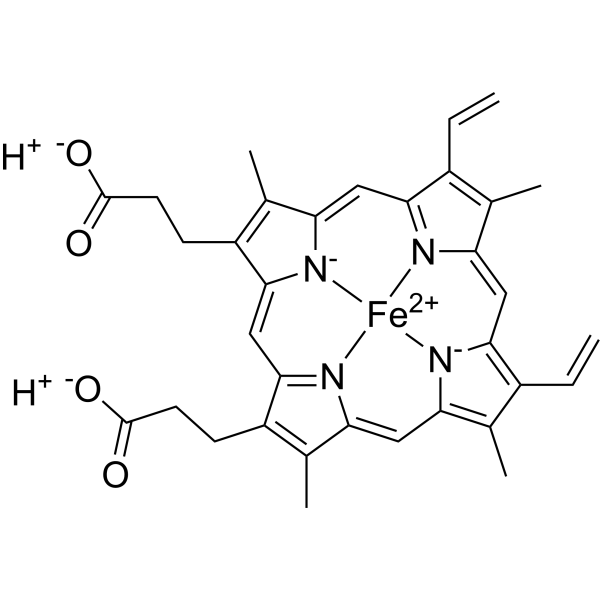
    Ferroheme
    1 Publications Verification

    NO Synthase Fatty Acid Synthase (FASN) Cardiovascular Disease
    Ferroheme is the ferrous form of heme in hemoglobin, reversibly binding oxygen as an oxygen carrier. Its free form induces oxidative stress and ferroptosis by releasing iron ions, which catalyze reactive oxygen species generation via Fenton reactions, leading to lipid peroxidation and cell death. This mechanism is critical in pathological contexts like intracerebral hemorrhage and neurodegenerative diseases, making it a target for studying iron-overload disorders and ferroptosis-related pathologies[1][2][3].
    Ferroheme
  • HY-133168
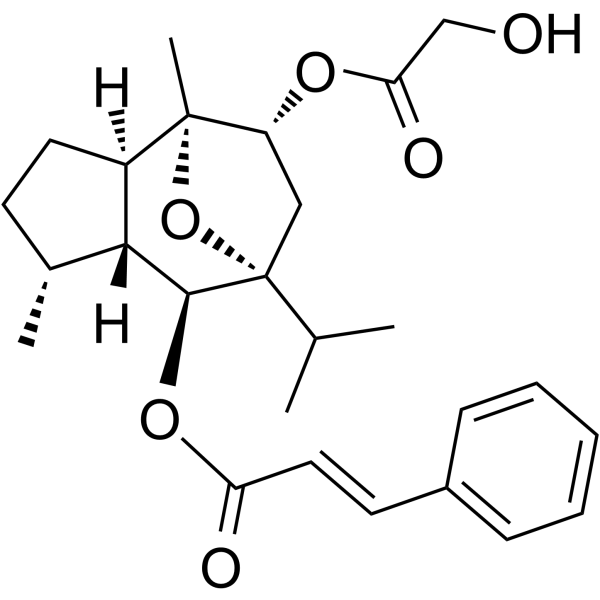
    Englerin A
    1 Publications Verification

    TRP Channel Cancer
    Englerin A is a potent and selective activator of TRPC4 and TRPC5 channels, with EC50s of 11.2 and 7.6 nM, respectively. Englerin A can induce renal carcinoma cells death by elevated Ca 2+ influx and Ca 2+ cell overload .
    Englerin A
  • HY-N0515
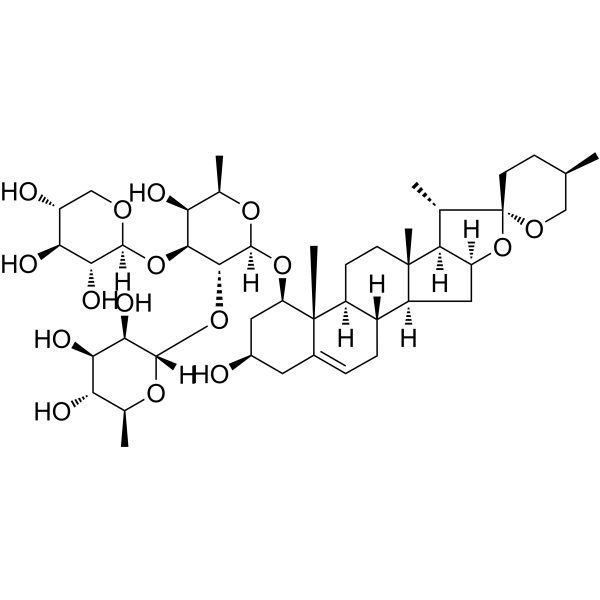
    Ophiopogonin D
    1 Publications Verification

    PPAR NF-κB Calcium Channel Reactive Oxygen Species (ROS) ERK Cardiovascular Disease Metabolic Disease Inflammation/Immunology
    Ophiopogonin D can be isolated from the tubers of Ophiopogon japonicus, is a rare naturally occurring C29 steroidal glycoside. Ophiopogonin D is a CYP2J3 inducer that significantly inhibits Ang II induced NF-κB nuclear translocation, IκBα down-regulation, intracellular Ca 2+ overload and activation of pro-inflammatory cytokines by increasing the expression of CYP2J2/EETs and PPARα in human umbilical vein endothelial cells (HUVECs). Ophiopogonin D can inhibit isteoclastic differentiation in RAW264.7 cells. Ophiopogonin D has protective effect as an antioxidant in H2O2-induced endothelial injury. Ophiopogonin D blocks ERK signaling cascades. Ophiopogonin D alleviates high-fat diet-induced metabolic syndrome and changes the structure of gut microbiota in mice. Ophiopogonin D has been used against inflammatory, metabolic and cardiovascular diseases .
    Ophiopogonin D
  • HY-D0261
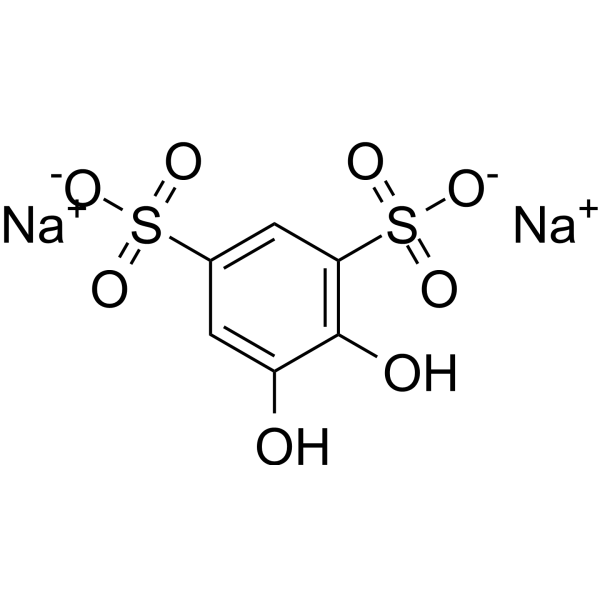
    Tiron
    1 Publications Verification

    Biochemical Assay Reagents Apoptosis Metabolic Disease Inflammation/Immunology Cancer
    Tiron is a non-toxic chelator of a variety of metals. Tiron is cell permeable analog of vitamin E and function as hydroxyl radical and superoxide scavenger. Tiron is an orally active antioxidant. Tiron can be used to alleviate acute metal overload in animals .
    Tiron
  • HY-114758
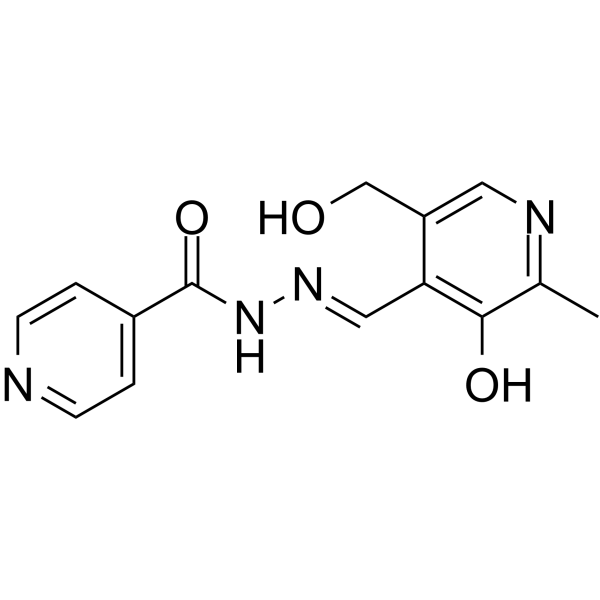
    Pyridoxal isonicotinoyl hydrazone
    4 Publications Verification

    Biochemical Assay Reagents Ferrochelatase Cardiovascular Disease
    Pyridoxal isonicotinoyl hydrazone is an orally active and lipophilic iron-specific chelator that acts as a non-competitive inhibitor of ferrochelatase (FECH) by binding iron ions. Pyridoxal isonicotinoyl hydrazone disrupts heme biosynthesis, leading to reduced FECH stability and increased protoporphyrin IX (PPIX) accumulation. Pyridoxal isonicotinoyl hydrazone is promising for research of iron-overload diseases (e.g., β-thalassemia) .
    Pyridoxal isonicotinoyl hydrazone
  • HY-B1194

    (±)-Tetramisole hydrochloride; DL-Tetramisole hydrochloride; R-829

    Potassium Channel Parasite PKA Infection Cardiovascular Disease
    Tetramisole hydrochloride is an orally active, selective inward rectifier potassium channel agonist with an EC50 of approximately 30 μM for the Kir2.1 subunit. Tetramisole hydrochloride is also an anti-nematode agent that blocks neuromuscular transmission by non-competitive depolarization. Tetramisole hydrochloride promotes the forward transport of Kir2.1 channels, hyperpolarizes the resting potential (RP), shortens the action potential duration (APD), inhibits intracellular calcium overload and the PKA signaling pathway, and exerts anti-arrhythmic and anti-myocardial remodeling activities. Tetramisole hydrochloride can be used in cardiac electrophysiology research and research related to myocardial ischemia and heart failure .
    Tetramisole hydrochloride
  • HY-N0444

    Reactive Oxygen Species (ROS) Inflammation/Immunology
    Rubiadin is an orally active polyketide-derived compound and free radical scavenger that inhibits the activation of the NF-κB pathway. Rubiadin inhibits osteoclast formation, bone resorption, lipid peroxidation, HBV DNA replication and cancer cell proliferation; reduces pro-inflammatory cytokine levels; induces cancer cell apoptosis; and possesses antifungal, antimalarial, antibacterial and anticonvulsant activities. Rubiadin can be used in the research of osteoporosis, acute inflammation, chronic inflammation, carbon tetrachloride-induced liver injury, Alzheimer's disease, breast cancer, iron overload disorders, hepatitis B virus infection, colon cancer, liver cancer, T-lymphocytic leukemia, cervical cancer, diabetic nephropathy, epileptic seizures, fungal infections, malaria and bacterial infections .
    Rubiadin
  • HY-108260

    GT-56-252

    Ferroptosis Cardiovascular Disease
    Deferitrin (GT-56-252), a desferrithiocin (DFT) analogue, is an orally active trident iron chelator. Deferitrin is used for chronic iron overload due to transfusional therapy. Deferitrin has the potential for beta-thalassemia major .
    Deferitrin
  • HY-122620

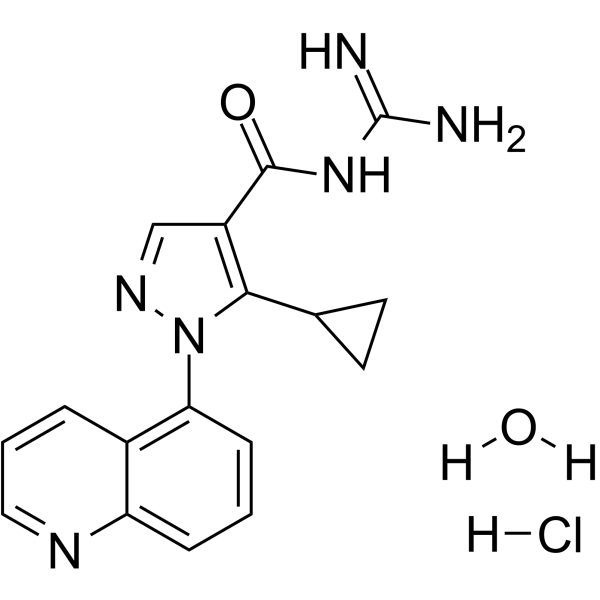
    Hetrombopag (tautomerism); SHR-8735 (tautomerism)

    Thrombopoietin Receptor STAT PI3K ERK Apoptosis CDK Cardiovascular Disease Inflammation/Immunology
    Rafutrombopag (tautomerism) (Hetrombopag) is an orally active nonpeptide thrombopoietin receptor (TPOR/MPL) agonist. Rafutrombopag can chelate iron and alleviate iron overload while promoting haematopoiesis. Rafutrombopag specifically stimulates proliferation and differentiation of human TPOR‐expressing cells, including 32D‐ MPL and human hematopoietic stem cells through stimulation of STAT, PI3K and ERK signalling pathways. Rafutrombopag effectively up-regulates G1-phase-related proteins, including p-RB, Cyclin D1 and CDK4/6, normalizes progression of the cell cycle, and prevents apoptosis by modulating BCL-XL/BAK expression in 32D-MPL cells. Rafutrombopag protects cardiomyocyte survival from oxidative stress damage as an enhancer of stem cells. Rafutrombopag can be used for the study of immune thrombocytopenia and oxidative stress-related cardiovascular disease .
    Rafutrombopag (tautomerism)
  • HY-N0392

    Toll-like Receptor (TLR) PI3K Akt NF-κB MDM-2/p53 Caspase MEK Bcl-2 Family p38 MAPK Mitophagy Reactive Oxygen Species (ROS) Apoptosis Calcium Channel Cardiovascular Disease Infection Neurological Disease
    Polygalasaponin F is an orally active triterpenoid saponin monomer. Polygalasaponin F downregulates the expression of Bax, p53, caspase-3, NF-κB p65 and MEK1; restores and upregulates the expression of Bcl-2; activates the PI3K/Akt signaling pathway; inhibits the phosphorylation of p38 MAPK, nuclear translocation of NF-κB, TLR4-mediated signaling pathway, mitophagy (Mitophagy) and ROS production; enhances cell viability and suppresses apoptosis (Apoptosis). Polygalasaponin F maintains mitochondrial function, alleviates Ca 2+ overload, upregulates pCREB and BDNF, preserves cell viability and inhibits the release of inflammatory cytokines. Polygalasaponin F alleviates lung injury induced by influenza A H1N1 and cerebral ischemia-reperfusion injury. Polygalasaponin F is applicable to researches related to Parkinson's disease, cerebral ischemia, pneumonia induced by influenza A H1N1, stroke and Alzheimer's disease .
    Polygalasaponin F
  • HY-126301
    DMT1 blocker 1
    3 Publications Verification

    Ferroportin Metabolic Disease
    DMT1 blocker 1 is an orally active blocker of divalent metal transporter 1 (DMT1) with an IC50 of 0.64 μM. DMT1 blocker 1 inhibits intestinal cell absorption of non-heme iron, thereby alleviating iron overload by blocking the DMT1 transporter. DMT1 blocker 1 demonstrates significant efficacy in rodent models of acute iron hyperabsorption. DMT1 blocker 1 is useful for studying iron overload disorders such as hereditary hemochromatosis and thalassemia .
    DMT1 blocker 1
  • HY-A0079

    Amethocaine

    Sodium Channel Calcium Channel Neurological Disease
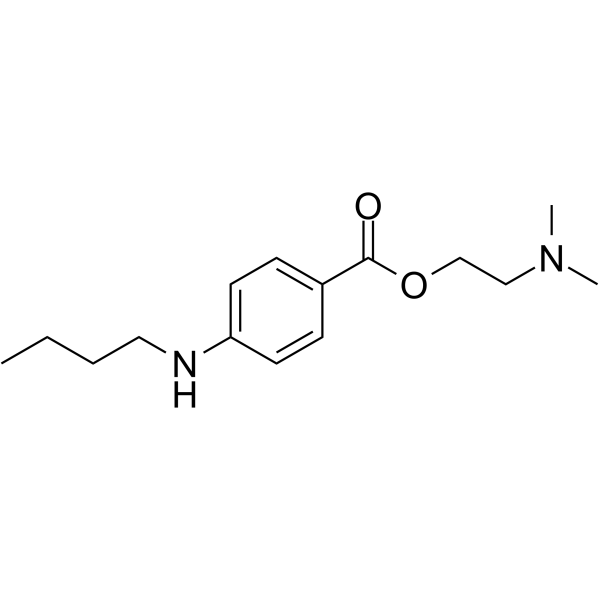
    Tetracaine (Amethocaine) is a sodium channel inhibitor and ryanodine receptor (RyR) inhibitor. Tetracaine blocks sodium conduction across nerve cell membranes, preventing rapid sodium ion influx and depolarization. Tetracaine exhibits biphasic effects on spontaneous sarcoplasmic reticulum Ca 2+ release in Ca 2+-overloaded ventricular myocytes, and increases sarcoplasmic reticulum Ca 2+ load. Tetracaine can be used in research related to eye diseases .
    Tetracaine
  • HY-15195

    Ro 67-0565; SPP-301

    Endothelin Receptor Cardiovascular Disease Endocrinology
    Avosentan (Ro 67-0565; SPP-301) is an orally active endothelin (ETA) receptor antagonist. Avosentan can block the ETA receptor, thereby reducing vascular contraction and exerting a renal protective effect. Avosentan inhibits vascular contraction caused by ET-1 and alleviates the reduction in retinal and optic nerve head blood flow induced by it, lowering intraocular pressure in the glaucoma monkey model. Avosentan non-specifically blocks ETB receptors at high doses, inhibiting ETB-mediated diuresis and natriuresis, and may cause fluid retention. Avosentan can be used to reduce proteinuria with diabetic nephropathy, but induces significant fluid overload and congestive heart failure .
    Avosentan
  • HY-N6850
    Calenduloside E
    1 Publications Verification

    Apoptosis Pyroptosis AMPK Bcl-2 Family JAK STAT Calcium Channel Interleukin Related TNF Receptor SOD Reactive Oxygen Species (ROS) PPAR Cardiovascular Disease Inflammation/Immunology
    Calenduloside E is a pentacyclic triterpenoid saponin that can be extracted from the bark and roots of Aralia ovata, and has anti-inflammatory and anti-apoptotic activities. Calenduloside E alleviates atherosclerosis by regulating macrophage polarization, improves mitochondrial function by regulating the AMPK-SIRT3 pathway, and alleviates acute liver injury. In addition, Calenduloside E promotes the interaction between L-type calcium channels and Bcl-2 related apoptosis genes, inhibits calcium overload, and alleviates myocardial ischemia/reperfusion injury. Calenduloside E also improves non-alcoholic fatty liver disease by regulating heat shock-dependent pathways, and inhibits ROS mediated JAK1-STAT3 pathways to reduce cellular inflammatory responses .
    Calenduloside E
  • HY-114837

    Ferroptosis Cancer
    HBED is a potent iron chelator. HBED can be used to study transfusional iron overload .
    HBED
  • HY-P3494

    Hepcidin Bacterial Infection Inflammation/Immunology
    Hepcidin-25 (human) is an iron metabolism regulator and Antimicrobial agent. Hepcidin-25 (human) exerts anti-inflammatory and antimicrobial activities by regulating iron-mediated oxidative damage .
    Hepcidin-25 (human)
  • HY-107802
    Breviscapine
    2 Publications Verification

    Breviscapinun

    NF-κB Interleukin Related TGF-beta/Smad Calcium Channel Cardiovascular Disease Neurological Disease Inflammation/Immunology
    Breviscapine (Breviscapinun) is a flavonoid compound with antioxidant, anti-inflammatory, anti-fibrotic, and neuroprotective activities. Breviscapine ameliorates cerebral ischemia/reperfusion injury and vascular dementia, and inhibits the formation of postoperative abdominal adhesions. The mechanism of action of Breviscapine involves the regulation of oxidative stress, inflammatory cytokines, signaling pathways such as TGF-β/Smad, and cellular calcium overload. Breviscapine is used for research on diseases including cardiovascular and cerebrovascular diseases .
    Breviscapine
  • HY-P99720A

    RAP-536

    TGF-beta/Smad Metabolic Disease
    Luspatercept (mIgG2a) (RAP-536) is a fusion protein, consisting of a modified extracellular domain of human ActRIIB linked to the murine IgG2a Fc domain. Luspatercept (mIgG2a) inhibits Smad2/3 signaling, promotes differentiation of late-stage erythroid precursors and mitigates ineffective erythropoiesis (IE) in murine β-thalassemia. Luspatercept (mIgG2a) reduces anemia, α-globin aggregates, hemolysis, and disease complications of IE such as iron overload, splenomegaly, and bone defects .
    Luspatercept (mIgG2a)
  • HY-B2153

    Cuproptosis Bacterial Infection
    Tetraethylenepentamine pentahydrochloride is an orally active copper chelator and copper mobilizer. Tetraethylenepentamine pentahydrochloride exhibits growth inhibitory and hypolipidemic properties. Tetraethylenepentamine pentahydrochloride significantly increases urinary copper excretion and reduces renal copper accumulation in copper overload models, but does not significantly alter hepatic copper levels. Tetraethylenepentamine pentahydrochloride exerts growth inhibitory effects on Candida albicans and Fluconazole (HY-B0101)-resistant strains, and can be widely used in studies related to Wilson's disease and Candida infections .
    Tetraethylenepentamine pentahydrochloride
  • HY-16637D
    Folic acid disodium
    20+ Cited Publications

    Vitamin B9 disodium; Vitamin M disodium

    Endogenous Metabolite DNA/RNA Synthesis Others Neurological Disease Cancer
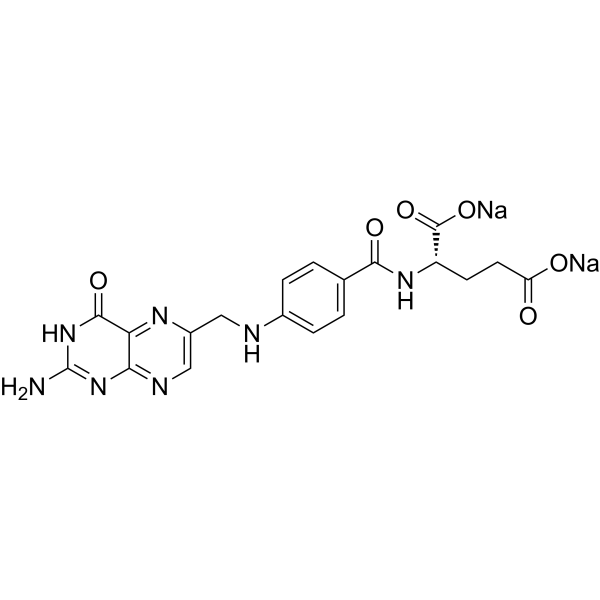
    Folic acid disodium (Vitamin B9 disodium; Vitamin M disodium) is an orally active disodium salt form of Folic acid (HY-16637) with an intrinsic dissolution rate (IDR) of 4.96·10 5 g/s . Folic acid disodium serves as cofactor in single-carbon transfer reactions and exhibits protective effects against neural tube defects, ischemic events, and cancer. Folate acid disodium overload leads to impaired brain development in embryogenesis and promotes growth of precancerous altered cells. Folic acid deficiency leads to megaloblastic anemia .
    Folic acid disodium
  • HY-145589

    Hetrombopag; SHR-8735

    Thrombopoietin Receptor STAT PI3K ERK Apoptosis CDK Cardiovascular Disease Inflammation/Immunology Cancer
    Rafutrombopag (Hetrombopag) is an orally active nonpeptide thrombopoietin receptor (TPOR/MPL) agonist. Rafutrombopag can chelate iron and alleviate iron overload while promoting haematopoiesis. Rafutrombopag specifically stimulates proliferation and differentiation of human TPOR-expressing cells, including 32D-MPL and human hematopoietic stem cells through stimulation of STAT, PI3K and ERK signalling pathways. Rafutrombopag effectively up-regulates G1-phase-related proteins, including p-RB, Cyclin D1 and CDK4/6, normalizes progression of the cell cycle, and prevents apoptosis by modulating BCL-XL/BAK expression in 32D-MPL cells. Rafutrombopag protects cardiomyocyte survival from oxidative stress damage as an enhancer of stem cells. Rafutrombopag can be used for the study of immune thrombocytopenia and oxidative stress-related cardiovascular disease .
    Rafutrombopag
  • HY-P1604
    ATX-II
    1 Publications Verification

    Sodium Channel Cardiovascular Disease Inflammation/Immunology
    ATX-II is a selective sodium channel modulator toxin. ATX-II enhances late sodium current, prevents full sodium channel inactivation, and generates persistent current fractions. ATX-II has pro-arrhythmic effect. ATX-II slows intrinsic heart rate, prolongs QT interval and sinus node recovery time, and causes sinus pauses and arrests. ATX-II can be used for the research of atrial fibrillation, long QT syndrome, and long QT3 syndrome .
    ATX-II
  • HY-P1604A
    ATX-II TFA
    1 Publications Verification

    Sodium Channel Cardiovascular Disease Inflammation/Immunology
    ATX-II TFA is a selective sodium channel modulator toxin. ATX-II TFA enhances late sodium current, prevents full sodium channel inactivation, and generates persistent current fractions. ATX-II TFA has pro-arrhythmic effect. ATX-II TFA slows intrinsic heart rate, prolongs QT interval and sinus node recovery time, and causes sinus pauses and arrests. ATX-II TFA can be used for the research of atrial fibrillation, long QT syndrome, and long QT3 syndrome .
    ATX-II TFA
  • HY-103059

    Calcium Channel Cardiovascular Disease
    SOICR-IN-1 (compound 32) is a store-overload induced calcium release (SOICR) inhibitor with an IC50 value of 14.6 μM. SOICR-IN-1 can be used for the research of cardiac arrhythmias .
    SOICR-IN-1
  • HY-175806

    TrxR Reactive Oxygen Species (ROS) Ferroptosis Cancer
    CS47 is a Thioredoxin Reductase 1 (TRXR1) inhibitor and ferroptosis inducer. CS47 binds non-covalently to sites between the FAD and NADPH pockets of TRXR1. CS47 drives glutathione depletion, lipid reactive oxygen species accumulation, HMOX1-dependent iron overload, and selective cytotoxicity in lung cancer cells. CS47 can be used for the research of lung cancer .
    CS47
  • HY-137672A

    2',3'-cNADP+; β-Nicotinamide adenine dinucleotide-2',3'-cyclic phosphate

    Phosphodiesterase (PDE) Calcium Channel Neurological Disease
    2',3'-Cyclic NADP disodium (2',3'-cNADP+; β-Nicotinamide adenine dinucleotide-2',3'-cyclic phosphate) is a substrate for 2',3'-cyclic nucleotide 3'-phosphodiesterase (CNP), an enzyme abundant in myelin. It has been used in a coupled enzyme assay to quantify CNP activity. 2',3'-Cyclic NADP disodium (5 μM) increases calcium overload-induced calcium release and prevents calcium-induced swelling in rat brain mitochondria.
    2',3'-Cyclic NADP disodium
  • HY-125942
    SKF-96365
    25+ Cited Publications

    CRAC Channel TRP Channel CaMK Akt Apoptosis Autophagy Na+/Ca2+ Exchanger Calcium Channel Neurological Disease Inflammation/Immunology Cancer
    SKF-96365 is a TRPC channel antagonist and store-operated calcium entry (SOCE) inhibitor. SKF-96365 reduces calcium ion influx by inhibiting the activity and expression of TRPC6, STIM1 and Orai1. SKF-96365 inhibits voltage-gated sodium current (cardiac INa/NaV1.5) and slows myocardial conduction. SKF-96365 inhibits phosphorylation/activation of CaMKIIγ and suppresses the downstream AKT signaling pathway. SKF-96365 induces G2/M phase cell cycle arrest, apoptosis and cytoprotective autophagy in colorectal cancer cells. SKF-96365 alleviates allergic rhinitis symptoms by reducing inflammatory cytokine levels. SKF-96365 reduces intracellular calcium overload, inhibits Homer1 expression, prevents nuclear damage and suppresses apoptosis. SKF-96365 inhibits the growth of colorectal cancer xenografts in nude mice . SKF-96365 is applicable to research related to allergic rhinitis, colorectal cancer, Parkinson's disease, persistent spontaneous nociception and hyperalgesia .
    SKF-96365
  • HY-147278

    Divesiran; SLN124

    Ser/Thr Protease Small Interfering RNA (siRNA) TMPRSS6 Cardiovascular Disease
    Manusiran (Divesiran) is a GalNac-siRNA targeting liver and transmembrane serine protease 6 (Serine protease 6). Manusiran increases hepatic Hepcidin synthesis and plasma levels by silencing TMPRSS6, a negative regulator of hepcidin production, and limits the availability of iron required for erythropoiesis. Combined use of Manusiran with Deferiprone (HY-B0568) reduces ineffective erythropoiesis and hepatic iron overload in a mouse model of β-thalassemia. Manusiran can be used for research on polycythemia vera, type 1 hereditary hemochromatosis, and β-thalassemia .
    Manusiran
  • HY-N0488S

    Leurocristine-d3 sulfate; NSC-67574-d3 sulfate; 22-Oxovincaleukoblastine-d3 sulfate

    Isotope-Labeled Compounds Apoptosis Microtubule/Tubulin Mitosis Cancer
    Vincristine-d3 sulfate is the deuterium labeled Vincristine sulfate. Vincristine sulfate (Leurocristine; NSC-67574; 22-Oxovincaleukoblastine) is a microtubule inhibitor that disrupts microtubule polymerization by binding to β-tubulin (with a Ki of 85 nM in bovine), arrests the cell cycle and induces apoptosis. Vincristine sulfate inhibits cell replication, tumor blood flow and the proliferation of various cancer cells, while triggering effects such as oxidative stress, inflammation, calcium overload, epithelial-mesenchymal transition and peripheral neuropathic pain. Vincristine sulfate upregulates the expression of various transporters and nuclear receptors, and enriches gastric cancer stem-like cells. Vincristine sulfate is used in research related to various tumors including acute lymphoblastic leukemia, lymphoma, melanoma, gastric cancer, solid tumors and sarcomas .
    Vincristine-d3 sulfate
  • HY-N0515R

    Reference Standards PPAR NF-κB Calcium Channel ERK Reactive Oxygen Species (ROS) Cardiovascular Disease Metabolic Disease Inflammation/Immunology
    Ophiopogonin D (Standard) is the analytical standard of Ophiopogonin D. This product is intended for research and analytical applications. Ophiopogonin D can be isolated from the tubers of Ophiopogon japonicus, is a rare naturally occurring C29 steroidal glycoside. Ophiopogonin D is a CYP2J3 inducer that significantly inhibits Ang II induced NF-κB nuclear translocation, IκBα down-regulation, intracellular Ca2+ overload and activation of pro-inflammatory cytokines by increasing the expression of CYP2J2/EETs and PPARα in human umbilical vein endothelial cells (HUVECs). Ophiopogonin D can inhibit isteoclastic differentiation in RAW264.7 cells. Ophiopogonin D has protective effect as an antioxidant in H2O2-induced endothelial injury. Ophiopogonin D blocks ERK signaling cascades. Ophiopogonin D alleviates high-fat diet-induced metabolic syndrome and changes the structure of gut microbiota in mice. Ophiopogonin D has been used against inflammatory, metabolic and cardiovascular diseases .
    Ophiopogonin D (Standard)
  • HY-P11260

    Ser/Thr Protease Thrombin Metabolic Disease
    MD5 is a selective TMPRSS6 mimetic peptide inhibitor with an IC50 for recombinant human TMPRSS6 protein of 22 nM and a Ki of 3.4 nM. MD5 exhibits the significantly reduced inhibitory effect on Matriptase, with an IC50 of 352 nM and a Ki of 99.2 nM. MD5 exhibits good target specificity and only has a weak inhibitory effect on thrombin (Thrombin), with Ki of 120 nM. MD5 demonstrates good initial drugability and can be used for the study of iron overload diseases (such as hereditary hemochromatosis, β-thalassemia) .
    MD5
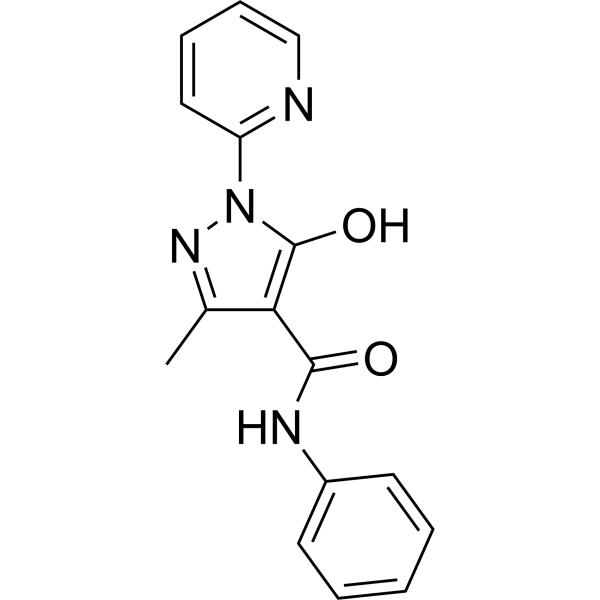
  • HY-U00354

    Calcium Channel Cardiovascular Disease
    CP-​060 is a potent Ca 2+ antagonist, inhibits Ca 2+ overload and possesses antioxidant and cardioprotective activities.
    CP-060
  • HY-114683

    TGF-beta/Smad Cardiovascular Disease
    KS370G is an orally active hypoglycemic and cardiovascular protective agent. KS370G improves left ventricular hypertrophy and function in pressure-overload mice heart. KS370G reduces renal obstructive nephropathy .
    KS370G
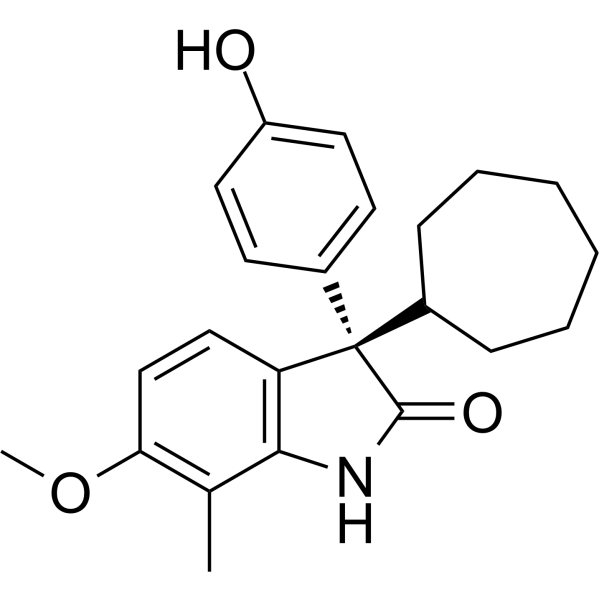
  • HY-176252

    Apoptosis Cancer
    CALR ligand 1 (Compound 2a) is a calreticulin (CALR) ligand. CALR ligand 1 shows antitumor activity against triple-negative breast cancer (TNBC) cells (IC50=0.1 μM). CALR ligand 1 induces intracellular calcium overloading and triggers apoptosis in TNBC cells. CALR ligand 1 is promising for research of TNBC .
    CALR ligand 1
  • HY-141713

    TRP Channel Neurological Disease Inflammation/Immunology
    ZA10 is a selective TRPM2 channel inhibitor, with an IC50 value of 8.1 μM. ZA10 can effectively suppress intracellular Ca 2+ overload triggered by TRPM2 channel activation. ZA10 significantly reduce the mortality of SH-SY5Y cells induced by H2O2. ZA10 can be used for the study of ischemia-reperfusion injury, inflammation, or other neurodegenerative diseases .
    ZA10
  • HY-141712

    TRP Channel Neurological Disease Inflammation/Immunology
    ZA18 is a selective TRPM2 channel inhibitor, with an IC50 value of 6.2 μM. ZA18 can effectively suppress intracellular Ca 2+ overload triggered by TRPM2 channel activation. ZA18 significantly reduce the mortality of SH-SY5Y cells induced by H2O2. ZA18 can be used for the study of ischemia-reperfusion injury, inflammation, or other neurodegenerative diseases .
    ZA18
  • HY-Z7733

    Desmethylcarvedilol; BM-14242

    Calcium Channel Metabolic Disease
    O-Desmethylcarvedilol (Desmethylcarvedilol) is an active metabolite of the non-selective β-adrenergic receptor (β-AR) antagonist Carvedilol (HY-B0006). O-Desmethylcarvedilol inhibits store-overload-induced calcium release in HEK293 cells expressing the ryanodine receptor 2 (RyR2) R4496C (RyR2 R4496C) mutation (IC50 = 7.62 µM). O-Desmethylcarvedilol reduces increases in heart rate and prevents decreases in diastolic blood pressure induced by Isoproterenol (HY-B0468) in conscious rabbits (ED50s = 32 and 5 µg/kg, respectively) .
    O-Desmethylcarvedilol
  • HY-17359S

    Isotope-Labeled Compounds Bacterial Ferroptosis Cancer
    Deferasirox-d4 is the deuterium labeled Deferasirox. Deferasirox (ICL 670) is an orally available iron chelator used for the management of transfusional iron overload .
    Deferasirox-d4
  • HY-17359R

    ICL 670 (Standard)

    Reference Standards Bacterial Ferroptosis Cancer
    Deferasirox (Standard) is the analytical standard of Deferasirox. This product is intended for research and analytical applications. Deferasirox (ICL 670) is an orally available iron chelator used for the management of transfusional iron overload .
    Deferasirox (Standard)
  • HY-106831

    Calcium Channel Cardiovascular Disease
    R 56865 is a cardiomyocyte protective agent that protects against digitoxin (Ouabain)-induced myocardial calcium overload. R 56865 has a protective effect against digitoxin-induced intoxication in guinea pig papillary muscle .
    R 56865
  • HY-105011A

    Angiotensin Receptor Cardiovascular Disease
    YM-358 hydrate potassium is an orally active angiotensin II type 1 (AT1)-receptor antagonist. YM-358 hydrate potassium can decrease cardiac volume overload. YM-358 hydrate potassium can be used for the research of cardiovascular disease, such as hypertension .
    YM-358 hydrate potassium
  • HY-133168R

    Reference Standards TRP Channel Cancer
    Englerin A (Standard) is the analytical standard of Englerin A. This product is intended for research and analytical applications. Englerin A is a potent and selective activator of TRPC4 and TRPC5 channels, with EC50s of 11.2 and 7.6 nM, respectively. Englerin A can induce renal carcinoma cells death by elevated Ca2+ influx and Ca2+ cell overload .
    Englerin A (Standard)
  • HY-N0488S2

    Leurocristine-d6 sulfate; NSC-67574-d6 sulfate; 22-Oxovincaleukoblastine-d6 sulfate

    Isotope-Labeled Compounds Apoptosis Mitosis Microtubule/Tubulin Cancer
    Vincristine-d6 (sulfate) is the deuterium labeled Vincristine sulfate. Vincristine sulfate (Leurocristine; NSC-67574; 22-Oxovincaleukoblastine) is a microtubule inhibitor that disrupts microtubule polymerization by binding to β-tubulin (with a Ki of 85 nM in bovine), arrests the cell cycle and induces apoptosis. Vincristine sulfate inhibits cell replication, tumor blood flow and the proliferation of various cancer cells, while triggering effects such as oxidative stress, inflammation, calcium overload, epithelial-mesenchymal transition and peripheral neuropathic pain. Vincristine sulfate upregulates the expression of various transporters and nuclear receptors, and enriches gastric cancer stem-like cells. Vincristine sulfate is used in research related to various tumors including acute lymphoblastic leukemia, lymphoma, melanoma, gastric cancer, solid tumors and sarcomas .
    Vincristine-d6 sulfate
  • HY-N0488S1

    Leurocristine-d3-1 sulfate; NSC-67574-d3-1 sulfate; 22-Oxovincaleukoblastine-d3-1 sulfate

    Isotope-Labeled Compounds Apoptosis Mitosis Microtubule/Tubulin Cancer
    Vincristine-d3 sulfate is the deuterium labeled Vincristine sulfate. Vincristine-1 sulfate (Leurocristine; NSC-67574; 22-Oxovincaleukoblastine) is a microtubule inhibitor that disrupts microtubule polymerization by binding to β-tubulin (with a Ki of 85 nM in bovine), arrests the cell cycle and induces apoptosis. Vincristine-1 sulfate inhibits cell replication, tumor blood flow and the proliferation of various cancer cells, while triggering effects such as oxidative stress, inflammation, calcium overload, epithelial-mesenchymal transition and peripheral neuropathic pain. Vincristine-1 sulfate upregulates the expression of various transporters and nuclear receptors, and enriches gastric cancer stem-like cells. Vincristine-1 sulfate is used in research related to various tumors including acute lymphoblastic leukemia, lymphoma, melanoma, gastric cancer, solid tumors and sarcomas .
    Vincristine-d3-1 sulfate

Inquiry Online

Your information is safe with us. * Required Fields.

Salutation


Country or Region *

Applicant Name *


Organization Name *

Department *


Email Address *


Product Name *

Cat. No.


Requested quantity *

Phone Number *


Remarks

Inquiry Online

Inquiry Information

Product Name:
Cat. No.:
Quantity:
MCE Japan Authorized Agent:

