1. Search Result
Search Result
Results for "

polyphenolic

" in MedChemExpress (MCE) Product Catalog:

37

Inhibitors & Agonists

1

Screening Libraries

1

Fluorescent Dye

2

Biochemical Assay Reagents

28

Natural
Products

3

Isotope-Labeled Compounds

1

GMP Molecules

Cat. No. Product Name Target Research Areas Chemical Structure
  • HY-16561
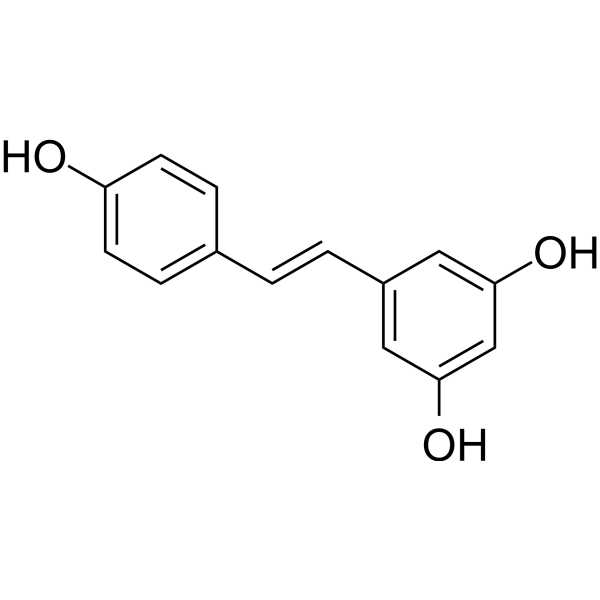
    Resveratrol
    Maximum Cited Publications
    160 Publications Verification

    trans-Resveratrol; SRT501

    DNA/RNA Synthesis IKK Autophagy Mitophagy Sirtuin Apoptosis Bacterial Fungal Antibiotic Keap1-Nrf2 Infection Neurological Disease Metabolic Disease Inflammation/Immunology Cancer
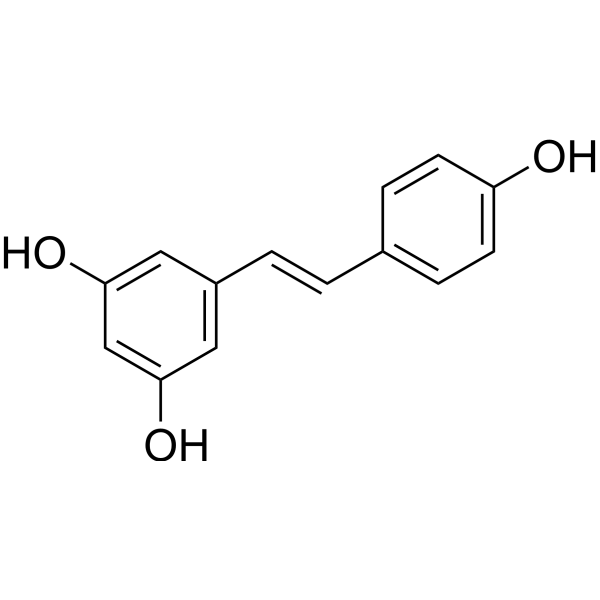
    Resveratrol (trans-Resveratrol; SRT501) is a CNS-penetrant natural polyphenolic phytoalexin that possesses anti-oxidant, anti-inflammatory, cardioprotective, and anti-cancer properties. Resveratrol (SRT 501) has a wide spectrum of targets including mTOR, JAK, β-amyloid, Adenylyl cyclase, IKKβ, DNA polymerase. Resveratrol also is a specific SIRT1 activator . Resveratrol is a potent pregnane X receptor (PXR) inhibitor . Resveratrol is an Nrf2 activator, ameliorates aging-related progressive renal injury in mice model . Resveratrol increases production of NO in endothelial cells .
    Resveratrol
  • HY-N0795
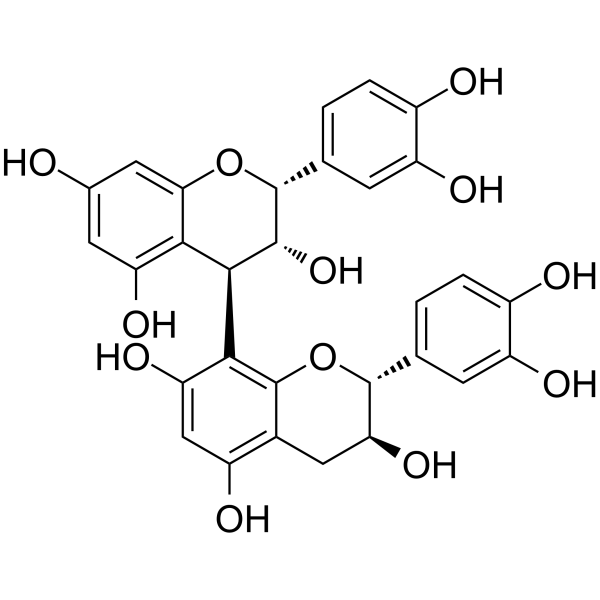
    Procyanidin B1
    5+ Cited Publications

    Toll-like Receptor (TLR) Inflammation/Immunology
    Procyanidin B1 is a polyphenolic flavonoid isolated from commonly eaten fruits, binds to TLR4/MD-2 complex, and has anti-inflammatory activity.
    Procyanidin B1
  • HY-N0722
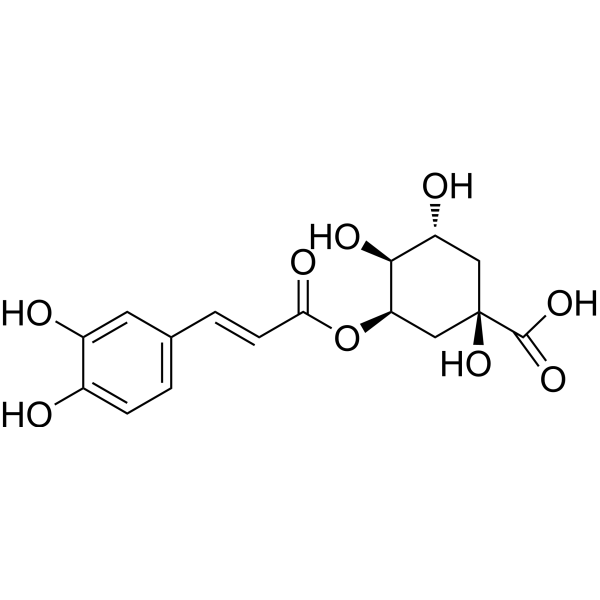
    Neochlorogenic acid
    4 Publications Verification

    trans-5-O-Caffeoylquinic acid

    NF-κB Interleukin Related TNF Receptor COX Inflammation/Immunology Cancer
    Neochlorogenic acid is a natural polyphenolic compound found in dried fruits and other plants. Neochlorogenic acid inhibits the production of TNF-α and IL-1β. Neochlorogenic acid suppresses iNOS and COX-2 protein expression. Neochlorogenic acid also inhibits phosphorylated NF-κB p65 and p38 MAPK activation.
    Neochlorogenic acid
  • HY-13518
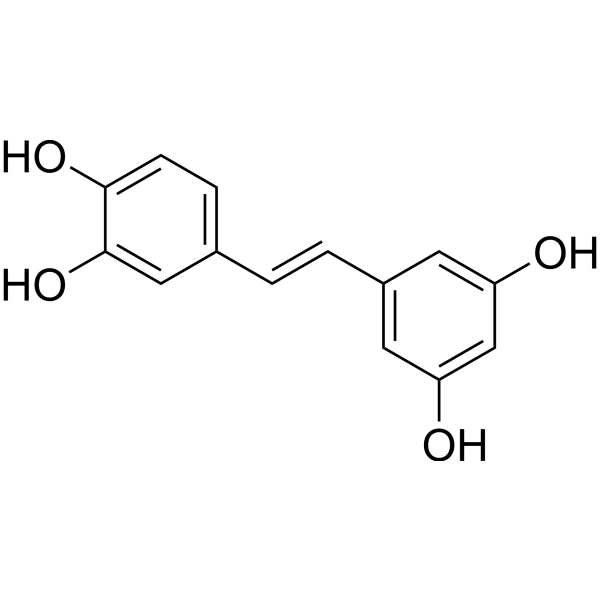
    Piceatannol
    20+ Cited Publications

    Astringenin; trans-Piceatannol

    Syk Autophagy Apoptosis Endogenous Metabolite Cancer
    Piceatannol is a well-known Syk inhibitor and reduces the expression of iNOS induced by TNF. Piceatannol is an effective agent for research of acute lung injury (ALI) . Piceatannol is a naturally occurring polyphenolic stilbene found in various fruits and vegetables and exhibits anticancer and anti-inflammatory properties . Piceatannol induces apoptosis in DLBCL cell lines . Piceatannol induces autophagy and apoptosis in MOLT-4 human leukemia cells .
    Piceatannol
  • HY-N0321

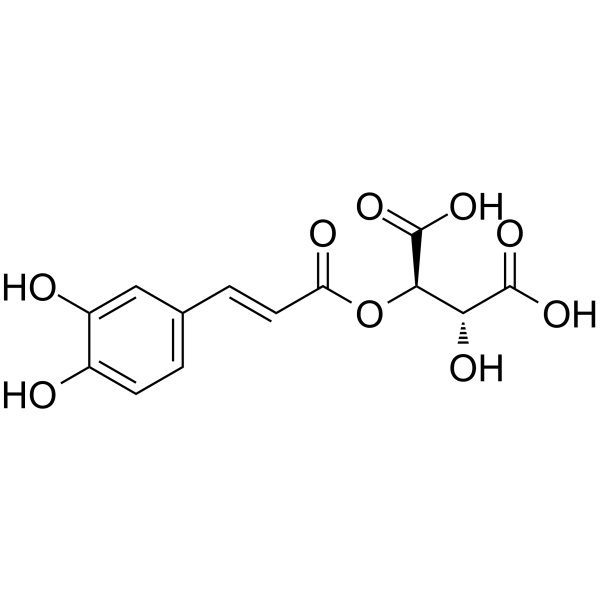
    trans-Caftaric acid

    Others Cardiovascular Disease Neurological Disease Inflammation/Immunology
    Caftaric acid (trans-Caftaric acid) is a polyphenolic antidiuretic, antioxidant and anti-apoptotic agent that can be hydrolyzed by intestinal microbial esterases. Caftaric acid exerts its antioxidant and potential anti-inflammatory effects mainly through intestinal microbial metabolism. Caftaric acid can reduce renal damage, restore electrolyte balance, renal function indicators and antioxidant enzyme activities in a rat albinism model, and further exert anti-oxidative stress and anti-inflammatory activities .
    Caftaric acid
  • HY-N0794
    Proanthocyanidins
    4 Publications Verification

    Bacterial Fungal Infection Cardiovascular Disease Inflammation/Immunology Cancer
    Proanthocyanidin (Procyanidin) are a class of polyphenolic that are widely distributed in higher plants, consisted of an electrophilic flavanyl unit. Proanthocyanidin can be used as antioxidant and anti-cancers agent. Proanthocyanidin also exhibit anti-inflammatory, cardioprotective, antibacterial and antifungal properties, which can be used in the treatment of chronic venous insufficiency, capillary fragility, sunburn and retinopathy. .
    Proanthocyanidins
  • HY-N1318
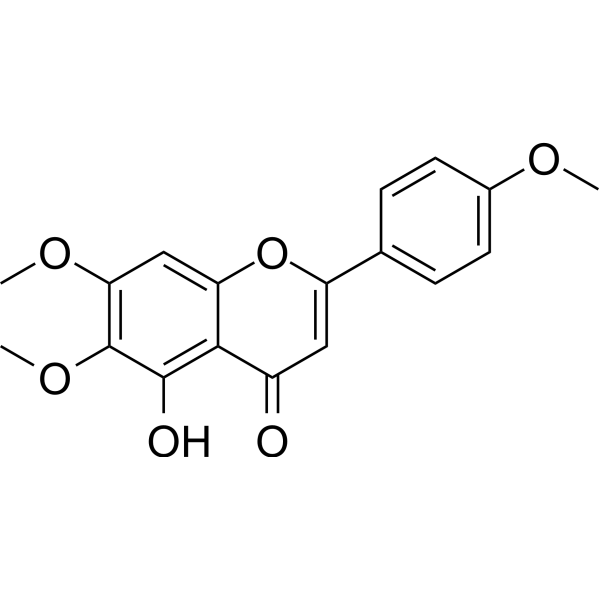
    Salvigenin
    5+ Cited Publications

    Psathyrotin

    Autophagy Apoptosis ROS Kinase Neurological Disease Inflammation/Immunology Cancer
    Salvigenin is a natural polyphenolic compound, with neuroprotective effect. Salvigenin has antitumor cytotoxic and immunomodulatory properties. Salvigenin inhibits H2O2-induced cell apoptosis .
    Salvigenin
  • HY-16561R
    Resveratrol (Standard)
    Maximum Cited Publications
    160 Publications Verification

    trans-Resveratrol (Standard); SRT501 (Standard)

    Reference Standards IKK Autophagy Mitophagy Sirtuin Apoptosis Bacterial Fungal Antibiotic Keap1-Nrf2 Infection Inflammation/Immunology Cancer
    Resveratrol (Standard) is the analytical standard of Resveratrol. This product is intended for research and analytical applications. Resveratrol (trans-Resveratrol; SRT501), a natural polyphenolic phytoalexin that possesses anti-oxidant, anti-inflammatory, cardioprotective, and anti-cancer properties. Resveratrol (SRT 501) has a wide spectrum of targets including mTOR, JAK, β-amyloid, Adenylyl cyclase, IKKβ, DNA polymerase. Resveratrol also is a specific SIRT1 activator . Resveratrol is a potent pregnane X receptor (PXR) inhibitor . Resveratrol is an Nrf2 activator, ameliorates aging-related progressive renal injury in mice model . Resveratrol increases production of NO in endothelial cells .
    Resveratrol (Standard)
  • HY-N1390
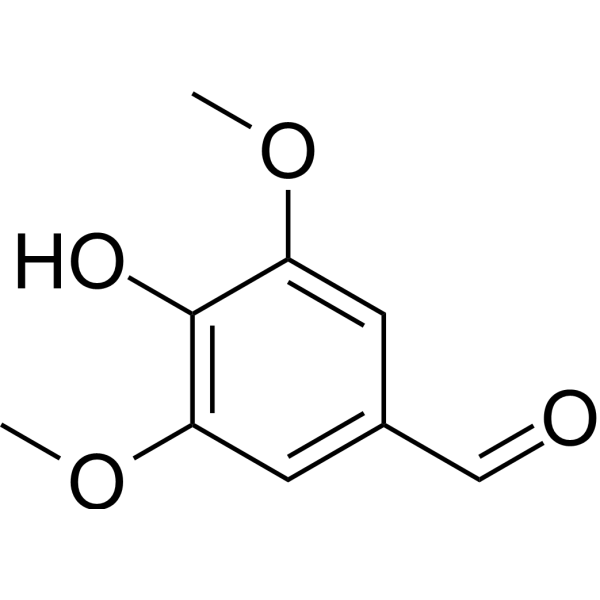
    Syringaldehyde
    4 Publications Verification

    COX Metabolic Disease Inflammation/Immunology
    Syringaldehyde is a polyphenolic compound belonging to the group of flavonoids and is found in different plant species like Manihot esculenta and Magnolia officinalis . Syringaldehyde moderately inhibits COX-2 activity with an IC50 of 3.5 μg/mL . Anti-hyperglycemic and anti-inflammatory activities .
    Syringaldehyde
  • HY-16561S

    trans-Resveratrol-d4; SRT501-d4

    Isotope-Labeled Compounds DNA/RNA Synthesis IKK Autophagy Mitophagy Sirtuin Apoptosis Bacterial Fungal Antibiotic Keap1-Nrf2 Infection Inflammation/Immunology Cancer
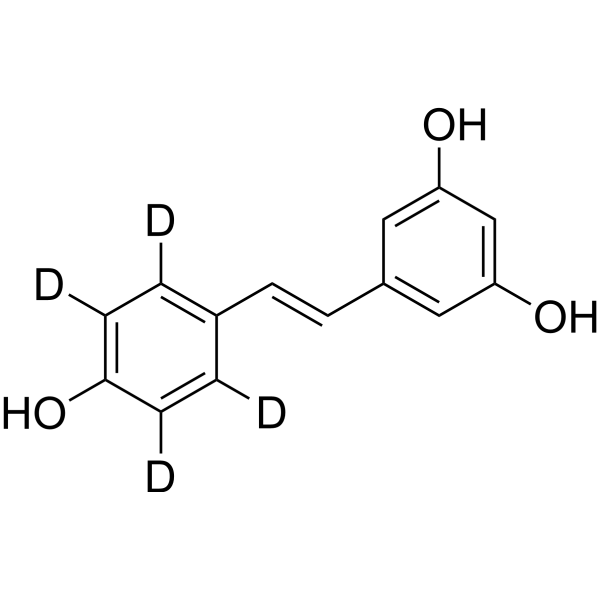
    Resveratrol-d4 is the deuterium labeled Resveratrol. Resveratrol (trans-Resveratrol; SRT501), a natural polyphenolic phytoalexin that possesses anti-oxidant, anti-inflammatory, cardioprotective, and anti-cancer properties. Resveratrol (SRT 501) has a wide spectrum of targets including mTOR, JAK, β-amyloid, Adenylyl cyclase, IKKβ, DNA polymerase. Resveratrol also is a specific SIRT1 activator . Resveratrol is a potent pregnane X receptor (PXR) inhibitor . Resveratrol is an Nrf2 activator, ameliorates aging-related progressive renal injury in mice model . Resveratrol increases production of NO in endothelial cells .
    Resveratrol-d4
  • HY-136203

    IKK Autophagy Mitophagy Sirtuin Inflammation/Immunology Cancer
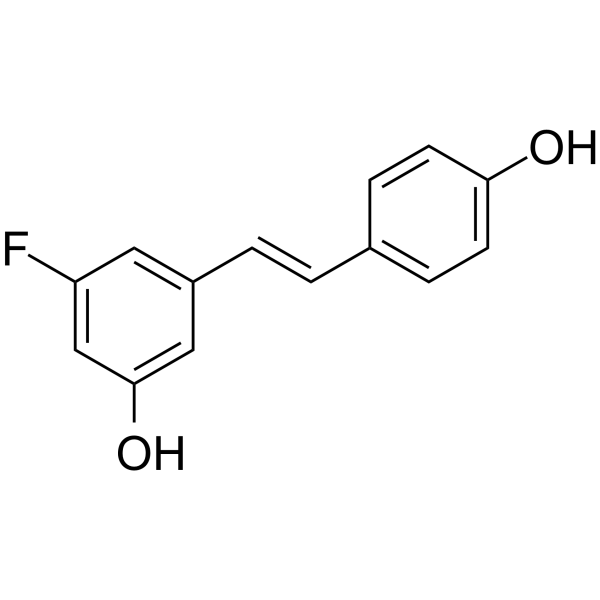
    Resveratrol analog 1 is an analog of Resveratrol (HY-16561), compound 48. Resveratrol is a natural polyphenolic phytoalexin that possesses anti-oxidant, anti-inflammatory, cardioprotective, and anti-cancer properties.
    Resveratrol analog 1
  • HY-W115789

    Environmental Pollutants Reactive Oxygen Species (ROS) Others
    Sodium silicate is a water-soluble silicate. Sodium silicate is widely used as a binder, particularly in the production of detergents, soaps, and cleaners. Sodium silicate promotes the deposition of suberin polyphenols and lignin at wound sites of potato tubers, accelerates callus structure formation, enhances ROS production, and induces the synthesis of total phenols and flavonoids. Sodium silicate reduces the weight loss rate and disease index of wounded potato tubers during storage .
    Sodium silicate
  • HY-N0722R

    trans-5-O-Caffeoylquinic acid (Standard)

    Reference Standards NF-κB Interleukin Related TNF Receptor COX Inflammation/Immunology Cancer
    Neochlorogenic acid (Standard) is the analytical standard of Neochlorogenic acid. This product is intended for research and analytical applications. Neochlorogenic acid is a natural polyphenolic compound found in dried fruits and other plants. Neochlorogenic acid inhibits the production of TNF-α and IL-1β. Neochlorogenic acid suppresses iNOS and COX-2 protein expression. Neochlorogenic acid also inhibits phosphorylated NF-κB p65 and p38 MAPK activation.
    Neochlorogenic acid (Standard)
  • HY-16561G

    trans-Resveratrol; SRT501

    DNA/RNA Synthesis IKK Autophagy Mitophagy Sirtuin Apoptosis Bacterial Fungal Keap1-Nrf2 Infection Inflammation/Immunology Cancer
    Resveratrol (GMP) is Resveratrol (HY-16561) produced by using GMP guidelines. GMP small molecules work appropriately as an auxiliary reagent for cell therapy manufacture. Resveratrol (trans-Resveratrol; SRT501), a natural polyphenolic phytoalexin that possesses anti-oxidant, anti-inflammatory, cardioprotective, and anti-cancer properties. Resveratrol (SRT 501) has a wide spectrum of targets including mTOR, JAK, β-amyloid, Adenylyl cyclase, IKKβ, DNA polymerase. Resveratrol also is a specific SIRT1 activator . Resveratrol is a potent pregnane X receptor (PXR) inhibitor . Resveratrol is an Nrf2 activator, ameliorates aging-related progressive renal injury in mice model . Resveratrol increases production of NO in endothelial cells .
    Resveratrol
  • HY-Y0106

    mTOR Xanthine Oxidase Apoptosis Cardiovascular Disease Metabolic Disease Inflammation/Immunology
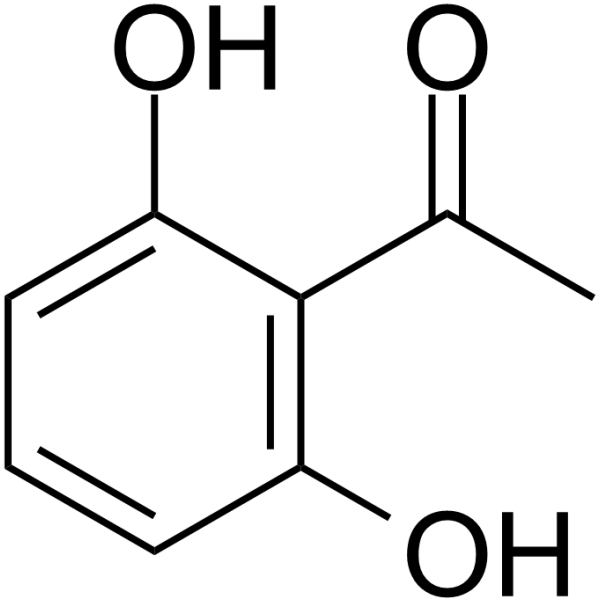
    2,6-Dihydroxyacetophenone, a polyphenolic derivative of Acetophenone (HY-Y0989), is an orally active mTOR inhibitor. 2,6-Dihydroxyacetophenone shows antioxidant activity. 2,6-Dihydroxyacetophenone inhibits cell growth and proliferation in CRC cells. 2,6-Dihydroxyacetophenone arrests at G0/G1 phase of cell cycle, induces apoptosis and suppresses cell migration in CRC cells. 2,6-Dihydroxyacetophenone inhibits xanthine oxidase (XOD) with an IC50 of 1.24 mM. 2,6-dihydroxyacetophenone improves uric acid metabolism in hyperuricemia mice, reduces plasma cholesterol in hypercholesterolemic rats, and inhibits lipid accumulation in HFD-induced obese mice. 2,6-Dihydroxyacetophenone can be used for the study of colorectal cancer (CRC), hyperuricemia and hypercholesterolemia .
    2,6-Dihydroxyacetophenone
  • HY-N16453

    Proteasome Neurological Disease Cancer
    (+)-Catechin 3-gallate is an orally active polyphenolic compound that acts as a non-selective proteasome inhibitor. (+)-Catechin 3-gallate exerts antitumor effects by inducing apoptosis and suppressing inflammatory cytokines. (+)-Catechin 3-gallate is promising for research of cancers (e.g., breast, prostate) and neurodegenerative diseases (e.g., Alzheimer’s) .
    (+)-Catechin 3-gallate
  • HY-P2890A

    Endogenous Metabolite Others
    Laccase, Recombinant Microbial (High activity) is a multicopper oxidase. Laccase, Recombinant Microbial (High activity) catalyzes the oxidation of multiple substrates, including phenolic compounds, polyphenolic compounds, lignin, etc. Laccase, Recombinant Microbial (High activity) is involved in the lignin degradation, cell wall synthesis, pigment synthesis, and antioxidant/immune defense. Laccase, Recombinant Microbial (High activity) can be used in paper/textile/food industry, bioremediation, biomedicine and agriculture .
    Laccase, Recombinant Microbial (High activity)
  • HY-N4145

    Cinnamtannin A3; Cinnamtannin II

    Drug Derivative Bacterial Fungal Infection Cardiovascular Disease Inflammation/Immunology Cancer
    Procyanidin A3 (Cinnamtannin A3; Cinnamtannin II) is a sub class of Proanthocyanidins (HY-N0794). Proanthocyanidin are a class of polyphenolic that are widely distributed in higher plants, consisted of an electrophilic flavanyl unit. Proanthocyanidin can be used as antioxidant and anti-cancer agent. Proanthocyanidin also exhibit anti-inflammatory, cardioprotective, antibacterial and antifungal properties, which can be used in the treatment of chronic venous insufficiency, capillary fragility, sunburn and retinopathy .
    Procyanidin A3
  • HY-136204

    IKK Autophagy Mitophagy Sirtuin Inflammation/Immunology Cancer
    Resveratrol analog 2 is an analog of Resveratrol (HY-16561). Resveratrol is a natural polyphenolic phytoalexin that possesses anti-oxidant, anti-inflammatory, cardioprotective, and anti-cancer properties .
    Resveratrol analog 2
  • HY-N1318R

    Psathyrotin (Standard)

    Reference Standards Autophagy Apoptosis ROS Kinase Neurological Disease Inflammation/Immunology Cancer
    Salvigenin is a natural polyphenolic compound, with neuroprotective effect. Salvigenin has antitumor cytotoxic and immunomodulatory properties. Salvigenin inhibits H2O2-induced cell apoptosis .
    Salvigenin (Standard)
  • HY-N0795R

    Reference Standards Toll-like Receptor (TLR) Inflammation/Immunology
    Procyanidin B1 (Standard) is the analytical standard of Procyanidin B1. This product is intended for research and analytical applications. Procyanidin B1 is a polyphenolic flavonoid isolated from commonly eaten fruits, binds to TLR4/MD-2 complex, and has anti-inflammatory activity.
    Procyanidin B1 (Standard)
  • HY-107197

    P-glycoprotein Cancer
    8-prenylchrysin is a C8-prenylated flavonoid. 8-prenylchrysin inhibits P-gp. 8-prenylchrysin can be used for tumor research .
    8-Prenylchrysin
  • HY-13518R

    Astringenin (Standard); trans-Piceatannol (Standard)

    Reference Standards Syk Autophagy Apoptosis Endogenous Metabolite Cancer
    Piceatannol (Standard) is the analytical standard of Piceatannol. This product is intended for research and analytical applications. Piceatannol is a well-known Syk inhibitor and reduces the expression of iNOS induced by TNF. Piceatannol is an effective agent for research of acute lung injury (ALI) . Piceatannol is a naturally occurring polyphenolic stilbene found in various fruits and vegetables and exhibits anticancer and anti-inflammatory properties . Piceatannol induces apoptosis in DLBCL cell lines . Piceatannol induces autophagy and apoptosis in MOLT-4 human leukemia cells .
    Piceatannol (Standard)
  • HY-16561S1

    trans-Resveratrol-13C6; SRT501-13C6

    Isotope-Labeled Compounds DNA/RNA Synthesis IKK Autophagy Mitophagy Sirtuin Apoptosis Bacterial Fungal Antibiotic Keap1-Nrf2 Infection Inflammation/Immunology Cancer
    Resveratrol- 13C6 is the 13C-labeled Resveratrol. Resveratrol (trans-Resveratrol; SRT501), a natural polyphenolic phytoalexin that possesses anti-oxidant, anti-inflammatory, cardioprotective, and anti-cancer properties. Resveratrol (SRT 501) has a wide spectrum of targets including mTOR, JAK, β-amyloid, Adenylyl cyclase, IKKβ, DNA polymerase. Resveratrol also is a specific SIRT1 activator . Resveratrol is a potent pregnane X receptor (PXR) inhibitor . Resveratrol is an Nrf2 activator, ameliorates aging-related progressive renal injury in mice model . Resveratrol increases production of NO in endothelial cells .
    Resveratrol-13C6
  • HY-N16527

    TNF Receptor Interleukin Related NADPH Oxidase Reactive Oxygen Species (ROS) NF-κB COX NO Synthase JNK AP-1 TGF-β Receptor Metabolic Disease
    7-O-Galloyl-D-sedoheptulose is an orally effective polyphenolic compound. 7-O-Galloyl-D-sedoheptulose lowers the serum levels of glucose, leptin, insulin, C-peptide, resistin, TNF-α, IL-6, and increases the serum level of adiponectin. 7-O-Galloyl-D-sedoheptulose significantly reduces the levels of ROS and lipid peroxidation products (TBARS) by down-regulating the protein expression of NADPH oxidase subunit Nox-4 and p22phox. 7-O-Galloyl-D-sedoheptulose down-regulates NF-κB and related pro-inflammatory factors (COX-2, iNOS), inhibits the phosphorylation of JNK and the activity of its downstream AP-1. 7-O-Galloyl-D-sedoheptulose reduces the expression of TGF-β1 and fibronectin, indicating its potential in anti-tissue fibrosis. 7-O-Galloyl-D-sedoheptulose can be used for the study of type 2 diabetes and its hepatic and pancreatic complications .
    7-O-Galloyl-D-sedoheptulose
  • HY-N16480

    Lindetannin trimer

    Drug Derivative Bacterial Fungal Infection Cardiovascular Disease Inflammation/Immunology Cancer
    Lindetannin (Lindetannin trimer) is an A-type trimer of proanthocyanidin (HY-N0794) found in the bark of Cinnamomum trees. Proanthocyanidin are a class of polyphenolic that are widely distributed in higher plants, consisted of an electrophilic flavanyl unit. Proanthocyanidin can be used as antioxidant and anti-cancer agent. Proanthocyanidin also exhibit anti-inflammatory, cardioprotective, antibacterial and antifungal properties, which can be used in the treatment of chronic venous insufficiency, capillary fragility, sunburn and retinopathy .
    Lindetannin
  • HY-N3670

    Isoolivil

    Others Cardiovascular Disease
    Cycloolivil (Isoolivil) is a natural polyphenolic compound with a significant radical scavenging activity. Antioxidant and Antiaggregant effects .
    Cycloolivil
  • HY-N1318S

    Psathyrotin-d9

    Autophagy Neurological Disease Inflammation/Immunology Cancer
    Salvigenin-d9 is the deuterium labeled Salvigenin. Salvigenin is a natural polyphenolic compound, with neuroprotective effect. Salvigenin has antitumor cytotoxic and immunomodulatory properties .
    Salvigenin-d9
  • HY-N15755

    Bacterial Fungal Infection
    Sepiumol A is a polyphenolic compound that can be isolated from the bark of Periploca sepium Bunge. Sepiumol A has antibacterial and antifungal activities. Sepiumol A can be added to e-cigarette liquid to exert antibacterial effects and reduce the sweetness and greasiness during smoking .
    Sepiumol A
  • HY-N1390R

    Reference Standards COX Metabolic Disease Inflammation/Immunology
    Syringaldehyde (Standard) is the analytical standard of Syringaldehyde. This product is intended for research and analytical applications. Syringaldehyde is a polyphenolic compound belonging to the group of flavonoids and is found in different plant species like Manihot esculenta and Magnolia officinalis . Syringaldehyde moderately inhibits COX-2 activity with an IC50 of 3.5 μg/mL . Anti-hyperglycemic and anti-inflammatory activities .
    Syringaldehyde (Standard)
  • HY-N0722A

    cis-5-O-Caffeoylquinic acid

    Drug Derivative Inflammation/Immunology Cancer
    (Z)-Neochlorogenic acid is the z-isomer of Neochlorogenic acid (HY-N0722). Neochlorogenic acid is a natural polyphenolic compound found in dried fruits and other plants. Neochlorogenic acid inhibits the production of TNF-α and IL-1β. Neochlorogenic acid suppresses iNOS and COX-2 protein expression. Neochlorogenic acid also inhibits phosphorylated NF-κB p65 and p38 MAPK activation .
    (Z)-Neochlorogenic acid
  • HY-N16465

    Apoptosis Reactive Oxygen Species (ROS) STAT Inflammation/Immunology
    Cinnamtannin D1 is an orally active polyphenolic compound with immunosuppressive activity. Cinnamtannin D1 regulates the balance of Th17/Treg cells by inhibiting AHR expression. Cinnamtannin D1 reduces apoptosis and ROS in INS-1 cells and primary cultured murine islets induced by Palmitic acid (PA) (HY-N0830). Cinnamtannin D1 reduces Th17 cell differentiation via downregulating p-STAT3/RORγt and promotes Treg cell differentiation via upregulating p-STAT5/Foxp3. Cinnamtannin D1 exerts excellent anti-arthritic efficacy in collagen-induced arthritis (CIA) model of mice. Cinnamtannin D1 can be used for the study of rheumatoid arthritis (RA) .
    Cinnamtannin D1
  • HY-Y0106R

    Reference Standards mTOR Xanthine Oxidase Apoptosis Cardiovascular Disease Metabolic Disease Inflammation/Immunology
    2,6-Dihydroxyacetophenone (Standard) is the analytical standard of 2,6-Dihydroxyacetophenone (HY-Y0106). This product is intended for research and analytical applications. 2,6-Dihydroxyacetophenone, a polyphenolic derivative of Acetophenone (HY-Y0989), is an orally active mTOR inhibitor. 2,6-Dihydroxyacetophenone shows antioxidant activity. 2,6-Dihydroxyacetophenone inhibits cell growth and proliferation in CRC cells. 2,6-Dihydroxyacetophenone arrests at G0/G1 phase of cell cycle, induces apoptosis and suppresses cell migration in CRC cells. 2,6-Dihydroxyacetophenone inhibits xanthine oxidase (XOD) with an IC50 of 1.24 mM. 2,6-dihydroxyacetophenone improves uric acid metabolism in hyperuricemia mice, reduces plasma cholesterol in hypercholesterolemic rats, and inhibits lipid accumulation in HFD-induced obese mice. 2,6-Dihydroxyacetophenone can be used for the study of colorectal cancer (CRC), hyperuricemia and hypercholesterolemia .
    2,6-Dihydroxyacetophenone (Standard)
  • HY-N12404

    Drug Derivative Inflammation/Immunology
    Gemin D is a polyphenolic compound extracted from eucalyptus leaves. Gemin D has cellular antioxidant activity (EC50 = 15.57 μM). Gemin D can be used for research on inflammatory conditions .
    Gemin D
  • HY-126563

    Drug Derivative Others
    Phyllospadine (Compound I) is a flavonoidal alkaloid found in the sea-grass Phyllospadix iwatensis. Flavonoids constitute a class of plant secondary metabolites characterized by a polyphenolic structure; they possess antioxidant, anti-inflammatory, anti-mutagenic, and anti-carcinogenic properties, as well as the capacity to modulate the functions of key cellular enzymes, finding application in the treatment of diseases such as cancer, Alzheimer's disease, and atherosclerosis .
    Phyllospadine
  • HY-N11721

    SOD Lipase Metabolic Disease
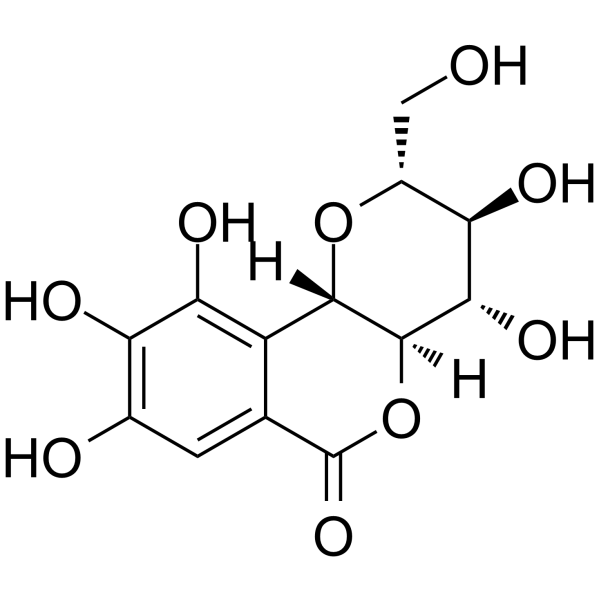
    5-Hydroxyaloin A is a polyphenolic antioxidant agent. 5-Hydroxyaloin A forms hydrogen bonding interactions at lipase’s active site and SOD’s active site with low binding energy. 5-Hydroxyaloin A inhibits microsomal lipid peroxidation induced by ferrous-cysteine, reducing malondialdehyde production. 5-Hydroxyaloin A can be used for the research of obesity .
    5-Hydroxyaloin A
  • HY-N17317

    ITN

    Keap1-Nrf2 Heme Oxygenase (HO) JNK ERK p38 MAPK NF-κB Interleukin Related Metabolic Disease Inflammation/Immunology
    Isostrictiniin (ITN) is a polyphenolic compound isolated from Nymphaea candida. It upregulates the expression of Nrf2 and HO-1, while downregulating the expression of Keap1. Isostrictiniin reduces the phosphorylation levels of JNK, ERK1/2, p38, IκBα, and NF-κB p65. Isostrictiniin decreases the levels of pro-inflammatory mediators (IL-1β, IL-6, TNF-α, PGE2). Isostrictiniin alleviates LPS-induced acute lung injury and exerts protective effects against acute alcoholic liver injury. Additionally, isostrictiniin exhibits anti-inflammatory, antioxidant, and anti-fibrotic activities.
    Isostrictiniin

Inquiry Online

Your information is safe with us. * Required Fields.

Salutation


Country or Region *

Applicant Name *


Organization Name *

Department *


Email Address *


Product Name *

Cat. No.


Requested quantity *

Phone Number *


Remarks

Inquiry Online

Inquiry Information

Product Name:
Cat. No.:
Quantity:
MCE Japan Authorized Agent:

