

5543 Results for "

secondary fatty acid amide

" in MedChemExpress (MCE) Product Catalog:
Products (5543)

5543 Results for "secondary fatty acid amide" in MCE Product Catalog:

153
153 Publications Verification
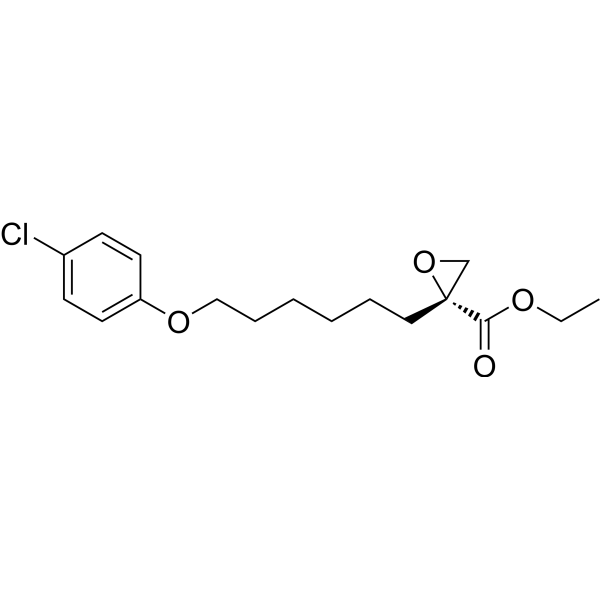
Cat. No.: HY-50202
CAS No.: 124083-20-1
Synonyms: (R)-(+)-Etomoxir
Etomoxir ((R)-(+)-Etomoxir) is an irreversible inhibitor of carnitine palmitoyltransferase 1a (CPT-1a), inhibits fatty acid oxidation (FAO) through CPT-1a and inhibits palmitate β-oxidation in human, rat and guinea pig.
loading...
    loading...
153
153 Publications Verification
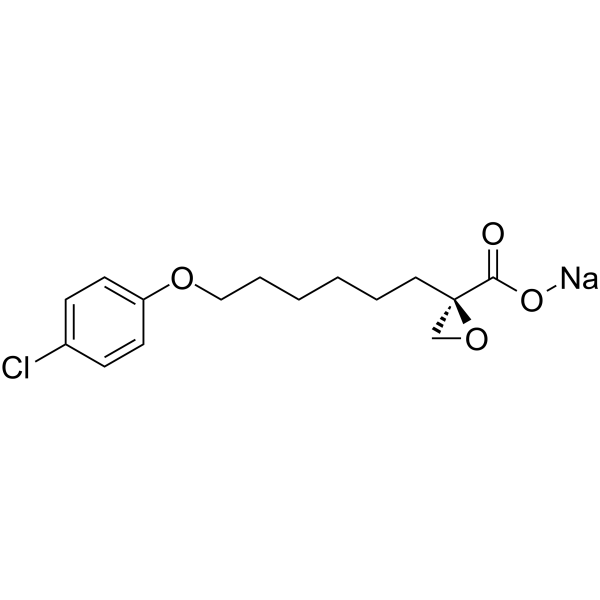
Cat. No.: HY-50202A
CAS No.: 828934-41-4
Synonyms: (R)-(+)-Etomoxir sodium salt
Etomoxir((R)-(+)-Etomoxir) sodium salt is an irreversible inhibitor of carnitine palmitoyltransferase 1a (CPT-1a), inhibits fatty acid oxidation (FAO) through CPT-1a and inhibits palmitate β-oxidation in human, rat and guinea pig .
loading...
    loading...
124
124 Cited Publications
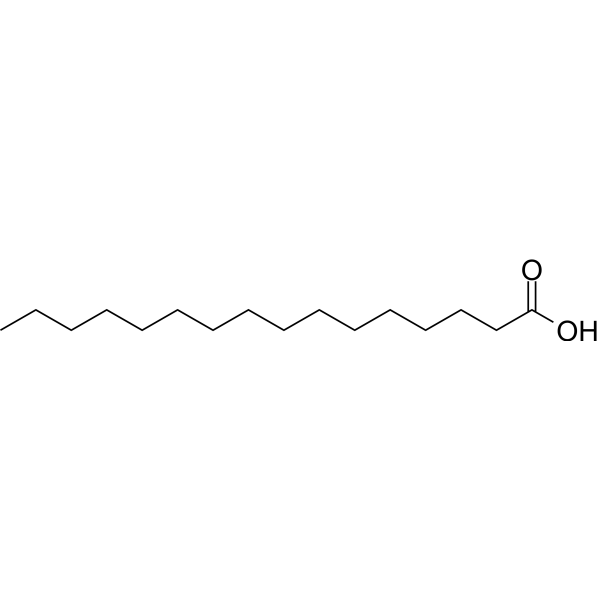
Cat. No.: HY-N0830
CAS No.: 57-10-3
Palmitic acid is a long-chain saturated fatty acid commonly found in both animals and plants. PA can induce the expression of glucose-regulated protein 78 (GRP78) and CCAAT/enhancer binding protein homologous protein (CHOP) in in mouse granulosa cells. Palmitic acid is used to establish a cell steatosis model .
loading...
    loading...
124
124 Cited Publications
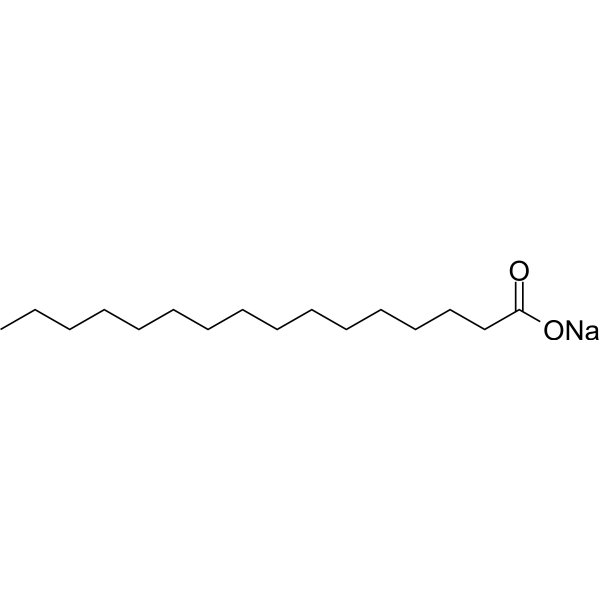
Cat. No.: HY-N0830B
CAS No.: 408-35-5
Palmitic acid sodium is a long-chain saturated fatty acid commonly found in both animals and plants. Palmitic acid sodium can induce the expression of glucose-regulated protein 78 (GRP78) and CCAAT/enhancer binding protein homologous protein (CHOP) in in mouse granulosa cells. Palmitic acid sodium is used to establish a cell steatosis model .
loading...
    loading...
111
111 Cited Publications
Cat. No.: HY-19696B
CAS No.: 117609-50-4
Synonyms: Tauroursodeoxycholic acid dihydrate; TUDCA dihydrate; UR 906 dihydrate
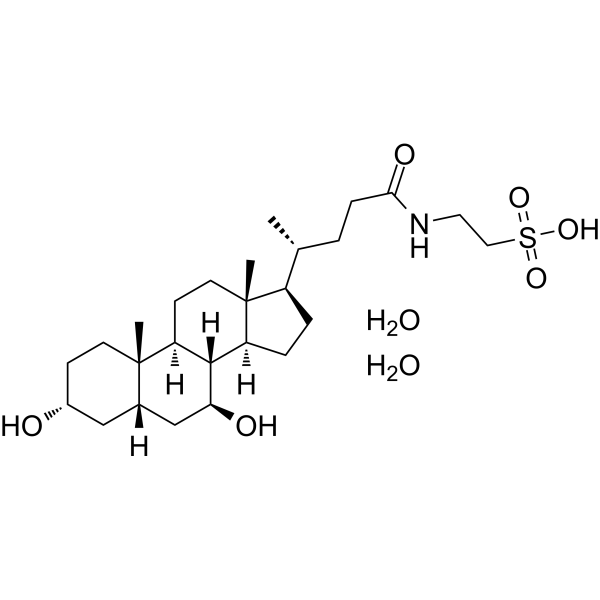
Tauroursodeoxycholate dehydrate is an orally active taurine conjugate of Ursodeoxycholic acid (HY-13771). Tauroursodeoxycholate dehydrate inhibits caspase-3/7, Apoptosis, IRE1α/TRAF2/NF-κB, prevents JNK phosphorylation, inhibits ROS generation, and activates Akt signaling. Tauroursodeoxycholate dehydrate prevents cataract formation, reduces renal tubular damage in type 2 diabetic mice, reduces I/R injury in liver, and inhibits intestinal inflammation and barrier disruption in nonalcoholic fatty liver disease .
loading...
    loading...
99
99 Cited Publications
Cat. No.: HY-B0150
CAS No.: 98-92-0
Synonyms: Niacinamide; Nicotinic acid amide
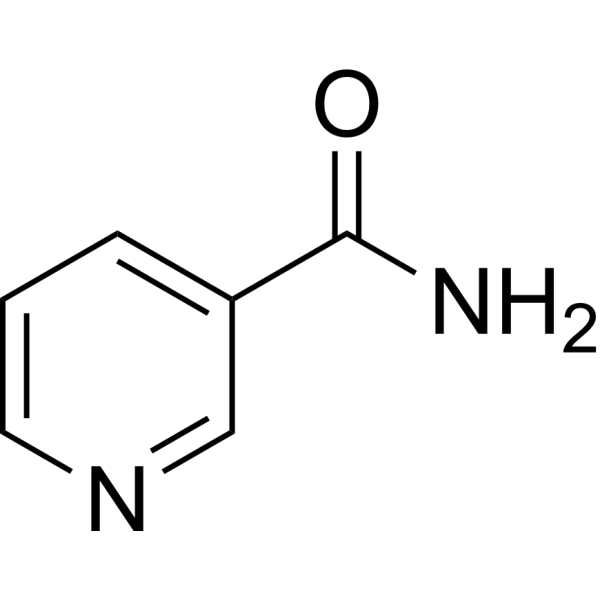
Nicotinamide is a form of vitamin B3 or niacin. Nicotinamide Hydrochloride inhibits SIRT2 activity (IC50: 2 μM). Nicotinamide also inhibits SIRT1. Nicotinamide increases cellular NAD+, ATP, ROS levels. Nicotinamide inhibits tumor growth and improves survival. Nicotinamide also has anti-HBV activity .
loading...
    loading...
79
79 Cited Publications
Cat. No.: HY-N1446B
CAS No.: 143-19-1
Synonyms: Sodium oleate; 9-cis-Octadecenoic acid sodium; 9Z-Octadecenoic acid sodium
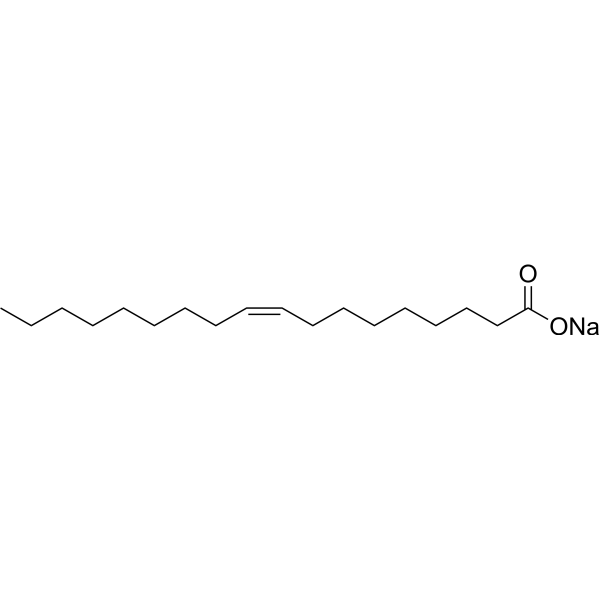
Sodium oleate (Oleic acid sodium) is an abundant monounsaturated fatty acid sodium . Sodium oleate is a Na +/K + ATPase activator .
loading...
    loading...
79
79 Cited Publications
Cat. No.: HY-N1446
CAS No.: 112-80-1
Synonyms: 9-cis-Octadecenoic acid; 9Z-Octadecenoic acid
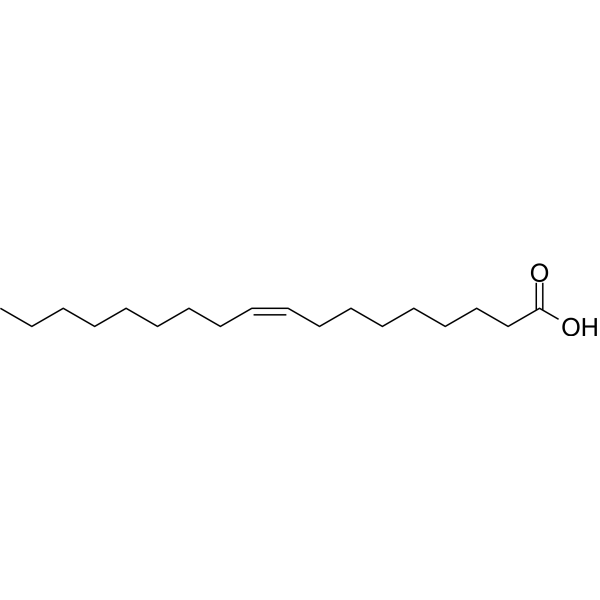
Oleic acid (9-cis-Octadecenoic acid) is an abundant monounsaturated fatty acid . Oleic acid is a Na +/K + ATPase activator .
loading...
    loading...
75
75 Cited Publications
Cat. No.: HY-N1446A
CAS No.: 25496-72-4
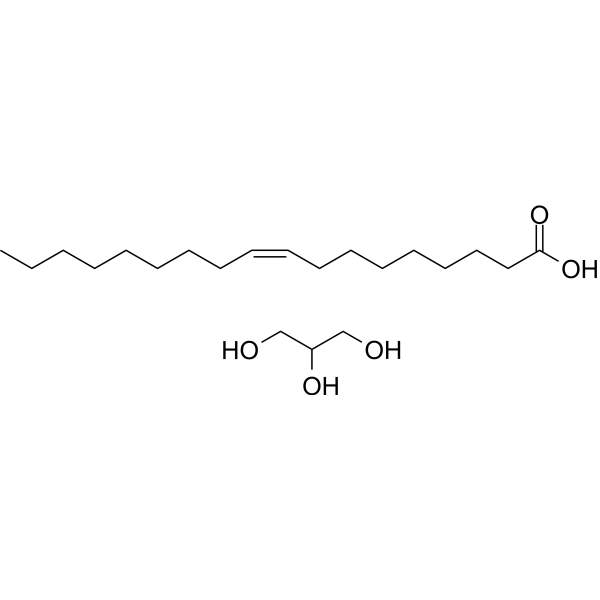
Glycerol Monoleate is a non-toxic, biodegradable, biocompatible, lipophilic glycerol fatty acid ester. Glycerol Monoleate exhibits hemolytic properties. Glycerol Monoleate is combined with bile salts for use as an emulsifier and absorption enhancer. Glycerol Monoleate can be applied in drug delivery systems and in vitro siRNA delivery .
loading...
    loading...
61
61 Cited Publications
Cat. No.: HY-109590
CAS No.: 506-32-1
Purity:  99.73%
Synonyms: Immunocytophyt
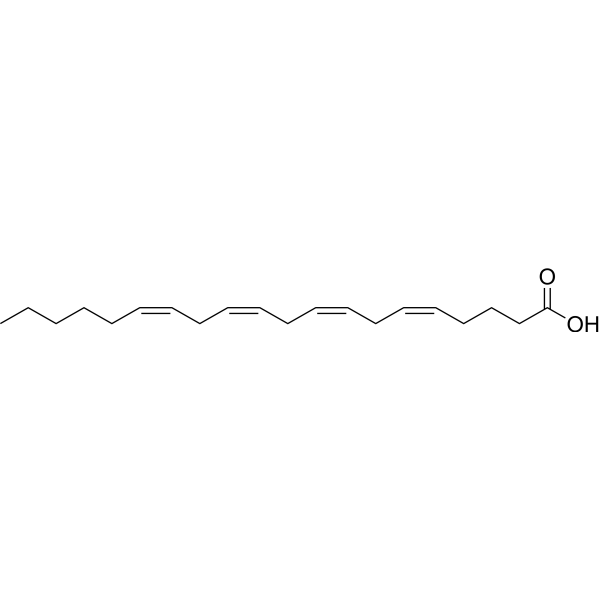
Arachidonic acid (Immunocytophyt) is a polyunsaturated omega-6 fatty acid and a major constituent of biomembranes. Arachidonic acid also acts as the substrate for various lipid mediators, such as prostaglandins (PGs). Arachidonic acid improves cognitive response and cardiovascular function .
loading...
    loading...
61
61 Cited Publications
Cat. No.: HY-109590A
CAS No.: 6610-25-9
Purity:  99.3%
Synonyms: Immunocytophyt sodium salt
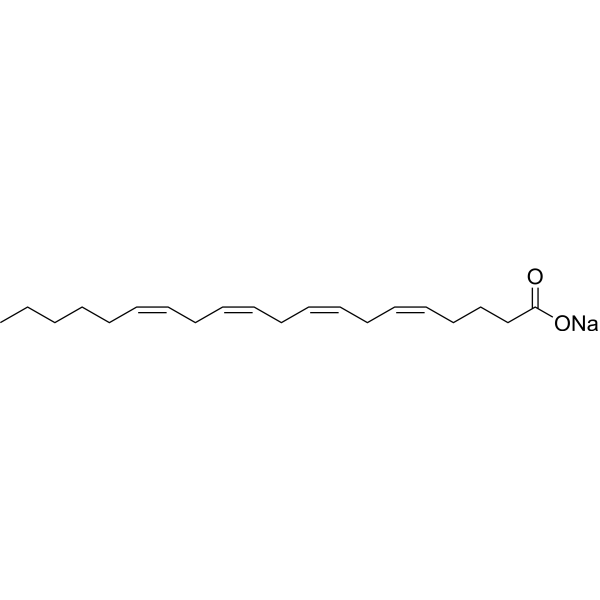
Arachidonic acid (Immunocytophyt) sodium salt is a polyunsaturated omega-6 fatty acid and a major constituent of biomembranes. Arachidonic acid sodium salt also acts as the substrate for various lipid mediators, such as prostaglandins (PGs). Arachidonic acid sodium salt improves cognitive response and cardiovascular function .
loading...
    loading...
53
53 Cited Publications
Cat. No.: HY-B0445A
CAS No.: 20111-18-6
Synonyms: β-DPN sodium; β-NAD sodium; β-Nicotinamide Adenine Dinucleotide sodium
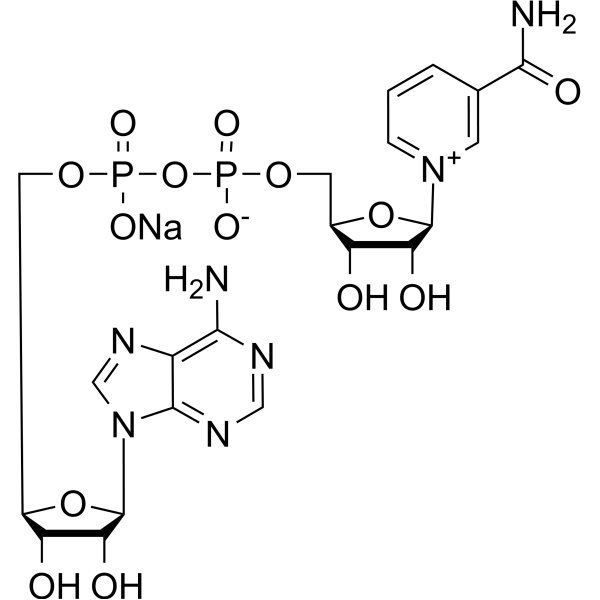
NAD sodium is an orally effective cofactor and homeostatic regulator. NAD sodium can be reduced to β-nicotinamide adenine dinucleotide (NADH) during coupling with reactions that oxidize organic substrates. NAD sodium can be converted to β-nicotinamide adenine dinucleotide (NADH) and passes to the inside of mitochondria, which indirectly generates ATP. NAD sodium can be used for the research of non-alcoholic fatty liver disease, obesity, and glucose intolerance .
loading...
    loading...
52
52 Cited Publications
Cat. No.: HY-12364
CAS No.: 218137-86-1
Purity:  99.91%
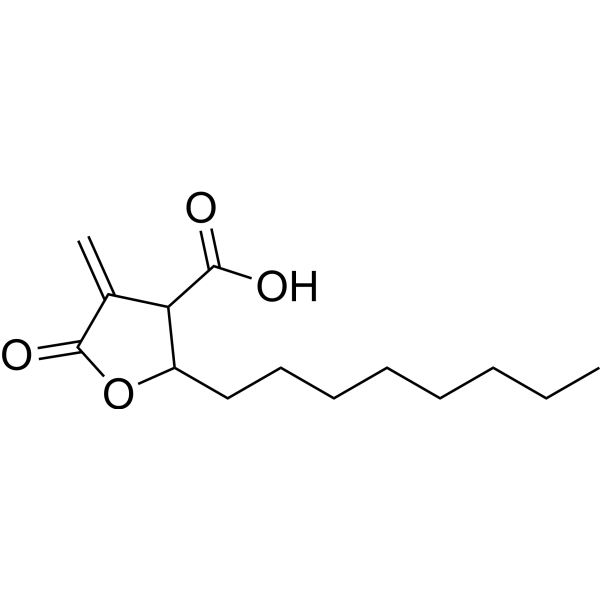
C75 is a synthetic fatty-acid synthase (FASN) inhibitor; inhibits prostate cancer cells PC3 with an IC50 of 35 μM . C75 is a potent CPT1A activator .
loading...
    loading...
51
51 Cited Publications
Cat. No.: HY-B2167
CAS No.: 6217-54-5
Synonyms: DHA; Cervonic acid
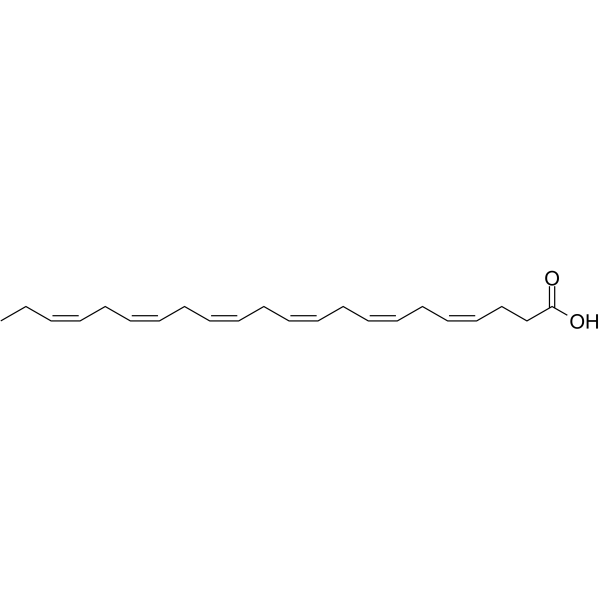
Docosahexaenoic Acid (DHA) is an omega-3 fatty acid abundantly present brain and retina. It can be obtained directly from fish oil and maternal milk.
loading...
    loading...
50
50 Cited Publications
Cat. No.: HY-114118
CAS No.: 910463-68-2
Purity:  99.84%
Semaglutide is a long-acting, selective, competitive GLP-1R agonist that can penetrate the blood-brain barrier. After activating GLP-1R, Semaglutide promotes insulin secretion, inhibits gastric emptying and appetite, and at the same time enhances autophagy, inhibits oxidative stress and apoptosis. Semaglutide also regulates mitochondrial function and lipid metabolism (such as reducing de novo lipogenesis in the liver). Semaglutide has activities such as lowering blood sugar, reducing weight, neuroprotection (such as improving motor function in Parkinson's disease models, reducing α-synuclein aggregation) and improving hepatic steatosis. Semaglutide can be used for the study of neurodegenerative diseases and liver diseases such as type 2 diabetes, obesity, Parkinson's disease, metabolic associated fatty liver disease (MASLD), and cancer .
loading...
    loading...
50
50 Cited Publications
Cat. No.: HY-114118B
CAS No.: 1997361-85-9
Purity:  99.92%
Semaglutide acetate is a long-acting, selective, competitive GLP-1R agonist that can penetrate the blood-brain barrier. After activating GLP-1R, Semaglutide acetate promotes insulin secretion, inhibits gastric emptying and appetite, and at the same time enhances autophagy, inhibits oxidative stress and apoptosis. Semaglutide acetate also regulates mitochondrial function and lipid metabolism (such as reducing de novo lipogenesis in the liver). Semaglutide acetate has activities such as lowering blood sugar, reducing weight, neuroprotection (such as improving motor function in Parkinson's disease models, reducing α-synuclein aggregation) and improving hepatic steatosis. Semaglutide acetate can be used for the study of neurodegenerative diseases and liver diseases such as type 2 diabetes, obesity, Parkinson's disease, metabolic associated fatty liver disease (MASLD), and cancer .
loading...
    loading...
50
50 Cited Publications
Cat. No.: HY-114118A
Purity:  99.92%
Semaglutide TFA is a long-acting, selective, competitive GLP-1R agonist that can penetrate the blood-brain barrier. After activating GLP-1R, Semaglutide TFA promotes insulin secretion, inhibits gastric emptying and appetite, and at the same time enhances autophagy, inhibits oxidative stress and apoptosis. Semaglutide TFA also regulates mitochondrial function and lipid metabolism (such as reducing de novo lipogenesis in the liver). Semaglutide TFA has activities such as lowering blood sugar, reducing weight, neuroprotection (such as improving motor function in Parkinson's disease models, reducing α-synuclein aggregation) and improving hepatic steatosis. Semaglutide TFA can be used for the study of neurodegenerative diseases and liver diseases such as type 2 diabetes, obesity, Parkinson's disease, metabolic associated fatty liver disease (MASLD), and cancer .
loading...
    loading...
48
48 Cited Publications
Cat. No.: HY-50662
CAS No.: 844499-71-4
Target:  

AMPK

Research Areas:  

Metabolic Disease

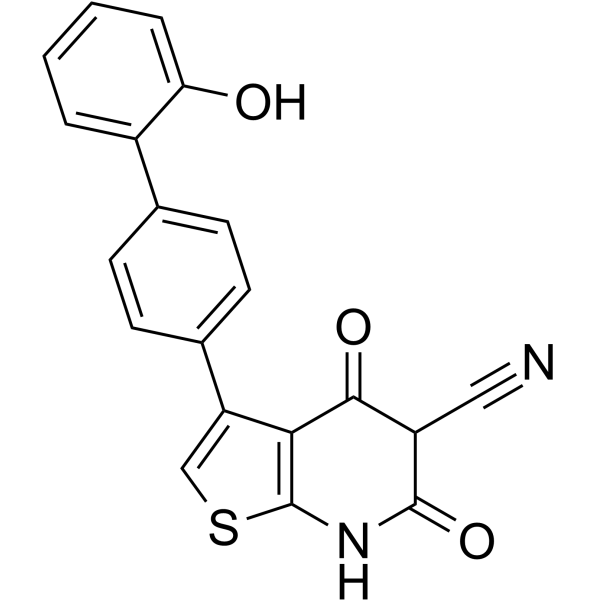
A-769662 is a AMP-activated protein kinase (AMPK) activator. A-769662 inhibits the function of the 26S proteasome by an AMPK-independent mechanism and leads to cell cycle arrest. A-769662 directly stimulates partially purified rat liver AMPK (EC50 = 0.8 μM) and inhibits fatty acid synthesis in primary rat hepatocytes (IC50 = 3.2 μM). A-769662 can alleviate the symptoms of metabolic diseases such as type 2 diabetes .
loading...
    loading...
46
46 Cited Publications
Cat. No.: HY-P0264
CAS No.: 133514-43-9
Synonyms: Avexitide
Target:  

GLP Receptor

Exendin (9-39) amide (Avexitide) is a competitive GLP-1R antagonist. Exendin (9-39) amide blocks the Semaglutide (HY-114118)-induced increase in insulin secretion and also attenuates the hypoglycemic effect of Semaglutide. Exendin (9-39) amide abolishes the islet-protective effect of Liraglutide. Exendin (9-39) amide can be used in research on type 2 diabetes and type 1 diabetes .
loading...
    loading...
46
46 Cited Publications
Cat. No.: HY-P0264A
CAS No.: 2051593-46-3
Synonyms: Avexitide acetate
Target:  

GLP Receptor

Exendin (9-39) amide acetate (Avexitide acetate) is a competitive GLP-1R antagonist. Exendin (9-39) amide acetate blocks the Semaglutide (HY-114118)-induced increase in insulin secretion and also attenuates the hypoglycemic effect of Semaglutide. Exendin (9-39) amide acetate abolishes the islet-protective effect of Liraglutide. Exendin (9-39) amide acetate can be used in research on type 2 diabetes and type 1 diabetes .
loading...
    loading...

