84 Results for "

spasms

" in MedChemExpress (MCE) Product Catalog:
Products (84)

84 Results for "spasms" in MCE Product Catalog:

17
17 Publications Verification
Cat. No.: HY-12542
CAS No.: 7261-97-4
Purity:  ≥98.0%
Synonyms: F 368
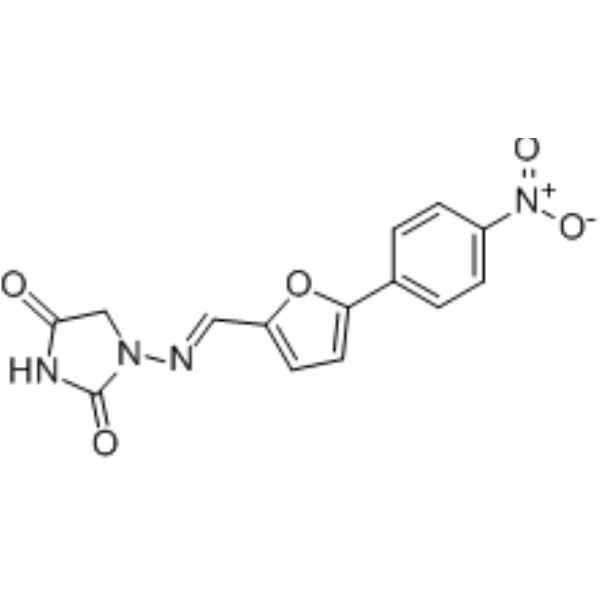
Dantrolene is an orally active, non-competitive glutathione reductase inhibitor with a Ki of 111.6 μM and an IC50 of 52.3 μM. Dantrolene is also a calcium channel protein inhibitor. Dantrolene inhibits the release of Ca 2+ from RyR1 and RyR3, which can be beneficial in a variety of pathologies caused by disruptions in calcium homeostasis (e.g., stroke, ischemia/reperfusion injury, and neurodegenerative diseases). Dantrolene offers relief of muscle spasms, malignant hyperthermia, and antitoxic, antipyretic, and anti-inflammatory properties .
loading...
    loading...
17
17 Publications Verification
Cat. No.: HY-14657
CAS No.: 14663-23-1
Purity:  99.79%
Synonyms: F 440
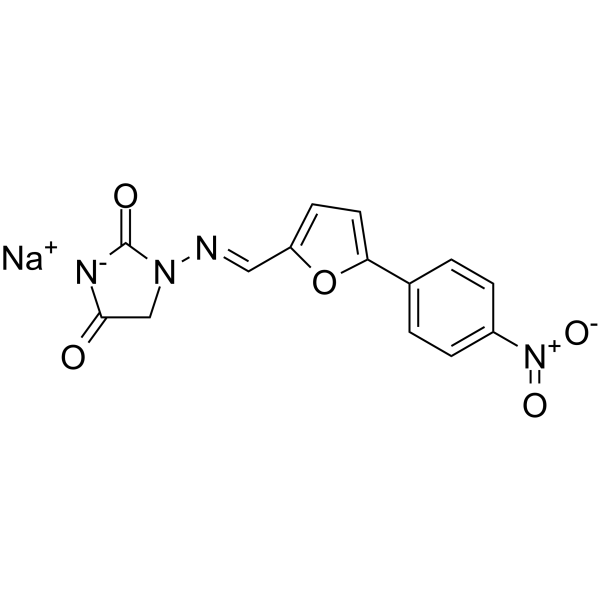
Dantrolene sodium is an orally active, non-competitive glutathione reductase inhibitor with a Ki of 111.6 μM and an IC50 of 52.3 μM. Dantrolene sodium is also a calcium channel protein inhibitor. Dantrolene sodium inhibits the release of Ca 2+ from RyR1 and RyR3, which can be beneficial in a variety of pathologies caused by disruptions in calcium homeostasis (e.g., stroke, ischemia/reperfusion injury, and neurodegenerative diseases). Dantrolene sodium offers relief of muscle spasms, malignant hyperthermia, and antitoxic, antipyretic, and anti-inflammatory properties .
loading...
    loading...
17
17 Publications Verification
Cat. No.: HY-12542A
CAS No.: 24868-20-0
Purity:  99.79%
Synonyms: Dantrolene sodium hydrate
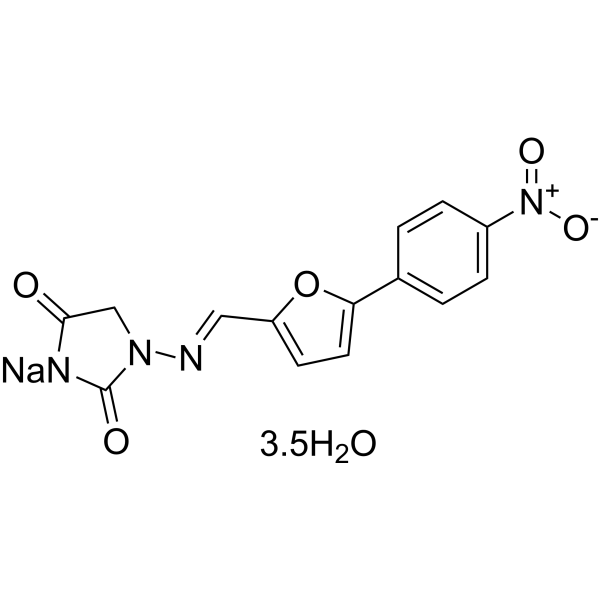
Dantrolene sodium hemiheptahydrate is an orally active, non-competitive glutathione reductase inhibitor with a Ki of 111.6 μM and an IC50 of 52.3 μM. Dantrolene sodium hemiheptahydrate is also a calcium channel protein inhibitor. Dantrolene sodium hemiheptahydrate inhibits the release of Ca 2+ from RyR1 and RyR3, which can be beneficial in a variety of pathologies caused by disruptions in calcium homeostasis (e.g., stroke, ischemia/reperfusion injury, and neurodegenerative diseases). Dantrolene sodium hemiheptahydrate offers relief of muscle spasms, malignant hyperthermia, and antitoxic, antipyretic, and anti-inflammatory properties .
loading...
    loading...
5
5 Cited Publications
Cat. No.: HY-17037
CAS No.: 29868-97-1
Synonyms: LS 519; Pirenzepin dihydrochloride; Gastrozepin dihydrochloride
Target:  

mAChR

Research Areas:  

Metabolic Disease Cancer

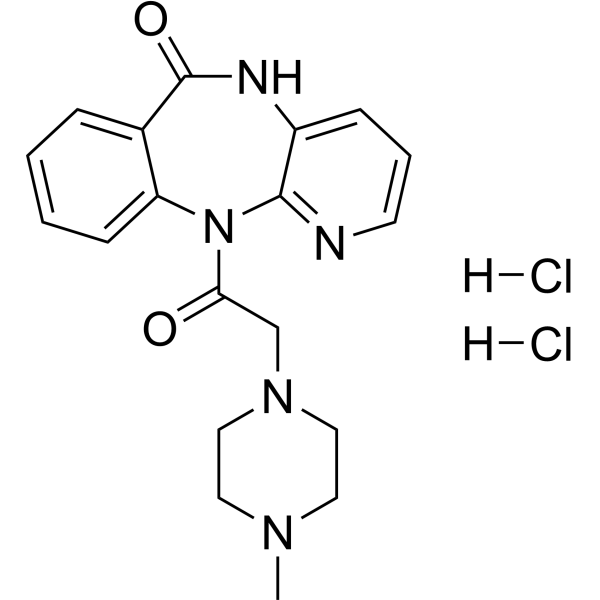
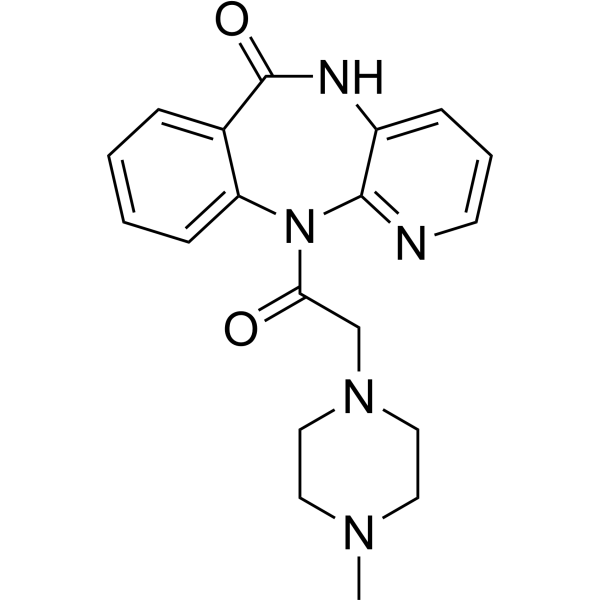
Pirenzepine (LS 519) dihydrochloride is a selective M1 mAChR (muscarinic acetylcholine receptor) antagonist, with poor penetration of the blood-brain barrier. Pirenzepine dihydrochloride reduces gastric acid secretion and reduces muscle spasm, can be used in peptic ulcers research. Pirenzepine dihydrochloride shows anti-proliferative activity to cancer cells .
loading...
    loading...
5
5 Cited Publications
Cat. No.: HY-17037A
CAS No.: 28797-61-7
Synonyms: LS 519 free base; Pirenzepin; Gastrozepin
Target:  

mAChR

Research Areas:  

Metabolic Disease Cancer

Pirenzepine (LS 519 free base) is a selective M1 mAChR (muscarinic acetylcholine receptor) antagonist, with poor penetration of the blood-brain barrier. Pirenzepine reduces gastric acid secretion and reduces muscle spasm, can be used in peptic ulcers research. Pirenzepine shows anti-proliferative activity to cancer cells .
loading...
    loading...
2
2 Cited Publications
Cat. No.: HY-17583
CAS No.: 126-07-8
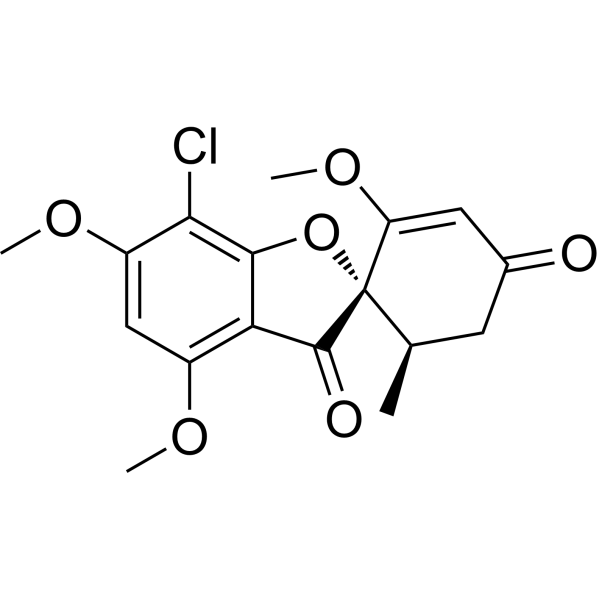
Griseofulvin is an orally active antifungal antibiotic with antitumor activity. Griseofulvin induces apoptosis and G2/M cell cycle arrest in cancer cells. Griseofulvin also has cardiovascular modulatory activity, reducing angina pectoris, relieving hand artery spasm associated with onychomycosis, and peripheral vascular diseases such as shoulder-hand syndrome .
loading...
    loading...
1
1 Cited Publications
Cat. No.: HY-N0340
CAS No.: 149-64-4
Synonyms: Hyoscine butylbromide; (-)-Scopolamine butylbromide; Butylscopolamine bromide
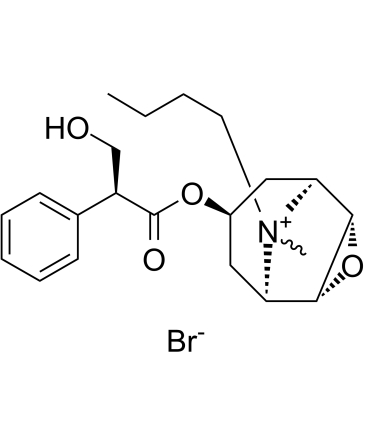
Scopolamine butylbromide (Hyoscine butylbromide) is an orally active anticholinergic agent and spasmolytic. Scopolamine butylbromide binds with high affinity to rat cardiac M2 (Ki 83 nmol/L), hM2 (Ki 233 nmol/L), rat intestinal M3 (Ki 290 nmol/L) and hM3 (Ki 643 nmol/L) muscarinic receptors. Scopolamine butylbromide exerts a dose-dependent antagonistic effect on Carbachol-induced gastrointestinal smooth muscle spasm. Scopolamine butylbromide can be used for the research of abdominal colic and pain associated with gastrointestinal spasm, functional abdominal pain, chronic gastropathy and gastric ulcer .
loading...
    loading...
1
1 Cited Publications
Cat. No.: HY-W016221
CAS No.: 1750-45-4
Target:  

Drug Metabolite

Research Areas:  

Inflammation/Immunology

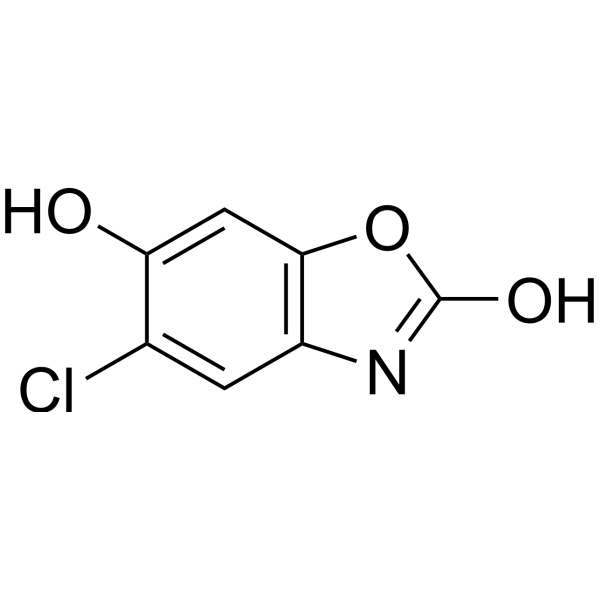
6-Hydroxy Chlorzoxazone is a metabolite of Chlorzoxazone (HY-B1462). Chlorzoxazone is a centrally acting muscle relaxant used to treat muscle spasm and the resulting pain or discomfort .
loading...
    loading...
1
1 Cited Publications
Cat. No.: HY-B0262
CAS No.: 532-03-6
Target:  

Sodium Channel

Research Areas:  

Neurological Disease

Methocarbamol is an orally active central muscle relaxant and blocks muscular Nav1.4 channel. Methocarbamol reversibly affects voltage dependence of inactivation of Nav1.4 channel. Methocarbamol has the potential for muscle spasms and pain syndromes research .
loading...
    loading...
1
1 Cited Publications
Cat. No.: HY-B1239
CAS No.: 548-66-3
Synonyms: Hexahydroadiphenine hydrochloride
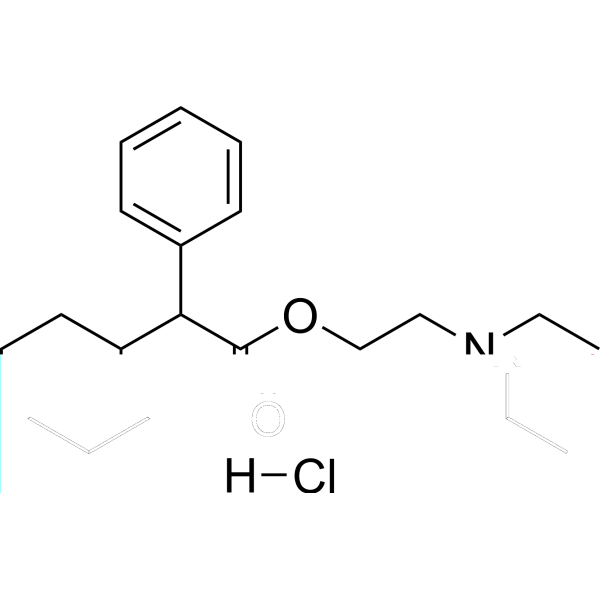
Drofenine (Cycloadiphene; Hexahydroadiphenine) hydrochloride is an brain-penetrant antispasmodic agent. Drofenine hydrochloride is a Kv2.1 channel inhibitor with human IC50 of 9.53 μM. Drofenine hydrochloride is a butyrylcholinesterase (BChE) inhibitor with Ki of 0.003 mM, and is a TRPV3 activator. Drofenine hydrochloride blocks Kv2.1-dependent potassium efflux, inhibits Kv2.1/JNK/NF-κB and IkBa/NF-kB signaling, suppresses Kv2.1 mRNA/protein expression. Drofenine suppresses oligomeric -induced microglial NLRP3 inflammasome activation and neuronal Tau hyperphosphorylation, improves cognitive impairment, promotes neurite outgrowth. Drofenine hydrochloride induces calcium influx in keratinocytes and exert cytotoxicity against keratinocytes. Drofenine hydrochloride ameliorates diabetic peripheral neuropathy -like pathology. Drofenine hydrochloride can be used for the researches of Alzheimer's disease, diabetic peripheral neuropathy and smooth muscle spasm .
loading...
    loading...
1
1 Cited Publications
Cat. No.: HY-N2050
CAS No.: 2980-32-7
Synonyms: Desmethylbellidifolin
1,3,5,8-Tetrahydroxyxanthone (Desmethylbellidifolin) is a natural xanthone extracted from Swertia chirata. 1,3,5,8-Tetrahydroxyxanthone has antispasmodic effect and anti-inflammatory activity .
loading...
    loading...
1
1 Cited Publications
Cat. No.: HY-B1283
CAS No.: 59-47-2
Target:  

iGluR

Research Areas:  

Neurological Disease

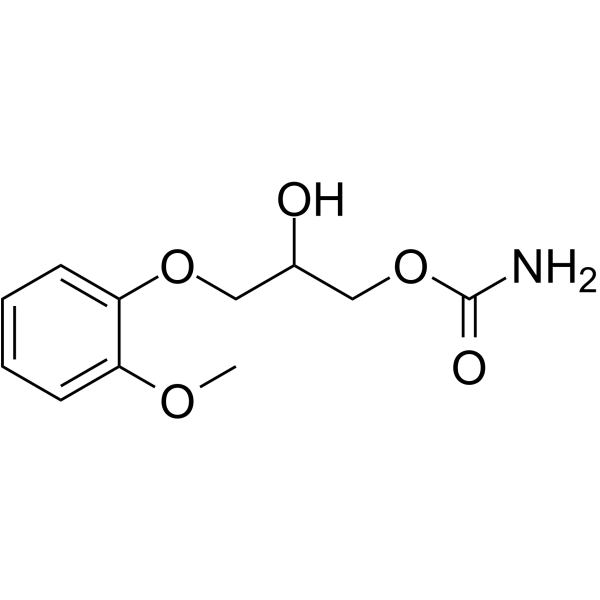
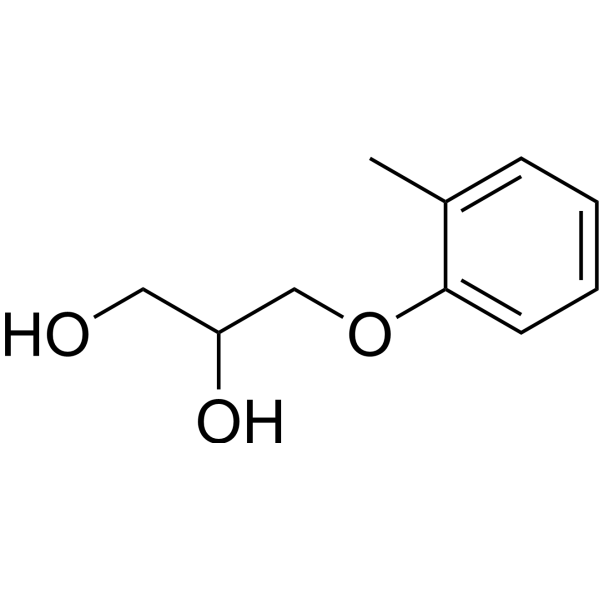
Mephenesin is an NMDA receptor antagonist. Mephenesin is also a central muscle relaxant with antianxiety, muscle-paralyzing and anticonvulsant effects. Mephenesin acts directly on the skeletal muscle fibres to produce skeletal muscle relaxation. Mephenesin is promising for research of spasticity or painful muscle spasm .
loading...
    loading...
Cat. No.: HY-B1188
CAS No.: 50-34-0
Target:  

mAChR

Research Areas:  

Neurological Disease

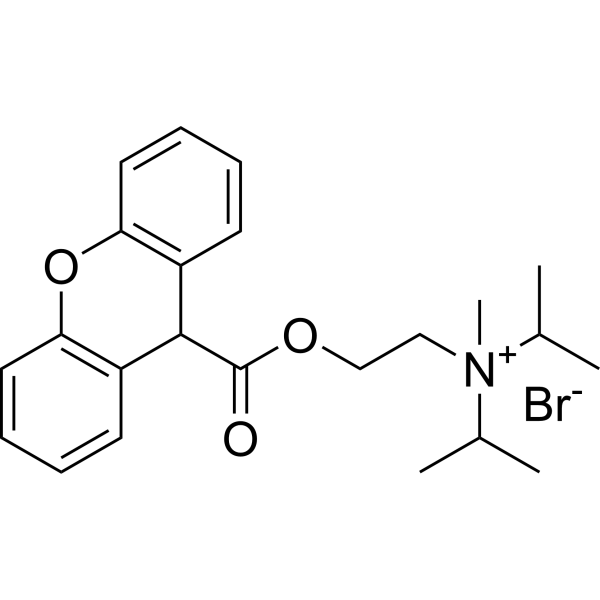
Propantheline bromide is an orally active mAChR antagonist. Propantheline bromide can be used in the research of smooth muscle dysfunction, excessive sweating, cramps or spasms of the stomach, intestines or bladder, and involuntary urination. Propantheline bromide can hardly cross the blood-brain barrier .
loading...
    loading...
Cat. No.: HY-B0740
CAS No.: 6202-23-9
Synonyms: MK130 hydrochloride
Target:  

5-HT Receptor Parasite

Research Areas:  

Infection Neurological Disease

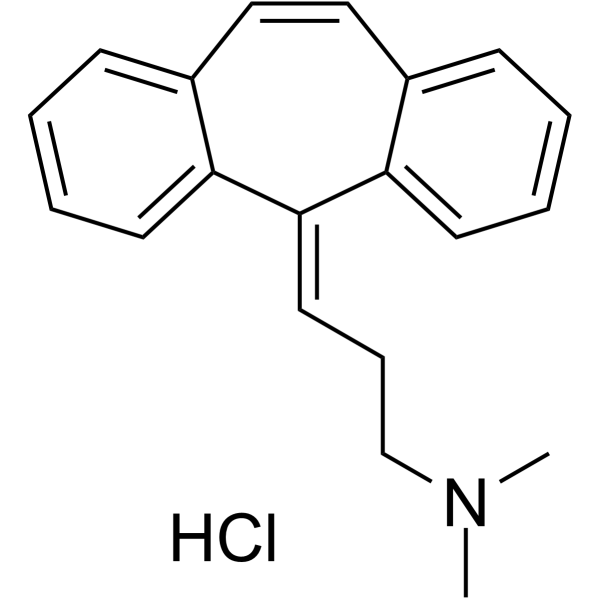
Cyclobenzaprine (MK130) hydrochloride is an orally active 5-HT2 receptor antagonist. Cyclobenzaprine hydrochloride acts centrally, providing skeletal muscle relaxation, alleviating muscle spasms, and reducing pain. Cyclobenzaprine hydrochloride also possesses antiparasitic activity. Cyclobenzaprine hydrochloride holds promise for research in the fields of acute, painful skeletal muscle disorders and infectious diseases .
loading...
    loading...
Cat. No.: HY-B1339
CAS No.: 67-92-5
Synonyms: Dicycloverine hydrochloride
Target:  

mAChR

Research Areas:  

Neurological Disease

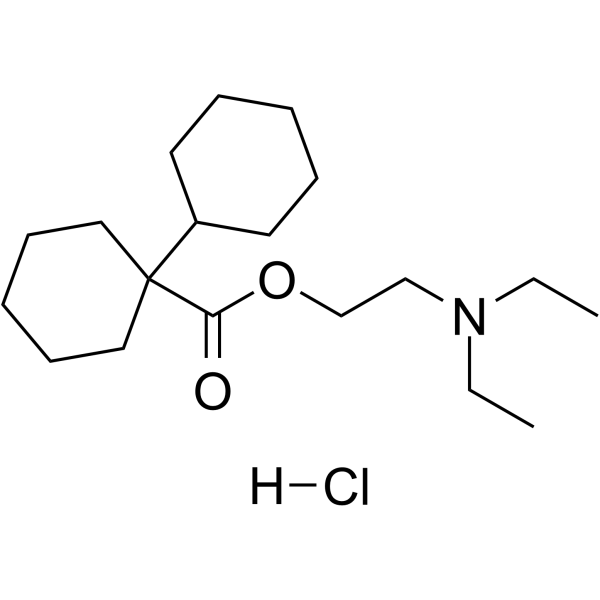
Dicyclomine hydrochloride is a potent and orally active muscarinic cholinergic receptors antagonist. Dicyclomine hydrochloride shows high affinity for muscarinic M1 receptor subtype (Ki=5.1 nM) and M2 receptor subtype (Ki=54.6 nM) in brush-border membrane and basal plasma membranes, respectively . Dicyclomine is an antispasmodic agent and relieves smooth muscle spasm of the gastrointestinal tract in vivo .
loading...
    loading...
Cat. No.: HY-B0229
CAS No.: 139264-17-8
Synonyms: BW-311C90; 311C90
Zolmitriptan (BW-311C90; 311C90) is a 5-HT1B/1D receptor partial agonist that can cross the blood-brain barrier, with Kis of 5.01 nM, 0.63 nM, and 63.09 nM for 5-HT1B, 5-HT1D, 5-HT1F receptor, respectively. Zolmitriptan can be used for the research of migraine .
loading...
    loading...
Cat. No.: HY-B0267A
CAS No.: 1508-65-2
Target:  

mAChR Potassium Channel

Research Areas:  

Neurological Disease Cancer

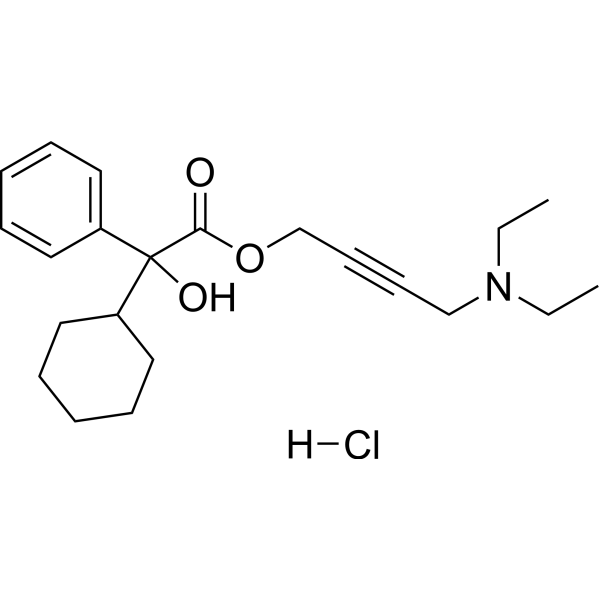
Oxybutynin chloride is an oral active and competitive mAChR antagonist with Kis of 14.3 and 5.55 nM for specific [ 3H]NMS binding in the mouse bladder and cerebral cortex, respectively. Oxybutynin chloride inhibits vascular Kv channels in a manner independent of anticholinergic effect, with an IC50 value of 11.51 μM. Oxybutynin chloride reduces muscle spasm in the bladder and urinary tract, can be used in study of overactive bladder syndrome (OAB) . Oxybutynin (chloride) is a click chemistry reagent, it contains an Alkyne group and can undergo copper-catalyzed azide-alkyne cycloaddition (CuAAc) with molecules containing Azide groups.
loading...
    loading...
Cat. No.: HY-112076
CAS No.: 2870-71-5
Purity:  ≥95.0%
Synonyms: Methylatropine bromide
Target:  

mAChR

Research Areas:  

Neurological Disease

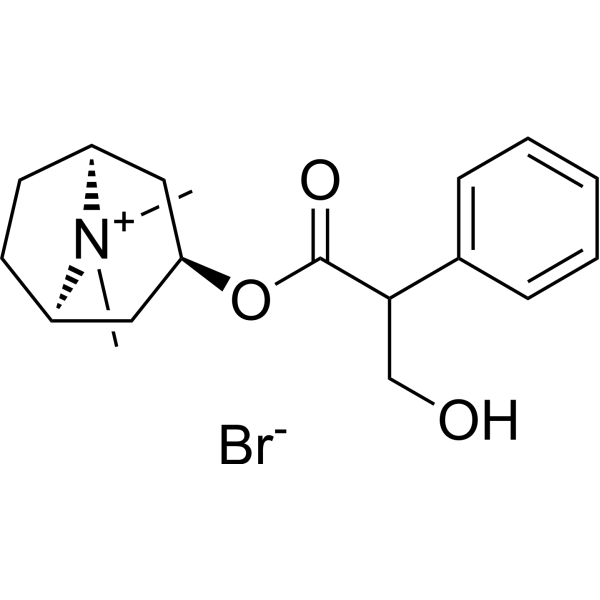
Atropine methyl bromide (Methylatropine bromide), an antagonist of muscarinic acetylcholine receptors (mAChR), is a quaternary ammonium salt of atropine and an active molecule used for pupil dilation during ophthalmic examinations. Due to its high polarity, it is used to relieve pyloric spasm in infants. It is less likely than atropine to cross the central nervous system .
loading...
    loading...
Cat. No.: HY-W010451
CAS No.: 533-73-3
Synonyms: Hydroxyhydroquinone
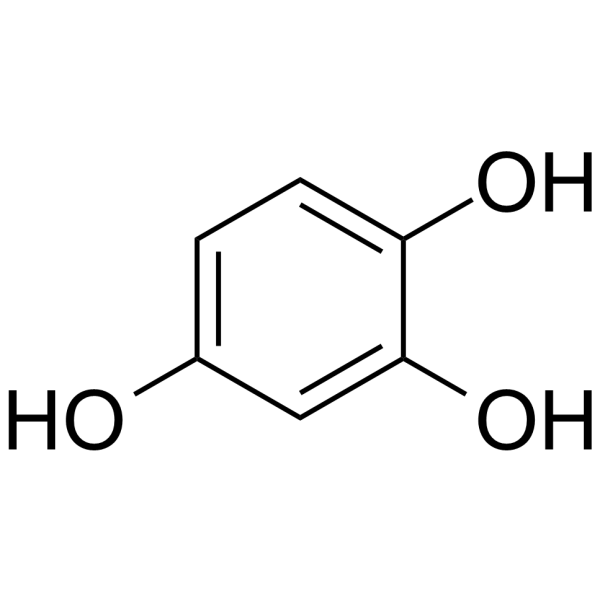
1,2,4-Trihydroxybenzene (Hydroxyhydroquinone) is an ER stress inducer that targets proteins such as PKR-like ER kinase PERK to induce cytotoxicity. 1,2,4-Trihydroxybenzene selectively activates eIF2α phosphorylation, activates the PERK-eIF2α signaling pathway and induces stress granule formation. 1,2,4-Trihydroxybenzene subsequently exacerbates oxidative stress and causes DNA double-strand breaks, destroying organelles such as mitochondria and ER, and inducing cell death. 1,2,4-Trihydroxybenzene also has the potential to exhibit anti-tumor effect, increase blood pressure, and relieve spasm .
loading...
    loading...
Cat. No.: HY-112076A
CAS No.: 52-88-0
Synonyms: Methylatropine nitrate
Target:  

mAChR

Research Areas:  

Neurological Disease

Atropine methyl bromide (Methylatropine nitrate), an antagonist of muscarinic acetylcholine receptors (mAChR), is a quaternary ammonium salt of atropine and a mydriatic for dilation of the pupil during ophthalmic examination. It is introduced for relieving pyloric spasm in infants for its highly polar nature. It penetrates less readily into the central nervous system than atropine .
loading...
    loading...

