1. Search Result
Search Result
Results for "

subtype-selective

" in MedChemExpress (MCE) Product Catalog:

69

Inhibitors & Agonists

2

Screening Libraries

3

Peptides

3

Natural
Products

1

Click Chemistry

Cat. No. Product Name Target Research Areas Chemical Structure
  • HY-13285
    Ki16425
    Maximum Cited Publications
    11 Publications Verification

    Debio 0719

    LPL Receptor YAP Neurological Disease Cancer
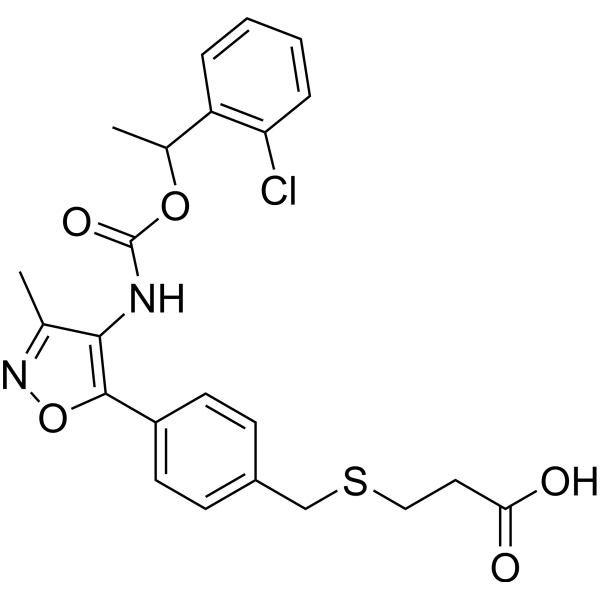
    Ki16425 (Debio 0719) is a subtype-selective, competitive antagonist of the EDG-family receptors, LPA1 and LPA3 with Kis of 0.34 μM and 0.93 μM, respectively. Ki16425 (Debio 0719) reduces the LPA-induced activation of p42/p44 MAPK . Ki16425 can also inhibit LPA-induced dephosphorylation of Yes-associated protein (YAP)/TAZ in HEK293A cells .
    Ki16425
  • HY-12583
    A-366
    5+ Cited Publications

    Histone Methyltransferase Epigenetic Reader Domain Cancer
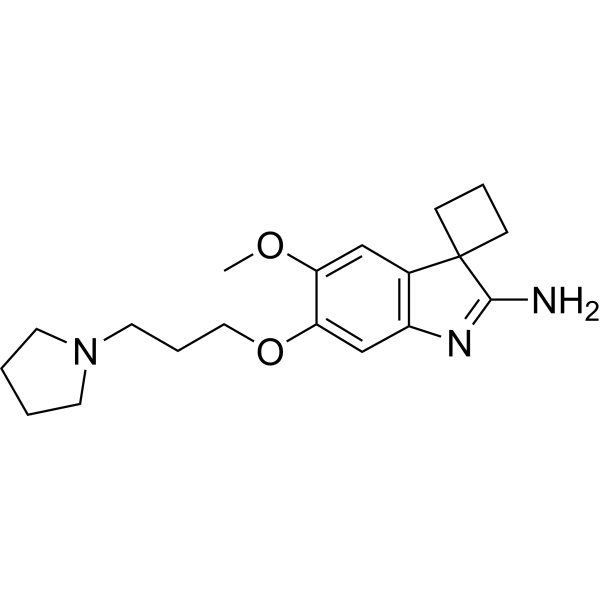
    A-366, a chemical probe, is a potent, highly selective, peptide-competitive histone methyltransferase G9a inhibitor with IC50s of 3.3 and 38 nM for G9a and GLP (EHMT1), respectively. A-366 shows >1000-fold selectivity over 21 other methyltransferases. A-366 is also a potent, nanomolar inhibitor of the Spindlin1-H3K4me3-interaction (IC50=182.6 nM). A-366 displays high affinity at human histamine H3 receptor (Ki=17 nM) and shows subtype selectivity among subsets of the histaminergic and dopaminergic receptor families .
    A-366
  • HY-165559

    TRP Channel Inflammation/Immunology
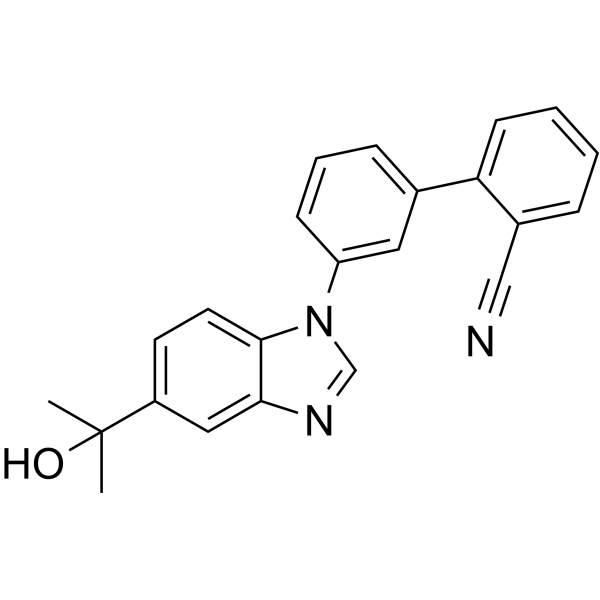
    Trpvicin is a potent and subtype-selective TRPV3 inhibitor with IC50s of 0.41 and 0.22 μM for hTRPV3-WT and hTRPV3-G573S mutant, respectively. Trpvicin exhibits minimal effects on other TRP family members (such as TRPV1/2/4/5/6, TRPA1 and TRPM8). Trpvicin inhibits the TRPV3 channel by stabilizing it in a closed state via VSLD-PD binding. Trpvicin accesses additional binding sites inside the central cavity of the G573S mutant to remodel symmetry and block the channel. Trpvicin inhibits itch and hair loss in mouse models. Trpvicin can be used for study of inflammation and immunology .
    Trpvicin
  • HY-N0584

    6-Hydroxyhyoscyamine

    mAChR Neurological Disease Cancer
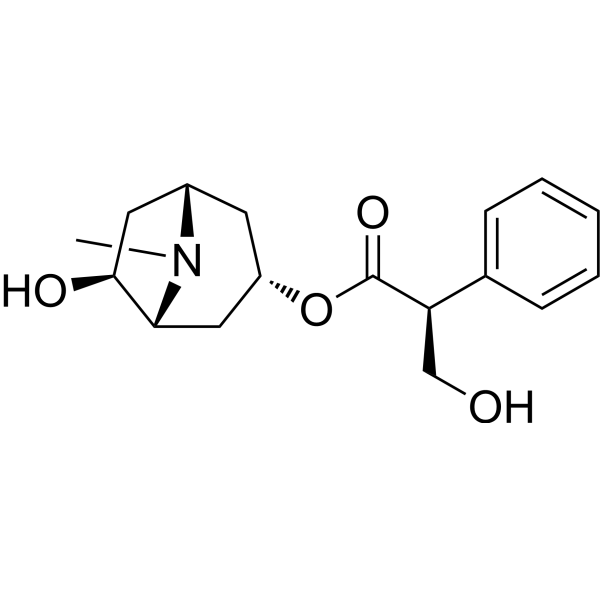
    Anisodamine (6-Hydroxyhyoscyamine), a belladonna alkaloid, is a non-subtype-selective muscarinic, and also a nicotinic cholinoceptor antagonist. Anisodamine employs in traditional Chinese medicine for many ailments, mainly to improve the microcirculation in states of shock, and also in organophosphate poisoning .
    Anisodamine
  • HY-128770
    LY3154207
    2 Publications Verification

    Dopamine Receptor Neurological Disease
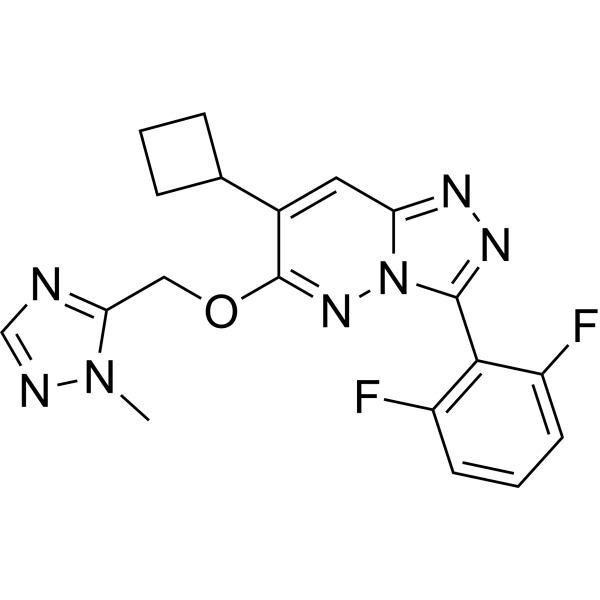
    LY3154207 is a potent, subtype selective, and orally available human dopamine D1 receptor positive allosteric modulator (PAM) with minimal allosteric agonist activity (EC50=3 nM) .
    LY3154207
  • HY-103504
    (S)-SNAP5114
    1 Publications Verification

    GABA Receptor Neurological Disease
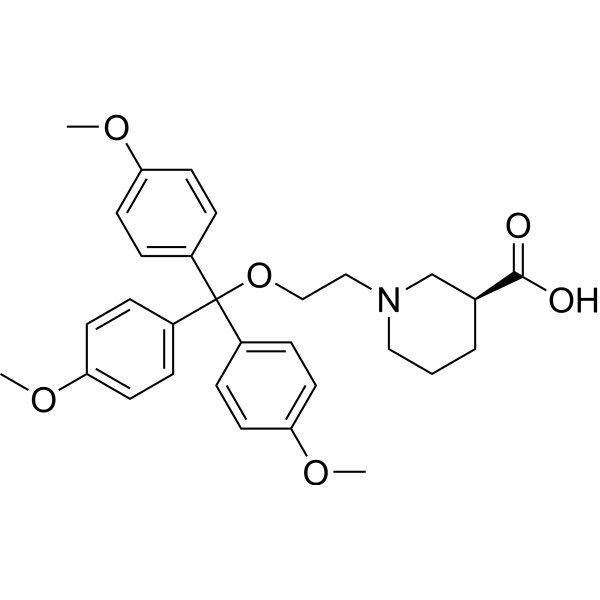
    (S)-SNAP5114 is a non-covalent murine GABA transporter inhibitor with blood-brain barrier penetration ability, which exhibits significant subtype-selective inhibitory activity against mGAT4 (pIC50=5.71, pKi=4.56), much higher than its effects on mGAT1, mGAT2 and mGAT3. (S)-SNAP5114 elevates extracellular GABA concentrations by blocking the GABA reuptake mechanism, thereby enhancing thalamus-specific GABAergic signaling and exerting potential neuromodulatory effects. (S)-SNAP5114 is widely used in studies related to epilepsy, neuropathic pain, anxiety and depression, and various neurodegenerative diseases .
    (S)-SNAP5114
  • HY-120874

    PF-06372865; CVL-865

    GABA Receptor Neurological Disease
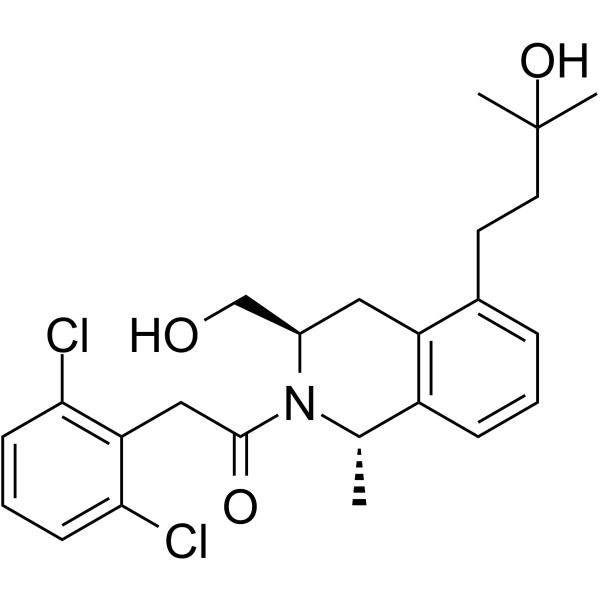
    Darigabat (PF-06372865) is an orally active, α2/α3/α5 subtype-selective GABAA positive allosteric modulator (PAM). Darigabat is a high affinity ligand at GABAA receptors containing α1/α2/α3/α5 subunits (Kis of 2.9 nM, 21 nM, 134 nM for α2, α1 PAM, α2 PAM, respectively), with low affinity for α4/α6 subunits. Darigabat can across the blood-brain barrier (BBB). Darigabat has anxiolytic activity and has the potential for epilepsy .
    Darigabat
  • HY-101640

    GABA Receptor Neurological Disease
    TPA 023 is a GABAA α2/α3 subtype-selective agonist, with Ki of 0.19-0.41 nM.
    TPA 023
  • HY-152227

    PROTACs JAK Inflammation/Immunology
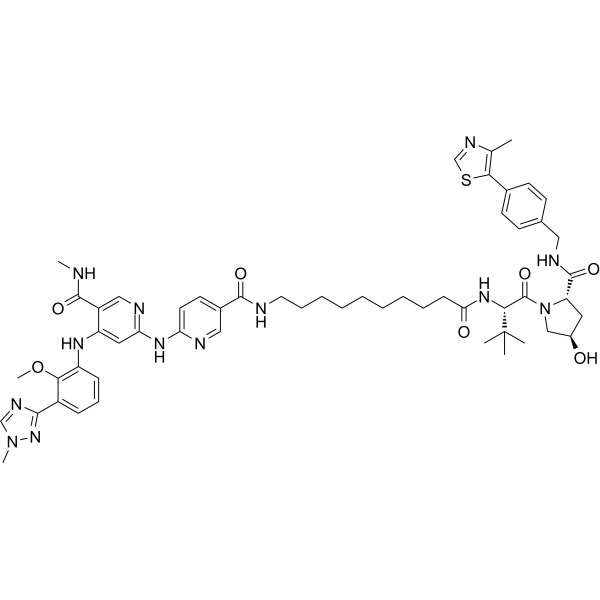
    PROTAC TYK2 degrader-2 is a potent and subtype-selective TYK2 degrader. PROTAC TYK2 degrader-2 has TYK2 degradation activity with DC50 value of 14 nM. PROTAC TYK2 degrader-2 can be used for the research of autoimmune disease .
    PROTAC TYK2 degrader-2
  • HY-12499

    (-)-Willardiine

    iGluR Neurological Disease
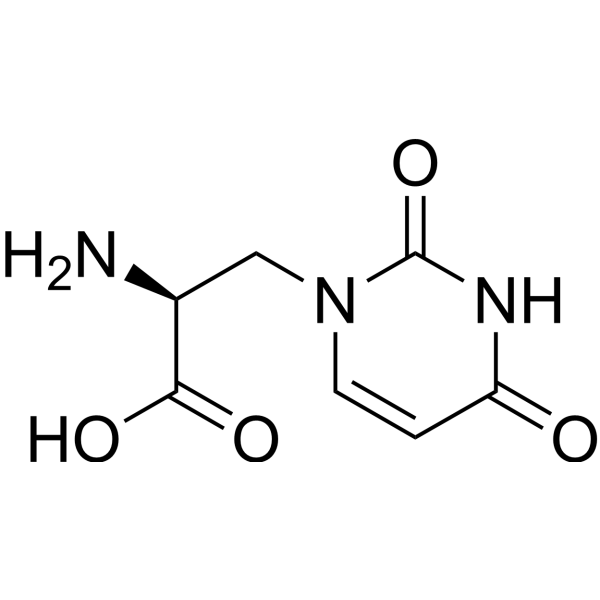
    (S)-Willardiine ((-)-Willardiine) is a subtype-selective glutamate receptor agonist and the active isomer of Willardiine. Willardiine binds to and activates hGluR1, hGluR2, hGluR4 and hGluR5, with Ki values of 3.6 nM and 0.24 nM for hGluR4 and hGluR5, respectively. (S)-Willardiine is used to investigate the distribution and physiological functions of glutamate receptor subunits in the central nervous system .
    (S)-Willardiine
  • HY-N0584A

    6-Hydroxyhyoscyamine hydrobromide

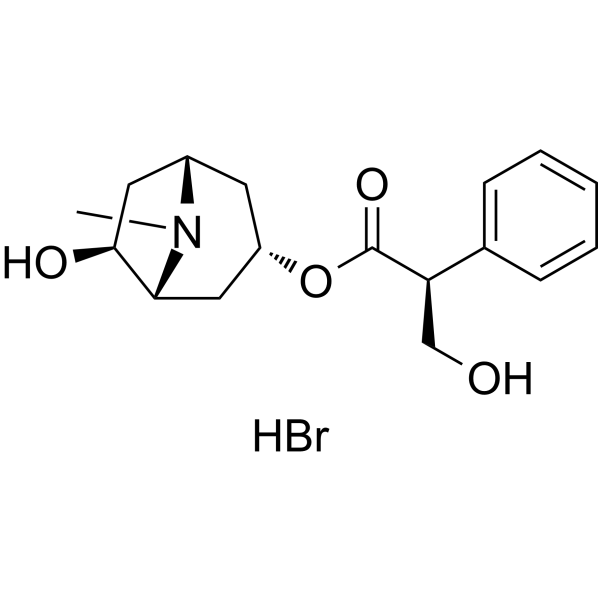
    mAChR Inflammation/Immunology Cancer
    Anisodamine hydrobromide (6-Hydroxyhyoscyamine hydrobromide), a belladonna alkaloid, is a non-subtype-selective muscarinic and a nicotinic cholinoceptor antagonist. Anisodamine hydrobromide shows antioxidant, anti-inflammatory properties .
    Anisodamine hydrobromide
  • HY-133012

    TRP Channel Neurological Disease
    GFB-8438 is a potent and subtype selective TRPC5 inhibitor, with IC50s of 0.18 and 0.29 μM of hTRPC5 and hTRPC4, respectively. GFB-8438 shows excellent selectivity against TRPC6, other TRP family members, NaV 1.5, as well as limited activity against the hERG channel. GFB-8438 protects mouse podocytes from injury induced by protamine sulfate model .
    GFB-8438
  • HY-18060

    TC-5619

    nAChR Neurological Disease
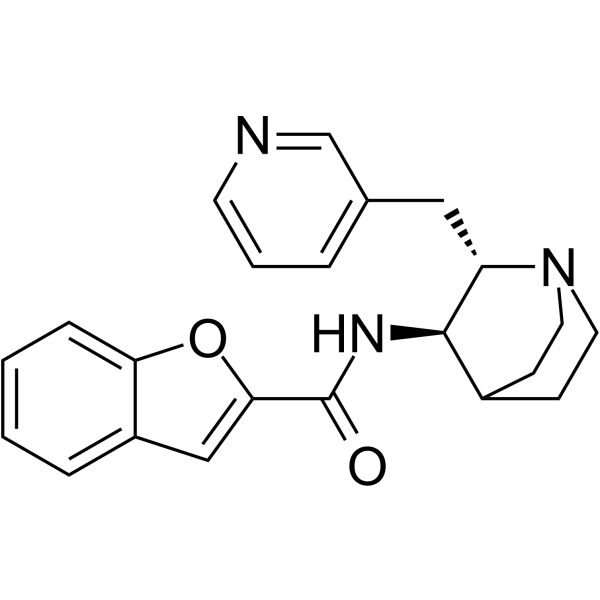
    Bradanicline (TC-5619) is an orally active agonist of α7 nAChR with moderate blood-brain barrier penetration. Bradanicline exhibits high affinity and subtype selectivity for human α7 nAChR. Bradanicline possesses antitussive activity that depends on sustained receptor binding and activation. Bradanicline requires systemic administration to dose-dependently inhibit cough induced by citric acid, bradykinin and inhaled nicotine. Bradanicline is well tolerated in preclinical studies and is widely used in research related to chronic refractory cough .
    Bradanicline
  • HY-101869

    MRK-409

    GABA Receptor Neurological Disease
    MK0343 (MRK-409) is an orally bioavailable GABAA receptor subtype-selective partial agonist. MK0343 is a non-sedating anxiolytic .
    MK-0343
  • HY-175728

    Potassium Channel Sodium Channel Calcium Channel Metabolic Disease
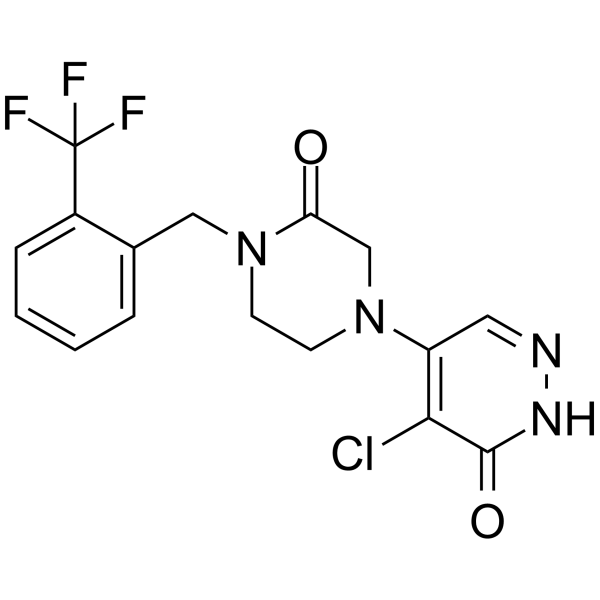
    VU6032735 is a potent and subtype-selective sperm-specific potassium channel 3 (SLO3) inhibitor with IC50 values of 165 nM (hSLO3) and 730 nM (mSLO3). VU6032735 also inhibits sodium channel and L-type calcium channel VU6032735 can sustain high tissue exposure in the fertilized oviduct. VU6032735 can be used for the research of contraception .
    VU6032735
  • HY-12439
    ML380
    1 Publications Verification

    mAChR Neurological Disease
    ML380 is a potent, subtype-selective, and brain-penetrant positive allosteric modulator (PAM) of M5 mAChR, with EC50s of 190 and 610 nM for human and rat M5, respectively. ML380 exhibits moderate selectivity versus the M1 and M3 mAChR subtypes. ML380 could increase the affinity of ACh for the M5 mAChR .
    ML380
  • HY-108498

    Somatostatin Receptor Endocrinology
    L-817818 is a potent and subtype-selective agonist of the somatostatin receptor. L-817818 provides a direct approach to defining somatostatin receptor physiological functions
    L-817818
  • HY-170859

    PROTACs Casein Kinase Cancer
    AH078 is a PROTAC-based CK1δ/ε degrader (DC50=0.55 μM, Dmax=70%) that lacks subtype selectivity between CK1δ and CK1ε. AH078 induces target protein degradation either by recruiting the CUL4-CRBN E3 ligase complex and proteasome, or via the VHL- and ubiquitin-dependent pathway. AH078 also exhibits selectivity for CK1α, and is widely applicable to research related to colon cancer, pancreatic cancer, breast cancer, ovarian cancer, chronic lymphocytic leukemia, acute myeloid leukemia, glioma, and metastatic breast adenocarcinoma .
    AH078
  • HY-11048
    NS11394
    3 Publications Verification

    GABA Receptor Neurological Disease
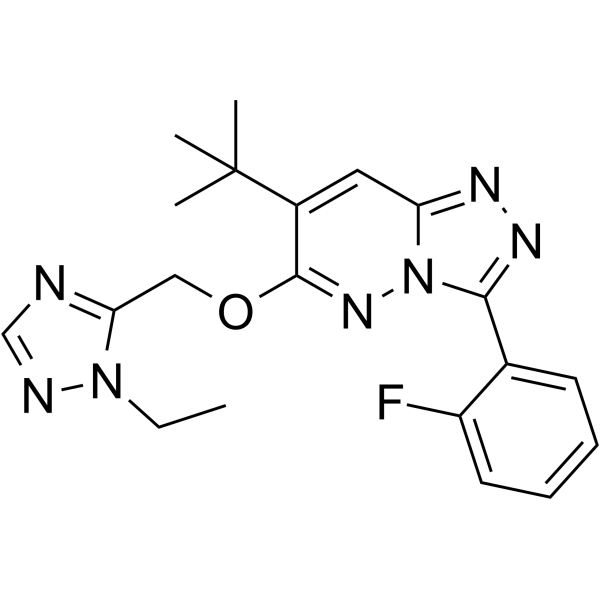
    NS11394 is an orally active and unique subtype-selective GABAA positive allosteric receptor (PAM), with a Ki of ~0.5 nM. NS11394 shows a selectivity profile in the order of GABAA-5 > α3 > α2 > α1-containing receptors. NS11394 has anxiolytic and anti-inflammatory properties .
    NS11394
  • HY-107713

    iGluR Neurological Disease
    PPDA is a subtype-selective NMDA receptor antagonist that preferentially binds to NR2C/NR2D containing receptors .
    PPDA
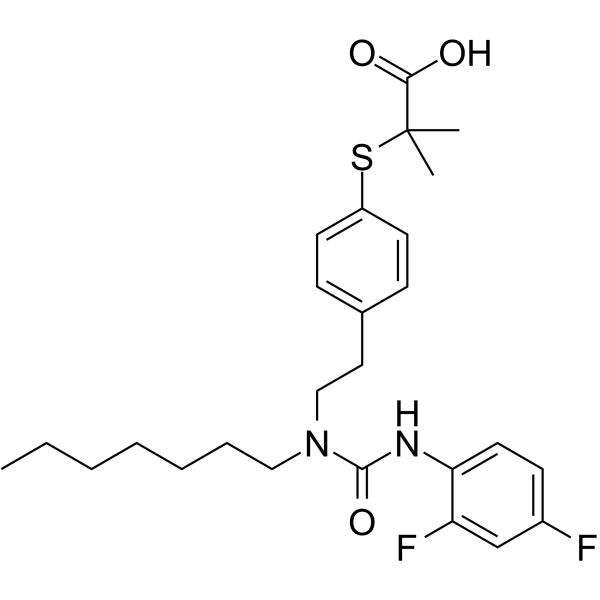
  • HY-151487

    Cyclophilin Neurological Disease Metabolic Disease Cancer
    CypD-IN-3 is a potent and subtype-selective cyclophilin D (CypD) inhibitor. CypD-IN-3 has CypD affinity with an IC50 value of 0.01 μM. CypD-IN-3 can be used for the research of several diseases including oxidative stress, neurodegenerative disorders, liver diseases, aging, autophagy and diabetes .
    CypD-IN-3
  • HY-123414

    PF-05196233

    Sodium Channel Neurological Disease
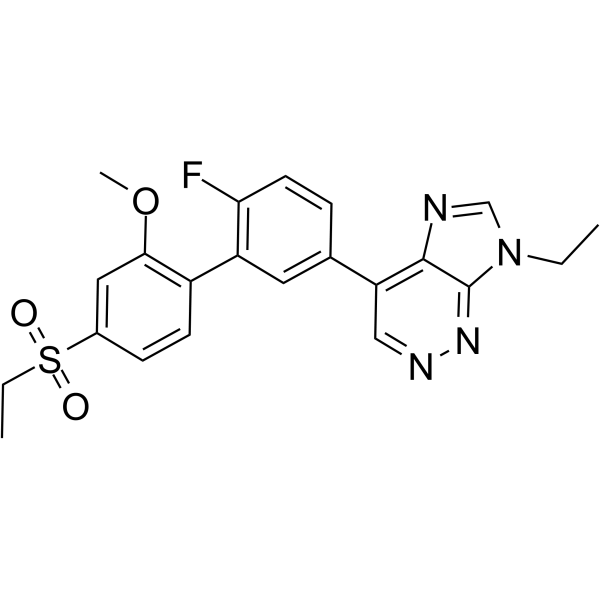
    GX-936 (PF-05196233), a potent and Nav1.7-subtype selective inhibitor, binds to the activated state of voltage-sensor domain IV (VSD4) .
    GX-936
  • HY-103229

    iGluR Neurological Disease
    Cl-HIBO is a highly subtype-selective GluR1/2 agonist (EC50=4.7 and 1.7 μM, respectively). Cl-HIBO is a potent AMPA receptor agonist (IC50=0.22 μM). Cl-HIBO has desensitizing properties .
    Cl-HIBO
  • HY-117196
    GW 9578
    1 Publications Verification

    PPAR Metabolic Disease Inflammation/Immunology
    GW9578 is a subtype-selective PPARα agonist (EC50s of 5 and 50 nM for murine and human PPAR-α) with potent lipid-lowering activity .
    GW 9578
  • HY-176545

    HDAC Sirtuin Others
    Z-MAL is a highly efficient and broad-spectrum HDAC substrate. Z-MAL exhibits high conversion activity for class I, II histone deacetylases, and class III SIRT1. Z-MAL can be used in studies on the structure-activity relationship, subtype selectivity, and inhibitor screening of HDAC .
    Z-MAL
  • HY-126291

    Sodium Channel Neurological Disease
    GNE-616 is a highly potent, metabolically stable, orally bioavailable, and subtype selective Nav1.7 inhibitor (Ki of 0.79 nM and Kd of 0.38 nM for hNav1.7) for the treatment of chronic pain. GNE-616 shows >1000 nM Kd and >2500-fold selectivity over hNav1.1, hNav1.3, hNav1.4, and hNav1.5. Selectivity over hNav1.2 and hNav1.6 is more modest at 31- and 73-fold, respectively .
    GNE-616
  • HY-151488

    Cyclophilin Neurological Disease Metabolic Disease Cancer
    CypD-IN-4 is a potent and subtype-selective cyclophilin D (CypD) inhibitor. CypD-IN-4 has CypD affinity with an IC50 value of 0.057 μM. CypD-IN-4 can be used for the research of several diseases including oxidative stress, neurodegenerative disorders, liver diseases, aging, autophagy and diabetes .
    CypD-IN-4
  • HY-120008

    Sigma Receptor Neurological Disease
    SAS-1121 is a subtype-selective sigma 2 receptor/PGRMC1 ligand with a Ki of 16.2 nM. SAS-1121 is 574-fold selective for the signma 2 receptor over the sigma 1 receptor. SAS-1121 is a tertiary amine. SAS-1121 can be studied in neurology-related research .
    SAS-1121
  • HY-110092

    P2Y Receptor Metabolic Disease
    PSB-1114 tetrasodium is a potent, enzymatically stable, and subtype-selective P2Y2 receptor agonist with an EC50 of 134 nM. PSB-1114 tetrasodium displays >50-fold selectivity versus the P2Y4 (EC50 of 9.3 μM) and P2Y6 (EC50 of 7.0 μM) receptors .
    PSB-1114 tetrasodium
  • HY-123249

    GABA Receptor Neurological Disease
    HZ166 is a GABAA receptor subtype-selective benzodiazepine site agonist with preferential activity at α2- and α3-GABAA receptors. HZ166 shows anti-hyperalgesic effects . HZ166 is a click chemistry reagent, it contains an Alkyne group and can undergo copper-catalyzed azide-alkyne cycloaddition (CuAAc) with molecules containing Azide groups.
    HZ166
  • HY-P5158

    Adrenergic Receptor Others
    Conopeptide rho-TIA is a peptide derived from the venom contained in the predatory sea snail Conus tulipa, has highly selective and noncompetitive inhibitor at human α1B-Adrenergic Receptor. Conopeptide rho-TIA acts a competitive inhibitor at human α1A-Adrenergic Receptor and α1D-Adrenergic Receptor. Conopeptide rho-TIA binds to each subtype and may provide useful information for the development of novel α1-Adrenergic Receptor subtype-selective drugs .
    Conopeptide rho-TIA
  • HY-P11389

    Angiotensin Receptor Neurological Disease
    (Sar1,Gly8)-Angiotensin II is an AT1 angiotensin II receptor subtype selective antagonist (Ki: 52 nM for AT2 receptor in rat adrenal). (Sar1,Gly8)-Angiotensin II potently antagonizes dipsogenic responses to intracerebroventricularly administered Ang II .
    (Sar1,Gly8)-Angiotensin II
  • HY-14319B

    nAChR Neurological Disease
    Sazetidine A dihydrochloride is a potent ligand for the α4β2 nAChR, with high binding affinity and selectivity for this subtype. Sazetidine A dihydrochloride exhibits favorable pharmacological properties and may contribute to research targeting nicotinic receptor-related diseases. Sazetidine A dihydrochloride has been mentioned in studies investigating the binding affinity of various analogs, highlighting its importance in understanding the nAChR ligand subtype selectivity .
    Sazetidine A dihydrochloride
  • HY-19425

    PPAR Metabolic Disease
    NS-220 is an orally active PPARα agonist with high subtype selectivity, with EC50 values of 1.9×10 -8 M, 9.6×10 -6 M and >10 -4 M for PPARα, PPAR γ and PPARδ, respectively. NS-220 is used in the research for hyperlipidemia or metabolic disorders in type-2 diabetes .
    NS-220
  • HY-179277

    Adenosine Receptor Cardiovascular Disease
    MIPS3526 is a potent and selective A2B adenosine receptor (A2BR) agonist with a pEC50 of 10.17 (EC50 of 58 pM). MIPS3526 shows highly receptor subtype selective versus the A1R, A2AR, and A3R. MIPS3526 ameliorates angiotensin II stimulating effects in both cardiac myocytes and fibroblasts. MIPS3526 can be used for the study of cardiovascular disease including heart failure where cardiac remodeling is a major driver .
    MIPS3526
  • HY-162117

    mGluR Neurological Disease
    LBG30300 is a subtype-selective mGlu2 receptor agonist EC50 0.6 nM. LBG30300 is blood-brain barrier permeable .
    LBG30300
  • HY-147209

    YAP Metabolic Disease
    DC-TEAD3in03 is a subtype-selective and covalent TEAD3 inhibitor with an IC50 of 0.16 μM. DC-TEAD3in03 exhibits the inhibitory activity on TEAD1/2/4 reduced by more than 100 times. DC-TEAD3in03 has the IC50 for TEAD3 of 1.15 μM in the GAL4-TEAD reporter gene experiment in cells, and it does not interfere with the β-catenin pathway. DC-TEAD3in03 reduces the growth rate of the zebrafish tail fin. DC-TEAD3in03 can be used to study the proportional growth of appendages in vertebrates .
    DC-TEAD3in03
  • HY-136459

    iGluR Neurological Disease
    NMDA receptor antagonist 2 is a potent and orally active NR2B subtype-selective NMDA antagonist with an IC50 and a Ki of 1.0 nM and 0.88 nM, respectively. NMDA receptor antagonist 2 is used for the study of neuropathic pain and Parkinson’s disease .
    NMDA receptor antagonist 2
  • HY-101869R

    MRK-409 (Standard)

    Reference Standards GABA Receptor Neurological Disease
    MK-0343 (Standard) is the analytical standard of MK-0343. This product is intended for research and analytical applications. MK0343 (MRK-409) is an orally bioavailable GABAA receptor subtype-selective partial agonist. MK0343 is a non-sedating anxiolytic .
    MK-0343 (Standard)
  • HY-110092A

    P2Y Receptor Cancer
    PSB-1114 triethylamine is a potent, enzymatically stable, and subtype-selective P2Y2 receptor agonist with an EC50 of 134 nM. PSB-1114 triethylamine displays >50-fold selectivity versus the P2Y4 (EC50 of 9.3 μM) and P2Y6 (EC50 of 7.0 μM) receptors .
    PSB-1114 triethylamine
  • HY-151489

    Cyclophilin Neurological Disease Metabolic Disease Cancer
    CypE-IN-1 is a potent and subtype-selective cyclophilin E (CypE) inhibitor. CypE-IN-1 has CypE affinity with IC50 and Ki values of 0.013 μM and 0.072 μM, respectively. CypE-IN-1 can be used for the research of several diseases including oxidative stress, neurodegenerative disorders, liver diseases, aging, autophagy and diabetes .
    CypE-IN-1
  • HY-142723

    Potassium Channel Neurological Disease
    KCa2 channel modulator 1 (compound 2o) is a potent subtype-selective positive modulator of KCa2 channel. KCa2 channel modulator 1 potentiates human KCa2.3 channels with an EC50 value of 0.19 μM and 0.99 μM on the rat KCa2.2 channel subtype .
    KCa2 channel modulator 1
  • HY-167824

    Endogenous Metabolite Neurological Disease
    SSR180711 is a potent and subtype-selective α7 agonist with activity in Alzheimer's disease and schizophrenia research. SSR180711 can be used to study subtypes of intracerebral hemorrhage associated with cerebral small vessel disease. SSR180711 shows potential in electrophysiological and behavioral studies to evaluate its effects on cognitive function. SSR180711 also has potential for studying cerebrovascular lesions and their effects .
    SSR180711
  • HY-142735

    Potassium Channel Neurological Disease
    KCa2 channel modulator 2 (compound 2q) is a potent subtype-selective positive modulator of KCa2 channel. KCa2 channel modulator 2 exhibits similar potency on the rat KCa2.2a and human KCa2.3 channel subtypes, with EC50s of 0.64 μM and 0.60 μM, respectively
    KCa2 channel modulator 2
  • HY-18596

    5-HT Receptor Neurological Disease
    SB-215505 is an orally active and subtype-selective 5-HT2B receptor antagonist with pKi values of 8.3, 6.77, 7.66 for 5-HT2B, 5-HT2A, 5-HT2C, respectively . SB-215505 increases wakefulness and motor activity in rats .
    SB-215505
  • HY-103231

    iGluR Neurological Disease
    (S)-CPW 399 is a subtype-selective full agonist of AMPA receptors, with a 20-fold higher selectivity for GluA1 and GluA2 subunits over GluA3 and GluA4 subunits. (S)-CPW 399 can significantly increase the spontaneous firing rate (FR) of LC noradrenergic neurons by activating AMPA receptors containing GluA1 subunits. (S)-CPW 399 can be used for the study of neurological diseases .
    (S)-CPW 399
  • HY-13285R

    Debio 0719 (Standard)

    LPL Receptor YAP Reference Standards Neurological Disease Cancer
    Ki16425 (Standard) is the analytical standard of Ki16425. This product is intended for research and analytical applications. Ki16425 (Debio 0719) is a subtype-selective, competitive antagonist of the EDG-family receptors, LPA1 and LPA3 with Kis of 0.34 μM and 0.93 μM, respectively. Ki16425 (Debio 0719) reduces the LPA-induced activation of p42/p44 MAPK . Ki16425 can also inhibit LPA-induced dephosphorylation of Yes-associated protein (YAP)/TAZ in HEK293A cells .
    Ki16425 (Standard)
  • HY-103066

    nAChR Neurological Disease
    Br-PBTC is a potent, 2/4 subtype-selective positive allosteric modulator of nAChRs (nicotinic acetylcholine receptors) with α2β2, α2β4, α4β2, α4β4, (α4β2)2α4 and (α4β2)2β2 EC50 ranges from 0.1-0.6 μM. Br-PBTC acts from the c-tail of an α subunit .
    Br-PBTC
  • HY-116142

    iGluR Neurological Disease
    CP-283097 is an orally active and conformationally restricted and NR2B subtype-selective NMDA antagonist. CP-283097 efficiently competitively inhibits the binding of [³H]CP-101,606 to the rat meninges, with an IC50 value of 18 nM. CP-283097 exhibits nearly complete inhibition of the current mediated by the NR2B receptor (IC50 = 206 nM), while the inhibitory effect on the NR2A or NR2C receptors is very weak. CP-283097 demonstrates excellent central nervous system permeability and in vivo efficacy in animal models. CP-283097 can be used for neurological diseases related to excessive activation of NMDA receptors .
    CP-283097
  • HY-N0584AR

    6-Hydroxyhyoscyamine hydrobromide (Standard)

    Reference Standards mAChR Inflammation/Immunology
    Anisodamine (hydrobromide) (Standard) is the analytical standard of Anisodamine (hydrobromide). This product is intended for research and analytical applications. Anisodamine hydrobromide (6-Hydroxyhyoscyamine hydrobromide), a belladonna alkaloid, is a non-subtype-selective muscarinic and a nicotinic cholinoceptor antagonist. Anisodamine hydrobromide shows antioxidant, anti-inflammatory properties .
    Anisodamine hydrobromide (Standard)

Inquiry Online

Your information is safe with us. * Required Fields.

Salutation


Country or Region *

Applicant Name *


Organization Name *

Department *


Email Address *


Product Name *

Cat. No.


Requested quantity *

Phone Number *


Remarks

Inquiry Online

Inquiry Information

Product Name:
Cat. No.:
Quantity:
MCE Japan Authorized Agent:

