


1. Search Result
Search Result
Results for "

tumor growth promoting

" in MedChemExpress (MCE) Product Catalog:

135

Inhibitors & Agonists

2

Screening Libraries

1

Fluorescent Dyes

4

Biochemical Assay Reagents

5

Peptides

11

Inhibitory Antibodies

20

Natural
Products

5

Isotope-Labeled Compounds

2

Click Chemistry

4

Oligonucleotides

1

GMP Molecules

Cat. No. Product Name Target Research Areas Chemical Structure
  • HY-N0305
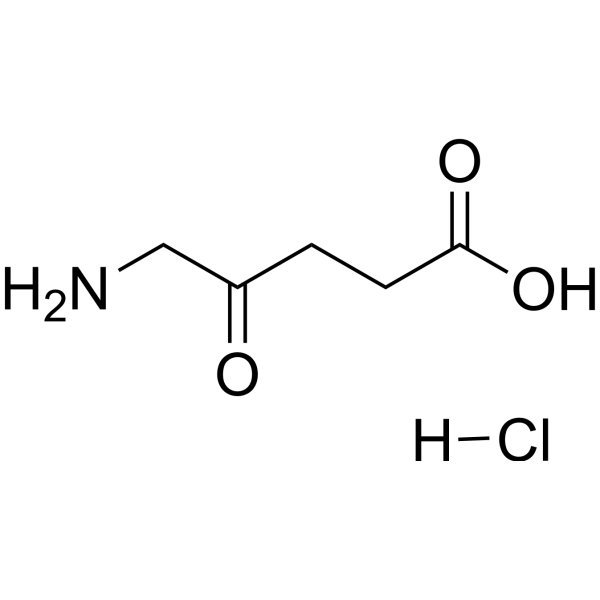
    5-Aminolevulinic acid hydrochloride
    Maximum Cited Publications
    20 Publications Verification

    5-ALA hydrochloride; δ-Aminolevulinic acid hydrochloride; 5-Amino-4-oxopentanoic acid hydrochloride

    Reactive Oxygen Species (ROS) Neurological Disease Metabolic Disease Inflammation/Immunology Cancer
    5-Aminolevulinic acid (5-ALA; δ-Aminolevulinic acid; 5-Amino-4-oxopentanoic acid) hydrochloride is an orally active heme precursor. 5-Aminolevulinic acid hydrochloride promotes aerobic energy metabolism and increases ATP levels by enhancing the activity of cytochrome c oxidase. 5-Aminolevulinic acid hydrochloride enhances LPS-induced proinflammatory cytokine production and gene activation, and restores the phagocytic activity and ROS generation capacity of neutrophils. 5-Aminolevulinic acid hydrochloride selectively accumulates protoporphyrin IX in tumor cells; as a photosensitizer and radiosensitizer, it induces ROS burst upon light or X-ray irradiation to inhibit tumor growth. 5-Aminolevulinic acid hydrochloride can be applied to the research of septic shock, melanoma, and cancer radiotherapy .
    5-Aminolevulinic acid hydrochloride
  • HY-15578
    McMMAF
    5+ Cited Publications

    Maleimidocaproyl monomethylauristatin F

    Drug-Linker Conjugates for ADC Apoptosis Cancer
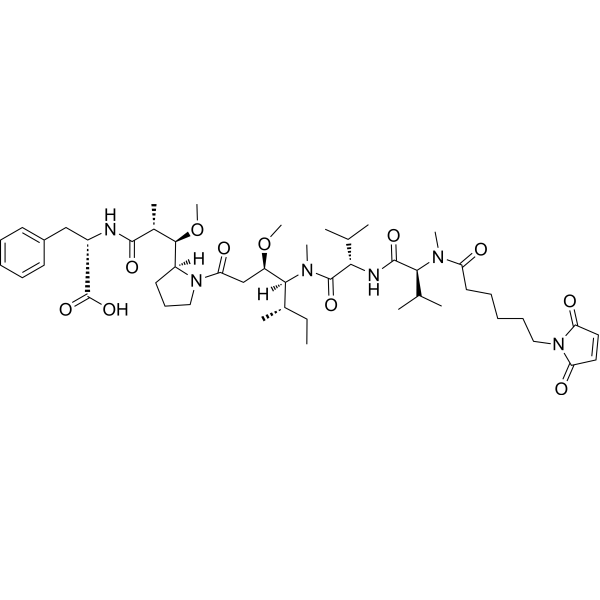
    McMMAF (Maleimidocaproyl monomethylauristatin F) is an active molecule linker for ADC, made by coupling the powerful microtubule inhibitor Monomethyl auristatin F (MMAF) (HY-15579) with the protecting group maleimidocaproyl. McMMAF can be conjugated with anti-BCMA antibodies to form J6M0-mcMMAF, promoting apoptosis and inhibiting tumor growth .
    McMMAF
  • HY-W145521
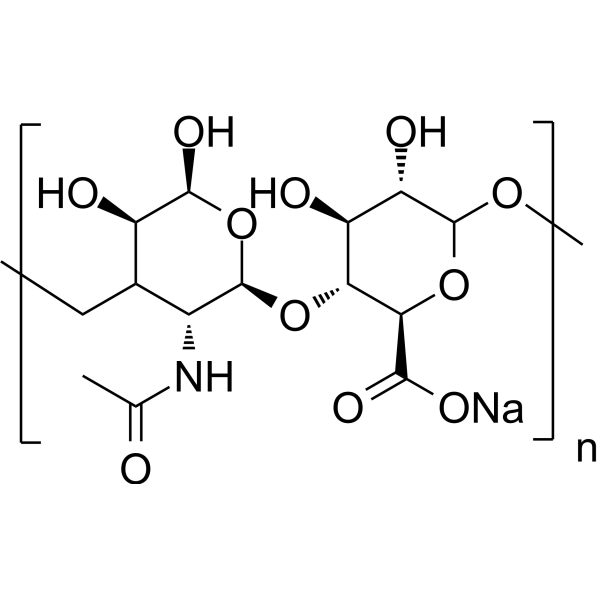
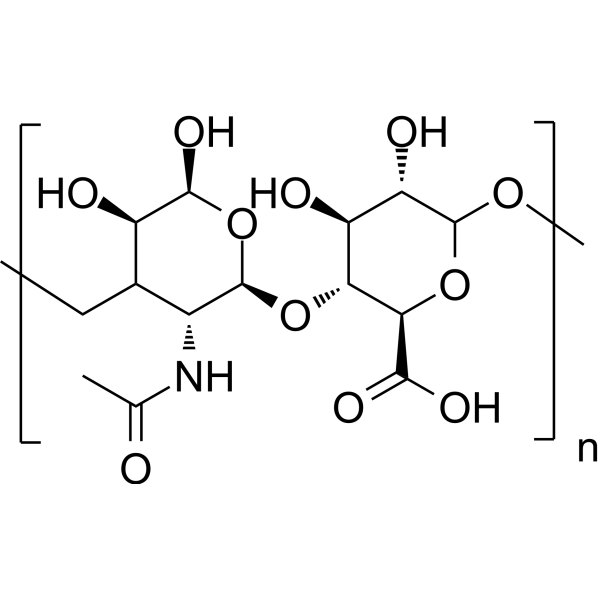
    β-1,3-Glucan
    1 Publications Verification

    β Glucan

    Biochemical Assay Reagents IKK NO Synthase Bacterial Infection Inflammation/Immunology Cancer
    β-1,3-Glucan (β Glucan) is an orally active polysaccharide composed of glucose polymers. β-1,3-Glucan increase the activity of IKKβ kinase, enhances the production of nitric oxide. β-1,3-Glucan improves resistance to Vibrio harveyi infection. β-1,3-Glucan enhances immune response, promotes blood pressure recovery, reduces lung, kidney and liver damage, inhibits the growth of syngeneic tumors .
    β-1,3-Glucan
  • HY-W000450
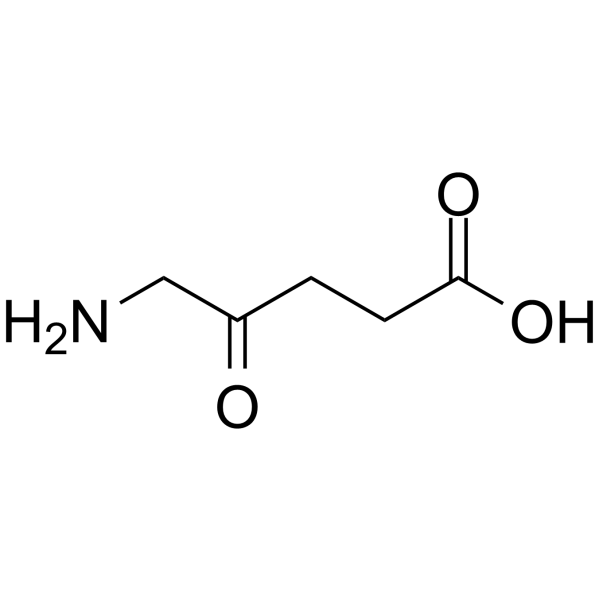
    5-Aminolevulinic acid
    Maximum Cited Publications
    20 Publications Verification

    5-ALA; δ-Aminolevulinic acid; 5-Amino-4-oxopentanoic acid

    Reactive Oxygen Species (ROS) Cardiovascular Disease Cancer
    5-Aminolevulinic acid (5-ALA; δ-Aminolevulinic acid; 5-Amino-4-oxopentanoic acid) is an orally active heme precursor. 5-Aminolevulinic acid promotes aerobic energy metabolism and increases ATP levels by enhancing the activity of cytochrome c oxidase. 5-Aminolevulinic acid enhances LPS-induced proinflammatory cytokine production and gene activation, and restores the phagocytic activity and ROS generation capacity of neutrophils. 5-Aminolevulinic acid selectively accumulates protoporphyrin IX in tumor cells; as a photosensitizer and radiosensitizer, it induces ROS burst upon light or X-ray irradiation to inhibit tumor growth. 5-Aminolevulinic acid can be applied to the research of septic shock, melanoma, and cancer radiotherapy .
    5-Aminolevulinic acid
  • HY-N1381
    Periplocin
    5+ Cited Publications

    Apoptosis Inflammation/Immunology Cancer
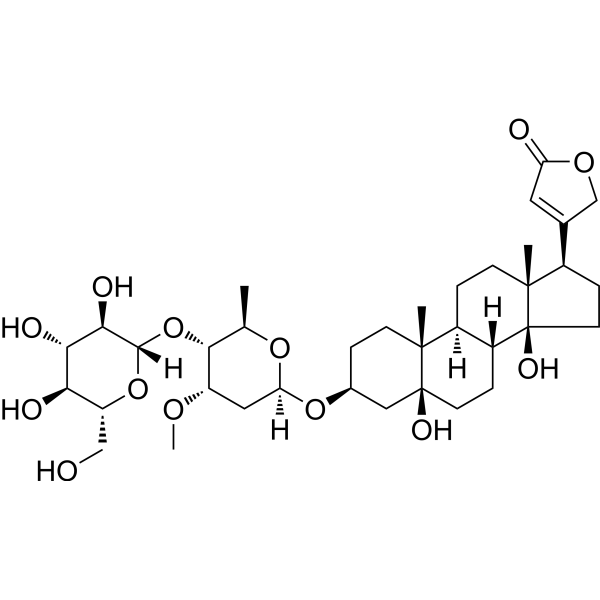
    Periplocin is a cardiotonic steroid isolated from root-bark Periploca sepium Bunge. Periplocin promotes tumor cell apoptosis and inhibits tumor growth. Periplocin has the potential to facilitate wound healing through the activation of Src/ERK and PI3K/Akt pathways mediated by Na/K-ATPase .
    Periplocin
  • HY-P9933

    APN-311; Ch14.18; MAb-14.18

    Apoptosis PERK mTOR Cancer
    Dinutuximab (APN-311) is a chimeric human-mouse anti-GD2 monoclonal antibody. Dinutuximab can bind to GD2 on the cell surface, triggering antibody-dependent cell-mediated cytotoxicity and complement-dependent cytotoxicity, and promoting tumor regression. Dinutuximab can inhibit the growth, invasion, and migration and induce apoptosis of tumor cells. Dinutuximab can be used in the research of tumors such as neuroblastoma and breast cancer .
    Dinutuximab
  • HY-P6292A

    PACAP Receptor Neurological Disease Inflammation/Immunology Cancer
    KS-133 TFA is a highly selective and potent antagonist of the vascular active enteropeptide receptor 2 (VIPR2) with IC50 values for Ca influx measurement and cAMP measurement of 24.8 nM and 500 nM, respectively. KS-133 TFA reverses the tumor-promoting M2 phenotype of tumor-associated macrophages to the anti-tumor M1 phenotype, alters the tumor immune microenvironment, and inhibits tumor growth. KS-133 TFA can be used for research on schizophrenia and cancer immune regulation .
    KS-133 TFA
  • HY-147082
    GA-017
    5+ Cited Publications

    Large Tumor Suppressor (LATS) YAP Cancer
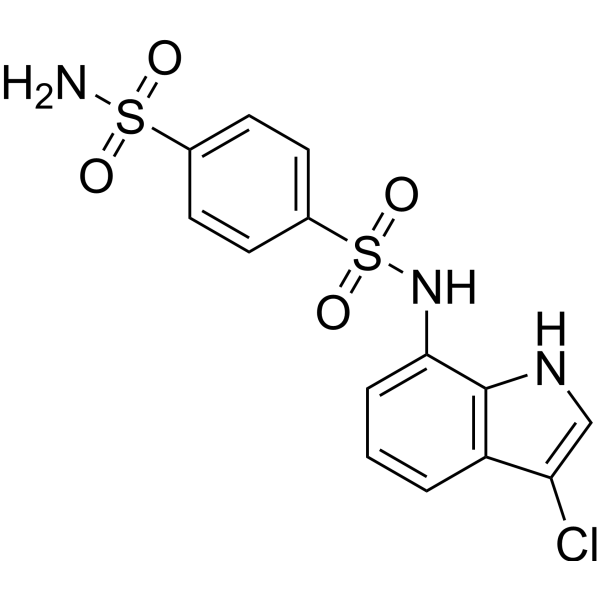
    GA-017 is a potent and selective LATS1 and LATS2 (large tumor suppressor kinase 1/2) inhibitor, with IC50 values of 4.10 and 3.92 nM, respectively. GA-017 is an activator of cell proliferation. GA-017 promotes YAP/TAZ activation and nuclear translocation. GA-017 promotes cell growth under 3D culture conditions. GA-017 enhances the ex vivo formation of mouse intestinal organoids .
    GA-017
  • HY-159642

    TYRA-300

    FGFR ERK Metabolic Disease Cancer
    Dabogratinib (TYRA-300) is an orally active, selective FGFR3 inhibitor with an IC50 of 11 nM. Dabogratinib exhibits antitumor activity against urothelial carcinoma and solid tumors. Dabogratinib downregulates the FGFR3 and ERK1/2 signaling pathways, and induces tumor growth inhibition and regression in FGFR3-altered xenograft models. Dabogratinib promotes chondrocyte proliferation and differentiation, drives endochondral bone formation and overall body growth, partially restores long bone proportions, and improves craniofacial and spinal morphology. Dabogratinib can be used for the research of metastatic urothelial carcinoma, achondroplasia and hypochondroplasia .
    Dabogratinib
  • HY-N6821

    Drug Derivative Inflammation/Immunology Cancer
    2-O-α-D-Glucopyranosyl-L-ascorbic Acid is an orally active glucoside derivative of ascorbic acid. 2-O-α-D-Glucopyranosyl-L-ascorbic Acid can be hydrolyzed by α-glucosidase to release ascorbic acid. 2-O-α-D-Glucopyranosyl-L-ascorbic Acid inhibits melanin synthesis, prevents UV-induced cell damage, and promotes collagen synthesis in skin fibroblasts. 2-O-α-D-Glucopyranosyl-L-ascorbic Acid also induces oxidative stress to inhibit tumor growth. 2-O-α-D-Glucopyranosyl-L-ascorbic Acid can be used in research related to tumors, inflammation, and other conditions .
    2-O-α-D-Glucopyranosyl-L-ascorbic Acid
  • HY-W021040

    CGA-173506

    Environmental Pollutants Fungal Apoptosis Infection Cancer
    Fludioxonil (CGA-173506) is a phenylpyrrole-type fungicide with oral activity that can inhibit the growth of S. sclerotiorum. Fludioxonil promotes tumor growth and metastasis, and induces cardiac toxicity. Fludioxonil causes cytoskeletal disruption, DNA damage, and apoptosis in mouse glioma cells .
    Fludioxonil
  • HY-160421

    Apoptosis Inflammation/Immunology Cancer
    TREM2-IN-1 (OPA) is a TREM2 inhibitor derived from oxaliplatin and artesunate. TREM2-IN-1 can relieves immunosuppressive tumor microenvironment and enhancing chemical anticancer efficiency. TREM2-IN-1 deters the tumor growth in mice models bearing MC38 colorectal tumor by reducing the number of CD206 + and CX3CR1 + immunosuppressive macrophages. TREM2-IN-1 also promotes the expansion and infiltration of immunostimulatory dendritic, cytotoxic T and natural killer cells .
    TREM2-IN-1
  • HY-P99364
    Icrucumab
    1 Publications Verification

    Anti-VEGFR1/FLT1 Reference Antibody; IMC-18F1

    VEGFR Apoptosis p38 MAPK Akt Endocrinology Cancer
    Icrucumab (Anti-VEGFR1/FLT1 Reference Antibody; IMC-18F1) is an IgG1 antibody inhibitor targeting VEGFR-1/FLT1 with anti-tumor activity. By blocking ligand-dependent phosphorylation and downstream signal transduction, Icrucumab reduces the activities of MAPK and Akt in breast cancer xenograft models, inhibits the proliferation and invasion of VEGFR-1-positive tumor cells, and reverses the conversion of M1 macrophages to the pro-tumor M2-like phenotype. Icrucumab also inhibits tumor cell proliferation, promotes apoptosis, and effectively suppresses tumor growth through direct targeting of tumors and host support mechanisms. In addition, Icrucumab exhibits a synergistic effect when combined with chemotherapeutic agents, and it is used in research related to various cancers including advanced solid malignancies, thyroid cancer, melanoma, and lung cancer .
    Icrucumab
  • HY-19356A

    Eukaryotic Initiation Factor (eIF) Apoptosis Cancer
    Didesmethylrocaglamide, a derivative of Rocaglamide, is a potent eukaryotic initiation factor 4A (eIF4A) inhibitor. Didesmethylrocaglamide has potent growth-inhibitory activity with an IC50 of 5 nM. Didesmethylrocaglamide suppresses multiple growth-promoting signaling pathways and induces apoptosis in tumor cells. Antitumor activity .
    Didesmethylrocaglamide
  • HY-150617
    Lartesertib
    1 Publications Verification

    M4076; ATM Inhibitor-5

    ATM/ATR STING PD-1/PD-L1 Cardiovascular Disease Inflammation/Immunology Cancer
    Lartesertib (M4076) is an inhibitor of the serine/threonine protein kinase ATM with high potency. Lartesertib can inhibit the growth of multiple hematopoietic cell lines. Additionally, when combined with the ATR inhibitor Tuvusertib (HY-111451), Lartesertib can promote the death of tumor cells, activate the immune signaling pathway, and exhibit anti-tumor activity .
    Lartesertib
  • HY-176134

    PROTACs Ras Cancer
    RP03707 is a PROTAC degrader of KRAS G12D. RP03707 forms a ternary complex with KRAS G12D and the CRBN E3 ligase, promoting the ubiquitination and proteasomal degradation of KRAS G12D. RP03707 inhibits the growth of KRAS G12D-positive tumor cells .
    RP03707
  • HY-P991149

    YH32367; ABL105

    TNF Receptor Cancer
    Nesfrotamig (YH32367; ABL105) is a bispecific activator targeting HER2 and 4-1BB. The Kd values of Nesfrotamig for human HER2 and human 4-1BB are 0.48 nM and 3.36 nM, respectively. By blocking tumor cell growth signals, activating HER2-dependent local 4-1BB in tumors to maintain T cell survival, and inducing NK cell-mediated antibody-dependent cellular cytotoxicity, Nesfrotamig enhances the cytotoxicity and tumor infiltration ability of immune cells. Nesfrotamig promotes the generation of tumor-specific memory T cells, drives T cell-mediated tumor lysis, exhibits significant anti-tumor efficacy against both HER2-positive and HER2-low-expressing tumors, and shows synergistic activity when combined with anti-PD-1 antibodies. In cynomolgus monkey studies, Nesfrotamig demonstrates good safety and is suitable for research related to HER2-positive and HER2-low-expressing tumors .
    Nesfrotamig
  • HY-145729

    AZD9150

    STAT Apoptosis Cancer
    Danvatirsen (AZD9150) is an antisense oligonucleotide targeting STAT3. Danvatirsen reduces the viability and promotes apoptosis of leukemia cell lines. Danvatirsen inhibits the expression of endogenous STAT3 and its downstream target genes, and reduces the proliferation and tumorigenicity of neuroblastoma and lymphoma cells. Danvatirsen inhibited tumor growth in mouse models of neuroblastoma, lymphoma, and non-small cell lung cancer. Danvatirsen achieves STAT3 mRNA and protein depletion in a mouse model of epidermoid carcinoma. Danvatirsen can be used in research related to lymphoma, myelodysplastic syndrome, acute myeloid leukemia, neuroblastoma and non-small cell lung cancer .
    Danvatirsen
  • HY-111614

    Progesterone Receptor Metabolic Disease Cancer
    Melengestrol acetate is a progesterone derivative, acts as an orally active corticosteroid hormone to promote endometrial proliferation, pregnancy maintenance, and delay of menstrual activity . Melengestrol Acetate is used as a contraceptive agent for growth promoting effects and suppression of estrus in animals. Melengestrol acetate inhibits both the androgen-dependent and -independent prostatic tumors in vivo and can be used for cancer research .
    Melengestrol acetate
  • HY-Y0496

    Insecticide Environmental Pollutants Mitosis Cancer
    1,4-Dichlorobenzene is a non-genotoxic, orally active mitogenic/tumor-promoting carcinogen that is also widely used as a dye, resin intermediate, and deodorant, moth repellent/insecticide. 1,4-Dichlorobenzene induces liver tumors in mice and promotes the growth of spontaneous precancerous lesions, but shows no liver tumor-inducing activity in F344 rats. Exposure to 1,4-dichlorobenzene leads to elevated leukocyte counts, serum alanine aminotransferase, and blood urea nitrogen levels. Due to the hepatotoxic characteristics, 1,4-Dichlorobenzene is applicable to liver cancer-related research .
    1,4-Dichlorobenzene
  • HY-P4322
    H-Ile-Lys-Val-Ala-Val-OH
    1 Publications Verification

    ERK Akt Neurological Disease Cancer
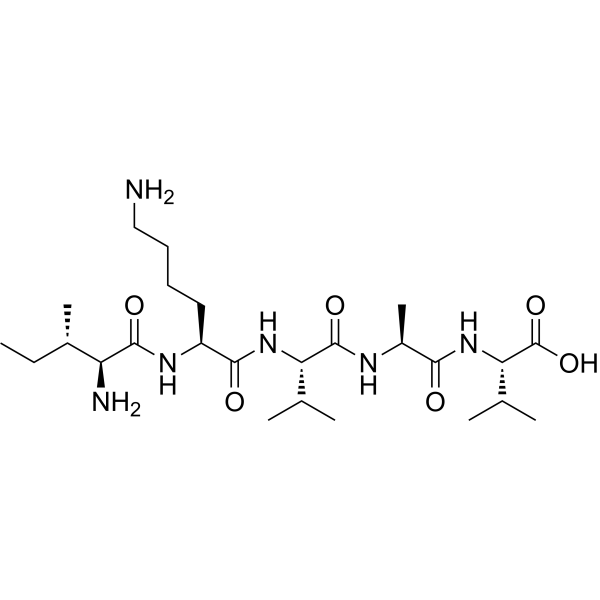
    H-Ile-Lys-Val-Ala-Val-OH is one of the most potent active sites of laminin-1. H-Ile-Lys-Val-Ala-Val-OH promotes cell adhesion, neurite outgrowth, and tumor growth. H-Ile-Lys-Val-Ala-Val-OH stimulates BMMSC population growth and proliferation by activating MAPK/ERK1/2 and PI3K/Akt signalling pathways .
    H-Ile-Lys-Val-Ala-Val-OH
  • HY-N5112B
    β,β-Dimethylacrylshikonin
    1 Publications Verification

    Isoarnebin I

    HIF/HIF Prolyl-Hydroxylase Apoptosis Notch NO Synthase Bcl-2 Family Cancer
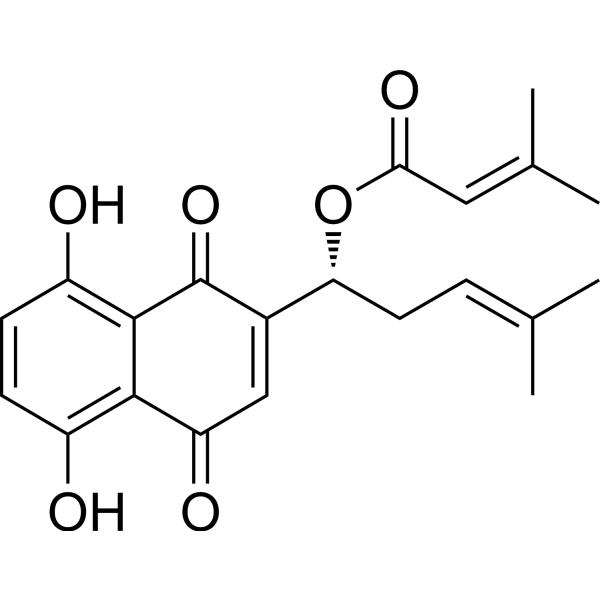
    β,β-Dimethylacrylshikonin (Isoarnebin I) is a naphthoquinone derivative that can be isolated from Lithospermum erythrorhizon Sieb. et Zucc. β,β-Dimethylacrylshikonin promotes angiogenesis by inducing eNOS, VEGF and HIF-1α expression through the PI3K-dependent pathway. β,β-Dimethylacrylshikonin inhibits Notch-1 activation. β,β-Dimethylacrylshikonin inhibtis tumor cell proliferation, induces tumor cell apoptosis, and inhibits tumor growth .
    β,β-Dimethylacrylshikonin
  • HY-B1673

    Environmental Pollutants Bacterial Infection Cancer
    D-Lactose monohydrate is a sugar. D-Lactose monohydrate can be utilized by most bacteria. D-Lactose monohydrate promotes the growth of tobacco B6S3 tumor tissue. D-Lactose monohydrate is used in the research of the growth mechanism of plant tumor tissues and the sugar utilization of bacteria .
    D-Lactose monohydrate
  • HY-111614S2

    Isotope-Labeled Compounds Progesterone Receptor Metabolic Disease Cancer
    Melengestrol acetate-d3 is the deuterium labeled Melengestrol acetate. Melengestrol acetate is a progesterone derivative, acts as an orally active corticosteroid hormone to promote endometrial proliferation, pregnancy maintenance, and delay of menstrual activity . Melengestrol Acetate is used as a contraceptive agent for growth promoting effects and suppression of estrus in animals. Melengestrol acetate inhibits both the androgen-dependent and -independent prostatic tumors in vivo and can be used for cancer research .
    Melengestrol acetate-d3
  • HY-P991061

    CHS-114; SRF-114

    CCR Cancer
    Tagmokitug (CHS-114; SRF-114) is a fully human IgG1 antibody targeting CCR8. Tagmokitug selectively binds to human CCR8 (Kd = 502 pM) and mediates the death of CCR8-expressing cells via antibody-dependent cellular cytotoxicity and antibody-dependent cellular phagocytosis. Tagmokitug selectively eliminates intratumoral regulatory T cells, induces tumor growth inhibition, remodels the tumor immune microenvironment, and promotes the differentiation of cytotoxic CD8 + T cell subsets. Tagmokitug can be used for the research of solid tumors .
    Tagmokitug
  • HY-170620
    PARP1 PROTAC 180055
    1 Publications Verification

    PROTACs PARP Cancer
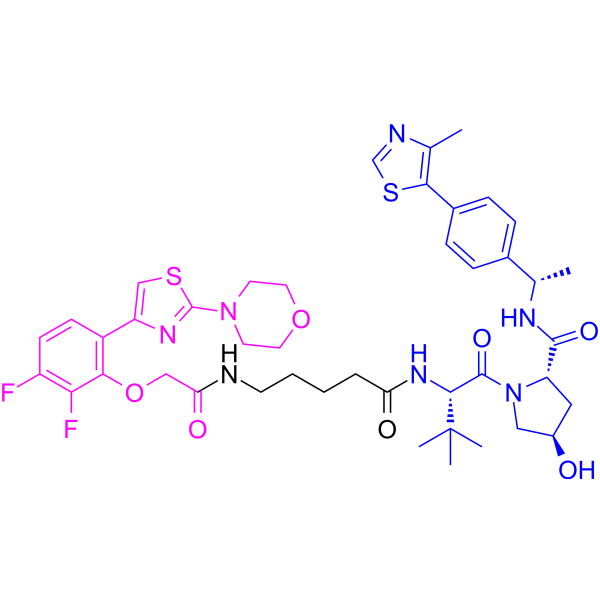
    PARP1 PROTAC 180055 (Compound 180055) is a selective PARP1 PROTAC degrader (DC50 in T47D and MDA-MB-231 cell lines is 180 nM and 240 nM, respectively). PARP1 PROTAC 180055 promotes ubiquitination and degradation of PARP1 as well as inhibits PARP1 enzyme activity without a noticeable DNA trapping effect. PARP1 PROTAC 180055 inhibits tumors carrying BRCA mutations with a minor impact on the growth of normal cells (Pink: PARP1 ligand (HY-10617A); Blue: E3 ligase VHL ligand (HY-125845); Black: linker (HY-W014787)) .
    PARP1 PROTAC 180055
  • HY-P99746

    3C23K; GM102

    TGF-β Receptor Inflammation/Immunology Cancer
    Murlentamab (3C23K; GM102) is a humanized anti-AMHRII antibody. AMHRII is the anti-Müllerian hormone receptor. Murlentama significantly promotes macrophage-mediated antibody-dependent cell-mediated cytotoxicity (ADCC). Murlentama stimulates pro-inflammatory and anti-tumor internal environment, recruits and activates T cells. Murlentama suppresses tumors growth by inducing naïve macrophage orientation and promoting tumor-associated macrophage (TAM) reprogramming .
    Murlentamab
  • HY-168566

    HSP Cancer
    EV206 is a Hsp70 binder and apoptosis inducer that binds to the N-terminal domain of Hsp70, promotes Hsp70 degradation via the ubiquitin-proteasome system, and reduces Hsp70 protein stability. EV206 induces apoptotic cell death, inhibits colony formation, and downregulates the expression of cancer stem cell-related markers in non-small cell lung cancer cells. EV206 inhibits the growth of H460 xenograft tumors in nude mice and can be used for the research of non-small cell lung cancer .
    EV206
  • HY-145729A

    AZD9150 sodium

    STAT Apoptosis Cancer
    Danvatirsen sodium (AZD9150 sodium) is an antisense oligonucleotide targeting STAT3. Danvatirsen sodium reduces the viability and promotes apoptosis of leukemia cell lines. Danvatirsen sodium inhibits the expression of endogenous STAT3 and its downstream target genes, and reduces the proliferation and tumorigenicity of neuroblastoma and lymphoma cells. Danvatirsen sodium inhibited tumor growth in mouse models of neuroblastoma, lymphoma, and non-small cell lung cancer. Danvatirsen sodium achieves STAT3 mRNA and protein depletion in a mouse model of epidermoid carcinoma. Danvatirsen sodium can be used in research related to lymphoma, myelodysplastic syndrome, acute myeloid leukemia, neuroblastoma and non-small cell lung cancer .
    Danvatirsen sodium
  • HY-160768

    Deubiquitinase Inflammation/Immunology Cancer
    OTUB2-IN-1, a specific inhibitor of OTUB2 (KD: ~12 μM), reduces PD-L1 protein expression in tumor cells and inhibits tumor growth by promoting robust intra-tumor infiltration of cytotoxic T lymphocytes (CTL) .
    OTUB2-IN-1
  • HY-163719

    PARP Cancer
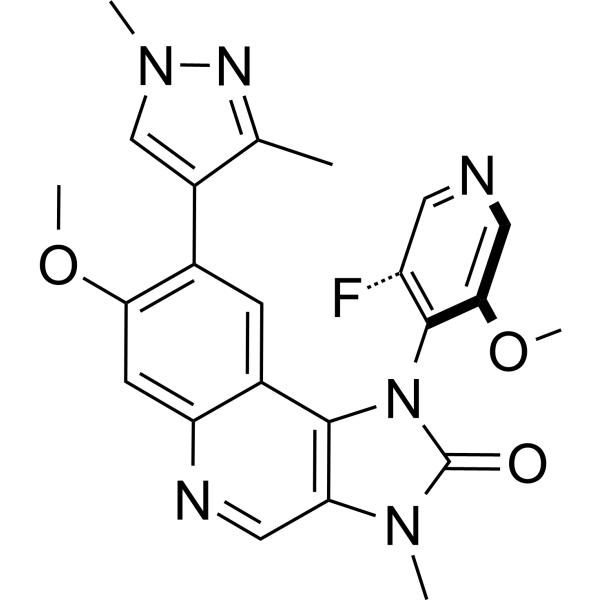
    PARP7-IN-22 (XLY-1) is a PARP7 inhibitor with an IC50 of 0.6 nM. PARP7-IN-22 (XLY-1) is orally active, enhances type I interferon signaling in vitro, restores type I interferon signaling, promotes T cell infiltration into tumor tissues, and significantly inhibits tumor growth. PARP7-IN-22 shows promise for research in the field of cancer immunotherapy .
    PARP7-IN-22
  • HY-174830

    PD-1/PD-L1 Cancer
    GJ19 is a PD-L1 inhibitor with an IC50 of 32.06 nM. GJ19 can effectively bind to human/murine PD-L1 protein with Kd values of 171 and 290 nM, respectively. GJ19 concentration-dependently promotes HepG2 cell mortality in a co-culture model of HepG2/hPD-L1 and Jurkat T/hPD-1 cells. GJ19 effectively suppresses tumor growth in a B16-F10 melanoma mouse model. GJ19 can be used for the study of tumor immunotherapy .
    GJ19
  • HY-N8389

    Bacterial Fungal PAK Akt STAT PD-1/PD-L1 Apoptosis CCR Infection Cancer
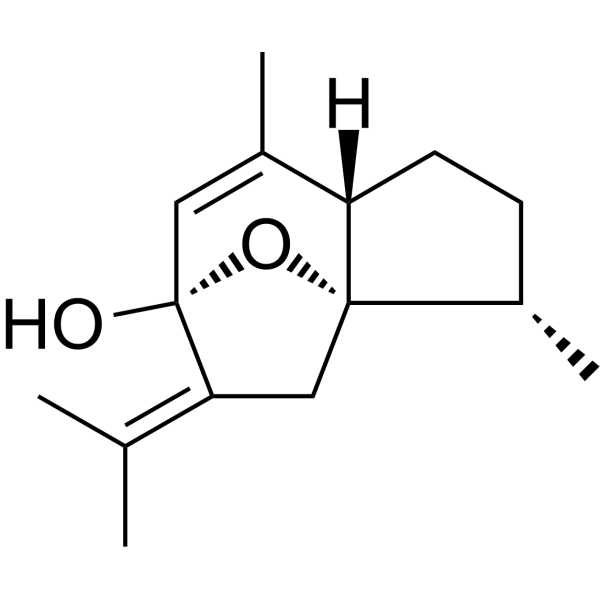
    Globulol is a terpenoid metabolite and Antimicrobial agent. Globulol can be isolated from Alpinia oxyphylla Miq. Globulol binds to PAK4, reduces the expression level of PAK4 in cancer cells, decreases the phosphorylation of AKT, and downregulates the expressions of STAT3, phosphorylated STAT3, and PD-L1. Globulol promotes the secretion of CCL4 by cancer cells. Globulol reduces the viability and proliferation ability of cancer cells, induces G0/G1 cell cycle arrest and Apoptosis in cancer cells, and inhibits cancer cell migration and the integrity of 3D tumor spheres. Globulol enhances the relevant effects of anti-PD-1 agents in the cancer cell microenvironment. Globulol exhibits anticancer activity against liver cancer. Globulol inhibits the mycelial growth of phytopathogenic fungi and the growth of phytopathogenic bacteria. Globulol can be used in studies related to hepatocellular carcinoma .
    Globulol
  • HY-B1673R

    Reference Standards Bacterial Infection Cancer
    D-Lactose monohydrate (Standard) is the analytical standard of D-Lactose monohydrate (HY-B1673). This product is intended for research and analytical applications. D-Lactose monohydrate is a sugar. D-Lactose monohydrate can be utilized by most bacteria. D-Lactose monohydrate promotes the growth of tobacco B6S3 tumor tissue. D-Lactose monohydrate is used in the research of the growth mechanism of plant tumor tissues and the sugar utilization of bacteria .
    D-Lactose monohydrate (Standard)
  • HY-P11050A

    Apoptosis Cancer
    SP94 is a peptide ligand with high specificity for hepatocellular carcinoma cells. SP94 selectively binds to multiple hepatocellular carcinoma cell lines in vitro. SP94 inhibits tumor growth in a mouse model of hepatocellular carcinoma by promoting apoptosis and reducing angiogenesis. SP94 can be used as a specific probe for hepatocellular carcinoma imaging. SP94 is useful for hepatocellular carcinoma research .
    SP94
  • HY-P991423

    21H3RK

    Notch Cancer
    MEDI0639 (21H3RK) is a human monoclonal antibody (mAb) targeting DLL4. MEDI0639 inhibits Notch1 binding to Dll4. MEDI0639 reverses Notch1-mediated growth inhibition of human umbilical vein endothelial cells in vitro. MEDI0639 promotes human angiogenesis and reduces the number of vessels covered by smooth muscle actin-positive mural cells. MEDI0639 can be used in Small cell lung cancer and solid tumors research .
    MEDI0639
  • HY-N6865
    Groenlandicine
    2 Publications Verification

    Cholinesterase (ChE) Topoisomerase Reactive Oxygen Species (ROS) Beta-secretase Apoptosis Neurological Disease Metabolic Disease Inflammation/Immunology Cancer
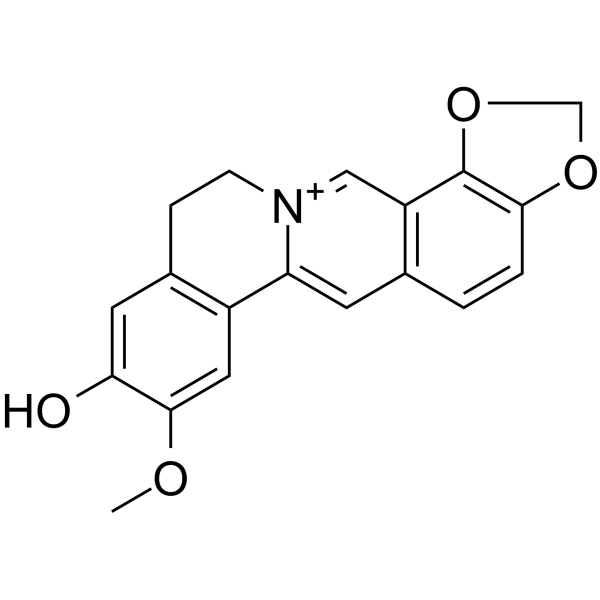
    Groenlandicine, a protoberberine alkaloid, is a cholinesterase inhibitor (AChE (IC50 = 0.54 μM), BChE (IC50 = 3.32 μM)). Groenlandicine non-competitively inhibits BACE1 (IC50 = 19.68 μM, Ki = 21.2) and inhibits RLAR (IC50 = 140.1 μM), HRAR (IC50 = 154.2 μM), and total ROS generation (IC50 = 51.78 μM) in vitro. Groenlandicine suppresses osteosarcoma cell proliferation while promoting apoptosis. Groenlandicine inhibits the tumor growth when combined with Cisplatin (HY-17394). Groenlandicine can be used for the study on osteosarcoma, Alzheimer's disease and diabetes mellitus .
    Groenlandicine
  • HY-142683

    Phosphatase Neurological Disease Cancer
    SCP1-IN-2 (Compound SH T-65) is a potent and selective covalent inhibitor against SCP1. SCP1-IN-2 promotes REST degradation and reduces transcriptional activity. A high level of REST protein drives the tumor growth in some glioblastoma cells. SCP1-IN-2 has the potential for the research of glioblastoma whose growth is driven by REST transcription activity .
    SCP1-IN-2
  • HY-159642G

    TYRA-300

    FGFR ERK Metabolic Disease Cancer
    Dabogratinib (TYRA-300) (GMP) is Dabogratinib (HY-159642) produced by using GMP guidelines. GMP small molecules work appropriately as an auxiliary reagent for cell therapy manufacture. Dabogratinib is an orally active, selective FGFR3 inhibitor with an IC50 of 11 nM. Dabogratinib exhibits antitumor activity against urothelial carcinoma and solid tumors. Dabogratinib downregulates the FGFR3 and ERK1/2 signaling pathways, and induces tumor growth inhibition and regression in FGFR3-altered xenograft models. Dabogratinib promotes chondrocyte proliferation and differentiation, drives endochondral bone formation and overall body growth, partially restores long bone proportions, and improves craniofacial and spinal morphology. Dabogratinib can be used for the research of metastatic urothelial carcinoma, achondroplasia and hypochondroplasia .
    Dabogratinib
  • HY-179578

    Enolase AMPK Autophagy Apoptosis mTOR Caspase Metabolic Disease Cancer
    SU212 is a podophyllotoxin-derived ENO1 inhibitor and AMPK activator. SU212 can selectively induce oxidative phosphorylation, reduce glycolysis activity and glucose uptake in tumor cells, and directly bind to ENO1 without affecting these pathways in normal cells. SU212 induces apoptosis and promotes ENO1 degradation via proteasomal and autophagic pathways without inhibiting the catalytic activity. SU212 leads to mitotic arrest and apoptosis in TNBC (triple-negative breast cancer) cells by activating AMPK, demonstrating potent anti-tumor activity in vitro. SU212 inhibits tumor growth and metastasis in syngeneic, xenograft, and diabetic mouse models, exhibiting an excellent safety profile. SU212 can be used in research on t TNBC, diabetes, and fatty liver disease .
    SU212
  • HY-150617A

    (Rac)-M4076; (Rac)-ATM Inhibitor-5

    ATM/ATR STING PD-1/PD-L1 Cardiovascular Disease Inflammation/Immunology Cancer
    (Rac)-Lartesertib ((Rac)-M4076) is an isoform of Lartesertib (HY-150617). Lartesertib (M4076) is an inhibitor of the serine/threonine protein kinase ATM with high potency. Lartesertib can inhibit the growth of multiple hematopoietic cell lines. Additionally, when combined with the ATR inhibitor Tuvusertib (HY-111451), Lartesertib can promote the death of tumor cells, activate the immune signaling pathway, and exhibit anti-tumor activity .
    (Rac)-Lartesertib
  • HY-175633

    Glutathione Peroxidase Ferroptosis Reactive Oxygen Species (ROS) Cancer
    ML210-ansaFc (Compound III-13) is a covalent GPX4 inhibitor with a -ferrocenophane group (IC50 of 3.4 μM). ML210-ansaFc potently induces ferroptosis by increasing the level of ROSand promoting lipid peroxidation (LPO) in cancers cells. ML210-ansaFc has an anticancer activity and suppresses tumor growth in tumor 3D spheroids. ML210-ansaFc can be used for cancer therapy resistance research .
    ML210-ansaFc
  • HY-Y0496S

    Isotope-Labeled Compounds Insecticide Others
    1,4-Dichlorobenzene-d4 is the deuterium labeled 1,4-Dichlorobenzene. 1,4-Dichlorobenzene is a non-genotoxic, orally active mitogenic/tumor-promoting carcinogen that is also widely used as a dye, resin intermediate, and deodorant, moth repellent/insecticide. 1,4-Dichlorobenzene induces liver tumors in mice and promotes the growth of spontaneous precancerous lesions, but shows no liver tumor-inducing activity in F344 rats. 1,4-Dichlorobenzene increases the levels of white blood cell count, serum alanine aminotransferase and blood urea nitrogen in occupationally exposed populations. 1,4-Dichlorobenzene is metabolized to 2,5-dichlorophenol and excreted in urine, and this metabolite can serve as a biomarker for 1,4-Dichlorobenzene exposure. Due to its specific hepatotoxic characteristics, 1,4-Dichlorobenzene is applicable to liver cancer-related research .
    1,4-Dichlorobenzene-d4
  • HY-157793

    Toll-like Receptor (TLR) NF-κB MAPKAPK2 (MK2) Inflammation/Immunology Cancer
    SMU-L11 is a specific TLR7 agonist (EC50=0.024 μM), which recruits MyD88 adapter protein and activates downstream NF-κB and MAPK signaling pathways. In murine models, SMU-L11 significantly enhances immune cell activation and promotes the proliferation of CD4 + T and CD8 + T cells, thereby directly killing tumor cells and inhibiting tumor growth. SMU-L11 can be used for cancer research, and also has the potential for studying immune system diseases .
    SMU-L11
  • HY-149398

    Apoptosis PARP CDK Cancer
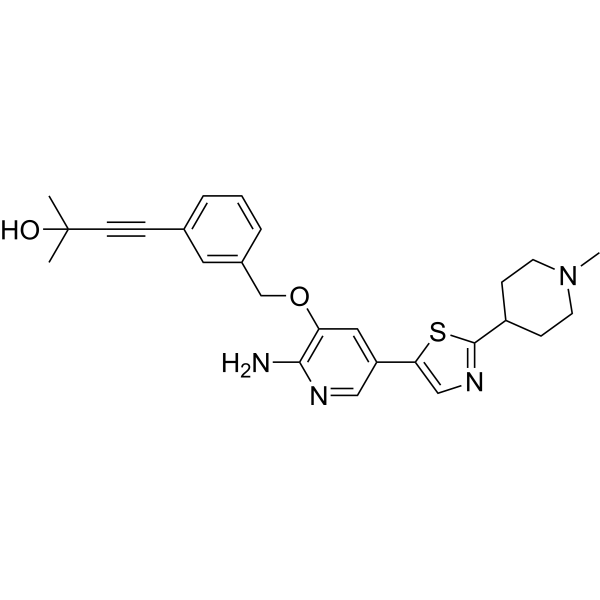
    PARP-1/2-IN-2-IN-1 (Compound 12e) is a PARP1/2/CDK12 inhibitor (IC50: 34, 30 and 285 nM respectively). PARP-1/2-IN-2 inhibits DNA damage repair, promotes cell cycle arrest and apoptosis. PARP-1/2-IN-2 inhibits the growth of TNBC cells and TNBC xenograft tumor .
    PARP-1/2-IN-2
  • HY-177345

    Sigma Receptor Apoptosis Caspase Cancer
    SV119 is a selective sigma-2 (σ₂) receptor ligand (Ki ≈ 5-10 nM). SV119 induces apoptosis in various human cancer cell lines by activating caspase-3 and promoting mitochondrial depolarization. SV119 can enhance the effects of chemotherapeutic agents such as Paclitaxel (HY-B0015), increasing their cytotoxicity against tumor cells. SV119 significantly inhibits tumor growth in mouse xenograft models, both alone and in combination. SV119 is useful in the research of cancers such as breast, prostate, and pancreatic cancer .
    SV119
  • HY-177021

    Microtubule/Tubulin Apoptosis Cancer
    Tubulin-IN-51 is an orally available, potent tubulin inhibitor (IC50 = 31 nM). Tubulin-IN-51 promotes tubulin polymerization in vitro and does not compete with Paclitaxel (HY-B0015) for binding. Tubulin-IN-51 inhibits the binding of Vinblastine (HY-13780) to tubulin. Tubulin-IN-51 downregulates the proportion of cells in the G1 phase and induces apoptosis. Tubulin-IN-51 inhibits tumor growth in multiple nude mouse xenograft models .
    Tubulin-IN-51
  • HY-18343

    MDM-2/p53 Apoptosis Cancer
    CP-31398 can stabilize the active conformation of p53 and promote p53 activity in cancer cells with either mutant or wild-type p53. In addition, CP-31398 can upregulate p53 target genes, such as p21WAF1/Cip1 and KILLER/DR5. CP-31398 exerts an inhibitory effect on tumor growth .
    CP-31398
  • HY-178349

    P-glycoprotein Apoptosis Autophagy Cancer
    P-gp inhibitor 30 is a potent P-gp inhibitor that reverses multidrug resistance in breast cancer by sensitizing resistant cells to Doxorubicin (ADM) (HY-15142). P-gp inhibitor 30 promotes apoptosis, induces autophagy, and suppresses proliferation, migration, and invasion of drug-resistant breast cancer cells when combined with ADM. P-gp inhibitor 30 inhibits breast tumor growth both in vitro and in vivo. P-gp inhibitor 30 can be used for drug-resistant breast cancer research .
    P-gp inhibitor 30
  • HY-P991217

    Transmembrane Glycoprotein Cancer
    EU-103 is a humanized monoclonal antibody targeting V-Set And Immunoglobulin Domain Containing 4 (VSIG4) with a KD value ranging from 10 −7 and 10 −9. EU-103 blocks the interaction between VSIG4 and CD8+ T cells, promotes the conversion of M2 macrophages into M1 macrophages, induces the proliferation of CD8+ T cells and the secretion of pro-inflammatory cytokines, thereby inhibiting tumor growth. EU-103 is promising for research of cancers, such as bladder cancer, breast cancer, and colon cancer .
    EU-103

Inquiry Online

Your information is safe with us. * Required Fields.

Salutation


Country or Region *

Applicant Name *


Organization Name *

Department *


Email Address *


Product Name *

Cat. No.


Requested quantity *

Phone Number *


Remarks

Inquiry Online

Inquiry Information

Product Name:
Cat. No.:
Quantity:
MCE Japan Authorized Agent:

