



Cancer Targeted Therapy
Cancer targeted therapy is the foundation of precision medicine; it uses drugs or other substances to target specific genes and proteins that control cancer cells’ growth, division and spreading. Compared to traditional chemotherapy drugs, targeted-drugs can specifically act on cancer cells with high efficacy without damaging normal cells. Drugs used in cancer targeted therapy mainly includes small molecules and macromolecules (e.g., monoclonal antibodies), which can target cancer cells and constituents in the tumor microenvironment to activate the immune system. Anti-angiogenesis drugs, such as those targeting vascular endothelial growth factor (VEGF), epidermal growth factor receptor (EGFR), transforming growth factor (TGF)-α, TGF-β, Tumor necrosis factor (TNF)-α, and platelet-derived endothelial growth factor (PDGFR) inhibit the proliferation and metastasis of cancer cells. In recent years, the proportion of antibody drugs in cancer treatment has gradually become prominent. Antibody-drug conjugates (ADCs) are a new type of targeted drugs that are composed of monoclonal antibody, cytotoxic drug and linker. ADCs can deliver drugs to tumor cells and minimize the toxicity to normal tissues. Proteolysis-targeting chimera (PROTAC) is a useful technology for targeted protein degradation. PROTAC exploits the ubiquitin-proteasome system and forms a ternary complex with a hijacked E3 ubiquitin ligase and target protein, leading to polyubiquitination and degradation of the target protein.
Targeted therapy is a useful strategy in treatment of cancer either alone or in combination with standard chemotherapy. At present, targeted therapy has proved significant clinical success in the treatment of many types of cancer, including breast cancer, colorectal cancer, leukemia, ovarian cancer and lung cancer.
-
Methylprednisolone succinate sodium
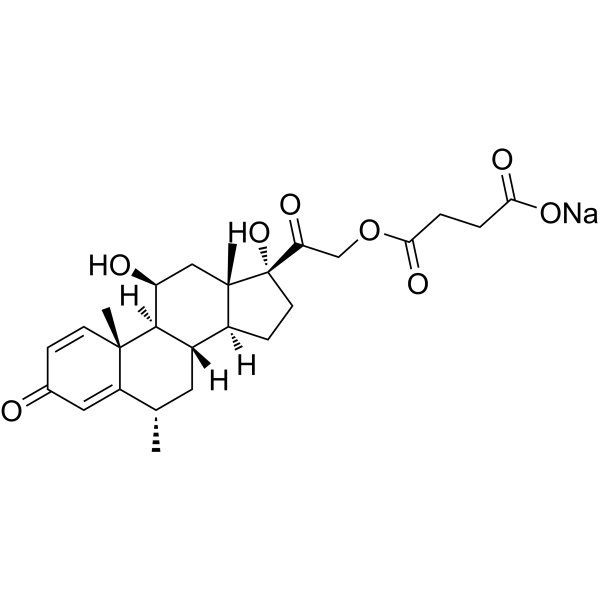 0 ImagesSynonyms: Methylprednisolone hydrogen succinate sodium
Methylprednisolone succinate (Methylprednisolone hydrogen succinate) sodium is a prodrug of Methylprednisolone (HY-B0260) and glucocorticoid with immunosuppressant and anti-inflammatory activity. Methylprednisolone succinate sodium binds cytosolic glucocorticoid receptors, translocates to nuclei, and modulates target gene transcription. Methylprednisolone succinate sodium alters Bax, Bcl-2, occludin, and ZO-1 expression; attenuates TLR4/NF-κB signaling; suppresses proinflammatory cytokine production and immune cell activation. Methylprednisolone succinate sodium can be used for the research of intracranial haemorrhage, rheumatoid arthritis, multiple sclerosis, preterminal cancer, inflammatory conditions, shock, immediate-type hypersensitivity, acute myocardial ischemia, hypoxic heart muscle damage, and traumatic spinal cord injury.
-
Dapagliflozin ((2S)-1,2-propanediol, hydrate)
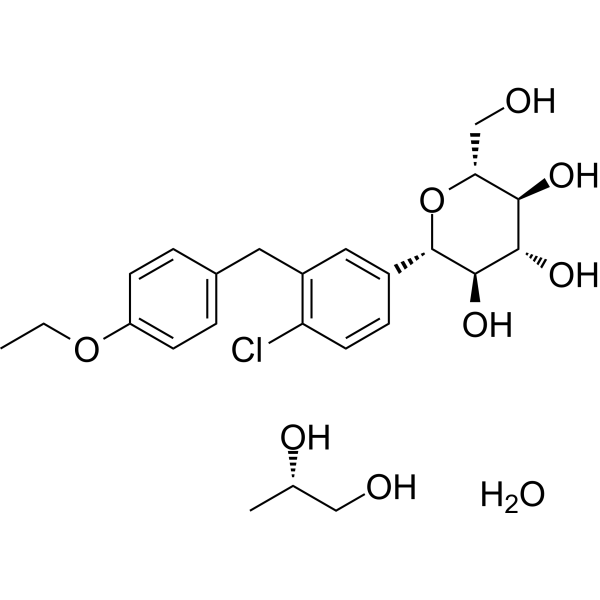 0 ImagesSynonyms: BMS-512148 (2S)-1,2-propanediol, hydrate
Dapagliflozin ((2S)-1,2-propanediol, hydrate) is the S-enantiomer of Dapagliflozin 1,2-propanediol, hydrate. Dapagliflozin ((2S)-1,2-propanediol, hydrate), a new type of agent used to treat diabetes mellitus (DM), is a competitive sodium/glucose cotransporter 2 (SGLT2) inhibitor, which results in excretion of glucose into the urine. Dapagliflozin ((2S)-1,2-propanediol, hydrate) induces HIF1 expression and attenuates renal IR injury.
-
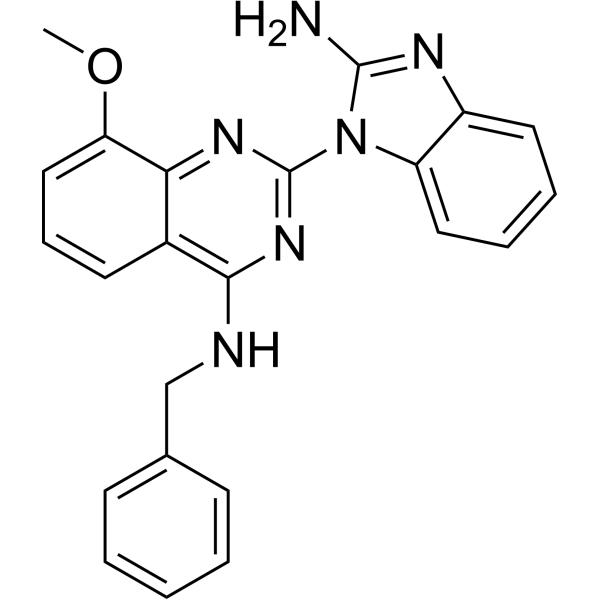
Lifirafenib
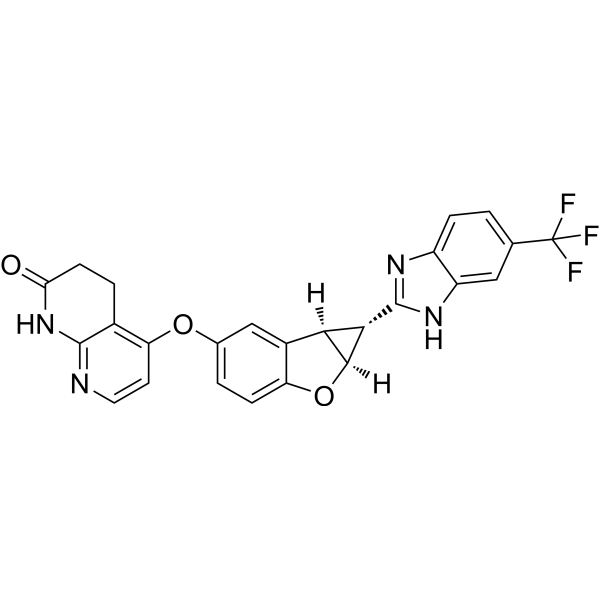 0 ImagesSynonyms: BGB-283
Lifirafenib (BGB-283) is a novel and potent Raf Kinase and EGFR inhibitor with IC50 values of 23 and 29 nM for recombinant BRafV600E and EGFR, respectively.
-
YTHDC1-IN-1
 0 Images
YTHDC1-IN-1 is a selective YTHDC1 inhibitor with a Kd of 49 nM and an IC50 of 0.35 μM. YTHDC1-IN-1 can inhibit the proliferation and induce apoptosis of acute myeloid leukemia cell lines. YTHDC1-IN-1 has anti-tumor activity.
-
NEO2734
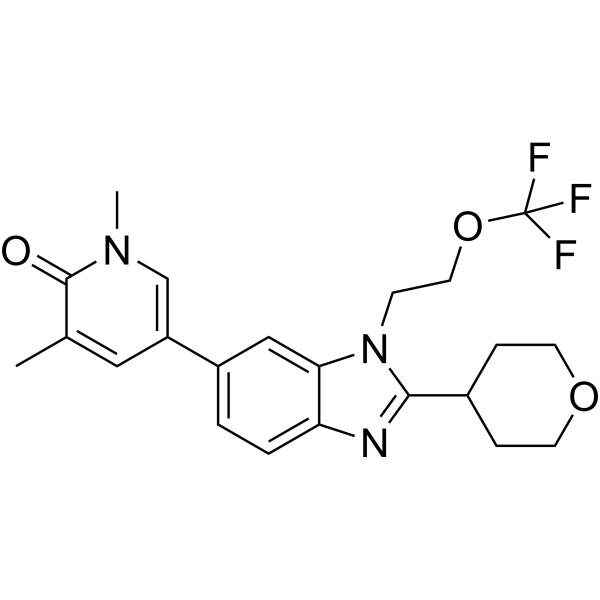 0 ImagesSynonyms: EP31670
NEO2734 (EP31670) is an orally active dual p300/CBP and BET bromodomain selective inhibitor, with IC50 values of <30 nM for both p300/CBP and BET bromodomains. NEO2734 is active in SPOP mutant and wild-type prostate cancer.
-
NSC 663284
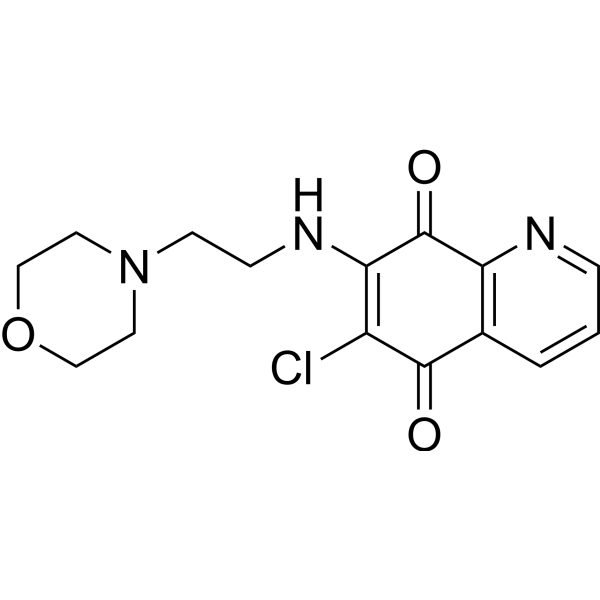 0 ImagesSynonyms: DA-3003-1
NSC 663284 (DA-3003-1) is a potent, cell-permeable, and irreversible Cdc25 dual specificity phosphatase inhibitor, has an IC50 for Cdc25B2 of 0.21 μM. NSC 663284 exhibits mixed competitive kinetics against Cdc25A, Cdc25B(2), and Cdc25C with Ki values of 29, 95, and 89 nM, respectively. NSC 663284 inhibits NSD2 (IC50 of 170 nM) through a direct interaction with the catalytic SET domain (Kd of 370 nM).
-
Clorgyline
 0 ImagesSynonyms: M&B 9302
Clorgyline (M&B 9302) is a selective, irreversible monoamine oxidase A (MAO-A) inhibitor that can cross the blood-brain barrier and exhibits activity against the 5-HT Receptor at very high doses. Clorgyline regulates monoamine neurotransmitter levels, the release of dopamine and acetylcholine, the uptake and effects of Tyramine (HY-W007606), noradrenergic function, circadian locomotor activity rhythms, feeding behavior, and body weight. Clorgyline induces tumor-suppressive transcriptional programs, secretory differentiation, androgen signaling regulation, Bcl-2 expression, and radioprotective effects in non-malignant cells. Clorgyline is used in the research of high-grade prostate cancer, Huntington's disease, major affective disorder, radiation-induced normal tissue toxicity, and obesity.
-
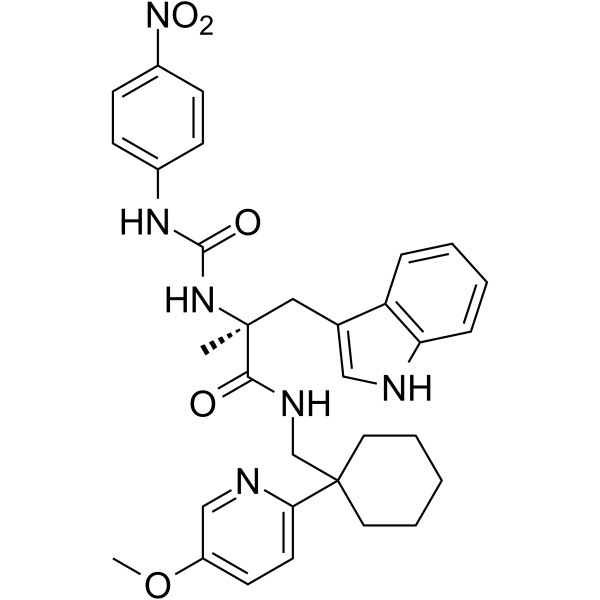
PD176252
 0 Images
PD176252 is a potent antagonist of neuromedin-B preferring (BB1) and gastrin-releasing peptide-preferring (BB2) receptor with Kis of 0.17 nM and 1 nM for human BB1 and BB2 receptors, and 0.66 nM, 16 nM for Rat BB1 and BB2 receptors, respectively; PD176252 is also an agonist of N-Formyl peptide receptor1/2 (FPR1/FPR2), with EC50s of 0.31 and 0.66 μM in HL-60 cells.
-
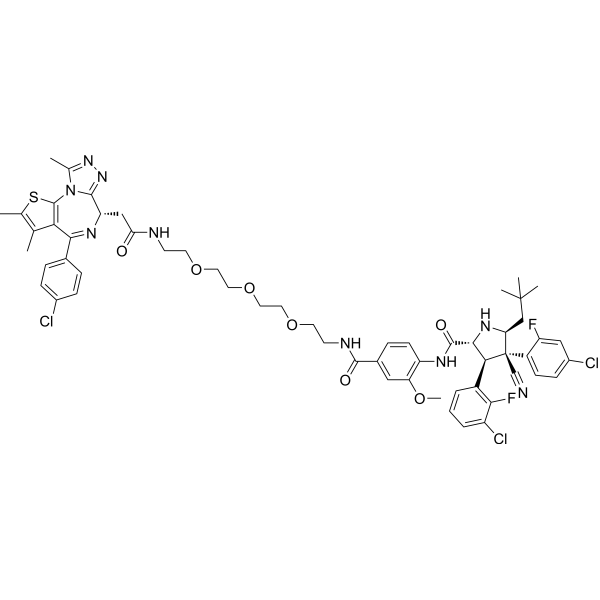
A1874
 0 Images
A1874 is an orally active BRD4 PROTAC degrader with a DC50 of 32 nM. A1874 degrades BRD4 via the ubiquitin-proteasome system by recruiting the MDM2 E3 ligase, while disrupting the MDM2-p53 interaction to stabilize p53 and upregulate p21, thereby inducing cell cycle arrest and apoptosis. A1874 exhibits selectivity for wild-type p53 cells and MDM2-amplified tumors, and it can be used in research on breast cancer, colorectal cancer, melanoma, lung cancer, lymphoma, myeloid leukemia, osteosarcoma, and glioblastoma.
-
Enzomenib
 0 ImagesSynonyms: DSP-5336
Enzomenib (DSP-5336) is an orally active Menin inhibitor (IC50=1.4 nM, Kd=6.0 nM). Enzomenib disrupts the interaction between Menin and KMT2A/MLL fusion proteins, specifically inhibits the expression of leukemia driver genes such as HOX/MEIS1, and upregulates ITGAM. Enzomenib effectively induces cell differentiation, inhibits tumor cell proliferation, and suppresses primitive cell colony formation. Enzomenib reduces disease burden and prolongs survival, but causes adverse reactions including differentiation syndrome and QTc interval prolongation. Enzomenib is used for research on relapsed/refractory acute myeloid leukemia, acute lymphoblastic leukemia, and other hematologic malignancies with mixed lineage leukemia (MLL) rearrangements or NPM1 mutations.
-
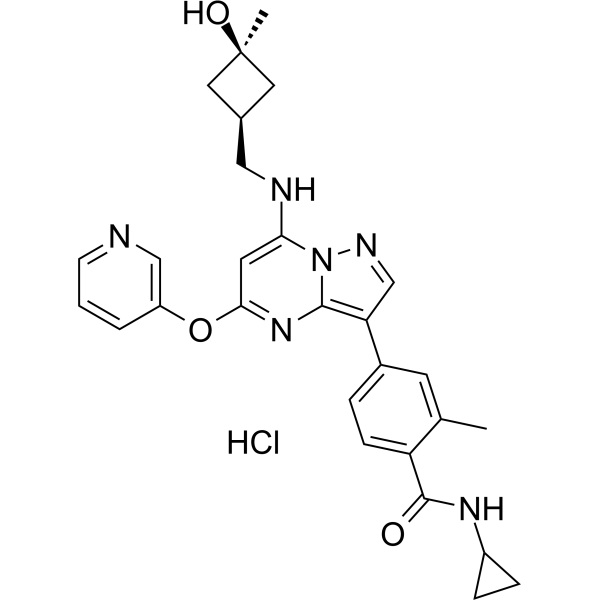
Ivuxolimab
 0 Images
Ivuxolimab is a fully human IgG2 agonist targeting OX40 (CD134), which selectively binds to the OX40 receptor on the surface of activated CD4+ and CD8+ T cells without inducing antibody-dependent cytotoxicity. Ivuxolimab can promote T cell proliferation, survival and cytokine (such as IFN-γ, IL-2) secretion, inhibit regulatory T cell function, and enhance anti-tumor immune response. Ivuxolimab can be used in the study of melanoma, hepatocellular carcinoma, head and neck squamous cell carcinoma, etc.
-
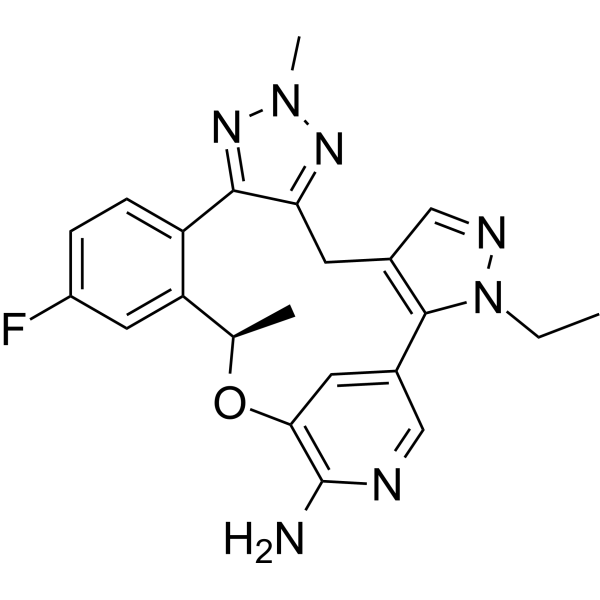
Zidesamtinib
 0 ImagesSynonyms: NVL-520; NUV-520
-
Anamorelin hydrochloride
 0 ImagesSynonyms: RC-1291 hydrochloride; ONO-7643 hydrochloride
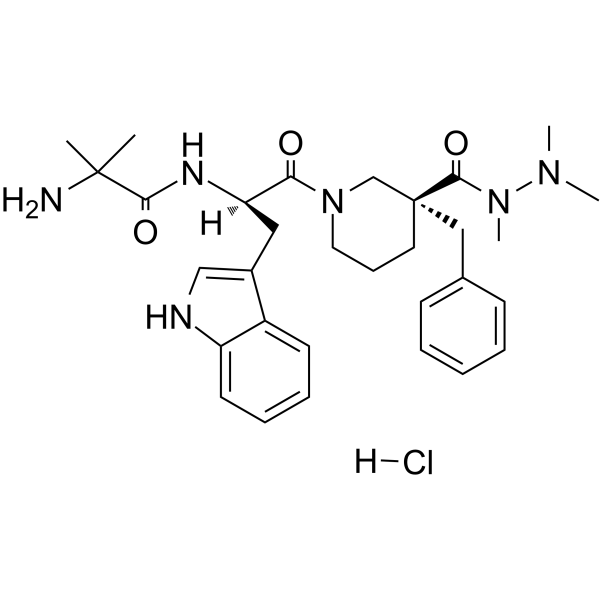
Anamorelin (RC-1291) hydrochloride is an orally active Ghrelin receptor agonist with an EC50 of 0.74 nM. Anamorelin hydrochloride can promote appetite, increase body weight, and stimulate the secretion of growth hormone and insulin-like growth factor-1. Anamorelin hydrochloride can be used in the research of anorexia and cancer cachexia.
-
Ginisortamab
 0 ImagesSynonyms: UCB6114
Ginisortamab (UCB6114) is a fully human IgG4P anti Gremlin-1 monoclonal antibody, with mean IC50 values of 8.2 nM and 9 nM against human and mouse gremlin-1, respectivly. Ginisortamab inhibits gremlin-1 antagonism of BMP signaling pathways. Ginisortamab has the potential for the research of gastrointestinal (GI) tumors.
-
Pepinemab
 0 ImagesSynonyms: VX 15/2503
Pepinemab (VX 15/2503) is a human monoclonal antibody against SEMA4D, a signalling protein 4D (SEMA4D), also known as CD100, which is a regulator of neuronal development and plays a role in a variety of cellular processes. Pepinemab can be used in the study of various neurodegenerative diseases such as Alzheimer's disease by blocking the activity of SEMA4D.



