



Cancer Targeted Therapy
Cancer targeted therapy is the foundation of precision medicine; it uses drugs or other substances to target specific genes and proteins that control cancer cells’ growth, division and spreading. Compared to traditional chemotherapy drugs, targeted-drugs can specifically act on cancer cells with high efficacy without damaging normal cells. Drugs used in cancer targeted therapy mainly includes small molecules and macromolecules (e.g., monoclonal antibodies), which can target cancer cells and constituents in the tumor microenvironment to activate the immune system. Anti-angiogenesis drugs, such as those targeting vascular endothelial growth factor (VEGF), epidermal growth factor receptor (EGFR), transforming growth factor (TGF)-α, TGF-β, Tumor necrosis factor (TNF)-α, and platelet-derived endothelial growth factor (PDGFR) inhibit the proliferation and metastasis of cancer cells. In recent years, the proportion of antibody drugs in cancer treatment has gradually become prominent. Antibody-drug conjugates (ADCs) are a new type of targeted drugs that are composed of monoclonal antibody, cytotoxic drug and linker. ADCs can deliver drugs to tumor cells and minimize the toxicity to normal tissues. Proteolysis-targeting chimera (PROTAC) is a useful technology for targeted protein degradation. PROTAC exploits the ubiquitin-proteasome system and forms a ternary complex with a hijacked E3 ubiquitin ligase and target protein, leading to polyubiquitination and degradation of the target protein.
Targeted therapy is a useful strategy in treatment of cancer either alone or in combination with standard chemotherapy. At present, targeted therapy has proved significant clinical success in the treatment of many types of cancer, including breast cancer, colorectal cancer, leukemia, ovarian cancer and lung cancer.
-
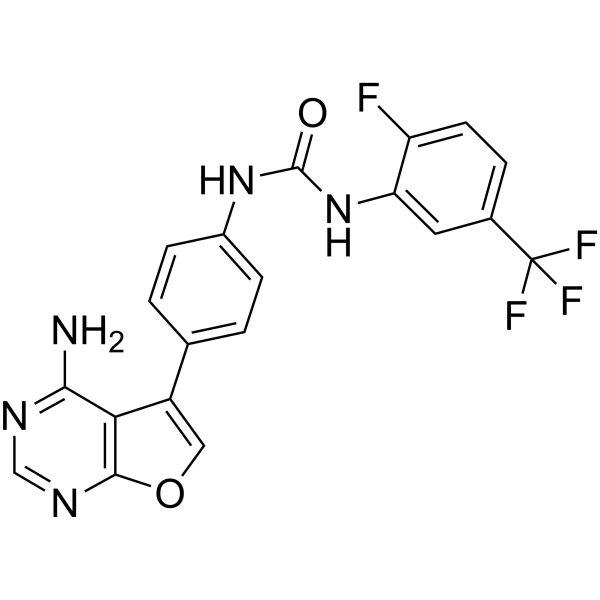
NAT1-IN-1
 0 ImagesCat. No.: HY-161875Purity: 99.77%
NAT1-IN-1 (compound 350) is a potent N-acetyltransferase 1 (NAT1)-targeted inhibitor, with an IC50 of 44 nM. NAT1-IN-1 can be used for the research of hypermetabolic diseases such as amyotrophic lateral sclerosis, cancer cachexia, and sepsis.
-
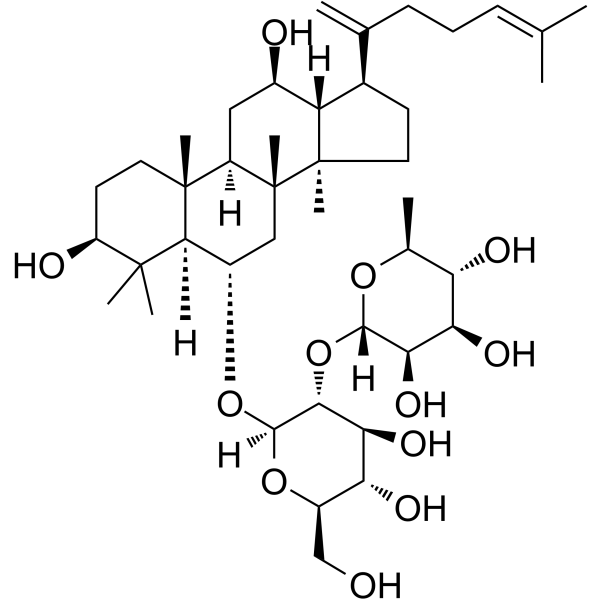
BSJ-05-037
 0 Images
BSJ-05-037 is an ITK PROTAC degrader that effectively targets and degrades ITK in T-cell lymphoma cell lines. BSJ-05-037 blocks the activation of the NF-κB/GATA-3 signaling pathway, inhibits PLCγ1 phosphorylation, and reduces the proliferative capacity of T-cell lymphoma cells. BSJ-05-037 enhances the sensitivity of T-cell lymphoma cells to chemotherapy. In mouse models of T-cell lymphoma, BSJ-05-037 induces ITK degradation, reduces GATA-3 expression, decreases tumor volume, and reverses chemotherapy resistance. BSJ-05-037 is applicable to research related to T-cell lymphoma.
-
Tetrazine-PEG4-amine hydrochloride
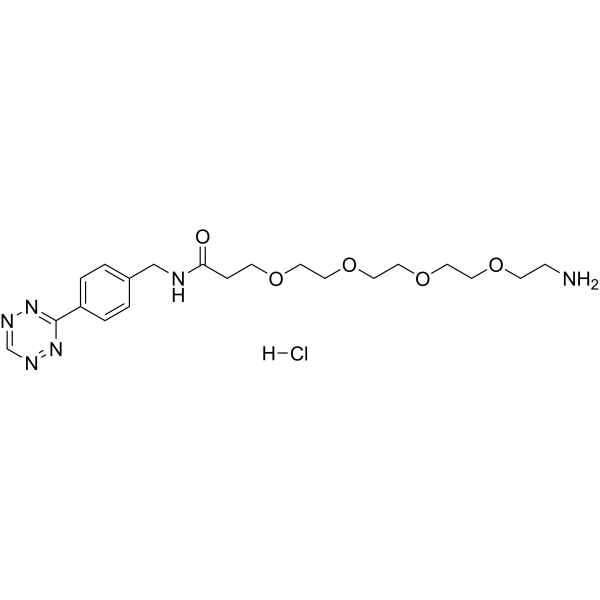 0 Images
Tetrazine-PEG4-amine (hydrochloride) is a cleavable 4 unit PEG ADC linker used in the synthesis of antibody-drug conjugates (ADCs). Tetrazine-PEG4-amine (hydrochloride) is a click chemistry reagent, it contains a Tetrazine group that can undergo an inverse electron demand Diels-Alder reaction (iEDDA) with molecules containing TCO groups.
-
S-(1-Hydroxy-2-methylpropan-2-yl) methanesulfonothioate
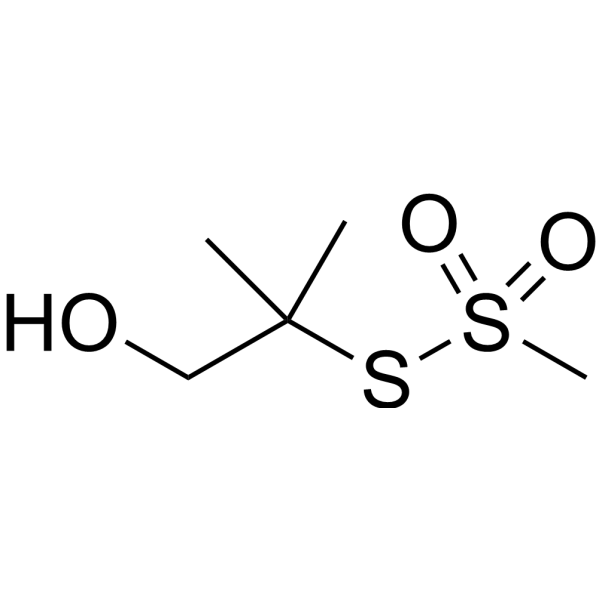 0 ImagesCat. No.: HY-129942CAS No.: 2127875-65-2
S-(1-Hydroxy-2-methylpropan-2-yl) methanesulfonothioate is a glutathione cleavable ADC linker used for the antibody-drug conjugates (ADCs) and refers to the Alkyl-Chain composition. S-(1-Hydroxy-2-methylpropan-2-yl) methanesulfonothioate is the linker portions of the molecules employed for mAb attachment purposes.
-
m-PEG5-acid
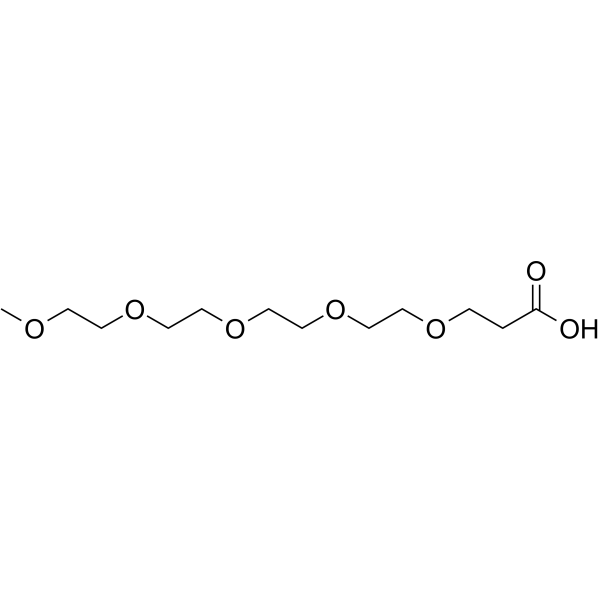 0 ImagesCat. No.: HY-W040195CAS No.: 81836-43-3
-
VISTA-IN-2
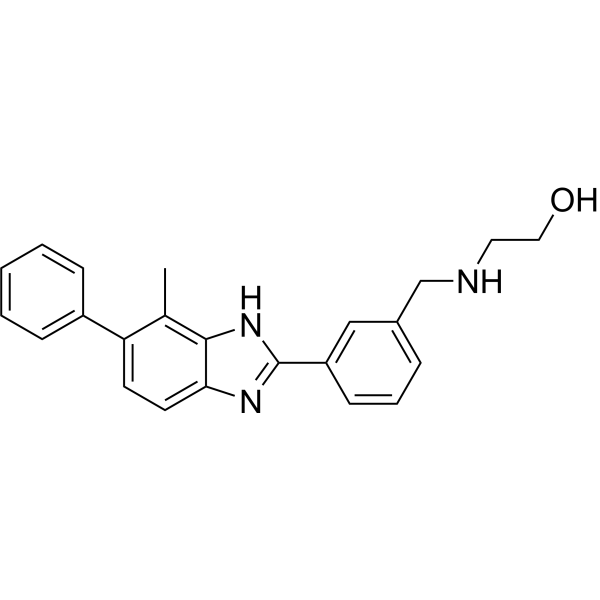 0 Images
VISTA-IN-2 (Compound 1) is an inhibitor of V-domain Ig suppressor of T-cell activation (VISTA). VISTA-IN-2 induces VISTA degradation in cells through an autophagic mechanism. VISTA-IN-2 rescues VISTA-mediated immunosuppression, and enhances antitumor activity of immune cells. VISTA-IN-2 also activates the antitumor immunity and inhibits tumor growth in a CT26 mouse model.
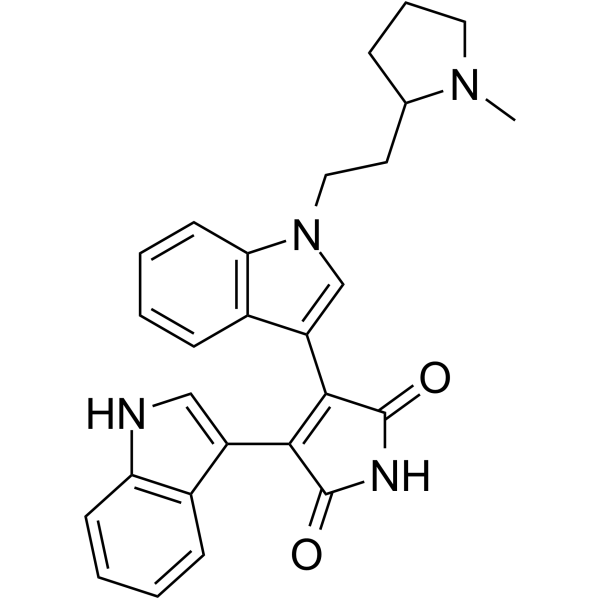
-
BMS-986260
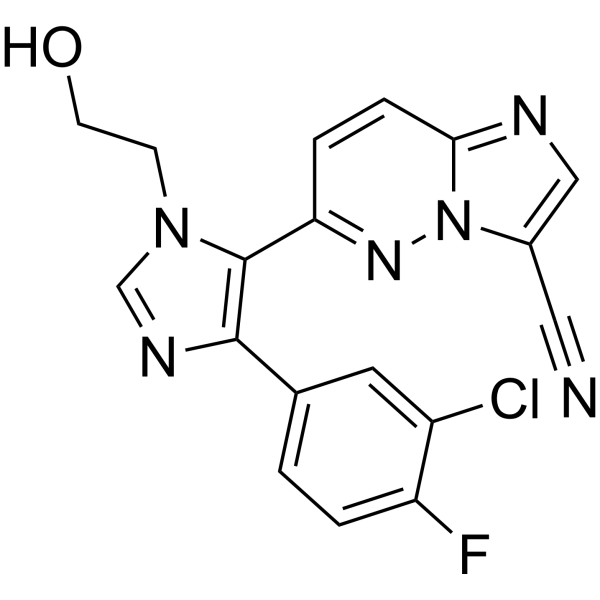 0 Images
BMS-986260, an immuno-oncology agent, is a potent, selective, and orally active TGFβR1 inhibitor (IC50=1.6 nM). BMS-986260 displays exquisite selectivity for TGFβR1 over its isozyme TGFβR2, as well as in a panel of more than 200 kinases examined. BMS-986260 inhibits TGFβ mediated nuclear translocation of pSMAD2/3 in MINK and NHLF cells lines with an IC50 of 350 nM and 190 nM, respectively.
-
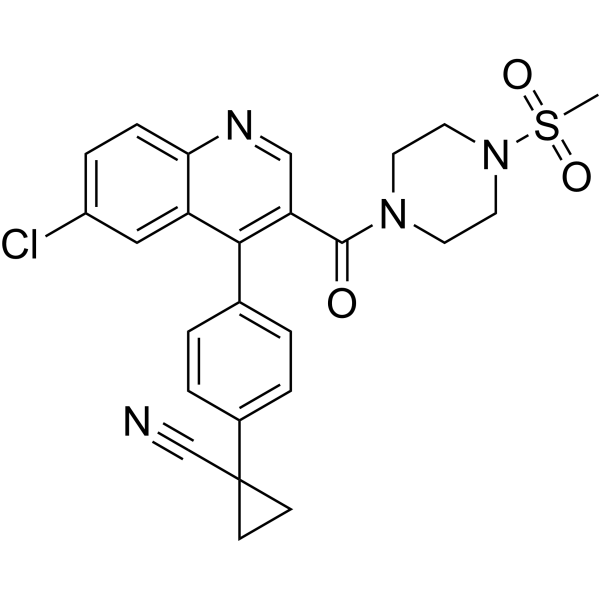
ALDH1A1-IN-2
 0 Images
ALDH1A1-IN-2 (compound 297) is a potent inhibitor of aldehyde dehydrogenase 1a1 (aldh1a1). Aldehyde dehydrogenases (ALDH) constitute a family of enzymes that play a critical role in oxidizing various cytotoxic xenogenic and biogenic aldehydes. ALDH1A1-IN-2 has the potential for the research of cancer, inflammation, or obesity.
-
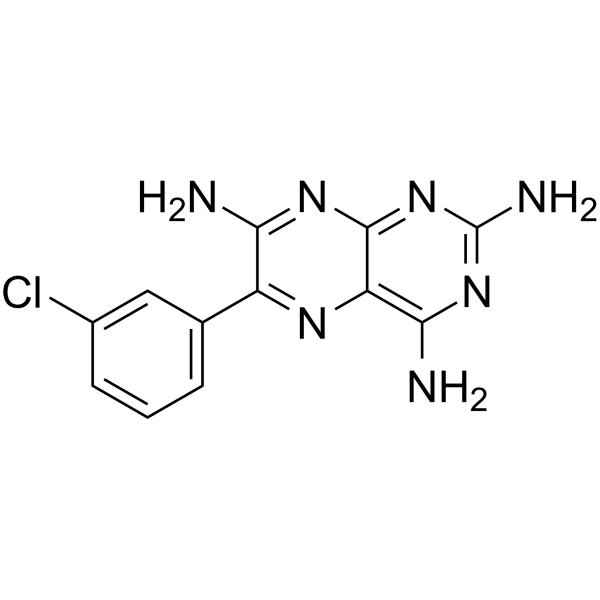
Epiblastin A
 0 Images
Epiblastin A is an ATP-competitive casein kinase 1 (CK1) inhibitor that inhibits CK1α, CK1δ, and CK1ε. Epiblastin A inhibits the kinase activity of STK10, BRSK1, EEF2K, EGFR, MKNK2, and RIPK2. Epiblastin A inhibits Ki-67 expression, induces Oct4-GFP expression, and enhances the conversion of mouse epiblast stem cells to embryonic stem cells. Epiblastin A selectively reduces the cell viability of colorectal cancer cell lines HCT116, HT29, and DLD1. Epiblastin A can be used in colorectal cancer-related research.
-
Nimustine hydrochloride
 0 ImagesSynonyms: ACNU
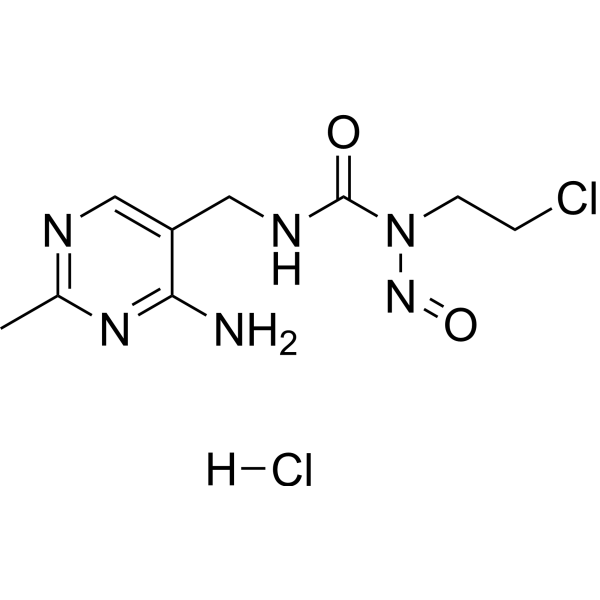
Nimustine hydrochloride (ACNU) is the hydrochloride salt form of Nimustine (HY-13703). Nimustine hydrochloride is an alkylating agent, which induces DNA double-strand breaks (DSBs) and inter-strand crosslinks (ICLs), thereby activating the DNA damage response (DDR) signaling pathway. Nimustine hydrochloride activates p38 MAPK/JNK signaling pathway, and exhibits antitumor activity.
-
Tauroursodeoxycholate (Standard)
 0 ImagesCat. No.: HY-19696RCAS No.: 14605-22-2Synonyms: Tauroursodeoxycholic acid (Standard); TUDCA (Standard); UR 906 (Standard)
Tauroursodeoxycholate (Standard) is the analytical standard of Tauroursodeoxycholate. This product is intended for research and analytical applications. Tauroursodeoxycholate (Tauroursodeoxycholic acid) is an endoplasmic reticulum (ER) stress inhibitor. Tauroursodeoxycholate significantly reduces expression of apoptosis molecules, such as caspase-3 and caspase-12. Tauroursodeoxycholate also inhibits ERK.
-
Quercetin-3'-O-glucoside
 0 Images
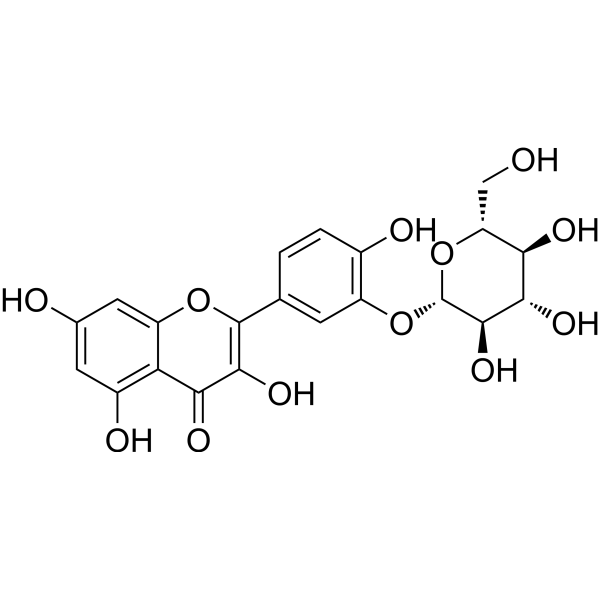
Quercetin-3'-O-glucoside is an orally active flavonoid glycoside. Quercetin-3'-O-glucoside reduces liver glucose-6-phosphatase activity, alters serum insulin and glucose levels, and regulates the activities of antioxidant enzymes in the liver and kidney. Quercetin-3'-O-glucoside inhibits DNA topoisomerase II, induces S-phase cell cycle arrest and caspase-3-mediated apoptosis in hepatocellular carcinoma cells. Quercetin-3'-O-glucoside selectively inhibits EGFR-mediated signaling pathways targeting AKT, ERK1/2, FAK and MEK1/2. Quercetin-3'-O-glucoside inhibits growth factor-induced migration and invasion in pancreatic cancer cells. Quercetin-3'-O-glucoside exerts free radical scavenging effects. Quercetin-3'-O-glucoside is applicable to research related to pancreatic cancer, diabetes, hepatocellular carcinoma and malignant tumors.
-
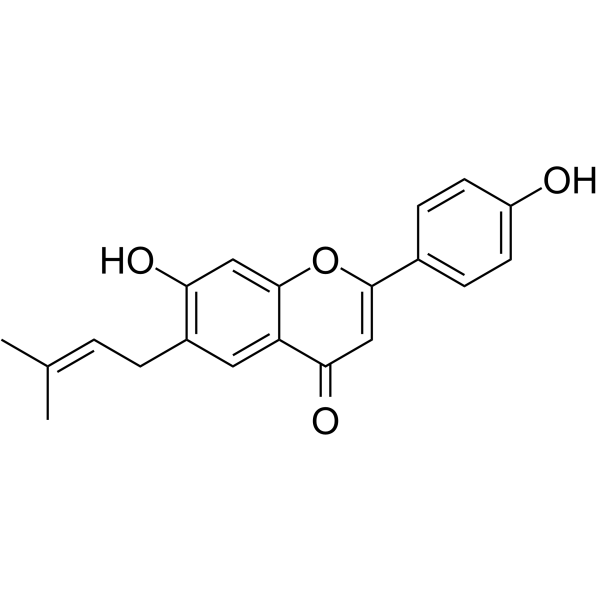
Licoflavone A
 0 Images
Licoflavone A is an orally active PTP1B/VEGFR-2 inhibitor, with an IC50 of 54.5 μM against PTP1B, an IC50 of 14.36 μM and a Kd of 142.38 nM against human VEGFR-2. Licoflavone A blocks the PI3K/AKT and MEK/ERK signaling pathways. Licoflavone A induces G1 phase cell cycle arrest, apoptosis via the intrinsic mitochondrial pathway (apoptosis), and inhibits migration, invasion and epithelial-mesenchymal transition (EMT) of gastric cancer cells. Licoflavone A inhibits the proliferation of gastric cancer cells in vitro and in xenograft models. Licoflavone A reduces the expression levels of HIF-1α, GLUT1, LDHA, PKM2 and HK2 in hypoxic gastric cancer cells, decreases glucose uptake and suppresses glycolysis. Licoflavone A can be used in research related to gastric cancer, type 2 diabetes and obesity.



