



AMPK
AMP-activated protein kinase (AMPK) functions as a conserved cellular energy sensor that maintains metabolic homeostasis by coordinating ATP-producing catabolic pathways with ATP-consuming anabolic processes during energetic stress[1][2]. AMPK exists as a heterotrimeric complex composed of catalytic α, regulatory β, and γ subunits, generating multiple isoform combinations with distinct biochemical properties, tissue distribution patterns, and signaling outputs[2][3]. Mechanistically, AMPK is activated by increases in cellular AMP:ATP or ADP:ATP ratios and subsequently regulates glucose metabolism, fatty acid oxidation, mitochondrial function, and stress adaptation pathways[1][4]. In disease contexts, dysregulated AMPK signaling has been linked to diabetes, obesity, inflammation, cardiovascular disorders, and cancer, making AMPK a central target in metabolic and translational research[4][5]. Compared with related catalytic isoforms, AMPKα1 generally exhibits higher basal activity and greater sensitivity to allosteric activation, whereas AMPKα2 responds more strongly to energy stress and is frequently associated with distinct regulatory functions in tissue remodeling and disease models[2][6]. Experimental studies further demonstrate that AMPKα2 promotes osteogenic differentiation more effectively than AMPKα1 and can rescue impaired osteogenesis in pathological skeletal models[6]. For experimental applications, both indirect activators that alter cellular energy status and direct activators that bind AMPK regulatory sites are widely used to investigate isoform-specific signaling, metabolic regulation, and therapeutic mechanisms[1][4].
References:
- [1]. Barquissau V, et al. White-to-brite conversion in human adipocytes promotes metabolic reprogramming towards fatty acid anabolic and catabolic pathways. Mol Metab. 2016 Mar 18;5(5):352-365. [Content Brief]
- [2]. Smiles WJ, et al. The metabolic sensor AMPK: Twelve enzymes in one. Mol Metab. 2024 Dec;90:102042. [Content Brief]
- [3]. Tarasiuk O, et al. AMPK and Diseases: State of the Art Regulation by AMPK-Targeting Molecules. Biology (Basel). 2022 Jul 11;11(7):1041. [Content Brief]
- [4]. Jeon SM. Regulation and function of AMPK in physiology and diseases. Exp Mol Med. 2016 Jul 15;48(7):e245. doi: 10.1038/emm.2016.81. PMID: 27416781; PMCID: PMC4973318. et al. Regulation and function of AMPK in physiology and diseases. Exp Mol Med. 2016 Jul 15;48(7):e245. [Content Brief]
- [5]. Behrens M, et al. Blends of Non-caloric Sweeteners Saccharin and Cyclamate Show Reduced Off-Taste due to TAS2R Bitter Receptor Inhibition. Cell Chem Biol. 2017 Oct 19;24(10):1199-1204.e2. [Content Brief]
- [6]. Wang YG, et al. Functional differences between AMPK α1 and α2 subunits in osteogenesis, osteoblast-associated induction of osteoclastogenesis, and adipogenesis. Sci Rep. 2016 Sep 7;6:32771. [Content Brief]
-
AMPK Related Products (354)
Related Products (354)

-
Antibodies (4)
-
QIK Recombinant Human Active Protein Kinase
 0 ImagesCat. No.: HY-E70858QIK belongs to the AMPK/SNF1 kinase family. It is a ubiquitously expressed protein and is upregulated rapidly after a hormone-regulated form of Qin is activated. QIK Recombinant Human Active Protein Kinase is a recombinant QIK protein that can be used to study QIK-related functions.
-
HSF1/AMPK activator 1
 0 ImagesCat. No.: HY-181808CAS No.: 2170935-59-6HSF1/AMPK activator 1 is a compound that modulates the HSF1/AMPK axis and the TGF-β1/Smad signaling pathway. HSF1/AMPK activator 1 exhibits anti-hepatic fibrosis activity and metabolic stability. HSF1/AMPK activator 1 inhibits fibrosis formation and cell proliferation in activated hepatic stellate cells. HSF1/AMPK activator 1 alleviates liver injury and hepatic fibrosis symptoms in fibrotic mice. HSF1/AMPK activator 1 is applicable to research related to hepatic fibrosis.
-
Biotin-AMPKα1β2γ1 Recombinant Human Active Protein Kinase
 0 ImagesCat. No.: HY-E70795AMPK is an αβγ heterotrimeric serinethreonine kinase activated by decreasing concentrations of adenosine triphosphate (ATP) and increasing AMP concentrations. Biotin-AMPKα1β2γ1 Recombinant Human Active Protein Kinase is obtained by co-expressing AMPKα1, AMPKβ2, and AMPKγ1 proteins and is biotinylated.
-
Biotin-Nuak2 Recombinant Human Active Protein Kinase
 0 ImagesCat. No.: HY-E70802NUAK2 is a member of the SNF1/AMP kinase (AMPK) family (serine/threonine kinases) that is regulated by the putative tumor suppressor LKB1 (20-23) and also by death receptor signaling through NF-κB. Biotin-Nuak2 Recombinant Human Active Protein Kinase is a recombinant Nuak2 protein that can be used to study Nuak2-related functions, and is biotinylated.
-
Phellodendrine chloride (Standard)
 0 ImagesCat. No.: HY-N0735RCAS No.: 104112-82-5Phellodendrine chloride (Standard) is the analytical standard of Phellodendrine chloride (HY-N0735). Phellodendrine chloride is an orally active plant alkaloid. Phellodendrine chloride inhibits the proliferation of KRAS-mutated pancreatic cancer cells by suppressing macropinocytosis and glutamine metabolism, inducing ROS accumulation and mitochondrial apoptosis. Phellodendrine chloride promotes autophagy by activating the AMPK/mTOR pathway, alleviating intestinal damage in ulcerative colitis. Phellodendrine chloride can alleviate gouty arthritis by inhibiting the IL-6/STAT3 signaling pathway. Phellodendrine chloride suppresses allergic reactions by altering the conformation of MRGPRB3/MRGPRX2 protein, thereby inhibiting the activation of PKC and subsequent downstream MAPK and NF-κB signaling. Phellodendrine chloride inhibits the AKT/NF-κB pathway and down-regulates the expression of COX-2, thereby protecting zebrafish embryos from oxidative stress. Phellodendrine chloride has an anti-major depressive disorder (MDD) effect by down-regulating CHRM1, HTR1A, and the PI3K/Akt signaling pathway.
-
D-Arabinose-d2
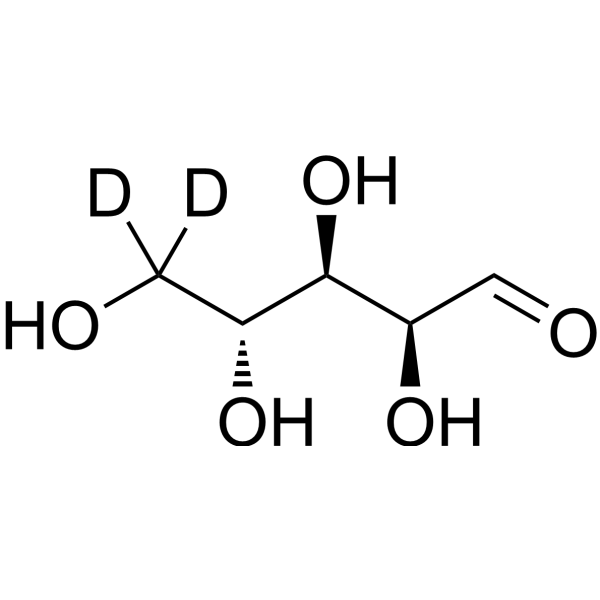 0 ImagesCat. No.: HY-N0059S4CAS No.: 2419933-20-1D-Arabinose-d2 is the deuterated-labeled D-Arabinose (HY-N0059). D-Arabinose is is an orally active antidepressant and a growth inhibitor of C. elegans (IC50 is 7.5 mM). D-Arabinose can penetrate the blood-brain barrier, selectively interfere with the metabolism of D-ribose and D-fructose, and inhibit the growth of nematodes. D-Arabinose can also inhibit the synthesis of cell biofilm and exert antibacterial activity. D-Arabinose activates the ACSS2-PPARγ/TFEB-CRTC1 axis through the lysosomal AXIN-LKB1-AMPK pathway, inducing CRTC1 transcription, exerts antidepressant-like activity. D-Arabinose is the ring-opened form of the aldopentose D-Arabinose (HY-N7082).
-
Lonchocarpin
 0 ImagesCat. No.: HY-119590CAS No.: 31501-55-0Synonyms: LonchocarpineLonchocarpin (Lonchocarpine) is a Wnt/β-catenin signaling pathway inhibitor. The IC50 of Lonchocarpin in SW480 pBAR/Renilla cells is 4 μM. Acting downstream of β-catenin stabilization, Lonchocarpin inhibits β-catenin nuclear localization and TCF-mediated transcription, as well as the proliferation and migration of colorectal cancer cells. Lonchocarpin enhances Nrf2/ARE-mediated antioxidant responses in primary astrocytes via AMPK and JNK-related signaling, reduces H2O2-induced ROS production, and increases the expression of HO-1, NQO1 and MnSOD. Lonchocarpin can be used in research on colorectal cancer and oxidative stress.
-
Asp-02
 0 ImagesCat. No.: HY-W083125CAS No.: 86711-45-7Asp-02 is an orally active AMPK activator. Asp-02 reduces non-fasting blood glucose levels, improves body weight, and normalizes elevated serum levels of aspartate transaminase (SGOT), alanine transaminase (SGPT), alkaline phosphatase (ALP), urea and creatinine. Asp-02 can be used in the research of type 2 diabetes.
-
ASS1 activator 1
 0 ImagesCat. No.: HY-181832CAS No.: 3123380-64-0ASS1 activator 1 (Compound 10f) is a ASS1 activator with an EC50 of 1.90 μM. ASS1 activator 1 enhances the activity of ASS1 and promotes AMPK phosphorylation. ASS1 activator 1 induces cell Apoptosis. ASS1 activator 1 exhibits anticancer activity against triple-negative breast cancer, colorectal cancer and liver cancer.
-
AMPK activator 14
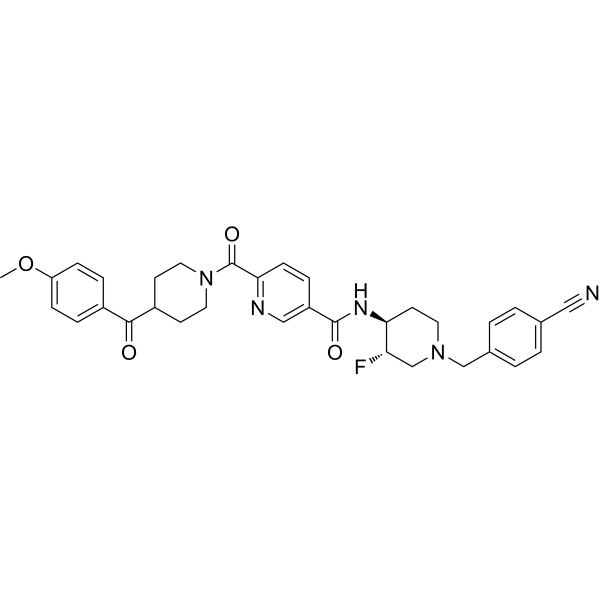 0 ImagesCat. No.: HY-162042CAS No.: 1356632-18-2AMPK activator 14 (compound 32) is an orally active AMPK activator. AMPK activator 14 decreases fasted glucose and insulin levels in a db/db mouse model of Type II diabetes.
-
Bempedoic acid (Standard)
 0 ImagesSynonyms: ETC-1002 (Standard); ESP-55016 (Standard)Bempedoic acid (Standard) is the analytical standard of Bempedoic acid. This product is intended for research and analytical applications. Bempedoic acid (ETC-1002) is an ATP-citrate lyase (ACL) inhibitor. Bempedoic acid (ETC-1002) activates AMPK.
-
Vernodalin
 0 ImagesCat. No.: HY-N19029CAS No.: 21871-10-3Vernodalin is an orally active, cytotoxic sesquiterpene lactone with a Kd value of 9.55 μM for p38 MAPK. Vernodalin downregulates the expression of phosphorylated ERK, JNK, AKT, PI3K, mTOR, p38MAPK, FAK, MMP-2, MMP-9, and uPA, while upregulates the expression of TIMP-1 and TIMP-2. Vernodalin increases ROS production, upregulates the expression of Bax and caspase 3, downregulates the expression of Bcl-2, and induces apoptosis (apoptosis), oxidative stress response and cell cycle arrest. Vernodalin inhibits the proliferation, adhesion and metastasis of cancer cells. Vernodalin enhances the activity of VEGF-B, AMPK and eNOS signaling pathways. Vernodalin alleviates myocardial injury and restores hemodynamic parameters. Vernodalin inhibits the growth of Trypanosoma brucei rhodesiense. Vernodalin can be used in research related to various cancers including gastric cancer, colorectal cancer and lung cancer, as well as African human trypanosomiasis and myocardial infarction.
-
Biotin-AMPKα1β1γ1 Recombinant Human Active Protein Kinase
 0 ImagesCat. No.: HY-E70793AMPK is an αβγ heterotrimeric serinethreonine kinase activated by decreasing concentrations of adenosine triphosphate (ATP) and increasing AMP concentrations. Biotin-AMPKα1β1γ1 Recombinant Human Active Protein Kinase is obtained by co-expressing AMPKα1, AMPKβ1, and AMPKγ1 proteins and is biotinylated.
-
D-Arabinose-13C-1
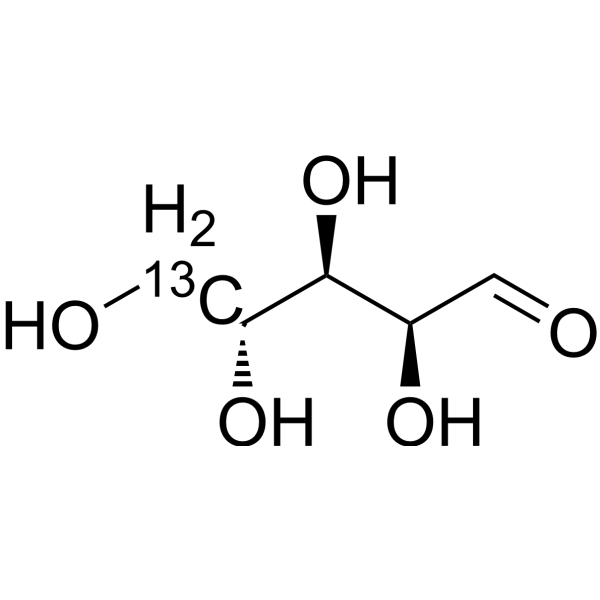 0 ImagesCat. No.: HY-N0059S1CAS No.: 139657-60-6D-Arabinose-13C-1 is the 13C labeled D-Arabinose (HY-N0059). D-Arabinose is is an orally active antidepressant and a growth inhibitor of C. elegans (IC50 is 7.5 mM). D-Arabinose can penetrate the blood-brain barrier, selectively interfere with the metabolism of D-ribose and D-fructose, and inhibit the growth of nematodes. D-Arabinose can also inhibit the synthesis of cell biofilm and exert antibacterial activity. D-Arabinose activates the ACSS2-PPARγ/TFEB-CRTC1 axis through the lysosomal AXIN-LKB1-AMPK pathway, inducing CRTC1 transcription, exerts antidepressant-like activity. D-Arabinose is the ring-opened form of the aldopentose D-?Arabinose (HY-N7082).
-
AMPK-α1β1γ1 activator 1
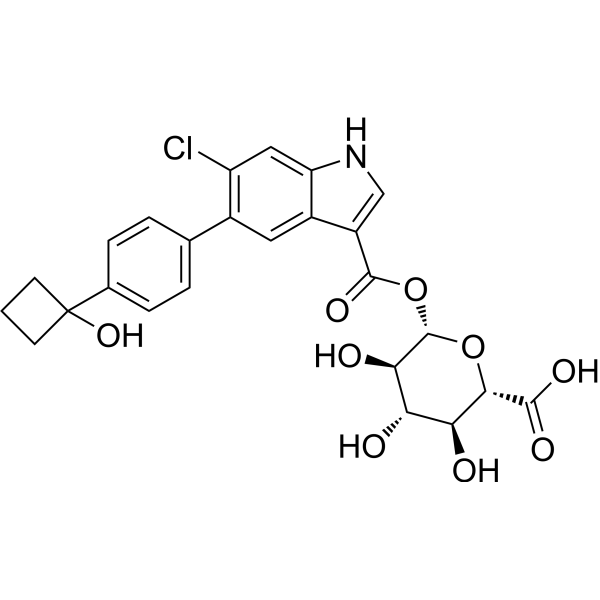 0 ImagesCat. No.: HY-157129CAS No.: 1943510-86-8AMPK-α1β1γ1 activator 1 (M1) is an acyl glucuronide metabolite of Indole-3-carboxylic Acid-based AMPK activator. AMPK-α1β1γ1 activator 1 can selectively activated human β1 isoforms with an EC50 value of 38.1nM. AMPK-α1β1γ1 activator 1 can direct binding with human AMPK α1β1γ1 isoform. AMPK-α1β1γ1 activator 1 can be used for the research of diabetic nephropathy.
-
Flurbiprofen axetil solution
 0 ImagesCat. No.: HY-FL101481CAS No.: 91503-79-6Flurbiprofen axetil solution is mainly composed of Flurbiprofen axetil (HY-101481). Flurbiprofen axetil is a non-selective COX inhibitor and a nonsteroidal anti-inflammatory agent with anti-inflammatory and analgesic effects. Flurbiprofen axetil inhibits basal-like breast cancer metastasis by inhibiting the MEK/ERK signaling pathway. Flurbiprofen axetil can promote neuroprotection after focal cerebral ischemia in rats by partially activating PPAR-γ. Flurbiprofen axetil alleviates cerebral ischemia/reperfusion injury by reducing inflammation in a transient global cerebral ischemia/reperfusion rat model. Flurbiprofen axetil can alleviate inflammatory responses and cognitive function in a mild cognitive impairment (MCI) SD rat model through the AMPKα/NF-κB signaling pathway.
-
Acetic acid lead
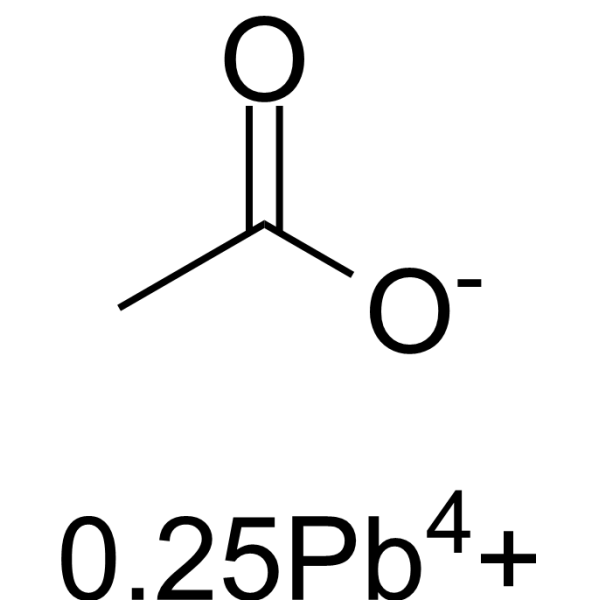 0 ImagesAcetic acid lead is a carboxylic acid and short-chain fatty acid (SCFAs). Magnesium acetate tetrahydrate activates AMPK, increases ROS, cleaved caspase 9, PPARα, downregulates SREBP-1c, ChREBP expression. Acetic acid lead exhibits antifungal activity against Saccharomyces cerevisiae W303-1A. Acetic acid lead regulates energy metabolism. Acetic acid lead has anticancer activity against gastric cancer. Acetic acid lead induces writhing reaction and ulcerative colitis. Acetic acid lead can be used in the researches for gastric cancer, ulcerative colitis, hepatic steatosis, and pain.
-
D-Arabinose-13C
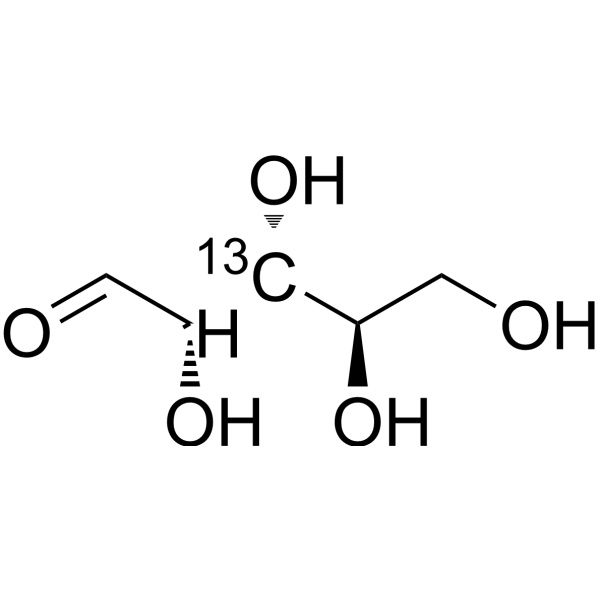 0 ImagesCat. No.: HY-N0059SD-Arabinose-13C is the 13C-labeled D-Arabinose (HY-N0059). D-Arabinose is is an orally active antidepressant and a growth inhibitor of C. elegans (IC50 is 7.5 mM). D-Arabinose can penetrate the blood-brain barrier, selectively interfere with the metabolism of D-ribose and D-fructose, and inhibit the growth of nematodes. D-Arabinose can also inhibit the synthesis of cell biofilm and exert antibacterial activity. D-Arabinose activates the ACSS2-PPARγ/TFEB-CRTC1 axis through the lysosomal AXIN-LKB1-AMPK pathway, inducing CRTC1 transcription, exerts antidepressant-like activity. D-Arabinose is the ring-opened form of the aldopentose D-Arabinose (HY-N7082).
-
11β-HSD1-IN-25
 0 ImagesCat. No.: HY-180549CAS No.: 1261266-23-211β-HSD1-IN-25 is a selective and orally active 11β-HSD1 inhibitor. 11β-HSD1-IN-25 effectively reduces glucocorticoid levels in vitro and serum, and diminishes lipid accumulation in both vitro and vivo. 11β-HSD1-IN-25 modulates lipid metabolism through dual mechanisms: inhibition of 11β-HSD1 and activation of the AMP-activated protein kinase (AMPK) signaling pathway. 11β-HSD1-IN-25 can be used for obesity and related metabolic disorders research.
-
SIK-IN-3
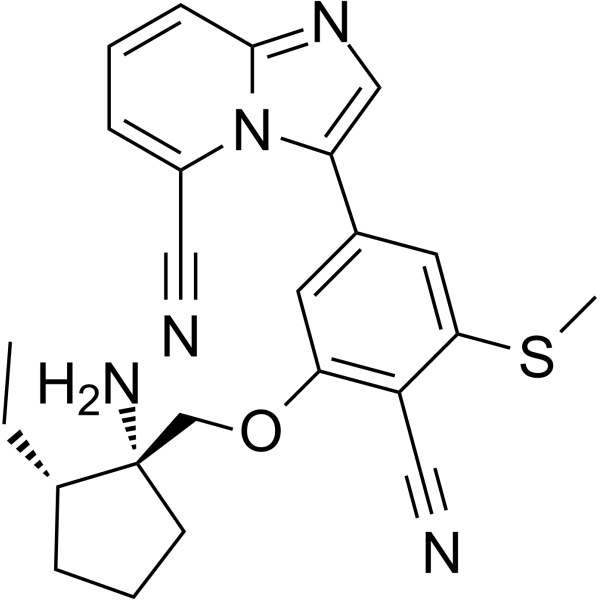 0 ImagesCat. No.: HY-161442CAS No.: 3033845-49-4SIK-IN-3 (Compound 6B) is an inhibitor for salt-inducible kinase (SIK), which inhibits SKI1, SIK2 and SIK3 with IC50s of 0.1, 0.3 and 0.8 nM, respectively. SIK-IN-1 inhibits the release of TNFa with IC50 of 0.6 nM, stimulates the LPS (HY-D1056) -induced IL-10 release with EC50 of 3 nM in human macrophages.




