Apoptosis
Apoptosis
Apoptosis is a distinctive form of cell death exhibiting specific morphological and biochemical characteristics, including cell membrane blebbing, chromatin condensation, genomic DNA fragmentation, and exposure of specific phagocytosis signaling molecules on the cell surface. Cells undergoing apoptosis differ from those dying through necrosis. Necrotic cells are usually recognized by the immune system as a danger signal and, thus, resulting in inflammation; in contrast, apoptotic death is quiet and orderly.
There are two major pathways of apoptotic cell death induction: The intrinsic pathway, also called the Bcl-2-regulated or mitochondrial pathway, is activated by various developmental cues or cytotoxic insults, such as viral infection, DNA damage and growth-factor deprivation, and is strictly controlled by the BCL-2 family of proteins. The extrinsic or death-receptor pathway is triggered by ligation of death receptors (members of the tumor necrosis factor (TNF) receptor family, such as Fas or TNF receptor-1 (TNFR1)) that contain an intracellular death domain, which can recruit and activate caspase-8 through the adaptor protein Fas-associated death domain (FADD; also known as MORT1) at the cell surface. This recruitment causes subsequent activation of downstream (effector) caspases, such as caspase-3, -6 or -7, without any involvement of the BCL-2 family.
Studies suggest that alterations in cell survival contribute to the pathogenesis of a number of human diseases, including cancer, viral infections, autoimmune diseases, neurodegenerative disorders, and AIDS (acquired immunodeficiency syndrome). Treatments designed to specifically alter the apoptotic threshold may have the potential to change the natural progression of some of these diseases.
All Product Categories
-
Apoptosis Inhibitors
(897)
View all products
-
Apoptosis Agonists
(7)
View all products
-
Apoptosis Antagonists
(9)
View all products
-
Apoptosis Activators
(362)
View all products
-
Apoptosis Modulators
(60)
View all products
-
Apoptosis Inducers
(7872)
View all products
-
Apoptosis Degrader
(1)
View all products
-
Apoptosis Controls
(33)
View all products
-
Apoptosis Related Products (9802)
Related Products (9802)

-
Antibodies (120)
-
Brevetoxin B
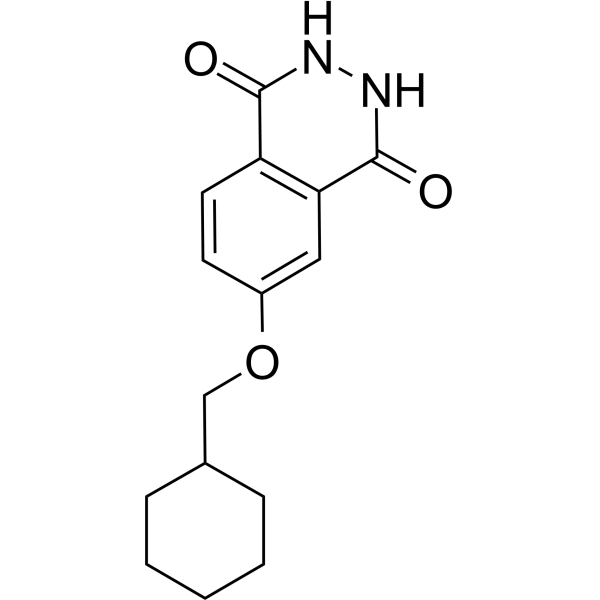
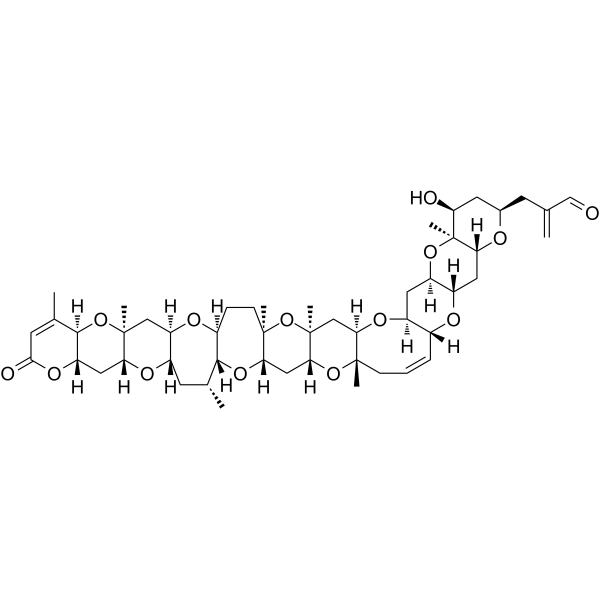 0 ImagesCat. No.: HY-12546CAS No.: 79580-28-2Synonyms: Brevetoxin-2; PbTx-2Brevetoxin B (Brevetoxin-2) is a red tide toxin. Brevetoxin B affects sodium, potassium and calcium currents in nerve terminals. Brevetoxin B also modulates the metabolic activity of Jurkat cells, reduces cell viability and induces apoptosis. Brevetoxin B can be used in research on synaptic transmission and tumors.
-
Isolinderalactone
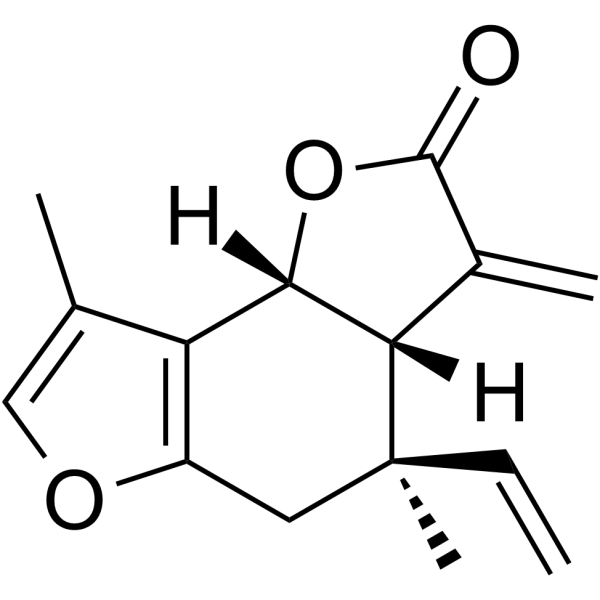 0 ImagesIsolinderalactone is a sesquiterpene that exhibits anti-cancer, anti-inflammatory, and neuroprotective effects. Isolinderalactone inhibits VEGF expression and tyrosine phosphorylation of VEGFR2. Isolinderalactone decreases viability and induces apoptosis in U-87 glioblastoma (GBM) cells and colorectal cancer (CRC) cells. Isolinderalactone induces G2/M phase cell cycle arrest, ROS generation, pJNK/p38 MAPK activation, in colorectal cancer (CRC) cells. Isolinderalactone blocks LPS (HY-D1056)-induced NF-κB activation while activating Nrf2-HMOX1 signaling in RAW264.7 macrophages. Isolinderalactone improves cognitive dysfunction in APP/PS1 mice. Isolinderalactone can be used for the study of Glioblastoma multiforme (GBM), colorectal cancer, Alzheimer’s disease and acute lung injury.
-
Gemcitabine elaidate hydrochloride
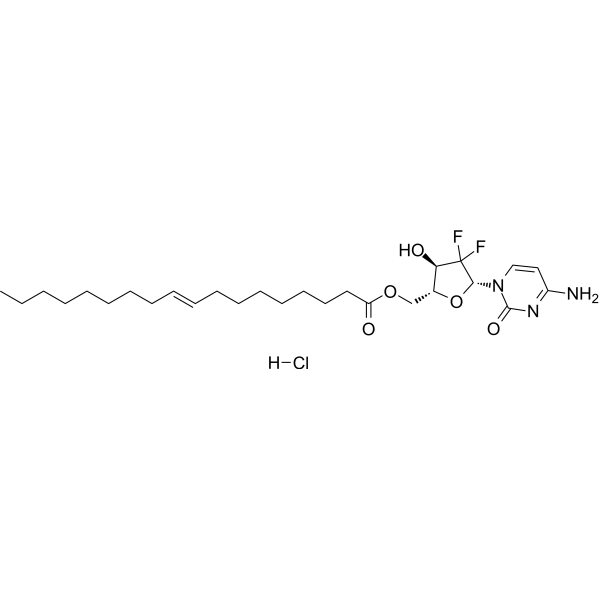 0 ImagesCat. No.: HY-13538ACAS No.: 2918768-08-6Synonyms: CP-4126 hydrochloride; CO-101 hydrochloride; Gemcitabine 5'-elaidate hydrochlorideGemcitabine elaidate (CP-4126) hydrochloride is lipophilic pro-agent of Gemcitabine. Gemcitabine elaidate hydrochloride is converted to Gemcitabine by esterases in order to be phosphorylated. Gemcitabine elaidate hydrochloride exhibits anti-tumor activity.
-
PRMT6-IN-3
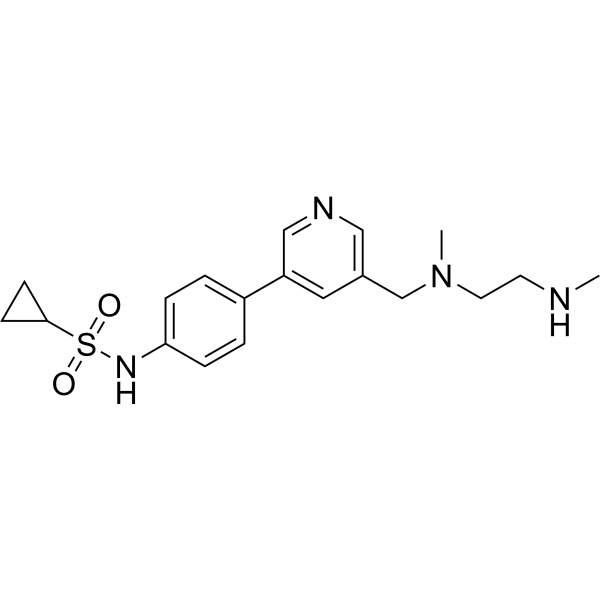 0 ImagesPRMT6-IN-3 (compound 25) is a selective PRMT6 inhibitor with an IC50 value of 192 nM. PRMT6-IN-3 can induce apoptosis in cancer cells and has anticancer activity.
-
Isomangiferin
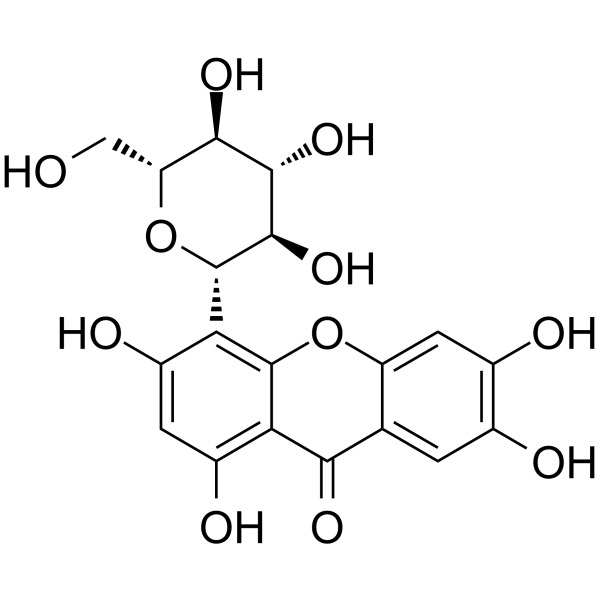 0 ImagesIsomangiferin is an orally active xanthone C-glucoside, and its chemical structure is similar to Mangiferin (HY-N0290). Isomangiferin is an effective VEGFR-2 kinase inhibitor, which can induces cell apoptosis, inhibit the growth, metastasis and angiogenesis of breast cancer. Isomangiferin exerts anti-inflammatory effects by inhibiting the HMGB1/NLRP3/NF-κB signaling pathway, thereby improving the renal function indicators of diabetic mice. Isomangiferin exhibits inhibitory effects on various bacteria and herpes simplex virus type 1 (HSV-1). Isomangiferin promotes the migration and osteogenic differentiation of bone marrow mesenchymal stem cells (BMSCs) and reduces cell apoptosis and the production of ROS by activating the AMPK/ACC pathway, thereby facilitating fracture healing.
-
Corilagin (Standard)
 0 ImagesSynonyms: NP-004255 (Standard)Corilagin (Standard) is the analytical standard of Corilagin. This product is intended for research and analytical applications. Corilagin, a gallotannin, has anti-tumor, anti-inflammatory and hepatoprotective activities. Corilagin inhibits activity of reverse transcriptase of RNA tumor viruses. Corilagin also inhibits the growth of Staphylococcus aureus with a MIC of 25 μg/mL. Corilagin shows anti-tumor activity on hepatocellular carcinoma and ovarian cancer model. Corilagin shows low toxicity to normal cells and tissues.
-
Lactoferrin (17-41)
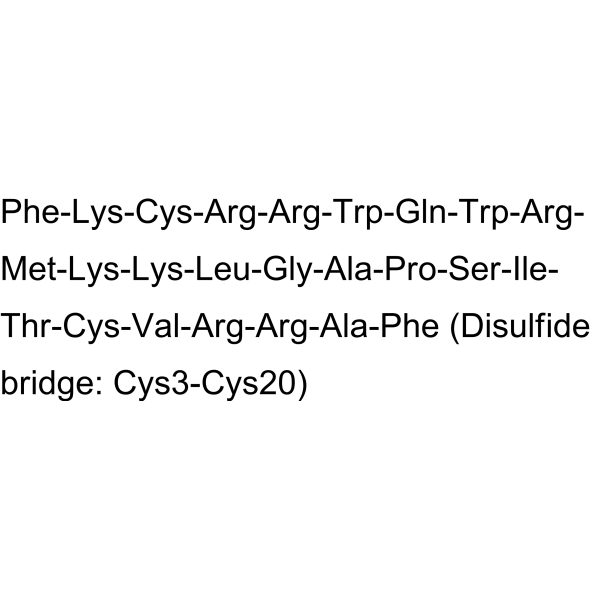 0 ImagesSynonyms: Lactoferricin B; Lfcin BLactoferrin 17-41 (Lactoferricin B), a peptide corresponding to residues 17-41 of bovine lactoferrin, has antimicrobial activity against a wide range of microorganisms, including Gram-positive and Gramnegative bacteria, viruses, protozoa, and fungi. Lactoferrin 17-41 has antitumor activities.
-
Gypsogenin
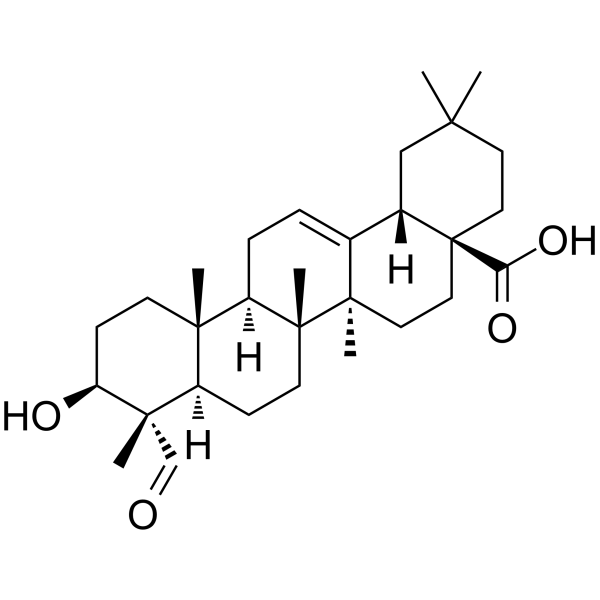 0 ImagesGypsogenin is a selective mixed-type BChE inhibitor (Ki=19.99 μM) that also exhibits significant cytotoxicity against various human cancer cell lines. Gypsogenin inhibits tumor growth by inducing cell cycle arrest and triggering apoptosis. Gypsogenin displays antibacterial activity against bacteria such as Bacillus subtilis and Bacillus thuringiensis, and often serves as a key parent nucleus for the synthesis of anticancer compounds. Gypsogenin is widely used in research on Alzheimer's disease and various cancers including colon cancer, melanoma, and leukemia.
-
Minodronic acid hydrate
 0 ImagesSynonyms: YM-529 hydrateMinodronic acid (YM-529) hydrate is an FPP synthase inhibitor with an IC50 of 3 nM, and also an antagonist of P2X2/3 receptors with an IC50 of 62.7 μM. Minodronic acid hydrate induces tumor cell apoptosis and inhibits cell growth. Minodronic acid hydrate also suppresses bone resorption. Minodronic acid hydrate can be used in research related to osteoporosis and cancer.
-
Nodosin
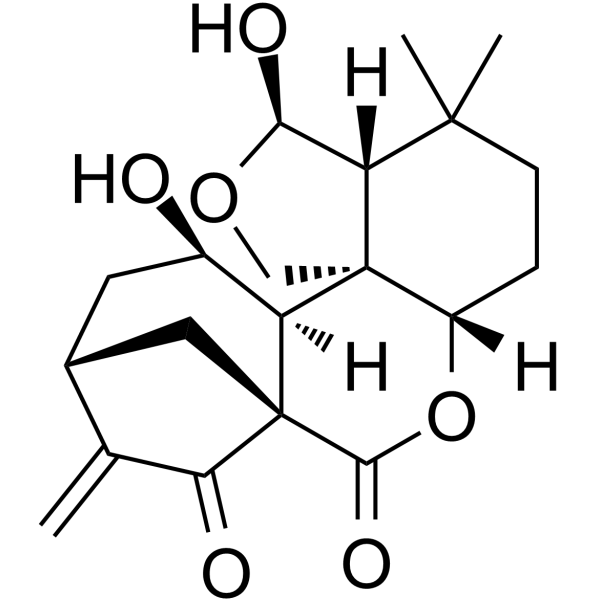 0 ImagesNodosin is an orally active diterpenoid compound that can be isolated from Isodon serra. Nodosin can inhibit the proliferation and induce cell cycle arrest and apoptosis of tumor cells. Nodosin can also inhibit oxidative stress, inflammatory responses, and ferroptosis. Nodosin has anti-inflammatory and anti-tumor activities.
-
GPLGIAGQ TFA
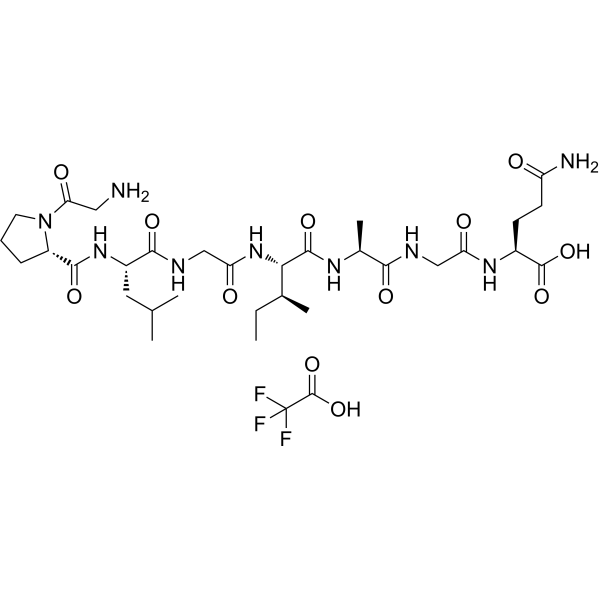 0 ImagesCat. No.: HY-P2213APurity: 99.89%GPLGIAGQ TFA, a MMP2-cleavable polypeptide, is used as a stimulus-sensitive linker in both liposomal and micellar nanocarriers for MMP2-triggered tumor targeting. GPLGIAGQ TFA can be used to synthesis unique MMP2-targeted photosensitizer in photodynamic therapy (PDT).
-
Omtriptolide
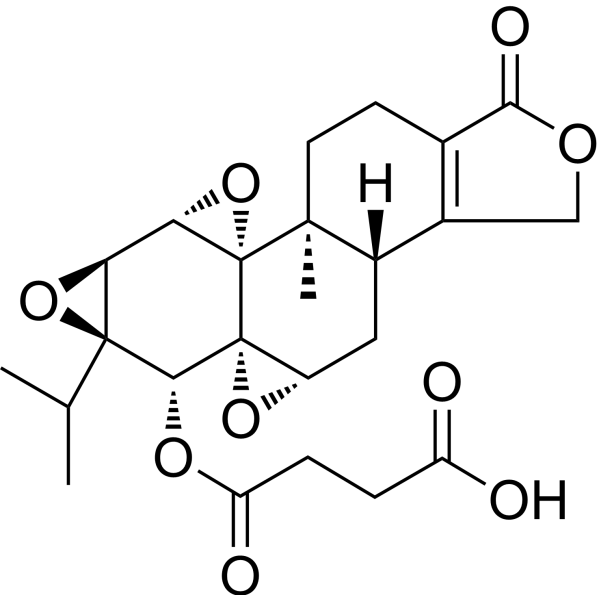 0 ImagesCat. No.: HY-16363CAS No.: 195883-06-8Synonyms: PG 490-88Omtriptolide (PG490-88) is a derivative proagent of triptolide purified from the Chinese herb.
-
Tryptophol-d4
 0 ImagesSynonyms: Indole-3-ethanol-d4Tryptophol-d4 (Indole-3-ethanol-d4) is the deuterium labeled Tryptophol (HY-W010155). Tryptophol is an aromatic alcohol and secondary metabolite produced by microorganisms. Tryptophol induces apoptosis and cleavage of caspase-8. Tryptophol inhibits Cunninghamella blakesleeana biofilm. Tryptophol has anti-phage infection, biofilm formation regulation, anti-inflammatory, hemolytic, sleep induction, temperature change, seizure susceptibility and immune regulation activities. Tryptophol is used in the research of African trypanosomiasis, sleep disorders, epilepsy.
-
(+)-Erinacin A
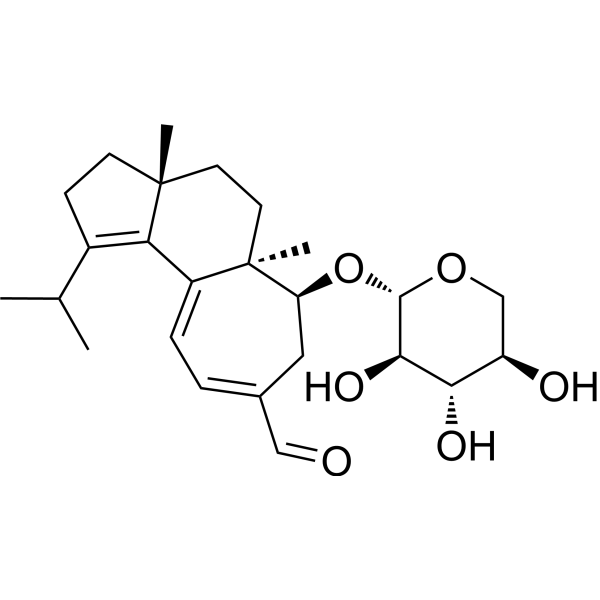 0 ImagesSynonyms: Erinacine A(+)-Erinacin A (Erinacine A) is a cyanoditerpenoid isolated from Hericium erinaceus with anticancer, anti-inflammatory and neuroprotective activities. (+)-Erinacin A can induce cancer cell death by activating extrinsic and intrinsic apoptosis pathways. (+)-Erinacin A can also inhibit the expression of NO synthase (iNOS) and the production of nitrotyrosine to exert inflammatory and neuroprotective effects, thereby reducing ischemic brain damage.
-
Iodoacetyl-LC-biotin
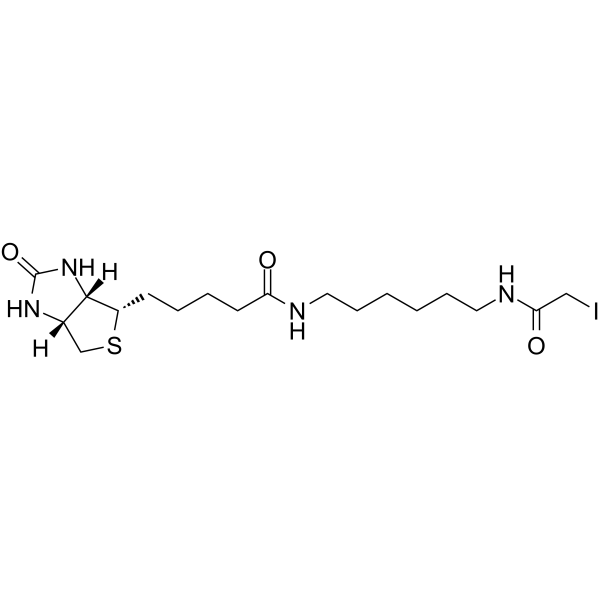 0 ImagesIodoacetyl-LC-biotin is a biotinylated electrophile probe that can be used to investigate the scope and characteristics of protein covalent binding to subcellular proteomes.