



Apoptosis
Apoptosis
Apoptosis is a distinctive form of cell death exhibiting specific morphological and biochemical characteristics, including cell membrane blebbing, chromatin condensation, genomic DNA fragmentation, and exposure of specific phagocytosis signaling molecules on the cell surface. Cells undergoing apoptosis differ from those dying through necrosis. Necrotic cells are usually recognized by the immune system as a danger signal and, thus, resulting in inflammation; in contrast, apoptotic death is quiet and orderly.
There are two major pathways of apoptotic cell death induction: The intrinsic pathway, also called the Bcl-2-regulated or mitochondrial pathway, is activated by various developmental cues or cytotoxic insults, such as viral infection, DNA damage and growth-factor deprivation, and is strictly controlled by the BCL-2 family of proteins. The extrinsic or death-receptor pathway is triggered by ligation of death receptors (members of the tumor necrosis factor (TNF) receptor family, such as Fas or TNF receptor-1 (TNFR1)) that contain an intracellular death domain, which can recruit and activate caspase-8 through the adaptor protein Fas-associated death domain (FADD; also known as MORT1) at the cell surface. This recruitment causes subsequent activation of downstream (effector) caspases, such as caspase-3, -6 or -7, without any involvement of the BCL-2 family.
Studies suggest that alterations in cell survival contribute to the pathogenesis of a number of human diseases, including cancer, viral infections, autoimmune diseases, neurodegenerative disorders, and AIDS (acquired immunodeficiency syndrome). Treatments designed to specifically alter the apoptotic threshold may have the potential to change the natural progression of some of these diseases.
All Product Categories
-
Apoptosis Inhibitors
(904)
View all products
-
Apoptosis Agonists
(7)
View all products
-
Apoptosis Antagonists
(9)
View all products
-
Apoptosis Activators
(363)
View all products
-
Apoptosis Modulators
(60)
View all products
-
Apoptosis Inducers
(7944)
View all products
-
Apoptosis Degrader
(1)
View all products
-
Apoptosis Controls
(33)
View all products
-
Apoptosis Related Products (9888)
Related Products (9888)

-
Antibodies (120)
-
Theophylline-platinum(IV) prodrug-1
 0 ImagesCat. No.: HY-175257Theophylline-platinum(IV) prodrug-1 is a PARP-1 inhibitor. Theophylline-platinum(IV) prodrug-1 enhances DNA damage, ROS production, mitochondrial dysfunction, apoptosis and S-phase arrest, along with reducing invasion and metastasis in cells. Theophylline-platinum(IV) prodrug-1 exhibits superior antitumor activity in the xenograft SKOV3-BRCA1-KD tumor model. Theophylline-platinum(IV) prodrug-1 can be used for the study of ovarian cancer.
-
Tubulin inhibitor 13
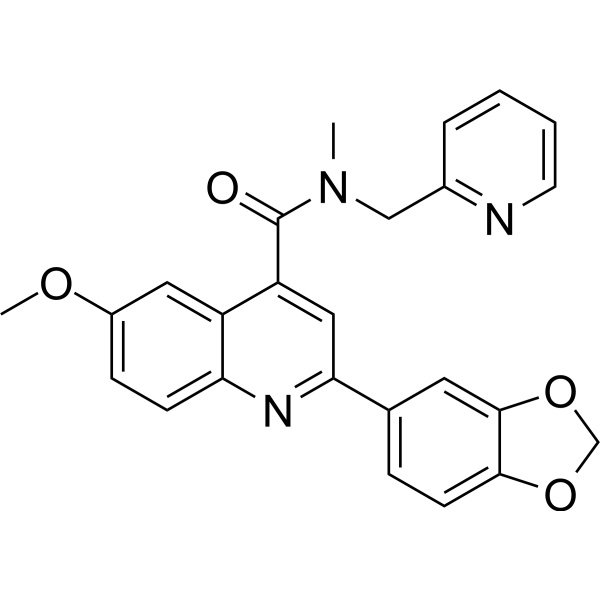 0 ImagesCat. No.: HY-143251CAS No.: 2883436-66-4Tubulin inhibitor 13 (E27) is a potent tubulin inhibitor with an IC50 value of 16.1 μM for the tubulin polymerization inhibition. Tubulin inhibitor 13 inhibits migration and invasion of cancer cells, induces apoptosis and has anticancer activity.
-
NDI-Lyso
 0 ImagesCat. No.: HY-P10669CAS No.: 2999646-19-2NDI-Lyso is a lysosome-targeted anticancer agent that induces the formation of rigid long fibers in cancer cell lysosomes through an enzyme-instructed self-assembly (EISA) mechanism catalyzed by cathepsin B. This process triggers lysosomal swelling, membrane permeabilization (LMP), and membrane disruption, ultimately leading to cancer cell apoptosis via a non-classical caspase-independent pathway. NDI-Lyso exhibits significant selective anticancer activity in various cancer cell lines and drug-resistant cancer cells (IC50 ~10 μM) while showing low toxicity to normal cells (IC50 > 60 μM).
-
Octreotide pamoate
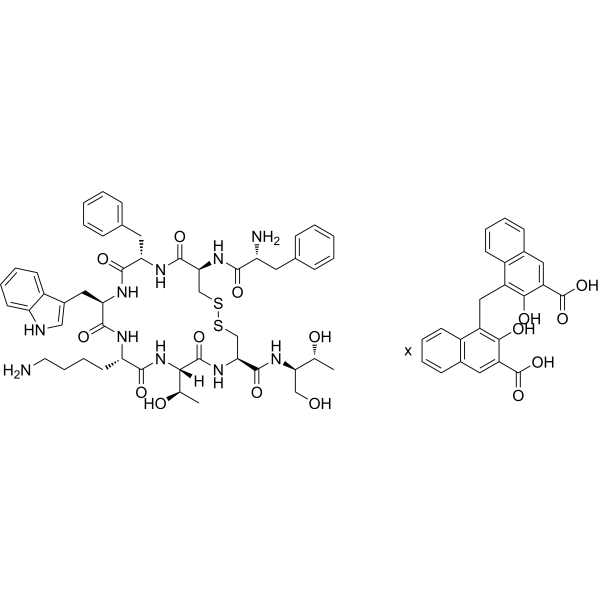 0 ImagesCat. No.: HY-P0036BCAS No.: 135467-16-2Synonyms: SMS 201-995 pamoateOctreotide (SMS 201-995) pamoate is a somatostatin receptor agonist and synthetic octapeptide endogenous somatostatin analogue. Octreotide pamoate can bind to the somatostatin receptors which are mainly subtypes 2, 3 and 5. Octreotide pamoate increases Gi activity and reduces intracellular cAMP production. Octreotide pamoate has antitumor activity, mediates apoptosis and may also be used in disease studies in acromegaly.
-
NAE-IN-2
 0 ImagesCat. No.: HY-163524NAE-IN-2 (compound III-26) is N2–(1-benzylpiperidin-4-yl)quinazoline-2,4-diamine derivative, and inhibits Cullin1 and Cullin3. NAE-IN-2 inhibits migration and induces cell apoptosis of gastric cancer cells.
-
Anticancer agent 175
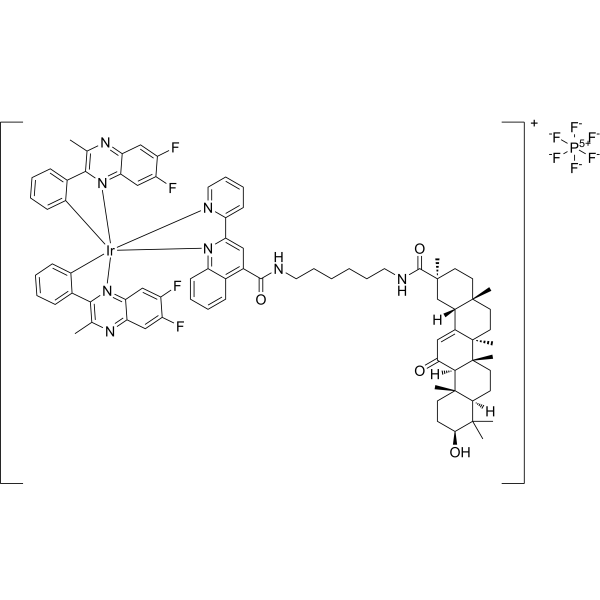 0 ImagesCat. No.: HY-163077Anticancer agent 175 (complex 1) ia a near-infrared (NIR) luminescent theranostic complex. Anticancer agent 175 induces ROS accumulation, mitochondrial damage, disruption of Bax/Bcl-2 equilibrium, and tumor cell apoptosis in HepG2 cell line.
-
TCL1(10-24)
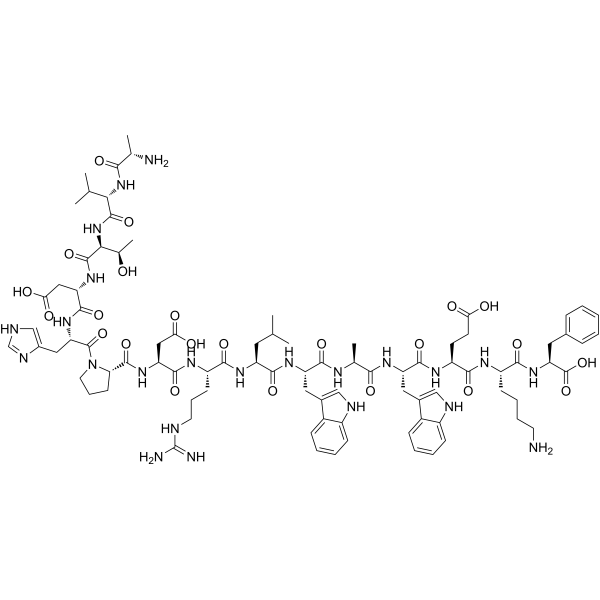 0 ImagesCat. No.: HY-P10105CAS No.: 835655-37-3TCL1(10-24) is a encompassing the betaA strand of human TCL1. TCL1(10-24) is a Akt inhibitor. TCL1(10-24) interacts with the Akt PH domain prevented phosphoinositide binding and hence inhibits membrane translocation and activation of Akt. TCL1(10-24) inhibits cellular proliferation and anti-apoptosis. TCL1(10-24) has tumor growth in vivo.

-
SHLP-6
 0 ImagesCat. No.: HY-P10625CAS No.: 368431-25-8SHLP-6 is a mitochondrial-derived peptide, a biologically active microprotein encoded by the 16S ribosomal RNA (MT-RNR2) gene. SHLP6 increases apoptosis in insulinoma cells NIT1 and human prostate cancer cell 22Rv1. SHLP6 can be used in the study of diabetes and cancer.
-
Peimisine (Standard)
 0 ImagesSynonyms: Ebeiensine (Standard)Peimisine (Standard) is the analytical standard of Peimisine. This product is intended for research and analytical applications. Peimisine (Ebeiensine) is a muscarinic M receptor antagonist and angiotensin converting enzyme (ACE) inhibitor. Peimisine shows anti-tumor, anti-inflammatory, antihypertensive activities. Peimisine can induce apoptosis and be used in cough and asthma research.
-
CDK4/6/BRD4-IN-2
 0 ImagesCat. No.: HY-174088CDK4/6/BRD4-IN-2 (Compound PJ2) is a dual inhibitor of CDK4/6 and BRD4 with IC50 values for CDK4, CDK6, BRD4 (BD1), and BRD4 (BD2) of 168.75, 292.45, 23.17, and 3.12 nM respectively. CDK4/6/BRD4-IN-2 has a strong inhibitory effect on non-small cell lung cancer (NSCLC) cell lines. CDK4/6/BRD4-IN-2 induces cell cycle arrest, senescence and apoptosis through ROS-mediated DNA damage. CDK4/6/BRD4-IN-2 can also effectively inhibit the migration and invasion of NCI-H358 cells. CDK4/6-IN-2 can be used for the study of KRAS-mutated NSCLC.
-
Thalidomide-O-PEG4-amine TFA
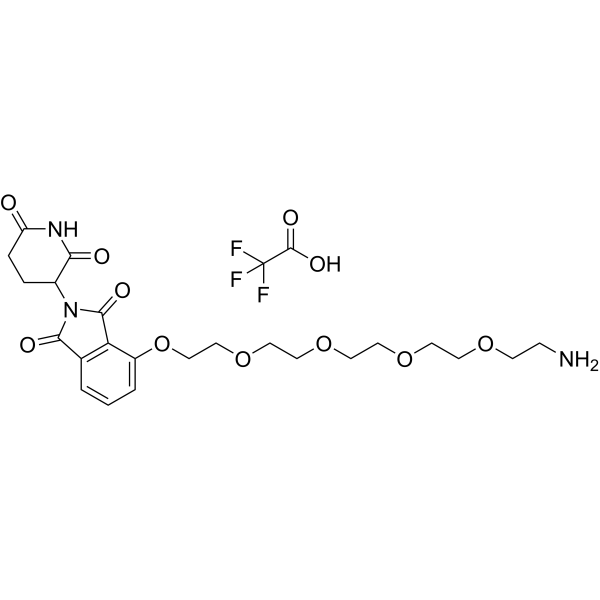 0 ImagesCat. No.: HY-141010BCAS No.: 2934561-88-1Thalidomide-O-PEG4-amine TFA is a synthesized E3 ligase ligand-linker conjugate that incorporates the Thalidomide based cereblon ligand and a linker used in PROTAC technology.
-
Jervine (Standard)
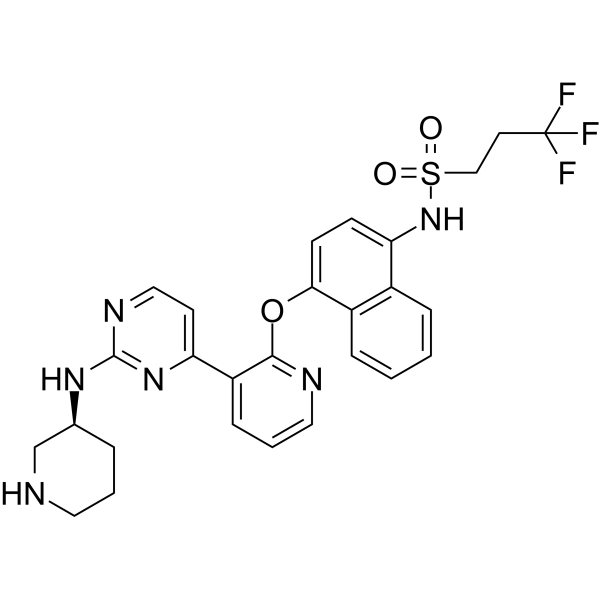
 0 ImagesJervine (Standard) (11-Ketocyclopamine (Standard)) is the analytical standard of Jervine (HY-N0836). This product is intended for research and analytical applications. Jervine (11-Ketocyclopamine) is an orally active steroidal alkaloid and Hedgehog signaling pathway inhibitor. Jervine can be isolated from Veratrum californicum. Jervine regulates Wnt, inhibits the AKT/mTOR signaling pathway, and activates the AMPK signaling pathway. Jervine induces DNA damage, Apoptosis, Autophagy, ROS production and Mitochondrial damage. Jervine exhibits anti-cancer and anti-inflammatory activities. Jervine reduces tumor growth rate and weight in xenograft models. Jervine can be used in studies related to triple-negative breast cancer, nasopharyngeal carcinoma and non-small cell lung cancer.
-
Anti-Influenza agent 12
 0 ImagesCat. No.: HY-189215CAS No.: 3087067-85-1Anti-Influenza agent 12 is an orally active inhibitor of influenza A virus infection. Anti-Influenza agent 12 inhibits RIG-I-mediated innate immune signaling and TLR3-mediated signaling pathways. Anti-Influenza agent 12 inhibits NF-κB phosphorylation and downregulates the expression levels of IRF3, ASC, iNOS, IL-4, IL-6, and IFN-α inflammatory genes. Anti-Influenza agent 12 inhibits viral nucleoprotein (NP) and matrix protein 2 (M2) mRNA transcription and protein synthesis. Anti-Influenza agent 12 inhibits virus-induced apoptosis, reduces ROS and NO production, and maintains mitochondrial membrane potential. Anti-Influenza agent 12 exhibits broad-spectrum activity against H1N1 and H3N2 subtypes, reduces viral load, and alleviates lung tissue damage. Anti-Influenza agent 12 can be used for research on influenza A virus infection.
-
6-MOMIPP
 0 ImagesCat. No.: HY-115458CAS No.: 1961272-45-66-MOMIPP is a brain-penetrant microtubule disruptor that targets the colchicine site on β-tubulin. 6-MOMIPP can induce mitotic arrest and cell apoptosis. 6-MOMIPP has broad activity against the viability of multiple glioblastoma, melanoma and lung carcinoma cell lines. 6-MOMIPP can be used for the research of cancer.
-
Bendamustine-d8 hydrochloride
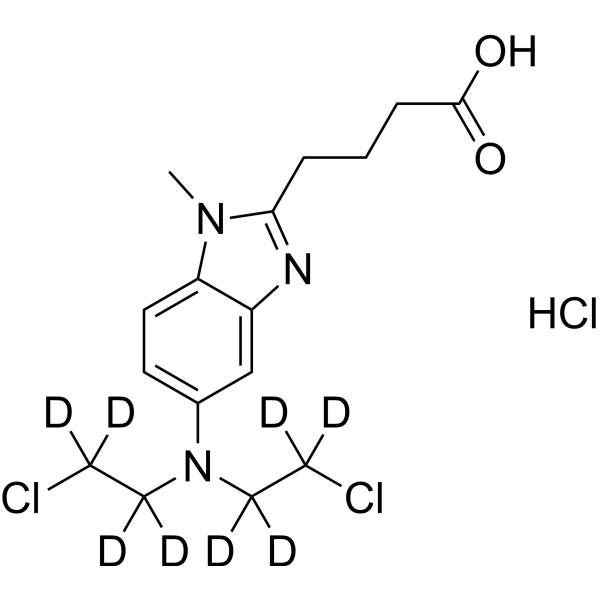 0 ImagesCat. No.: HY-B0077S1CAS No.: 1185068-23-8Synonyms: SDX-105-d8Bendamustine-d8 (hydrochloride) is deuterium labeled Bendamustine (hydrochloride). Bendamustine hydrochloride (SDX-105), a purine analogue, is a DNA cross-linking agent. Bendamustine hydrochloride activats DNA-damage stress response and apoptosis. Bendamustine hydrochloride has potent alkylating, anticancer and antimetabolite properties.
-
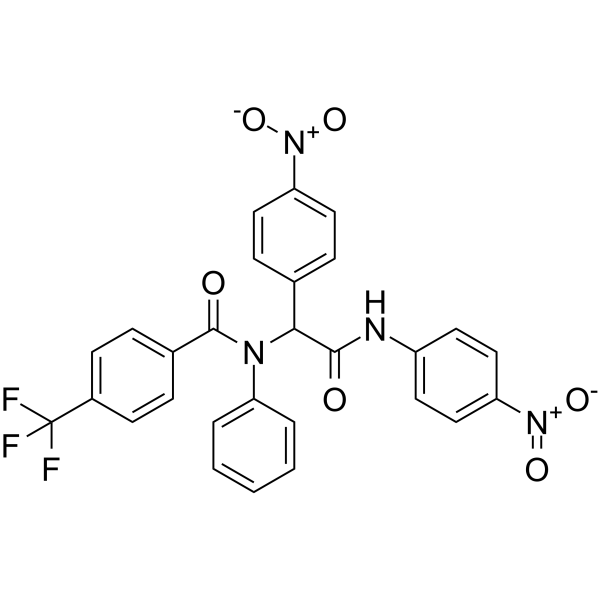
JH-XVII-10
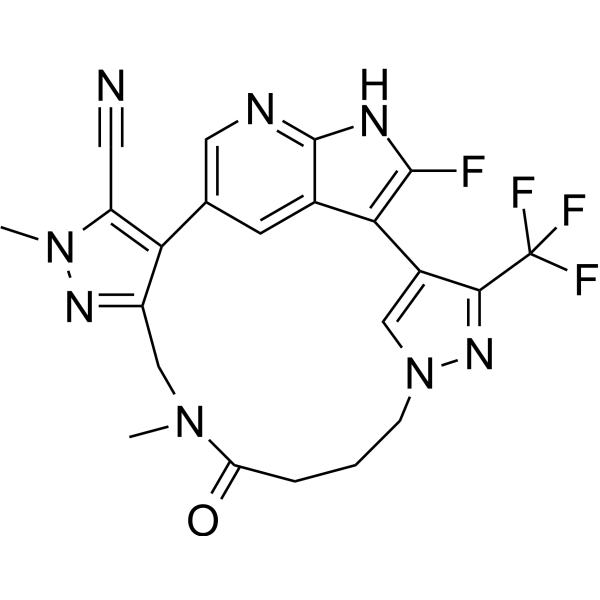 0 ImagesCat. No.: HY-144614CAS No.: 3034312-17-6JH-XVII-10 is a potent, selective and orally active DYRK1A and DYRK1B inhibitor with IC50s of 3 nM and 5 nM for DYRK1A and DYRK1B, respectively. JH-XVII-10 shows antitumor efficacy in neck squamous cell carcinoma (HNSCC) cell lines.
-
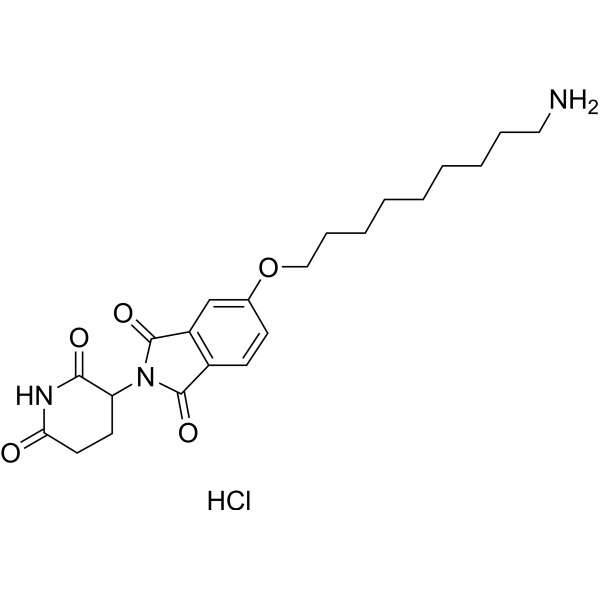
Thalidomide-5-O-C9-NH2 hydrochloride
 0 ImagesCat. No.: HY-149566Purity: 99.57%Thalidomide-5-O-C9-NH2 hydrochloride is the Thalidomide (HY-10984)-based cereblon ligand used in the recruitment of CRBN protein.Thalidomide-5-O-C9-NH2 hydrochloride can be connected to the ligand for protein by a linker to form PROTACs.




