



Apoptosis Inducer
-
VTP50469
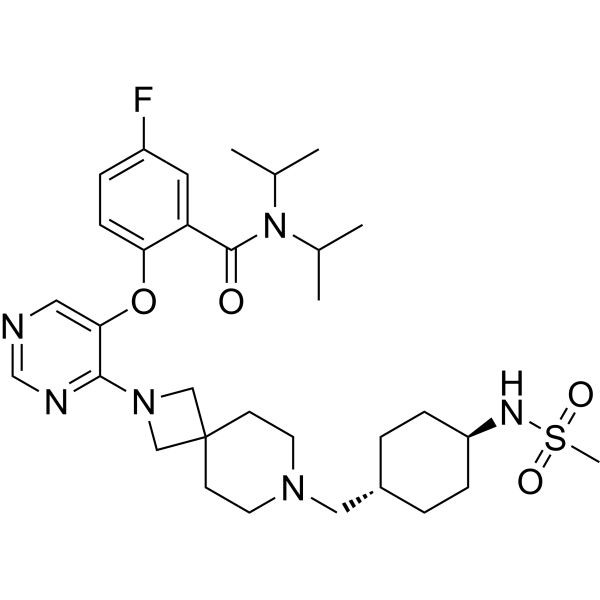 0 ImagesSynonyms: SNDX-50469
VTP50469 is a potent, highly selective and orally active Menin-MLL interaction inhibitor with a Ki of 104 pM. VTP50469 has potently anti-leukemia activity.
-
Nobiletin
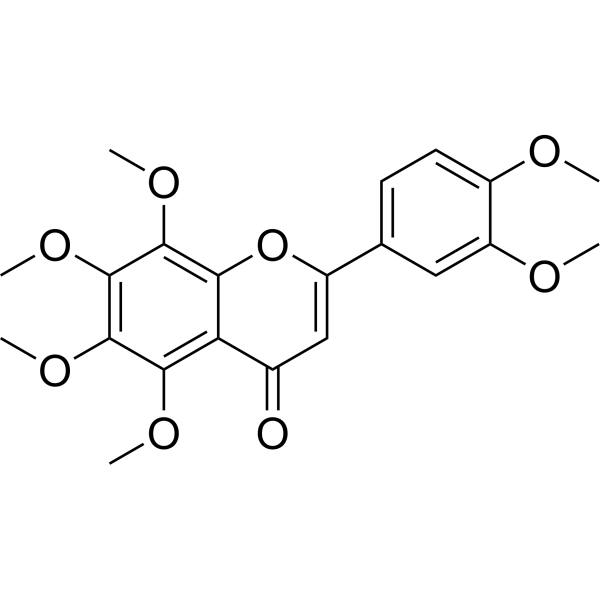 0 Images
Nobiletin is a poly-methoxylated flavone from the citrus peel that improves memory loss. Nobiletin is a retinoid acid receptor-related orphan receptors (RORs) agonist. Nobiletin can reduce reactive oxygen species (ROS) levels in differentiated C2C12 myotubes and has anti-inflammation and anti-cancer properties, including anti-angiogenesis, anti-proliferation, anti-metastasis and induced apoptosis.
-
Olitigaltin
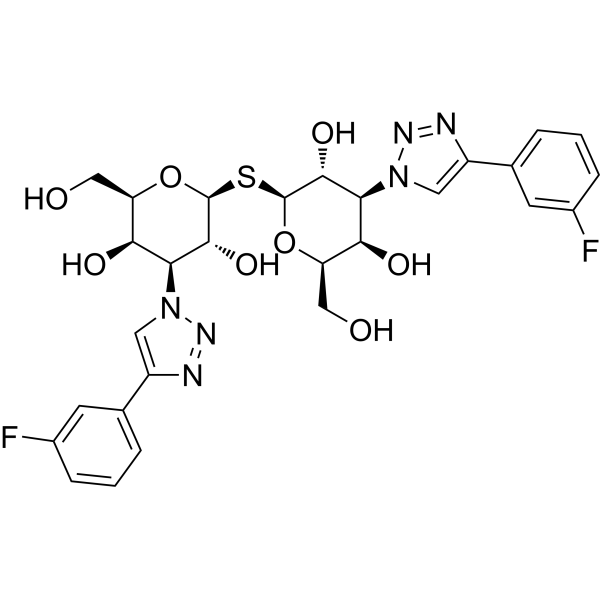 0 ImagesSynonyms: TD139; GB0139
Olitigaltin (TD139) is a high-affinity Galectin-3 inhibitor with a Kd value of 14 nM. Olitigaltin inhibits the activity of the AKT/β-catenin pathway, induces Apoptosis, and downregulates SREBP1 expression. Olitigaltin enhances the phosphorylation level of ERK. Olitigaltin alleviates bleomycin (HY-17565A)-induced advanced pulmonary fibrosis in mice. Olitigaltin delays the onset of diabetes, and improves glucose tolerance and serum insulin levels. Olitigaltin alleviates liver injury. Olitigaltin maintains the structure of hippocampal excitatory synapses, restores γ-wave power in the hippocampal CA1 region, inhibits hippocampal neuroinflammation, and improves cognitive function in neuroinflammation models. Olitigaltin can be used in research related to thyroid cancer, idiopathic pulmonary fibrosis, type 1 diabetes, hepatitis, and cognitive dysfunction induced by neuroinflammation.
-
Citric acid
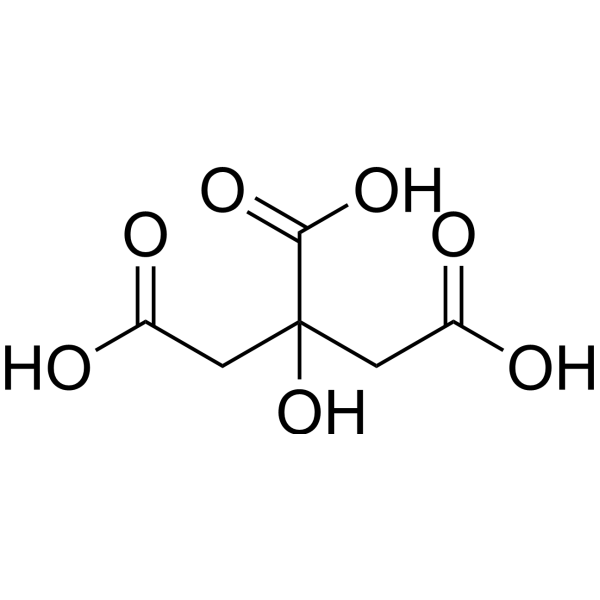 0 Images
Citric acid is a natural preservative and food tartness enhancer. Citric acid induces apoptosis and cell cycle arrest at G2/M phase and S phase in HaCaT cells. Citric acid cause oxidative damage of the liver by means of the decrease of antioxidative enzyme activities. Citric acid is also an acidulant, emulsifier, sequestrant and buffering agent widely used across many industries.
-
Doxorubicin hydrochloride (Standard)
 0 ImagesSynonyms: Hydroxydaunorubicin hydrochloride (Standard); ADR (Standard)
Doxorubicin hydrochloride (Standard) is the analytical standard of Doxorubicin hydrochloride. This product is intended for research and analytical applications. Doxorubicin (Hydroxydaunorubicin) hydrochloride, a cytotoxic anthracycline antibiotic, is an anti-cancer chemotherapy agent. Doxorubicin hydrochloride is a potent human DNA topoisomerase I and topoisomerase II inhibitor with IC50s of 0.8 μM and 2.67 μM, respectively. Doxorubicin hydrochloride reduces basal phosphorylation of AMPK and its downstream target acetyl-CoA carboxylase. Doxorubicin hydrochloride induces apoptosis and autophagy.
-
BMS-1
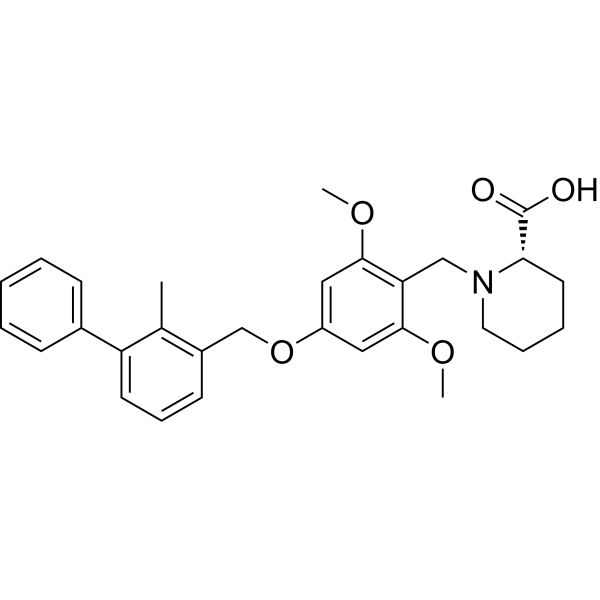 0 ImagesSynonyms: PD-1/PD-L1 inhibitor 1
BMS-1 is an inhibitor of the PD-1/PD-L1 protein/protein interaction (IC50 between 6 and 100 nM).
-
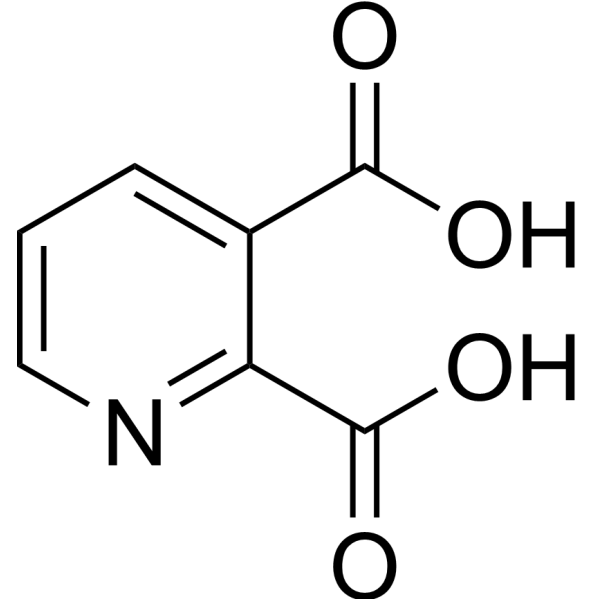
Quinolinic acid
 0 Images
Quinolinic acid, an endogenous metabolite of tryptophan, is a N-methyl-D-aspartate receptor (NMDA receptor) agonist. Quinolinic acid increases glutamate efflux, induces the generation of ROS, activates nitric oxide synthase, produces excessive NO, leading to calcium ion influx and neuronal apoptosis.
-
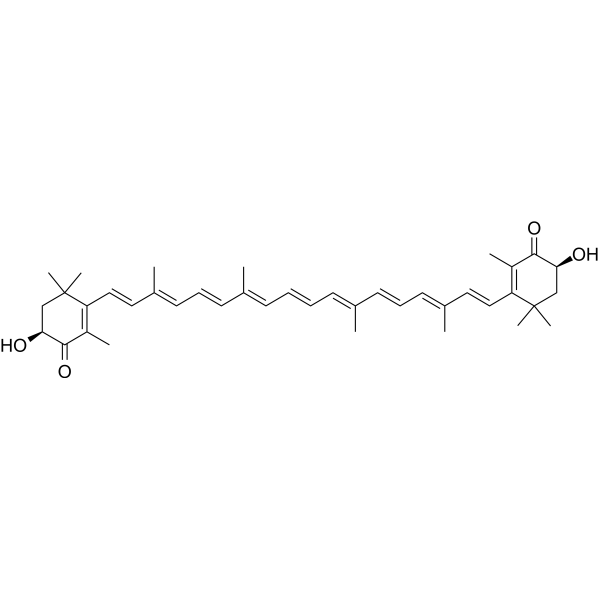
Astaxanthin
 0 Images
Astaxanthin, the red dietary carotenoid, is an orally effective and potent antioxidant. Astaxanthin inhibits NF-κB and down-regulates VEGF in blood glucose. Astaxanthin exerts anti-cancer cell proliferation, increases apoptosis, impairs migration and invasion by activating PPARγ and reducing the expression of STAT3. Astaxanthin also has neuroprotective and anti-inflammatory activity and can be used in studies of cancer, diabetic retinopathy, cardiovascular disease, and in the coloring of animal feed.
-
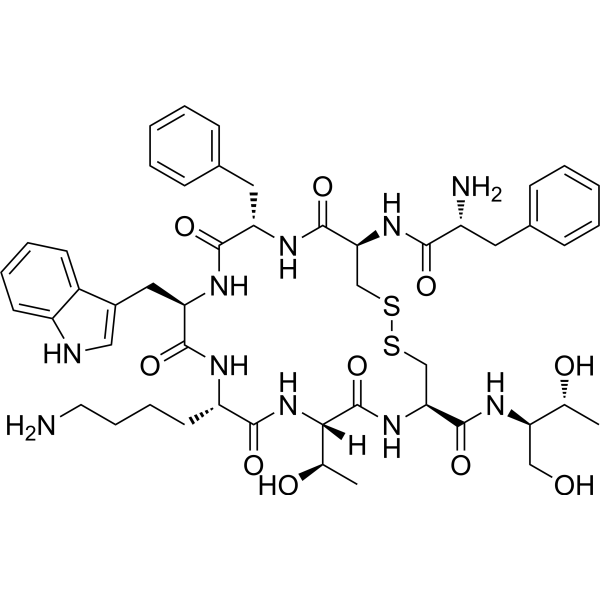
Octreotide
 0 ImagesSynonyms: SMS 201-995
Octreotide (SMS 201-995) is a somatostatin receptor agonist and synthetic octapeptide endogenous somatostatin analogue. Octreotide (SMS 201-995) can bind to the somatostatin receptor and mainly subtypes 2, 3, and 5, increases Gi activity, and reduces intracellular cAMP production. Octreotide (SMS 201-995) has antitumor activity, mediates apoptosis and may also be used in disease studies in acromegaly.
-
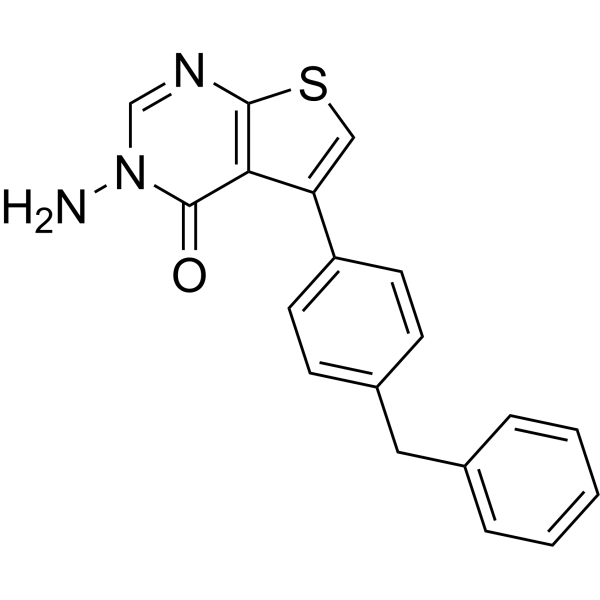
Barbadin
 0 Images
Barbadin is a novel and selective β-arrestin/β2-adaptin interaction inhibitor, has IC50 values of 19.1 μM for β-arrestin1 and 15.6 μM for β-arrestin2. Barbadin blocks agonist-promoted endocytosis of the prototypical β2-adrenergic, V2-vasopressin and angiotensin-II type-1 receptors. Barbadin can induce apoptosis.
-
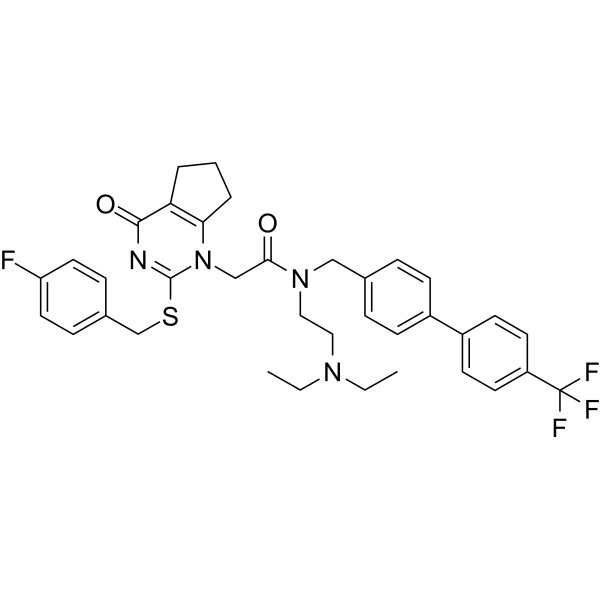
Darapladib
 0 ImagesSynonyms: SB-480848
Darapladib (SB-480848) is an orally active, selective and reversible Lp-PLA2 inhibitor (IC50=0.25 nM). Darapladib can trigger irreversible actions on glioma cell apoptosis and induce cycle arrest. Darapladib can be used in the study of atherosclerosis and cancer.
-
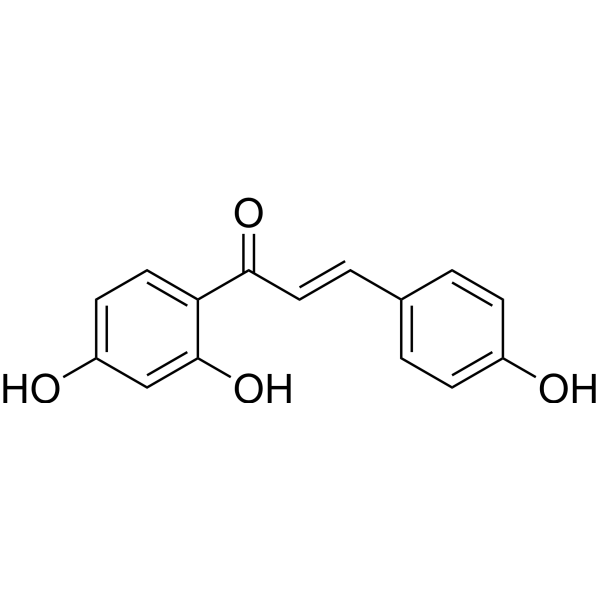
Isoliquiritigenin
 0 ImagesSynonyms: GU17; ISL; Isoliquiritigen; SJ000286237
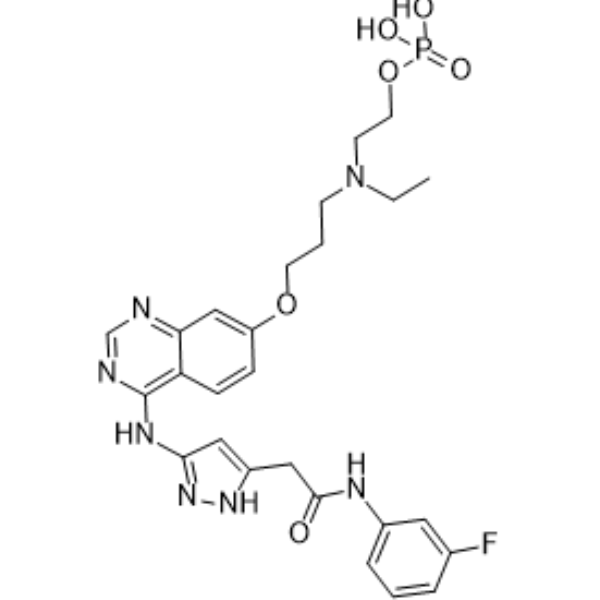
Isoliquiritigenin is an anti-tumor flavonoid from the root of Glycyrrhiza uralensis Fisch., which inhibits aldose reductase with an IC50 of 320 nM. Isoliquiritigenin is a potent inhibitor of influenza virus replication with an EC50 of 24.7 μM.
-
Tamibarotene
 0 ImagesSynonyms: Am 80
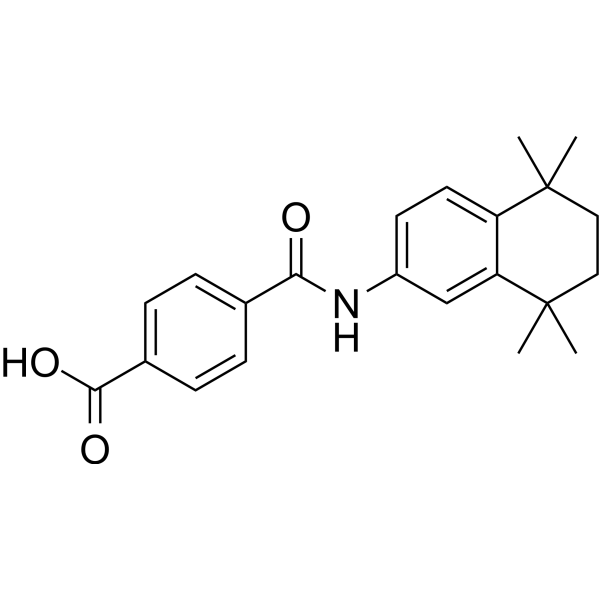
Tamibarotene is an orally active retinoic acid receptor α (RARα) agonist, showing high selectivity over RARγ.
-
L-Glutamic acid monosodium salt
 0 Images
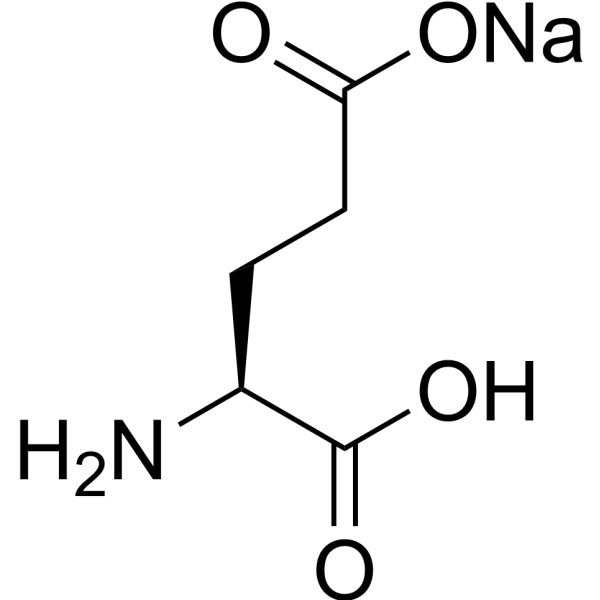
L-Glutamic acid monosodium salt is an excitatory amino acid neurotransmitter that acts as an agonist for all subtypes of glutamate receptors (metabolic rhodophylline, NMDA, and AMPA). L-Glutamic acid monosodium salt has an agonist effect on the release of DA from dopaminergic nerve endings. L-Glutamic acid monosodium salt can be used in the study of neurological diseases. L-Glutamic acid monosodium salt acts at ionotropic and metabotropic glutamate receptors.



