



Bcl-2 Family Modulator
-
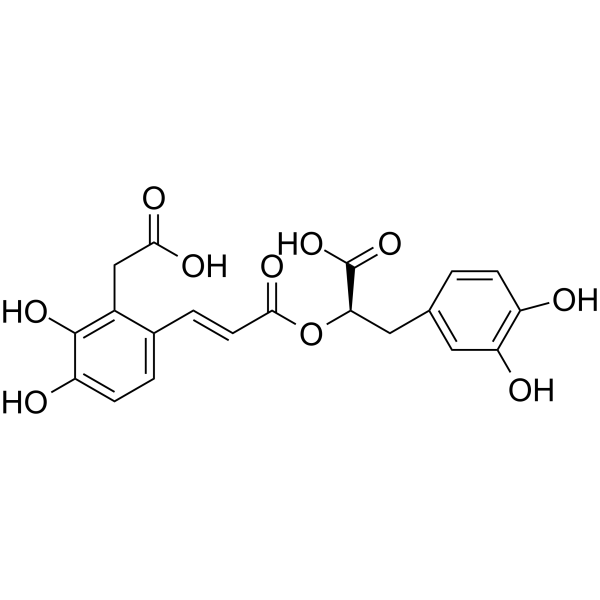
Salvianolic acid D
 0 ImagesCat. No.: HY-N0320CAS No.: 142998-47-8
Salvianolic acid D is a depside. Salvianolic acid D can be isolated from Salvia miltiorrhiza (Danshen). Salvianolic acid D promotes the expression of Bcl-2, and inhibits the expressions of Bax, Cleaved caspase-3 and -9. Salvianolic acid D reduces the expression levels of TLR4, MyD88 and TRAF6 proteins both in vitro and in vivo, and significantly inhibits the nuclear translocation of NF-κB. Salvianolic acid D inhibits the cytoplasmic translocation of HMGB1. Salvianolic acid D suppresses inflammatory responses and alleviates cerebral ischemia-reperfusion injury. Salvianolic acid D serves as a potential antiplatelet active component.
-
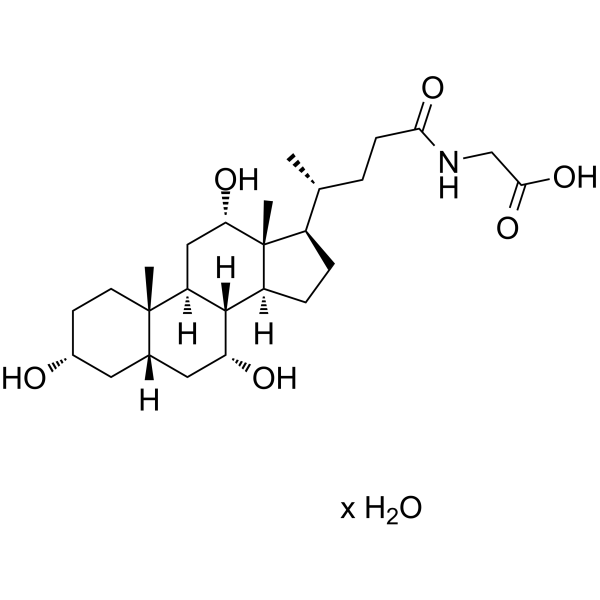
Glycocholic acid hydrate
 0 Images
Glycocholic acid hydrate is a bile acid derivative. Glycocholic acid hydrate downregulates MDR1, Bcl-2, MRP1, MRP2 and FXR, upregulates Bax, p53, caspase-9, caspase-3, TGR5 and S1PR2. Glycocholic acid hydrate inhibits multidrug resistance and efflux pumps, induces mitochondrial apoptosis, and enhances chemosensitivity. Glycocholic acid hydrate modulates related bile acid receptor signaling. Glycocholic acid hydrate suppresses growth and conjugation of Enterobacteriaceae and increases their antibiotic susceptibility. Glycocholic acid hydrate can be used for the research of colon adenocarcinoma and cholangiocarcinoma (CCA).
-
Desacetylcinobufotalin
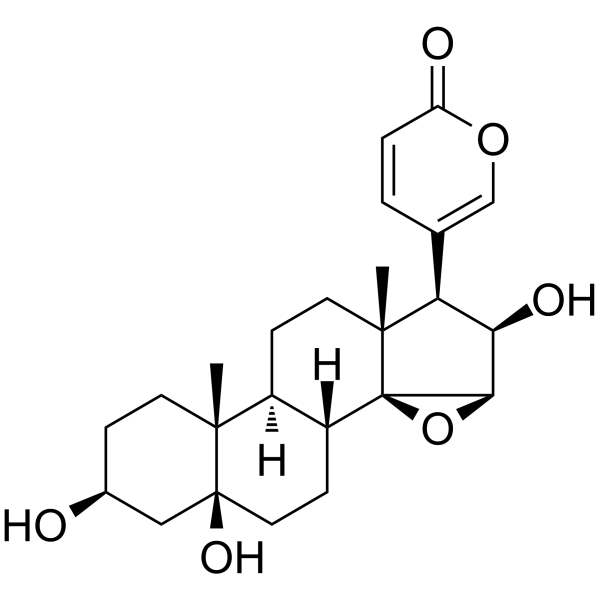 0 ImagesDesacetylcinobufotalin is an active component isolated from Venenum Bufonis, which exhibits significant cytotoxicity against human hepatocellular carcinoma HepG2 cells (IC50 = 0.0279 µmol/mL). Desacetylcinobufotalin upregulates Bax protein expression, downregulates Bcl-2 protein expression, and induces apoptosis via the mitochondrial pathway. Desacetylcinobufotalin inhibits cancer cell survival, and shows lower cytotoxicity compared to its parent compound Cinobufagin (HY-N0421). Desacetylcinobufotalin can be used in hepatocellular carcinoma-related research.
-
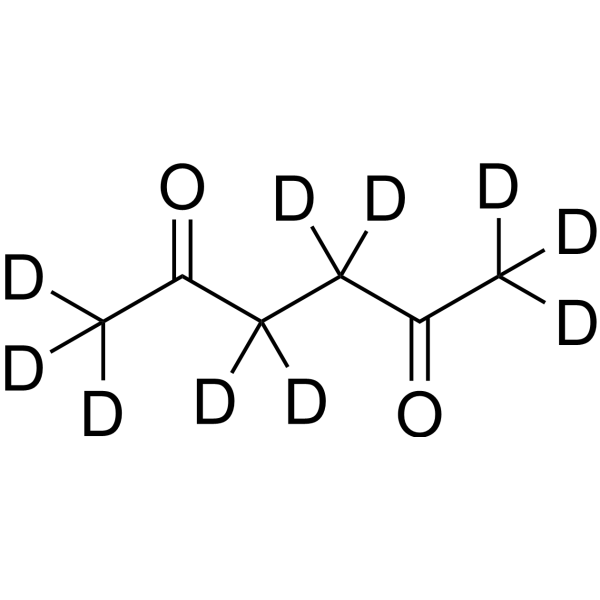
2,5-Hexanedione-d10
 0 ImagesSynonyms: 2,5-HD-d10
2,5-Hexanedione-d10 (2,5-HD-d10) is the deuterium labeled 2,5-Hexanedione. Hexane-2,5-dione (2,5-HD) is an orally active, CNS-penetrant cytotoxic agent. Hexane-2,5-dione reduces BCL-2 and β-catenin/TCF transcriptional activity, increases BAX and active caspase-3 expression, and promotes apoptosis. Hexane-2,5-dione causes an accumulation of neurofilaments within axons in rats. Hexane-2,5-dione can be used for the research of neurodegenerative diseases.
-
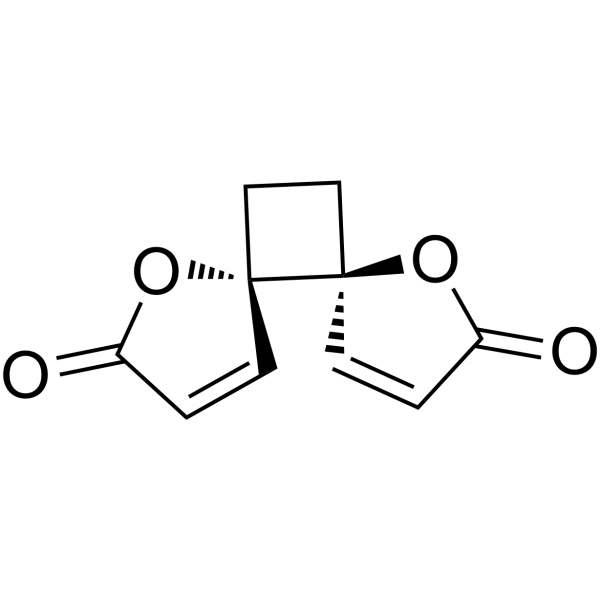
Anemonin
 0 ImagesSynonyms: Pulsatilla camphor; Anemonine; trans-Anemonin
Anemonin (Pulsatilla camphor; Anemonine; trans-Anemonin) is a naturally occurring bislactone small molecule derived from Ranunculaceae with blood-brain barrier permeability, possessing a variety of activities including anti-inflammatory, antioxidant, neuroprotective, melanogenesis-inhibiting, and antiparasitic effects. Anemonin inhibits iNOS to reduce NO release; it inhibits PKC-θ protein expression and downregulates the pro-inflammatory factors TNF-α, IL-1β, and IL-6; it enhances the activities of the antioxidant enzymes SOD, CAT, and GSH-Px, and reduces MDA and ROS levels. Anemonin modulates the Bcl-2 / Bax / caspase-3 pathway to inhibit apoptosis; it downregulates melanogenesis-related molecules including MITF, TYR, TRP1, and TRP2, thereby inhibiting melanin synthesis in human melanocytes. Anemonin inhibits Leishmania and Schistosoma mansoni. Anemonin is used in research related to diseases such as hyperpigmentation, cerebral ischemia/reperfusion injury, inflammation, sepsis-induced acute lung injury, acute ulcerative colitis, leishmaniasis, and schistosomiasis.
-
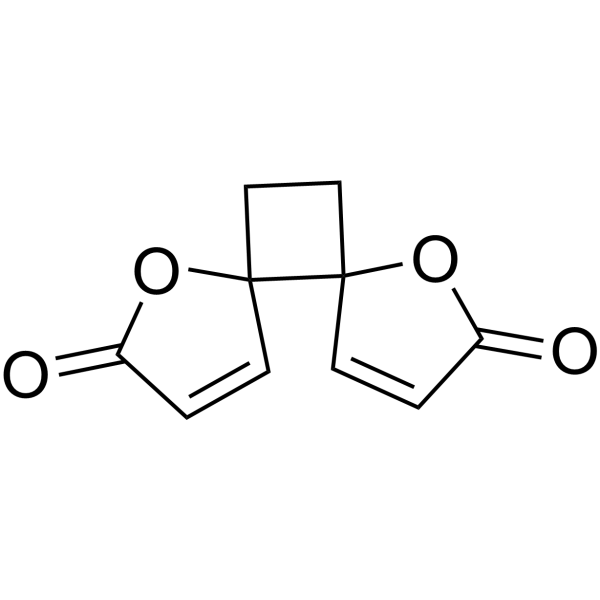
(Rac)-Anemonin
 0 ImagesSynonyms: (Rac)-Pulsatilla camphor; (Rac)-Anemonine
(Rac)-Anemonin ((Rac)-Pulsatilla camphor; (Rac)-Anemonine) is an isomer of Anemonin. Anemonin is a naturally occurring bislactone small molecule derived from Ranunculaceae with blood-brain barrier permeability, possessing a variety of activities including anti-inflammatory, antioxidant, neuroprotective, melanogenesis-inhibiting, and antiparasitic effects. Anemonin inhibits iNOS to reduce NO release; it inhibits PKC-θ protein expression and downregulates the pro-inflammatory factors TNF-α, IL-1β, and IL-6; it enhances the activities of the antioxidant enzymes SOD, CAT, and GSH-Px, and reduces MDA and ROS levels. Anemonin modulates the Bcl-2 / Bax / caspase-3 pathway to inhibit apoptosis; it downregulates melanogenesis-related molecules including MITF, TYR, TRP1, and TRP2, thereby inhibiting melanin synthesis in human melanocytes. Anemonin inhibits Leishmania and Schistosoma mansoni. Anemonin is used in research related to diseases such as hyperpigmentation, cerebral ischemia/reperfusion injury, inflammation, sepsis-induced acute lung injury, acute ulcerative colitis, leishmaniasis, and schistosomiasis.
-
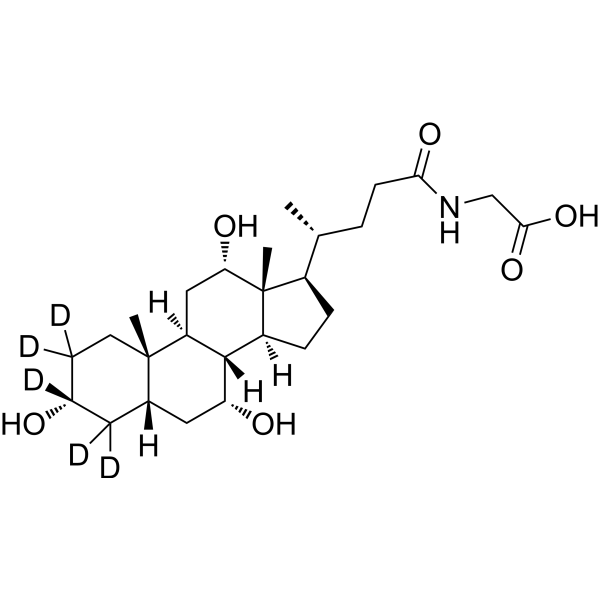
Glycocholic acid-d5
 0 Images
Glycocholic acid-d5 is the deuterium labeled Glycocholic acid (HY-N1423). Glycocholic acid is a bile acid derivative. Glycocholic acid downregulates MDR1, Bcl-2, MRP1, MRP2 and FXR, upregulates Bax, p53, caspase-9, caspase-3, TGR5 and S1PR2. Glycocholic acid inhibits multidrug resistance and efflux pumps, induces mitochondrial apoptosis, and enhances chemosensitivity. Glycocholic acid modulates related bile acid receptor signaling. Glycocholic acid suppresses growth and conjugation of Enterobacteriaceae and increases their antibiotic susceptibility. Glycocholic acid can be used for the research of colon adenocarcinoma and cholangiocarcinoma (CCA).
-
Sotetsuflavone
 0 Images
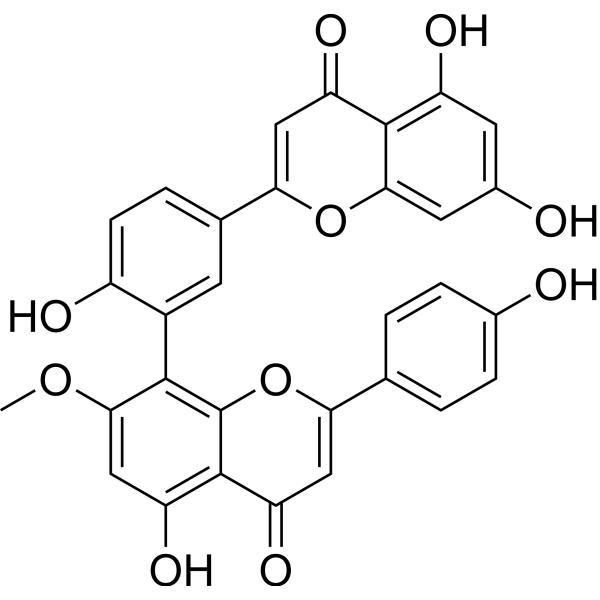
Sotetsuflavone is a flavonoid that can be isolated from Cycas revolute. Sotetsuflavone inhibits phosphorylation of PI3K, Akt, mTOR, JNK, and p38 MAPK; modulates expression of Cyclin D1, CDK4, Bcl-2, Bax, cleaved caspases 3/9, MMP-9, TGF-β, STAT3, and β-catenin. Sotetsuflavone induces G0/G1 cell cycle arrest, apoptosis, autophagy, and intracellular ROS elevation, inhibits cancer cell proliferation. Sotetsuflavone inhibits tumor growth in mouse tumor xenograft models. Sotetsuflavone can be used for the research of non-small cell lung cancer and Crohn’s disease.
-
7-Epi 10-desacetyl paclitaxel
 0 ImagesSynonyms: 7-epi-10-deacetyltaxol; 10-Deacetyl-7-epipaclitaxel
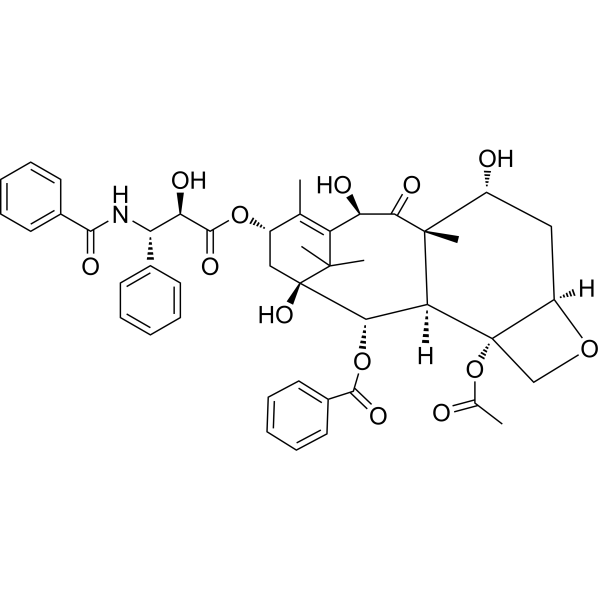
7-Epi 10-desacetyl paclitaxel (7-epi-10-deacetyltaxol; 10-Deacetyl-7-epipaclitaxel) is a taxane diterpenoid that can be found in Taxus species and is also produced by the endophytic fungus Pestalotiopsis microspora. 7-Epi 10-desacetyl paclitaxel inhibits cancer cell proliferation and induces apoptosis and cell cycle arrest. 7-Epi 10-desacetyl paclitaxel induces apoptosis through the intrinsic mitochondrial pathway, a process associated with ROS generation, an increased Bax/Bcl-2 ratio, and PARP cleavage. 7-Epi 10-desacetyl paclitaxel can be used in research on hepatocellular carcinoma.
-
Aspidin BB
 0 Images
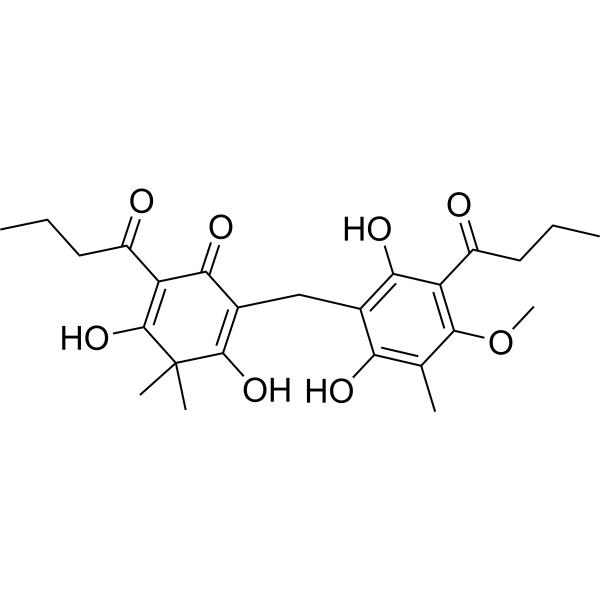
Aspidin BB is a phloroglucinol derivative, which can be isolated from the aerial part of Dryopteris championii. Aspidin BB has anticancer activity. Aspidin BB induces cell cycle arrest and apoptosis in human ovarian HO-8910 cells.
-
Amantadine (Standard)
 0 ImagesSynonyms: 1-Adamantanamine (Standard); 1-Aminoadamantane (Standard)
Amantadine (Standard) is the analytical standard of Amantadine. This product is intended for research and analytical applications. Amantadine (1-Adamantanamine) is an orally avtive and potent antiviral agent with activity against influenza A viruses. Amantadine inhibits several ion channels such as NMDA and M2, and also inhibits Coronavirus ion channels. Amantadine also has anti-orthopoxvirus and anticancer activity. Amantadine can be used for Parkinson's disease, postoperative cognitive dysfunction (POCD) and COVID-19 research[4].
-
CMIT/MIT (2.0-2.5% in water)
 0 ImagesCat. No.: HY-W017982ACAS No.: 55965-84-9Synonyms: CMI/MI (2.0-2.5% in water)
CMIT/MIT (2.0-2.5% in water) (CMI/MI (2.0-2.5% in water)) is a mixture of CMIT and MIT, and is also a preservative and skin sensitizer. CMIT/MIT (2.0-2.5% in water) increases the levels of phosphorylated ERK1/2, p38, JNK1/2, p53, p21 and Bax, decreases the level of Bcl-2, and activates the Nrf-2/HO-1 signaling pathway. CMIT/MIT (2.0-2.5% in water) increases LDH release and lipid peroxidation levels, impairs antioxidant defense capacity, promotes pro-inflammatory cytokine release, induces apoptosis, triggers cell cycle arrest, exhibits neurotoxicity in neuroblastoma cells, and causes dysregulation of Th2/Th17 immune responses. CMIT/MIT (2.0-2.5% in water) can be used in studies related to allergy, atopic dermatitis and lung injury.
-
Apoptosis inducer 19
 0 Images
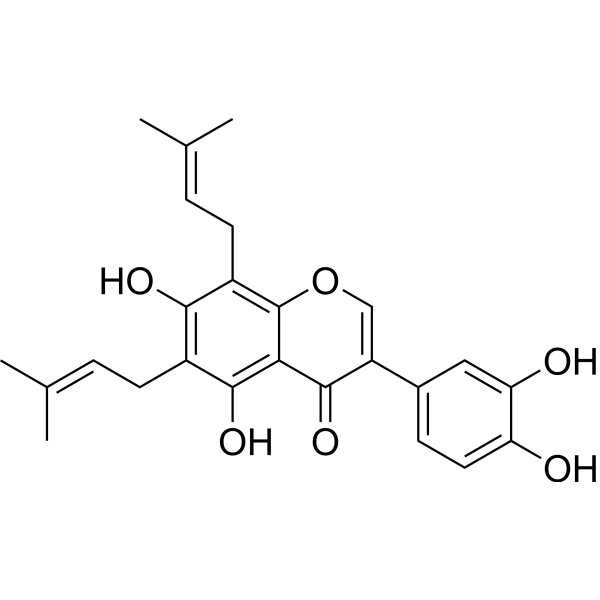
Apoptosis inducer 19 (Compound 7g) is an Apoptosis inducer. Apoptosis inducer 19 elevates expression of pro-apoptotic proteins (Bax and caspase-3) and downregulates anti-apoptotic protein (Bcl-2). Apoptosis inducer 19 upregulates cellular reactive oxygen species (ROS) levels and disrupts mitochondrial membrane potential (MMP). Apoptosis inducer 19 can be used for triple-negative breast cancer (TNBC) research.
-
Benzylurea
 0 Images
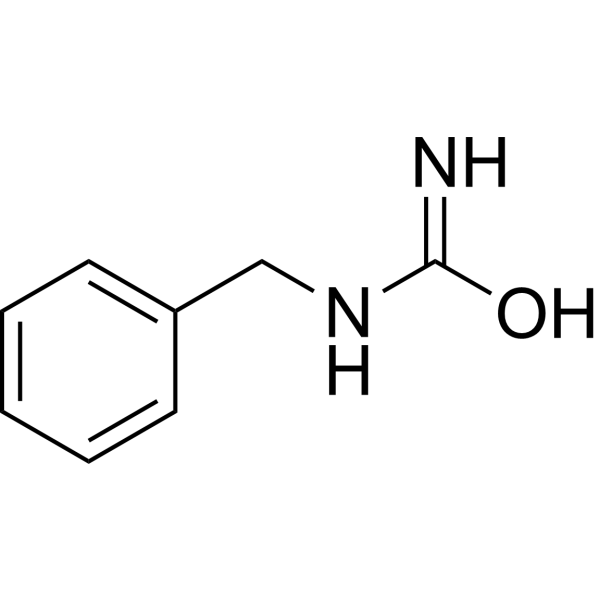
Benzylurea is an anti-inflammatory agent. Benzylurea inhibits LPS (HY-D1056)-induced upregulation of MTCH2 expression and regulates pathways associated with mitochondrial function, inflammation and cell survival. Benzylurea alleviates LPS-induced proliferation inhibition and apoptosis of periodontal ligament fibroblasts, as well as the release of proinflammatory cytokines. Benzylurea can be used in studies related to periodontitis.
-
Amantadine sulfate
 0 ImagesCat. No.: HY-B0402BCAS No.: 31377-23-8Synonyms: 1-Adamantanamine sulfate; 1-Aminoadamantane sulfate
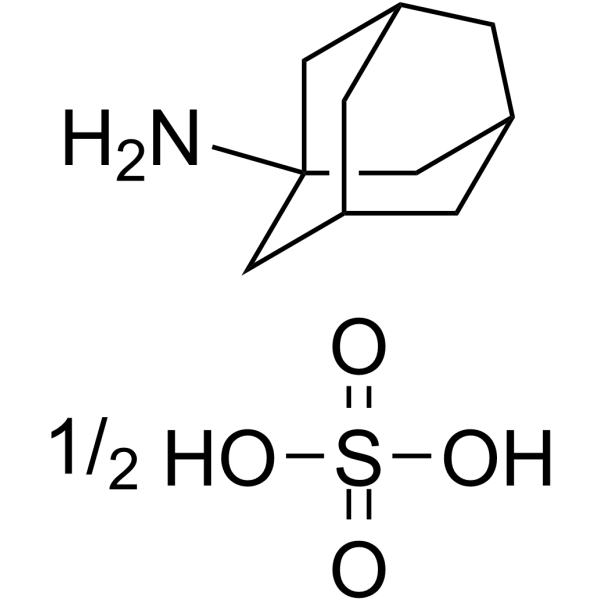
Amantadine (1-Adamantanamine) sulfate is an orally avtive and potent antiviral agent with activity against influenza A viruses. Amantadine sulfate inhibits several ion channels such as NMDA and M2, and also inhibits Coronavirus ion channels. Amantadine sulfate also has anti-orthopoxvirus and anticancer activity. Amantadine sulfate can be used for Parkinson's disease, postoperative cognitive dysfunction (POCD) and COVID-19 research.
-
FKL-137
 0 ImagesCat. No.: HY-183069
FKL-137 is a GLUT1 and PI3K/AKT signaling pathway inhibitor. FKL-137 binds to GLUT1, reduces glucose uptake and lactate secretion, downregulates glucose metabolism-related proteins, and inhibits erythroleukemia cell proliferation. FKL-137 downregulates PI3K, p-PI3K, AKT, p-AKT levels, disrupts the PI3K/AKT-GLUT1 positive feedback loop, and suppresses erythroleukemia cell proliferation. FKL-137 induces apoptosis via upregulated Bax, Cleaved-PARP and downregulated Bcl-2, PARP. FKL-137 can be used for the research of erythroleukemia.
-
Scoulerine hydrochloride
 0 ImagesCat. No.: HY-N1255ACAS No.: 51486-68-1Synonyms: (-)-Scoulerine hydrochloride; Discretamine hydrochloride
Scoulerine ((-)-Scoulerine; Discretamine) hydrochloride is a multi-target inhibitor with anti-tumor and antioxidant activities. Scoulerine hydrochloride mainly targets the PI3K/Akt/mTOR signaling axis and α1D-adrenergic receptor, disrupts microtubule structure, and induces cell cycle arrest and apoptosis. Scoulerine hydrochloride effectively inhibits mitochondrial dehydrogenase activity, targets GABA receptors and BACE1, and suppresses the proliferation, migration, invasion, epithelial-mesenchymal transition and stem cell properties of cancer cells. Scoulerine hydrochloride also exhibits multiple pharmacological activities including anti-Plasmodium falciparum, antibacterial, antiemetic and antitussive effects, and regulates endoplasmic reticulum stress and mitochondrial function (modulates Bax, Bcl-2 and cytochrome c). Scoulerine hydrochloride is applicable to research related to leukemia, ovarian cancer, and colorectal cancer.




