



Caspase Activator
-
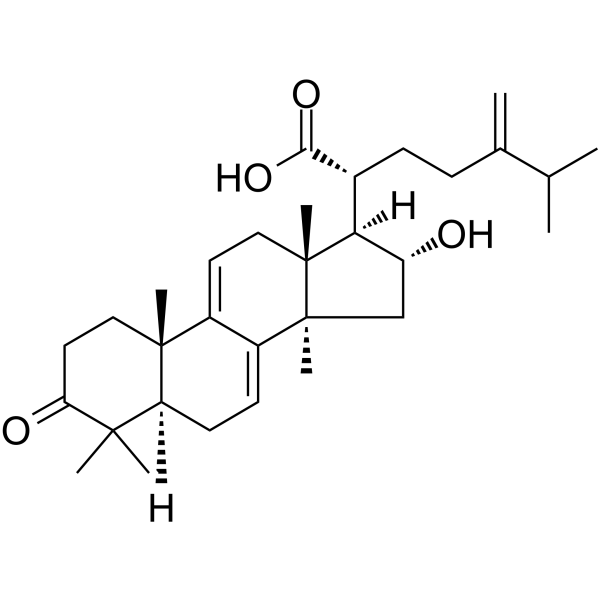
Polyporenic acid C
 0 Images
Polyporenic acid C is a lanostane-type triterpenoid. Polyporenic acid C can be isolated from Poria cocos. Polyporenic acid C causes the cleavage of caspase-8 and caspase-3, as well as the cleavage of PARP. Polyporenic acid C reduces the phosphorylation level of Akt (Ser473), increases the phosphorylation of PTEN and p53 (Ser15), and activates JNK. Polyporenic acid C induces Apoptosis. Polyporenic acid C shows anticancer activity against non-small cell lung cancer.
-
PMV6-PEG4-BI2536
 0 ImagesCat. No.: HY-179560Purity: 98.47%
PMV6-PEG4-BI2536 is an RIPTAC-like bifunctional molecule that promotes the formation of the p53Y220C-PLK1 ternary complex (EC50 = 1.4 μM). PMV6-PEG4-BI2536 causes PLK1 mislocalization and inhibits PLK1 activity, inducing G2/M phase arrest and apoptosis in p53Y220C-mutant cells, while sparing cells with wild-type TP53. PMV6-PEG4-BI2536 can be used in research on uterine, gastric, pancreatic, prostate, and breast cancers harboring the p53Y220C mutation. PMV6-PEG4-BI2536 is composed of PMV6 (a p53Y220C mutant-binding ligand), PEG4 (a linker), and BI2536 (HY-159493) (a PLK inhibitor).
-
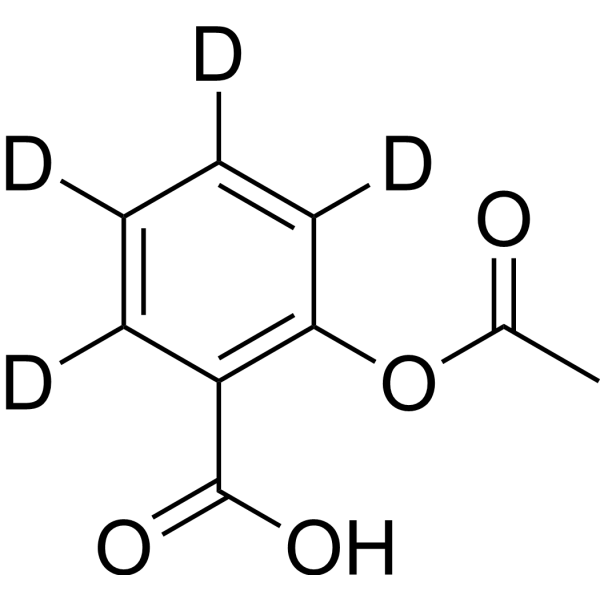
Aspirin-d4
 0 ImagesSynonyms: Acetylsalicylic acid-d4; ASA-d4
Aspirin-d4 is the deuterium labeled Aspirin (HY-14654). Aspirin (Acetylsalicylic acid) is an orally active, potent and irreversible inhibitor of cyclooxygenase COX-1 and COX-2, with IC50 values of 5 and 210 μg/mL, respectively. Aspirin induces apoptosis. Aspirin inhibits the activation of NF-κB. Aspirin also inhibits platelet prostaglandin synthetase, and can prevent coronary artery and cerebrovascular thrombosis.
-
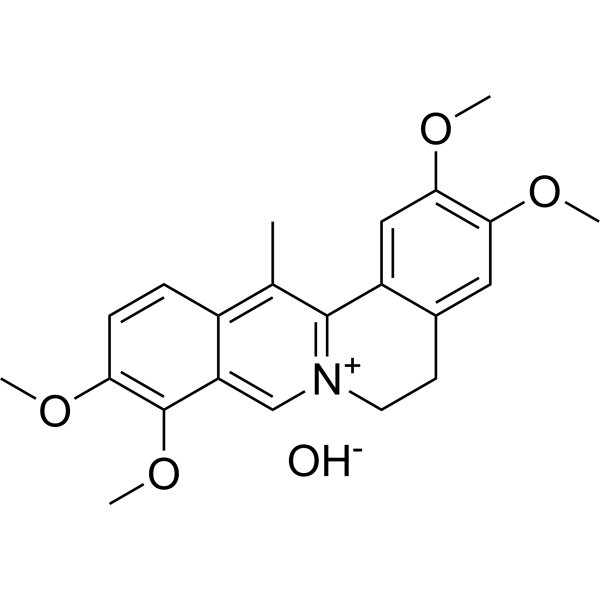
Dehydrocorydaline (hydroxyl)
 0 ImagesCat. No.: HY-N0674BPurity: 99.52%Synonyms: 13-Methylpalmatine (hydroxyl)
Dehydrocorydaline (13-Methylpalmatine) hydroxyl is an alkaloid that regulates protein expression of Bax, Bcl-2; activates caspase-7, caspase-8, and inactivates PARP. Dehydrocorydaline hydroxyl elevates p38 MAPK activation. Anti-inflammatory and anti-cancer activities. Dehydrocorydaline hydroxyl shows strong anti-malarial effects (IC50=38 nM), and low cytotoxicity (cell viability > 90%) using P. falciparum 3D7 strain.
-
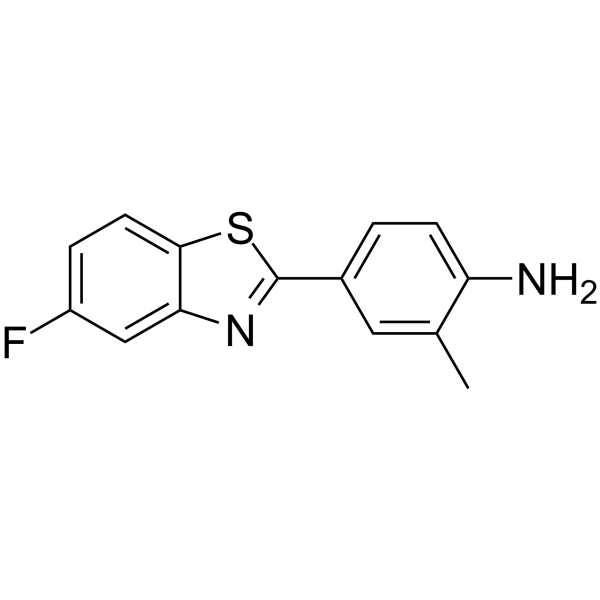
5F-203
 0 ImagesSynonyms: NSC-703786
5F-203 (NSC-703786) is an aryl hydrocarbon receptor (AhR) agonist and the active moiety of the water-soluble benzothiazole prodrug Phortress (HY-103223). 5F-203 binds to cytosolic AhR and induces CYP1A1 and CYP1B1 expression. 5F-203 activates AhR signaling to induce DNA damage, cell cycle arrest, apoptosis, caspase-3/-7 activation, lysosomal membrane permeabilization, and Cathepsin B release. 5F-203 induces CYGB and pro-apoptotic protein expression and NAG-1 mRNA/protein induction through RNA stabilization. 5F-203 is used in research related to cancers such as triple-negative breast cancer and colorectal cancer.
-
Chamaejasmine
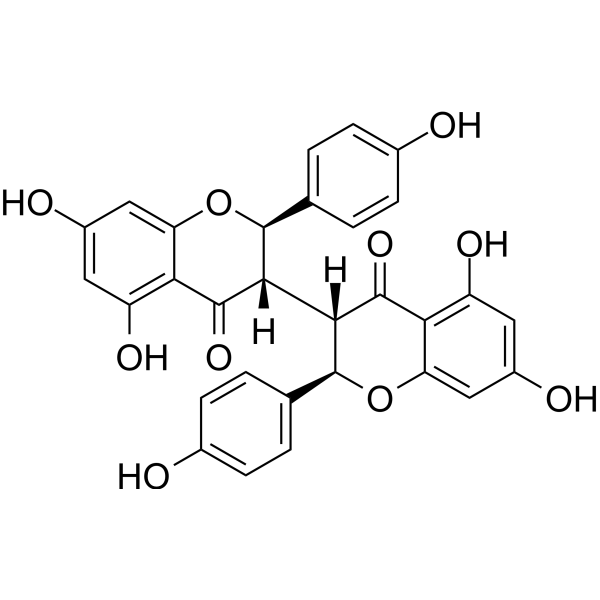 0 ImagesSynonyms: Chamaejasmin
Chamaejasmine (Chamaejasmin) is a natural biflavonoid found in the roots of Stellera chamaejasme, exhibiting antitumor activity. Chamaejasmine inhibits Bcl-2, upregulates Bax, and induces cleavage of caspase-9/-3 and PARP. Chamaejasmine induces ROS production, Δψm loss, cytochrome c release, G2/M arrest, apoptosis, and autophagy. Chamaejasmine induces apoptosis and autophagy through activation of AMPK and inhibition of mTOR, and inhibits microtubule depolymerization by binding to β-tubulin. Chamaejasmine inhibits IL-4, IgE, β-hexosaminidase, and mast cell infiltration, and improves skin barrier function in AD models. Chamaejasmine exhibits cytotoxicity against various cancer cells. Chamaejasmine can be used in research related to various cancers such as lung adenocarcinoma and osteosarcoma, as well as atopic dermatitis.
-
Bakkenolide A
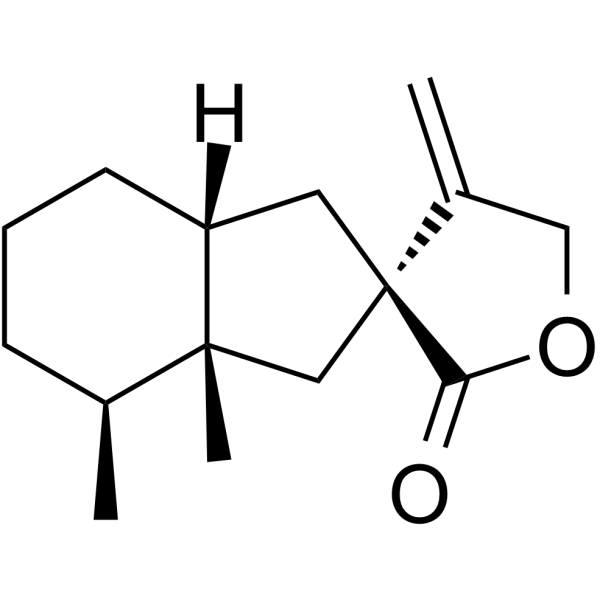 0 Images
Bakkenolide A is an anticancer agent. Bakkenolide A reduces the viability of leukemia cells, inhibits cell colony formation and invasion, and downregulates the expression of HDAC3 in cells. Bakkenolide A downregulates the expression of pro-inflammatory cytokines including TNF-α, interleukins such as IL-1β, TGF-β1 and IFN-γ, as well as the expression of PI3K, PDK and PKC in leukemia cells. Bakkenolide A downregulates activated Akt, GSK and Bad, while upregulates Cyto-c, cleaved Caspase3 and cleaved Caspase7, induces apoptosis (apoptosis) in leukemia cells and thereby inhibits inflammatory responses in leukemia cells. Bakkenolide A significantly slows the growth of subcutaneous leukemia tumors in nude mice. Bakkenolide A is applicable to leukemia-related research.
-
Bfl-1-IN-5
 0 Images
Bfl-1-IN-5 is a covalent and selective Bfl-1 inhibitor with an IC50 of 22 nM. Bfl-1-IN-5 shows selectivity for Bfl-1 over Bcl-xl, Bcl-2 and Mcl-1. Bfl-1-IN-5 induces caspase-3/7 activation, reduces the viability of Bfl-1-expressing lymphoma cells in combination with an Mcl-1 inhibitor, and binds covalently to intracellular Bfl-1. Bfl-1-IN-5 can be used for lymphoma research.
-
Macranthoside B
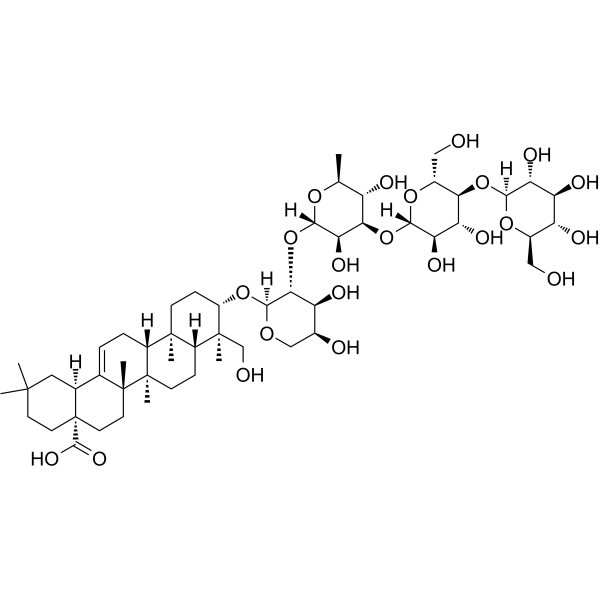 0 Images
Macranthoside B is an apoptosis inducer with in vitro and in vivo anticancer activity. Macranthoside B induces autophagy and ferroptosis in cancer cells. Macranthoside B induces intracellular ROS accumulation, activates AMPK, inhibits mTOR and P70S6 kinase phosphorylation, and modulates Bcl-2/Bax expression. Macranthoside B activates caspase-3, caspase-9, and the intrinsic caspase cascade, induces PARP cleavage/degradation, and inhibits NRF2 signaling. Macranthoside B disrupts iron homeostasis via NCOA4-dependent ferritinophagy, up-regulates Lip-ROS, reduces mitochondrial membrane potential, and activates the JNK pathway. Macranthoside B can be used for the research of ovarian cancer, hepatoma, gastric carcinoma, breast carcinoma, colon carcinoma, glioma, melanoma, adenocarcinoma of the esophagogastric junction, and cervical cancer.
-
Procaspase-3/6 activator 1
 0 Images
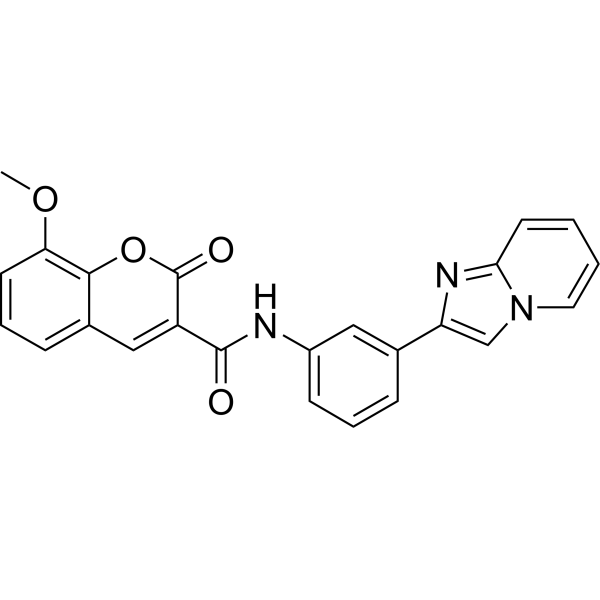
Procaspase-3/6 activator 1 (compound 1541) is a highly specific and robust activator of executioner procaspases-3 and -6, with EC50 values of 2.4 ± 0.2 and 2.8 ± 0.3 μM, respectively. Procaspase-3/6 activator 1 does not activate procaspases-1 or -7.
-
Pentadecanoic acid (Standard)
 0 Images
α-Linolenic acid (Standard) is the analytical standard of α-Linolenic acid. This product is intended for research and analytical applications. α-Linolenic acid, isolated from Perilla frutescens, is an essential fatty acid that cannot be synthesized by humans. α-Linolenic acid can affect the process of thrombotic through the modulation of PI3K/Akt signaling. α-Linolenic acid possess the anti-arrhythmic properties and is related to cardiovascular disease and cancer.
-
Terfenadine (Standard)
 0 ImagesSynonyms: (±)-Terfenadine (Standard); MDL-991 (Standard)
Terfenadine (Standard) is the analytical standard of Terfenadine. This product is intended for research and analytical applications. Terfenadine ((±)-Terfenadine) is a potent open-channel blocker of hERG with an IC50 of 204 nM. Terfenadine, an H1 histamine receptor antagonist, acts as a potent apoptosis inducer in melanoma cells through modulation of Ca2+ homeostasis. Terfenadine induces ROS-dependent apoptosis, simultaneously activates Caspase-4, -2, -9.
-
DIM-3,5-Cl2
 0 Images
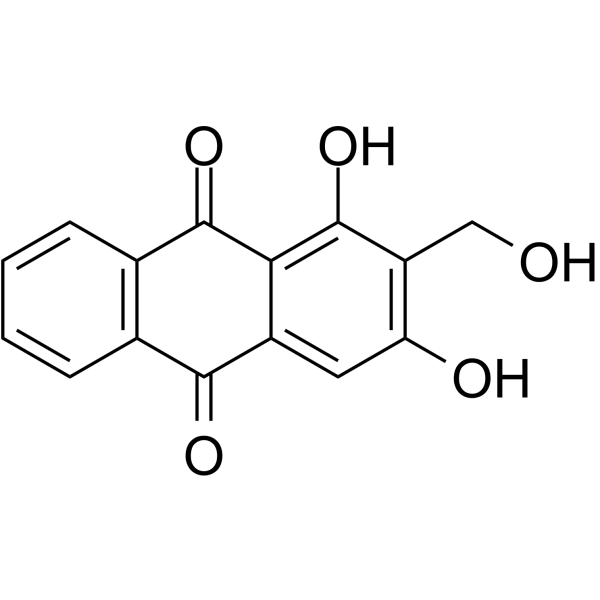
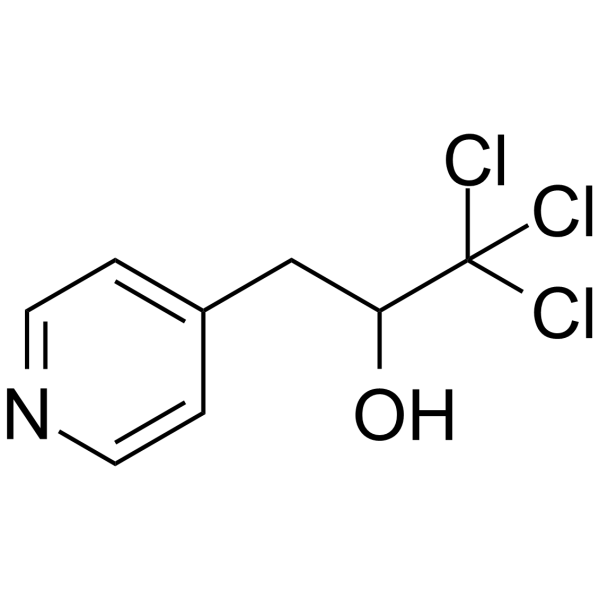
DIM-3,5-Cl2 is an inverse NR4A1/NR4A2 agonist with KD values of 7.7 μM and 12.0 μM for NR4A1 and NR4A2, respectively. DIM-3,5-Cl2 acts as an inverse agonist to downregulate pro-oncogenic and proendometriotic gene products, and as an agonist to enhance NR4A1/2/Sp1/Sp4-mediated CD71 transactivation. DIM-3,5-Cl2 induces ferroptosis via ROS formation, lipoperoxidation, MDA production, and reduced GPX4, SLC7A11 expression. DIM-3,5-Cl2 induces apoptosis via PARP and caspase-3 cleavage, reduced BCL-2 expression, and inhibits cancer cell viability. DIM-3,5-Cl2 can be used for the research of triple negative breast cancer, endometriosis, and colorectal cancer.

-
NKP608
 0 Images
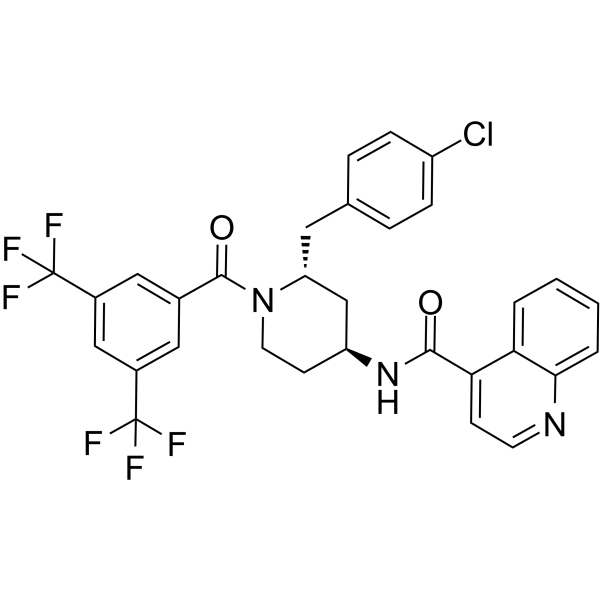
NKP608 is a non-peptidic derivative of 4-aminopiperidine, a highly selective, orally active, neurokinin-1 (NK1) receptor antagonist with IC50 of 2.6 nM. NKP608 is active both in vitro and in vivo, showing extremely low affinity for NK2, NK3 receptors. NKP608 exerts its effects by blocking the NK₁ receptor, regulate cell proliferation and apoptosis, affect neurotransmitter functions and gastric mucosal repair mechanisms, and suppress the Wnt/β-catenin pathway in antitumor research. NKP608 is applicable to research related to various diseases, including cough, anxiety disorders, depression, gastric mucosal injury, and colorectal cancer.
-
Isoegomaketone
 0 ImagesCat. No.: HY-46866CAS No.: 34348-59-9
Isoegomaketone is an orally active apoptosis inducer and radiosensitizer. Isoegomaketone regulates multiple key signaling pathways such as PI3K/AKT/mTOR, NF-κB, MAPK, cleaves Caspase family proteins and PARP, and modulates Bax, AIF and endoplasmic reticulum stress proteins. Isoegomaketone also induces autophagy and keratinocyte proliferation, effectively reduces the levels of inflammatory factors and oxidative stress, inhibits adipocyte differentiation, and resensitizes TRAIL-resistant cancer cells. Isoegomaketone can be applied to research related to colorectal cancer, melanoma, lung cancer, prostate cancer, liver cancer, as well as rheumatoid arthritis and obesity.
-
Cucurbitacin IIa
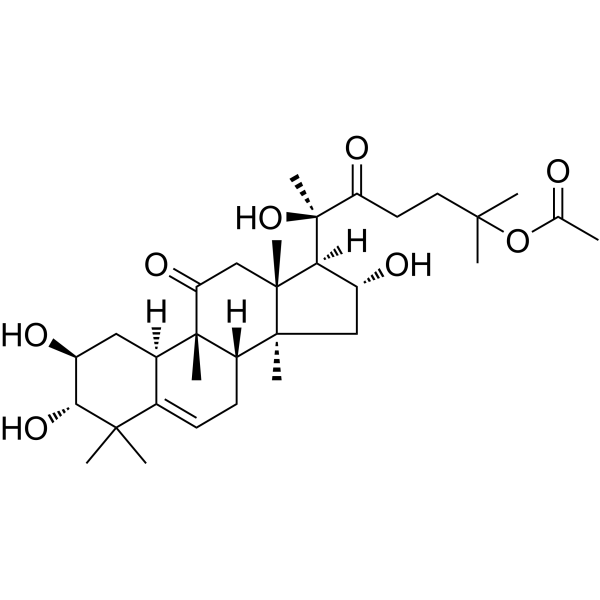 0 ImagesSynonyms: Hemslecin A
Cucurbitacin IIa (Hemslecin A) is an orally active, blood-brain barrier-permeable EGFR inhibitor with an IC50 of 1.455 nM against human EGFR. Cucurbitacin IIa induces caspase-3-dependent apoptosis, downregulates survivin expression, enhances autophagy levels, disrupts the actin cytoskeleton via actin aggregation, arrests the cell cycle at the G2/M phase, and exerts anti-inflammatory activity by inhibiting the EGFR-MAPK signaling pathway. Cucurbitacin IIa can be used in the research of inflammation-related diseases, depression, and cancers such as non-small cell lung cancer.



