



JNK
JNK is a stress-activated MAPK that phosphorylates the N-terminal transactivation domain of c-Jun and regulates proliferation, apoptosis, motility, metabolism, and DNA repair[1]. Mechanistically, MKK4 and MKK7 increase JNK activity through phosphorylation, linking development and stress responses to downstream transcriptional control[2]. In disease models, dysregulated JNK signaling contributes to neurodegeneration, chronic inflammation, cancer, ischemia/reperfusion injury, and apoptosis-related pathology[1][3]. Compared with related isoforms, JNK1 and JNK2 are widely expressed, whereas JNK3 is mainly expressed in the brain, with lower expression in heart and testis[4]. This isoform distinction is experimentally important because JNK3 disruption protected mice from kainic acid-induced seizure activity and hippocampal neuronal apoptosis[5]. For experimental applications, SP600125 provides a reversible ATP-competitive JNK inhibitor that blocks JNK1/2/3 and supports pathway-dissection studies, although inhibitor-based conclusions require target-specific validation[6].
References:
- [1]. Johnson GL, et al. The c-jun kinase/stress-activated pathway: regulation, function and role in human disease. Biochim Biophys Acta. 2007 Aug;1773(8):1341-8. [Content Brief]
- [2]. Los AP, et al. Protein kinase C inhibits binding of diacylglycerol kinase-zeta to the retinoblastoma protein. Biochim Biophys Acta. 2007 Mar;1773(3):352-7. [Content Brief]
- [3]. Cui J, et al. JNK pathway: diseases and therapeutic potential. Acta Pharmacol Sin. 2007 May;28(5):601-8. [Content Brief]
- [4]. Nakano R, et al. Biological Properties of JNK3 and Its Function in Neurons, Astrocytes, Pancreatic β-Cells and Cardiovascular Cells. Cells. 2020 Jul 29;9(8):1802. [Content Brief]
- [5]. Yang DD, et al. Absence of excitotoxicity-induced apoptosis in the hippocampus of mice lacking the Jnk3 gene. Nature. 1997 Oct 23;389(6653):865-70. [Content Brief]
- [6]. Bennett BL, et al. SP600125, an anthrapyrazolone inhibitor of Jun N-terminal kinase. Proc Natl Acad Sci U S A. 2001 Nov 20;98(24):13681-6. [Content Brief]
-
JNK Related Products (377)
Related Products (377)

-
Antibodies (8)
-
1D09C3
 0 ImagesCat. No.: HY-P991590CAS No.: 791073-97-71D09C3 is a fully human anti-HLA-DR monoclonal antibody. 1D09C3 induces apoptosis and cell death involving a cascade of events, including ROS generation, JNK activation, mitochondrial membrane depolarization, and AIF release from mitochondria. 1D09C3 shows potent anti-tumor activity and increases overall survival and median survival in JVM-2 cells and GRANTA-519 cells xenograft mice models. 1D09C3 can be used for the researches of cancer, such as chronic lymphocytic leukemia (CLL).
-
Silybin B (Standard)
 0 ImagesCat. No.: HY-N7046RCAS No.: 142797-34-0Synonyms: Silibinin B (Standard)Silybin (Silibinin B) (Standard) is the analytical standard of Silybin B (HY-N7046). This product is intended for research and analytical applications. Silybin B (Silibinin B) is an orally active amyloid-β aggregation inhibitor and ATR pathway activator, that can cross the blood-brain barrier. Silybin B inhibits Aβ fibril formation and promotes amorphous aggregate formation, while activating the ATR-mediated DNA damage repair pathway and inhibiting JNK/p38 MAPK signaling. Silybin B can reduce Cisplatin (HY-17394)-induced neuronal DNA damage and apoptosis. Silybin B has anti-oxidative stress, cell cycle regulation and neuroprotective activities. Silybin B is mainly used in the study of Alzheimer's disease and Cisplatin chemotherapy-related neurotoxicity.
-
Viridicatol (Standard)
 0 ImagesCat. No.: HY-116474RCAS No.: 14484-44-7Viridicatol (Standard) is the analytical standard of Viridicatol (HY-116474). This product is intended for research and analytical applications. Viridicatol is a quinolone alkaloid with anti-inflammatory, antibacterial, antifungal, osteogenic and chondrogenic activities. Viridicatol reduces the phosphorylation levels of ERK, JNK, p38 and STAT6; inhibits MMP-2, MMP-9, NF-κB signaling pathway and PTP1B; downregulates genes related to mast cell activation; and binds to SHN3 to activate the Wnt/SHN3 signaling pathway. Viridicatol inhibits the expression of pro-inflammatory mediators and cytokines, and promotes osteogenic/chondrogenic differentiation. Viridicatol can be used in studies related to fibrosarcoma, allergy, bacterial infection, fungal infection and osteoporosis.
-
p-Cresyl sulfate (Standard)
 0 ImagesSynonyms: p-Tolyl sulfate (Standard)Platycodin D (Standard) is the analytical standard of Platycodin D. This product is intended for research and analytical applications. Platycodin D is a saponin isolated from Platycodon grandiflorus, acts as an activator of AMPKα, with anti-obesity property. WNT/β-catenin pathway mediates the anti-adipogenic effect of platycodin D.
-
Tau Protein Phosphorylation-IN-1
 0 ImagesCat. No.: HY-175841CAS No.: 3075165-36-2Tau Protein Phosphorylation-IN-1 is a tau protein phosphorylation inhibitor that potently protects PC12 cells against Aβ25–35-induced cytotoxicity (EC50 = 1.93 μM), and can penetrate the blood-brain barrier (BBB).Tau Protein Phosphorylation-IN-1 reverses the hyperphosphorylation of tau, significantly inhibits the expression of certain immune-related cytotoxic factors, suppresses the MAPK and NF-κB signaling pathways, and significantly inhibits the expression of RAGE and the apoptosis factors Bax/Bcl-2, both in vitro and in vivo. Tau Protein Phosphorylation-IN-1 relieves nerve damage, and improves learning and memory in an Alzheimer’s disease (AD) mouse model. Tau Protein Phosphorylation-IN-1 can be used for AD research.
-
Emodic acid
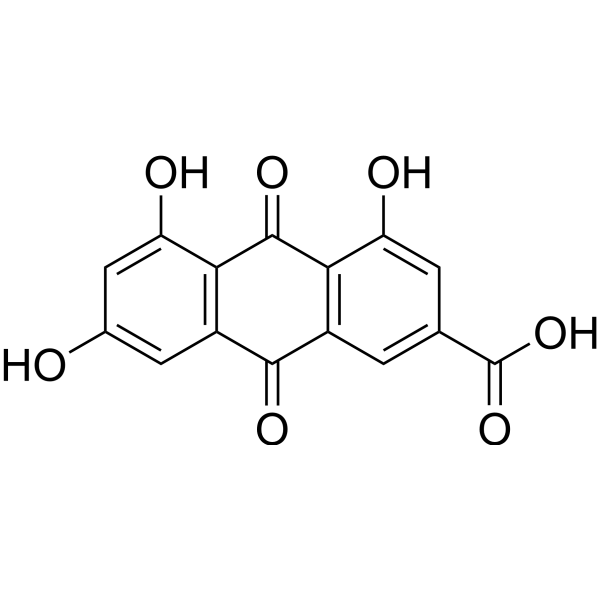 0 ImagesEmodic acid (NSC624610) is an anthraquinone compound isolated from A. microcarpus, which can inhibit the proliferation of cancer cells by inhibiting the activity of NF-κB. Emodic acid can also inhibit the phosphorylation of p38, ERK and JNK, the secretion of tumor-promoting cytokines IL-1β and IL-6, and the expression of VEGF and MMP, thereby inhibiting the invasion and migration potential of cancer cells.
-
GSK2226649A
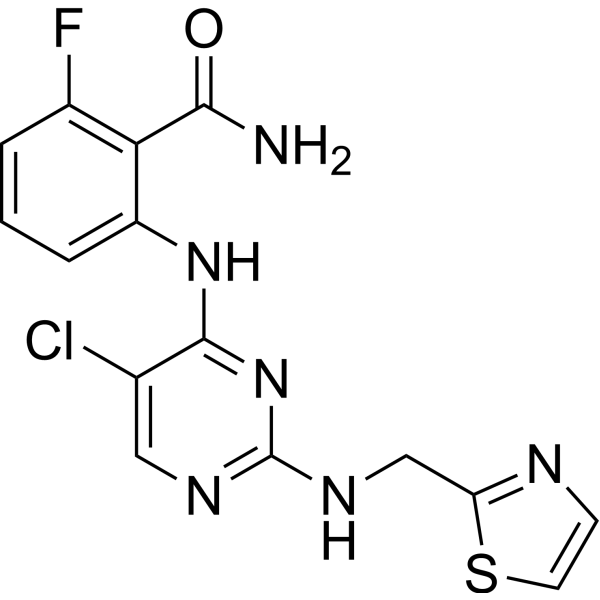 0 ImagesCat. No.: HY-103074CAS No.: 1848232-20-1GSK2226649A (compound 2) is a novel activator of satellite cell proliferation and enhanced repair of damaged muscle.
-
Dinitramine
 0 ImagesCat. No.: HY-W714183CAS No.: 29091-05-2Dinitramine is a herbicide. Dinitramine activates the Erk/P38/JNK/MAPK pathway and inactivates the PI3k/Akt pathway in testicular cells. Dinitramine induces endoplasmic reticulum stress, dysregulation of calcium homeostasis in the cytoplasm and mitochondria, apoptosis, and downregulated expression of cell cycle genes in testicular cells. Dinitramine reduces the viability and proliferation capacity of testicular cells, and inhibits cell division by suppressing the synthesis of tubulin. Dinitramine induces abnormal heart development, inhibited angiogenesis, inflammatory responses, apoptosis, and impaired embryonic growth in zebrafish embryos.
-
6-Methoxydihydrosanguinarine hydrochloride
 0 ImagesCat. No.: HY-N3000A6-Methoxydihydrosanguinarine hydrochloride is an alkaloid with activity across multiple cancer cell types. 6-Methoxydihydrosanguinarine hydrochloride activates IRE1/JNK signaling, blocks Akt/mTOR and PI3K/AKT/mTOR pathways, reduces expression of Cdc25C, CyclinB1, Cdc2, YAP/TAZ, Survivin, GPX4, and EGFR, upregulates IRE1 and DR5, and activates JNK and caspases. 6-Methoxydihydrosanguinarine hydrochloride induces apoptosis, G2/M phase arrest, DNA damage, ROS generation, lipid peroxidation, ferroptosis, autophagy, and suppresses cancer cell growth. 6-Methoxydihydrosanguinarine hydrochloride disruptes the biofilm formation of Candida albicans (C. albicans). 6-Methoxydihydrosanguinarine hydrochloride can be used for the research of non-small cell lung cancer, hepatocellular carcinoma, melanoma, colon carcinoma, ovarian cancer and breast cancer.
-
ASK1-IN-12
 0 ImagesCat. No.: HY-179517ASK1-IN-12 is an ASK1 inhibitor with an IC50 of 6.3 nM. ASK1-IN-12 inhibits TNF-α-induced activation of the ASK1-p38/JNK pathway. ASK1-IN-12 can reduce free fatty acid-induced cholesterol increase, lipid droplet accumulation and improves hepatocellular steatosis. ASK1-IN-12 can be used for the research of non-alcoholic steatohepatitis (NASH).
-
Mapk9 Mouse Pre-designed siRNA Set A
 0 ImagesCat. No.: HY-RS08128
Mapk9 Mouse Pre-designed siRNA Set A contains three designed siRNAs for Mapk9 gene (Mouse), as well as a negative control, a positive control, and a FAM-labeled negative control.
-
Pulegone-d8
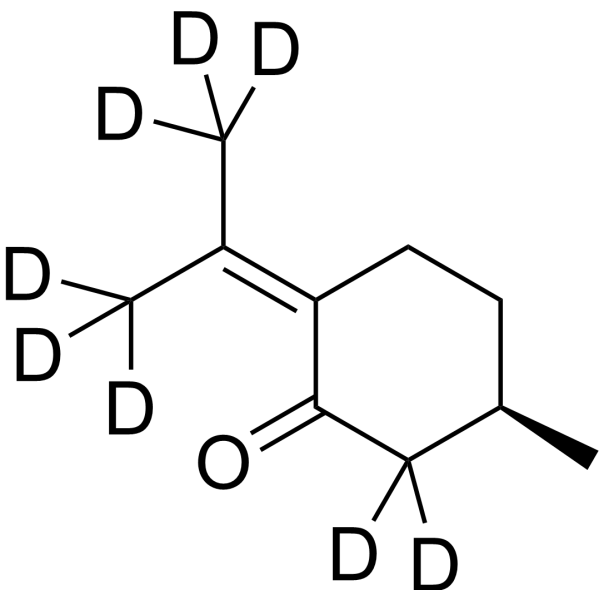 0 ImagesCat. No.: HY-N1500S1CAS No.: 62385-90-4Pulegone-d8 is deuterated labeled Pulegone (HY-N1500). Pulegone is a monoterpene ketone compound widely present in the essential oils of many plants. Pulegone can also be used as a bird repellent. Pulegone has multiple activities such as anti-inflammatory, antibacterial, antifungal, and anti-hyperalgesic effects. Pulegone is particularly effective against bacteria of the Salmonella species.
-
Catenarin
 0 ImagesCatenarin, an anthraquinone compound, inhibits CCR5- and CXCR4-mediated chemotaxis. Catenarin reduces the phosphorylation of mitogen-activated protein kinases (p38 and JNK) and their upstream kinases (MKK6 and MKK7), and calcium mobilization. Catenarin shows anti-inflammatory effect and suppresses leukocyte migration in the diabetes. Catenarin exhibits significant inhibitory effects against Gram-positive bacteria. Catenarin prevents type 1 diabetes (T1D) in nonobese diabetic mice[1][2].
-
α-Neoendorphin (porcine)
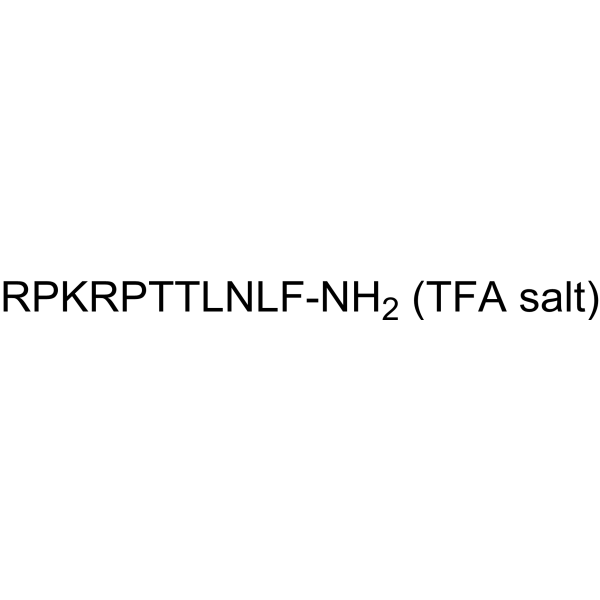
 0 ImagesCat. No.: HY-P11656CAS No.: 77739-20-9α-Neoendorphin porcine is a peptide. α-Neoendorphin porcine effectively alleviates UVB-induced skin photoaging via activating mTOR-Beclin-1-mediated autophagy, reducing UVB-triggered ROS production, inhibiting the MAPK pathway and MMP activity, and promoting type I procollagen synthesis. α-Neoendorphin porcine exerts anti-aging and anti-wrinkle effects on skin cells. α-Neoendorphin porcine can be used in studies related to skin photoaging.
-
Propylparaben-d7
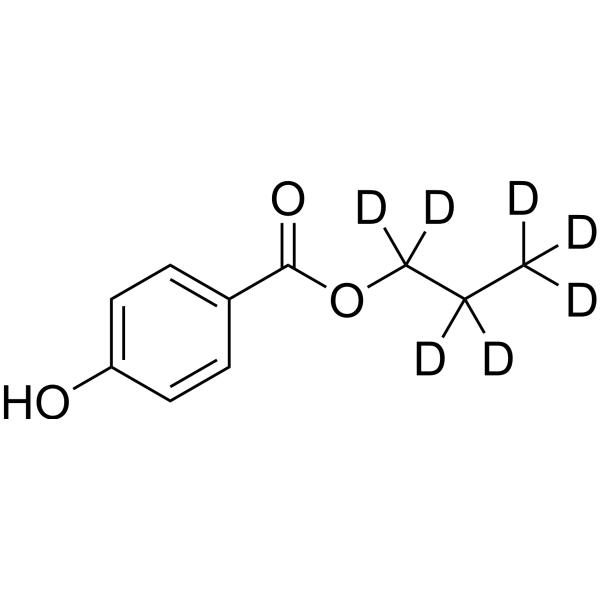 0 ImagesCat. No.: HY-N2026SCAS No.: 1246820-92-7Synonyms: Propyl parahydroxybenzoate-d7; Propyl 4-hydroxybenzoate-d7Propylparaben-d7 (Propyl parahydroxybenzoate-d7) is the deuterium labeled Propylparaben (HY-N2026). Propylparaben (Propyl parahydroxybenzoate) is an antibacterial preservative that can be produced by plants and bacteria. Propylparaben is an orally active weak estrogen receptor agonist. Propylparaben regulates the PI3K-AKT and JNK signaling pathways, and induces oxidative stress. Propylparaben is commonly used in cosmetics, pharmaceuticals and foods, and can be used in studies related to ovarian aging and myocardial ischemia-reperfusion injury.
-
PROTAC SHP2 degrader-1
 0 ImagesCat. No.: HY-189468CAS No.: 3128784-74-4PROTAC SHP2 degrader-1 is a potent SHP2 PROTAC degrader with a DC50 of 7.406 μM. PROTAC SHP2 degrader-1 recruits DCAF16 E3 ligase to induce ubiquitination and proteasomal degradation of SHP2, thereby inhibiting the RAS/MAPK and PI3K/AKT/mTOR signaling pathways while simultaneously inducing IFN-γ/JAK/STAT1, apoptosis, and cell cycle arrest. PROTAC SHP2 degrader-1 can be used for cancer research.

-
SR-3737
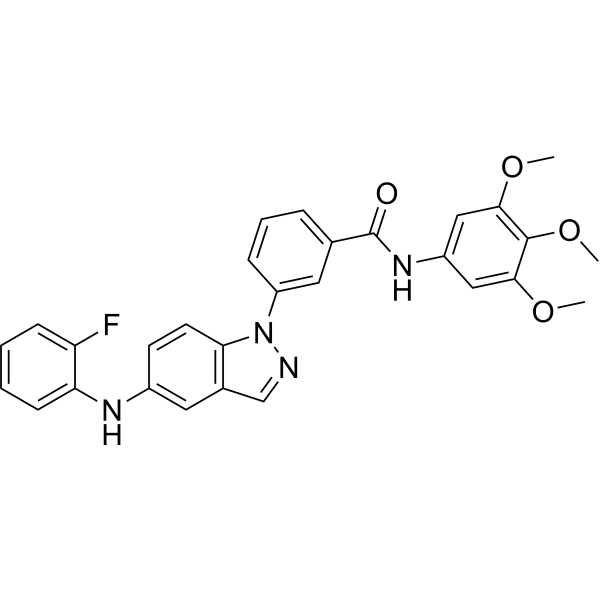 0 ImagesCat. No.: HY-117248CAS No.: 1164153-37-0SR-3737 is a JNK3 and p38 inhibitor (IC50: 12 and 3 nM).
-
Gypenoside LVI
 0 ImagesCat. No.: HY-N21887CAS No.: 105214-48-0Gypenoside LVI is an orally active dammarane-type triterpenoid compound found in Gynostemma pentaphyllum. Gypenoside LVI inhibits ERK and JNK phosphorylation, the NLRP3 inflammasome, and modulates M1 to M2 microglial polarization. Gypenoside LVI downregulates PCSK9 expression through a SREBP-independent pathway. Gypenoside LVI promotes cholesterol efflux via ABCG1 and SRB1, upregulates LXRα-mediated reverse cholesterol transport, and attenuates foam cell formation by reducing lipid accumulation and cholesterol uptake. Gypenoside LVI inhibits IL-6 and IL-1β secretion, reduces oxidative stress, neuroinflammation, microglial and astrocyte activation, and inhibits LPS-induced microglial proliferation. Gypenoside LVI can be used for research on atherosclerosis, hypercholesterolemia, depression, and non-small cell lung cancer.




