



Keap1-Nrf2
Keap1-Nrf2 is the major regulator of cytoprotective responses to electrophilic chemicals or reactive oxygen species (ROS). Keap1 is an E3 ligase, which induces the degradation of Nrf2 by ubiquitin-proteasome system (UPS). Upregulation of Nrf2 inducing by inactivation of Keap1 is often observed in cancer cells. Aberrant activation of Nrf2 in cancer cells accelerates proliferation and metabolism. For this case, Nrf2 is an attractive molecule as a therapeutic target in cancer and a lot number of Nrf2 inhibitors are developed. What’s interesting, Nrf2 induction is also reported to be treatment strategies for accelerating the detoxification of carcinogens and protect the body from chemical carcinogenesis.
All Product Categories
-
Keap1-Nrf2 Related Products (544)
Related Products (544)

-
Antibodies (7)
-
Propoxur
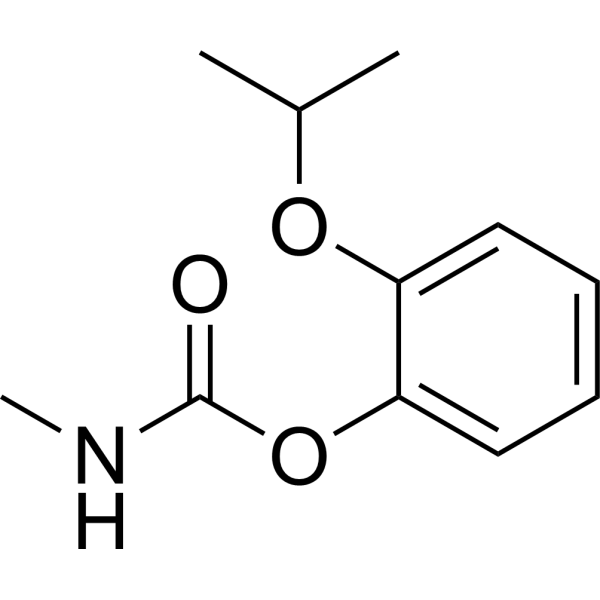 0 ImagesPropoxur is a reversible, competitive, orally active AChE inhibitor that can cross the blood-brain barrier. Propoxur inhibits AChE activity to induce neurotoxicity, while promoting MMP-2 expression and enhancing tumor cell migration and invasion by inducing intracellular ROS generation and activating the ERK/Nrf2 signaling pathway. On the one hand, Propoxur inhibits AChE, leading to acetylcholine accumulation and causing neurological dysfunction; on the other hand, it promotes Nrf2 nuclear translocation through ROS-dependent ERK1/2 phosphorylation, and upregulates MMP-2 and other invasion-related proteins. Propoxur is also a carbamate insecticide used to combat turf, forestry, and household pests.
-
LMDP10
 0 ImagesLMDP10 is an orally active 3-amino quinazoline derivative with Keap1-Nrf2 pathway activation activity. LMDP10 binds to Keap1 to inhibit Keap1-Nrf2 interaction, thereby activating the Nrf2 pathway. LMDP10 elevates Nrf2, SOD, and GSH levels, reduces MDA and TNF-α levels, attenuates neurodegeneration, and improves memory function in Alzheimer’s disease (AD) rats. LMDP10 can be used for the study of AD.
-
Panduratin A
 0 ImagesPanduratin A is an orally active natural compound with multiple pharmacological activities. By specifically inhibiting the NF-κB signaling pathway, Panduratin A exerts potent anti-inflammatory and antioxidant effects in intestinal and vascular inflammation models. Panduratin A exerts a definite protective effect against Colistin (HY-113678)-induced nephrotoxicity by alleviating oxidative stress, improving mitochondrial dysfunction and inhibiting cell apoptosis. Panduratin A activates autophagy via an AMPK-dependent pathway and exhibits anti-tuberculosis activity. Panduratin A exerts antiviral effects by inhibiting the methyltransferase (DNA Methyltransferase) of SARS-CoV-2.
-
Clemastine-d5 fumarate
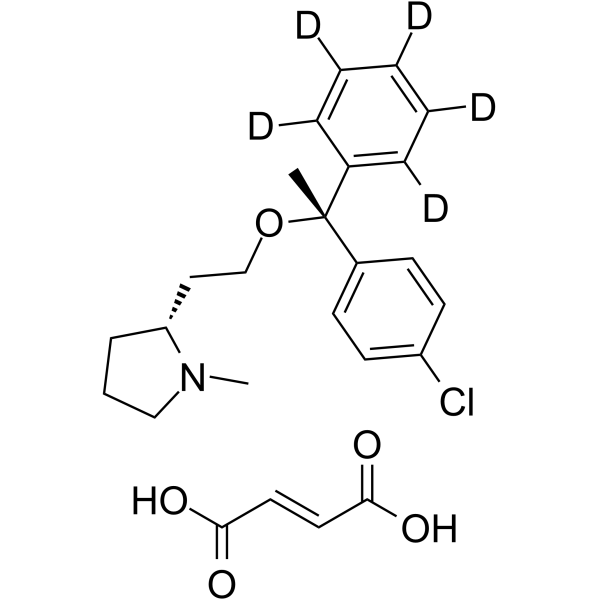 0 ImagesCat. No.: HY-B0298ASPurity: 99.79%Synonyms: HS-592-d5 fumarate; Meclastine-d5 fumarateClemastine (HS-592; Meclastine)-d5 fumarate is the deuterium labeled Clemastine fumarate. Clemastine fumarate is an orally active, blood-brain barrier-permeable H1 histamine receptor (H1 histamine receptor) antagonist with potent antiallergic effects. Clemastine fumarate also antagonizes muscarinic acetylcholine receptors (mAChR), particularly the M1 and M4 subtypes. In addition to antihistamine effects, Clemastine fumarate exhibits multiple pharmacological activities, especially in promoting central nervous system remyelination, activating autophagy and pyroptosis, exerting anti-apoptotic and neuroprotective effects, and suppressing inflammation .
-
(R)-5-Hydroxy-1,7-diphenyl-3-heptanone
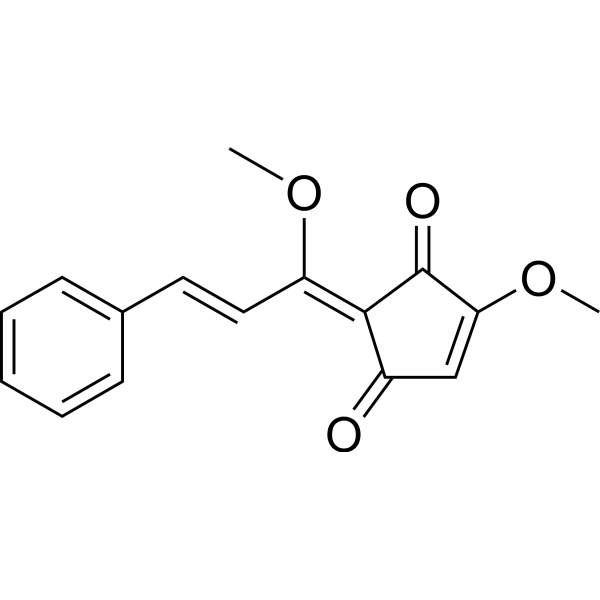
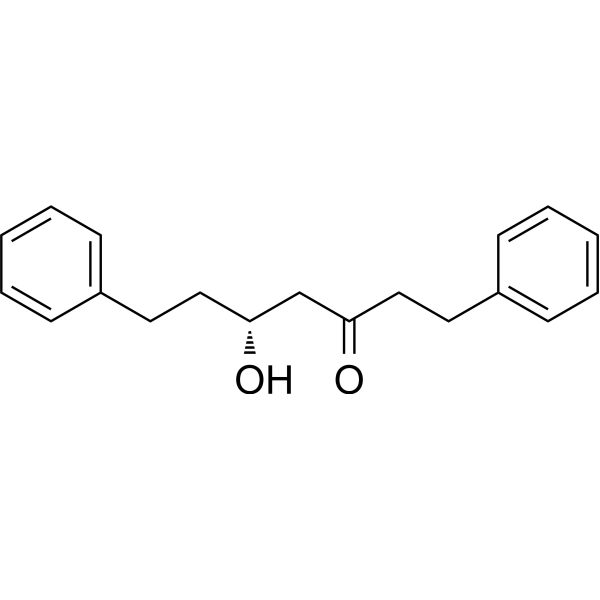 0 Images(R)-5-Hydroxy-1,7-diphenyl-3-heptanone is a diarylheptanoid that can be found in Alpinia officinarum. (R)-5-Hydroxy-1,7-diphenyl-3-heptanone ameliorates oxidative stress and insulin resistance via activation of Nrf2/ARE pathway.
![(E)-[6]-Dehydroparadol](https://file.medchemexpress.com/product_pic/hy-77293.gif "Click to View (E)-[6]-Dehydroparadol Product Detail")
-
Raffinose (Standard)
 0 ImagesRaffinose (Standard) is the analytical standard of Raffinose. This product is intended for research and analytical applications. Raffinose (Melitose) regulates intestinal flora, inhibits TLR4-MyD88-NF-κB signaling pathway, and activates Nrf2 signaling pathway. Raffinose exhibits anti-inflammatory, antioxidant, and immunomodulatory activities. Raffinose is orally active.
-
Dimethyl fumarate-d6
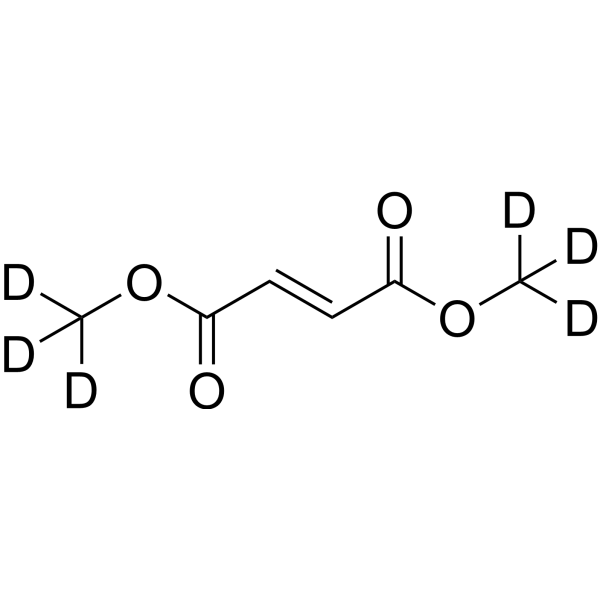 0 ImagesDimethyl fumarate-d6 is a deuterium labeled Dimethyl fumarate. Dimethyl fumarate is a nuclear factor (erythroid-derived)-like 2 (Nrf2) pathway activator and induces upregulation of antioxidant gene expression.

-
Ezetimibe-d4-1
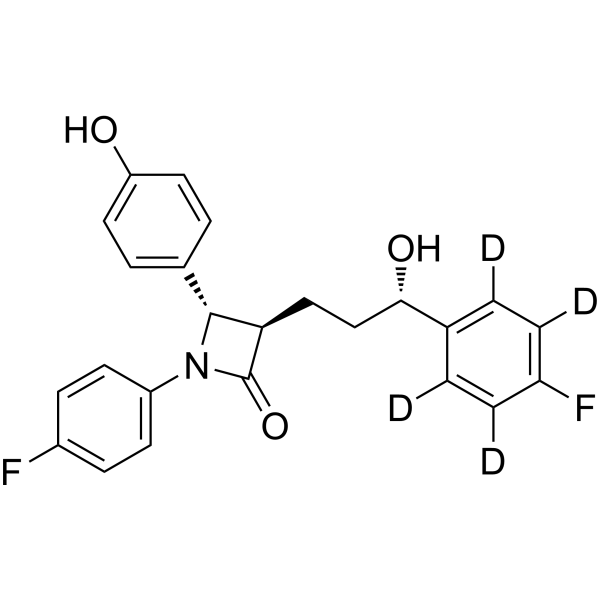 0 ImagesSynonyms: SCH 58235-d4-1Ezetimibe-d4-1 is deuterium labeled Ezetimibe. Ezetimibe (SCH 58235) is a potent cholesterol absorption inhibitor. Ezetimibe is a Niemann-Pick C1-like1 (NPC1L1) inhibitor, and is a potent Nrf2 activator.
-
Phoxim
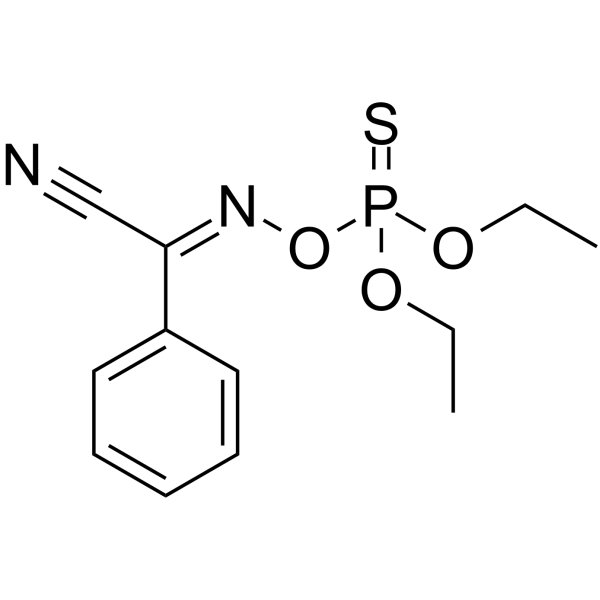 0 ImagesCat. No.: HY-B0819CAS No.: 14816-18-3Phoxim is an organophosphorus pesticide and an orally active inhibitor of cholinesterase and CYP3A, which induces neurotoxicity in Caenorhabditis elegans and causes nephrotoxicity characterized by glomerular atrophy and interstitial fibrosis. Phoxim induces inhibition of the autophagy pathway. Phoxim induces dopaminergic neuron degeneration and exacerbates Aβ-induced paralysis. Phoxim damages enterocytes and disrupts intestinal barrier integrity. Phoxim induces ROS accumulation. Phoxim induces mitochondrial apoptosis, involving upregulation of Bad, Bax, caspase-3, and caspase-9 and downregulation of Bcl-2. Phoxim inhibits mitochondrial functional enzymes (COX, Ca2+-Mg2+-ATPase, SDH). Phoxim upregulates Nrf2 mRNA expression in the jejunal mucosa. Phoxim increases TNF-α and decreases IL-6 and IL-8 in the intestinal mucosa. Phoxim alters gut microbial composition by increasing total bacteria and Escherichia coli and reducing Lactobacillus. Phoxim enhances energy metabolism in silver carp by upregulating key glycolytic and gluconeogenic enzymes. Phoxim is used in research on neurodegenerative diseases, nephrotoxicity, intestinal oxidative stress and barrier dysfunction, and bacterial sepsis.
-
CMIT/MIT (2.0-2.5% in water)
 0 ImagesCat. No.: HY-W017982ACAS No.: 55965-84-9Synonyms: CMI/MI (2.0-2.5% in water)CMIT/MIT (2.0-2.5% in water) (CMI/MI (2.0-2.5% in water)) is a mixture of CMIT and MIT, and is also a preservative and skin sensitizer. CMIT/MIT (2.0-2.5% in water) increases the levels of phosphorylated ERK1/2, p38, JNK1/2, p53, p21 and Bax, decreases the level of Bcl-2, and activates the Nrf-2/HO-1 signaling pathway. CMIT/MIT (2.0-2.5% in water) increases LDH release and lipid peroxidation levels, impairs antioxidant defense capacity, promotes pro-inflammatory cytokine release, induces apoptosis, triggers cell cycle arrest, exhibits neurotoxicity in neuroblastoma cells, and causes dysregulation of Th2/Th17 immune responses. CMIT/MIT (2.0-2.5% in water) can be used in studies related to allergy, atopic dermatitis and lung injury.
-
β-Patchoulene
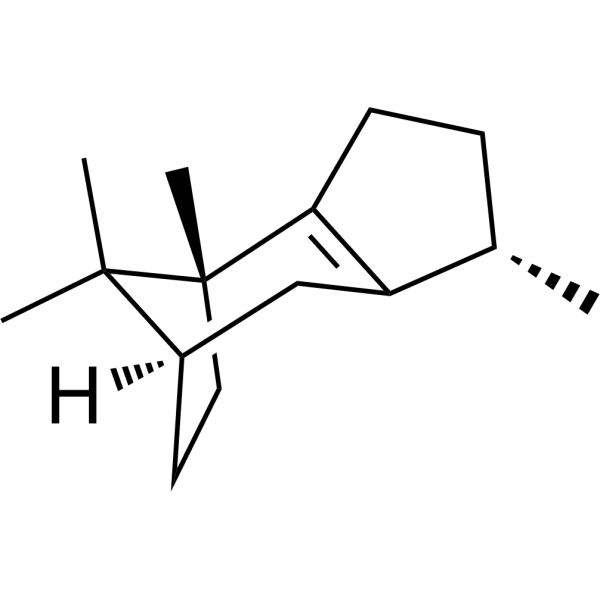 0 Imagesβ-Patchoulene is an orally active anti-inflammatory, antioxidant, and anti-apoptotic agent. β-Patchoulene inhibits the NF-κB, TLR4, and cAMP/PKA/CREB signaling pathways; activates the Sirt1/Nrf2 and AMPK signaling pathways; and targets Fas/FasL, Caspase-3, ERK1/2, ROCK1/MLC2 for inhibition. β-Patchoulene regulates cytokine secretion, inflammatory cell infiltration, lipid peroxidation, cell polarization, gut microbiota, and lipid metabolism, restores barrier function, mitochondrial function, and cell viability, and exhibits repellent activity against Spodoptera exigua larvae. β-Patchoulene can be used in research related to various inflammatory, ischemic, fibrosis-associated diseases, as well as hepatocellular carcinoma.
-
Pyrraline
 0 ImagesCat. No.: HY-W478741CAS No.: 74509-14-1Pyrraline is an Nrf2 pathway activator with antioxidant and anti-inflammatory effects. Pyrraline upregulates antioxidant enzymes such as NAD(P)H dehydrogenase (NQO1) and heme oxygenase-1 (HO-1) via antioxidant response element (ARE) activation, while inhibiting NFκB-mediated inflammation. Pyrraline is promising for research of metabolic disorders (such as diabetic nephropathy) and cancers.
-
Dehydrocurdione
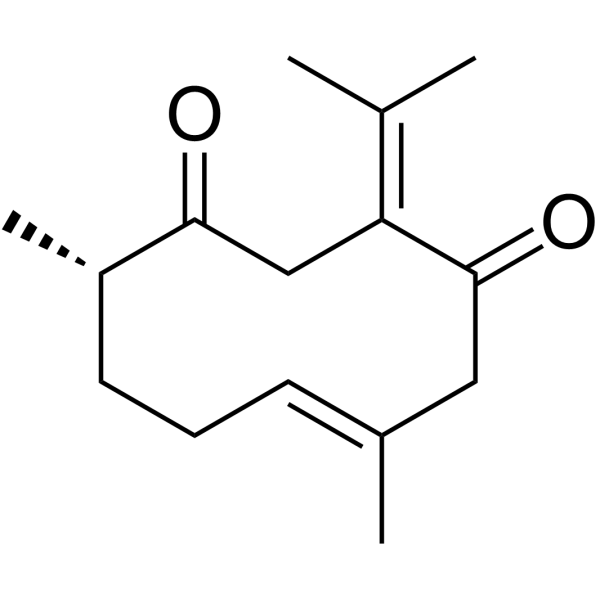 0 ImagesCat. No.: HY-N8160CAS No.: 38230-32-9Dehydrocurdione, a zedoary-derived sesquiterpene, induces heme oxygenase (HO)-1, an antioxidative enzyme, in RAW 264.7 macrophages. Dehydrocurdione interacts with Keap1, resulting in Nrf2 translocation followed by activation of the HO-1 E2 enhancer. Dehydrocurdione suppresses lipopolysaccharide-induced NO release, a marker of inflammation. Anti-inflammatory activity.
-
Carminic acid (Standard)
 0 ImagesCarminic acid (Standard) is the analytical standard of Carminic acid (HY-N8407). This product is intended for research and analytical applications. Carminic acid is a widely used and orally active natural red pigment that can be used in industries such as food, cosmetics, and pharmaceuticals. In addition, carminic acid has anti-inflammatory and antioxidant activities.
-
Sulforaphane (Standard)
 0 ImagesSulforaphane (Standard) is the analytical standard of Sulforaphane (HY-13755). This product is intended for research and analytical applications. Sulforaphane is an orally active inducer of the Keap1/Nrf2/ARE pathway. Sulforaphane promotes the transcription of tumor-suppressing proteins and effectively inhibits the activity of HDACs. Through the activation of the Keap1/Nrf2/ARE pathway and further induction of HO-1 expression, Sulforaphane protects the heart. Sulforaphane suppresses high glucose-induced pancreatic cancer through AMPK-dependent signal transmission. Sulforaphane exhibits both anticancer and anti-inflammatory properties.
-
Carnosol (Standard)
 0 ImagesCarnosol (Standard) is the analytical standard of Carnosol. This product is intended for research and analytical applications. Carnosol is a potent Ribosomal S6 Kinase (RSK2) inhibitor that could be useful for treating gastric cancer, with an IC50 of ~5.5 μM. Carnosol, a Nrf2 activator, increases the nuclear levels of Nrf2 and can promote the expression of heme oxygenase 1 (HMOX1).
-
HGR4113
 0 ImagesCat. No.: HY-187690CAS No.: 2170918-46-2HGR4113 is an orally active anti-inflammatory/antioxidant agent with improved glucose metabolism. HGR4113 inhibits STAT3 phosphorylation, suppresses Th17 differentiation and IL-17 production, reduces oxidative phosphorylation activity, and promotes the differentiation of regulatory T cells among splenic CD4+ T cells. HGR4113 inhibits LPS (HY-D1056)-induced JNK phosphorylation, production of NO, PGE2 and pro-inflammatory cytokines, expression of iNOS and COX-2, as well as nuclear translocation of NF-κB in macrophages, while induces HO-1 expression by activating nuclear translocation of Nrf2. HGR4113 can be used in the research of inflammatory diseases such as type 2 diabetes and Sjögren's syndrome.




