MDM-2/p53 p53 Activator
-
Minocycline hydrochloride (Standard)
 0 Images
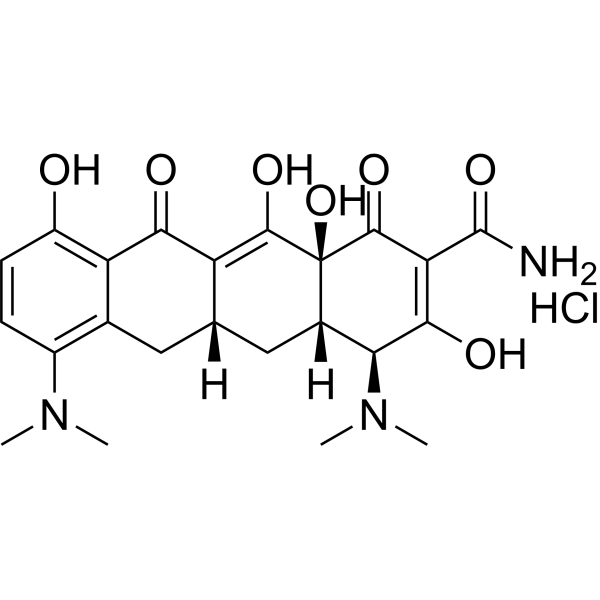
Minocycline (hydrochloride) (Standard) is the analytical standard of Minocycline (hydrochloride). This product is intended for research and analytical applications. Minocycline hydrochloride is an orally active, potent and BBB-penetrated semi-synthetic tetracycline antibiotic. Minocycline hydrochloride is a hypoxia-inducible factor (HIF)-1α inhibitor. Minocycline hydrochloride shows anti-cancer, anti-inflammatory, and glutamate antagonist effects. Minocycline hydrochloride reduces glutamate neurotransmission and shows neuroprotective properties and antidepressant effects. Minocycline hydrochloride inhibits bacterial protein synthesis through binding with the 30S subunit of the bacterial ribosome, resulting in a bacteriostatic effect.
-
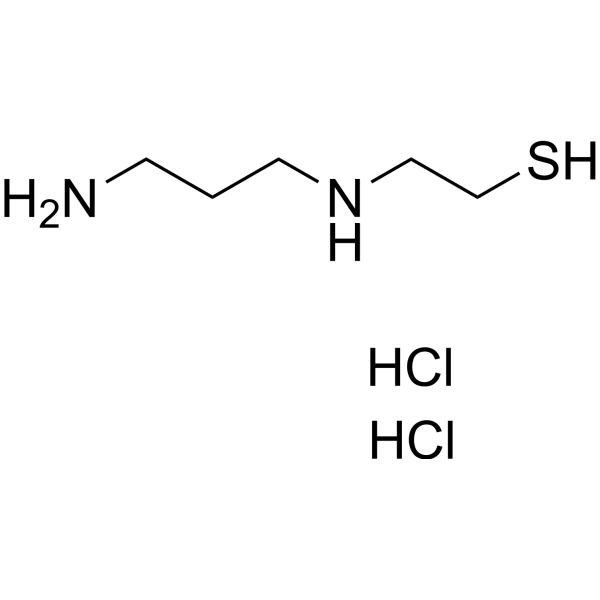
PK11007
 0 Images
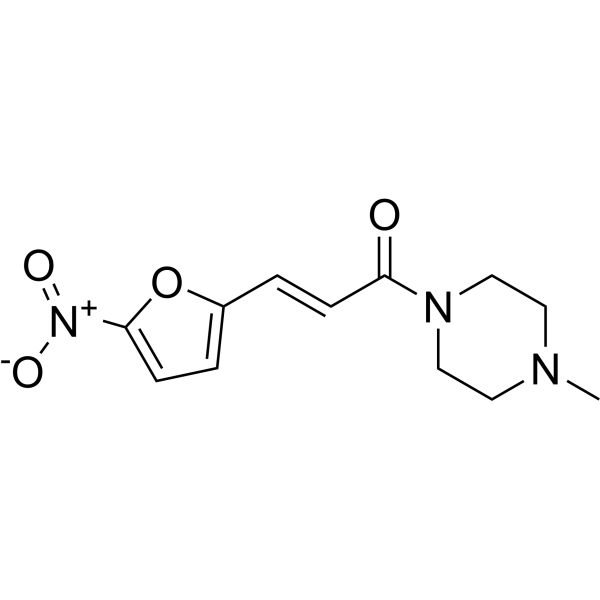
PK11007 is a mild thiol alkylator with anticancer activity. PK11007 stabilizes p53 via selective alkylation of two surface-exposed cysteines without compromising its DNA binding activity. PK11007 induces mutant p53 cancer cell death by increasing reactive oxygen species (ROS) levels.
-
Amifostine trihydrate
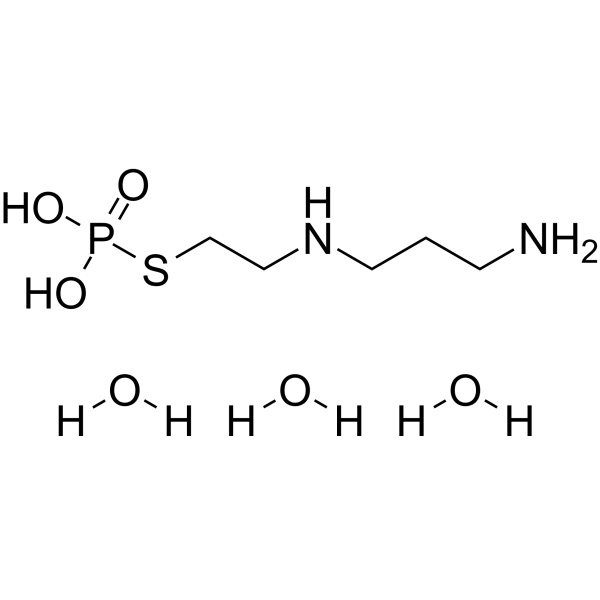 0 ImagesSynonyms: WR2721 trihydrate
Amifostine trihydrate (WR2721 trihydrate) is a broad-spectrum cytoprotective agent and a radioprotector. Amifostine trihydrate selectively protects normal tissues from damage caused by radiation and chemotherapy. Amifostine trihydrate is potent hypoxia-inducible factor-α1 (HIF-α1) and p53 inducer. Amifostine trihydrate protects cells from damage by scavenging oxygen-derived free radicals. Amifostine trihydrate reduces renal toxicity and has antiangiogenic action.
-
Tenovin-1
 0 Images
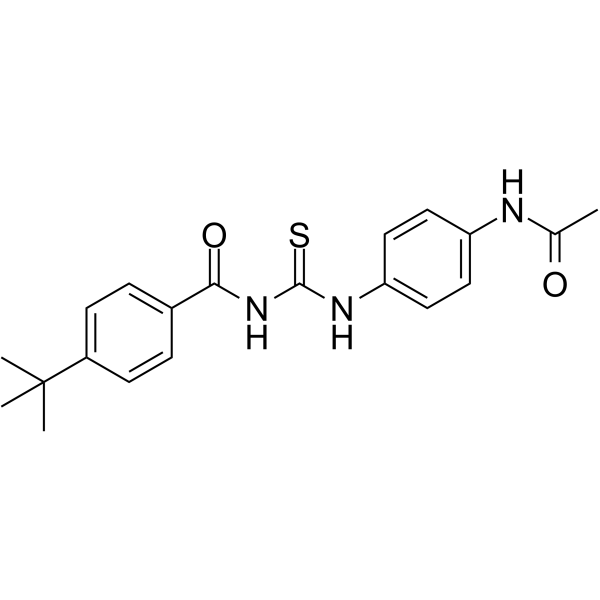
Tenovin-1, a p53 activator, protects p53 from MDM2-mediated degradation. Tenovin-1 acts through inhibition of the protein-deacetylating activities of SirT1 and SirT2. Tenovin-1 is also a dihydroorotate dehydrogenase (DHODH) inhibitor.
-
MIRA-1
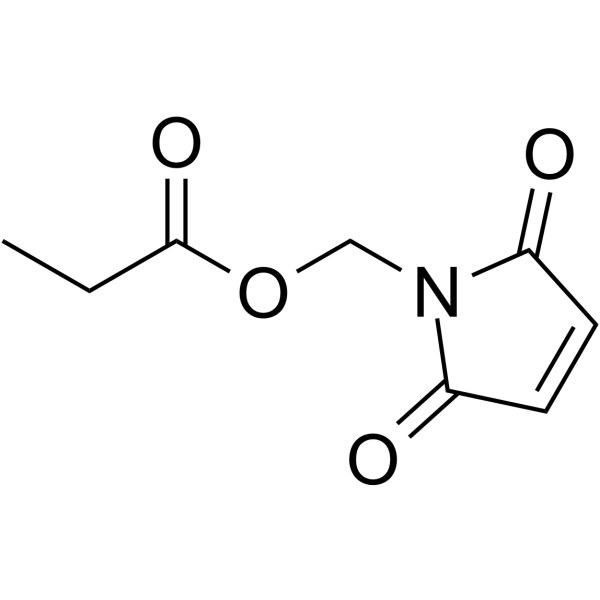 0 ImagesSynonyms: NSC 19630
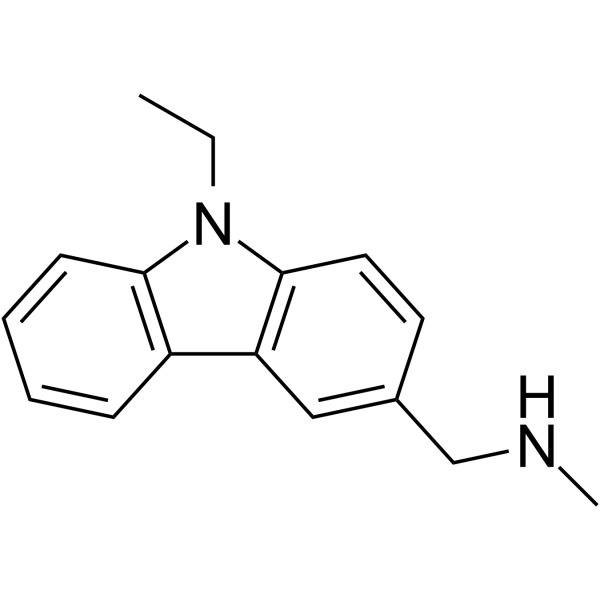
MIRA-1 is a maleimide analogue. MIRA-1 can induce apoptosis in mutant p53 cells via restoration of p53-dependent transcriptional transactivation. MIRA-1 has anticancer activity.
-
Prostaglandin A2
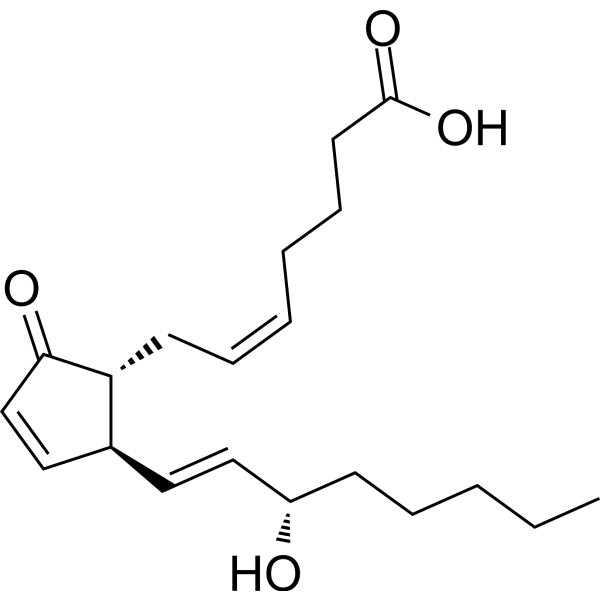 0 ImagesSynonyms: PGA2; Medullin
Prostaglandin A2 (PGA2) is a Cyclopentenone prostaglandin. Prostaglandin A2 induces Caspase-dependent Apoptosis, activates p53. Prostaglandin A2 activates ERK2 and JNK1/SAPK. Prostaglandin A2 shows antiviral activity against HSV-1. Prostaglandin A2 has anti-tumor effects. Prostaglandin A2 can be used for the research of colorectal cancer, colorectal carcinoma, breast carcinoma, and herpetic keratitis.
-
NSC 146109 hydrochloride
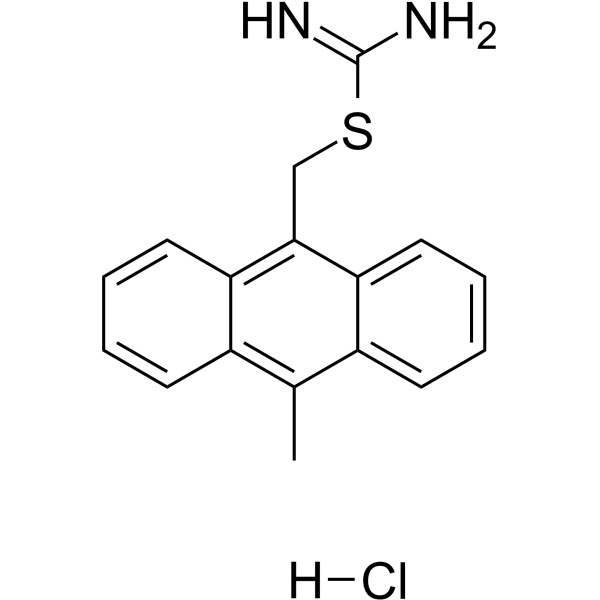 0 ImagesSynonyms: XI-011 hydrochloride
NSC 146109 hydrochloride (XI-011 hydrochloride) is a p53 activator and MDMX inhibitor. NSC 146109 hydrochloride inhibits MDMX gene transcription, downregulates MDMX mRNA and protein levels, stabilizes p53 and activates the transcriptional activity of p53. NSC 146109 hydrochloride induces cancer cell apoptosis (apoptosis) and inhibits the growth of transformed cells. NSC 146109 hydrochloride inhibits the growth of xenograft tumors. NSC 146109 hydrochloride can be used in research related to breast cancer and cervical cancer.
-
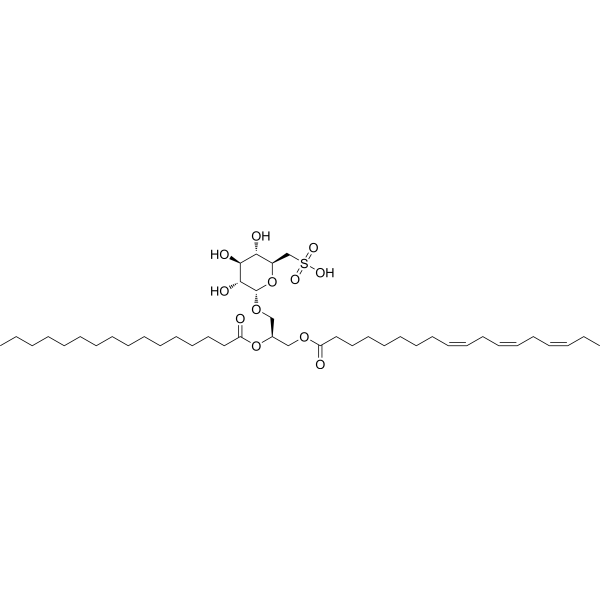
SQDG
 0 Images
SQDG inhibits topoisomerase I and P-selectin receptor, exhibits anti-inflammatory, antiviral and antitumor activities. SQDG is a glycolipid that possesses sugar moieties in their head groups. SQDG is a membrane lipid that can be used to investigate the effects of structural lipid in LNP formulations.
-
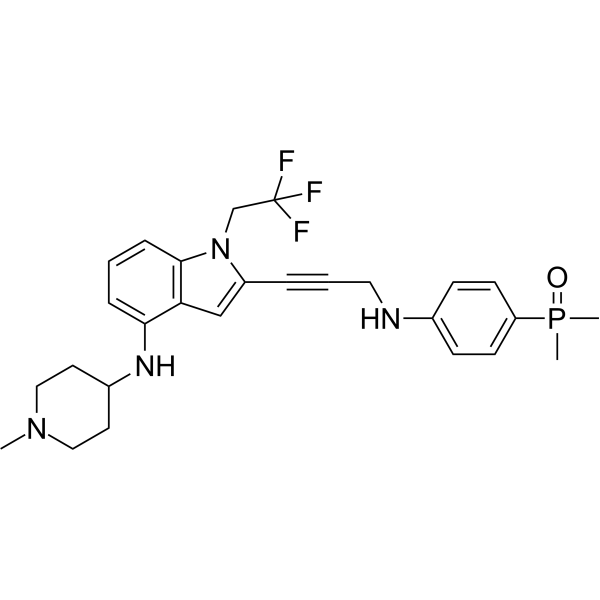
p53 Activator 7
 0 Images
p53 Activator 7 is a p53 mutation Y220C (MDM-2/p53) activator with an EC50 of 104 nM. p53 Activator 7 can bind to p53 mutant and restore its ability to bind DNA (WO2022213975A1; Example B-1). p53 Activator 7 is a click chemistry reagent, it contains an Alkyne group and can undergo copper-catalyzed azide-alkyne cycloaddition (CuAAc) with molecules containing Azide groups.
-
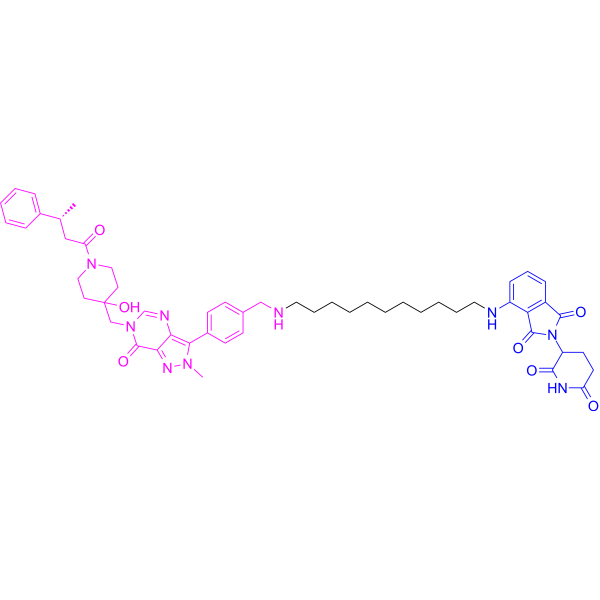
U7D-1
 0 Images
U7D-1 is a USP7 PROTAC degrader that induces selective proteasomal degradation of USP7. U7D-1 destabilizes and downregulates the expression of variant PRC1 complex subunits PCGF1, RING1A and PCGF6, and also slightly reduces the protein level of KDM2B. U7D-1 decreases cell viability, arrests neuroblastoma cells at the G0/G1 cell cycle phase, and downregulates the expression of target genes of PAX3::FOXO1 in FP-RMS cells. U7D-1 increases the level of cleaved PARP in FP-RMS cells, induces cell apoptosis, and upregulates the expression of muscle differentiation markers MYH1 and MYF5. U7D-1 inhibits the growth and proliferation of p53 wild-type and mutant cancer cells, and regulates the apoptosis pathway and E2F pathway. U7D-1 is applicable to studies on neuroblastoma, fusion-positive rhabdomyosarcoma, p53-mutant cancers and cancer-related research.
-
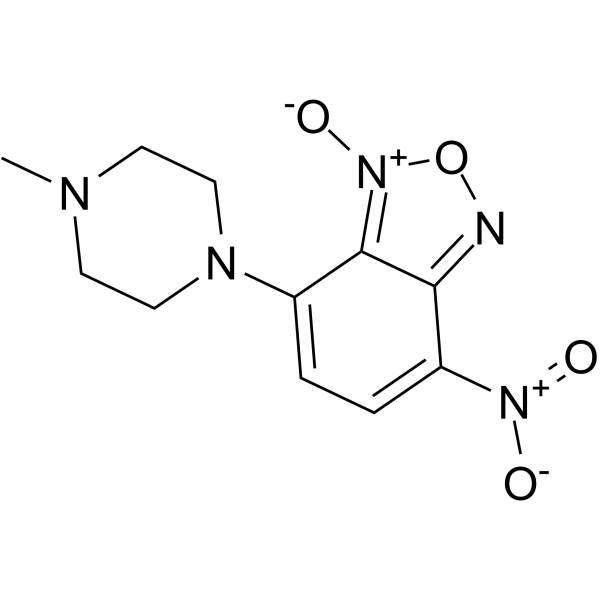
NSC-207895
 0 ImagesSynonyms: XI-006
NSC-207895 (XI-006), a DNA damaging agent, is an anticancer agent and p53 activator.
-
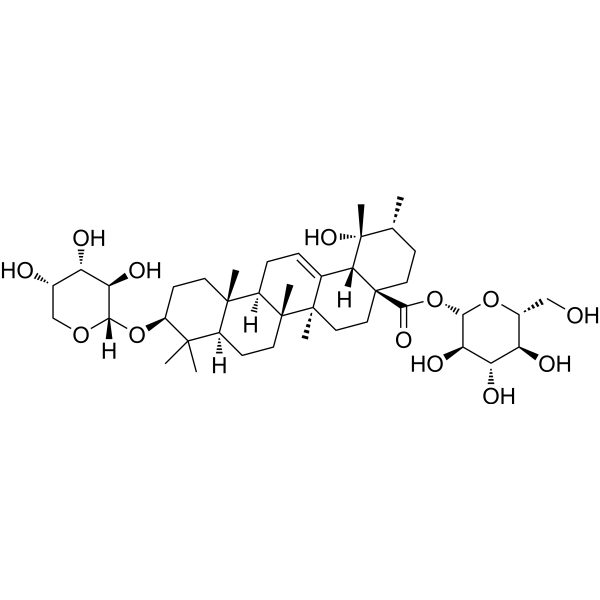
Ziyuglycoside I
 0 Images
Ziyuglycoside I isolated from S. officinalis root, has anti-wrinkle activity, and increases the expression of type I collagen. Ziyuglycoside I could be used as an active ingredient for cosmetics. Ziyuglycoside I triggers cell cycle arrest and apoptosis mediated by p53, it can be a potential agent candidate for treating triple-negative breast cancer (TNBC).
-
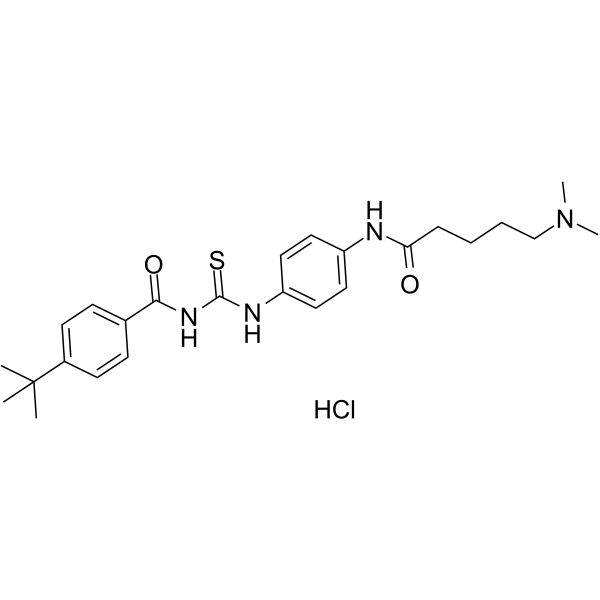
Tenovin-6 Hydrochloride
 0 Images
Tenovin-6 Hydrochloride, an analog of Tenovin-1 (HY-13423), is an activator of p53 transcriptional activity. Tenovin-6 Hydrochloride inhibits the protein deacetylase activities of purified human SIRT1, SIRT2, and SIRT3 with IC50s of 21 μM, 10 μM, and 67 μM, respectively. Tenovin-6 Hydrochloride also inhibits dihydroorotate dehydrogenase (DHODH).
-
SZ0232
 0 Images
SZ0232 is a selective mPGES-2 inhibitor. SZ0232 binds to the active site of mPGES-2 via hydrogen bonds and π-π stacking, reduces the production of prostaglandin E2 (PGE2) and blocks the PGE2-EP3 pathway. SZ0232 regulates Ferroptosis by activating the heme-dependent p53/SLC7A11/GPX4 axis, inhibits lipid peroxidation, and protects renal tubules. SZ0232 enhances glucose-stimulated insulin secretion, inhibits β-cell senescence, and improves glucose homeostasis. SZ0232 reduces renal lipid accumulation, alleviates fibrosis, and ameliorates renal dysfunction in diabetic mice. SZ0232 inhibits renal cyst growth in polycystic kidney disease models. SZ0232 exhibits an insulinotropic effect that strengthens with the increase of animal age. SZ0232 can be used in studies related to type 2 diabetes, acute kidney injury, diabetic kidney disease, and autosomal dominant polycystic kidney disease.