



Mitochondrial Metabolism
Mitochondria use multiple carbon fuels to produce ATP and metabolites, including pyruvate, which is generated from glycolysis; amino acids such as glutamine; and fatty acids. These carbon fuels feed into the TCA cycle in the mitochondrial matrix to generate the reducing equivalents NADH and FADH2, which deliver their electrons to the electron transport chain. Mitochondria are complex organelles that play an important role in many facets of cellular function, from metabolism to immune regulation and cell death. Mitochondria are actively involved in a wide variety of cellular processes and molecular interactions, such as calcium buffering, lipid flux, and intracellular signaling. It is increasingly recognized that mitochondrial dysfunction is a hallmark of many diseases such as obesity/diabetes, cancer, cardiovascular and neurodegenerative diseases. Mitochondrial metabolism is a key determinant of tumor progression by impacting on functions such as epithelial-to-mesenchymal transition. Mitochondrial metabolism and derived oncometabolites shape the epigenetic landscape to alter aggressiveness features of cancer cells. Changes in mitochondrial metabolism are relevant for the survival of tumors in response to therapy.
All Product Categories
-
Mitochondrial Metabolism Related Products (635)
Related Products (635)

-
Antibodies (52)
-
Related Compound Screening Libraries (2)
-
L-2-Hydroxyglutaric acid disodium (Standard)
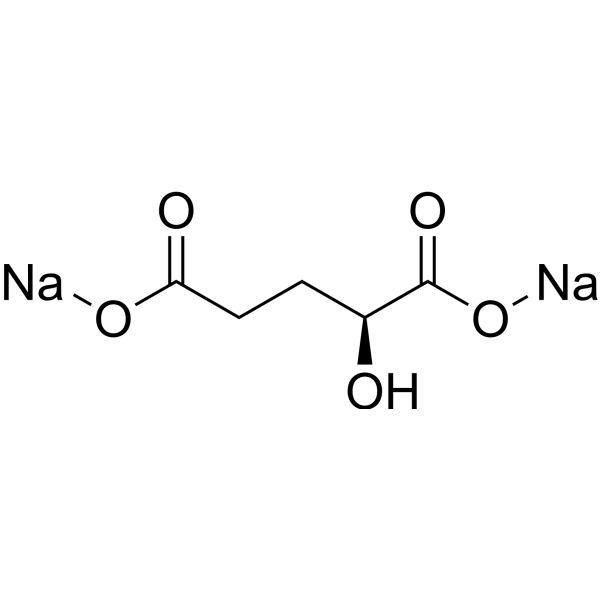 0 ImagesCat. No.: HY-W015114RCAS No.: 63512-50-5Synonyms: (S)-2-Hydroxyglutaric acid disodium (Standard)L-2-Hydroxyglutaric acid (disodium) (Standard) is the analytical standard of L-2-Hydroxyglutaric acid (disodium). This product is intended for research and analytical applications. L-2-Hydroxyglutaric acid disodium is an epigenetic modifier and putative oncometabolite in renal cancer. L-2-Hydroxyglutaric acid disodium can inhibit histone demethylases and hence promote histone methylation. L-2-Hydroxyglutaric acid inhibits mitochondrial creatine kinase (Mi-CK) activity with Km and Ki of 2.52 mM and 11.13 mM, respectively.
-
Soyasaponin Ba
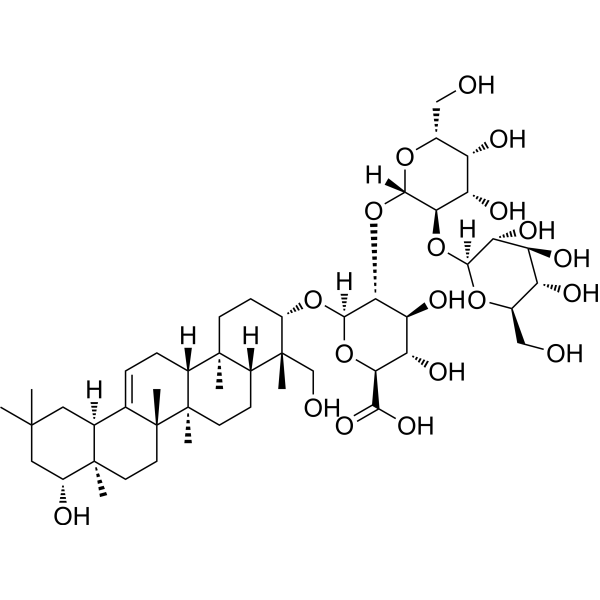 0 ImagesSoyasaponin Ba is a soyasaponin that can be isolated from Phaseolus vulgaris, acts as an aldose reductase inhibitor (ARI). Soyasaponin Ba activates Akt/GSK3β/β-catenin signaling pathway, reduces lipid accumulation, lowers ROS generation, improves mitochondrial membrane potential, ATP levels, and morphology, and inhibits apoptosis. Soyasaponin Ba can be used for the research of lipid accumulation and secondary diabetic complications.
-
TRAP1-IN-1
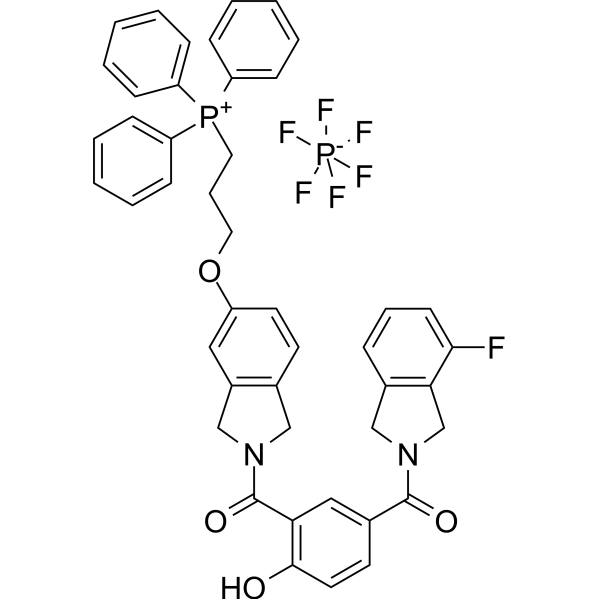 0 ImagesCat. No.: HY-155063CAS No.: 3031102-94-7TRAP1-IN-1 (compound 35) is a potent and selective inhibitor of TRAP1,a mitochondrial isoform of Hsp90. TRAP1-IN-1 has >250-fold TRAP1 selectivity over Grp94,and disrupts TRAP1 tetramer stability,induces TRAP1 client protein degradation. TRAP1-IN-1 also inhibits mitochondrial complex I of oxidative phosphorylation OXPHOS,disrupts the mitochondrial membrane potential,and enhances glycolysis metabolism.
-
Z16078526
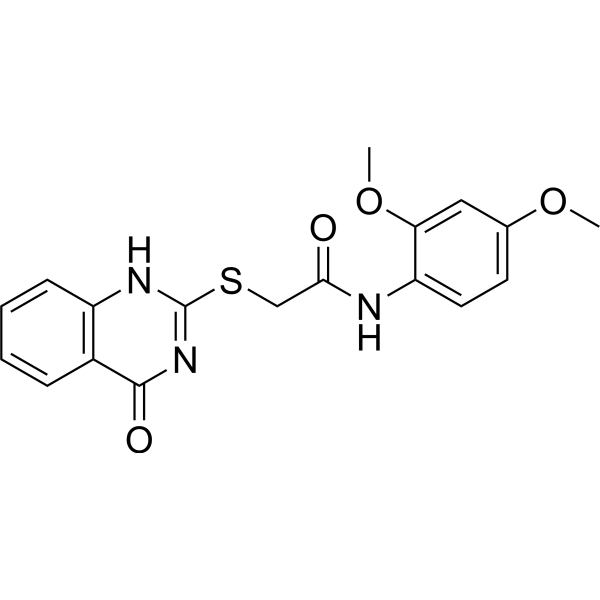 0 ImagesZ16078526 induces endogenous Ucp1 expression, promotes p38 MAPK phosphorylation and lipolysis in primary mouse brown adipocytes. Z16078526 activates thermogenic gene expression and mitochondrial activity (uncoupled respiration) in mouse brown adipocytes. Z16078526 also stimulates thermogenesis in the mouse.
-
TT01001
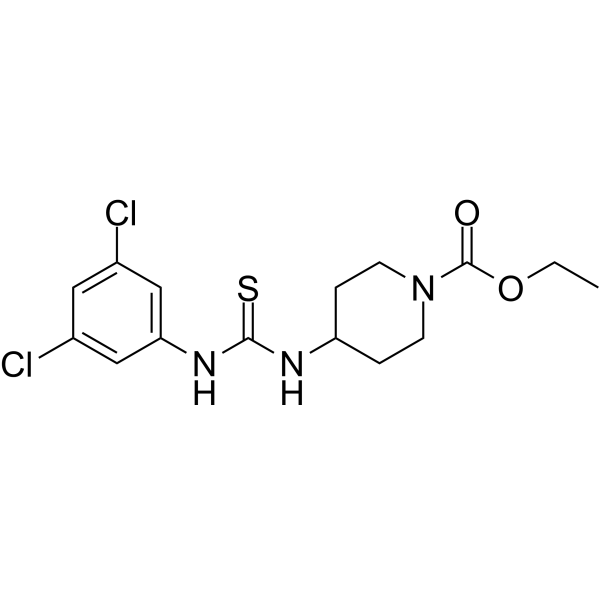 0 ImagesTT01001 is a selective and orally active mitoNEET agonist and a monoamine oxidase B (MAO-B) inhibitor (IC50 = 8.84 μM). TT01001 does not activate PPARγ but interacts with MitoNEET. TT01001 attenuates oxidative stress and neuronal apoptosis by preventing mitoNEET-mediated mitochondrial dysfunction. TT01001 improves type II diabetes and ameliorates mitochondrial function of mice. TT01001 can used for the studies of type II diabetes and neurological disorders .
-
Daidzin (Standard)
 0 ImagesSynonyms: Daidzoside (Standard); NPI-031D (Standard); Daidzein 7-O-glucoside (Standard)Daidzin (Standard) is the analytical standard of Daidzin. This product is intended for research and analytical applications. Daidzin is an isoflavone with antioxidant, anticancer, and antiatherosclerotic activities. Daidzin is a potent and selective inhibitor of mitochondrial ALDH-2. Daidzin reduces ethanol consumption.
-
Psicose
 0 ImagesSynonyms: DL-PsicosePsicose (DL-Psicose) is an orally effective sugar substitute. Psicose activates the PI3K/Akt/mTOR pathway to promote muscle synthesis. Psicose upregulates IGF-1 and downregulates Myostatin. Psicose normalizes mitochondrial dysfunction by increasing G6P activity. Psicose enhances the activity of antioxidant enzymes and reduces oxidative stress markers. Psicose increases muscle mass, grip strength and muscle weight in aged mice and diet-induced obese mice. Psicose improves obesity and type 2 diabetes. Psicose can be used in the research of age-related sarcopenia.
-
CTP inhibitor
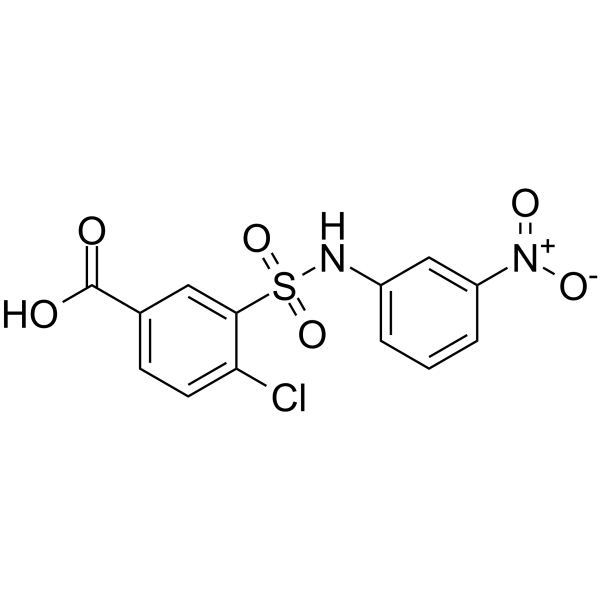 0 ImagesCTP inhibitor (Compound 792949) is a potent and selective CTP inhibitor. CTP inhibitor inhibits the plasma membrane citrate transporter (PMCT).
-
Cereulide
 0 ImagesCat. No.: HY-P3003CAS No.: 157232-64-9Cereulide is an orally active, blood-brain barrier-permeable emetic toxin. Cereulide acts as a potassium ionophore that inserts into membranes, forms complexes with K+, and transports K+ from the cytoplasm into the mitochondrial matrix. Cereulide disrupts the electrochemical gradient of the inner mitochondrial membrane, leading to mitochondrial swelling and dysfunction, uncoupling of oxidative phosphorylation, inhibition of ATP synthesis, ROS accumulation, and ultimately triggering apoptosis and autophagy. Cereulide exhibits multi-organ toxicity and can be used for research on emetic food poisoning.
-
CCCP (Standard)
 0 ImagesSynonyms: Carbonyl cyanide 3-chlorophenylhydrazone (Standard); Carbonyl Cyanide m-Chlorophenylhydrazone (Standard)CCCP (Standard) is the analytical standard of CCCP. This product is intended for research and analytical applications. CCCP is an oxidative phosphorylation (OXPHOS) uncoupler. CCCP induces activation of PINK1 leading to Parkin Ser65 phosphorylation.
-
MitoBloCK-1
 0 ImagesSynonyms: MB-1MitoBloCK-1 (MB-1) is an inhibitor that blocks the import of substrates that use the TIM22 import pathway. MitoBloCK-1 inhibits import by preventing binding of substrate to tim9/10 complex to the substrate, thus the substrate failed to be reach the TIM22 translocon. MitoBloCK-1 inhibits protein import of TIM22 substrates into mitochondria. MitoBloCK-1 attenuates the import of the carrier proteins including the ADP/ATP and phosphate carriers. MitoBloCK-1 also inhibits the import of an additional carrier protein, PiC, and the outer membrane protein Tom40.
-
1-Methoxycyclopropanecarboxylic acid
 0 ImagesCat. No.: HY-W046704CAS No.: 100683-08-71-Methoxycyclopropanecarboxylic acid is a decoupler that stimulates respiration to about 160% of baseline levels.
-
Pizotifen malate
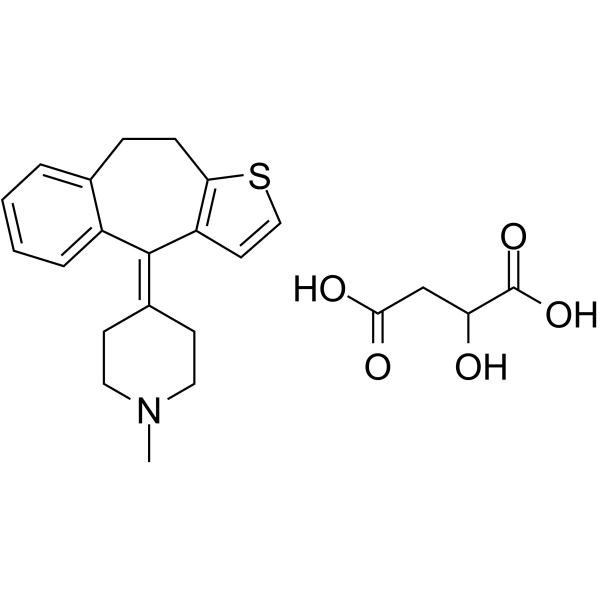 0 ImagesPizotifen malate (Pizotyline malate) is a 5-HT2 receptor antagonist. Pizotifen malate inhibits the Wnt/β-catenin-EMT signaling pathway and induces mitochondria-mediated Apoptosis. Pizotifen malate causes transient ERK1/2 phosphorylation and restores ATP. Pizotifen malate blocks Serotonin (HY-B1473A)-mediated platelet activation, inhibits Serotonin-enhanced ADP-induced platelet aggregation, and prolongs carotid artery occlusion and tail bleeding time. Pizotifen malate exhibits anticancer activity against gastric cancer and colon cancer. Pizotifen malate exerts neuroprotective effects in the striatum of R6/2 mice. Pizotifen malate can be used for research on gastric cancer, colon cancer, Huntington's disease, metastasis, and thromboembolic diseases.
-
Lixumistat
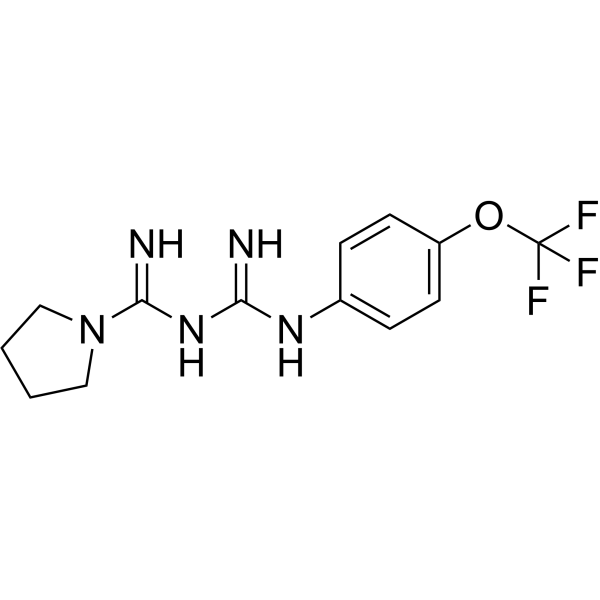 0 ImagesSynonyms: IM156 free base; HL156A free base; HL271 free baseLixumistat (IM156 free base) is a potent and orally active AMPK activator and OXPHOS inhibitor. Lixumistat strongly activates AMPK, while it lacks the systemic metabolic regulatory effects of classic metformin, such as hypoglycemic and weight-lowering activities. Lixumistat exhibits significant therapeutic effects on cognitive decline associated with brain aging and pulmonary fibrosis.
-
Glutathione arsenoxide TFA
 0 ImagesCat. No.: HY-130588APurity: 99.86%Synonyms: GSAO TFAGlutathione arsenoxide (GSAO) TFA is a potential anticancer agent and a tumour metabolism inhibitor. Glutathione arsenoxide TFA targets Mitochondrial endomycin nucleotide transferase (ANT). Glutathione arsenoxide TFA causes cell proliferation arrest and cell death. Glutathione arsenoxide TFA can be used to identify cell-surface proteins, such as Protein disulphide isomerase.
-
Isorhamnetin 3,7-di-O-β-D-glucopyranoside
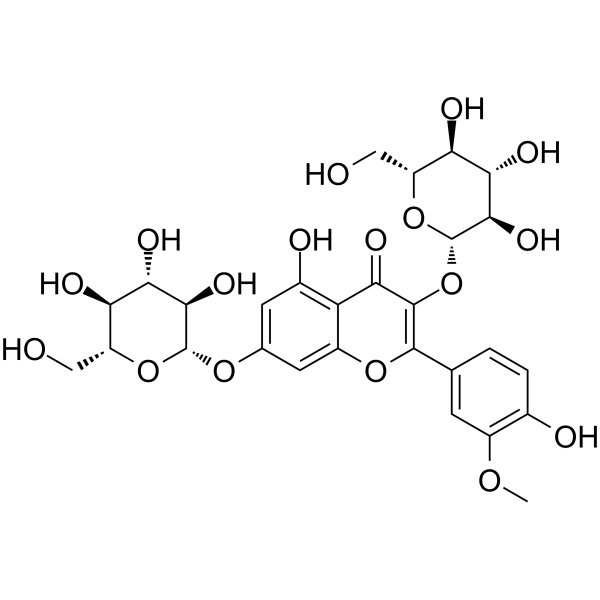 0 ImagesSynonyms: Isorhamnetin-3,7-diglucoside; Isorhamnetin diglucosideIsorhamnetin 3,7-di-O-β-D-glucopyranoside, a major flavonoid compound, is metabolized in vivo by intestinal bacteria to isorhamnetin and that isorhamnetin plays an important role as an antioxidant.
-
BPU17
 0 ImagesBPU17 binds to PHB1 and causes mild defects in mitochondrial function by defects in the PHB1-PHB2 interaction. This impairment inhibits the SRF/CArG-box-dependent transcription, resulting in the suppression of epithelial-mesenchymal transition (EMT) of retinal pigment epithelial cells (RPEs). BPU17 exhibits antifibrotic activity in vivo. BPU17 is promising for research of anti-neovascular age-related macular degeneration (nAMD) agent.
-
FB231
 0 ImagesFB231 is a Parkin activator. FB231 can induce mild mitochondrial stress, resulting in impaired mitochondrial function and activation of the integrated stress response. FB231 can lower the threshold for mitochondrial toxins to induce PINK1/Parkin-mediated mitophagy. FB231 can cause activation of the integrated stress response (ISR) and perturbation to iron-dependent pathways. FB231 can be used for the research of neurological disease, such as Parkinson’s disease.
-
COQ7-IN-1
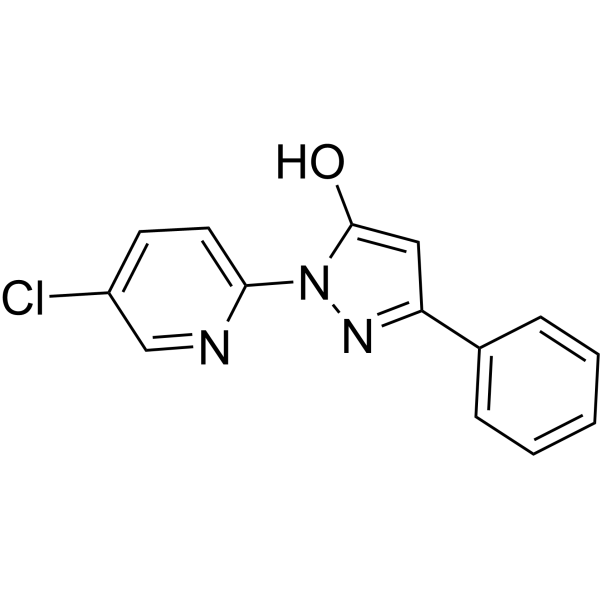 0 ImagesCOQ7-IN-1, a highly potent inhibitor of human coenzyme Q (COQ7), interferes with ubiquinone (UQ) synthesis. COQ7-IN-1 does not disturb physiological cell growth of human normal culture cells. COQ7-IN-1 can be used for the research of the balance between UQ supplementation pathways: de novo UQ synthesis and extracellular UQ uptake.
-
NRG1271
 0 ImagesNRG1271 is an orally active mitochondrial permeability transition pore (mPTP) inhibitor with blood-brain barrier penetration. NRG1271 can be used for the study of Neurological Disease.




