



PPARγ
PPARγ (Peroxisome Proliferator-Activated Receptor Gamma) is a ligand-activated nuclear receptor that functions as a central transcriptional regulator of adipocyte differentiation, lipid metabolism, insulin sensitivity, inflammation, and cellular energy homeostasis[1][2]. Mechanistically, PPARγ forms heterodimers with retinoid X receptors and regulates target gene expression through PPAR response elements, thereby coordinating metabolic and transcriptional programs that govern adipose tissue development and systemic glucose and lipid metabolism[3][4]. Because of its pivotal role in adipogenesis and insulin-responsive pathways, PPARγ has been extensively implicated in obesity, type 2 diabetes, metabolic syndrome, and related metabolic disorders[1][3]. In addition to metabolic regulation, PPARγ contributes to immune-cell maturation and function, particularly in macrophages and other inflammatory cell populations, linking metabolic signaling with inflammatory responses[4]. Compared with the related PPARα and PPARδ isoforms, which are predominantly associated with fatty acid oxidation and broader energy utilization pathways, PPARγ is distinguished by its dominant role in adipocyte differentiation and adipose tissue function[3]. Furthermore, alternative promoter usage and splicing generate multiple PPARG transcript variants, including γ1, γ2, and γ3, with evidence indicating isoform-specific regulation and distinct metabolic functions in different tissues[2][5]. For experimental applications, synthetic thiazolidinedione agonists activate PPARγ and improve insulin sensitivity, making them valuable pharmacological tools for investigating metabolic regulation, although their clinical use is limited by adverse effects such as weight gain[3][5].
References:
- [1]. Houseknecht KL, et al. Peroxisome proliferator-activated receptor gamma (PPARgamma) and its ligands: a review. Domest Anim Endocrinol. 2002 Mar;22(1):1-23. [Content Brief]
- [2]. Liu X, et al. Physical layer encryption scheme based on biological genetic variation mechanisms in CO-OFDM system. Opt Express. 2025 Oct 6;33(20):42528-42541. [Content Brief]
- [3]. Semple RK, et al. PPAR gamma and human metabolic disease. J Clin Invest. 2006 Mar;116(3):581-9. [Content Brief]
- [4]. Hernandez-Quiles M, et al. PPARgamma in Metabolism, Immunity, and Cancer: Unified and Diverse Mechanisms of Action. Front Endocrinol (Lausanne). 2021 Feb 26;12:624112. [Content Brief]
- [5]. Hermans A, et al. A 3D-Printed and Freely Available Device to Measure the Zebrafish Optokinetic Response Before and After Injury. Zebrafish. 2024 Apr;21(2):144-148. [Content Brief]
All Product Categories
-
PPARγ Inhibitors
(34)
View all products
-
PPARγ Agonists
(116)
View all products
-
PPARγ Antagonists
(11)
View all products
-
PPARγ Activators
(49)
View all products
-
PPARγ Modulators
(15)
View all products
-
PPARγ Inducer
(1)
View all products
-
PPARγ Ligands
(2)
View all products
-
PPAR gamma Proteins
(7)
View all products
-
PPARγ Related Products (231)
Related Products (231)

-
Recombinant Proteins (7)
-
Antibodies (2)
-
FSVVPSPK
 0 ImagesCat. No.: HY-P11608CAS No.: 2016043-82-4FSVVPSPK is an orally active peptide. FSVVPSPK exerts significant anti-adipogenic, antioxidant and anti-inflammatory effects in vitro and in vivo, mainly through activating the HO-1/Nrf2 pathway. FSVVPSPK can be used in research related to obesity and metabolic disorders.
-
4,5-DiHDPA lactone
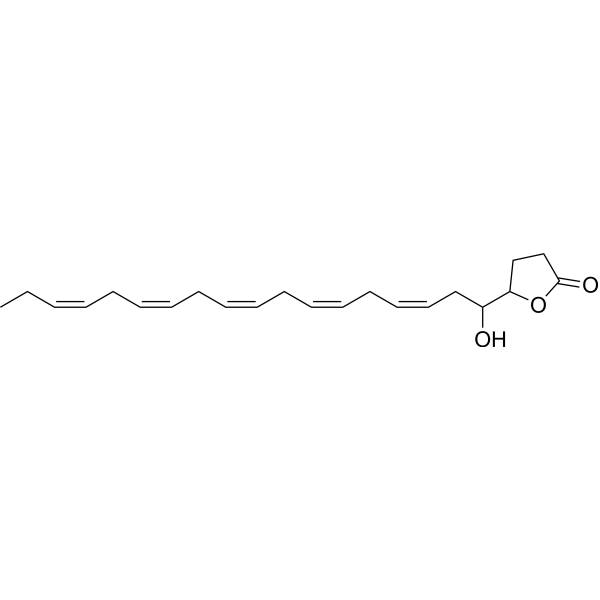 0 ImagesCat. No.: HY-124019CAS No.: 845673-68-94,5-DiHDPA lactone (5), a derivative of docosahexaenoic acid (DHA), is a PPARγ activator.
-
PPARγ modulator-3
 0 ImagesCat. No.: HY-176062PPARγ modulator-3 (Compound 11) is a peroxisome proliferator-activated receptor γ (PPARγ) modulator with a KD value of 186 nM. PPARγ modulator-3 is promising for research of insulin resistance (IR)-related diseases, such as type 2 diabetes mellitus (T2DM) and metabolic syndrome.
-
2'-Hydroxy-4-methoxychalcone
 0 Images2'-Hydroxy-4-methoxychalcone is a PPARγ agonist. 2'-Hydroxy-4-methoxychalcone also exhibits inhibitory activity against gelatinase/collagenase and human glutathione S-transferase (GST), with an IC50 of 5.2 μM and a Ki of 15.36 μM against GST. 2'-Hydroxy-4-methoxychalcone inhibits both the NF-κB and AP-1 signaling pathways, exerting anti-inflammatory activity; it also inhibits COX-2, conferring anti-cancer/anti-angiogenic activity. 2'-Hydroxy-4-methoxychalcone can be used in studies related to atherosclerosis, inflammatory diseases and cancer.
-
Perfluorobutanesulfonic acid-13C3 sodium
 0 ImagesCat. No.: HY-21191SCAS No.: 2708218-84-0Synonyms: PFBS-13C3 sodiumPerfluorobutanesulfonic acid-13C3 sodium (PFBS-13C3 sodium) is the 13C-labeled Perfluorobutanesulfonic acid (HY-21191). Perfluorobutanesulfonic acid (PFBS) is a short-chain perfluoroalkyl substance and the main replacement for perfluorooctanesulfonic acid. Perfluorobutanesulfonic acid induces fat accumulation in human HepG2 hepatoma cells. Perfluorobutanesulfonic acid promotes lipid accumulation by activating PPARγ pathway and triggering oxidative stress, endoplasmic reticulum stress and calcium dyshomeostasis. Perfluorobutanesulfonic acid impairs reproduction and causes developmental disorders in offspring of Caenorhabditis elegans. Perfluorobutanesulfonic acid disrupts pancreatic organogenesis and lipid homeostasis in zebrafish embryos. Perfluorobutanesulfonic acid can be used in environmental toxicology, lipid metabolism and developmental toxicity studies.
-
PPARγ-IN-5
 0 ImagesCat. No.: HY-172169CAS No.: 3038323-12-2PPARγ-IN-5 (Compound A3) is the inhibitor for PPARγ. PPARγ-IN-5 inhibits lipid accumulation in hepatocytes without significant cytotoxicity in HepG2 cell (400 µM). PPARγ-IN-5 can be used in research of non-alcoholic fatty liver disease.
-
YGT-31
 0 ImagesCat. No.: HY-161926CAS No.: 2835447-74-8YGT-31 is a modulator for PPARγ with an IC50 of 1.72 μM, and a Ki of 0.62 μM. YGT-31 reduces blood glucose levels and improves insulin resistance in db/db mice type 2 diabetes models, through inhibition of CDK5-mediated PPARγ-Ser273 phosphorylation. YGT-31 exhibits anti-hepatic steatosis effect in mice non-alcoholic fatty liver disease (NAFLD) model.
-
PPARγ/GR modulator 1
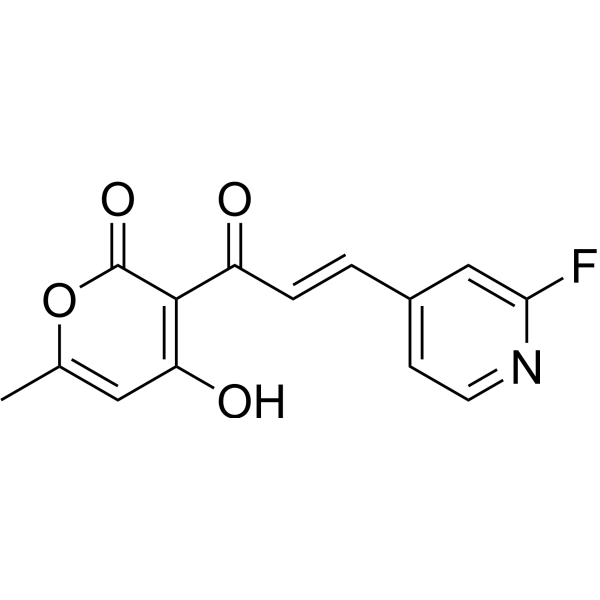 0 ImagesCat. No.: HY-151963CAS No.: 3037963-50-8PPARγ/GR modulator 1 is an orally active dual agonist of PPARγ and glucocorticoid receptor (GR), with Kis of 3.3 and 33.6 μM, respectively. PPARγ/GR modulator 1 can be used for the research of metabolic diseases, such as diabetes.
-
Avicularin (Standard)
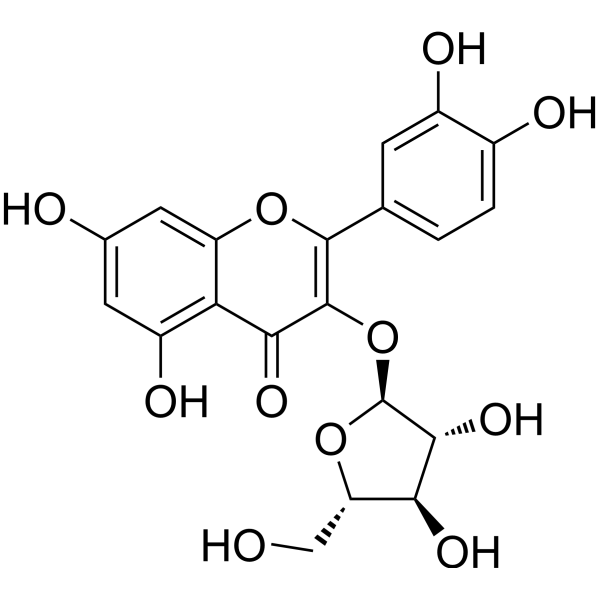 0 ImagesAvicularin (Standard) is the analytical standard of Avicularin. This product is intended for research and analytical applications. Avicularin is an orally active flavonoid. Avicularin inhibits NF-κB (p65), COX-2 and PPAR-γ activities. Avicularin has anti-inflammatory, anti-infectious anti-allergic, anti-oxidant, hepatoprotective, and anti-tumor activities.
-
Porphyra 334
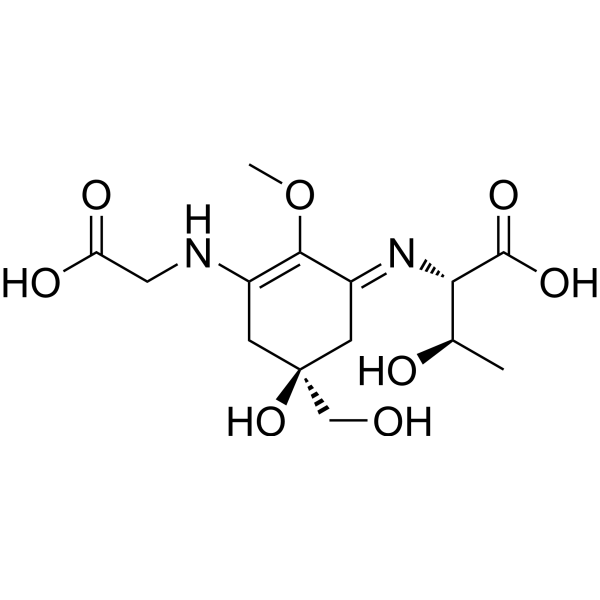 0 ImagesPorphyra 334 is a carnosine-like amino acid and a natural photoprotective agent and antioxidant. Porphyra-334 exerts its photoprotective effects by scavenging ROS, inhibiting the expression and activity of MMP-1/8, and promoting the synthesis of collagen and elastin. Porphyra 334 effectively inhibits linoleic acid oxidation induced by alkyl radicals (AAPH) and singlet oxygen. Porphyra 334 has anti-obesity potential by inhibiting the expression of PPARγ2 and C/EBPα. Porphyra 334 protects cells against UV-induced DNA damage and apoptosis by inhibiting the activation of caspase-3.
-
PPARα/γ agonist 2
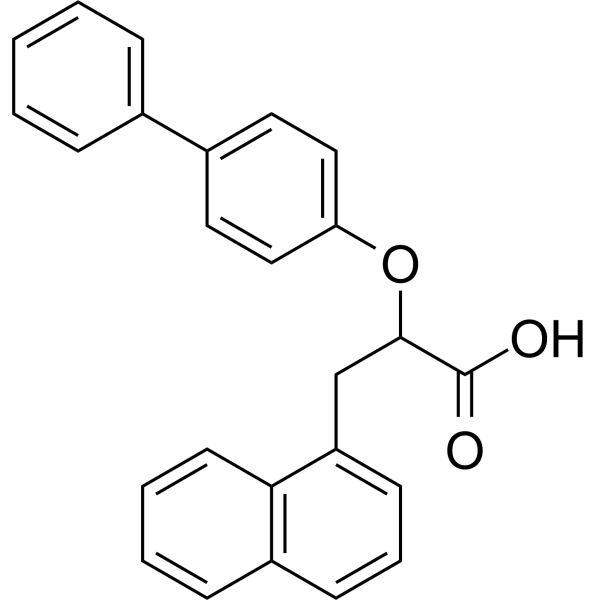 0 ImagesCat. No.: HY-148922CAS No.: 2213365-56-9
-
PPARδ agonist 13
 0 ImagesCat. No.: HY-181652CAS No.: 3056618-93-7PPARδ agonist 13 is a potent, selective and orally active PPARδ agonist with an EC50 values of 0.50 nM. PPARδ agonist 13 binds to the PPARδ ligand-binding pocket and upregulates PPARδ target gene expression. PPARδ agonist 13 inhibits renal fibroblast activation, restores fatty acid oxidation, and attenuates TGF-β1-induced renal fibroblast activation. PPARδ agonist 13 exhibits anti-renal fibrosis effects in a mouse model of unilateral ureteral obstruction. PPARδ agonist 13 can be used for the research of renal fibrosis.
-
PPARα/γ agonist 4
 0 ImagesCat. No.: HY-162578PPARα/γ agonist 4 (Compound (S)-7) is an orally active dual potent agonist of PPARα and PPARγ, with EC50 values of 0.061 μM and 1.42 μM respectively. PPARα/γ agonist 4 acts through an insulin-independent mechanism and exhibits mitochondrial pyruvate carrier inhibition and anti-diabetic properties. PPARα/γ agonist 4 is expected to be used in research for dyslipidemic type 2 diabetes.
-
PPARγ modulator-2
 0 ImagesCat. No.: HY-170874CAS No.: 2897652-01-4
-
DSO-5a
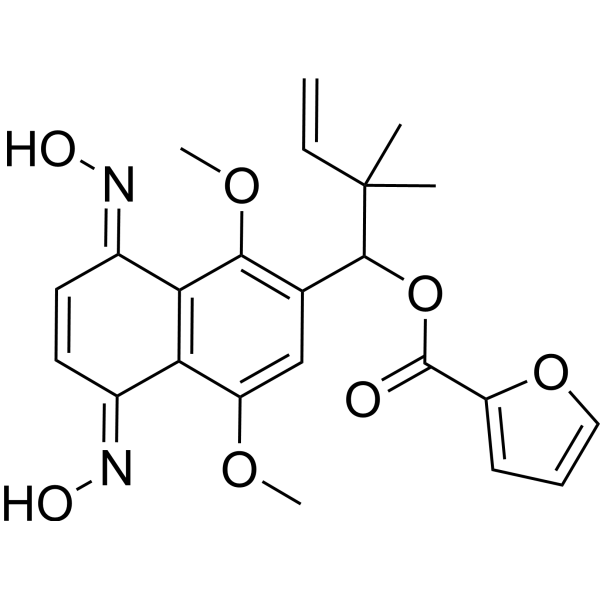 0 ImagesCat. No.: HY-154985CAS No.: 2195411-63-1DSO-5a is a potent, selective, orally active BB3 agonist. DSO-5a is a representative DMAKO-00 derivative compound. DSO-5a upregulates ppar-γ activity through BB3 and activates ERK1/2 phosphorylation. DSO-5a can be used in diabetes-related research.
-
Englitazone sodium
 0 ImagesCat. No.: HY-113922CAS No.: 109229-57-4Englitazone sodium is a thiazolidinedione compound. Englitazone sodium selectively activates PPARγ1 and PPARγ2. Englitazone sodium improves insulin sensitivity, induces adipogenesis in preadipocytes and mesenchymal stem cells, and inhibits the channel currents of Kir6.2-SUR1 and Kir6.2D26. Englitazone sodium is applicable to research related to non-insulin-dependent diabetes mellitus.
-
13(S)-HOTrE
 0 Images13 (S)-HOTrE is an oxylipin metabolite of α-Linolenic acid (HY-N0728). 13 (S)-HOTrE mediates the inactivation of the NLRP3 inflammasome through the PPAR-γ pathway to exert anti-inflammatory effects. 13 (S)-HOTrE inhibits NF-κB nuclear translocation, ROS production, autophagy and IL-1β levels, induces apoptosis, and increases IL-10 levels. 13 (S)-HOTrE alleviates LPS-induced inflammatory responses in macrophages, prolongs the survival time of septic mice, and regulates the immunometabolic phenotype in parenteral nutrition mouse models. 13 (S)-HOTrE can be used in the research of immune and inflammation-related diseases.
-
Rosiglitazone sodium
 0 ImagesCat. No.: HY-B0700CAS No.: 316371-83-2Synonyms: BRL 49653 sodiumRosiglitazone sodium is a potent and selective activator of PPARγ, with EC50s of 30 nM, 100 nM and 60 nM for PPARγ1, PPARγ2, and PPARγ, respectively, and a Kd of appr 40 nM for PPARγ; Rosiglitazone sodium is also an modulator of TRP channels, inhibits TRP melastatin 2 (TRPM2), TRPM3 and activates TRP canonical 5 (TRPC5).
-
15-Keto-prostaglandin E2-d4
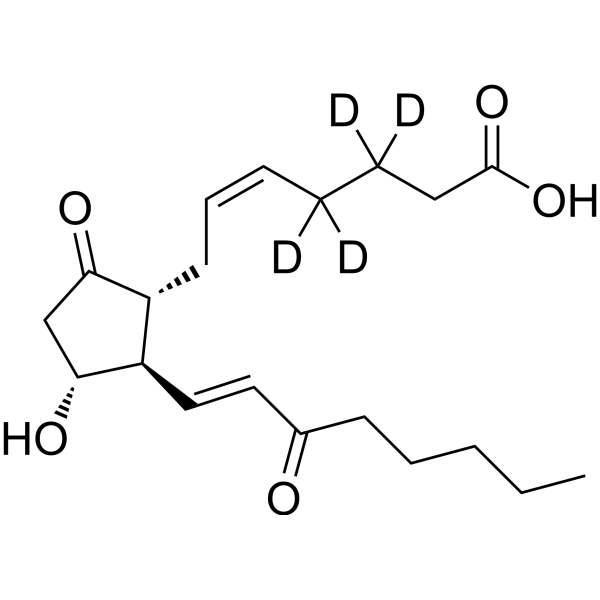 0 ImagesCat. No.: HY-113205S1CAS No.: 2738376-85-515-Keto-prostaglandin E2-d4 is the d4 labeled 15-keto-Prostaglandin E2 (HY-113205). 15-keto-Prostaglandin E2 (15-keto-PGE2) is an endogenous PGE2 metabolite. 15-keto-Prostaglandin E2 inhibits STAT3 activation by binding to the Cys259 residue of STAT3. 15-keto-Prostaglandin E2 binds to and stabilizes EP2 and EP4 receptors. 15-keto-Prostaglandin E2 inhibits the growth and progression of breast cancer cells. 15-keto-Prostaglandin E2 activates PPAR-γ and promotes fungal growth. 15-keto-Prostaglandin E2 disrupts glomerular vascularization during zebrafish development and reduces the surface area of the glomerular filtration barrier.
-
Prostaglandin B3
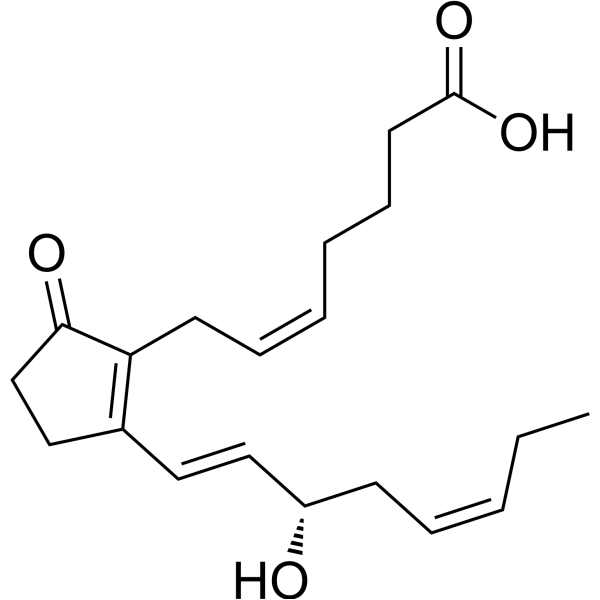 0 ImagesCat. No.: HY-117431CAS No.: 36614-32-1Synonyms: PGB3Prostaglandin B3 (PGB3) is a member of the class of prostaglandins B and a secondary alcohol. PGB3 exhibits a rather low affinity to human PPARγ with a Ki value greater than 1 mM compared with Ki values of 26.28 ± 8.7 μM for PGB1 and 77 ± 37.7 μM for PGB2.




