



STAT3 Inhibitor
-
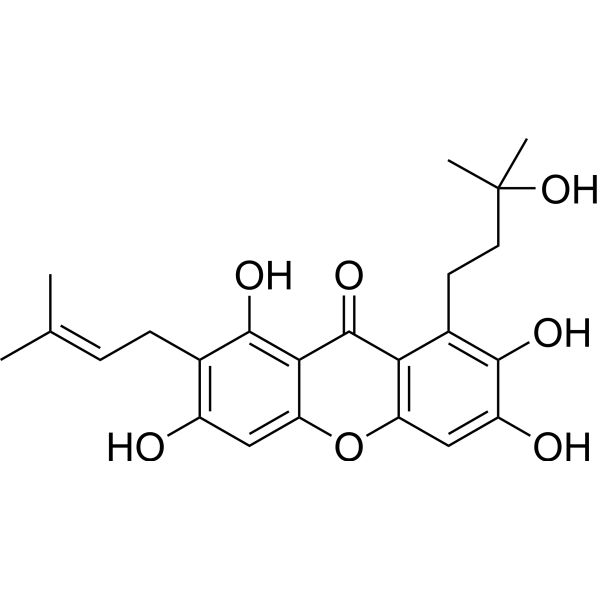
Garcinone C
 0 Images
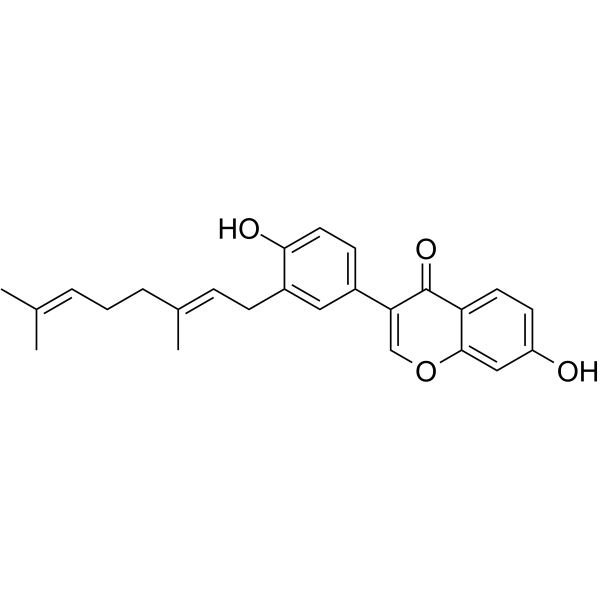
Garcinone C, a xanthone derivative, is a natural compound extracted from Garcinia oblongifolia that is used as an anti-inflammatory, astringency and granulation-promoting medicine, and has potential cytotoxic effects on certain cancers. Garcinone C stimulates the expression levels of ATR and 4E-BP1, arrests the cell cycle, inhibits cell viability of the human Nasopharyngeal carcinoma (NPC) cell lines CNE1, CNE2, HK1 and HONE1 in a time‑ and dose‑dependent manner through inhibition of Hedgehog signaling pathway. Garcinone C is orally active.
-
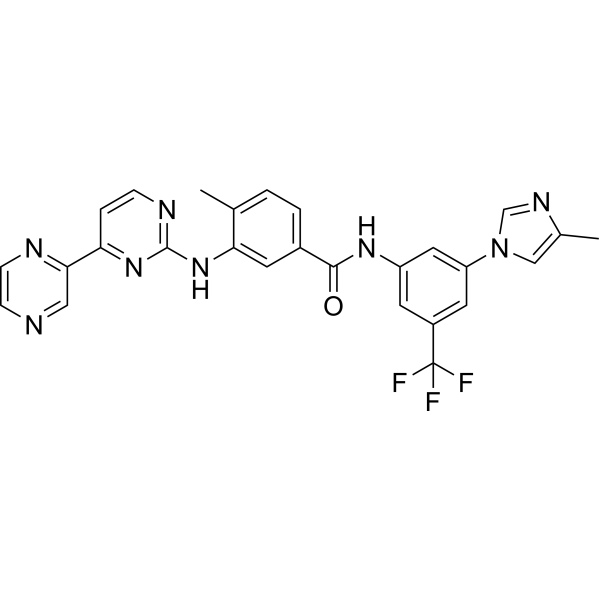
Radotinib
 0 ImagesSynonyms: IY-5511
Radotinib (IY-5511) is an orally active and BBB-permeable selective tyrosine kinase Bcr-Abl1 inhibitor with an IC50 of 34 nM. Radotinib has anti-prion and anti-tumor activities. Radotinib can inhibit the proliferation, induce cell cycle arrest and apoptosis of tumor cells . Radotinib can be used in the research of cancer such as chronic myeloid leukemia and multiple myeloma, as well as neurodegenerative diseases such as prion diseases.
-
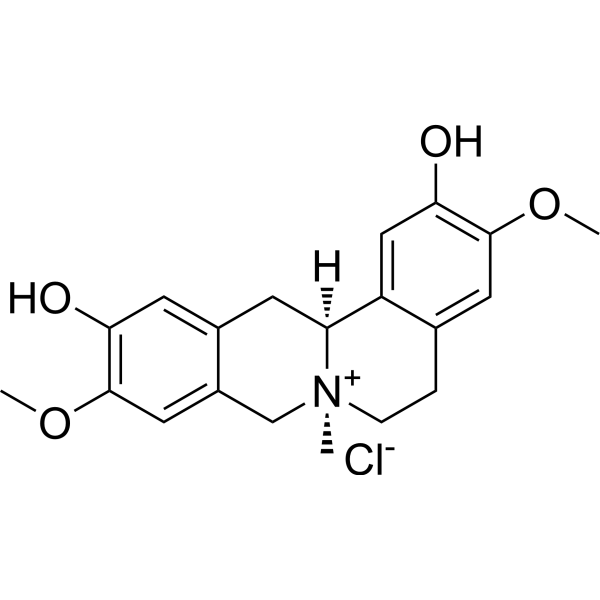
Phellodendrine chloride
 0 Images
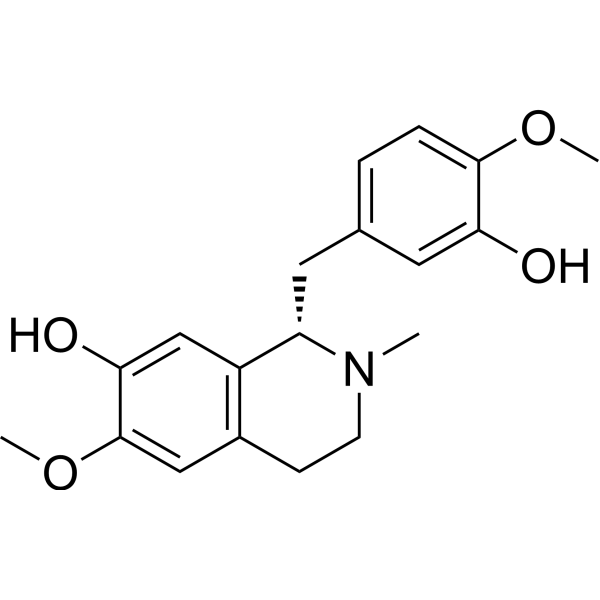
Phellodendrine chloride is an orally active plant alkaloid. Phellodendrine chloride inhibits the proliferation of KRAS-mutated pancreatic cancer cells by suppressing macropinocytosis and glutamine metabolism, inducing ROS accumulation and mitochondrial apoptosis. Phellodendrine chloride promotes autophagy by activating the AMPK/mTOR pathway, alleviating intestinal damage in ulcerative colitis. Phellodendrine chloride can alleviate gouty arthritis by inhibiting the IL-6/STAT3 signaling pathway. Phellodendrine chloride suppresses allergic reactions by altering the conformation of MRGPRB3/MRGPRX2 protein, thereby inhibiting the activation of PKC and subsequent downstream MAPK and NF-κB signaling. Phellodendrine chloride inhibits the AKT/NF-κB pathway and down-regulates the expression of COX-2, thereby protecting zebrafish embryos from oxidative stress. Phellodendrine chloride has an anti-major depressive disorder (MDD) effect by down-regulating CHRM1, HTR1A, and the PI3K/Akt signaling pathway.
-
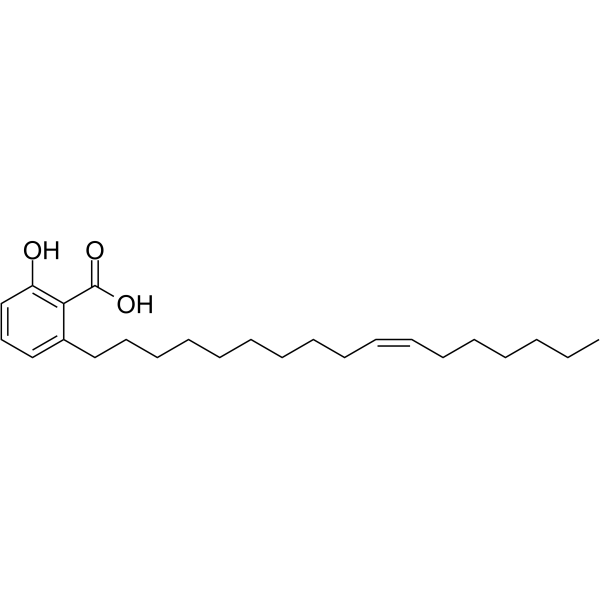
Ginkgolic acid C17:1
 0 Images
Ginkgolic acid C17:1 is a fatty acid synthase (FAS) inhibitor with an IC50 of 10.5 µM. Ginkgolic acid C17:1 shows anti-tumor activity by inhibiting the phosphorylation of STAT3 and inducing apoptosis. Ginkgolic acid C17:1 can block the interaction between S-RBD and ACE2, and has anti-SARS-CoV-2-S pseudovirus activity. Ginkgolic acid C17:1 inhibits the biofilm formation of enterohemorrhagic Escherichia coli and Staphylococcus aureus.
-
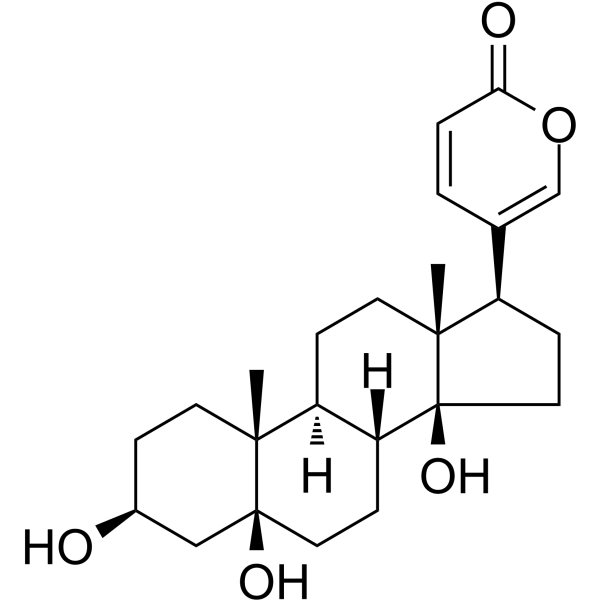
Telocinobufagin
 0 Images
Telocinobufagin (Telobufotoxin; Telocinobufogenin) is an orally active bufadienolide with potential anti-tumor effects. Telocinobufagin exerts its anti-cancer effects on non-small cell carcinoma, osteosarcoma, thyroid cancer, breast cancer and head and neck squamous cell carcinoma by inhibiting the STAT3, JAK2/STAT3, LARP1-mTOR, PI3K/Akt/Snail and PLK1 pathways, and can also induce tumor cell apoptosis. Telocinobufagin enhances the Th1 immune response and protects against Salmonella typhimurium infection. Telocinobufagin has a strong cardiac-stimulating effect by inhibiting the activity of Na+/K+-ATPase, and it can promote renal fibrosis. Telocinobufagin demonstrates non-opioid analgesic effects in various acute pain models.
-
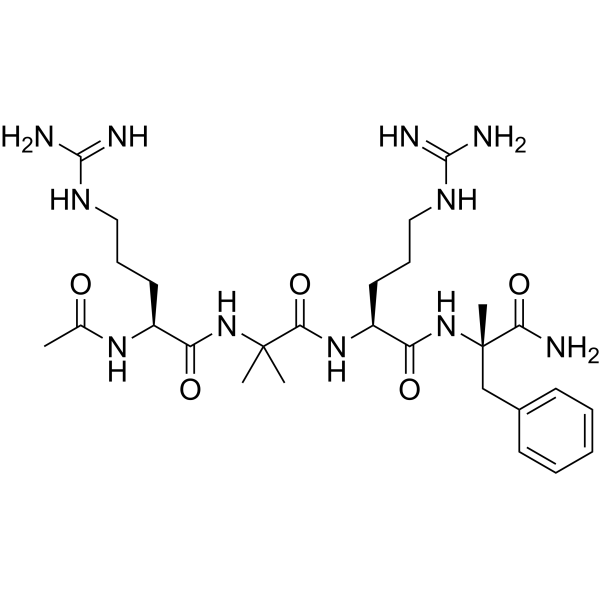
Cenupatide
 0 ImagesSynonyms: UPARANT
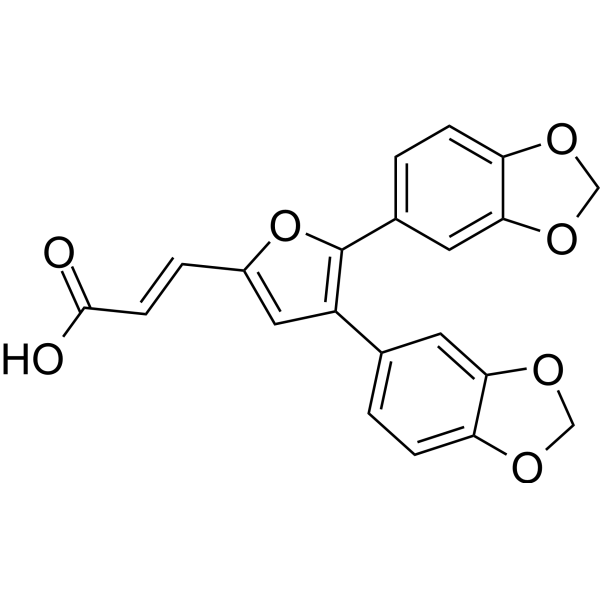
Cenupatide (UPARANT) is a uPAR and FPR antagonist with anti-angiogenic, anti-inflammatory, and vascular barrier regulatory activities, as well as high stability and resistance to enzymatic degradation in blood/plasma. Cenupatide blocks the uPAR-FPR interaction, reduces VEGF-induced phosphorylation levels of AKT, VEGFR-2, STAT3, JNK, p38 MAPK, ERK1/2, and NF-κB p65, and inhibits αvβ3 integrin activation. Cenupatide suppresses endothelial cell migration, invasion, tube formation, and angiogenic signaling pathways, restores tight junctions and blood-retinal barrier integrity, reduces pro-inflammatory marker levels, and inhibits apoptosis. Cenupatide reduces retinal neovascularization, renal fibrosis, and vascular leakage, and restores visual function in preclinical models. Cenupatide is applicable to research related to retinopathy, diabetic complications, ocular diseases, cancer, and inflammatory diseases.
-
Sorafenib (Standard)
 0 ImagesSynonyms: Bay 43-9006 (Standard)
Sorafenib (Standard) (Bay 43-9006 (Standard)) is the analytical standard of Sorafenib (HY-10201). This product is intended for research and analytical applications. Sorafenib (Bay 43-9006) is a potent oral active multikinase inhibitor. Sorafenib blocks autophosphorylation and activity of receptor tyrosine kinases (VEGFR-2, VEGFR-3) and RAF family kinases, thereby suppressing the RAF/MEK/ERK and PI3K/Akt pathways, inhibiting STAT3 phosphorylation, and selectively inhibiting the MAPK pathway in cancer cells. Sorafenib induces cell cycle arrest, autophagy, apoptosis, and PARP cleavage, reduces Bcl-2, Bcl-XL, cyclin D1 levels, and activates Bak and Bax. Sorafenib inhibits tumor growth and metastasis in mouse and rat models. Sorafenib can be used for cancer research, such as colon, breast, non-small-cell lung cancer (NSCLC), ovarian, pancreatic, melanoma, colorectal and hepatocellular carcinoma.
-
TL13-112
 0 Images
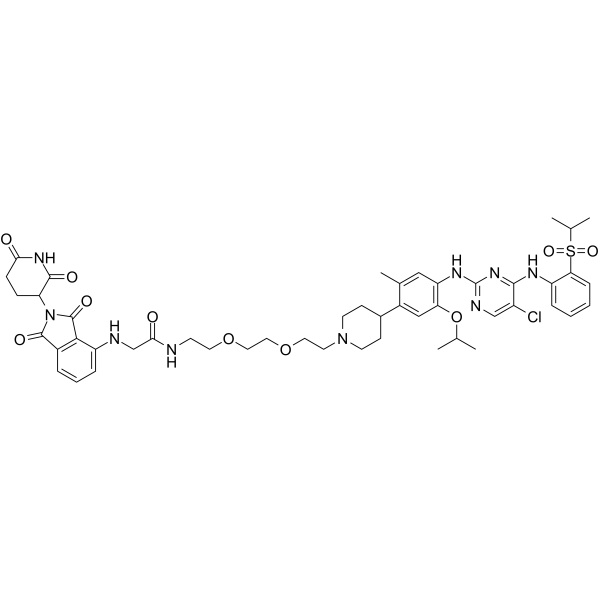
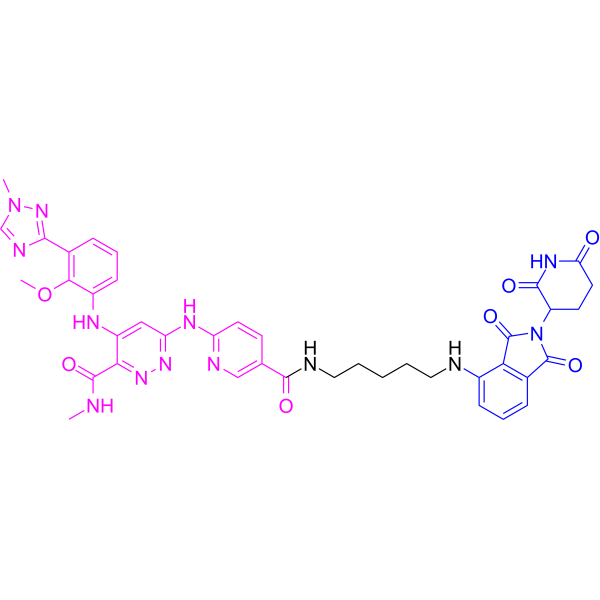
TL13-112 is a ALK PROTAC degrader. TL13-112 degrades the NPM-ALK protein by recruiting the CRBN E3 ligase, thereby blocking oncogenic signal transduction such as STAT3, ERK and AKT, and relieving the transcriptional repression of CD45, CCR7 and PI3Kδ. TL13-112 can be used in related research on anaplastic large cell lymphoma.
-
Tetramethylcurcumin
 0 ImagesSynonyms: FLLL31
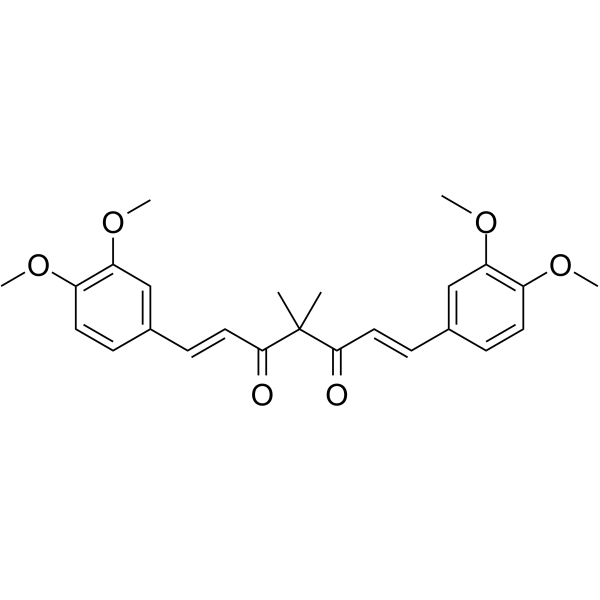
Tetramethylcurcumin (FLLL31), derived from curcumin, specifically suppresses the phosphorylation of STAT3 by binding selectively to Janus kinase 2 and the STAT3 Src homology-2 domain. Tetramethylcurcumin exhibits anti-inflammatory and anti-cancer effects.
-
Equisetin
 0 Images
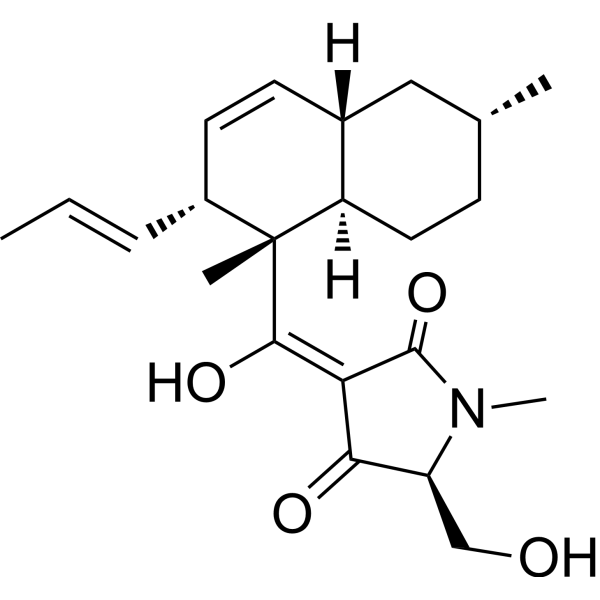
Equisetin is an N-methylserine-derived acyl tetramic acid, quorum sensing inhibitor (QSI), herbicides and antibiotics. Equisetin specifically inhibits the anionic carriers of substrates in the inner mitochondrial membrane. Equisetin inhibits the activity of HIV-1 integrase, 11β-HSD1, and 2,4-dinitrophenol (Dnp)-stimulated ATPase (IC50 = ~8 nmol per mg of protein). Equisetin exhibits growth inhibition of bacteria, anti-inflammatory, amelioration of lipid-associated disorders, and cytotoxic effects.
-
Anti-Mouse CD106/VCAM-1 Antibody (M/K-2.7)
 0 ImagesCat. No.: HY-P990294
Anti-Mouse CD106/VCAM-1 Antibody (M/K-2.7) is an anti-mouse CD106/VCAM-1 IgG1 monoclonal antibody. Anti-Mouse CD106/VCAM-1 Antibody (M/K-2.7) reduces inflammatory response and oxidative stress by lowering p-STAT3 and reactive oxygen species (ROS) levels. Anti-Mouse CD106/VCAM-1 Antibody (M/K-2.7) can alleviate cardiac inflammation and fibrosis by reducing the expression of collagen I and collagen III. Anti-Mouse CD106/VCAM-1 Antibody (M/K-2.7) can be used for research on cardiovascular conditions such as hypertensive heart condition and subretinal fibrosis.
-
STAT3-IN-12
 0 Images
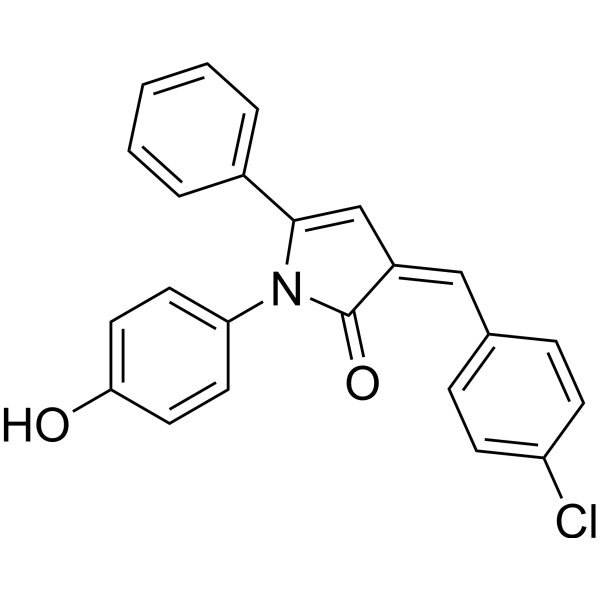
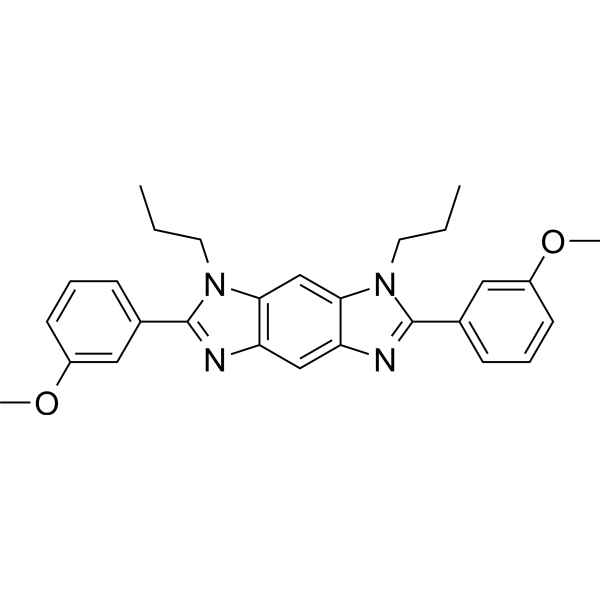
STAT3-IN-12 is a potent STAT3 signal inhibitor that can inhibit IL-6 induced JAK/STAT3 signalling pathway activation. STAT3-IN-12 inhibits cancer cell growth, migration, and induce cell apoptosis as well as cycle arrest. STAT3-IN-12 can be used in cancer-related research, such as hepatocellular carcinoma (HCC) and oesophageal carcinoma.
-
Ac-GpYLPQTV-NH2 acetate
 0 ImagesCat. No.: HY-P10201APurity: 99.00%
Ac-GpYLPQTV-NH2 acetate is a STAT3 inhibitor with an IC50 value of 0.33 μM. Ac-GpYLPQTV-NH2 acetate has antitumor activity.



