Heme Oxygenase (HO) Inhibitor
- 1
- 2
-
ASP-8731
 0 Images
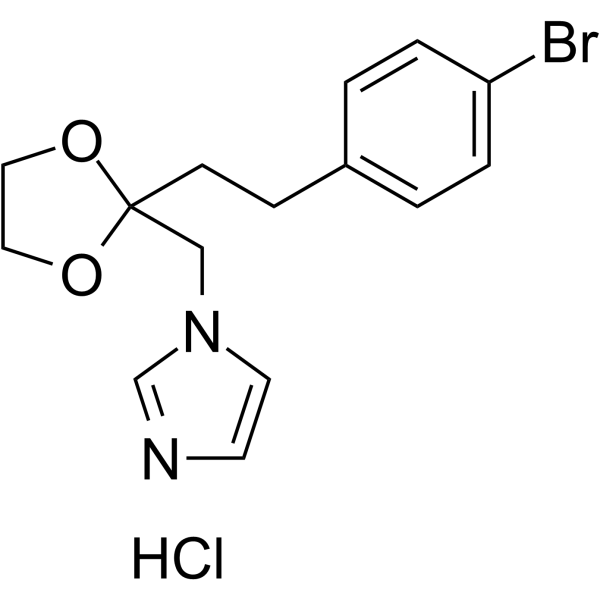
ASP-8731 is an orally active BACH1 inhibitor. ASP-8731 activates antioxidant, anti-inflammatory and globin gene pathways by relieving the inhibitory effect of BACH1 on NRF2-mediated gene transcription. ASP-8731 significantly upregulates the expression of HMOX1, FTH1 and various globins (such as HGB, HBG, HBA), increases fetal hemoglobin (HbF) levels, and effectively induces F-cell production in hydroxyurea-unresponsive cells. Meanwhile, ASP-8731 reduces inflammatory responses and white blood cell counts by downregulating VCAM1, ICAM-1 and the phosphorylation level of NF-κB(p65), and blocks heme-induced glutathione depletion and microcirculatory stasis. ASP-8731 holds potential for inhibiting sickle cell disease and related hematological disorders.
-
Corynoline
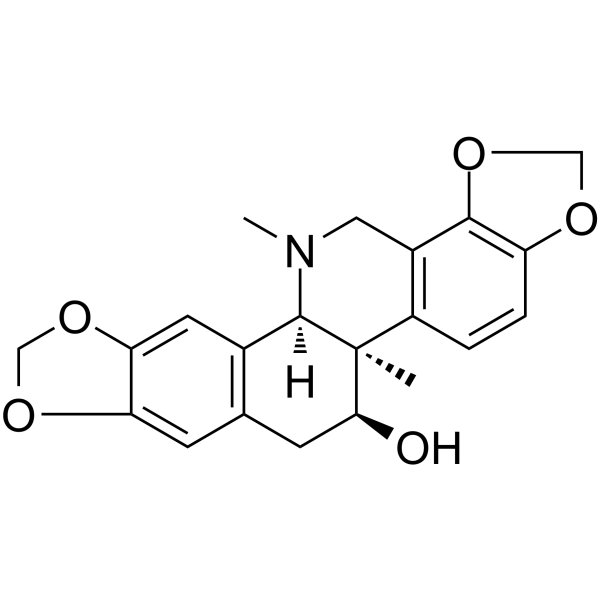 0 ImagesCorynoline is an orally active acetylcholinesterase (AChE) inhibitor with an IC50 of 30.6 μM. Corynoline exhibits multiple activities including anti-inflammatory, antinociceptive, antitumor and analgesic effects. Corynoline can be used in the research of diseases such as tumors and inflammatory pain.
-
Senkyunolide I
 0 Images
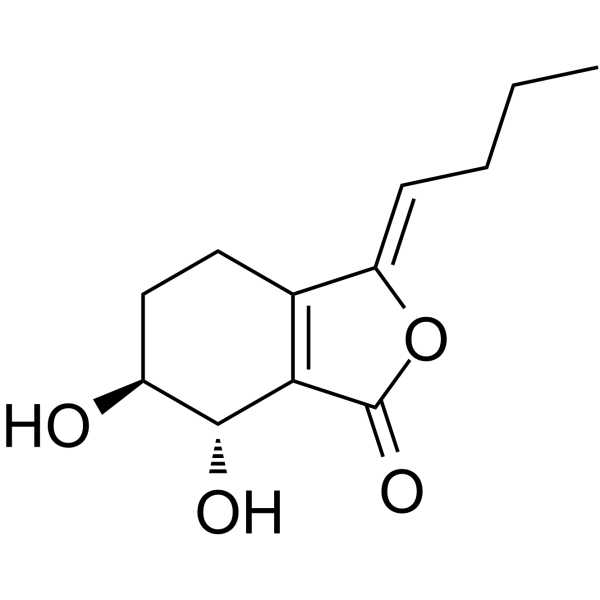
Senkyunolide I is an orally active, blood-brain barrier-permeable metabolite of Z-ligustilide (HY-N0401A). Senkyunolide I is isolated from Ligusticum chuanxiong. Senkyunolide I upregulates p-Erk1/2 and Nrf2/HO-1, and inhibits Caspase 3. Senkyunolide I alleviates Apoptosis. Senkyunolide I increases the pain threshold in mice and reduces acetic acid-induced writhing responses in mice. Senkyunolide I improves neurological deficits, reduces infarct volume and alleviates cerebral edema in rats with focal cerebral ischemia-reperfusion injury. Senkyunolide I protects renal function and structural integrity in a mouse model of renal ischemia-reperfusion injury. Senkyunolide I is applicable to research related to focal cerebral ischemia-reperfusion injury, migraine, and renal ischemia-reperfusion injury.
-
Zn(II) Mesoporphyrin IX
 0 ImagesCat. No.: HY-W583212CAS No.: 14354-67-7Synonyms: ZnMP
Zn (II) Mesoporphyrin IX (ZnMP) is a heme oxygenase inhibitor with photochemical substrate activity. Zn (II) Mesoporphyrin IX specifically inhibits the activity of bone marrow heme oxygenase. In vitro, Zn (II) Mesoporphyrin IX inhibits the growth of erythroid and myeloid progenitor cells in rabbit bone marrow, and blocks the rhG-CSF-induced mobilization of these progenitor cells into the peripheral blood, exhibiting toxicity to hematopoietic growth and progenitor cell production in rabbits. Zn (II) Mesoporphyrin IX undergoes irreversible photochemical decomposition conforming to first-order kinetic characteristics when irradiated with UV-B in 95% ethanol solution. Zn (II) Mesoporphyrin IX can be used in hematopoietic regulation research, but its photolability and toxic effects on the hematopoietic system require attention.
-
Magnesium isoglycyrrhizinate hydrate
 0 ImagesSynonyms: 18α-Glycyrrhizic acid Magnesium hydrate; 18α-GA Magnesium hydrate; 18α-Licorice-saponin H2 Magnesium hydrate
Magnesium isoglycyrrhizinate hydrate (18α-Glycyrrhizic acid Magnesium hydrate; 18α-GA Magnesium hydrate; 18α-Licorice-saponin H2 Magnesium hydrate) is a derivative of glycyrrhizic acid with oral activity. Magnesium isoglycyrrhizinate hydrate exhibits antioxidant, anti-inflammatory, hepatoprotective and cardioprotective activities. Magnesium isoglycyrrhizinate hydrate protects against ethanol-induced alcoholic liver disease in rats by upregulating the expression levels of SOD, GSH, PPAR-α and CPT-1. Magnesium isoglycyrrhizinate hydrate shows cytotoxicity against T lymphocytes and inhibits HIV-1 replication in these cells. Magnesium isoglycyrrhizinate hydrate alleviates oxidative stress by reducing the levels of ROS, Nrf2, HO-1 and p-P65, and alleviates pyroptosis by downregulating the expression levels of NLRP3, GSDMD-N, P20 and c-IL-1β. Magnesium isoglycyrrhizinate hydrate inhibits autophagy, colonic fibrosis and myocardial fibrosis, and regulates intestinal barrier integrity. Magnesium isoglycyrrhizinate hydrate can be used in research related to alcoholic liver disease, HIV-1 infection, hepatotoxicity, acute liver failure, inflammatory bowel disease and myocardial fibrosis.
-
ME-344
 0 Images
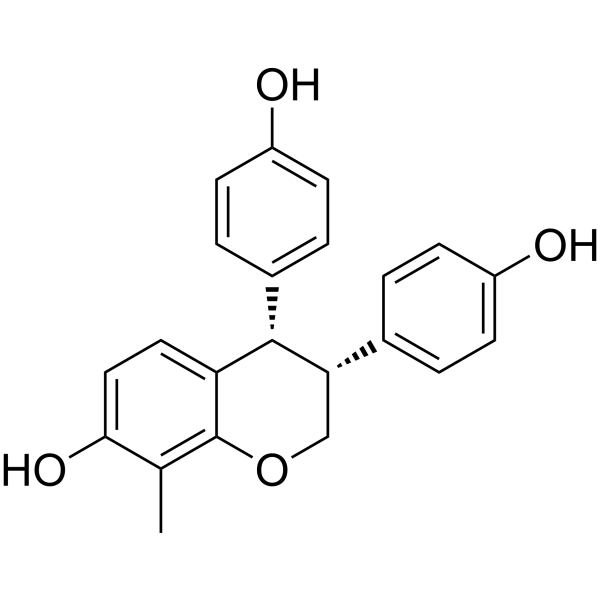
ME-344 is an Isoflavone. ME-344 increases mitochondrial ROS generation. ME-344 inhibits tubulin polymerization. ME-344 inhibits HO-1 and impacts its mitochondrial translocation. ME-344 induces Apoptosis through Caspase 3 activation. ME-344 synergizes with Vinblastine in leukemia cells. ME-344 displays anti-tumor activity against leukemia and lung tumor. ME-344 can be used in the research of lung cancer, acute myeloid leukemia, and HER2-negative breast cancer.
-
Specneuzhenide
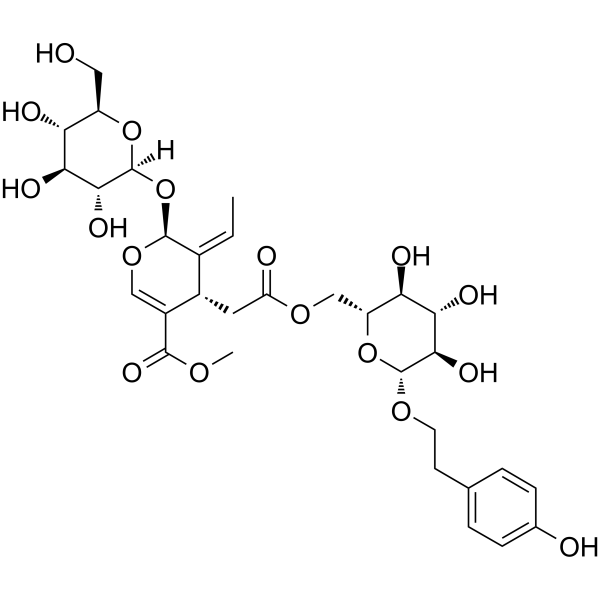 0 ImagesCat. No.: HY-N6075CAS No.: 449733-84-0Synonyms: Nuezhenide
Specneuzhenide (Nuezhenide) is an orally active phenol glycoside isolated from Ligustrum sinense. Specneuzhenide exhibits anti-inflammatory, antioxidant, antifibrotic, antitumor, hypoglycemic, as well as cartilage- and kidney-protective activities. Specneuzhenide inhibits fibrosis by activating the AMPK pathway (Kd = 62 µM), alleviates inflammation and oxidative stress by regulating multiple signaling pathways (NF-κB, Wnt/β-catenin and HO-1/Nrf-2), and upregulates podocyte proteins to comprehensively protect renal function. Specneuzhenide can be used in research related to cancer, rheumatoid arthritis, pulmonary fibrosis, diabetic nephropathy and osteoarthritis.
-
18α-Licorice-saponin H2
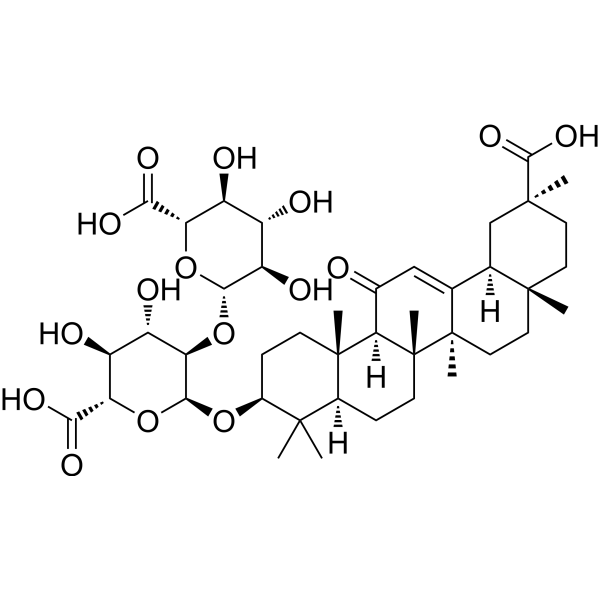 0 ImagesSynonyms: 18α-GA; Isoglycyrrhizinic acid; 18α-Glycyrrhizic acid
18α-Glycyrrhizic acid (18α-GA; Isoglycyrrhizinic acid; 18α-Glycyrrhizic acid) is a derivative of glycyrrhizic acid with oral activity. 18α-Glycyrrhizic acid exhibits antioxidant, anti-inflammatory, hepatoprotective and cardioprotective activities. 18α-Glycyrrhizic acid protects against ethanol-induced alcoholic liver disease in rats by upregulating the expression levels of SOD, GSH, PPAR-α and CPT-1. 18α-Glycyrrhizic acid shows cytotoxicity against T lymphocytes and inhibits HIV-1 replication in these cells. 18α-Glycyrrhizic acid alleviates oxidative stress by reducing the levels of ROS, Nrf2, HO-1 and p-P65, and alleviates pyroptosis by downregulating the expression levels of NLRP3, GSDMD-N, P20 and c-IL-1β. 18α-Glycyrrhizic acid inhibits autophagy, colonic fibrosis and myocardial fibrosis, and regulates intestinal barrier integrity. 18α-Glycyrrhizic acid can be used in research related to alcoholic liver disease, HIV-1 infection, hepatotoxicity, acute liver failure, inflammatory bowel disease and myocardial fibrosis.
-
Quinocetone
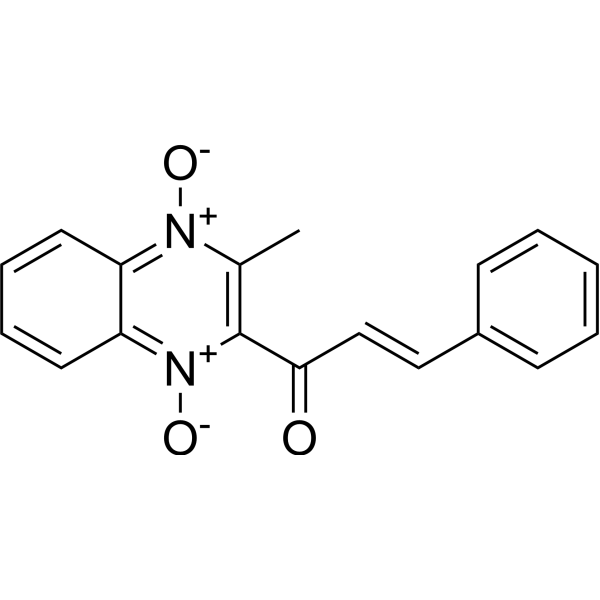 0 Images
Quinocetone is an orally active animal feed additive used to increase the meat production of livestock and poultry. Quinocetone exhibits antibacterial activity against a variety of pathogenic microorganisms. Quinocetone exhibits tissue-specific (liver, lymphocyte) toxicity. Quinocetone induces autophagy in cells through the ATF6/DAPK1 pathway. Quinocetone activates the NF-κB and iNOS pathways, leading to cell apoptosis, hepatocyte vacuolar degeneration and fibrosis. Quinocetone can inhibit Nrf2/HO-1 and induce the generation of reactive oxygen species (ROS), leading to oxidative stress and DNA damage.
-
Tin(IV) mesoporphyrin IX dichloride
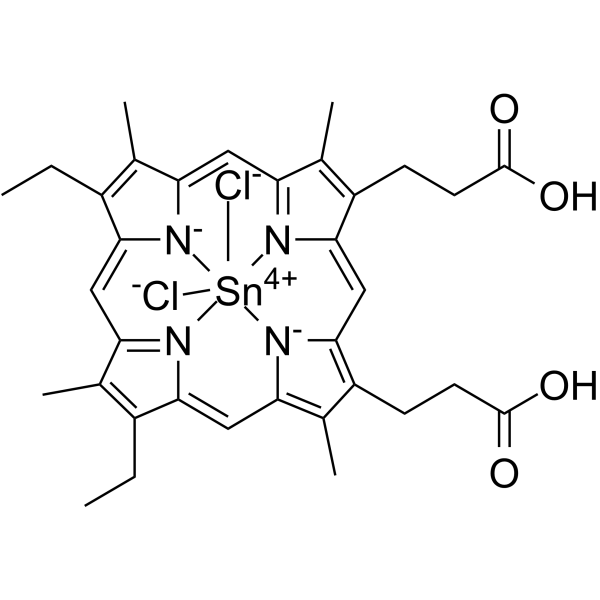 0 ImagesCat. No.: HY-13707CAS No.: 106344-20-1Synonyms: Stannsoporfin; SnMP
Tin(IV) mesoporphyrin IX dichloride (Stannsoporfin) is an orally active heme oxygenase (HO) inhibitor. Tin(IV) mesoporphyrin IX dichloride increases DENV RNA replication. Tin(IV) mesoporphyrin IX dichloride enhances the bactericidal activity of the SPaO regimen against chronic Mycobacterium tuberculosis (Mtb)-infected mice. Tin(IV) mesoporphyrin IX dichloride exhibits antitumor effects. Tin(IV) mesoporphyrin IX dichloride is being developed to prevent the development of jaundice in infants with hyperbilirubinemia.
-
Nodosin
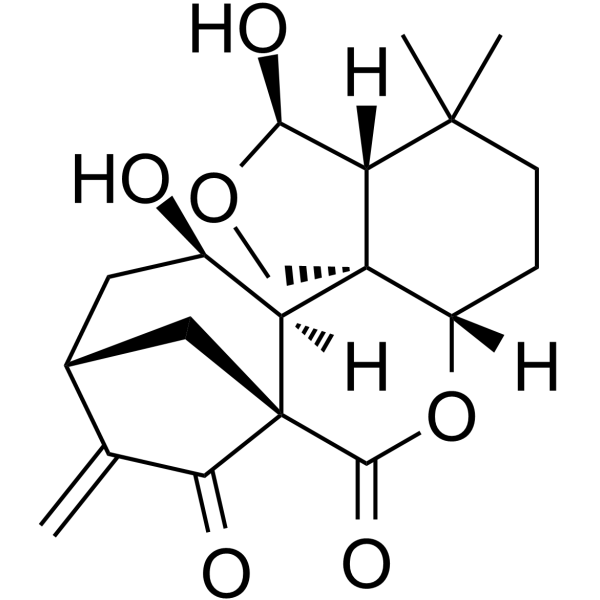 0 Images
Nodosin is an orally active diterpenoid compound that can be isolated from Isodon serra. Nodosin can inhibit the proliferation and induce cell cycle arrest and apoptosis of tumor cells. Nodosin can also inhibit oxidative stress, inflammatory responses, and ferroptosis. Nodosin has anti-inflammatory and anti-tumor activities.
-
(3S,4R)-ME-344
 0 Images
(3S,4R)-ME-344 is the (3S,4R)-enantiomer of ME-344 (HY-112749). ME-344 is a mitochondrial Heme oxygenase 1 (HO-1) inhibitor. ME-344 specifically binds and alters HO-1 structure, and increases HO-1 translocation from the rough endoplasmic reticulum to mitochondria, but only in drug-sensitive cells (such as H460 and SHP-77 cells). ME-344 decreases mitochondrial ATP production and induces ROS, with subsequent disruption of redox homeostasis and mitochondrial function. ME-344 has significant antitumor activity, and can be used for cancers like breast cancer research.
-
KCL-HO-1i
 0 ImagesCat. No.: HY-175660
KCL-HO-1i is an orally active heme oxygenase-1 (HO-1) inhibitor (rat HO-1: IC50 = 123 nM) and human HO-1: IC50 = 128 nM). KCL-HO-1i targets immunosuppressive LYVE-1+ perivascular tumor-associated macrophages (PvTAMs) in the tumor microenvironment (TME), reduces PvTAM-mediated immune exclusion. KCL-HO-1i demonstrates synergistic anti-tumor efficacy with chemotherapy in MMTV-PyMT spontaneous breast cancer mice or C57Bl/6 mice bearing subcutaneous MN-MCA1 sarcomas. KCL-HO-1i can be used for the study of cancer.
-
QC-308
 0 ImagesCat. No.: HY-182604CAS No.: 1353712-58-9
QC-308 is a HO-1/HO-2 inhibitor, with an IC50 of 0.27 μM against rat HO-1 and an IC50 of 0.46 μM against rat HO-2. QC-308 inhibits the activities of rat HO-1 and HO-2 in carbon monoxide generation assays using spleen and brain microsomes, respectively. QC-308 also exhibits senolytic activity, reducing the survival rate of adipogenic progenitor cells in skeletal muscle fibers of senescent mice and human skeletal muscle myoblasts. QC-308 is applicable for senescence-related research.
-
QC-308 hydrochloride
 0 ImagesCat. No.: HY-134310CAS No.: 1353586-18-1
QC-308 hydrochloride is a HO-1/HO-2 inhibitor, with an IC50 of 0.27 μM against rat HO-1 and an IC50 of 0.46 μM against rat HO-2. QC-308 hydrochloride inhibits the activities of rat HO-1 and HO-2 in carbon monoxide generation assays using spleen and brain microsomes, respectively. QC-308 hydrochloride also exhibits senolytic activity, reducing the survival rate of adipogenic progenitor cells in skeletal muscle fibers of senescent mice and human skeletal muscle myoblasts. QC-308 hydrochloride is applicable for senescence-related research.
-
Tricetinidin chloride
 0 ImagesCat. No.: HY-N17651CAS No.: 65618-21-5
Tricetinidin chloride is an antioxidant. Tricetinidin chloride protects rat renal cells against oxidative stress and DNA damage by reducing ROS production, increasing GSH levels, restoring mitochondrial membrane potential, and upregulating HO-1 expression. Tricetinidin chloride also inhibits the expression of IgE receptors on human mast cells. Tricetinidin chloride can be used in the research of inflammatory and allergic diseases.
-
Heme Oxygenase-1-IN-3
 0 ImagesCat. No.: HY-162857CAS No.: 1043712-39-5
-
Nrf2/HO-1 activator 3
 0 ImagesCat. No.: HY-170867
Nrf2/HO-1 activator 3 (Compound C3a) is the activator for Nrf2 signaling pathway that promotes the Nrf2 translocation into nuclei and upregulates the expression of heme oxygenase-1 HO-1. Nrf2/HO-1 activator 3 inhibits the overespression of ROS and MDA in H2O2- or glucose-stimulated H9c2 cardiomyocytes, inhibits the cell viability and colony formation, thereby exhibiting antioxidant efficacy.
-
Nrf-2/HMOX-1-IN-1
 0 ImagesCat. No.: HY-184288
Nrf-2/HMOX-1-IN-1 is a Nrf-2 and HMOX-1 inhibitor, as well as a Ferroptosis inducer. Nrf-2/HMOX-1-IN-1 inhibits GPX activity and upregulates p53 gene expression. Nrf-2/HMOX-1-IN-1 increases intracellular ROS and MDA levels, reduces GSH content, and elevates intracellular iron levels simultaneously. Nrf-2/HMOX-1-IN-1 exerts selective anticancer effects against breast cancer. Nrf-2/HMOX-1-IN-1 can be used in breast cancer-related research.
- 1
- 2