



Reactive Oxygen Species (ROS) Inducer
-
Chol-CTPP
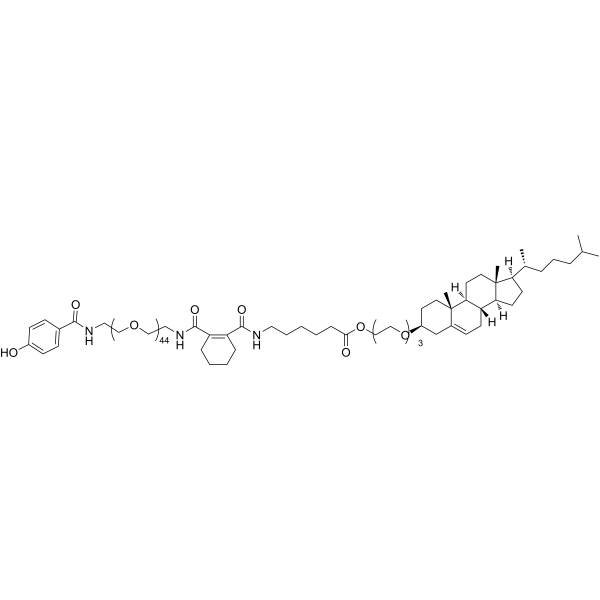 0 ImagesCat. No.: HY-144825
Chol-CTPP is a ligand with dual targeting effect on blood-brain barrier (BBB) and glioma cells. Lip-CTPP can be gained by Chol-CTPP and another mitochondria targeting ligand (Chol-TPP). Lip-CTPP is a promising potential carrier to exert the anti-glioma effect of doxorubicin (DOX) and lonidamine (LND) collaboratively. Lip-CTPP elevates the inhibition rate of tumor cell proliferation, migration and invasion, promote apoptosis and necrosis, and interfere with mitochondrial function.
-
BMAP-27
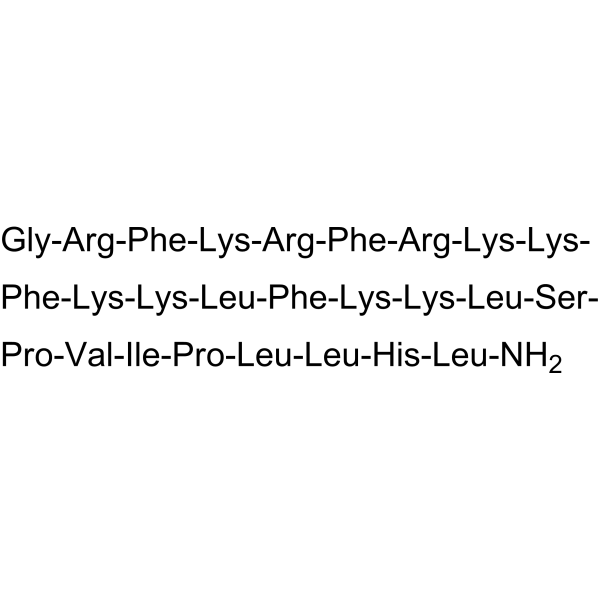 0 ImagesCat. No.: HY-P5286CAS No.: 184870-30-2
BMAP-27 is a cationic amphipathic α-helical antimicrobial peptide with anticancer activity. BMAP-27 disrupts the integrity and permeability of cell membranes, leading to the leakage of intracellular DNA, proteins and alkaline phosphatase. BMAP-27 increases intracellular ROS levels and reduces plasma endotoxin and TNF-α concentrations. BMAP-27 can be used in studies related to Salmonella infection, breast cancer, lung cancer and obstructive jaundice.
-
Ferroptosis inducer-17
 0 ImagesCat. No.: HY-184662
Ferroptosis inducer-17 is a ferroptosis inducer that downregulates GPX4 and activates the CTSB and cGAS-STING pathways. Ferroptosis inducer-17 exhibits cytotoxicity against cancer cells but low toxicity toward normal cells. Ferroptosis inducer-17 accumulates in mitochondria and lysosomes, thereby inducing ROS production, lipid peroxidation, mitochondrial membrane depolarization, lysosomal iron accumulation, increased membrane permeability, and enhanced oxidative stress. Ferroptosis inducer-17 inhibits tumor growth in cisplatin-resistant xenograft models. Ferroptosis inducer-17 can be used for cancer-related research.
-
α-Neoendorphin (porcine)
 0 ImagesCat. No.: HY-P11656CAS No.: 77739-20-9
α-Neoendorphin porcine is a peptide. α-Neoendorphin porcine effectively alleviates UVB-induced skin photoaging via activating mTOR-Beclin-1-mediated autophagy, reducing UVB-triggered ROS production, inhibiting the MAPK pathway and MMP activity, and promoting type I procollagen synthesis. α-Neoendorphin porcine exerts anti-aging and anti-wrinkle effects on skin cells. α-Neoendorphin porcine can be used in studies related to skin photoaging.
-
Neosolaniol
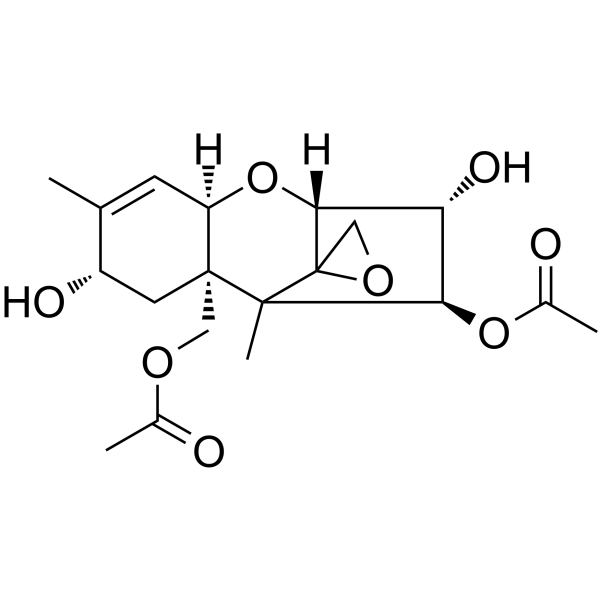 0 Images
Neosolaniol is an orally active type A trichothecene mycotoxin, and it is a metabolite of T-2 Toxin (HY-N6792) in human cancer cells and renal epithelial cells. Neosolaniol targets Bax, Bcl-2, caspase 3, caspase 8, and cytochrome c, thereby inducing apoptosis, emesis and anorexia. Neosolaniol reduces intracellular ATP levels, elevates ROS levels, decreases mitochondrial membrane potential, induces mitochondrial damage, and exerts toxicity on Leydig cells. Neosolaniol downregulates the expression of intestinal tight junction proteins in broilers and increases the load of Salmonella enteritidis in the cecum of broilers. Neosolaniol can be used in research related to anorexia, lymphoma, Fusarium melonis rot, and Salmonella infection.
-
MPT0L145
 0 ImagesCat. No.: HY-122888CAS No.: 2070837-24-8
MPT0L145 is a PIK3C3/FGFR inhibitor, with a Kd value of 0.53 nM for PIK3C3. MPT0L145 decreases the phosphorylation of FGFR1, FGFR3 and their downstream proteins (FRS2, ERK and Akt). MPT0L145 induces G0/G1 cell cycle arrest and decreased protein levels of cyclin E. MPT0L145 promotes mitochondrial dysfunction, ROS production, and DNA damage. MPT0L145 is an autophagy inhibitor. MPT0L145 significantly sensitizes cancer cells to targeted or chemotherapeutic agents. MPT0L145 can be used for cancer research, such as bladder cancer and NSCLC.
-
PI3Kα-IN-8
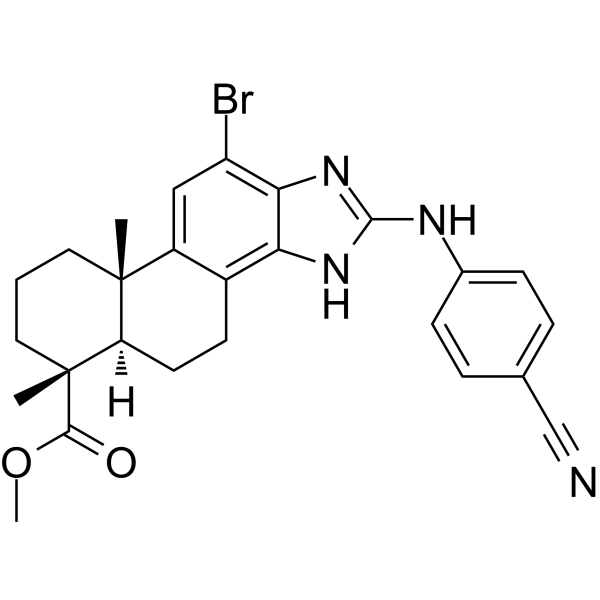 0 ImagesCat. No.: HY-147983CAS No.: 2315320-24-0
PI3Kα-IN-8 (Compound 9g) is a selective PI3Kα inhibitor with an IC50 of 0.012 μM. PI3Kα-IN-8 increases intracellular reactive oxygen species level, decreases mitochondrial membrane potential and induces apoptosis.
-
GDD-261
 0 ImagesCat. No.: HY-184416
GDD-261 is an orally active potent allosteric PHGDH inhibitor with IC50 of 61 nM and KD of 1.17 μM. GDD-261 potently suppresses de novo serine biosynthesis via blocking the rate-limiting catalytic activity of PHGDH, elevates intracellular reactive oxygen species (ROS) and γ-H2AX levels, and reduces the GSH/GSSG ratio to trigger tumor cell oxidative stress and DNA damage. GDD-261 mainly applies to research on Erlotinib (HY-50896)-resistant EGFR-mutant non-small cell lung cancer.
-
Elsinochrome A
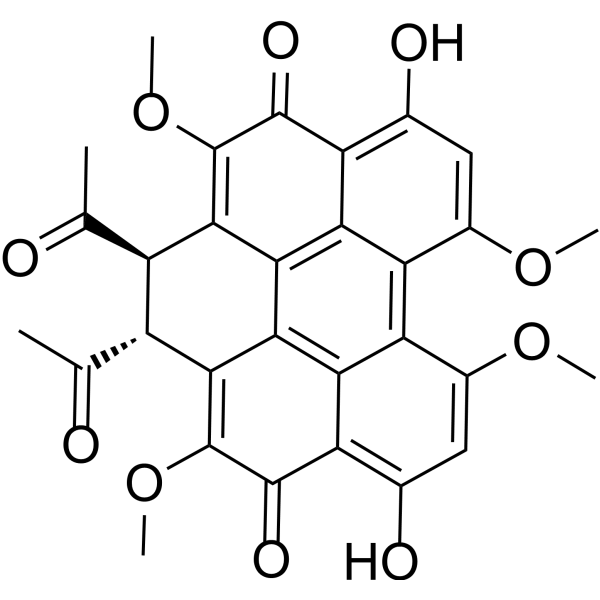 0 ImagesCat. No.: HY-N10611CAS No.: 24568-67-0
Elsinochrome A is a perylene quinone photosensitizer, and can generate reactive oxygen species (ROS) to induce apoptosis and autophagy under light excitation. Elsinochrome A also shows antifungal activity against C. albicans biofilm through photodynamic antimicrobial chemotherapy (PACT). Elsinochrome A can be used for research of photodynamic therapy (PDT) (Ex: 460 nm).
-
Dicatenarin
 0 Images
Dicatenarin is a caspase‑3 activator with growth‑inhibitory activity against human cancer cells. Dicatenarin increases caspase‑3 activity, induces intracellular ROS generation, and activates the mitochondrial‑mediated apoptotic pathway. Dicatenarin exerts growth‑inhibitory effects against a panel of human cancer cell lines. Dicatenarin can be used in research on pancreatic cancer, lung cancer, colon cancer, breast cancer, prostate cancer, and ovarian cancer.
-
Artocarpin
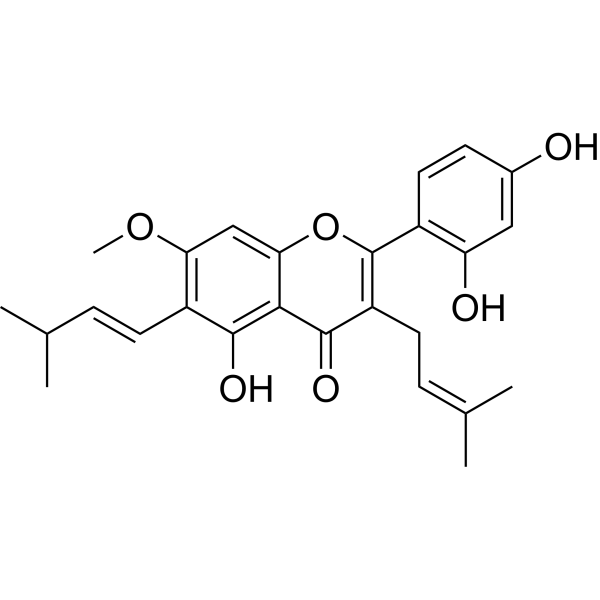 0 Images
Artocarpin is an orally active apoptosis inducer. Artocarpin targets NF-κB, Erk1/2, p38 MAPK, AktS473, p53, Akt 1 kinase and Akt 2 kinase. Artocarpin induces reactive oxygen species (ROS) production, mediates p53-dependent and p53-independent apoptotic signaling pathways, induces G1-phase cell cycle arrest, and triggers autophagic cell death. Artocarpin exerts cytotoxic and bactericidal effects on cancer cells, reduces bacterial load, and exhibits anti-inflammatory, analgesic and anti-angiogenic activities.
-
ZnPcPs
 0 ImagesCat. No.: HY-176725
ZnPcPs is a photosensitizer that generates ROS. ZnPcPs can be used to synthesize the photo-activated BRD4 degrader pZnPc-O3-JQ1 (HY-176724).

-
Apoptosis inducer 30
 0 ImagesCat. No.: HY-168589
Apoptosis inducer 30 (Compound 15a) is an anticancer agent. Apoptosis inducer 30 induces MCF-7 cells apoptosis through mitochondrial pathway. Apoptosis inducer 30 induces intracellular reactive oxygen species levels and decreases mitochondrial membrane potential, and blocks the cell cycle in the G0/G1 phase. Apoptosis inducer 30 inhibits cell growth, with an IC50 value of 0.32 μM against MCF-7 cells, and inhibits tumor growth in a mouse model of breast cancer.
-
Dichamanetin
 0 ImagesCat. No.: HY-N12686CAS No.: 58779-09-2
Dichamanetin, a C-benzylated flavanone that can be isolated from Piper sarmentosum, is a potent antibacterial and anticancer agent. Dichamanetin displays antibacterial activity against a panel of Gram-positive strains, including resistant S. aureus strains with MIC values in the range of 1-7.5 μg/mL. Dichamanetin inhibits cancer cell growth by affecting ROS-related signaling components via mitochondrial-mediated apoptosis. Dichamanetin can be used for colon, prostate, breast cancer and infection research.
-
Buspirone hydrochloride (Standard)
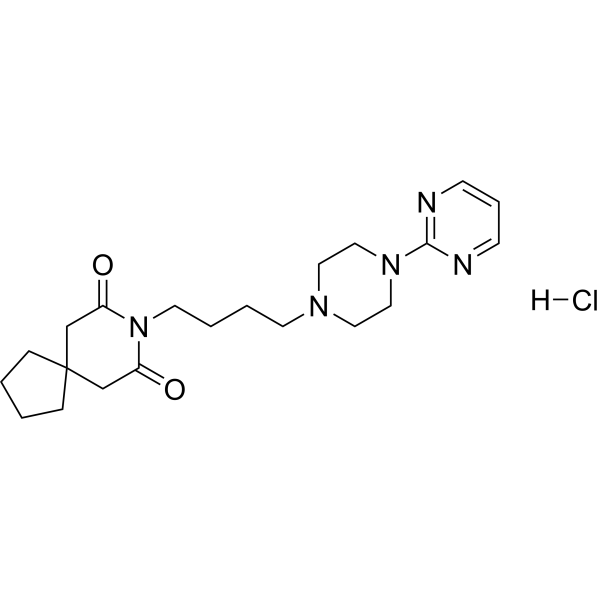 0 Images
Buspirone (hydrochloride) (Standard) is the analytical standard of Buspirone (hydrochloride). This product is intended for research and analytical applications. Buspirone hydrochloride is a 5-HT1A receptor agonist. Buspirone hydrochloride can be used for anxiety and depression research.
-
CAR-2
 0 ImagesCat. No.: HY-D2620CAS No.: 3030055-40-1
CAR-2 is a BODIPY-based photosensitizer that induces ferroptosis in photodynamic therapy (PDT) by targeting the endoplasmic reticulum (ER) and lipid droplets (LDs). CAR-2 exhibits phototoxicity in breast cancer cells with IC50 of 0.01-0.02 μM. CAR-2 exhibits antitumor efficacy in 4T1 xenograft mouse models.
-
Anticancer agent 205
 0 ImagesCat. No.: HY-162456
Anticancer agent 205 (compound 9) is a potent anticancer agent. Anticancer agent 205 binds to G4-mtDNA target and inhibits the replication, transcription, and translation of mtDNA (mitochondrial genome). Anticancer agent 205 causes mitochondrial dysfunction, increases ROS production, induces DNA damage and cellular senescence. Anticancer agent 205 induces apoptosis and cell cycle arrests at G0/G1 phase. Anticancer agent 205 has the potential for the research of colorectal cancer.
-
Anticancer agent 120
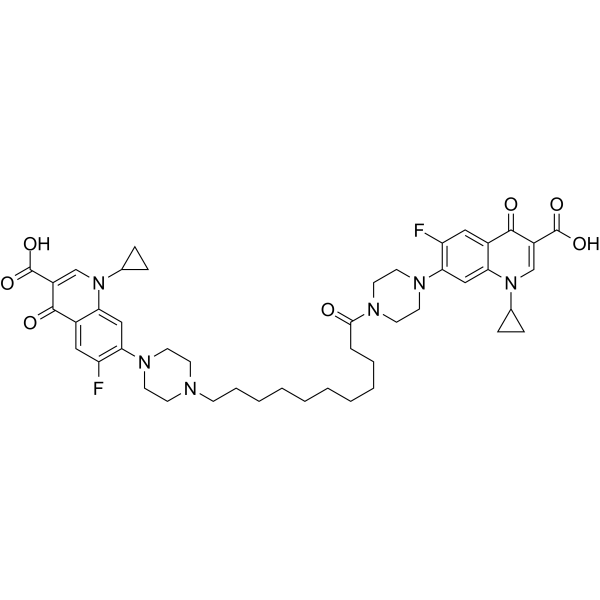 0 ImagesCat. No.: HY-149997CAS No.: 2928614-22-4
Anticancer agent 120 (compound 21) is an N-acylated ciprofloxacin derivative, which has certain antibacterial activity and induces ROS to promote cancer cell apoptosis.
-
Topoisomerase I/II inhibitor 3
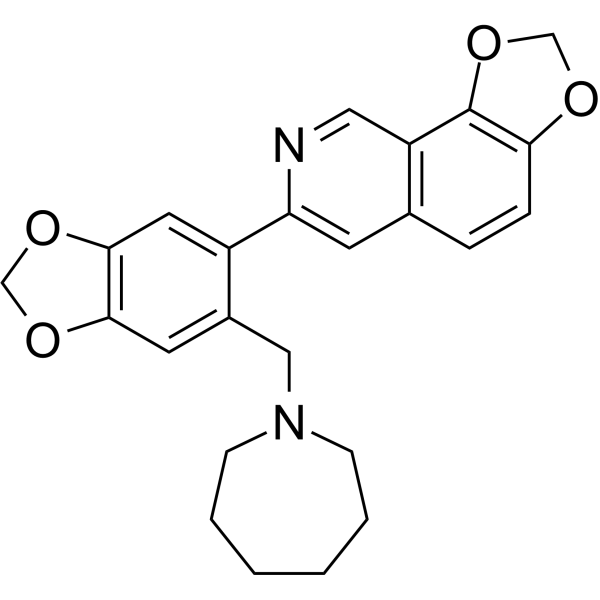 0 ImagesCat. No.: HY-146504CAS No.: 2770804-74-3
Topoisomerase I/II inhibitor 3 (compound 7) is a potent topoisomerase I (Topo I) and II (Topo II) dual inhibitor. Topoisomerase I/II inhibitor 3 can inhibit cell proliferation, invasion and migration, and induce apoptosis by inhibiting PI3K/Akt/mTOR signaling pathway. Topoisomerase I/II inhibitor 3 can be used for liver cancer research.



