



Alcaftadine
Based on 1 publication(s) in Google Scholar
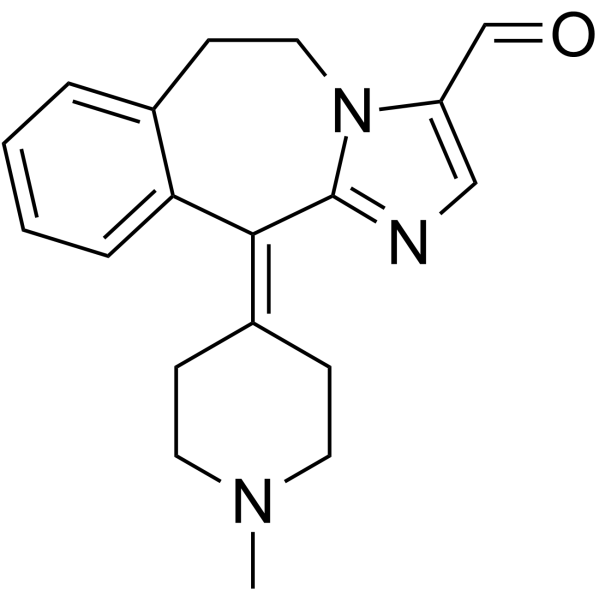
Alcaftadine (R89674) is an orally active, selective histamine H1/H2/H4 receptor antagonist. Alcaftadine shows extremely low affinity for muscarinic/adrenergic receptors. Alcaftadine prevents allergen-induced loss of zonula occludens and E-cadherin tight junction proteins. Alcaftadine inhibits CaMK2γ activity/phosphorylation (Kd 25.4 μM: hCaMK2γ). Alcaftadine produces sedative-hypnotic sleep-promoting effects. Alcaftadine can be used in research on allergic conjunctivitis, psoriasis, and histamine-dependent pruritus.
Nur für Forschungszwecke. Wir verkaufen nicht an Patienten.
- Reinheit : 98.37%
- CAS. Nr.: 147084-10-4
- Formel: C19H21N3O
- Molecular Weight:307.39
-
Speicherung:Powder -20°C, 3 years , 4°C, 2 years ; In solvent -80°C, 2 years , -20°C, 1 year

To place orders, for customer services and technical support, please contact: MedChemExpress USA
Tel: 609-228-6898 E-mail: [email protected] [email protected]


-
 Biologische Aktivität
-
Chemical Information
-
Lösungsmittel & Löslichkeit
- Protokoll
- Reinheit & Dokumentation
- Verweise
-
 Help & FAQs


-
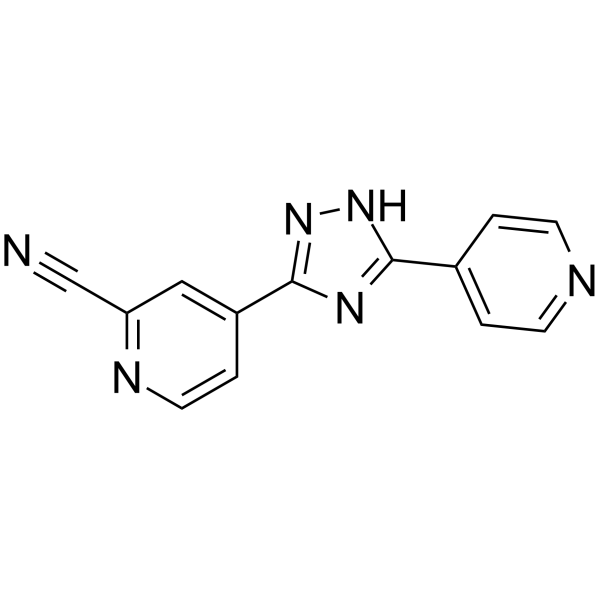
HY-14874
TopiroxostatXOR Inhibitor -
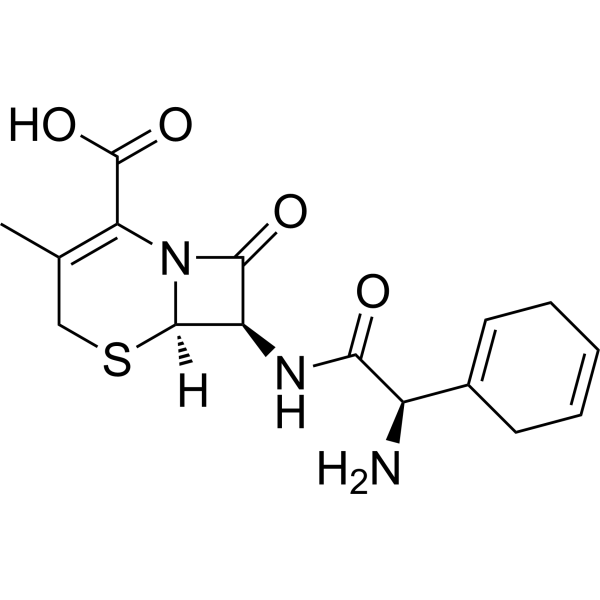
HY-B1156
CephradineCephalosporin Antibiotic -
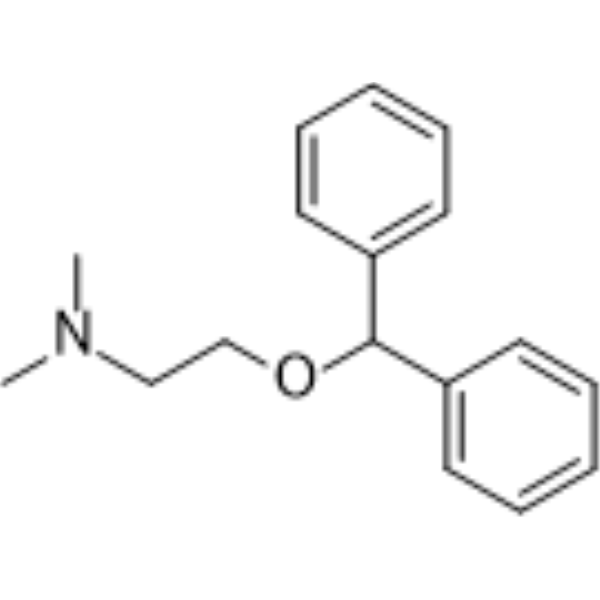
HY-B0303
DiphenhydramineAntihistamine -

HY-B0303R
Diphenhydramine (Standard)Antihistamine -

HY-17039R
Alcaftadine (Standard)Reference Standard -
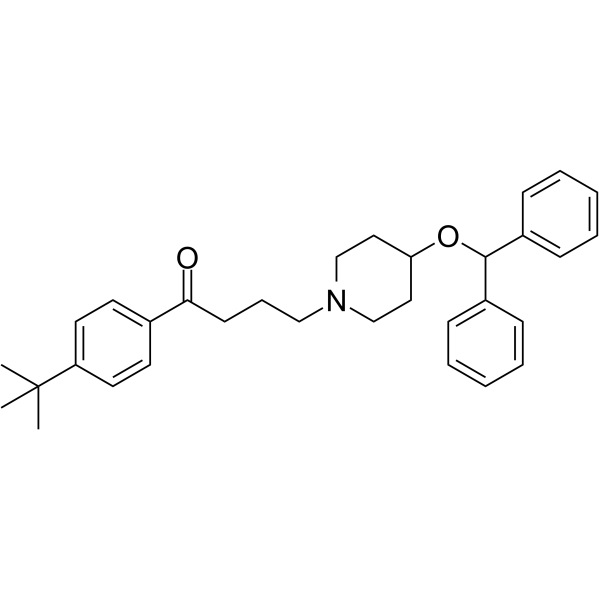
HY-B0674
EbastineHistamine H1 Receptor Antagonist -
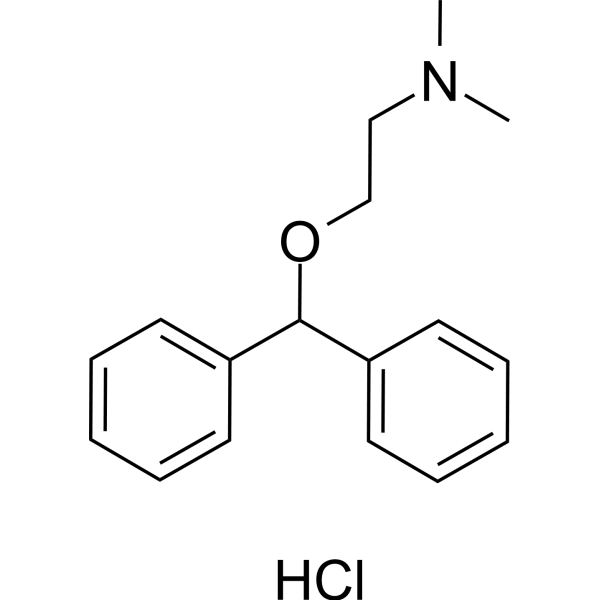
HY-B0303A
Diphenhydramine hydrochlorideHistamine H1-Receptor Antagonist -
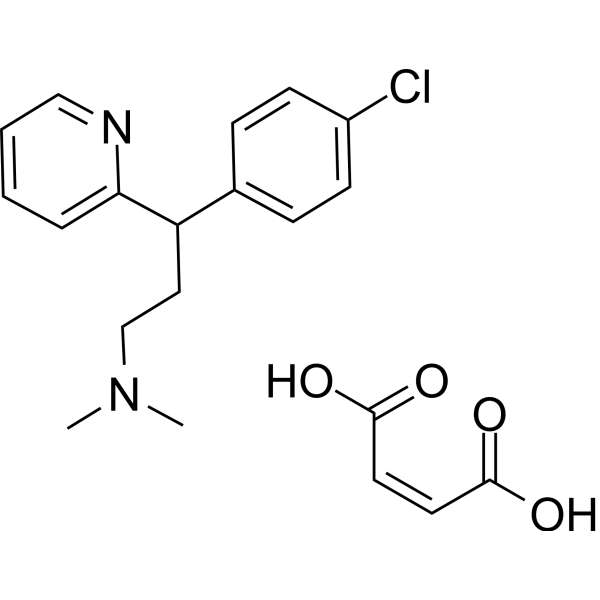
HY-B0286A
Chlorpheniramine maleateHistamine H1 Receptor Antagonist -
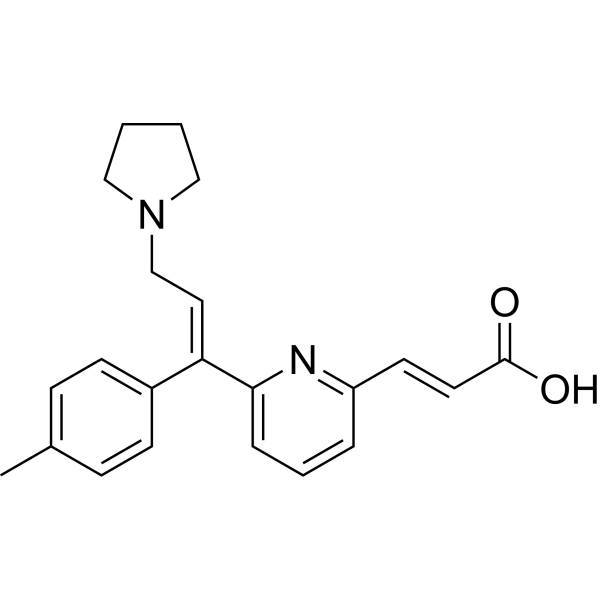
HY-B1510
AcrivastineHistamine Receptor Inhibitor -
HY-12532
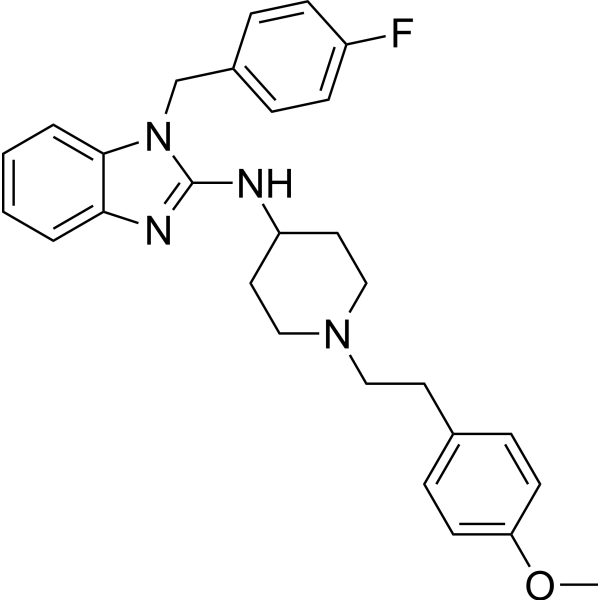
AstemizoleH1 Receptor Antagonist -
HY-B0480
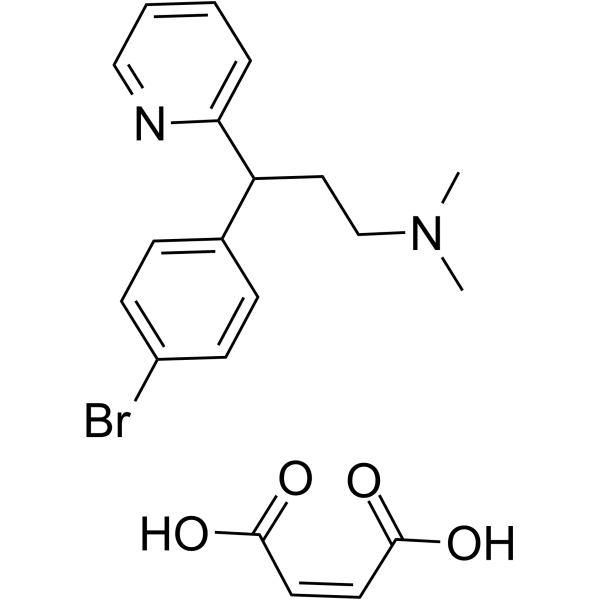
Brompheniramine maleateAntihistamine Agent -
HY-B0801
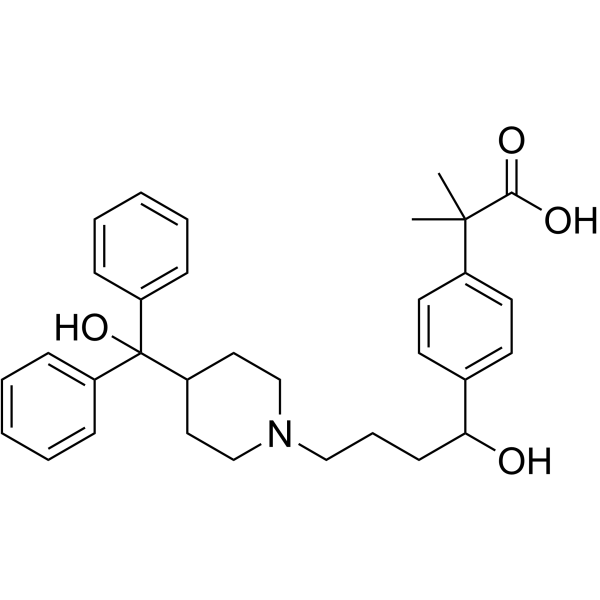
FexofenadineH1R Antagonist


Biologische Aktivität
Beschreibung
|
H1 Receptor |
H2 Receptor |
CaMK IIγ 25.4 μM (Kd) |
H4 receptor |
In Vitro
Alcaftadine (60-120 min) is a high-affinity H1/H2 ligand (pKi 8.5 and 7.2) and a lower-affinity H4 ligand (pKi 5.8) in transfected HEK-293 (H1) and CHO (H2) membranes, with no affinity for H3[2].
Alcaftadine (1.2-100 µM) acts as a competitive H4 receptor antagonist in SK-N-MC reporter cells, with a pA2 of 5.6[2].
Alcaftadine is a potent and specific ligand for histamine H1 and H2 receptors, with Ki values of 3.1 and 58 nM, respectively[3].
Alcaftadine (100 ng/mL) does not significantly inhibit the tested hepatic microsomal CYP isoforms, with inhibition percentage values ranging from -25.0% to -3.1%[3].
Alcaftadine shows the strongest activity against HRH1 (0.0030 µM) and CHRM4 (0.43 µM) in in vitro protein target assays, while no activity is observed against ADRA1D, CHRM1, and DRD2[4].
Alcaftadine (10-30%; 0.5-24 h) is the least cytotoxic among the tested reagents in HCE-T corneal epithelial cells, with viability decreasing in a time- and concentration-dependent manner[6].
Alcaftadine (10%; 2-24 hours) produces the best wound healing among the tested agents in scratched HCE-T corneal epithelial cell monolayers at 18 and 24 hours[6].
Alcaftadine binds hCaMK2γ with a KD of 25.4 μM and mouse CaMK2γ with a KD of 68.4 μM in cell-free SPR experiments[7].
Alcaftadine (10 μM) cannot reverse the sensitized TTX-S Na+ channel activation in acutely dissociated large-diameter DRG neurons from mice in the histamine-dependent model induced by Compound 48/80 (HY-115768)[8].
MedChemExpress (MCE) has not independently confirmed the accuracy of these methods. They are for reference only.
-
Cell Line:HCE-T human corneal epithelial cells
-
Concentration:10%, 20%, and 30% (Alcaftadine 0.25% diluted)
-
Incubation Time:0.5, 1, 2, 12, and 24 h
-
Result:Cell viability decreased in time- and concentration-dependent manners.
The smallest viability decline among the tested agents occurred.
At 30%, the smallest viability decline occurred, with higher viability than comparator agents at exposure times up to 2 h.
At 20%, viability was significantly reduced after 2 h; at 30%, viability was significantly reduced after 1 h.
At exposure times ≥12 h, viabilities were extremely low.
In Vivo
Alcaftadine (oral; 4 h before repeated antigen challenge) inhibits antigen-induced wheal and flare responses in dogs, with an oral ED50 of 7.1 µg/kg[2].
Alcaftadine (0.005-0.5 mg/kg; oral; on days 16 and 17, 1 h before conjunctival challenge) prevents histamine- and allergen-induced immediate conjunctival symptoms and reduces delayed eosinophil influx in sensitized guinea pigs[2].
Alcaftadine reduces eosinophil infiltration in guinea pig models of acute-phase and late-phase allergic conjunctivitis[3].
Alcaftadine (2.5-10 mg/kg; topical administration; once daily; 4 days) attenuates Imiquimod (HY-B0180)-induced psoriasis-like inflammation and IL-17A production by dermal γδT17 cells in mice[7].
Alcaftadine attenuates late-phase allergic conjunctivitis in mice by reducing conjunctival eosinophil recruitment and preventing allergen-induced loss of epithelial ZO-1 expression[9].
MedChemExpress (MCE) has not independently confirmed the accuracy of these methods. They are for reference only.
-
Animal Model:Beagle (five dogs per group)[2]
-
Dosage:7.1 µg/kg (ED50)
-
Administration:p.o.; 4 h before repeat antigen challenge
-
Result:Suppressed wheal and flare responses to intracutaneous Ascaris antigen challenge, with an ED50 of 7.1 µg/kg.
-
Animal Model:Dunkin-Hartley (male, 200-250 g, albino)[2]
-
Dosage:0.005, 0.01, 0.05, 0.1, and 0.5 mg/kg
-
Administration:p.o.; on day 16 and day 17, 1 h before conjunctival challenge
-
Result:Produced dose-dependent reductions in summed edema/erythema symptom scores after both histamine challenge and allergen challenge.
In the late phase, dose-dependent reductions in conjunctival eosinophil peroxidase were produced, with the text identifying 0.1 and 0.5 mg/kg as effective doses.
-
Animal Model:Rat[4]
-
Dosage:30 mg/kg
-
Administration:i.p.; single dose
-
Result:Increased non-REM sleep by 24.4 minutes and total sleep by 17.8 minutes in the first 6 hours post-dosing compared with vehicle.
Did not significantly change the longest sleep bout or average sleep bout; both sleep bout measures were in the acceptable range.
Clinical Trial
| NCT Number | Sponsor | Condition | Start Date |
Phase

|
|---|---|---|---|---|
| NCT01329991 | 2011-05 | PHASE1 |


Chemical Information
-
CAS. Nr. 147084-10-4
-
Appearance Solid
-
Molecular Weight 307.39
-
Formel C19H21N3O
-
Color Light yellow to yellow
-
SMILES
O=CC1=CN=C2N1CCC3=CC=CC=C3/C2=C4CCN(C)CC\4
-
Synonyms
R89674
-
Versand
Room temperature in continental US; may vary elsewhere.
-
Speicherung
Powder -20°C 3 years 4°C 2 years In solvent -80°C 2 years -20°C 1 year


Publications (1)
-
Journal Impact Factor
-
Most Recent
-
Int J Biol Macromol
Reticuline isomerase AKR1B1 with aldo-keto reductase activity and detoxification function from the insect Blaps rhynchopetera. [Abstract]2026 Mar:352:151224. PMID: 41791543


Lösungsmittel & Löslichkeit
In Vitro:
DMSO : ≥ 40 mg/mL (130.13 mM; Hygroscopic DMSO has a significant impact on the solubility of product, please use newly opened DMSO)
* "≥" means soluble, but saturation unknown.
Please refer to the solubility information to select the appropriate solvent. Once prepared, please aliquot and store the solution to prevent product inactivation from repeated freeze-thaw cycles.
Storage method and period of stock solution: -80°C, 2 years; -20°C, 1 year. When stored at -80°C, please use it within 2 years. When stored at -20°C, please use it within 1 year.
Konzentration (Stammlösung) × Volumen (Stammlösung) = Konzentration (Ziellösung) × Volumen (Ziellösung)
In Vivo Dissolution Calculator
Please enter the basic information of animal experiments:
-
-
-
-
Recommended: Prepare an additional quantity of animals to account for potential losses during experiments.
Working solution concentration: 0.22 mg/mL


Reinheit & Dokumentation


Verweise

Complete Stock Solution Preparation Table
Please refer to the solubility information to select the appropriate solvent. Once prepared, please aliquot and store the solution to prevent product inactivation from repeated freeze-thaw cycles.
Storage method and period of stock solution: -80°C, 2 years; -20°C, 1 year. When stored at -80°C, please use it within 2 years. When stored at -20°C, please use it within 1 year.
| Optional Solvent | Concentration Solvent Mass | 1 mg | 5 mg | 10 mg | 25 mg |
|---|---|---|---|---|---|
| DMSO | 1 mM | 3.2532 mL | 16.2660 mL | 32.5320 mL | 81.3299 mL |
| 5 mM | 0.6506 mL | 3.2532 mL | 6.5064 mL | 16.2660 mL | |
| 10 mM | 0.3253 mL | 1.6266 mL | 3.2532 mL | 8.1330 mL | |
| 15 mM | 0.2169 mL | 1.0844 mL | 2.1688 mL | 5.4220 mL | |
| 20 mM | 0.1627 mL | 0.8133 mL | 1.6266 mL | 4.0665 mL | |
| 25 mM | 0.1301 mL | 0.6506 mL | 1.3013 mL | 3.2532 mL | |
| 30 mM | 0.1084 mL | 0.5422 mL | 1.0844 mL | 2.7110 mL | |
| 40 mM | 0.0813 mL | 0.4066 mL | 0.8133 mL | 2.0332 mL | |
| 50 mM | 0.0651 mL | 0.3253 mL | 0.6506 mL | 1.6266 mL | |
| 60 mM | 0.0542 mL | 0.2711 mL | 0.5422 mL | 1.3555 mL | |
| 80 mM | 0.0407 mL | 0.2033 mL | 0.4066 mL | 1.0166 mL | |
| 100 mM | 0.0325 mL | 0.1627 mL | 0.3253 mL | 0.8133 mL |


Alcaftadine Related Classifications
HY-17039 Related Classifications
 Powered by Bioz
Keywords
- Alcaftadine
- 147084-10-4
- R89674
- R 89674
- R-89674
- Histamine Receptor
- Cadherin
- CaMK
- Calmodulin-dependent protein kinases
- Calmodulin-dependent kinases
- CaMK2γ
- allergic conjunctivitis
- eosinophil infiltration
- histamine H1 receptor
- histamine H2 receptor
- histamine H4 receptor
- histamine-dependent itch
- insomnia
- psoriasis
- sleep promotion
- Inhibitor
- inhibitor
- inhibit