



α-Lipoic Acid
Based on 14 publication(s) in Google Scholar
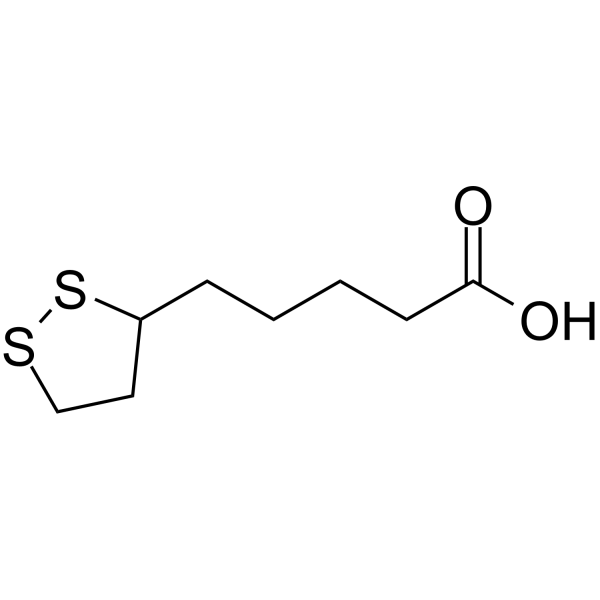
α-Lipoic Acid (Thioctic acid) is an antioxidant, which is an essential cofactor of mitochondrial enzyme complexes. α-Lipoic Acid inhibits NF-κB-dependent HIV-1 LTR activation. α-Lipoic Acid induces endoplasmic reticulum (ER) stress-mediated apoptosis in hepatoma cells. α-Lipoic Acid can be used with CPUL1 (HY-151802) to construct the self-assembled nanoaggregate CPUL1-LA NA, which has improved antitumor efficacy than CPUL1.
For research use only. We do not sell to patients.
- Purity : 99.94%
- CAS No.: 1077-28-7
- Formula: C8H14O2S2
- Molecular Weight:206.33
-
Storage:Powder -20°C, 3 years , 4°C, 2 years ; In solvent -80°C, 2 years , -20°C, 1 year

To place orders, for customer services and technical support, please contact: MedChemExpress USA
Tel: 609-228-6898 E-mail: [email protected] [email protected]


-
 Biological Activity
-
Chemical Information
-
Solvent & Solubility
- Protocols
- Purity & Documentation
- References
-
 Help & FAQs


-
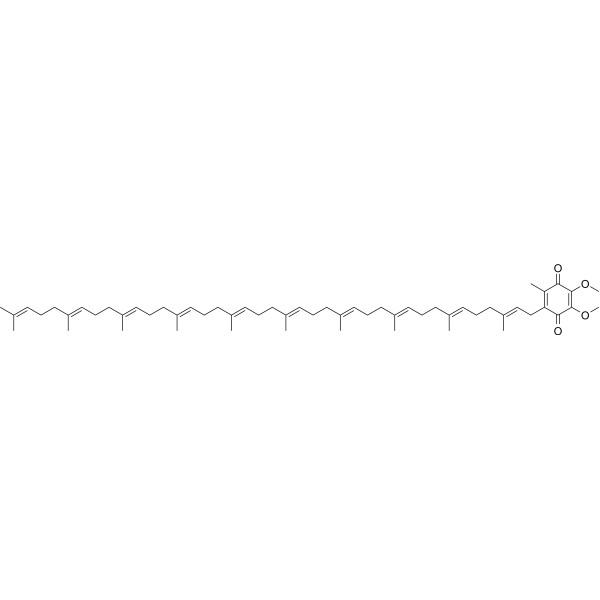
HY-N0111
Coenzyme Q10Antioxidant -
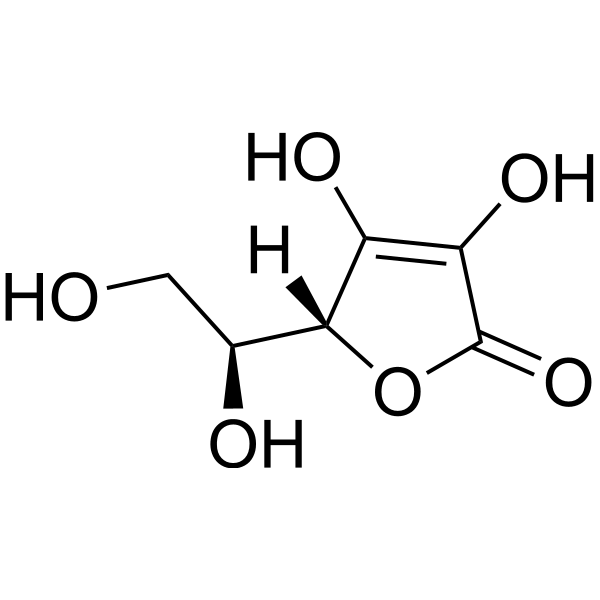
HY-B0166
L-Ascorbic acidAntioxidant -
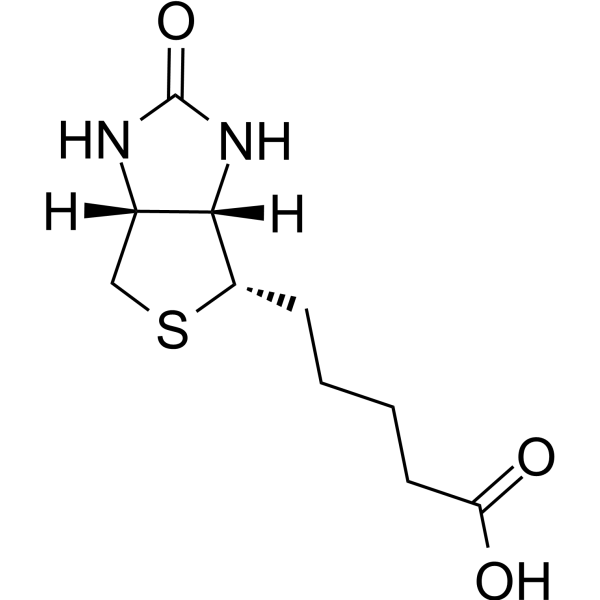
HY-B0511
BiotinVitamin B7 -
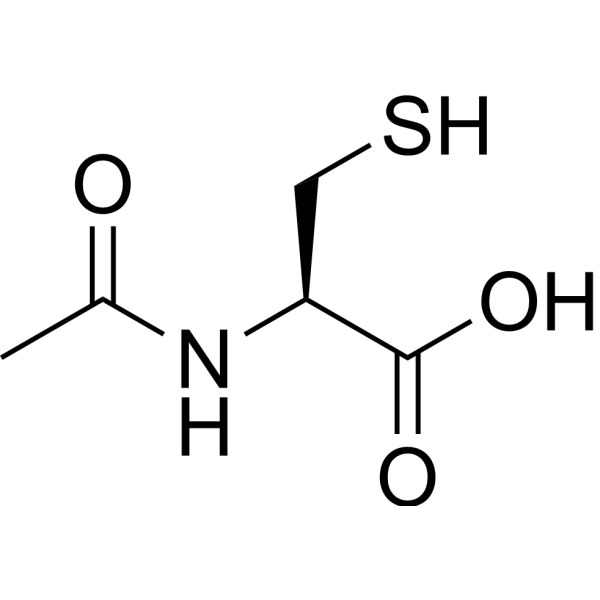
HY-B0215
AcetylcysteineMucolytic Agent -
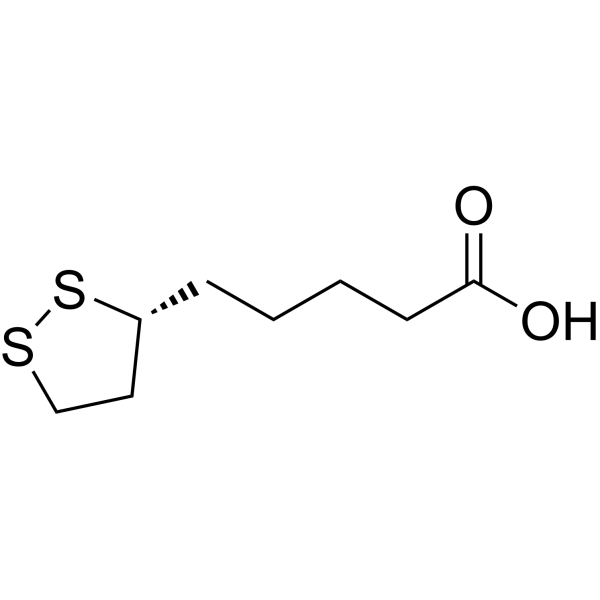
HY-18733
Lipoic acidAntioxidant -
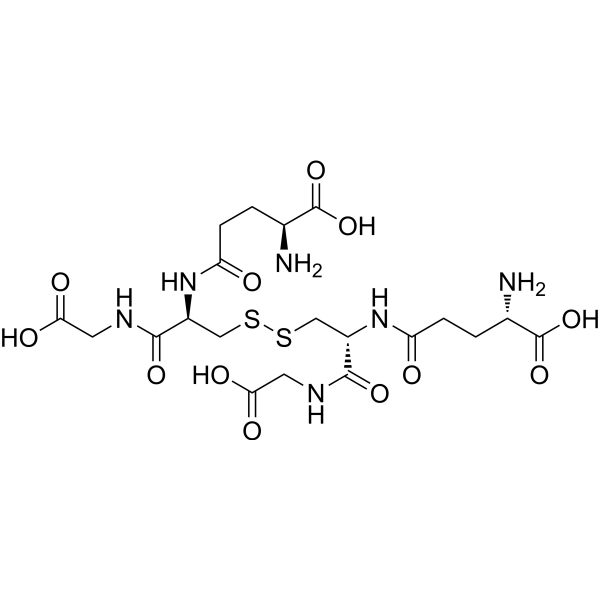
HY-D0844
Glutathione oxidizedAntioxidant -
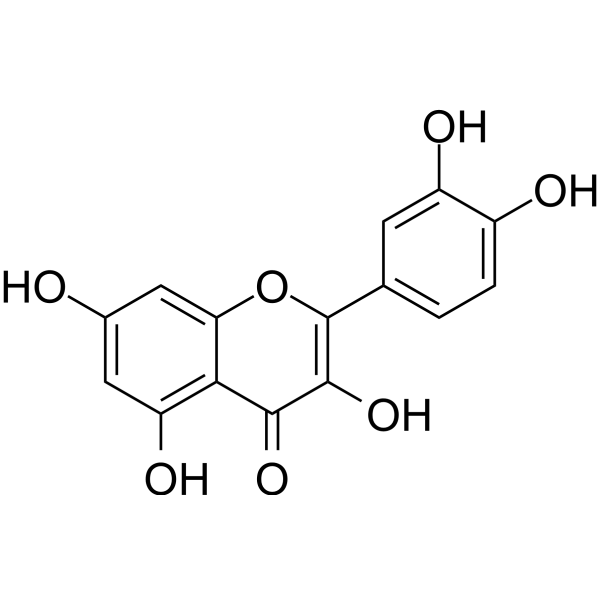
HY-18085
QuercetinFlavonoid Antioxidant -
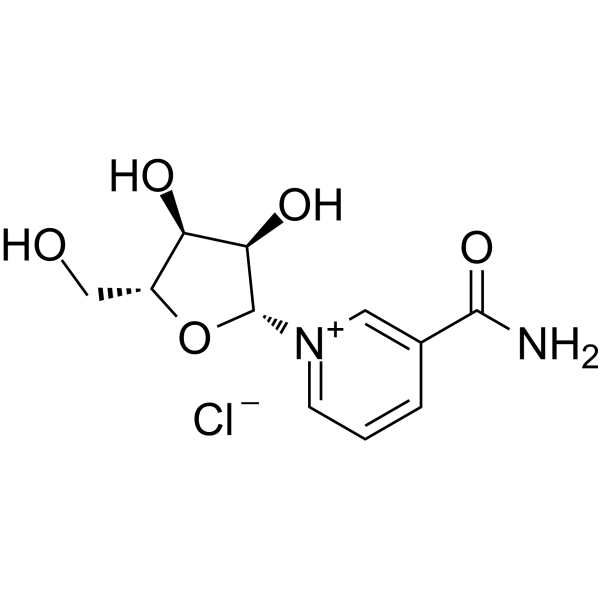
HY-123033A
Nicotinamide riboside chlorideEndogenous Metabolite -
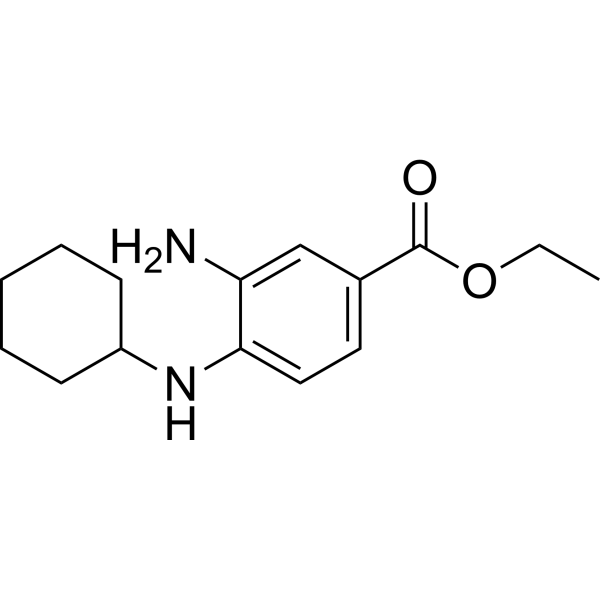
HY-100579
Ferrostatin-1Ferroptosis Inhibitor -
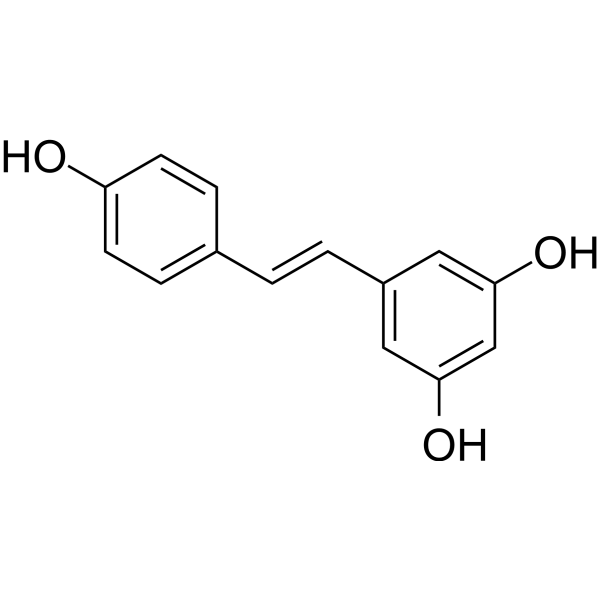
HY-16561
ResveratrolPolyphenolic Phytoalexin -
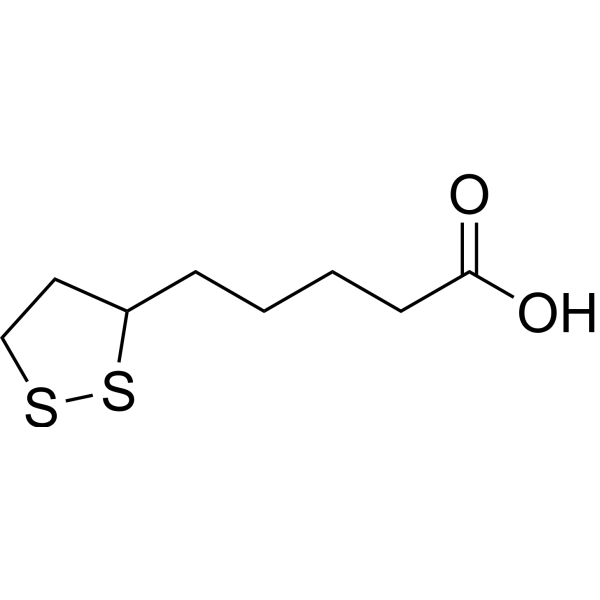
HY-N0492R
α-Lipoic Acid (Standard) -
HY-B0150
NicotinamideSIRT Inhibitor
Publications Citing Use of MedChemExpress (MCE) α-Lipoic Acid
More- J Nanostructure Chem. 13 May 2022.
- Cell Biosci. 2025 Oct 31;15(1):150. [Abstract]
- Inflammopharmacology. 2025 Sep;33(9):5563-5581. [Abstract]
- Eur J Pharmacol. 2025 May 5:994:177380. [Abstract]
- Int Immunopharmacol. 2025 May 16:155:114539. [Abstract]
- Biochim Biophys Acta Mol Basis Dis. 2025 Sep 7;1872(1):168034. [Abstract]
- Virol Sin. 2021 Dec;36(6):1520-1531. [Abstract]
- J Biochem Mol Toxicol. 2024 Jan;38(1):e23542. [Abstract]
- Immun Inflamm Dis. 2026 Jan;14(1):e70313. [Abstract]
- Vet Microbiol. 2026 May:316:110992. [Abstract]
- Neurosci Lett. 2025 Oct 14:865:138338. [Abstract]
- Res Sq. 2025 Dec 4.
- Oxid Med Cell Longev. 2021 Jun 4:2021:6633419. [Abstract]
- Oncotarget. 2018 Jan 30;9(15):12137-12153. [Abstract]
 Customer Validation & Images

-
WB
-
IF
-
In Vivo Efficacy Study
-
Cell Proliferation/Viability Assay
-
WB
All Endogenous Metabolite Isoforms
More

Biological Activity
Description
|
Human Endogenous Metabolite |
NF-κB |
Mitochondrial bioenergetics |
HIV-1 |
Cellular Effect
|
Cell Line

|
Type | Value | Description | References |
|---|---|---|---|---|
| A549 | IC50 |
>50 μM
Compound: alpha-thioctic acid
|
Antiproliferative activity against human A549 cells assessed as reduction in cell viability after 72 hrs by MTT assay
Antiproliferative activity against human A549 cells assessed as reduction in cell viability after 72 hrs by MTT assay
|
[PMID: 31202992] |
| Bel-7402 | IC50 |
>50 μM
Compound: alpha-thioctic acid
|
Antiproliferative activity against human Bel7402 cells assessed as reduction in cell viability after 72 hrs by MTT assay
Antiproliferative activity against human Bel7402 cells assessed as reduction in cell viability after 72 hrs by MTT assay
|
[PMID: 31202992] |
| K562 | IC50 |
>50 μM
Compound: alpha-thioctic acid
|
Antiproliferative activity against human K562 cells assessed as reduction in cell viability after 72 hrs by MTT assay
Antiproliferative activity against human K562 cells assessed as reduction in cell viability after 72 hrs by MTT assay
|
[PMID: 31202992] |
| L02 | IC50 |
>50 μM
Compound: alpha-thioctic acid
|
Cytotoxicity against human L02 cells assessed as reduction in cell viability after 72 hrs by MTT assay
Cytotoxicity against human L02 cells assessed as reduction in cell viability after 72 hrs by MTT assay
|
[PMID: 31202992] |
| PBMC | IC50 |
>50 μM
Compound: alpha-thioctic acid
|
Cytotoxicity against human PBMC assessed as reduction in cell viability after 72 hrs by MTT assay
Cytotoxicity against human PBMC assessed as reduction in cell viability after 72 hrs by MTT assay
|
[PMID: 31202992] |
| SGC-7901 | IC50 |
>50 μM
Compound: alpha-thioctic acid
|
Antiproliferative activity against human SGC7901 cells assessed as reduction in cell viability after 72 hrs by MTT assay
Antiproliferative activity against human SGC7901 cells assessed as reduction in cell viability after 72 hrs by MTT assay
|
[PMID: 31202992] |
In Vitro
The long terminal repeat (LTR) of HIV-1 is the target of cellular transcription factors such as NF-κB, and serves as the promoter-enhancer for the viral genome when integrated in host DNA[1]. α-Lipoic Acid (Alpha-Lipoic acid, ALA), a naturally occurring dithiol compound, plays an essential role in mitochondrial bioenergetics. α-Lipoic Acid reduces lipid accumulation in the liver by regulating the transcriptional factors SREBP-1, FoxO1, and Nrf2, and their downstream lipogenic targets via the activation of the SIRT1/LKB1/AMPK pathway. Treatment of cells with α-Lipoic Acid (250, 500 and 1000 μM) significantly increases the NAD+/NADH ratio in HepG2 cells (P<0.05 or P<0.01). Treatment with α-Lipoic Acid (50, 125, 250 and 500 μM) increases SIRT1 activity in HepG2 cells. α-Lipoic Acid (50, 125, 250, 500 and 1000 μM) increases phosphorylation of AMPK and acetyl-CoA carboxylase (ACC) in HepG2 cells in a dose-dependent fashion[1].
MedChemExpress (MCE) has not independently confirmed the accuracy of these methods. They are for reference only. Further protocols information, click here.
In Vivo
MedChemExpress (MCE) has not independently confirmed the accuracy of these methods. They are for reference only.
Clinical Trial
| NCT Number | Sponsor | Condition | Start Date |
Phase
|
|---|---|---|---|---|
| NCT01329991 | Plexxikon| | 2011-05 | PHASE1 |


Chemical Information
-
CAS No. 1077-28-7
-
Appearance Solid
-
Molecular Weight 206.33
-
Formula C8H14O2S2
-
Color Light yellow to yellow
-
SMILES
O=C(O)CCCCC1SSCC1
-
Synonyms
Thioctic acid; (±)-α-Lipoic acid; DL-α-Lipoic acid
-
Structure Classification
-
Initial Source
-
Shipping
Room temperature in continental US; may vary elsewhere.
-
Storage
Powder -20°C 3 years 4°C 2 years In solvent -80°C 2 years -20°C 1 year


Publications (14)
-
Journal Impact Factor
-
Most Recent
-
-
Cell Biosci
FAK-dependent activation of src family kinase member BLK contributed to endometrial fibrosis via endoplasmic reticulum stress. [Abstract]2025 Oct 31;15(1):150. PMID: 41174819
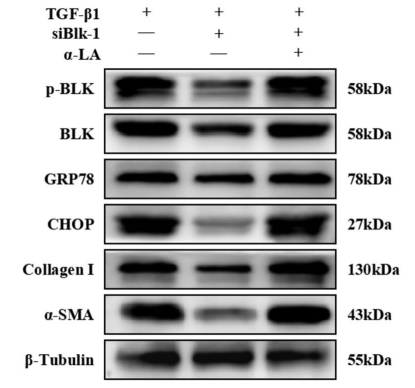
α-Lipoic Acid purchased from MedChemExpress. Usage Cited in: Cell Biosci. 2025 Oct 31;15(1):150. [Abstract]
Response experiments were performed in TGF-β1-induced hEndoSCs using siBlk and ERS activator (α-Lipoic Acid (α-LA)), successively. Detection of the protein expression levels by Western blot. In TGF-β1-induced hEndoSCs, Collagen I and α-SMA expression were downregulated by BLK knockdown using siBLK, and such inhibitory effect was counteracted by the ERS agonist α-Lipoic Acid (α-LA, 100 μM; 24 h).
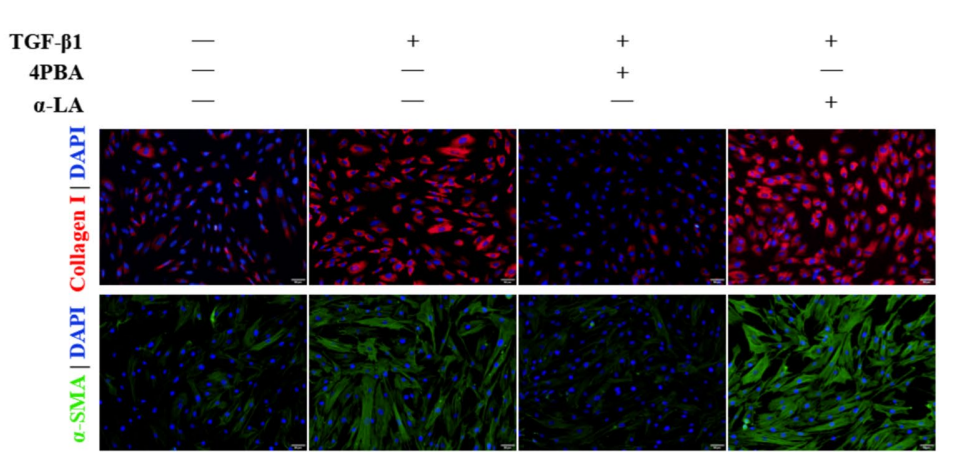
α-Lipoic Acid purchased from MedChemExpress. Usage Cited in: Cell Biosci. 2025 Oct 31;15(1):150. [Abstract]
Immunofluorescence detected the effect of intervention ERS on the expression of Collagen I (red) and α-SMA (green), respectively. DAPI (blue) was used to stain nuclei. The results showed that the ERS agonist α-Lipoic Acid (α-LA, 100 μM; 24 h) further upregulated the expression of Collagen I and α-SMA induced by TGF-β1.
-
Inflammopharmacology
Therapeutic potential of alpha-lipoic acid on mitochondrial dynamics, oxidative/nitrosative stress, and histopathological changes in rat ulcerative colitis model. [Abstract]2025 Sep;33(9):5563-5581. PMID: 40889013
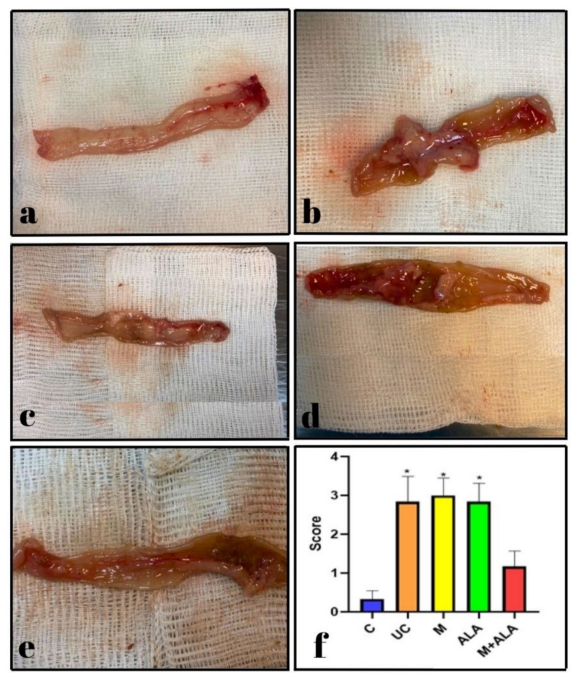
α-Lipoic Acid purchased from MedChemExpress. Usage Cited in: Inflammopharmacology. 2025 Sep;33(9):5563-5581. [Abstract]
The macroscopic appearance and macroscopic scores of colon tissues were evaluated in all groups. Compared with the C group, the colon tissue damage characterized by ulceration, hyperemia and mucosal edema was significantly increased in the UC group, M group (50 mg/kg; oral gavage; once daily for 14 days; rats) and α-lipoic acid (ALA) group (100 mg/kg; oral gavage; once daily for 14 days; rats) (p < 0.01). The macroscopic score was lower in the M + ALA group than in other colitis-induced groups, although the difference was not statistically significant (*p* > 0.05).
-
Eur J Pharmacol
Alpha-lipoic acid alleviated intermittent hypoxia-induced myocardial injury in mice by promoting autophagy through Nrf2 signaling pathway. [Abstract]2025 May 5:994:177380. PMID: 39954840 -
Int Immunopharmacol
2025 May 16:155:114539. PMID: 40233449
α-Lipoic Acid purchased from MedChemExpress. Usage Cited in: Int Immunopharmacol. 2025 May 16:155:114539. [Abstract]
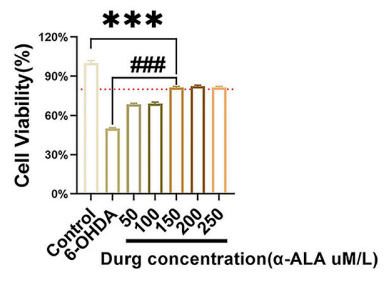
SH-SY5Y cell viability reached 80% with α-Lipoic Acid (α-ALA) pretreatment at 150 μmol/L for 8 h.
α-Lipoic Acid purchased from MedChemExpress. Usage Cited in: Int Immunopharmacol. 2025 May 16:155:114539. [Abstract]
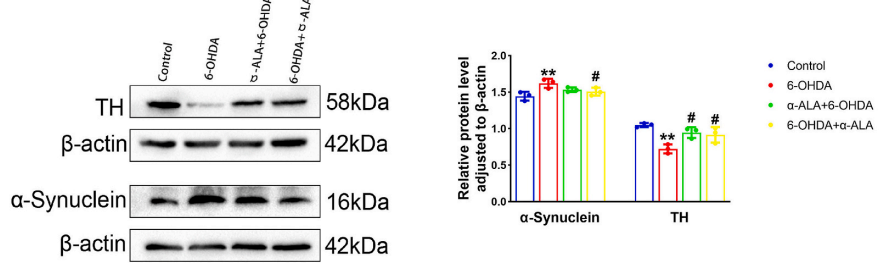
TH and α-Synuclein Expression Analysis: The expression of TH in the brains of the 6-OHDA group decreased, while both α-Lipoic Acid (α-ALA, 40 mg/kg; i.p.; once daily for 14 days) pretreatment and treatment significantly improved TH expression. In contrast, the expression of α-synuclein in the brains of the 6-OHDA group increased. α-ALA treatment alleviated this change, but α-ALA pretreatment did not show improvement.
α-Lipoic Acid purchased from MedChemExpress. Usage Cited in: Int Immunopharmacol. 2025 May 16:155:114539. [Abstract]
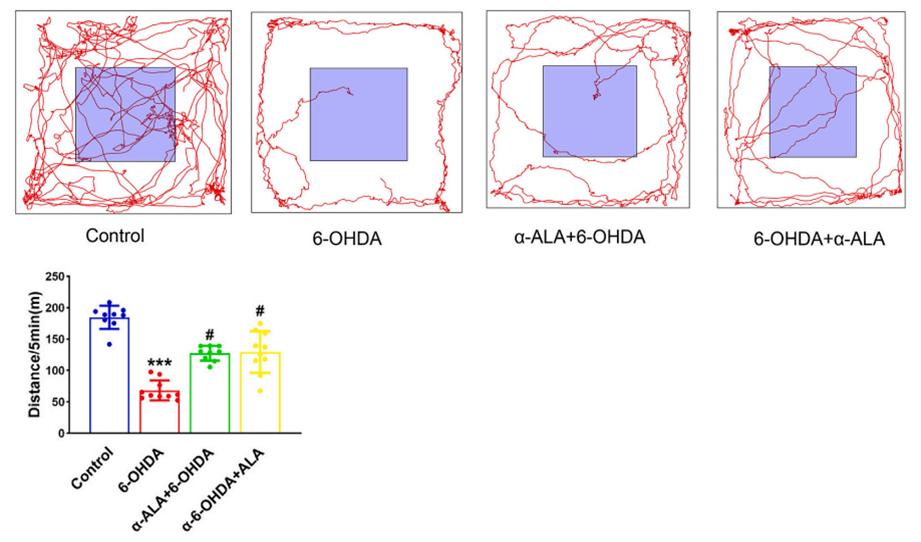
In the open field test, 6-OHDA reduced the movement distance, and both α-Lipoic Acid (α-ALA, 40 mg/kg; i.p.; once daily for 14 days; C57BL/6 mice) pretreatment and α-ALA treatment ameliorated this effect (n = 9–10).
α-Lipoic Acid purchased from MedChemExpress. Usage Cited in: Int Immunopharmacol. 2025 May 16:155:114539. [Abstract]
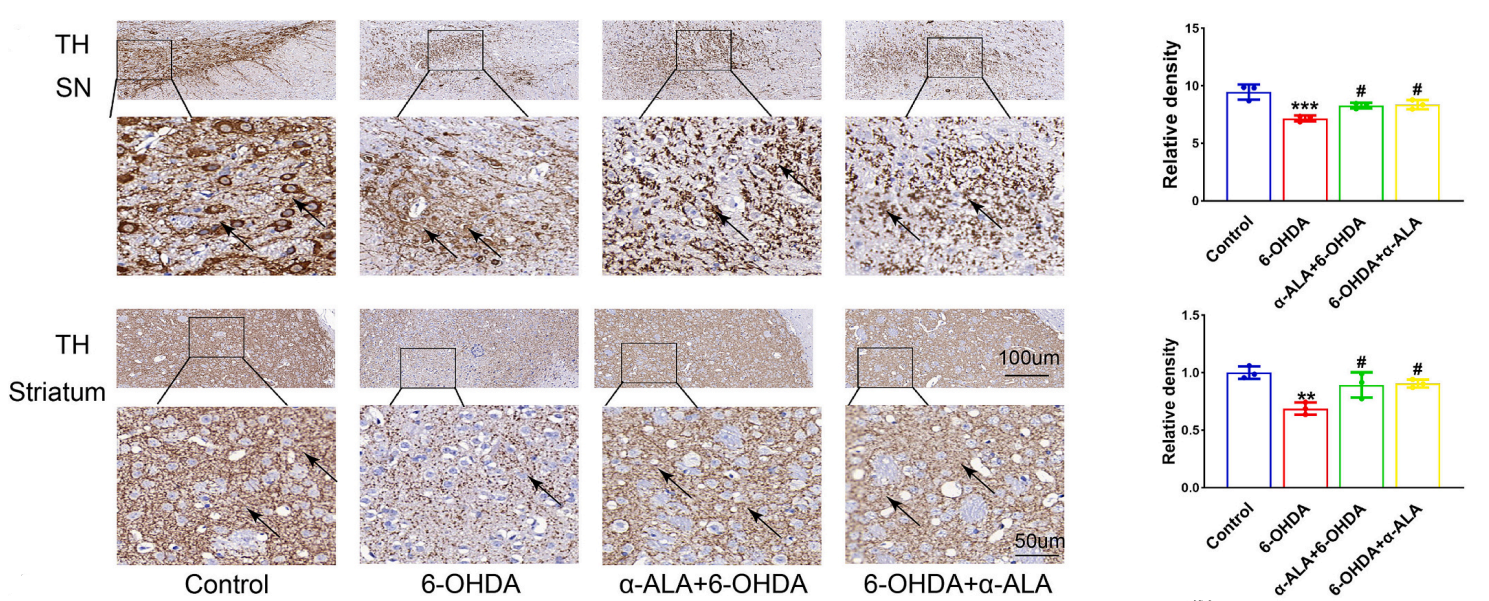
TH expression decreased in the 6-OHDA group, but increased in both the α-Lipoic Acid (α-ALA, 40 mg/kg; i.p.; once daily for 14 days; C57BL/6 mice) + 6-OHDA and 6-OHDA+α-ALA groups.
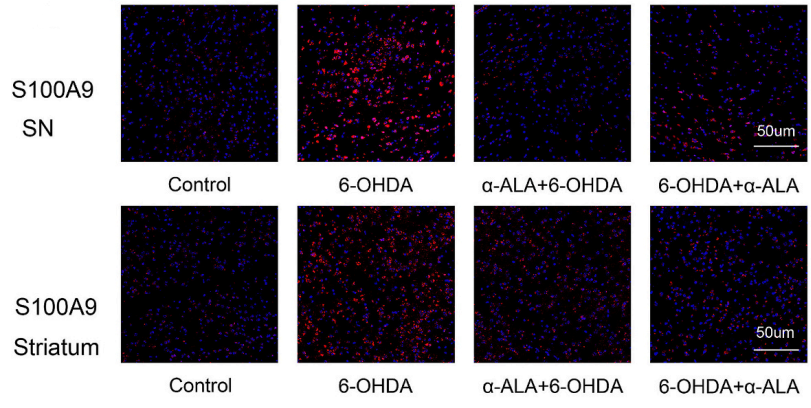
α-Lipoic Acid purchased from MedChemExpress. Usage Cited in: Int Immunopharmacol. 2025 May 16:155:114539. [Abstract]
α-Lipoic Acid (α-ALA, 40 mg/kg; i.p.; once daily for 14 days) pretreatment and treatment alleviated the upregulation of S100A9 protein expression induced by 6-OHDA in C57BL/6 mice, as validated by immunofluorescence analysis.
-
Biochim Biophys Acta Mol Basis Dis
Alpha-lipoic acid attenuates cardiac inflammation of CVB3 induced viral myocarditis via neutrophil-derived YM-1. [Abstract]2025 Sep 7;1872(1):168034. PMID: 40925469 -
Virol Sin
α-Lipoic Acid Exerts Its Antiviral Effect against Viral Hemorrhagic Septicemia Virus (VHSV) by Promoting Upregulation of Antiviral Genes and Suppressing VHSV-Induced Oxidative Stress. [Abstract]2021 Dec;36(6):1520-1531. PMID: 34510367 -
J Biochem Mol Toxicol
Isoquercitrin promotes ferroptosis and oxidative stress in nasopharyngeal carcinoma via the AMPK/NF-κB pathway. [Abstract]2024 Jan;38(1):e23542. PMID: 37712196 -
Immun Inflamm Dis
Lipoic Acid Ameliorates Lipopolysaccharide-Induced Inflammation via Inhibition of Glycolysis in RAW264.7 Macrophages. [Abstract]2026 Jan;14(1):e70313. PMID: 41503676 -
Vet Microbiol
The Chinese medicine monomer Schisandrin C inhibits PRRSV infection by regulating the OGT-PI3K/AKT/mTOR signaling pathway. [Abstract]2026 May:316:110992. PMID: 41865607 -
Neurosci Lett
The mechanism of alpha-lipoic acid regulating dopaminergic neuronal damage in Parkinson's disease through the Nrf2/HMOX1 pathway. [Abstract]2025 Oct 14:865:138338. PMID: 40763886 -
-
Oxid Med Cell Longev
α-Lipoic Acid Targeting PDK1/NRF2 Axis Contributes to the Apoptosis Effect of Lung Cancer Cells. [Abstract]2021 Jun 4:2021:6633419. PMID: 34211631 -
Oncotarget
Synergistic neuroprotective effect of rasagiline and idebenone against retinal ischemia-reperfusion injury via the Lin28-let-7-Dicer pathway. [Abstract]2018 Jan 30;9(15):12137-12153. PMID: 29552298


Solvent & Solubility
In Vitro:
DMSO : 100 mg/mL (484.66 mM; Need ultrasonic; Hygroscopic DMSO has a significant impact on the solubility of product, please use newly opened DMSO)
H2O : < 0.1 mg/mL (insoluble)
Please refer to the solubility information to select the appropriate solvent. Once prepared, please aliquot and store the solution to prevent product inactivation from repeated freeze-thaw cycles.
Storage method and period of stock solution: -80°C, 2 years; -20°C, 1 year. When stored at -80°C, please use it within 2 years. When stored at -20°C, please use it within 1 year.
Please refer to the solubility information to select the appropriate solvent. Once prepared, please aliquot and store the solution to prevent product inactivation from repeated freeze-thaw cycles.
Storage method and period of stock solution: -80°C, 2 years; -20°C, 1 year. When stored at -80°C, please use it within 2 years. When stored at -20°C, please use it within 1 year.
Concentration (start) × Volume (start) = Concentration (final) × Volume (final)
In Vivo:
Select the appropriate dissolution method based on your experimental animal and administration route.
- For the following dissolution methods, please ensure to first prepare a clear stock solution using an In Vitro approach and then sequentially add co-solvents:
- To ensure reliable experimental results, the clarified stock solution can be appropriately stored based on storage conditions. As for the working solution for In Vivo experiments, it is recommended to prepare freshly and use it on the same day.
- The percentages shown for the solvents indicate their volumetric ratio in the final prepared solution. If precipitation or phase separation occurs during preparation, heat and/or sonication can be used to aid dissolution.
Add each solvent one by one: 10% DMSO 40% PEG300 5% Tween-80 45% Saline
Solubility: ≥ 2.5 mg/mL (12.12 mM); Clear solution
This protocol yields a clear solution of ≥ 2.5 mg/mL (saturation unknown).
Taking 1 mL working solution as an example, add 100 μL DMSO stock solution (25.0 mg/mL) to 400 μL PEG300, and mix evenly; then add 50 μL Tween-80 and mix evenly; then add 450 μL Saline to adjust the volume to 1 mL.
Preparation of Saline: Dissolve 0.9 g sodium chloride in ddH₂O and dilute to 100 mL to obtain a clear Saline solution.
Add each solvent one by one: 10% DMSO 90% (20% SBE-β-CD in Saline)
Solubility: ≥ 2.5 mg/mL (12.12 mM); Clear solution
This protocol yields a clear solution of ≥ 2.5 mg/mL (saturation unknown).
Taking 1 mL working solution as an example, add 100 μL DMSO stock solution (25.0 mg/mL) to 900 μL 20% SBE-β-CD in Saline, and mix evenly.
Preparation of 20% SBE-β-CD in Saline (4°C, storage for one week): 2 g SBE-β-CD powder is dissolved in 10 mL Saline, completely dissolve until clear.
For the following dissolution methods, please prepare the working solution directly:
It is recommended to prepare fresh solutions and use them promptly within a short period of time.
The percentages shown for the solvents indicate their volumetric ratio in the final prepared solution. If precipitation or phase separation occurs during preparation, heat and/or sonication can be used to aid dissolution.
Add each solvent one by one: 50% PEG300 50% Saline
Solubility: 10 mg/mL (48.47 mM); Clear solution; Need ultrasonic
In Vivo Dissolution Calculator
Please enter the basic information of animal experiments:
-
-
-
-
Recommended: Prepare an additional quantity of animals to account for potential losses during experiments.
Please enter your animal formula composition:
-
%DMSO +
Recommended: Keep the proportion of DMSO in working solution below 2% if your animal is weak.
-
%+
-
+%Tween-80 + +
-
%Saline +
The co-solvents required include: DMSO, . All of co-solvents are available by MedChemExpress (MCE). , Tween 80. All of co-solvents are available by MedChemExpress (MCE).
Working solution concentration: 0.22 mg/mL
Method for preparing stock solution: mg drug dissolved in μL DMSO. Stock solution concentration: mg/mL.
1. Take μL DMSO stock solution;
2. Add μL .
μL , mix evenly;
3. Then add μL Tween 80, mix evenly;
4. Then add μL
Please ensure that the stock solution in the first step is dissolved to a clear state, and add co-solvents in sequence. You can use ultrasonic heating (ultrasonic cleaner, recommended frequency 20-40 kHz), vortexing, etc. to assist dissolution.

Protocols
-
Apoptosis
Apoptosis, also called programmed cell death, is generally characterized by distinct morphological characteristics.
-
TUNEL staining for apoptotic DNA fragmentation
TUNEL staining detects DNA strand breaks by using terminal deoxynucleotidyl transferase to add labeled nucleotides to exposed 3′-OH DNA termini, generating either microscopic staining in fixed cells or tissue sections, or fluorescence/cytometric signal in cell suspensions. TUNEL positivity reflects DNA fragmentation but should not be interpreted alone as definitive apoptosis, because TUNEL can also label necrotic, autolytic, mechanically damaged, or DNA-repair-associated DNA breaks.
-
Annexin V plus membrane-impermeant dye apoptosis staining
Annexin V-based apoptosis assays rely on the detection of phosphatidylserine (PS) externalization from the inner leaflet of the plasma membrane to the outer leaflet, an early biochemical hallmark of apoptosis. Fluorescently labeled Annexin V binds PS in a calcium-dependent manner, enabling identification of early apoptotic cells by flow cytometry or fluorescence microscopy. When combined with a membrane-impermeant DNA-binding dye (e. g. , propidium iodide), this approach allows discrimination between viable (Annexin V−/dye−), early apoptotic (Annexin V+/dye−), and late apoptotic or necrotic (Annexin V+/dye+) cell populations by assessing membrane integrity and PS exposure.
-
Patient-Derived Xenograft (PDX)
Patient-derived xenograft (PDX) models are generated by engrafting primary human tumor tissue directly into immunodeficient mice, allowing in vivo propagation of patient tumor biology without initial in vitro adaptation. These models are used to preserve key histopathological and molecular characteristics of the original tumor and enable assessment of tumor growth dynamics and therapeutic response in a living organism. The biological readout is tumor engraftment and subsequent growth in the murine host, which reflects the ability of human tumor cells to survive, vascularize, and expand in an immunocompromised microenvironment.
-
Apoptosis Solutions
Apoptosis is a regulated, generally non-lytic cell-death pathway that removes unwanted, damaged, infected, or abnormal cells through coordinated morphological changes, caspase activation, DNA fragmentation, and membrane remodeling. The intrinsic apoptosis pathway is controlled mainly by mitochondrial outer membrane permeabilization, BCL-2 family proteins, cytochrome c release, apoptosome formation, caspase-9 activation, and downstream executioner caspase-3/7 activation. The extrinsic apoptosis pathway is initiated by death receptors such as Fas, TNFR, and TRAIL receptors, which recruit adaptor proteins and activate caspase-8 before engaging executioner caspases or mitochondrial amplification through BID cleavage. Apoptosis is linked to many phenotypes, including cancer cell killing, tissue homeostasis, immune regulation, neurodegeneration, infection response, and treatment-induced cytotoxicity; unresolved questions include how apoptosis interacts with necroptosis, pyroptosis, ferroptos
-
Research Protocol for Inflammation-related Diseases
The NLRP3 inflammasome is a cytosolic innate immune signaling platform that integrates priming signals and danger-signal activation to promote caspase-1 activation, maturation of IL-1β and IL-18, and gasdermin D-mediated pyroptotic cell death. The core experimental logic is to determine whether inflammatory disease phenotypes are driven by increased NLRP3 expression, ASC-containing inflammasome assembly, caspase-1 cleavage, GSDMD cleavage, and extracellular release of IL-1β/IL-18 rather than by nonspecific cell injury alone. The pathway is strongly linked to inflammation-related disease phenotypes because monosodium urate crystals activate NALP3/NLRP3 inflammasome signaling in gout-like crystal inflammation, cholesterol crystals activate NLRP3 inflammasomes in atherogenesis models, and DSS-induced intestinal inflammation has been reported to involve NLRP3 inflammasome activity. However, experimental colitis studies also show context-dependent protective effects of NLRP3 inflammasome co
-
Liver Cancer Modeling
Liver cancer can be classified into primary liver cancer and secondary liver cancer. Secondary liver cancer is the metastatic liver cancer. Primary liver cancer includes hepatocellular carcinoma (HCC), intrahepatic cholangiocarcinoma (ICC) and fibrolamellar HCC, of which HCC is the most common form, accounting for approximately 90% of primary liver cancers[1]. HCC mouse models include chemical agent-induced models, transplanted tumor models, and genetic engineered models.


Purity & Documentation
-
Data Sheet (278 KB)
-
SDS (598 KB)
- English - EN (598 KB)
- Français - FR (598 KB)
- Deutsch - DE (598 KB)
- Norwegian - NO (598 KB)
- Español - ES (598 KB)
- Swedish - SV (598 KB)
- Italian - IT (598 KB)
- Korean - KR (598 KB)
- Portuguese - PT (598 KB)
-
Handling Instructions (2659 KB)
References
[1]. Xiao L, et al. Activity of the dietary antioxidant ergothioneine in a virus gene-based assay for inhibitors of HIV transcription. Biofactors. 2006;27(1-4):157-65. [Content Brief]
[2]. Lei D, et al. Synergistic neuroprotective effect of rasagiline and idebenone against retinal ischemia-reperfusion injury via the Lin28-let-7-Dicer pathway. Oncotarget. 2018 Jan 30;9(15):12137-12153. [Content Brief]
[3]. Yang Y, et al. Alpha-lipoic acid improves high-fat diet-induced hepatic steatosis by modulating the transcription factors SREBP-1, FoxO1 and Nrf2 via the SIRT1/LKB1/AMPK pathway. J Nutr Biochem. 2014 Nov;25(11):1207-1217. [Content Brief]
[4]. Pibiri M, et al. α-Lipoic acid induces Endoplasmic Reticulum stress-mediated apoptosis in hepatoma cells. Sci Rep. 2020 Apr 28;10(1):7139. [Content Brief]


Complete Stock Solution Preparation Table
Please refer to the solubility information to select the appropriate solvent. Once prepared, please aliquot and store the solution to prevent product inactivation from repeated freeze-thaw cycles.
Storage method and period of stock solution: -80°C, 2 years; -20°C, 1 year. When stored at -80°C, please use it within 2 years. When stored at -20°C, please use it within 1 year.
| Optional Solvent | Concentration Solvent Mass | 1 mg | 5 mg | 10 mg | 25 mg |
|---|---|---|---|---|---|
| DMSO | 1 mM | 4.8466 mL | 24.2330 mL | 48.4660 mL | 121.1651 mL |
| 5 mM | 0.9693 mL | 4.8466 mL | 9.6932 mL | 24.2330 mL | |
| 10 mM | 0.4847 mL | 2.4233 mL | 4.8466 mL | 12.1165 mL | |
| 15 mM | 0.3231 mL | 1.6155 mL | 3.2311 mL | 8.0777 mL | |
| 20 mM | 0.2423 mL | 1.2117 mL | 2.4233 mL | 6.0583 mL | |
| 25 mM | 0.1939 mL | 0.9693 mL | 1.9386 mL | 4.8466 mL | |
| 30 mM | 0.1616 mL | 0.8078 mL | 1.6155 mL | 4.0388 mL | |
| 40 mM | 0.1212 mL | 0.6058 mL | 1.2117 mL | 3.0291 mL | |
| 50 mM | 0.0969 mL | 0.4847 mL | 0.9693 mL | 2.4233 mL | |
| 60 mM | 0.0808 mL | 0.4039 mL | 0.8078 mL | 2.0194 mL | |
| 80 mM | 0.0606 mL | 0.3029 mL | 0.6058 mL | 1.5146 mL | |
| 100 mM | 0.0485 mL | 0.2423 mL | 0.4847 mL | 1.2117 mL |


α-Lipoic Acid Related Classifications
HY-N0492 Related Classifications
 Powered by Bioz