



NU6140 (Standard)
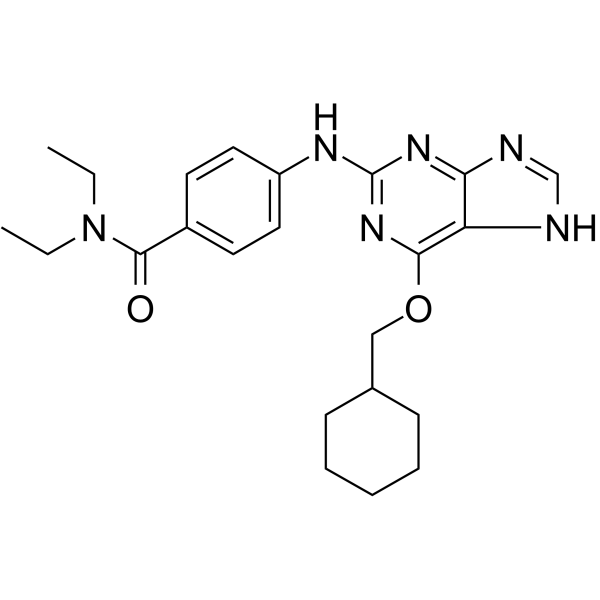
NU6140 (Standard) is the analytical standard of NU6140 (HY-107419). This product is intended for research and analytical applications. NU6140 is a selective CDK2-cyclin A inhibitor (IC50, 0.41 μM), exhibits 10- to 36-fold selectivity over other CDKs. NU6140 also potently inhibits Aurora A and Aurora B, with IC50s of 67 and 35 nM, respectively. Enhances the apoptotic effect, with anti-cancer activity.
For research use only. We do not sell to patients.
- CAS No.: 444723-13-1
- Formula: C23H30N6O2
- Molecular Weight:422.52
-
Storage:
Please store the product under the recommended conditions in the Certificate of Analysis.


To place orders, for customer services and technical support, please contact: MedChemExpress USA
Tel: 609-228-6898 E-mail: [email protected] [email protected]


-
 Biological Activity
-
Chemical Information
- Protocols
- Purity & Documentation
- References
-
 Help & FAQs


-
HY-107419
NU6140CDK2 Inhibitor -
HY-10971
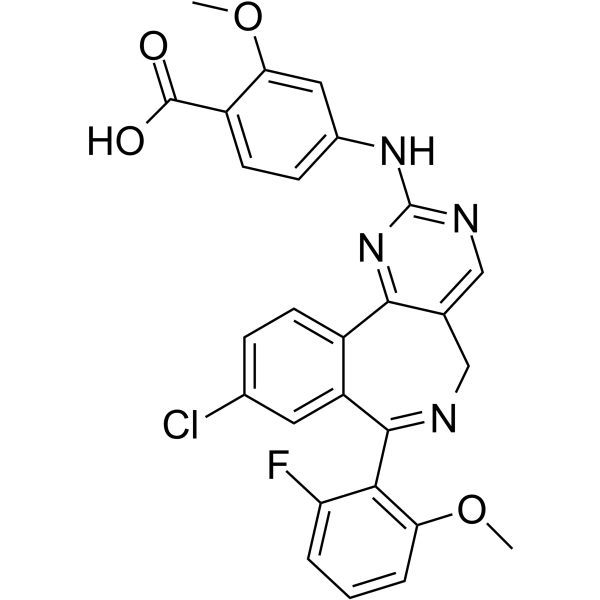
AlisertibAurora A Kinase Inhibitor -
HY-10128
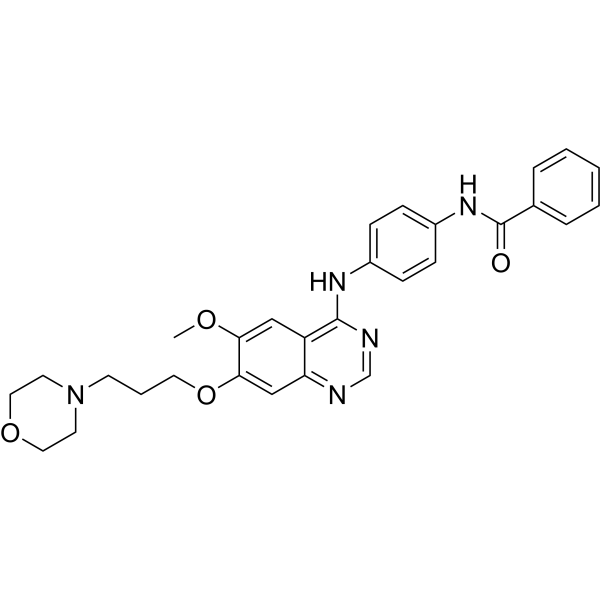
ZM-447439Aurora A/B Inhibitor -
HY-10127
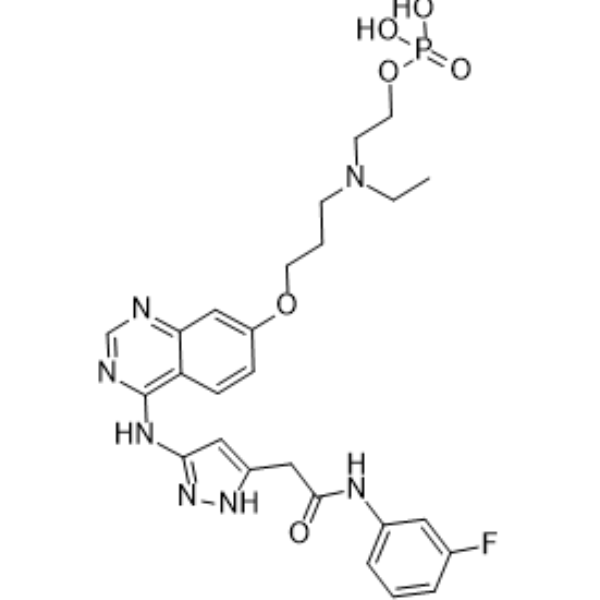
BarasertibAurora B Inhibitor -
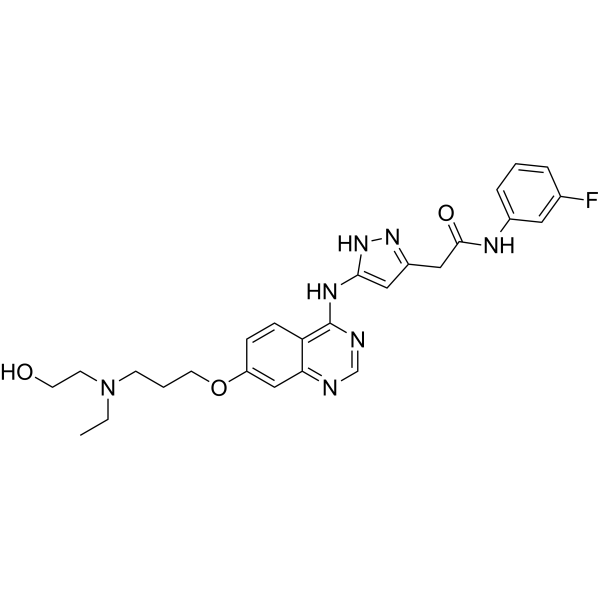
HY-10126
Barasertib-HQPAAurora B Inhibitor -
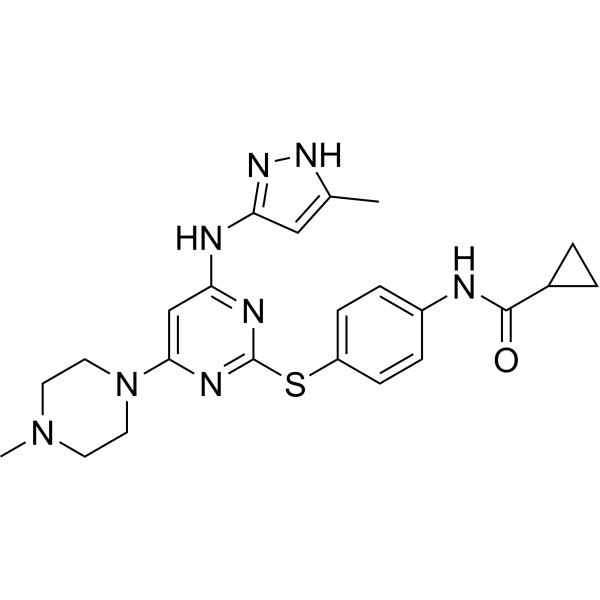
HY-10161
TozasertibAurora A/B/C Inhibitor -
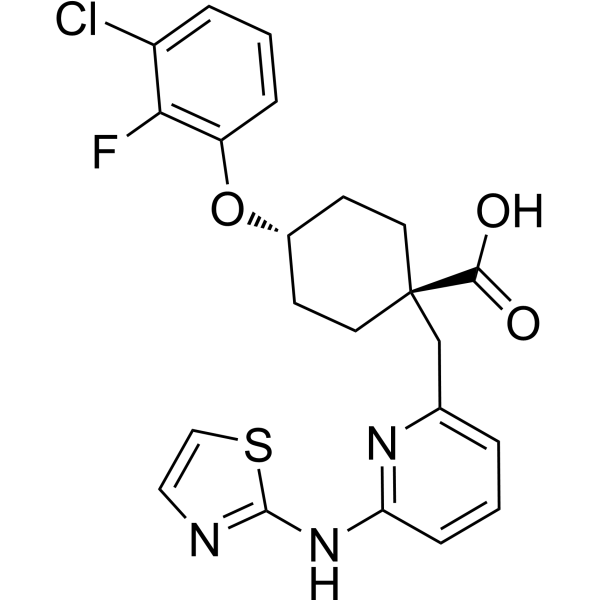
HY-13252
MK-5108Aurora Kinase Inhibitor -
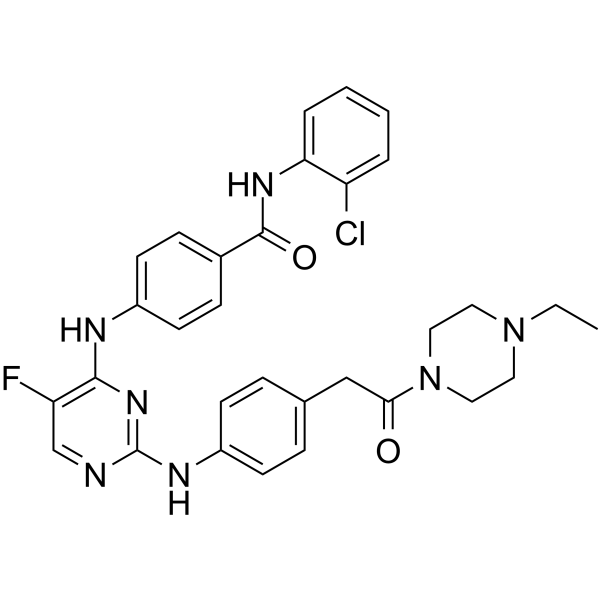
HY-70061
TCS7010Aurora A Inhibitor -
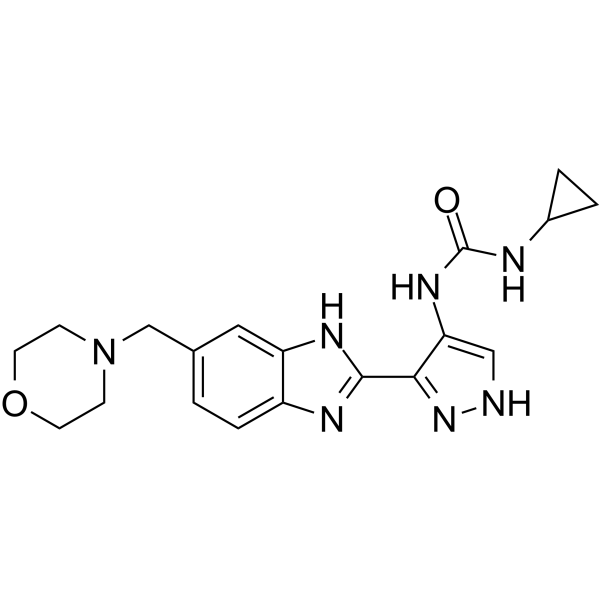
HY-50514
AT9283Aurora/JAK Inhibitor -
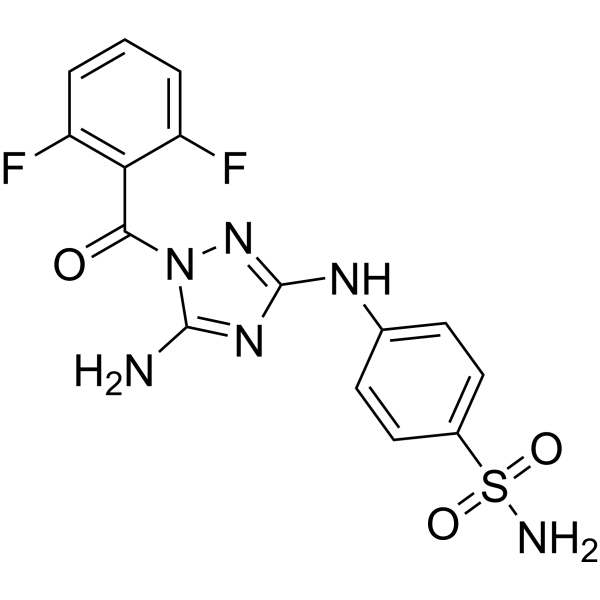
HY-10329
JNJ-7706621Aurora Kinase/CDK Inhibitor -
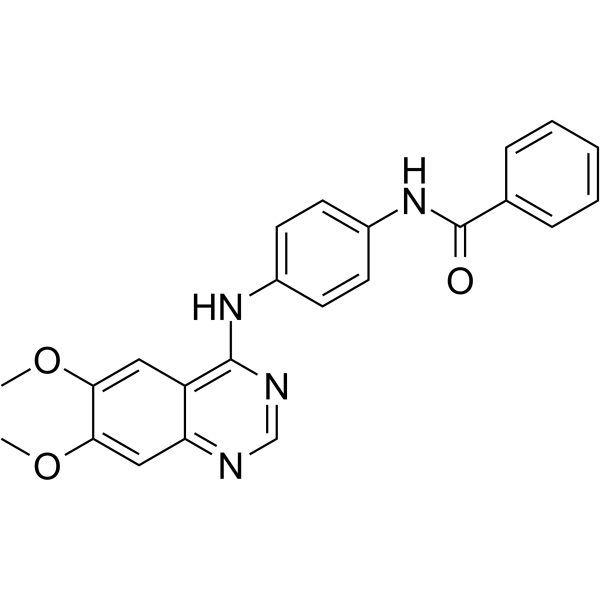
HY-112355
Aurora kinase inhibitor-2Aurora Kinase Inhibitor -
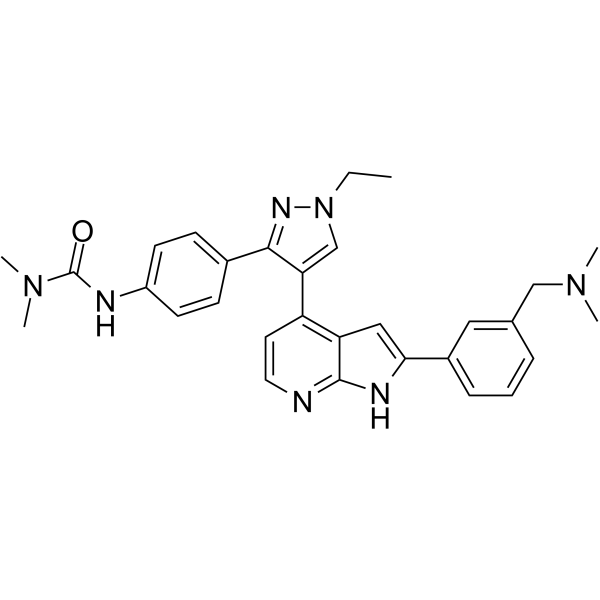
HY-70044
GSK-1070916Aurora B/C Inhibitor
All Aurora Kinase Isoforms
More

Biological Activity
Description


Chemical Information
-
CAS No. 444723-13-1
-
Molecular Weight 422.52
-
Formula C23H30N6O2
-
SMILES
CCN(CC)C(C(C=C1)=CC=C1NC2=NC(OCC3CCCCC3)=C4C(N=CN4)=N2)=O
-
Shipping
Room temperature in continental US; may vary elsewhere.
-
Storage
Please store the product under the recommended conditions in the Certificate of Analysis.

Protocols
-
Apoptosis
Apoptosis, also called programmed cell death, is generally characterized by distinct morphological characteristics.
-
Cell Cytotoxicity Assay
Cytotoxicity assays are usually based on the assessment of cell membrane damage, which can also be indirectly detected by measuring cell viability. Detection methods include MTT assay, CKK-8 assay, LDH assay and ATP assay, etc.
-
Apoptosis Solutions
Apoptosis is a regulated, generally non-lytic cell-death pathway that removes unwanted, damaged, infected, or abnormal cells through coordinated morphological changes, caspase activation, DNA fragmentation, and membrane remodeling. The intrinsic apoptosis pathway is controlled mainly by mitochondrial outer membrane permeabilization, BCL-2 family proteins, cytochrome c release, apoptosome formation, caspase-9 activation, and downstream executioner caspase-3/7 activation. The extrinsic apoptosis pathway is initiated by death receptors such as Fas, TNFR, and TRAIL receptors, which recruit adaptor proteins and activate caspase-8 before engaging executioner caspases or mitochondrial amplification through BID cleavage. Apoptosis is linked to many phenotypes, including cancer cell killing, tissue homeostasis, immune regulation, neurodegeneration, infection response, and treatment-induced cytotoxicity; unresolved questions include how apoptosis interacts with necroptosis, pyroptosis, ferroptos


Purity & Documentation
References
[1]. Pennati M, et al. Potentiation of apoptosis by the novel cyclin-dependent kinase inhibitor NU6140: a possible role for survivin down-regulation. Mol Cancer Ther. 2005 Sep;4(9):1328-37. [Content Brief]
[2]. Jorda R, et al. How Selective Are Pharmacological Inhibitors of Cell-Cycle-Regulating Cyclin-Dependent Kinases? Med Chem. 2018 Oct 25;61(20):9105-9120. [Content Brief]

Calculators
Concentration (start) × Volume (start) = Concentration (final) × Volume (final)


NU6140 (Standard) Related Classifications
HY-107419R Related Classifications
 Powered by Bioz