598 Results for "

cognitive

" in MedChemExpress (MCE) Product Catalog:
Products (598)

598 Results for "cognitive" in MCE Product Catalog:

6
6 Cited Publications
Cat. No.: HY-103157
CAS No.: 4079-26-9
Purity:  99.59%
Synonyms: NSC168807
Target:  

Autophagy Ferroptosis

Research Areas:  

Cardiovascular Disease

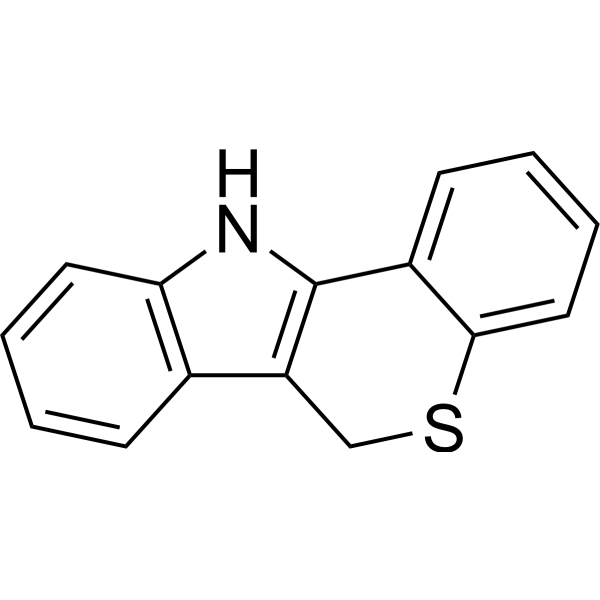
PD146176 (NSC168807), a 15-Lipoxygenase (15-LO) inhibitor, inhibits rabbit reticulocyte 15-LO (Ki=197 nM, IC50=0.54 μM). PD146176 reverses cognitive impairment, brain amyloidosis, and tau pathology by stimulating autophagy in aged triple transgenic mice .
loading...
    loading...
6
6 Cited Publications
Cat. No.: HY-16969
CAS No.: 1401708-83-5
Synonyms: PNB-0408; N-hexanoic-Try-Ile-(6)-amino hexanoic amide; Hexanoyl-Tyr-Ile-Ahx-NH2
Target:  

c-Met/HGFR

Research Areas:  

Neurological Disease

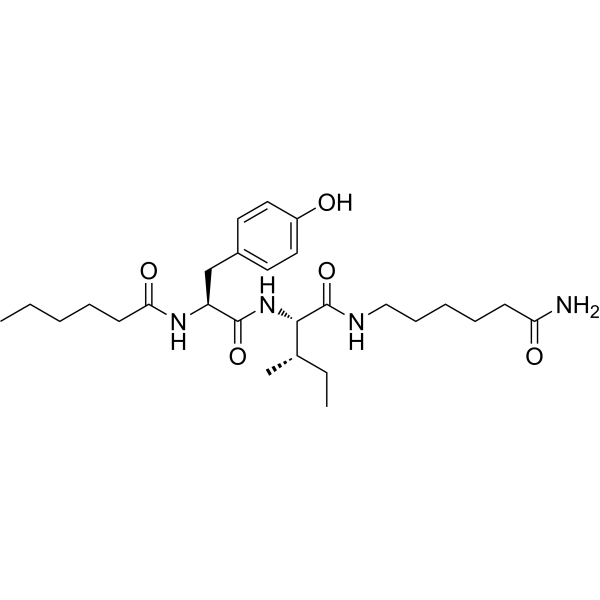
Dihexa, an oligopeptide drug, is an orally active and blood-brain barrier-permeable angiotensin IV analog. Dihexa binds to hepatocyte growth factor (HGF) with high affinity (Kd=65 pM) and potentiates its activity at its receptor, c-Met. Dihexa exhibits excellent antidementia activity and improves cognitive function in animal models. Dihexa may have therapeutic potential as a treatment Alzheimer’s disease .
loading...
    loading...
5
5 Cited Publications
Cat. No.: HY-B0463
CAS No.: 50-41-9
Synonyms: Clomifene citrate
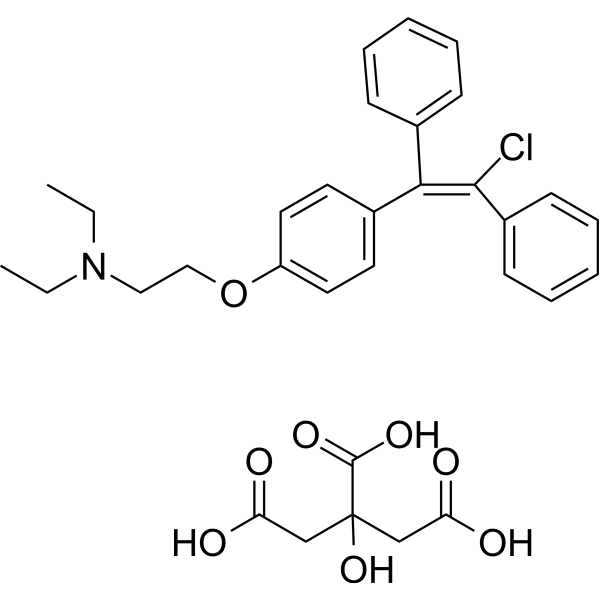
Clomiphene citrate (Clomifene citrate) is an orally active estrogen-receptor modulator. Clomiphene citrate has anti-cancer actixity, induces perturbations during meiotic maturation and cytogenetic abnormalities and ameliorates in managing psychiatric and cognitive impairment .
loading...
    loading...
5
5 Cited Publications
Cat. No.: HY-W166297
CAS No.: 66778-17-4
Target:  

p38 MAPK

Research Areas:  

Cancer

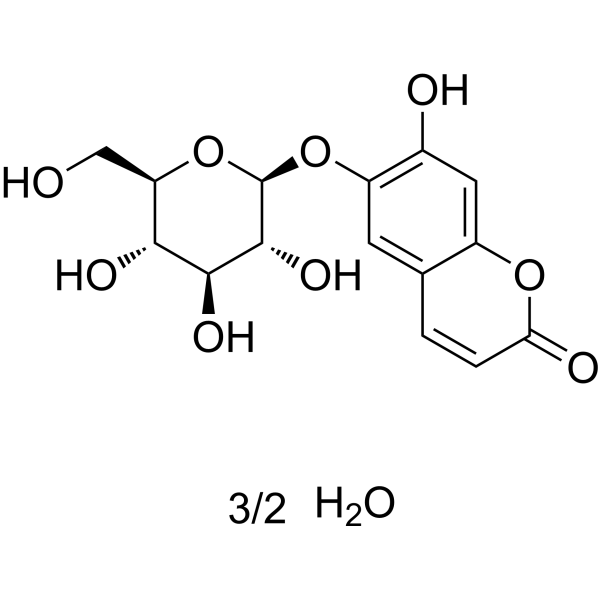
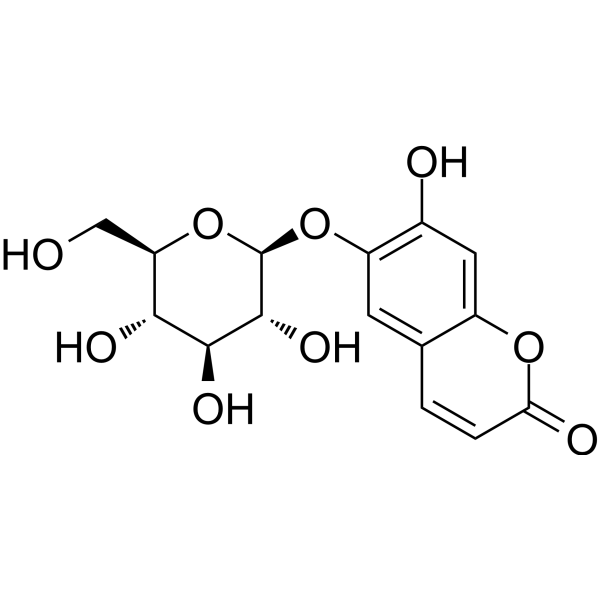
Esculin sesquihydrate, a fluorescent coumarin glucoside, is an active ingredient of ash bark. Esculin sesquihydrate ameliorates cognitive impairment in experimental diabetic nephropathy (DN), and exerts anti?oxidative stress and anti?inflammatory effects, via the MAPK signaling pathway .
loading...
    loading...
5
5 Cited Publications
Cat. No.: HY-N0188
CAS No.: 531-75-9
Esculin is a fluorescent coumarin glucoside, the active ingredient in ash bark. Esculin has antidiabetic effects, improves cognitive impairment in experimental diabetic nephropathy (DN) via the MAPK signaling pathway, and exerts antioxidant stress and anti-inflammatory effects. Esculin also has anticancer, antibacterial, antiviral, neuroprotective, antithrombotic, and therapeutic properties for eye diseases .
loading...
    loading...
5
5 Cited Publications
Cat. No.: HY-N2255
CAS No.: 25127-29-1
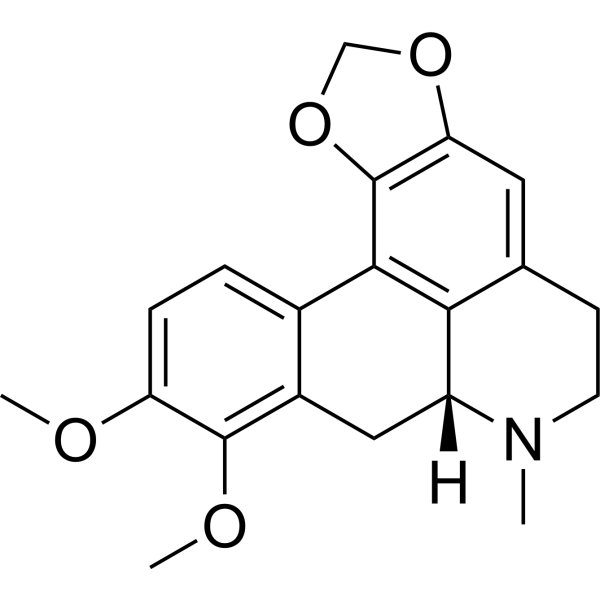
Crebanine is an isoquinoline-like alkaloid that can be derived from Stephania. Crebanine is an antagonist of the α7-nAChR with an IC50 of 19.1 μM. Crebanine suppresses the proliferation, migration, and invasion of cancer cells, triggers reactive oxygen species (ROS) burst, and promotes apoptosis. Crebanine inhibits the AKT/FoxO3a, NF-κB and MAPK signaling pathways. Crebanine attenuates NOX2 hyperactivation, exhibits antioxidant properties by reducing reactive oxygen species and peroxidation in microglia cells. Crebanine inhibits voltage-dependent Na + current in guinea-pig ventricular myocytes. Crebanine has high inhibitory activity against gram-positive animal pathogenic bacteria. Crebanine ameliorates ischemia-reperfusion brain damage in middle cerebral artery occlusion and reperfusion (MCAO/R) rats. Crebanine significantly improves Scopolamine (HY-N0296)-induced cognitive deficits in ICR mice. Crebanine can be used for the study of hepatocellular carcinoma (HCC), cerebral ischemia and Alzheimer's disease .
loading...
    loading...
4
4 Cited Publications
Cat. No.: HY-N2195
CAS No.: 4674-50-4
Synonyms: (+)-Nootkatone
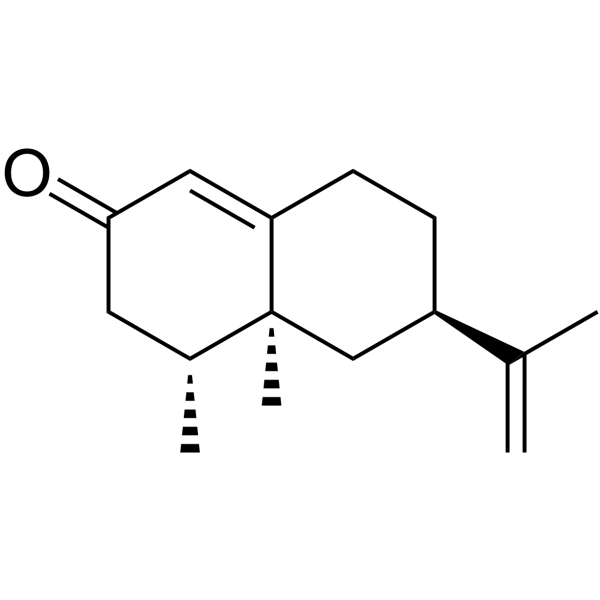
Nootkatone, a neuroprotective agent from Vitis vinifera, has antioxidant and anti-inflammatory effects . Nootkatone improves cognitive impairment in lipopolysaccharide-induced mouse model of Alzheimer's disease .
loading...
    loading...
4
4 Cited Publications
Cat. No.: HY-N7109
CAS No.: 112-86-7
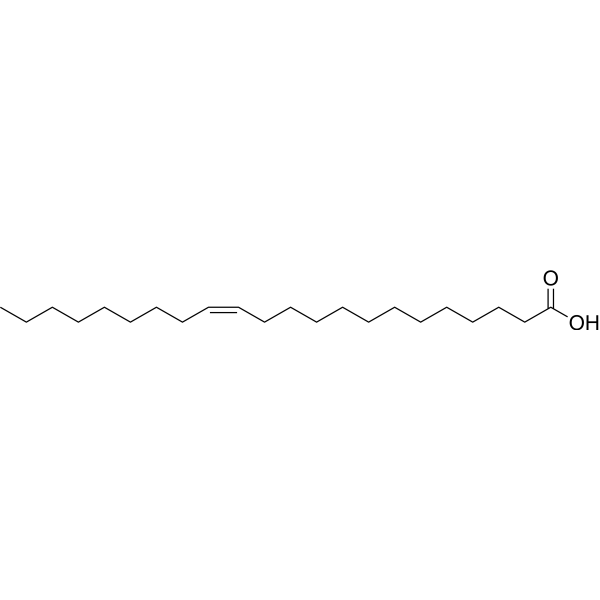
Erucic acid, a monounsaturated fatty acid (MUFA), is isolated from the seed of Raphanus sativus L. Erucic acid can readily cross the blood-brain barrier (BBB), it has been reported to normalize the accumulation of very long-chain fatty acids in the brain. Erucic acid can improve cognitive impairment and be effective against dementia .
loading...
    loading...
4
4 Cited Publications
Cat. No.: HY-N1535
CAS No.: 52617-37-5
Synonyms: Rubescensine B
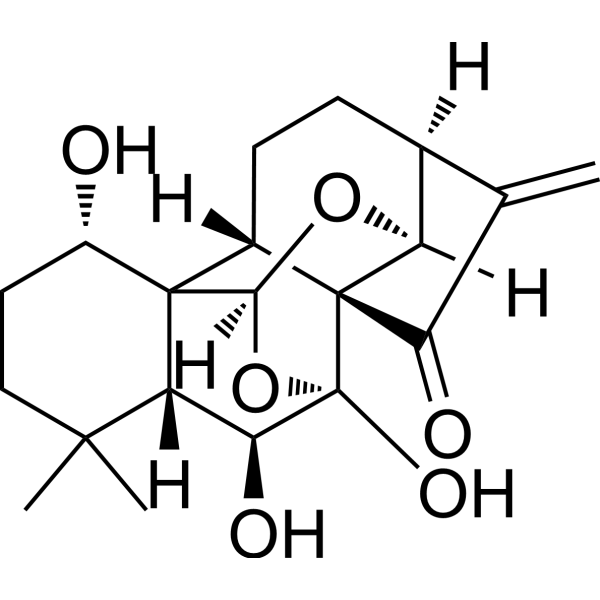
Ponicidin (Rubescensine B) is an orally active RIPK1 inhibitor with a Kd value of 135 nM. Ponicidin inhibits the JAK2/STAT3 pathway to induce apoptosis, activates the PI3K/Akt pathway, upregulates SIRT1 expression, alleviates oxidative stress, suppresses inflammatory responses and necroptosis, and blocks cell cycle progression. Ponicidin induces ROS production to exert antiproliferative and antiviral effects, while also improving cognitive function and reducing Aβ plaque deposition. Ponicidin can be used in studies related to hepatocellular carcinoma, Alzheimer's disease, and gastric cancer .
loading...
    loading...
3
3 Cited Publications
Cat. No.: HY-W004260
CAS No.: 506-30-9
Synonyms: Eicosanoic acid
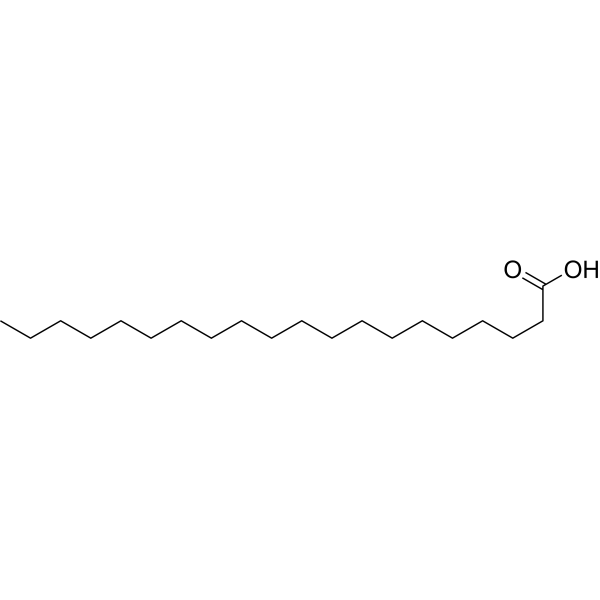
Arachidic acid is an orally bioavailable membrane fluidity modulator and receptor/ion channel effector. Arachidic acid does not activate arachidonic acid-sensitive K + channels in rat midbrain and hypothalamic neurons. Arachidic acid alleviates age-related spatial cognitive impairment. Arachidic acid is applicable for research related to age-related spatial cognitive impairment .
loading...
    loading...
3
3 Cited Publications
Cat. No.: HY-N7981
CAS No.: 2284-31-3
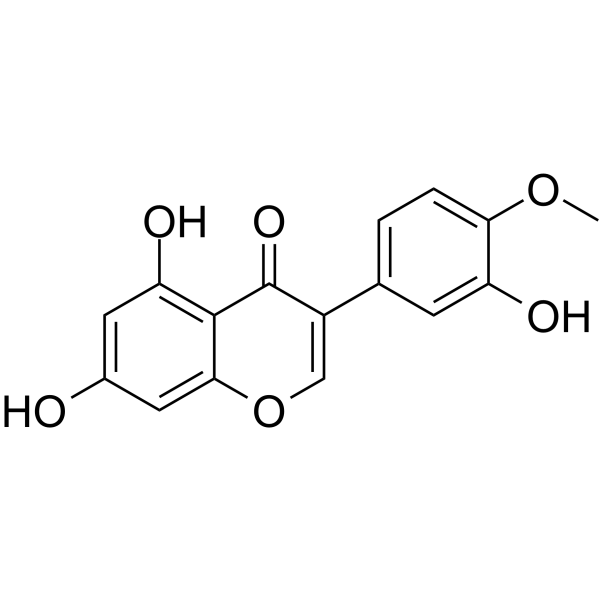
Pratensein, a flavonoid, ameliorates β-amyloid-induced cognitive impairment in rats via reducing oxidative damage and restoring synapse and BDNF levels .
loading...
    loading...
3
3 Cited Publications
Cat. No.: HY-B1462
CAS No.: 95-25-0
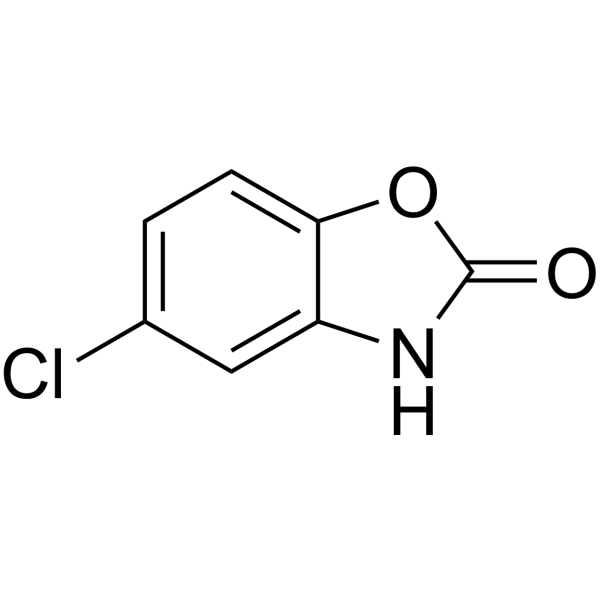
Chlorzoxazone is a SK-type potassium channel activator. Chlorzoxazone modulates FOXO3 phosphorylation and Aβ. Chlorzoxazone enhances immunosuppression, attenuates vasoconstriction, attenuates cognitive deficits, and improves experimental autoimmune encephalomyelitis .
loading...
    loading...
3
3 Cited Publications
Cat. No.: HY-17553
CAS No.: 135463-81-9
Synonyms: MKC-231
Target:  

iGluR

Research Areas:  

Neurological Disease

Coluracetam (MKC-231) is an orally taken choline uptake enhancer. Coluracetam can improve the reduced acetylcholine levels in the hippocampus of rats and mice, enhancing learning difficulties, memory deficits, and cognitive impairments. Coluracetam induces a lower degree of hepatic venous hyperglycemia .
loading...
    loading...
3
3 Cited Publications
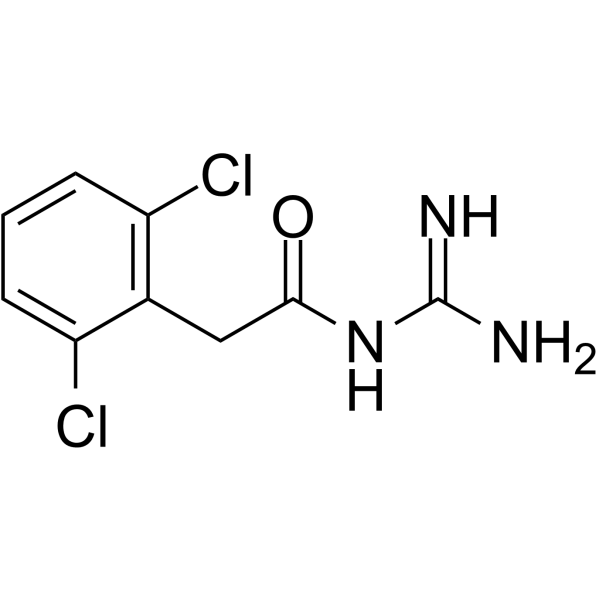
Cat. No.: HY-17416A
CAS No.: 29110-47-2
Guanfacine is an orally active noradrenergic α2A agonist and has high selective for the α2A receptor subtype. Guanfacine has effects in producing hypotension and sedation. Guanfacine can be used for the research of a variety of prefrontal cortex (PFC) cognitive disorders, including tourette's syndrome and attention deficit hyperactivity disorder (ADHD) .
loading...
    loading...
3
3 Cited Publications
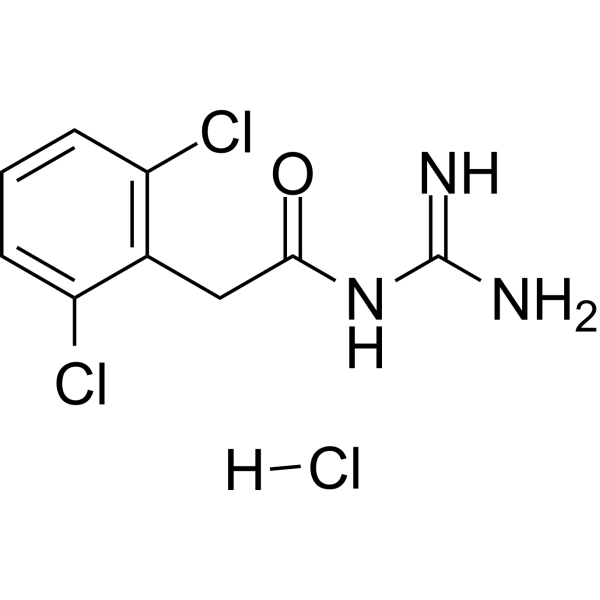
Cat. No.: HY-17416
CAS No.: 29110-48-3
Guanfacine hydrochloride is an orally active and blood-brain barrier permeability noradrenergic α2A agonist and has high selective for the α2A receptor subtype. Guanfacine has effects in producing hypotension and sedation. Guanfacine can be used for the research of a variety of prefrontal cortex (PFC) cognitive disorders, including tourette's syndrome and attention deficit hyperactivity disorder (ADHD) .
loading...
    loading...
3
3 Cited Publications
Cat. No.: HY-12700
CAS No.: 1043495-96-0
Purity:  98.75%
RO5256390 is an orally effective trace amine associated receptor 1 (TAAR1) agonist. RO5256390 exhibits pro-cognitive and antidepressant-like properties in rodent and primate models, showing similar brain activation patterns to Olanzapine (HY-14541). RO5256390 blocks compulsive overeating behavior in rats. RO5256390 can inhibit ATP (HY-B2176)-induced TNF secretion in mouse bone marrow-derived macrophages .
loading...
    loading...
3
3 Cited Publications
Cat. No.: HY-N6029
CAS No.: 111664-82-5
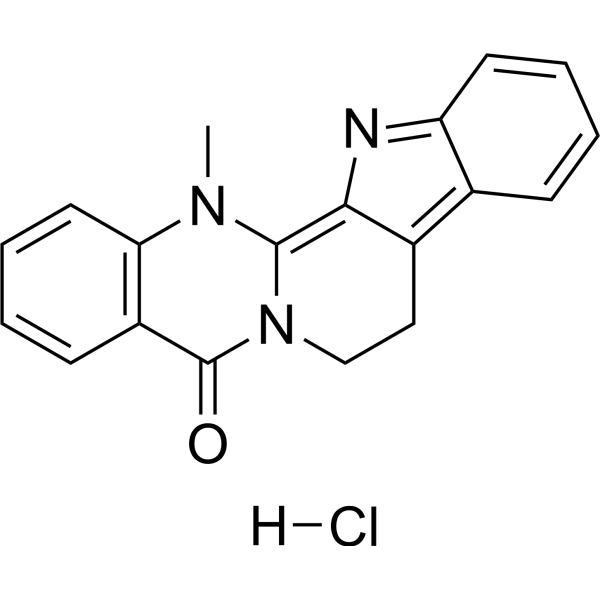
Dehydroevodiamine hydrochloride is a blood-brain barrier-permeable, orally effective AChE and BACE1 inhibitor (IC50 = 40.96 μM). Dehydroevodiamine hydrochloride is isolated and extracted from Evodia rutaecarpa. Dehydroevodiamine hydrochloride attenuates neurotoxicity through multiple targets by inhibiting BACE1 to block Aβ production, inhibiting AChE activity, scavenging ROS, and suppressing calcium influx. Dehydroevodiamine hydrochloride can be used for research on Alzheimer's disease, cerebral ischemia, vascular dementia, and other cognitive disorder-related diseases .
loading...
    loading...
3
3 Cited Publications
Cat. No.: HY-12501A
CAS No.: 1642303-38-5
Purity:  99.19%
Research Areas:  

Neurological Disease

ITI-214 is a potent, CNS-active, orally bioavailable PDE1 inhibitor (Ki of 58 pM) with excellent selectivity against other PDE family members and against a panel of enzymes, receptors, transporters and ion channels. ITI-214 inhibits recombinant full-length human PDE1A, PDE1B and PDE1C with Kis of 33 pM, 380 pM and 35 pM, respectively. ITI-214 shows efficacy in various animal models of motor and cognitive functions .
loading...
    loading...
3
3 Cited Publications
Cat. No.: HY-128879A
CAS No.: 1281681-33-1
Purity:  98.01%
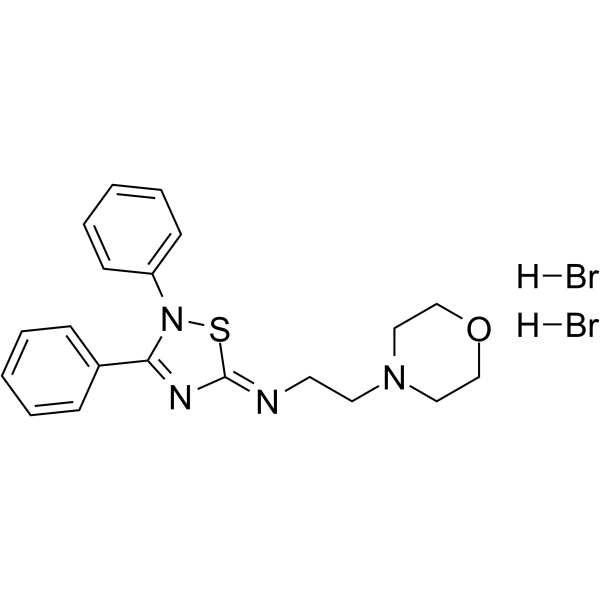
VP3.15 dihydrobromide is a highly potent, orally bioavailable, and CNS-penetrant PDE7-GSK3 dual inhibitor, with IC50 values of 1.59 μM and 0.88 μM against PDE7 and GSK3, respectively . VP3.15 dihydrobromide elevates intracellular cAMP levels, suppresses immune responses, enhances remyelination, limits excessive tau phosphorylation, and alleviates neuroinflammation and neuronal loss. VP3.15 dihydrobromide promotes oligodendrocyte precursor cell differentiation, improves in vivo remyelination, inhibits autoimmune encephalomyelitis, and mitigates germinal matrix-intraventricular hemorrhage-related brain injury, cerebral atrophy, ventricular enlargement, and cognitive impairment. VP3.15 dihydrobromide can be used in research related to multiple sclerosis and germinal matrix-intraventricular hemorrhage .
loading...
    loading...
2
2 Cited Publications
Cat. No.: HY-10933
CAS No.: 154235-83-3
Purity:  99.94%
Synonyms: BDP 12
Target:  

iGluR

Research Areas:  

Neurological Disease

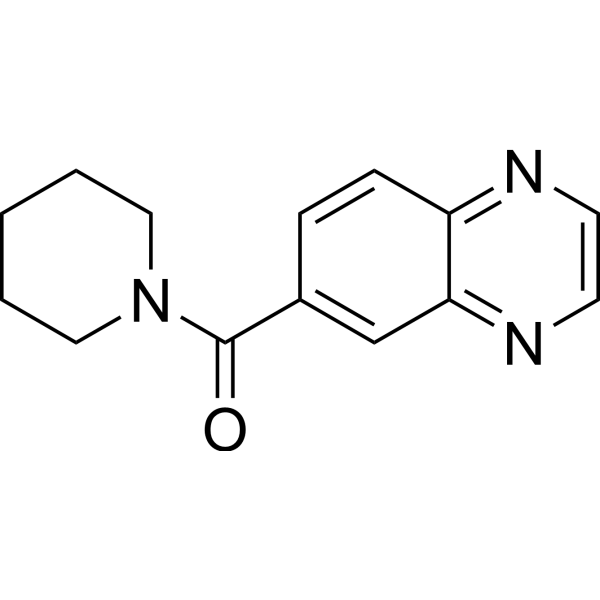
CX516 (BDP 12) is an ampakine and acts as an AMPA receptor positive allosteric modulator for the research of Alzheimer's disease, schizophrenia and mild cognitive impairment (MCI) .
loading...
    loading...

