291 Results for "

compound 3k

" in MedChemExpress (MCE) Product Catalog:
Products (291)

291 Results for "compound 3k" in MCE Product Catalog:

1
1 Cited Publications
Cat. No.: HY-108418
CAS No.: 870281-17-7
Purity:  99.52%
Target:  

PI3K

Research Areas:  

Cancer

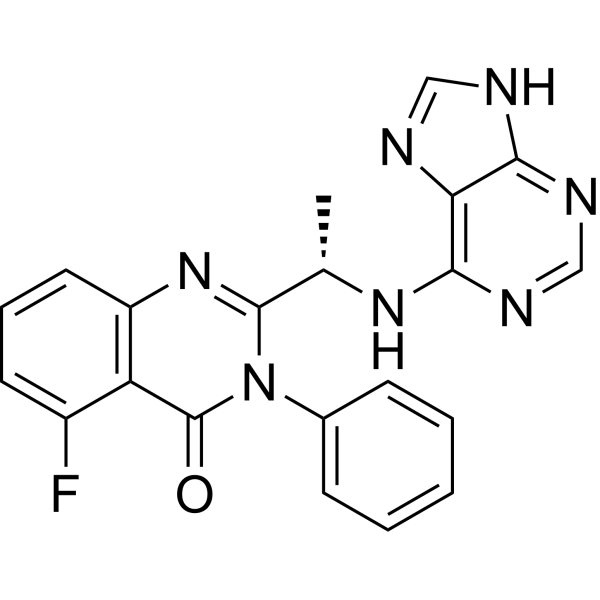
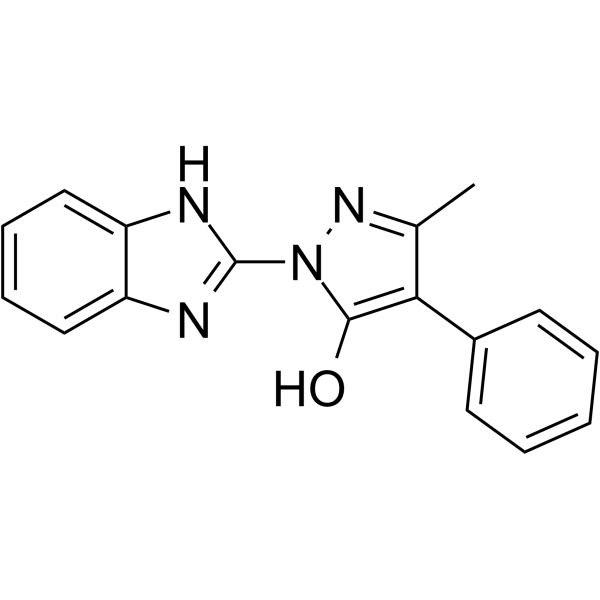
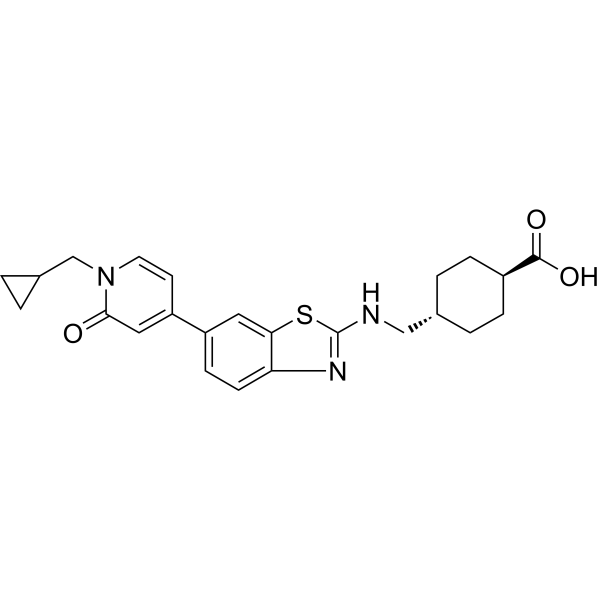
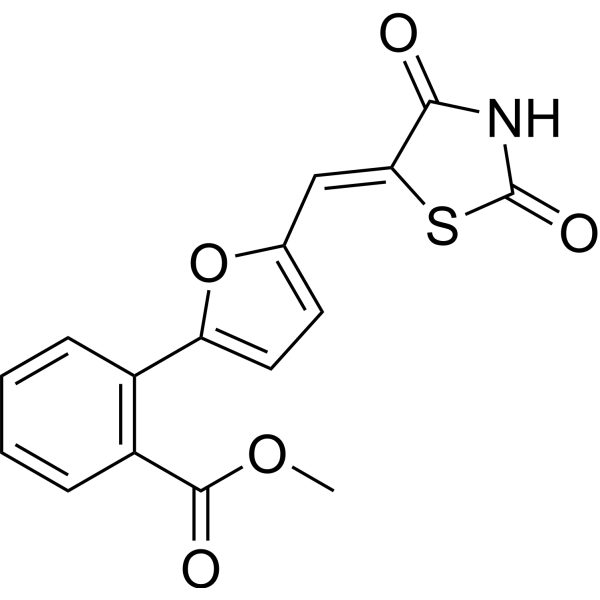
PI3Kδ-IN-15 (compound 6b) is a selective PI3Kδ inhibitor with an IC50 of 0.5 nM for p110δ. PI3Kδ-IN-15 inhibits PI3Kδ with >30-fold higher potency than PI3Kγ, PI3Kβ, and PI3Kα .
loading...
    loading...
1
1 Cited Publications
Cat. No.: HY-11105
CAS No.: 956958-53-5
Purity:  99.74%
Synonyms: XL147 analogue
Target:  

PI3K Apoptosis

Research Areas:  

Cancer

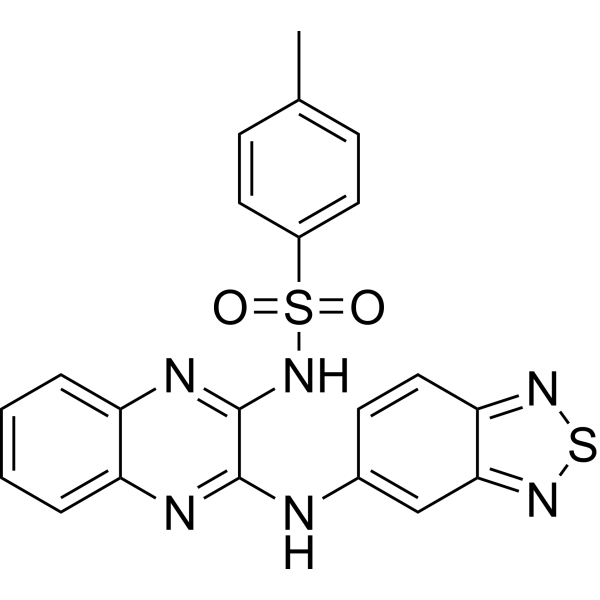
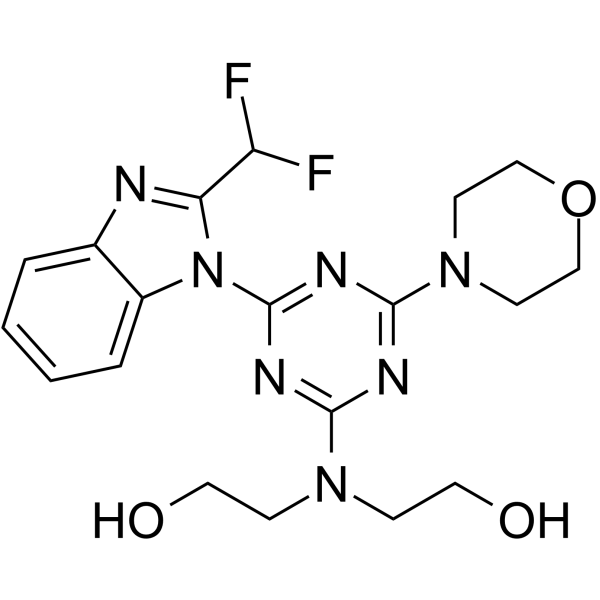
Pilaralisib analogue (XL147 analogue) is a representative and selective PI3Kα inhibitor extracted from patent WO2012006552A1, Compound 147 in Table 1.
loading...
    loading...
1
1 Cited Publications
Cat. No.: HY-102031
CAS No.: 1702816-75-8
Purity:  98.91%
Synonyms: YY-20394
Target:  

PI3K

Research Areas:  

Inflammation/Immunology Cancer

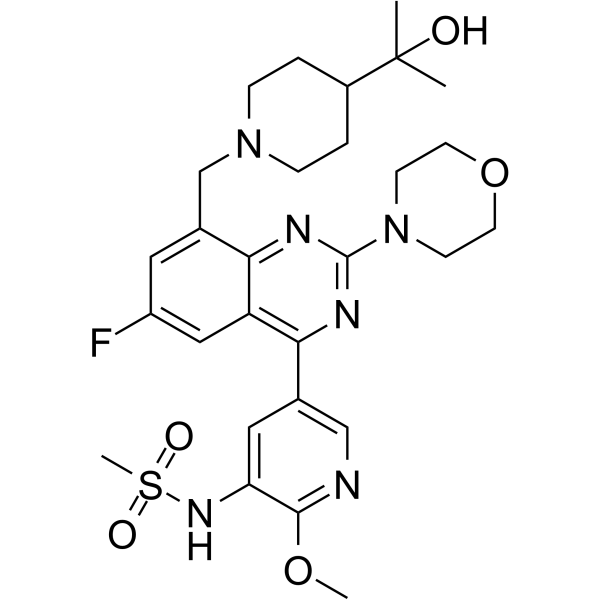
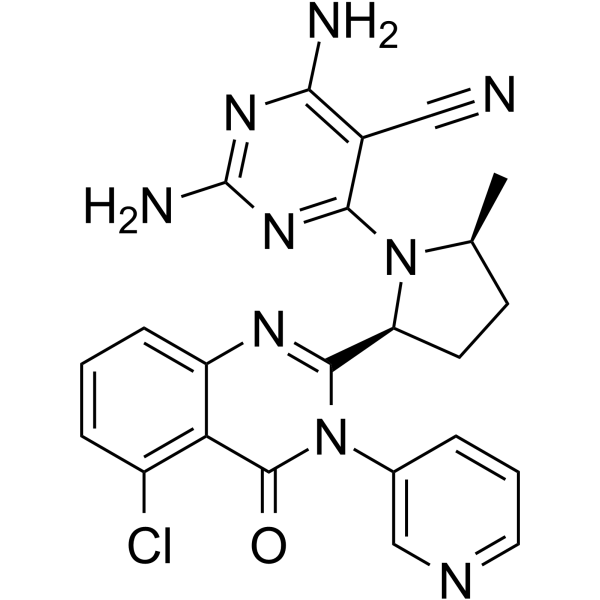
Linperlisib (YY-20394) is a potent, orally bioavailable and selective inhibitor of PI3Kδ extracted from patent WO 2015055071 A1, compound 10; has an IC50 of 6.4 nM .
loading...
    loading...
1
1 Cited Publications
Cat. No.: HY-156681
CAS No.: 2883540-92-7
Purity:  99.63%
Synonyms: STX-478; STX-478-101; LY4064809
Target:  

PI3K

Research Areas:  

Cancer

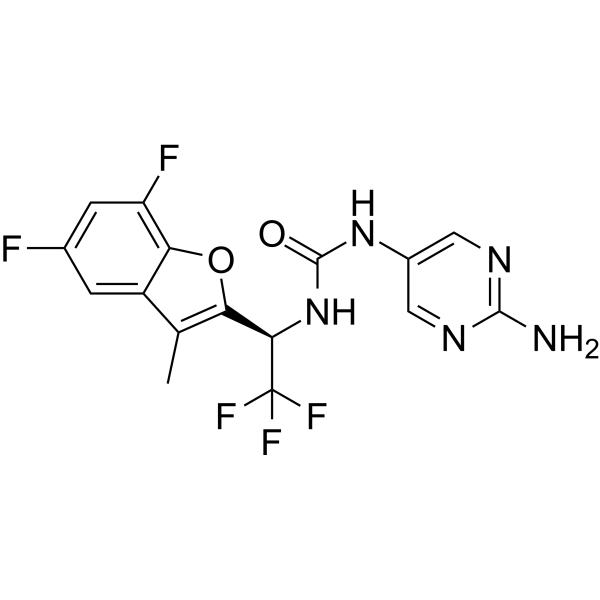
STX-478 (compound 80) is an oral CNS-penetrant allosteric mutant-selective PI3Kα inhibitor. STX-478 shows robust and durable tumor regression and can be used in cancer research .
loading...
    loading...
1
1 Cited Publications
Cat. No.: HY-N3377
CAS No.: 573-44-4
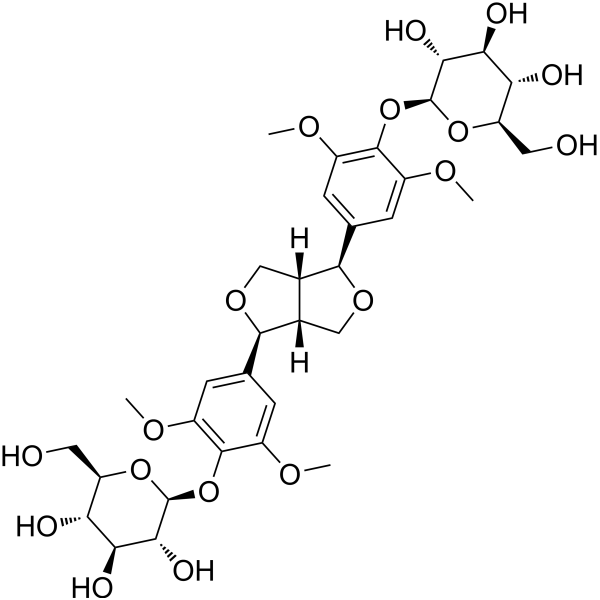
Liriodendrin is an orally effective lignan compound with anti-inflammatory, antioxidant, and anti-platelet aggregation activities. Liriodendrin is isolated and extracted from Sargentodoxae caulis and Linaria vulgaris. Liriodendrin regulates the expression of genes related to inflammation and cellular metabolism by inhibiting the NF-κB, PI3K/Akt, and TLR4 signaling pathways, or by activating the PI3K-DDX18 pathway. Liriodendrin increases the expression of HSF1 and HSP27 without cytotoxicity. Liriodendrin is used in studies on ulcerative colitis, myocardial ischemia-reperfusion injury, sepsis-induced acute lung injury, and chronic endometritis .
loading...
    loading...
1
1 Cited Publications
Cat. No.: HY-150190
CAS No.: 2304465-89-0
Purity:  99.38%
Research Areas:  

Cancer

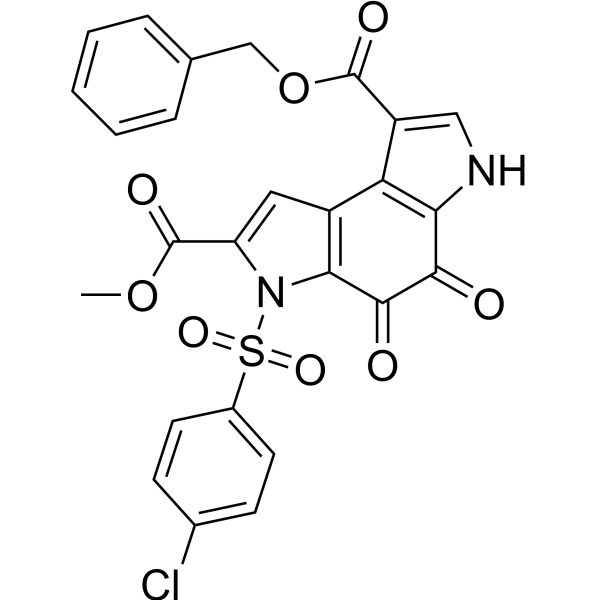
F5446 (Compound 1) is a selective small molecule inhibitor of SUV39H1 methyltransferase. F5446 decreases H3K9me3 deposition at the FAS promoter, increases Fas expression and increases colorectal carcinoma cell sensitivity to FasL-induced apoptosis in vitro. F5446 suppresses human colon tumor xenograft growth in vivo .
loading...
    loading...
1
1 Cited Publications
Cat. No.: HY-N0721
CAS No.: 27215-14-1
Synonyms: Neoandrographiside
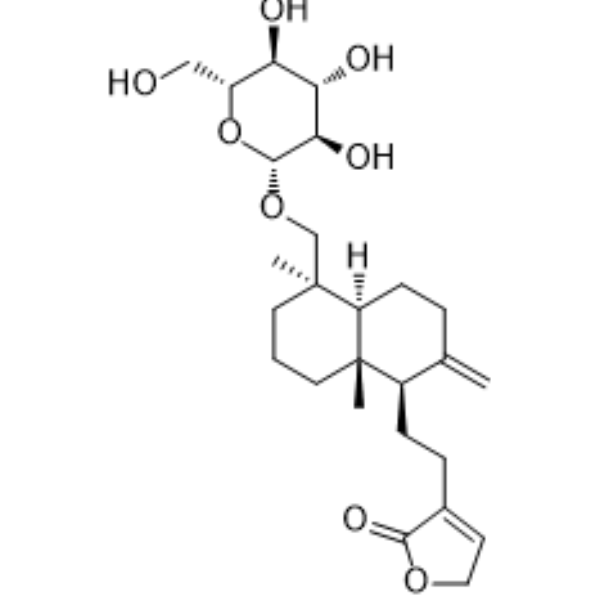
Neoandrographolide is a diterpenoid compound isolated from Andrographis paniculata. Neoandrographolide inhibits osteoclasts differentiation and bone resorption through inhibition of MAPK/NF-κB/PI3K/AKT/GSK3β/PPAR/CAMK signaling pathway. Neoandrographolide inhibits apoptosis in rat embryonic ventricular cardiomyocytes. Neoandrographolide inhibits iNOS and the generation of ROS, activates eNOS, exhibiting anti-inflammatory and hypolipidemic activity .
loading...
    loading...
1
1 Cited Publications
Cat. No.: HY-132896
CAS No.: 1068515-53-6
Purity:  99.36%
Target:  

Histone Demethylase

Research Areas:  

Cancer

KDM4-IN-3 (Compound 15) is a KDM4 inhibitor (IC50 = 871 nM) that exhibits improved potency in biochemical assays. KDM4-IN-3 is cell-permeable and kills prostate cancer cells at low micro molar concentrations. KDM4-IN-3 inhibits growth of prostate cancer cell lines and increases the H3K9me3 abundance. KDM4-IN-3 can be studied in research for prostate cancer .
loading...
    loading...
1
1 Cited Publications
Cat. No.: HY-106012
CAS No.: 1800017-49-5
Purity:  98.61%
Target:  

PI4K PI3K

Research Areas:  

Cancer

PI4K-IN-1 (compound 44) is a potent PI4KIII inhibitor, with pIC50 values of 9.0 and 6.6 for PI4KIIIα and PI4KIIIβ, respectively. PI4K-IN-1 also inhibits PI3Kα/β/γ/δ, with pIC50 values of 4.0/<3.7/5.0/<4.1, respectively .
loading...
    loading...
1
1 Cited Publications
Cat. No.: HY-N0670
CAS No.: 191729-45-0
Synonyms: Tenacissimoside C
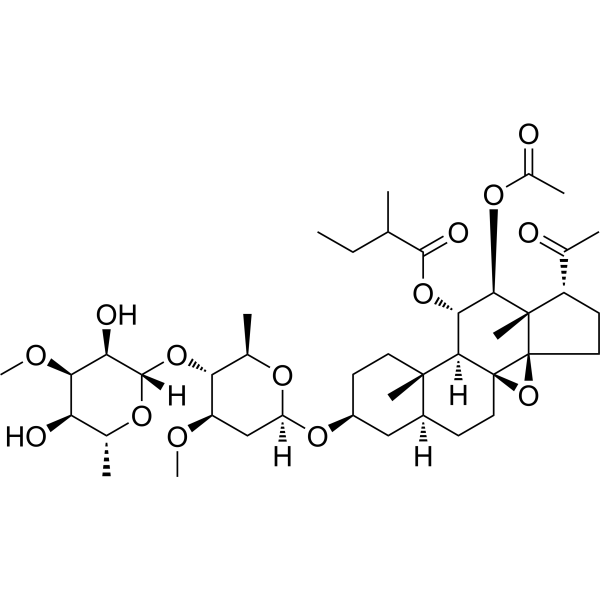
Tenacissoside H (Tenacissimoside C) is a compound found in Caulis Marsdeniae Tenacissimae. Tenacissoside H shows anti-inflammation, anti-tumor and neuroprotective effects. Tenacissoside H inhibits PI3K/Akt and NF-κB signaling pathway. Tenacissoside H inhibits cancer cells proliferation, S phase arrest, and inhibits tumor growyh in mice. Tenacissoside H promotes neurological recovery of ischemia-reperfusion injury in mice by inhibiting inflammation and apoptosis. Tenacissoside H can be used for the research of cancer, inflammation and neurological diseases, such as esophageal cancer and cerebral ischemia .
loading...
    loading...
1
1 Cited Publications
Cat. No.: HY-N3651
CAS No.: 20493-56-5
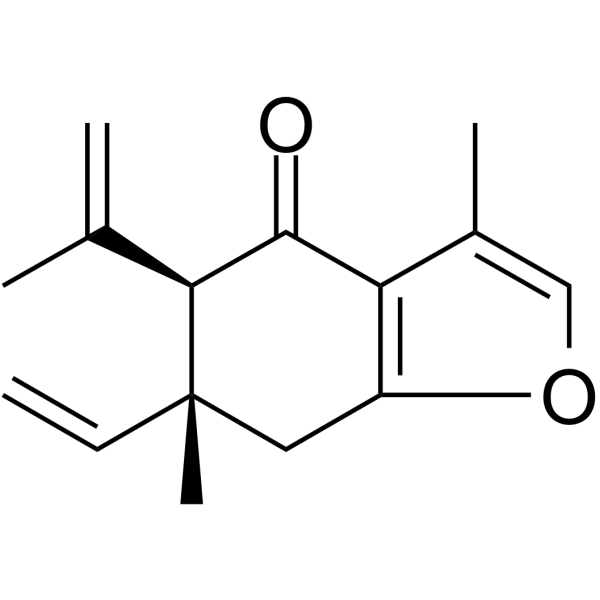
Curzerenone is an orally active sesquiterpene compound and Antibacterial agent. Curzerenone can be isolated from Curcuma zedoaria and Curcuma aeruginosa plants. Curzerenone increases ROS levels, activates Apoptotic signaling pathways, and attenuates the PI3K/AKT/mTOR signaling pathway. Curzerenone exhibits anticancer activity against liver cancer and cervical cancer. Curzerenone has antioxidant effects. Curzerenone shows weak antibacterial activity against Escherichia coli. Curzerenone can be used in research related to hepatocellular carcinoma, cervical cancer, and Escherichia coli infection .
loading...
    loading...
1
1 Cited Publications
Cat. No.: HY-N0695
CAS No.: 58546-55-7
Synonyms: Gomisin-B; Wuweizi ester-B; Schisantherin-B
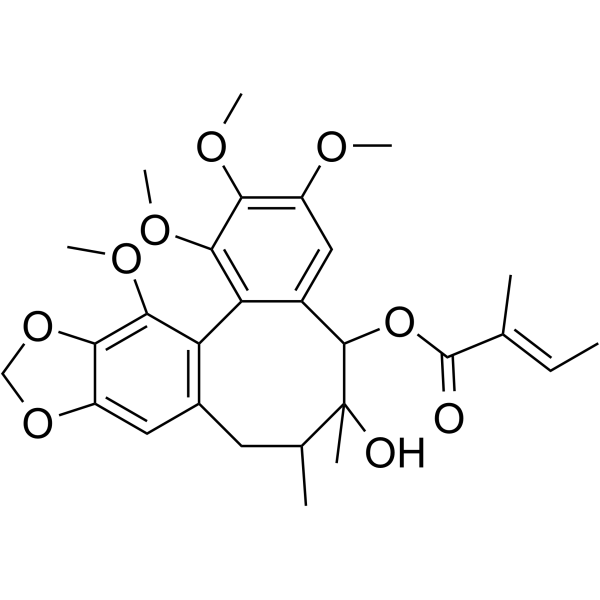
Schisantherin B (Gomisin-B) is a lignan compound and one of the active components of Schisandra chinensis. Schisantherin B activates the PI3K/AKT signaling pathway, restores the activity of GSK3β, and reduces the hyperphosphorylation of tau protein in hippocampal and cerebral cortical tissues. Schisantherin B upregulates the level of GLT-1, decreases the expression of pro-inflammatory cytokines TNF-α/IL-1β/IL-6, upregulates the expression of IL-10, and inhibits cell apoptosis. Schisantherin B is applicable to the research of spinal cord injury, Alzheimer's disease and depression .
loading...
    loading...
1
1 Cited Publications
Cat. No.: HY-113308AS
CAS No.: 2410279-97-7
Purity:  99.4%
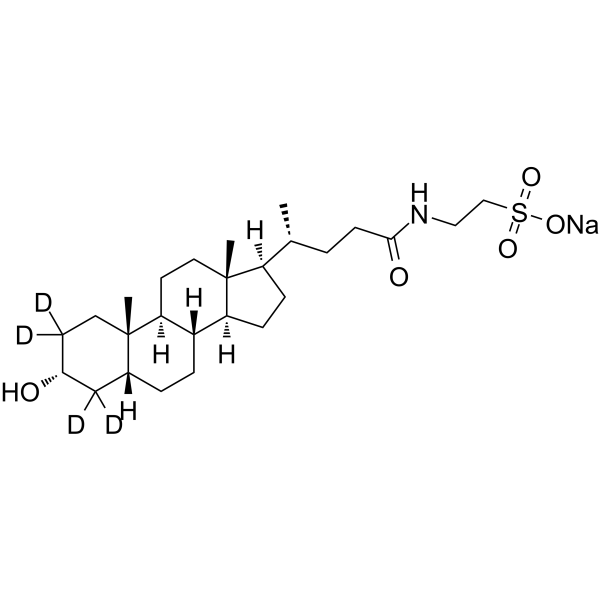
Taurolithocholic acid-d4 (sodium) is the deuterium labeled Taurolithocholic acid (sodium salt). Taurolithocholic acid sodium is an orally active bile acid and antiviral agent. Taurolithocholic acid sodium upregulates FADS2 by activating the TGR5-PI3K/AKT-SREBP2 signaling axis, inhibits SFTSV-induced ferroptosis, viral replication and viral entry of HBV/HDV, while reducing the release of IL-1β, lipid ROS and LDH. While exerting antiviral protective effects, Taurolithocholic acid sodium also stimulates the recycling of hepatocellular membrane transporters, impairs canalicular bile acid secretion function, and induces hepatocyte cholestasis, apoptosis and acute hepatocellular injury. Taurolithocholic acid sodium serves as an experimental model compound for hepatocellular cholestasis. At concentrations ≤200 μM, Taurolithocholic acid sodium shows no cytotoxicity and does not activate the interferon pathway. Taurolithocholic acid sodium not only protects mice from lethal SFTSV infection but also is suitable for studies related to severe fever with thrombocytopenia syndrome and cholestasis .
loading...
    loading...
1
1 Cited Publications
Cat. No.: HY-113308S1
CAS No.: 2410279-96-6
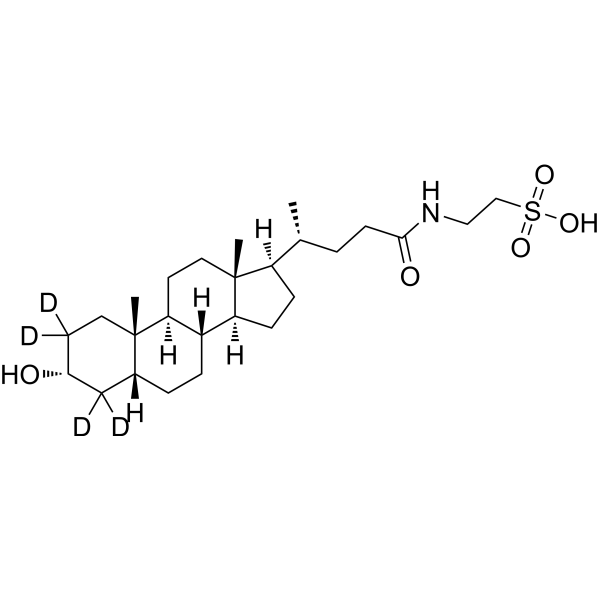
Taurolithocholic acid-d4 is deuterium labeled Taurolithocholic acid. Taurolithocholic acid is an orally active bile acid and antiviral agent. Taurolithocholic acid upregulates FADS2 by activating the TGR5-PI3K/AKT-SREBP2 signaling axis, inhibits SFTSV-induced ferroptosis, viral replication and viral entry of HBV/HDV, while reducing the release of IL-1β, lipid ROS and LDH. While exerting antiviral protective effects, Taurolithocholic acid also stimulates the recycling of hepatocellular membrane transporters, impairs canalicular bile acid secretion function, and induces hepatocyte cholestasis, apoptosis and acute hepatocellular injury. Taurolithocholic acid serves as an experimental model compound for hepatocellular cholestasis. At concentrations ≤200 μM, Taurolithocholic acid shows no cytotoxicity and does not activate the interferon pathway. Taurolithocholic acid not only protects mice from lethal SFTSV infection but also is suitable for studies related to severe fever with thrombocytopenia syndrome and cholestasis .
loading...
    loading...
1
1 Cited Publications
Cat. No.: HY-124344
CAS No.: 116764-15-9
Purity:  98.90%
Avenanthramide C is an orally active polyphenolic compound that penetrates the blood-brain barrier. Avenanthramide C is derived from oats. Avenanthramide C inhibits NF-κB nuclear translocation and inhibits the phosphorylation of PI3K, PLCγ1, Lyn, Syk, and Akt. Avenanthramide C inhibits the expression and activity of MMP-9 and inhibits MAPK phosphorylation. Avenanthramide C scavenges DPPH radicals, reduces intracellular ROS, and inhibits pro-inflammatory cytokine release and adhesion molecule expression. Avenanthramide C inhibits cell degranulation. Avenanthramide C attenuates active systemic anaphylaxis and inhibits passive cutaneous anaphylaxis. Avenanthramide C ameliorates PHZ-induced blood stasis. Avenanthramide C inhibits neuroinflammation, restores long-term potentiation, and improves recognition and spatial memory in Alzheimer's disease models. Avenanthramide C can be used for research on allergic inflammation, thrombosis, atherosclerosis, and Alzheimer's disease .
loading...
    loading...
Cat. No.: HY-150638
CAS No.: 2730151-31-0
Target:  

PI3K Apoptosis

Research Areas:  

Cancer

PI3Kδ/γ-IN-3 (Compound 58) is a potent and orally active PI3Kδ and PI3Kγ dual inhibitor with IC50s of 1 nM and 16 nM, respectively. PI3Kδ/γ-IN-3 induces tumor cell apoptosis and can be used for B-cell malignancies research .
loading...
    loading...
Cat. No.: HY-169089
Target:  

Drug Derivative

Research Areas:  

Cancer

RP-182-PEG3-K palmitic acid-NH2 (Compound 1a) is a fatty acid derivative of the immunomodulatory peptide RP-182. RP-182-PEG3-K palmitic acid-NH2 inhibits CD206 high M2-like macrophage (IC50 of 3.2 μM) and induces phagocytosis. RP-182-PEG3-K palmitic acid-NH2 exhibits antitumor efficacy in mouse B16 melanoma allografts .
loading...
    loading...
Cat. No.: HY-133124
CAS No.: 2337386-47-5
Purity:  99.43%
Target:  

PARP PI3K Apoptosis

Research Areas:  

Cancer

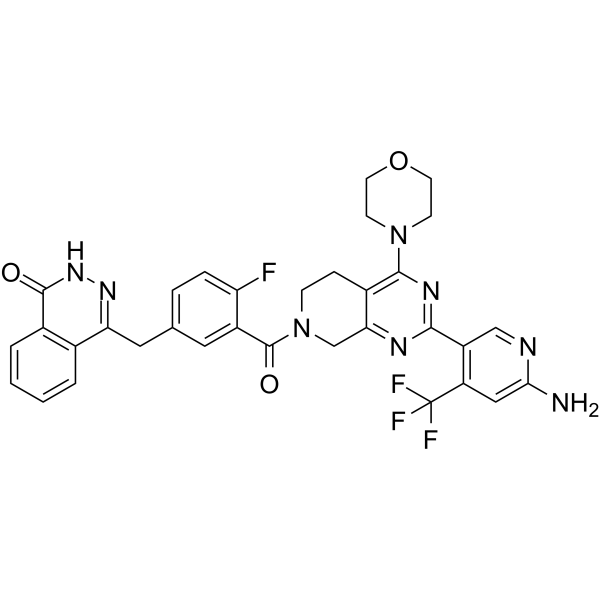
PARP/PI3K-IN-1 (compound 15) is a potent PARP/PI3K inhibitor with pIC50 values of 8.22, 8.44, 8.25, 6.54, 8.13, 6.08 for PARP-1, PARP-2, PI3Kα, PI3Kβ, PI3Kδ, and PI3Kγ, respectively. PARP/PI3K-IN-1 is a highly effective anticancer compound targeted against a wide range of oncologic diseases .
loading...
    loading...
Cat. No.: HY-148317
CAS No.: 900515-01-7
Target:  

PI3K

Research Areas:  

Inflammation/Immunology

PI3Kγ inhibitor 6 (compound 9) is a PI3Kγ inhibitor. PI3Kγ inhibitor 6 can be used for the research of inflammatory and autoimmune diseases .
loading...
    loading...
Cat. No.: HY-143403
CAS No.: 1359956-12-9
Purity:  99.55%
Target:  

PI3K

Research Areas:  

Cancer

PI3K-IN-31 (Compound 6b) is a potent PI3K inhibitor with IC50s of 3.7 nM, 74 nM, 14.6 nM, and 9.9 nM for PI3Kα, PI3Kβ, PI3Kγ, and PI3Kδ, respectively. PI3K-IN-31 has anticancer effects .
loading...
    loading...

