313 Results for "

neuronal cell

" in MedChemExpress (MCE) Product Catalog:
Products (313)

313 Results for "neuronal cell" in MCE Product Catalog:

3
3 Cited Publications
Cat. No.: HY-P3400
CAS No.: 887255-16-5
Synonyms: LQVTDSGLYRCVIYHPP
Target:  

Inhibitory Antibodies

Research Areas:  

Neurological Disease

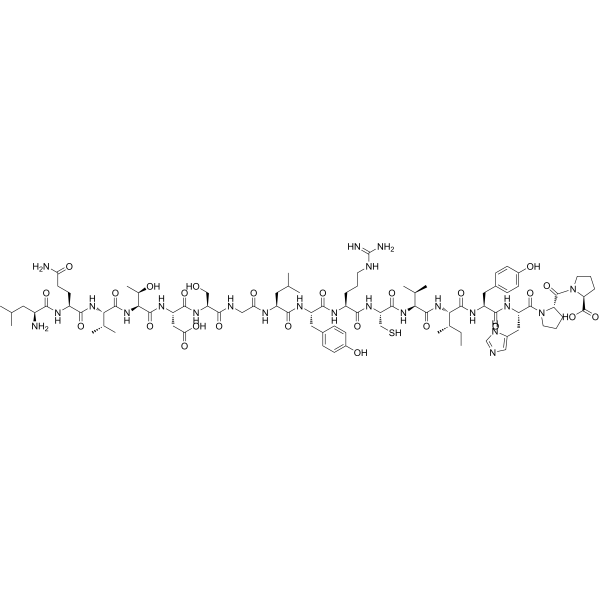
LP17 (LQVTDSGLYRCVIYHPP) is a BBB-penetrable triggering receptor expressed on myeloid cells (TREM-1) inhibitory peptide. LP17 substantially alleviates ischemia-induced infarction and neuronal injury. LP17 can get access into brain and block TREM-1 .
loading...
    loading...
3
3 Cited Publications
Cat. No.: HY-66012
CAS No.: 5875-06-9
Synonyms: Proxymetacaine hydrochloride
Target:  

Sodium Channel

Research Areas:  

Neurological Disease

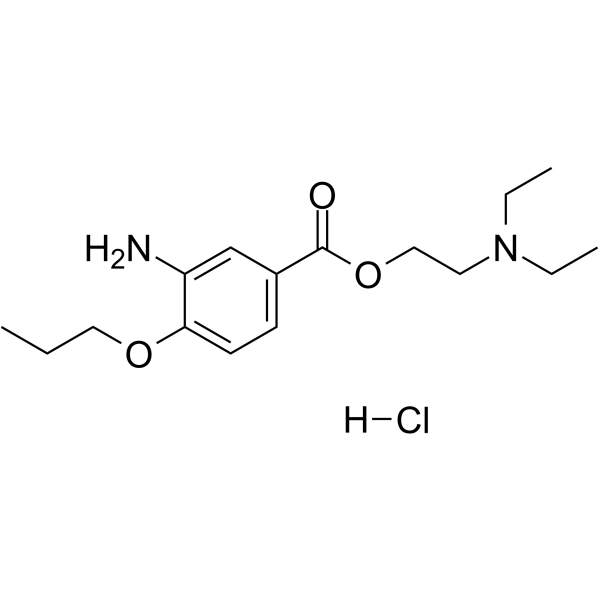
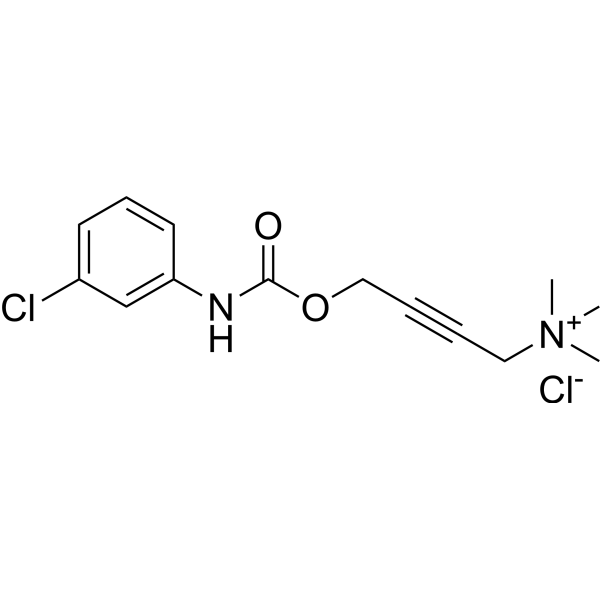
Proparacaine (Proxymetacaine) hydrochloride is a local anesthetic. Proparacaine hydrochloride blocks voltage-gated sodium channels on neuronal cell membranes, thereby inhibiting signal conduction and nociceptive signal transmission. Proparacaine hydrochloride blocks nociceptive signals in the eye and induces ocular muscle relaxation to reduce eye movement during surgery. Proparacaine hydrochloride is used in research related to cataracts .
loading...
    loading...
3
3 Cited Publications
Cat. No.: HY-P3400A
Synonyms: LQVTDSGLYRCVIYHPP TFA
Target:  

Inhibitory Antibodies

Research Areas:  

Neurological Disease

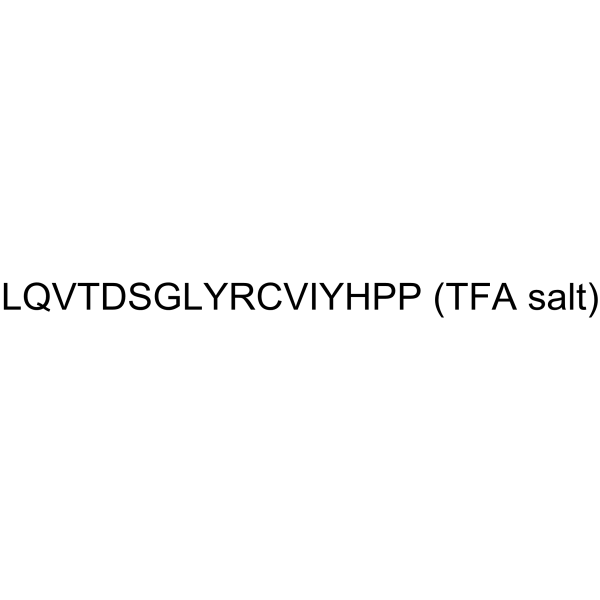
LP17 (LQVTDSGLYRCVIYHPP) TFA is a BBB-penetrable triggering receptor expressed on myeloid cells (TREM-1) inhibitory peptide. LP17 TFA substantially alleviates ischemia-induced infarction and neuronal injury. LP17 TFA can get access into brain and block TREM-1 .
loading...
    loading...
3
3 Cited Publications
Cat. No.: HY-W247131
CAS No.: 3785-01-1
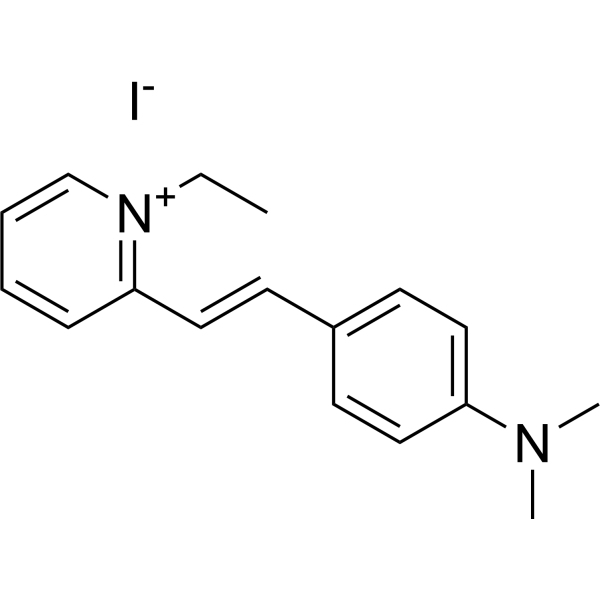
DASPEI is a cationic styrenyl mitochondrial dye with large Stokes shift. DASPEI has excitation and emission wavelength at 550/573 nm, which has good light chromogenic property. DASPEI can stain mitochondria in living cells with good labeling property. And DASPEI can also be used to stain presynaptic nerve endings independently of neuronal activity .
loading...
    loading...
3
3 Cited Publications
Cat. No.: HY-134205A
CAS No.: 2416095-06-0
Purity:  98.02%
Target:  

Keap1-Nrf2

CBR-470-1 is an inhibitor of the glycolytic enzyme phosphoglycerate kinase 1 (PGK1). CBR-470-1 is also a non-covalent Nrf2 activator. CBR-470-1 protects SH-SY5Y neuronal cells against MPP +-induced cytotoxicity through activation of the Keap1-Nrf2 cascade .
loading...
    loading...
3
3 Cited Publications
Cat. No.: HY-128879A
CAS No.: 1281681-33-1
Purity:  98.01%
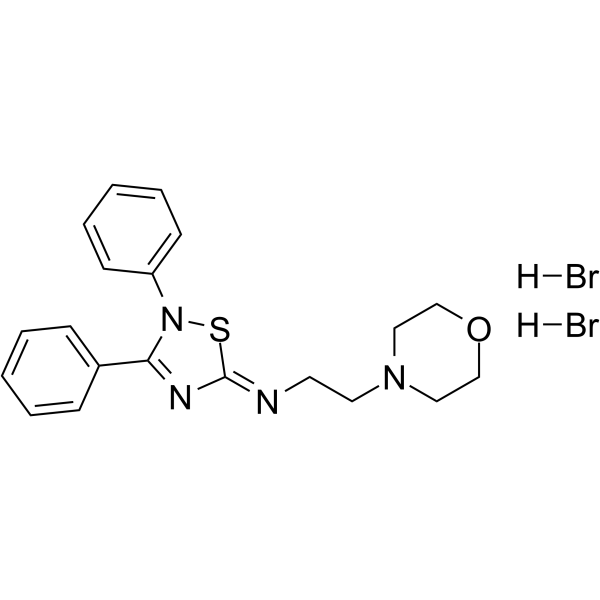
VP3.15 dihydrobromide is a highly potent, orally bioavailable, and CNS-penetrant PDE7-GSK3 dual inhibitor, with IC50 values of 1.59 μM and 0.88 μM against PDE7 and GSK3, respectively . VP3.15 dihydrobromide elevates intracellular cAMP levels, suppresses immune responses, enhances remyelination, limits excessive tau phosphorylation, and alleviates neuroinflammation and neuronal loss. VP3.15 dihydrobromide promotes oligodendrocyte precursor cell differentiation, improves in vivo remyelination, inhibits autoimmune encephalomyelitis, and mitigates germinal matrix-intraventricular hemorrhage-related brain injury, cerebral atrophy, ventricular enlargement, and cognitive impairment. VP3.15 dihydrobromide can be used in research related to multiple sclerosis and germinal matrix-intraventricular hemorrhage .
loading...
    loading...
2
2 Cited Publications
Cat. No.: HY-N6669
CAS No.: 3934-86-9
Synonyms: M3OMG
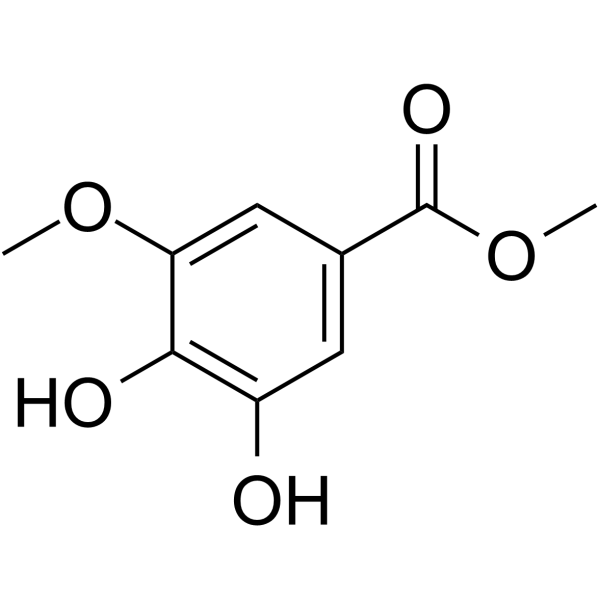
Methyl 3-O-methylgallate (M3OMG) possesses antioxidant effect and can protect neuronal cells from oxidative damage .
loading...
    loading...
2
2 Cited Publications
Cat. No.: HY-103442
CAS No.: 145915-58-8
Purity:  99.55%
Synonyms: DAPH
Target:  

EGFR Amyloid-β

Research Areas:  

Neurological Disease Cancer

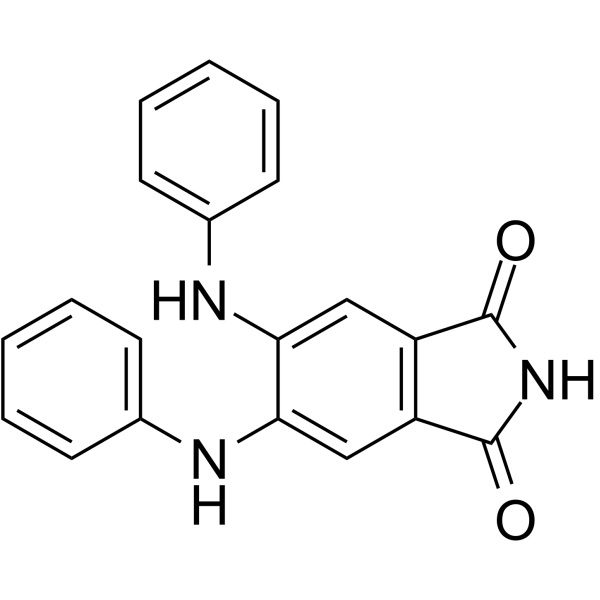
CGP52411 (DAPH) is a high selective, potent, orally active and ATP-competitive EGFR inhibitor with an IC50 of 0.3 μM. CGP52411 blocks the toxic influx of Ca 2+ ions into neuronal cells, and dramatic inhibits and reverses the formation of β-amyloid (Aβ42) fibril aggregates associated with Alzheimer's disease .
loading...
    loading...
2
2 Cited Publications
Cat. No.: HY-B1941
CAS No.: 140-66-9
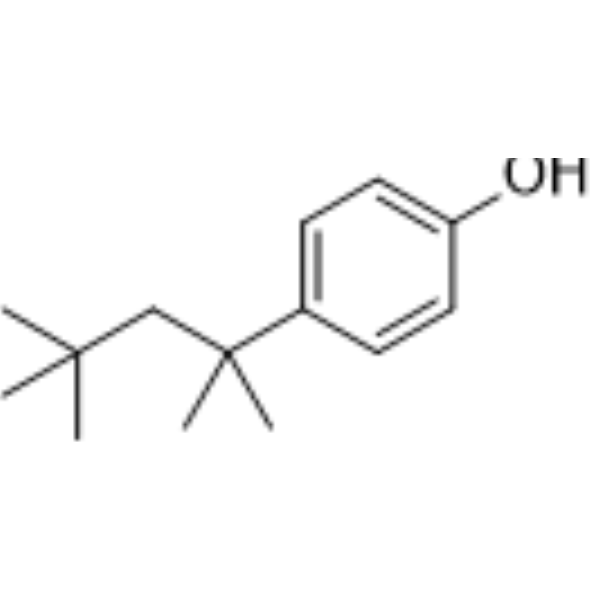
4-tert-Octylphenol, a endocrine-disrupting chemical, is an estrogenic agent. 4-tert-Octylphenol is also a biodegradation product of non-ionic surfactants alkylphenol polyethoxylates. 4-tert-Octylphenol induces apoptosis in neuronal progenitor cells in offspring mouse brain. 4-tert-Octylphenol reduces bromodeoxyuridine (BrdU), mitotic marker Ki67, and phospho-histone H3 (p-Histone-H3), resulting in a reduction of neuronal progenitor proliferation. 4-tert-Octylphenol disrupts brain development and behavior in mice, which is promising for reserch of immune response, neuro-related diseases and ethology .
loading...
    loading...
2
2 Cited Publications
Cat. No.: HY-N11849
CAS No.: 135248-05-4
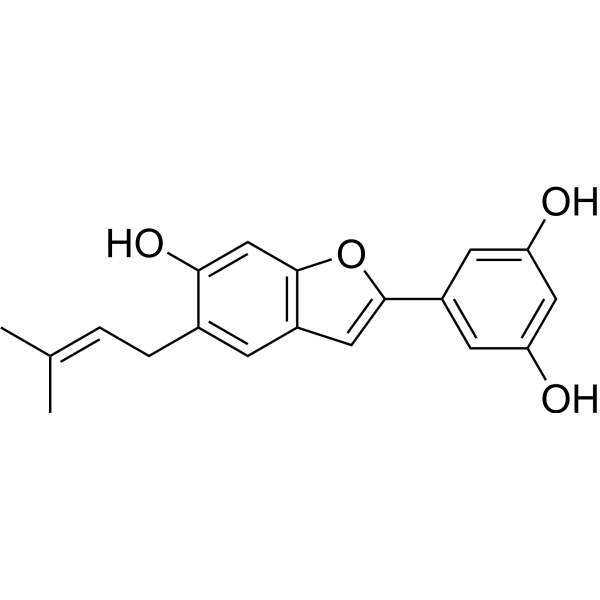
Moracin N is a benzofuran compound. At low concentrations, Moracin N activates the Keap1/Nrf2 pathway, downregulates the expression of FTH1 and ACSL4, enhances glutathione synthesis, and inhibits neuronal ferroptosis. At high concentrations, Moracin N induces ROS accumulation, activates mitochondrial apoptosis, and triggers autophagy-mediated cell death by inhibiting the AKT/mTOR pathway. Moracin N can be used in research related to non-small cell lung cancer, hepatocellular carcinoma and ischemic brain injury .
loading...
    loading...
2
2 Cited Publications
Cat. No.: HY-N5134
CAS No.: 85-32-5
Synonyms: 5'-GMP; 5'-guanosine monophosphate
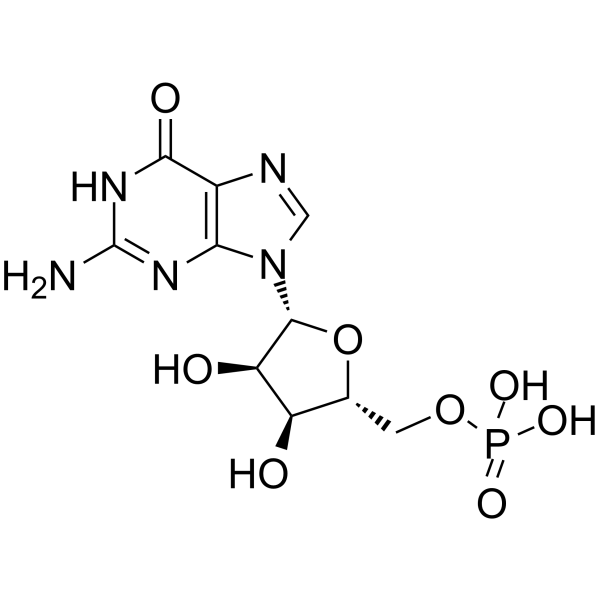
5'-Guanylic acid is a purine nucleotide that participates in physiological processes such as energy metabolism, signal transduction, and gene expression regulation. 5'-Guanylic acid regulates the expression of genes related to fatty acid metabolism. 5'-Guanylic acid is the weak agonist for ionotropic glutamate receptors (iGluR), reduces the activity of the glutamatergic system and exhibits neuroprotective effect. 5'-Guanylic acid also causes neuronal cell death at high concentrations .
loading...
    loading...
2
2 Cited Publications
Cat. No.: HY-10996A
CAS No.: 1784282-12-7
Purity:  99.65%
KHS101 is a blood-brain barrier-penetrant anticancer agent that primarily functions by inhibiting HSPD1 (IC50 = 14.4 μM) and TACC3 across different cellular backgrounds. KHS101 promotes the aggregation of HSPD1 with client proteins, destabilizes TACC3, and reduces the levels of TACC3, Aurora A and PLK1. KHS101 induces autophagy, apoptosis, cell cycle exit and neuronal differentiation; it suppresses cancer cell growth, motility, EMT and stemness; it also impairs mitochondrial bioenergetics and glycolysis in glioblastoma cells. KHS101 can be used in research related to glioblastoma multiforme and breast cancer .
loading...
    loading...
2
2 Cited Publications
Cat. No.: HY-W040045
CAS No.: 18466-51-8
Synonyms: Pelargonidin-3-O-glucoside chloride
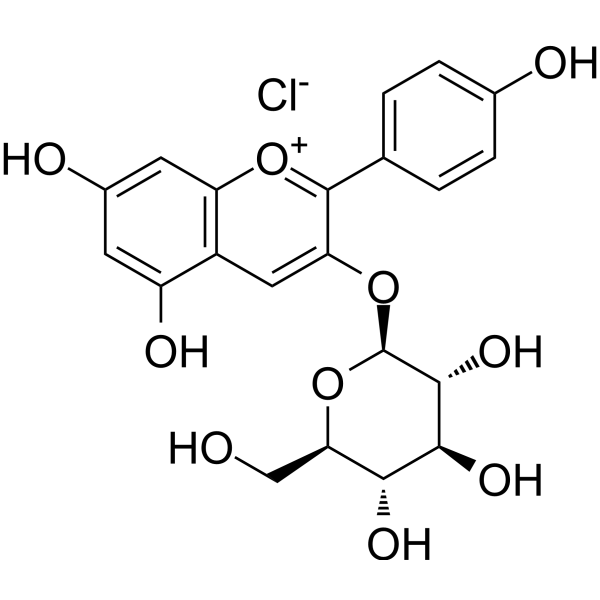
Callistephin (Pelargonidin 3-O-glucoside) chloride is an anthocyanin. Callistephin chloride regulates the expression of inflammatory (reducing iNOS/TNF-α/COX-2) and apoptosis-related proteins by inhibiting p38 phosphorylation, and enhances the protective effect of Isoflurane (HY-A0134) on microglial cell damage. Callistephin chloride significantly reduces ROS levels, eliminates DPPH free radicals, protects retinal pigment epithelial cells, and inhibits lipid peroxidation. Callistephin chloride can alleviate glutamate excitotoxicity, reduce neuronal apoptosis, and protect cerebellar granule neurons. Callistephin chloride can inhibit the proliferation and metastasis of breast cancer cells by inducing apoptosis .
loading...
    loading...
2
2 Cited Publications
Cat. No.: HY-107825
CAS No.: 577-85-5
Purity:  99.92%
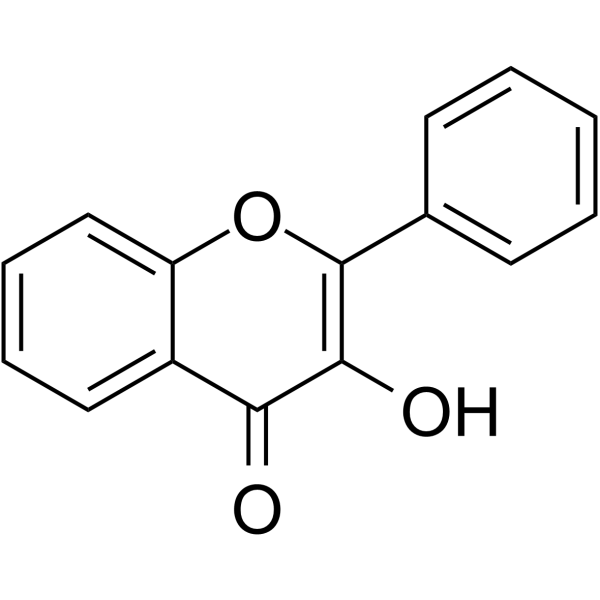
Flavonol is a cholinesterase (ChE) inhibitor, with an IC50 value of 120 μM and a Ki value of 74 μM. Flavonol has antioxidant, free radical-scavenging, antibacterial properties, and immune modulation functions. Flavonol inhibits the PriA helicase of Staphylococcus aureus. Flavonol can suppress the production of NO in LPS-activated RAW 264.7 cells by inhibiting the expression of the iNOS enzyme. Flavonol shows protective and analgesic effects in mice through various neuronal pathways. Flavonol can be used in research related to tumors and atherosclerosis diseases .
loading...
    loading...
2
2 Cited Publications
Cat. No.: HY-141140
CAS No.: 69075-42-9
Purity:  98.19%
Synonyms: 5-EU
Research Areas:  

Others

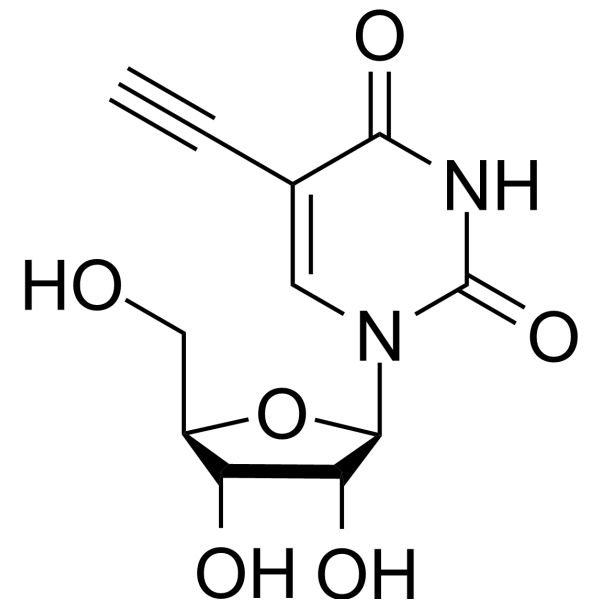
5-Ethynyluridine (5-EU) is a potent cell-permeable nucleoside can be used to label newly synthesized RNA. 5-Ethynyluridine can be used for isolation and sequencing of nascent RNA from neuronal populations in vivo. 5-Ethynyluridine can be used to identify changes in transcription in vivo in nervous system disease models . 5-Ethynyluridine is a click chemistry reagent, it contains an Alkyne group and can undergo copper-catalyzed azide-alkyne cycloaddition (CuAAc) with molecules containing Azide groups.
loading...
    loading...
2
2 Cited Publications
Cat. No.: HY-12534
CAS No.: 253449-04-6
Purity:  99.87%
Target:  

Arp2/3 Complex

Research Areas:  

Neurological Disease

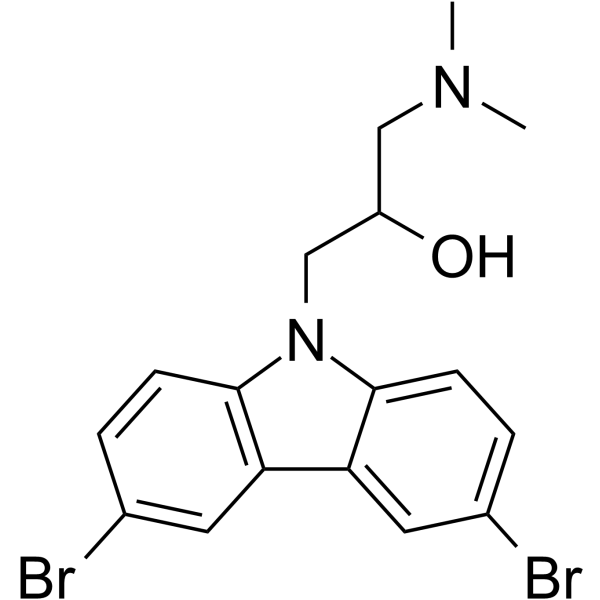
Wiskostatin is a potent and selective inhibitor of neuronal Wiskott-Aldrich syndrome protein (N-WASP)-mediated actin polymerization by stabilization of the closed, autoinhibited conformation, thereby preventing Arp2/3 complex activation. Wiskostatin is also a dynamin inhibitor with an IC50 value of 20.7 μM and a potent inhibitor of clathrin-mediated endocytosis with an IC50 value of 6.9 μM. Wiskostatin causes a rapid, profound, and irreversible decrease in cellular ATP levels. Wiskostatin also induces disassembly of podosomes in a murine monocyte cell line .
loading...
    loading...
2
2 Cited Publications
Cat. No.: HY-W010970
CAS No.: 5550-12-9
Synonyms: 5'-GMP disodium salt; 5'-guanosine monophosphate disodium salt
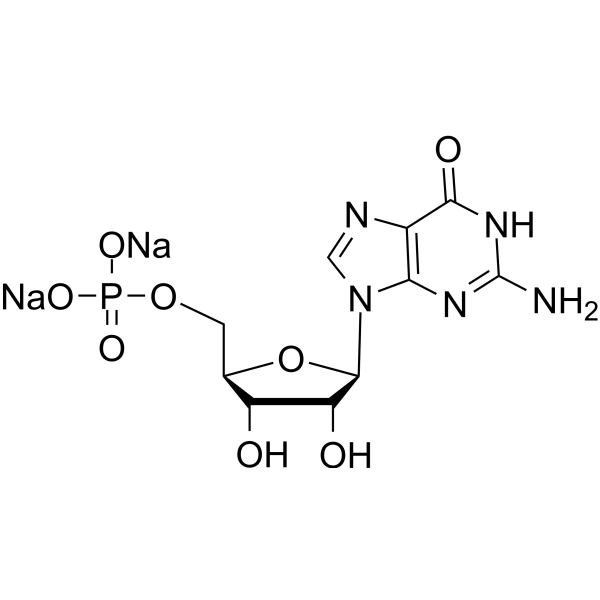
5'-Guanylic acid disodium salt is the disodium salt form of 5'-Guanylic acid (HY-N5134). 5'-Guanylic acid disodium salt is a purine nucleotide that participates in physiological processes such as energy metabolism, signal transduction, and gene expression regulation. 5'-Guanylic acid disodium salt regulates the expression of genes related to fatty acid metabolism. 5'-Guanylic acid disodium salt is the weak agonist for ionotropic glutamate receptors (iGluR), reduces the activity of the glutamatergic system and exhibits neuroprotective effect. 5'-Guanylic acid disodium salt also causes neuronal cell death at high concentrations .
loading...
    loading...
2
2 Cited Publications
Cat. No.: HY-107648
CAS No.: 55-45-8
Purity:  99.81%
Target:  

mAChR

McN-A-343 is a selective M1 muscarinic agonist that stimulates muscarinic transmission in sympathetic ganglia. McN-A-343 produces a significant inhibitory effect on Muscarine (HY-121404)-evoked catecholamine secretion from the isolated perfused rat adrenal gland. McN-A-343 is involved in the regulation of neuronal firing and activates enteroendocrine L cells to release glucagon-like peptide 1 (GLP-1) and modulates the secretion of α-melanocyte stimulating hormone (α-MSH) from the pituitary gland in the central nervous system. McN-A-343 reduces colonic inflammation and oxidative stress in Acetic acid (HY-Y0319)-induced ulcerative colitis (UC) mice. McN-A-343 can be used for the study of ulcerative colitis .
loading...
    loading...
2
2 Cited Publications
Cat. No.: HY-N1970
CAS No.: 31721-94-5
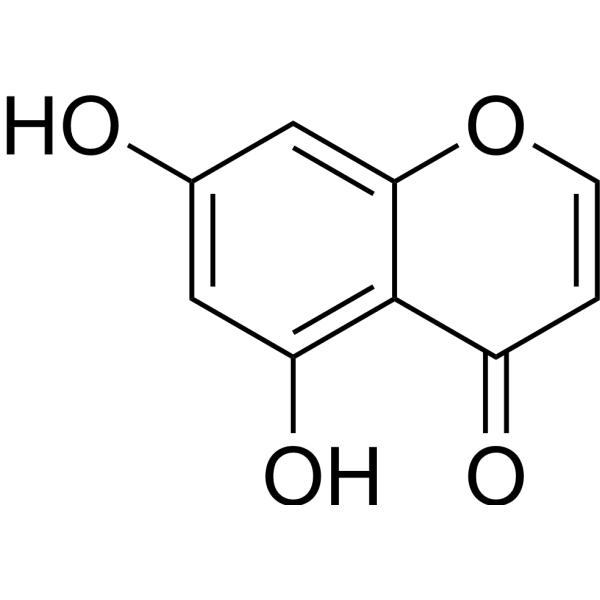
5,7-Dihydroxychromone is a flavonoid compound with antioxidant properties. 5,7-Dihydroxychromone induces Nrf2 nuclear translocation, increases Nrf2/ARE binding activity, and up-regulates Nrf2-dependent antioxidant genes HO-1, NQO1, GCLc. 5,7-Dihydroxychromone attenuates excessive ROS generation, inhibits activated caspase-3, caspase-9, cleaved PARP expression, and prevents neuronal apoptosis and cell death. 5,7-Dihydroxychromone increases LXRα and PPARγ mRNA expression, induces preadipocyte differentiation, and regulates blood glucose levels. 5,7-Dihydroxychromone inhibits radial growth of soil pathogenic fungi, radicle elongation of select seedlings, and transiently inhibits Bradyrhizobium sp. growth in high mannitol medium. 5,7-Dihydroxychromone can be used for the research of Parkinson’s disease, type 2 diabetes mellitus and pathogenic fungal infection .
loading...
    loading...
1
1 Cited Publications
Cat. No.: HY-113498
CAS No.: 85187-10-6
Purity:  ≥98.0%
Sphingomyelin is a eukaryotic sphingolipid and one of the major constituents of cell membranes and particularly abundant in the myelin sheath that surrounds neuronal axons. Sphingomyelin plays an important role in cell processes, the regulation of inflammatory responses, and signal transduction. Sphingomyelin metabolism is associated with various central nervous system diseases and Niemann–Pick disease .
loading...
    loading...

