179 Results for "

progenitor

" in MedChemExpress (MCE) Product Catalog:
Products (179)

179 Results for "progenitor" in MCE Product Catalog:

1
1 Cited Publications
Cat. No.: HY-10591
CAS No.: 880090-88-0
Purity:  98.73%
Target:  

TGF-β Receptor

Research Areas:  

Neurological Disease

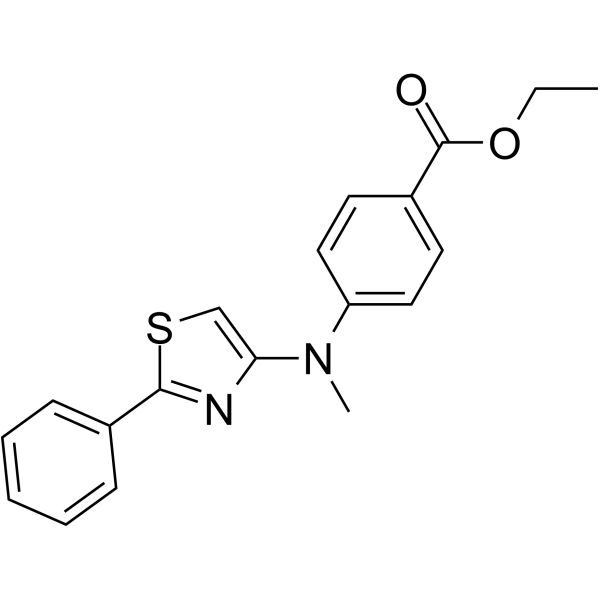
Neuropathiazol, a neuronal differentiation inducer, selectively induces neuronal differentiation of multipotent hippocampal neural progenitor cells .
loading...
    loading...
1
1 Cited Publications
Cat. No.: HY-13973A
CAS No.: 603272-51-1
Purity:  99.16%
Target:  

GSK-3

Research Areas:  

Metabolic Disease

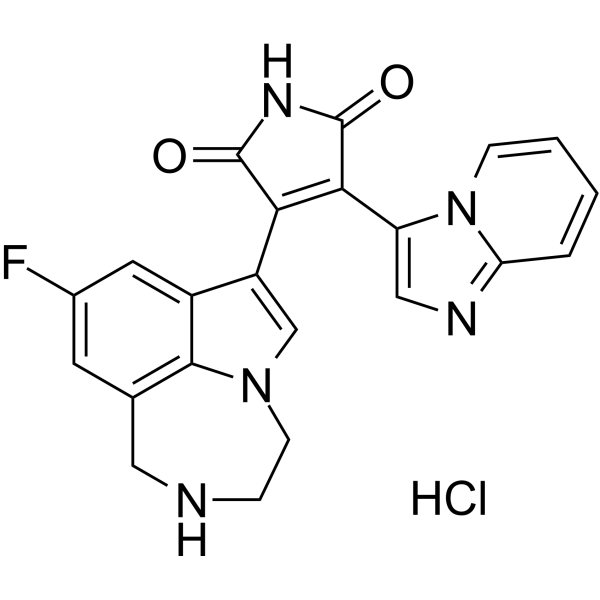
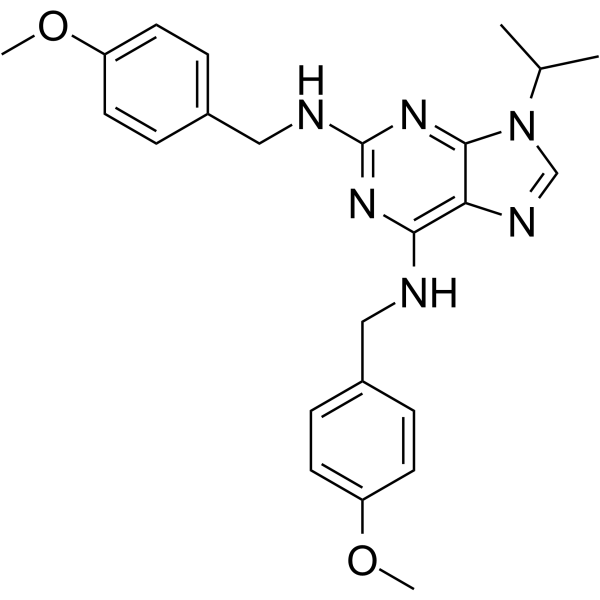
GSK-3 inhibitor 1 (compound core 3) is a GSK-3 inhibitor that induces stem/progenitor cell self-renewal (e.g. induces stem/progenitor cell proliferation while maintaining the ability to differentiate into tissue cells in the progeny) .
loading...
    loading...
1
1 Cited Publications
Cat. No.: HY-113845
CAS No.: 10285-06-0
Purity:  ≥99.0%
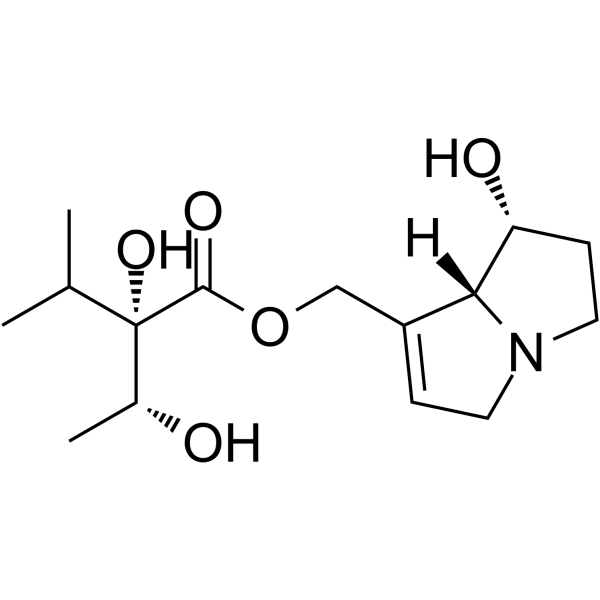
(+)-Intermedine, a pyrrolizidine alkaloid (PA), exhibits significant cytotoxicity in neural progenitor cells (NPCs) .
loading...
    loading...
1
1 Cited Publications
Cat. No.: HY-P81098
Synonyms: CD34 antigen; CD34 molecule; Cluster designation 34; Hematopoietic progenitor cell antigen CD34; HPCA1; CD34_HUMAN.

Host:  

Rabbit

Application:  

WB, IHC-P, IHC-F, ICC/IF

Reactivity:  

Human, Mouse

loading...
    loading...
1
1 Cited Publications
Cat. No.: HY-N1916
CAS No.: 63644-62-2
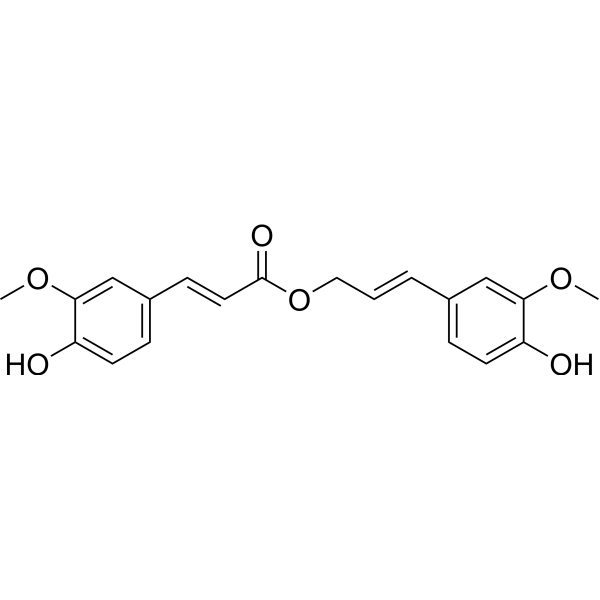
Coniferyl ferulate is an orally active phenolic acid compound. Coniferyl ferulate is a potent inhibitor of glutathione S-transferase (GST) (IC50 = 0.3 μM), which downregulates P-gp expression, induces apoptosis in B-MD-C1 (ADR+/+) cells, and reverses multidrug resistance. Coniferyl ferulate blocks the NMDAR/NR2B-CaMKII-MAPKs signaling pathway, inhibits ROS production and mitochondrial apoptosis, while reshapes the intestinal microbiota and microbial metabolism, ameliorates colonic inflammation and alleviates depressive symptoms in mice. Coniferyl ferulate can alleviate the toxicity of xylene to hematopoietic stem and progenitor cells by targeting Mgst2. Coniferyl ferulate exhibits antibacterial activity against the Gram-positive Bacillus subtilis and Staphylococcus aureus .
loading...
    loading...
1
1 Cited Publications
Cat. No.: HY-P0204
CAS No.: 117399-93-6
Synonyms: Endothelin 3 (Rat,Human)
Research Areas:  

Neurological Disease

Endothelin-3, human, mouse, rabbit, rat (Endothelin 3 (Rat,Human)) is an adhesion stimulant. Endothelin-3, human, mouse, rabbit, rat stimulates the adhesion of enteric neural crest cells to various ECM components. Endothelin-3, human, mouse, rabbit, rat plays an important role in the maintenance and self-renewal of intestinal progenitor cells, participates in the migration of enteric neural crest cells, and helps maintain a suitable environment for the colonization of enteric neural crest cells. Endothelin-3, human, mouse, rabbit, rat acts synergistically with the β1-integrin signaling pathway during enteric nervous system development. Endothelin-3, human, mouse, rabbit, rat can be used in studies related to distal aganglionosis .
loading...
    loading...
1
1 Cited Publications
Cat. No.: HY-P0204A
Synonyms: Endothelin 3 (Rat,Human) TFA
Research Areas:  

Neurological Disease

Endothelin-3, human, mouse, rabbit, rat TFA (Endothelin 3 (Rat,Human) TFA) is an adhesion stimulant. Endothelin-3, human, mouse, rabbit, rat TFA stimulates the adhesion of enteric neural crest cells to various ECM components. Endothelin-3, human, mouse, rabbit, rat TFA plays an important role in the maintenance and self-renewal of intestinal progenitor cells, participates in the migration of enteric neural crest cells, and helps maintain a suitable environment for the colonization of enteric neural crest cells. Endothelin-3, human, mouse, rabbit, rat TFA acts synergistically with the β1-integrin signaling pathway during enteric nervous system development. Endothelin-3, human, mouse, rabbit, rat TFA can be used in studies related to distal aganglionosis .
loading...
    loading...
1
1 Cited Publications
Cat. No.: HY-P7161
Purity:  ≥ 95%, as determined by reducing SDS-PAGE.
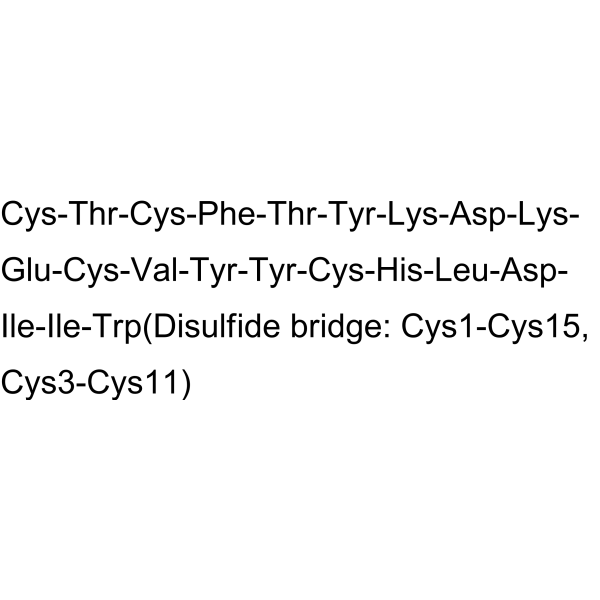
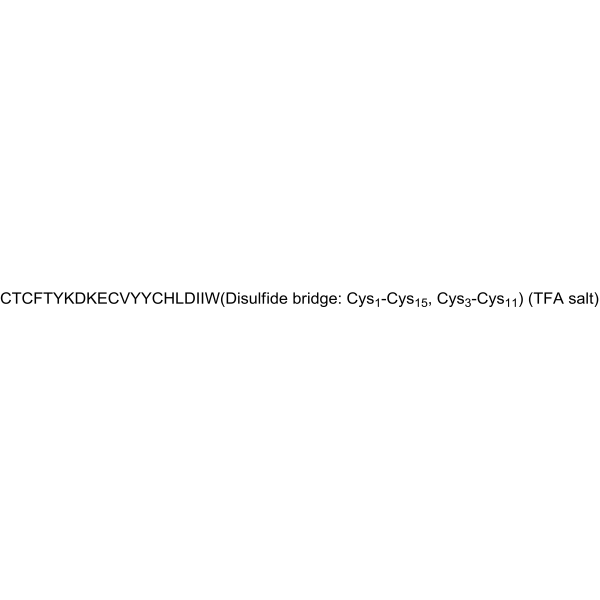
Synonyms: CCL24; CK-Beta-6; Prev. SCYA24; Small Inducible Cytokine Subfamily A (Cys-Cys), Member 24; Eotaxin-2; Eosinophil Chemotactic Protein 2; MPIF-2; Chemokine (C-C Motif) Ligand 24; MPIF2; Small-Inducible Cytokine A24; Myeloid progenitor Inhibitory Factor 2; C
Species:  
Human
Source:  
E. coli
loading...
    loading...
1
1 Cited Publications
Cat. No.: HY-P7766
Purity:  ≥ 95%, as determined by reducing SDS-PAGE.
Synonyms: CCL24; CK-Beta-6; Prev. SCYA24; Small Inducible Cytokine Subfamily A (Cys-Cys), Member 24; Eotaxin-2; Eosinophil Chemotactic Protein 2; MPIF-2; Chemokine (C-C Motif) Ligand 24; MPIF2; Small-Inducible Cytokine A24; Myeloid progenitor Inhibitory Factor 2; C
Species:  
Human
Source:  
HEK293
loading...
    loading...
1
1 Cited Publications
Cat. No.: HY-P7765
Purity:  ≥ 95%, as determined by reducing SDS-PAGE.
Synonyms: CCL23; C-C Motif Chemokine 23; Prev. SCYA23; Small-Inducible Cytokine A23; MPIF-1; C6 Beta-Chemokine; MIP-3; CK-BETA-8; Ckb-8; CK-Beta-8; CKb8; Ckb-8-1; Small Inducible Cytokine Subfamily A (Cys-Cys), Member 23; Hmrp-2a; Myeloid progenitor Inhibitory Fact
Species:  
Human
Source:  
E. coli
loading...
    loading...
Cat. No.: HY-W018555
CAS No.: 921-01-7
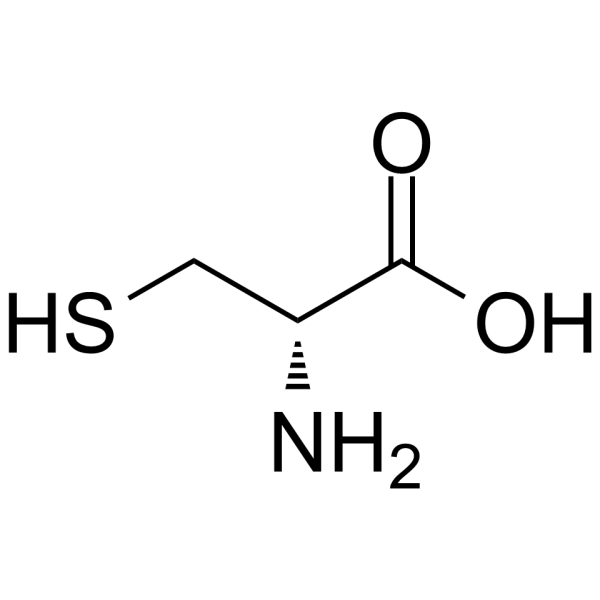
D-Cysteine, the D-isomer of cysteine, is an orally active antibacterial agent and a regulator of neural progenitor cell proliferation. D-Cysteine can inhibit Escherichia coli, Streptococcus mutans, and Streptococcus sanguinis. The no-observed-adverse-effect level of D-Cysteine in rats should be less than 500 mg/kg/day .
loading...
    loading...
Cat. No.: HY-138568
CAS No.: 2739844-34-7
Purity:  98.61%
Target:  

MAP4K

Research Areas:  

Inflammation/Immunology

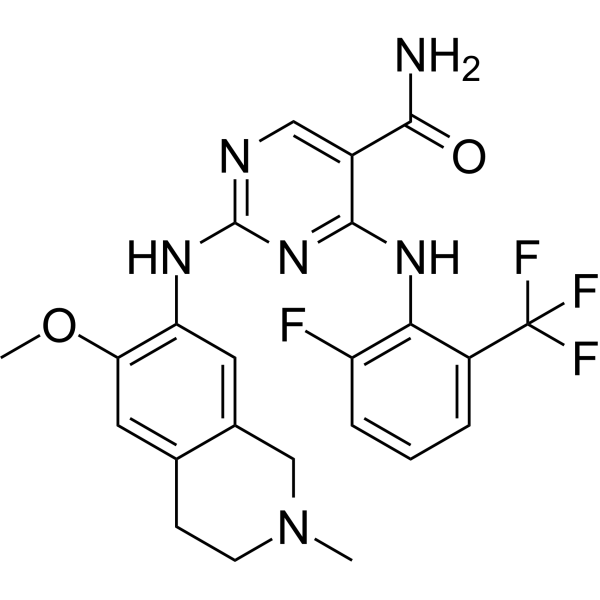
HPK1-IN-3 is a potent and selective ATP-competitive hematopoietic progenitor kinase 1 (HPK1; MAP4K1) inhibitor with an IC50 of 0.25 nM. HPK1-IN-3 has IL-2 cellular potency with an EC50 of 108 nM in human peripheral blood mononuclear cells (PBMCs) .
loading...
    loading...
Cat. No.: HY-W583212
CAS No.: 14354-67-7
Synonyms: ZnMP
Zn (II) Mesoporphyrin IX (ZnMP) is a heme oxygenase inhibitor with photochemical substrate activity. Zn (II) Mesoporphyrin IX specifically inhibits the activity of bone marrow heme oxygenase. In vitro, Zn (II) Mesoporphyrin IX inhibits the growth of erythroid and myeloid progenitor cells in rabbit bone marrow, and blocks the rhG-CSF-induced mobilization of these progenitor cells into the peripheral blood, exhibiting toxicity to hematopoietic growth and progenitor cell production in rabbits. Zn (II) Mesoporphyrin IX undergoes irreversible photochemical decomposition conforming to first-order kinetic characteristics when irradiated with UV-B in 95% ethanol solution. Zn (II) Mesoporphyrin IX can be used in hematopoietic regulation research, but its photolability and toxic effects on the hematopoietic system require attention .
loading...
    loading...
Cat. No.: HY-12273G
CAS No.: 1206711-16-1
DMH-1 (GMP) is GMP grade DMH-1 (HY-12273). DMH-1 (GMP) is a selective BMP inhibitor. DMH-1 (GMP) upregulates the expression of SOX1. DMH-1 (GMP) increases cardiomyocyte progenitor cells and promotes the differentiation of mouse embryonic stem cells into cardiomyocytes. DMH-1 (GMP) induces the differentiation of hiPSC-derived neural progenitor cells into β3-tubulin-positive neurons .
loading...
    loading...
Cat. No.: HY-W008956
CAS No.: 267402-71-1
Myoseverin is a microtubule-binding molecule and angiogenesis inhibitor. Myoseverin can induce the reversible fission of multinucleated myotubes into mononucleated fragments. In addition, Myoseverin exerts anti-angiogenic effects by inhibiting endothelial cell function and endothelial progenitor cell differentiation .
loading...
    loading...
Cat. No.: HY-12319A
CAS No.: 1049741-55-0
Purity:  99.79%
Target:  

β-catenin Wnt

Research Areas:  

Cardiovascular Disease

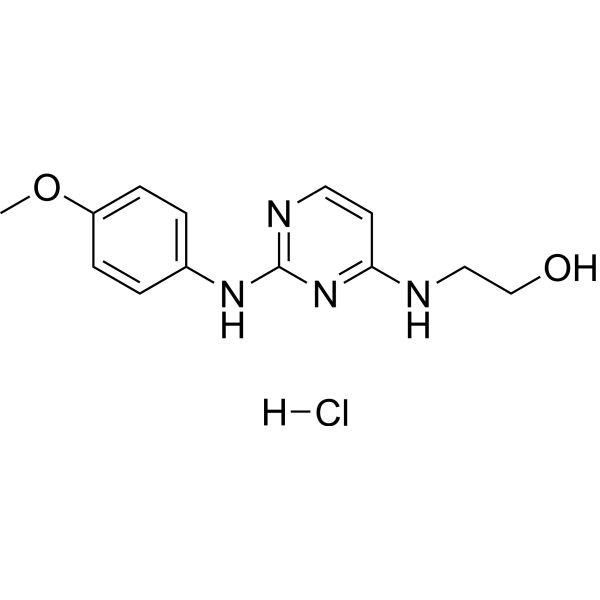
Cardiogenol C hydrochloride is a potent cell-permeable pyrimidine inducer which prompts the differentiation of ESCs into cardiomyocytes (EC50=100 nM) . Cardiogenol C hydrochloride also acts cardiomyogenic on already lineage-committed progenitor cell types with a limited degree of plasticity. Cardiogenol C hydrochloride is a useful cardiomyogenic agent and can be used as a tool to improve cardiac repair by cell transplantation therapy in animal models .
loading...
    loading...
Cat. No.: HY-N3540
CAS No.: 354553-35-8
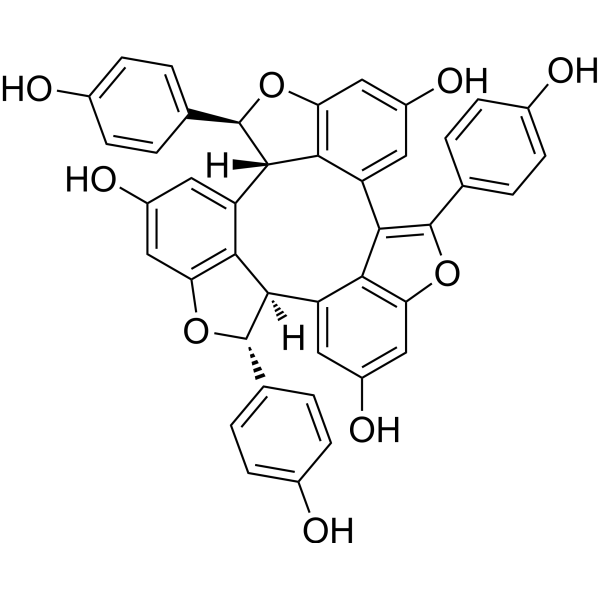
Caraphenol A is a resveratrol trimer and is able to transiently reduce interferon-induced transmembrane (IFITM) protein expression. Caraphenol A safely enhances lentiviral vector gene delivery to hematopoietic stem and progenitor cells . Caraphenol A also inhibits human cystathionine β-synthase (hCBS) and human cystathionine γ- lyase (hCSE) with IC50s of 5.9 μM and 12.1 μM, respectively .
loading...
    loading...
Cat. No.: HY-177632
CAS No.: 2304711-81-5
Synonyms: ION-935918; ION251
Target:  

IFNAR

Research Areas:  

Cancer

Frenlosirsen (ION-935918; ION251) is an antisense oligonucleotide and also an IRF4 inhibitor. Frenlosirsen inhibits the survival of malignant plasma cells, reduces the burden of myeloma progenitor cells and prevents disease recurrence. Frenlosirsen is applicable to myeloma-related research .
loading...
    loading...
Cat. No.: HY-B1719A
CAS No.: 50-10-2
Target:  

mAChR

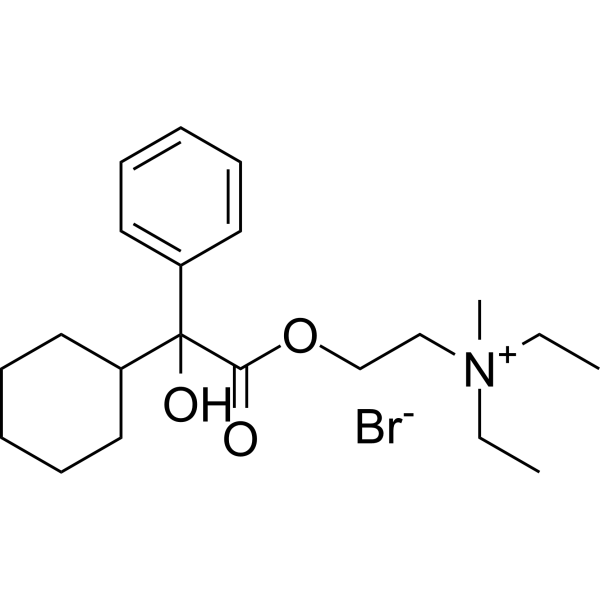
Oxyphenonium bromide is an orally effective competitive muscarinic acetylcholine receptor (mAChR) antagonist. Oxyphenonium bromide competitively binds to and blocks mAChR, thereby inhibiting the parasympathetic pathway. By inhibiting CHRM4, Oxyphenonium bromide increases cAMP levels and activates the CREB transcriptional program, thereby promoting erythroid progenitor cell expansion. Oxyphenonium bromide can be used in research on asthma, anemia, and gastric ulcers .
loading...
    loading...
Cat. No.: HY-147615
CAS No.: 2361556-35-4
Purity:  98.75%
Target:  

c-Fms

Research Areas:  

Cancer

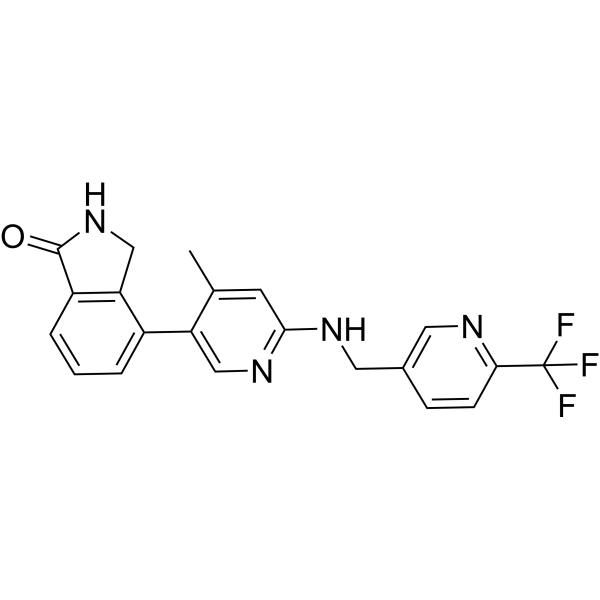
CSF1R-IN-12 (compound 1) is a potent inhibitor of CSF1R. Colony stimulating factor 1 (CSF-1, also known as macrophage colony stimulating factor, M-CSF) is an important growth factor that controls bone marrow progenitor cells, monocytes, macrophages, and giants. CSF1R-IN-12 has the potential for the research of cancer diseases .
loading...
    loading...

