2419 Results for "

decrease

" in MedChemExpress (MCE) Product Catalog:
Products (2419)

2419 Results for "decrease" in MCE Product Catalog:

1
1 Cited Publications
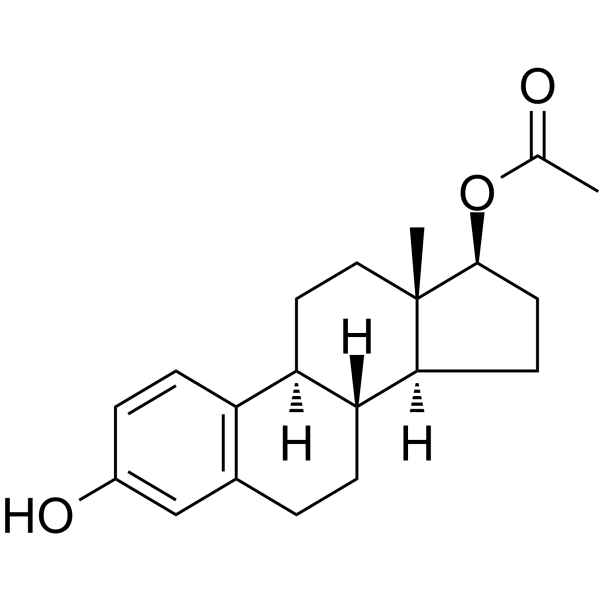
Cat. No.: HY-B0708
CAS No.: 1743-60-8
Synonyms: 1,3,5(10)-Estratriene-3,17β-diol 17-acetate
β-Estradiol 17-acetate (1,3,5(10)-Estratriene-3,17β-diol 17-acetate) is a long-acting endogenous estrogen precursor and also a cell viability and proliferation enhancer. β-Estradiol 17-acetate promotes the adhesion and proliferation of freshly isolated and revived female-derived human brain microvascular endothelial cells, and reverses the decreased viability of revived male-derived human brain microvascular endothelial cells. β-Estradiol 17-acetate exerts the microvascular protective effect of estrogen, enabling non-tumor human brain microvascular endothelial cells to be cultured in vitro for 2 months after cryopreservation. β-Estradiol 17-acetate is biotransformed into β-estradiol via hydrolase action in the in vitro skin of humans, hairless dogs, rats and hairless mice .
loading...
    loading...
1
1 Cited Publications
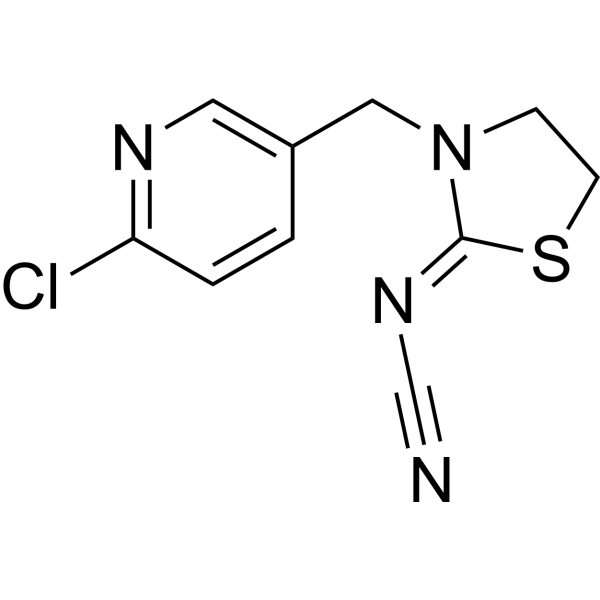
Cat. No.: HY-B1953
CAS No.: 111988-49-9
Research Areas:  

Infection

Thiacloprid is an orally active neurotoxic insecticide and also a nAChR agonist. Thiacloprid reduces the viability of healthy cells, depletes reduced glutathione, and increases MDA levels, thereby inducing cytotoxicity and oxidative stress damage. In practical applications, Thiacloprid has lower acute toxicity to honeybees than other compounds of the same class such as Imidacloprid (HY-B0838), but it still significantly impairs the learning and memory function, immune capacity and survival status of honeybees. Thiacloprid induces intestinal microbial dysbiosis and reduces survival rate in middle-aged honeybees, increases the risk of premature collapse in bumblebee colonies, and significantly decreases the final colony weight and reproductive output. Thiacloprid is used in broad-spectrum agricultural pest control, often alone or in combination with Deltamethrin (HY-B1971), and meets the pest management needs of various crops including potatoes, cabbages, various fruits and vegetables, and nuts .
loading...
    loading...
1
1 Cited Publications
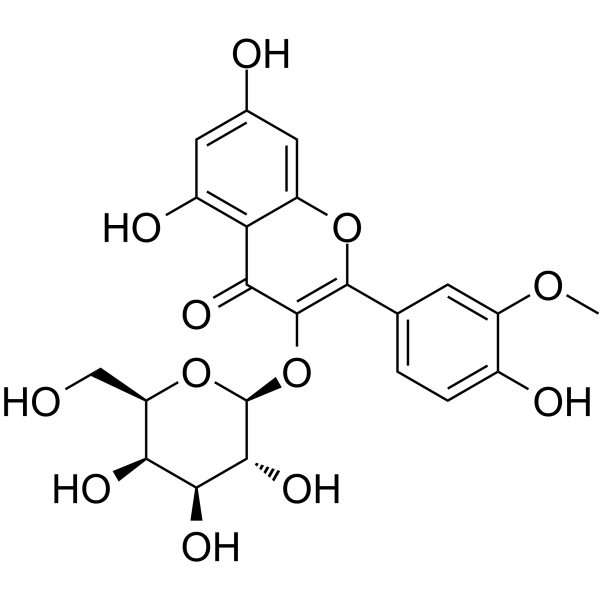
Cat. No.: HY-N2082
CAS No.: 6743-92-6
Synonyms: Cacticin
Isorhamnetin 3-O-galactoside (Cacticin) is a flavonoid glycoside that can be isolated from Oenanthe javanica, with antithrombotic and profibrinolytic activities. Isorhamnetin 3-O-galactoside inhibits the activities of thrombin and factor Xa (FXa) and reduces thrombin-catalyzed fibrin polymerization maximum rate. Isorhamnetin 3-O-galactoside suppresses TNF-α-induced PAI-1 secretion, decreases the PAI-1/tissue-type plasminogen activator (t-PA) ratio, and inhibits FXa production and FVa/FXa-mediated thrombin generation. Isorhamnetin 3-O-galactoside exerts protective effects against Carbon tetrachloride (CCl4) (HY-Y0298)-induced hepatic injury in mice. Isorhamnetin 3-O-galactoside can be used for the study of liver injury-related diseases and thrombotic vascular diseases .
loading...
    loading...
1
1 Cited Publications
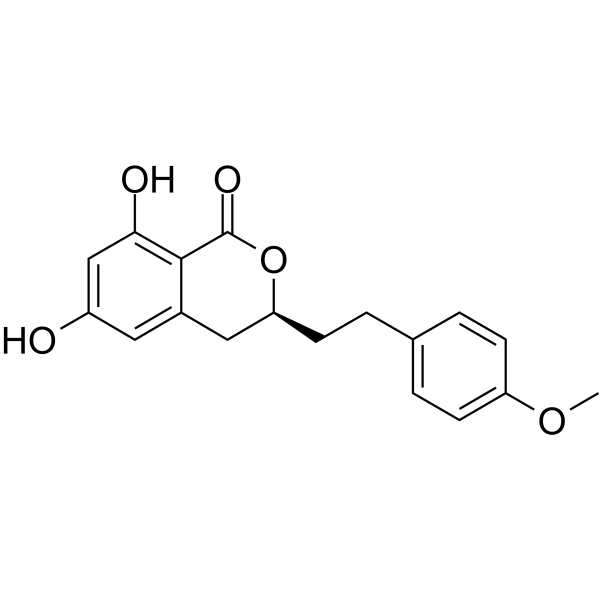
Cat. No.: HY-N2830
CAS No.: 21499-24-1
Agrimonolide is a phenethyl isocoumarin compound discovered from Agrimonia pilosa, exhibiting anti-inflammatory, antioxidant, and anticancer activities. Agrimonolide inhibits NF-κB, MAPK, and TLR4-mediated neuroinflammatory signaling, suppresses Notch and JAK2/STAT3 signaling to modulate Th17/Treg balance and maintain the intestinal barrier. Agrimonolide decreases HIF1A expression, inhibits glycolysis, and induces ferroptosis and cell cycle arrest via the mTOR pathway in tumor models, thereby suppressing cancer cell viability, proliferation, and metastasis. Agrimonolide exerts hepatoprotective and anti-fibrotic effects by regulating bile acid transporter expression and reducing hepatic bile acid accumulation. Agrimonolide is used for research on ulcerative colitis, ovarian cancer, non-small cell lung cancer, cholestatic liver injury, and neuroinflammation .
loading...
    loading...
1
1 Cited Publications
Cat. No.: HY-N2421
CAS No.: 523-92-2
Synonyms: 5-O-Methyl-myo-inositol
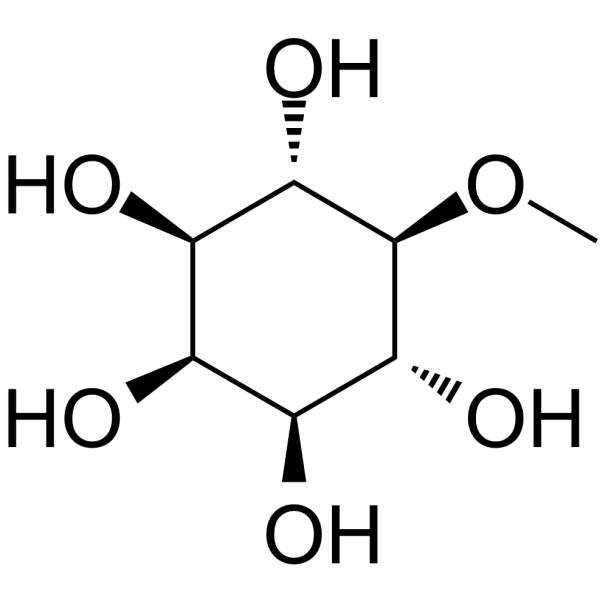
Sequoyitol (5-O-Methyl-myo-inositol) is an orally active hypoglycemic agent and antioxidant. Sequoyitol can be isolated from herbaceous plants. Sequoyitol downregulates the expression of NF-κB and TGF-β1, reduces ROS production and malondialdehyde levels, and enhances total antioxidant capacity. Sequoyitol activates the insulin signaling pathway, including the phosphorylation of IR, IRS1 and Akt. Sequoyitol increases serum insulin levels, inhibits hepatic glucose production, and promotes cellular glucose uptake. Sequoyitol antagonizes TNFα-induced inhibition of the insulin signaling pathway, and decreases blood urea nitrogen and serum creatinine levels. Sequoyitol elicits potential peaks in the chemosensors of adult and larval Atrophaneura alcinous, and acts as an oviposition stimulant for female Atrophaneura alcinous. Sequoyitol can be used in research related to type 2 diabetes, insulin resistance, hyperglycemia, impaired glucose tolerance and diabetic nephropathy .
loading...
    loading...
1
1 Cited Publications
Cat. No.: HY-163121
CAS No.: 1096144-06-7
PST3.1a is an orally active and brain-penetrant N-acetylglucosamine glycosyltransferase (MGAT5) inhibitor with a human IC50 of 2 µM. PST3.1a inhibits TGFβR and FAK signaling pathway activity. PST3.1a alters β1,6-GlcNAc N-glycans and microtubule/microfilament integrity, increases OLIG2 expression, and inhibits proliferation, migration, invasiveness, and clonogenic capacities of glioblastoma initiating cells. PST3.1a reduces invasive and proliferative capacity of glioblastoma initiating cells in orthotopic graft models, increases overall survival of orthotopic graft model mice. PST3.1a blunts MGAT5 overexpression, decreases renal fibrosis via collagen 1, collagen 4, and galectin 3 downregulation in a rat chronic kidney disease model. PST3.1a can be used for the research of glioblastoma multiforme and chronic kidney disease .
loading...
    loading...
1
1 Cited Publications
Cat. No.: HY-P1206
CAS No.: 174688-78-9
Target:  

Somatostatin Receptor

Research Areas:  

Neurological Disease

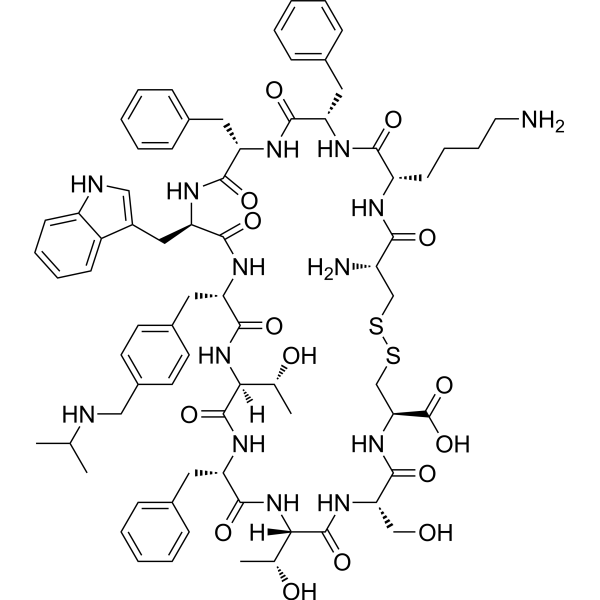
CH 275 is a peptidic somatostatin analog that acts as an agonist of SST1 (IC50 = 30.9 nM, Ki = 52 nM). The IC50 values of CH 275 for sst3, sst4, sst2, and sst5 are 345 nM, >1 μM, >10 μM, and >10 μM, respectively. CH 275 binds to SSTR1 via the IAmp9-Asp137 ion pair interaction and the hydrophobic interaction between the isopropyl group of IAmp9 and Leu107, and reduces the extracellular acidification rate. CH 275 induces weak sst1 internalization, exerts immunosuppressive effects on macrophages, and decreases macrophage viability, MCP-1 expression/secretion, and IL-8 secretion, but does not alter proMMP-9 secretion or IL-8 mRNA levels. CH 275 reduces hippocampal β-amyloid levels and alleviates plaque pathology without inducing hippocampal microglial activation. CH 275 is used in research on Alzheimer's disease, Parkinson's disease, and depression .
loading...
    loading...
1
1 Cited Publications
Cat. No.: HY-114986
CAS No.: 67786-53-2
Purity:  ≥99.0%
Synonyms: 6-keto-Prostaglandin E1
Target:  

β-glucuronidase

Research Areas:  

Cardiovascular Disease

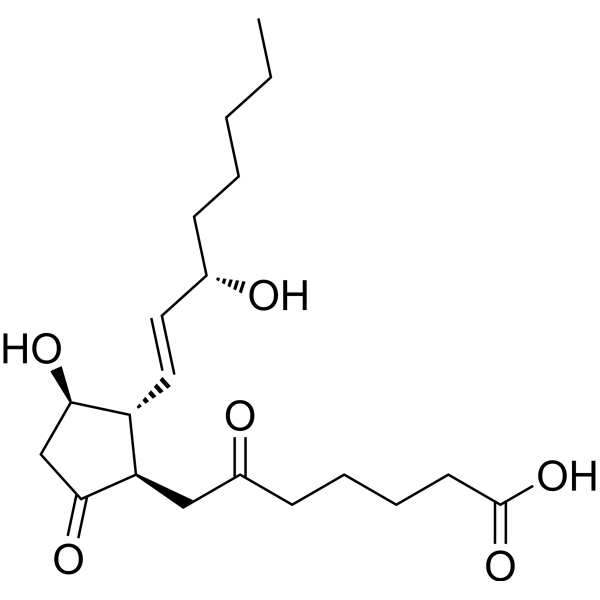
6-Keto-PGE1 (6-keto-Prostaglandin E1) is a biologically active derivative of PGE1. 6-Keto-PGE1 inhibits adenosine diphosphate-induced platelet aggregation. 6-Keto-PGE1 reduces cardiac afterload, decreases the accumulation of plasma myocardial depressant factor (MDF), lowers arterial blood pressure, dilates vascular beds, inhibits the vasoconstrictive response of vascular smooth muscle, and increases pulmonary compliance. 6-Keto-PGE1 directly stabilizes isolated cat liver lysosomes and significantly reduces the release of β-glucuronidase and cathepsin D. 6-Keto-PGE1 prolongs the survival time of traumatized rats and exerts protective effects through hemodynamic and cytoprotective actions. 6-Keto-PGE1 reduces central airway resistance. 6-Keto-PGE1 can be used in studies related to traumatic shock .
The product specifications provided below refer solely to the active content of 6-Keto-PGE1.
loading...
    loading...
1
1 Cited Publications
Cat. No.: HY-N3415
CAS No.: 3301-49-3
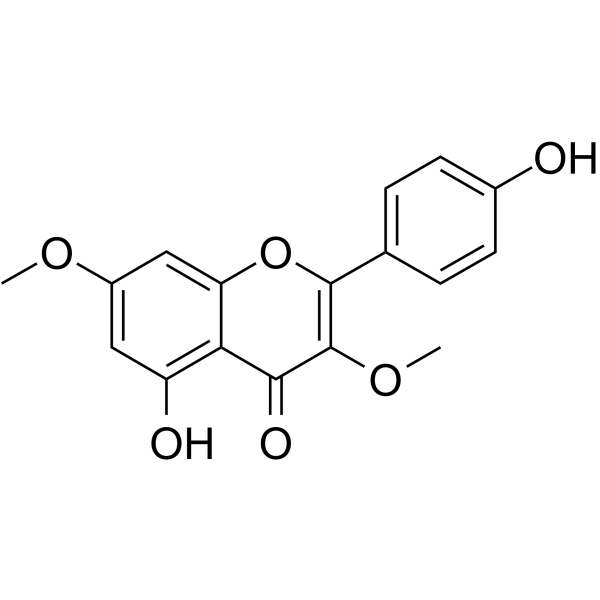
Kumatakenin is an orally active apoptosis inducer and autophagy inhibitor, with a Kd value of 2.94 μM for mouse ATG5. Kumatakenin increases the activities of caspase-3, caspase-8 and caspase-9, thereby inducing caspase-dependent apoptosis in ovarian cancer cells. Kumatakenin reduces the expression of chemokines and pro-oncogenic factors in ovarian cancer cells, and inhibits M2 macrophage polarization. Kumatakenin inactivates TRIM65 function, reduces the expression and stability of FASN, and thus inhibits the proliferation, migration, invasion and tumor progression of esophageal cancer cells. Kumatakenin interacts with ATG5 to reduce its protein level, decrease LC3 level, and reduce the number of autophagosomes in the hippocampus. Kumatakenin binds to Eno3 to upregulate its expression, reduce the stability and expression level of IRP1 mRNA, inhibit ferroptosis, alleviate intestinal inflammation, and restore epithelial barrier function. Kumatakenin enhances the efficacy of antibiotics against pathogenic bacteria, inhibits SARS-CoV-2 replication, and reduces cytokine production. Kumatakenin is applicable to research related to ovarian cancer, esophageal cancer, depression and colitis .
loading...
    loading...
1
1 Cited Publications
Cat. No.: HY-P990203

Target:  

Integrin

Research Areas:  

Inflammation/Immunology

Anti-Mouse LPAM-1/Integrin α4β7 Antibody (DATK32) is a rat-derived anti-LPAM-1/Integrin α4β7 IgG2a, κ type antibody inhibitor. Anti-Mouse LPAM-1/Integrin α4β7 Antibody (DATK32) specifically reacts with both chains of the α4β7 heterodimer and blocks the adhesion to immobilized mucosal addressin cell adhesion molecule-1 (MAdCAM-1). Anti-Mouse LPAM-1/Integrin α4β7 Antibody (DATK32) suppresses the proliferation and cytokine secretion of CD8+ T cells. Anti-Mouse LPAM-1/Integrin α4β7 Antibody (DATK32) decreases Peyer’s patches and follicular B cells in mice. Anti-Mouse LPAM-1/Integrin α4β7 Antibody (DATK32) can be used for the researches of inflammation, such as ulcerative colitis .
loading...
    loading...
1
1 Cited Publications
Cat. No.: HY-N0620
CAS No.: 102841-43-0
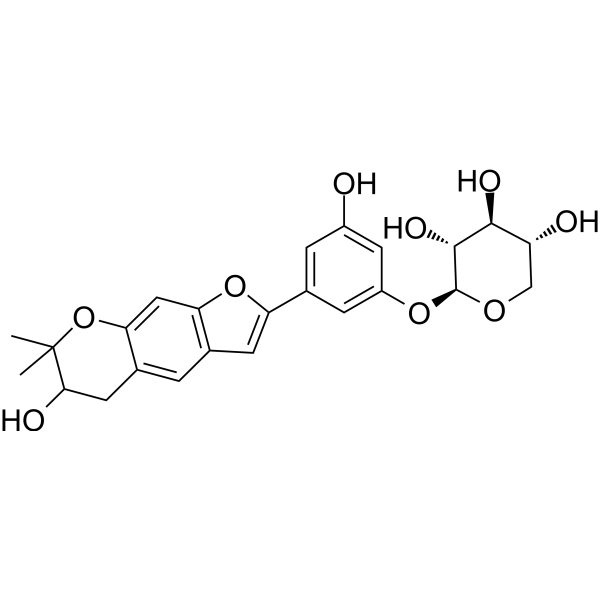
Mulberroside C is one of the main bioactive components in white mulberry (Morus alba L.). Mulberroside C exhibits antiplatelet, antiviral and neutrophil-regulating activities, and binds to EV-A71 VP1 with a Kd value of 1.289 nM. Mulberroside C reduces the phosphorylation level of ERK, promotes the phosphorylation of IP3RI at the Ser 1756 site, and decreases calcium influx and calcium mobilization. Mulberroside C inhibits the expression of P-selectin (P-selectin). Mulberroside C upregulates the cyclic nucleotide signaling pathway in human platelets. Mulberroside C binds to IL-23R, upregulates the expression of G-CSF, GM-CSF and RASGRP1, and activates the RAS/ERK signaling pathway. Mulberroside C promotes neutrophil maturation, accelerates the recovery of leukopenia, and enhances the antibacterial activity of neutrophils. Mulberroside C inhibits the replication of hepatitis C virus in replicon cells. Mulberroside C prevents the uncoating and genome release of EV-A71, and inhibits the synthesis of viral proteins and RNA. Mulberroside C can be used in studies related to thrombosis-mediated cardiovascular diseases, chemotherapy- and radiotherapy-induced leukopenia, hepatitis C virus infection, and hand, foot and mouth disease .
loading...
    loading...
1
1 Cited Publications
Cat. No.: HY-N0468
CAS No.: 63279-13-0
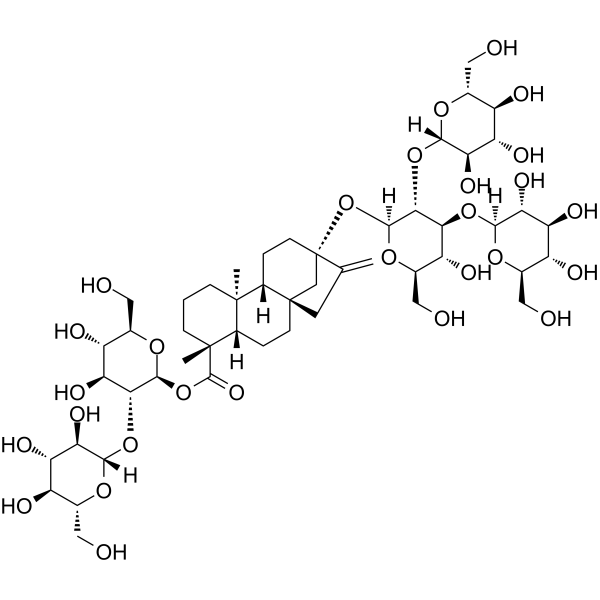
Rebaudioside D is an orally active sweetener that targets and activates FXR, modulates Acetyl-CoA Carboxylase, and inhibits 3-hydroxy-3-methylglutaryl-CoA reductase. Rebaudioside D regulates bile acid homeostasis and lipid metabolism, reduces the synthesis rates of fatty acids and cholesterol, and exerts multiple effects including anti-adipogenesis, hepatoprotection, anti-steatosis, gut microbiota modulation, enhancement of secondary bile acid metabolism, anti-endotoxin activity, regulation of bile acid transport, and inhibition of bile acid efflux. Rebaudioside D also reduces body weight gain, visceral fat accumulation, hepatic triglyceride and cholesterol accumulation, hepatic lipid peroxidation, and decreases the circulating level of lipopolysaccharide-binding protein. Rebaudioside D additionally enhances the secondary bile acid metabolic pathway of intestinal bacteria, upregulates the gene expression of ileal organic solute transporter α, and downregulates the gene expression of hepatic bile salt export pump. Rebaudioside D does not affect glucose homeostasis, alter total caloric intake or fecal energy excretion, induce weight gain, exacerbate obesity, promote hepatic steatosis, impair brown adipose tissue function, nor change skeletal muscle metabolism-related proteins. Rebaudioside D can be used in diet-induced obesity and obesity-related research .
loading...
    loading...
Cat. No.: HY-B1839
CAS No.: 79622-59-6
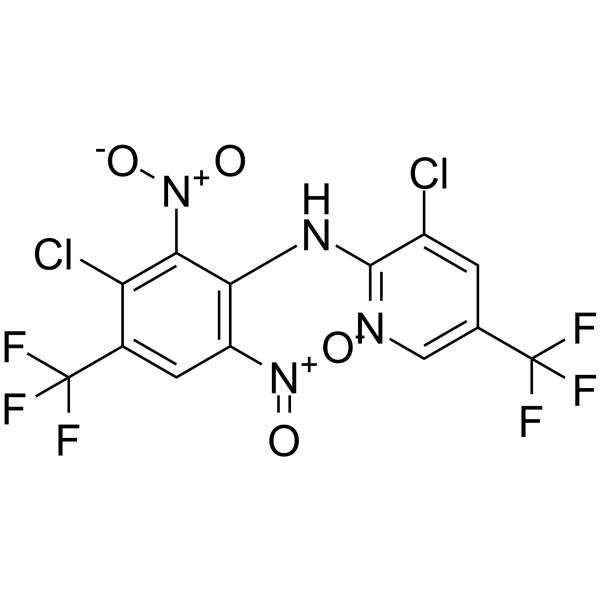
Fluazinam is an orally active dinitroaniline fungicide. Fluazinam induces phosphorylation of JNK, activates p38 pathway, decreases Bcl-2, activates caspase-3, decreases complex I activity, increases Autophagy and Apoptosis. Fluazinam has strong antifungal activity against F. fujikuroi and B. maydis. Fluazinam has a negative impact on Brachydanio rerio and worker bees .
loading...
    loading...
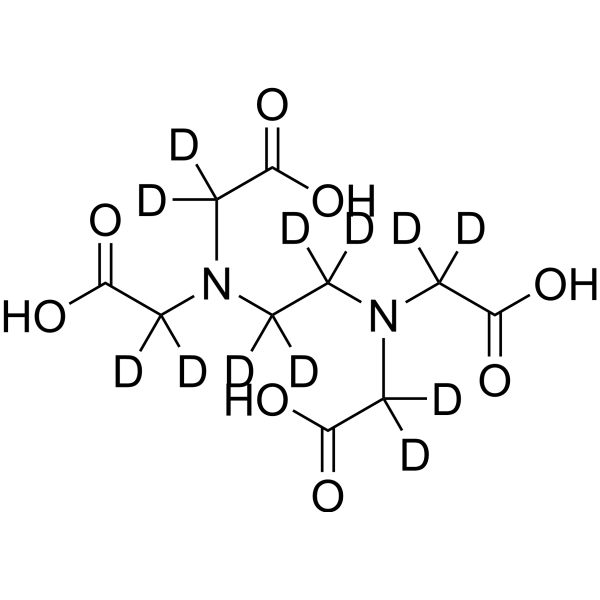
Cat. No.: HY-Y0682S
CAS No.: 203806-08-0
Synonyms: EDTA-d12
Ethylenediaminetetraacetic acid-d12 is the deuterium labeled Ethylenediaminetetraacetic acid . Ethylenediaminetetraacetic acid (EDTA) is a metal chelators (binds to metal divalent and trivalent cations including calcium), which shows activities of anticoagulant and anti-hypercalcemic. Ethylenediaminetetraacetic acid decreases the metal ion-catalyzed oxidative damage to proteins, and allows maintenance of reducing environment during protein purification. Ethylenediaminetetraacetic acid can also decrease the formation of disulfide bonds .
loading...
    loading...
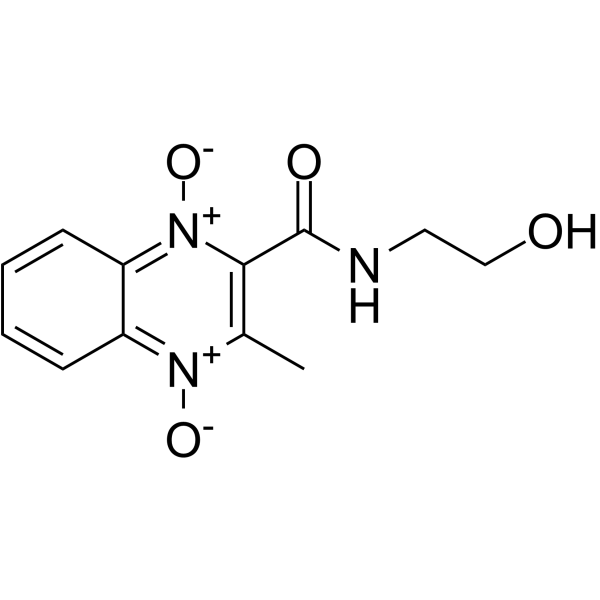
Cat. No.: HY-N0465
CAS No.: 23696-28-8
Target:  

Antibiotic Bacterial

Research Areas:  

Infection

Olaquindox, a quinoxalin derivative, is an orally active antibiotic. Olaquindox stimulates growth and decreases intestinal mucosal immunity of piglets .
loading...
    loading...
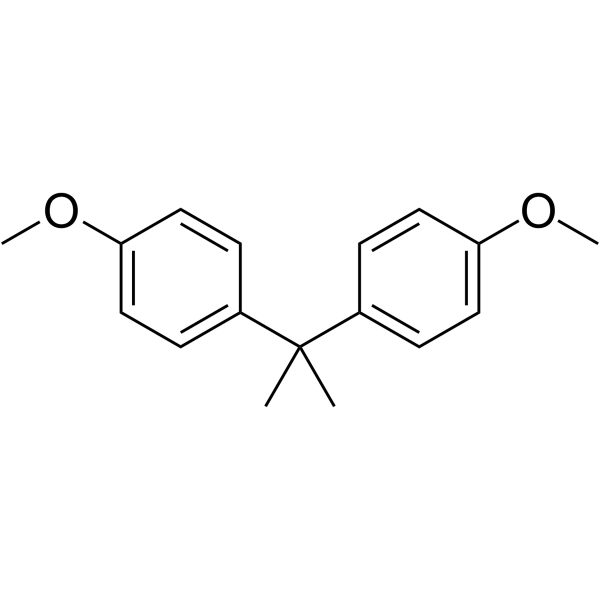
Cat. No.: HY-115746
CAS No.: 1568-83-8
Purity:  99.78%
Synonyms: DMBPA
Research Areas:  

Cancer

Dimethyl-bisphenol A (DMBPA) is a potent HIF-1α inhibitor. Dimethyl-bisphenol A can decrease Vegfa mRNA expression .
loading...
    loading...
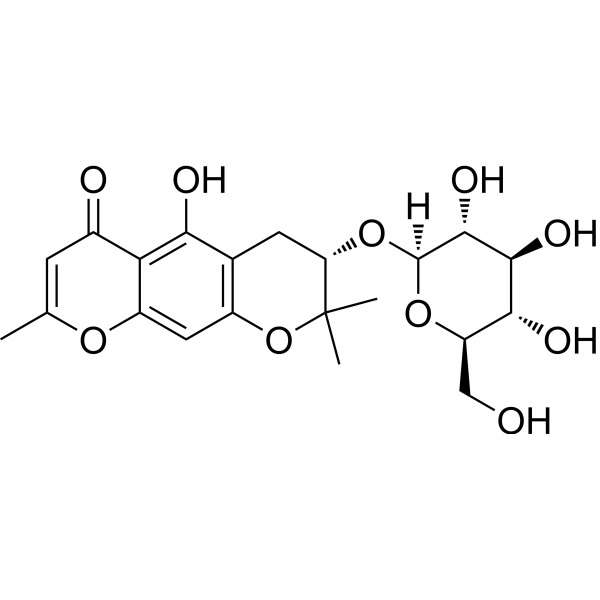
Cat. No.: HY-N0398
CAS No.: 80681-44-3
Sec-O-Glucosylhamaudol is a natural compound extracted from Peucedanum japonicum Thunb, decreases levels of μ-opioid receptor, with analgesic effect .
loading...
    loading...
Cat. No.: HY-163794
CAS No.: 2135765-21-6
Target:  

ANGPTL PCSK9

Research Areas:  

Metabolic Disease

DC371739 is a potent and orally activity PCSK9 inhibitor. DC371739 decreases the mRNA expression of PCSK9 and ANGPTL3. DC371739 decreases the protein expression of PCSK9 and increases the protein expression of LDLR. DC371739 has the potential for the research of hyperlipidemia .
loading...
    loading...
Cat. No.: HY-139576B
Purity:  ≥97.0%
Synonyms: DUR-928 trimethylamine
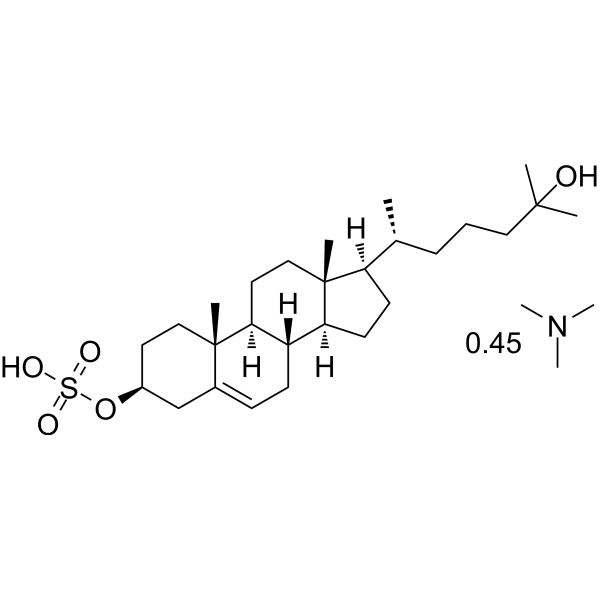
Larsucosterol (DUR-928) trimethylamine, a cholesterol metabolite, is a potent liver X receptor (LXR) antagonist. Larsucosterol trimethylamine as a potent endogenous regulator decreases lipogenesis. Larsucosterol trimethylamine inhibits the cholesterol biosynthesis via decreasing mRNA levels and inhibiting the activation of SREBP-1 .
loading...
    loading...
Cat. No.: HY-108560
CAS No.: 54276-17-4
Purity:  97.00%
Research Areas:  

Others

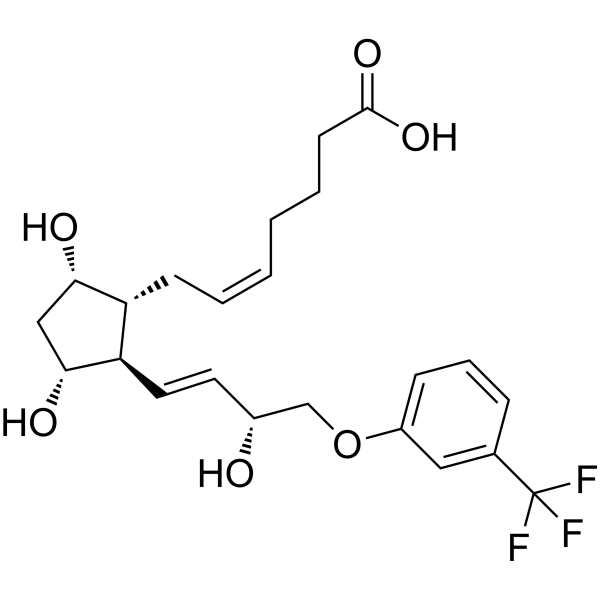
(+)-Fluprostenol is a potent agonist of PTGER2. (+)-Fluprostenol decreases the expression of Oviductal glycoprotein 1 (OVGP1) .
loading...
    loading...

