5612 Results for "

CASPROTAC molecules

" in MedChemExpress (MCE) Product Catalog:
Products (5612)

5612 Results for "CASPROTAC molecules" in MCE Product Catalog:

19
19 Cited Publications
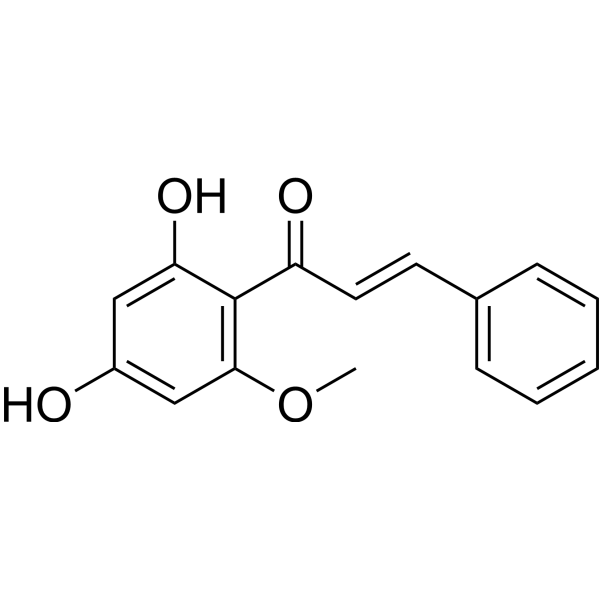
Cat. No.: HY-N0279
CAS No.: 18956-16-6
Synonyms: Cardamomin; Alpinetin chalcone
Cardamonin can be found from cardamom, and can target various signaling molecules, transcriptional factors, cytokines and enzymes. Cardamonin can inhibit mTOR, NF-κB, Akt, STAT3, Wnt/β-catenin and COX-2. Cardamonin shows anticancer, anti-inflammatory, antimicrobial and antidiabetic activities .
loading...
    loading...
19
19 Cited Publications
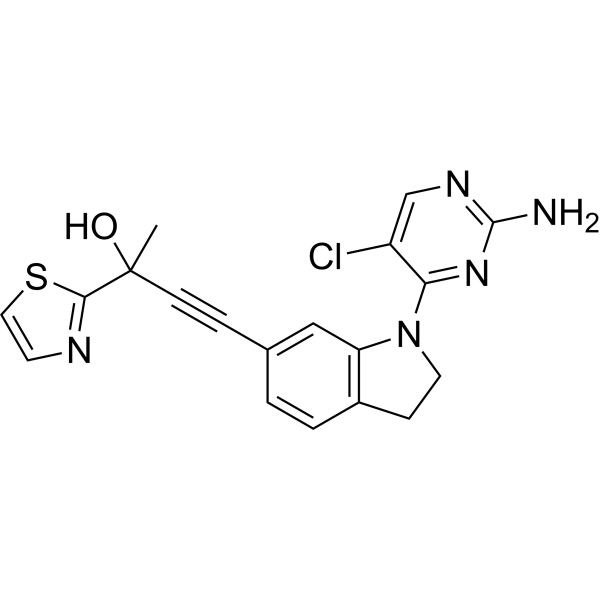
Cat. No.: HY-120501
CAS No.: 1202764-53-1
Purity:  99.37%
Target:  

NF-κB

Research Areas:  

Inflammation/Immunology

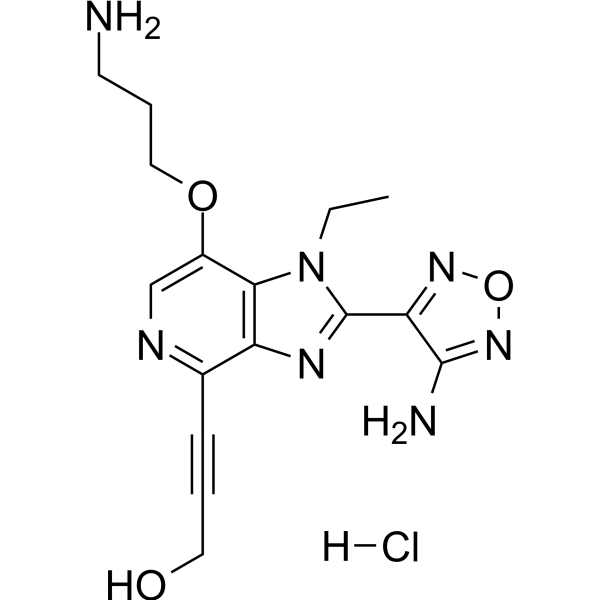
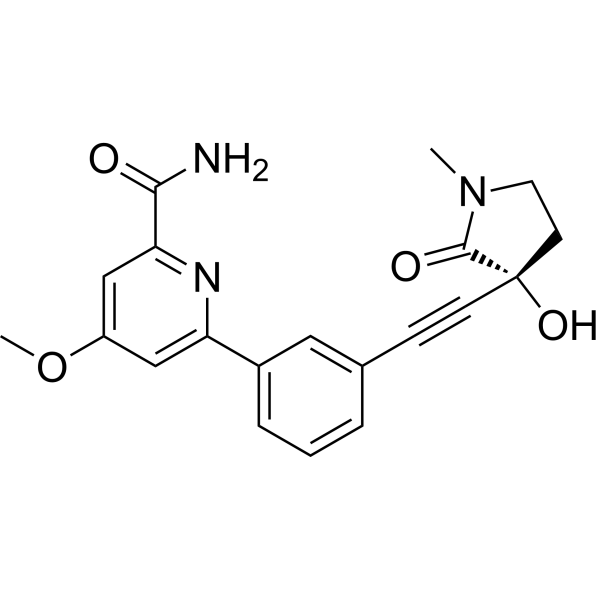
B022 is a potent and selective NF-κB-inducing kinase (NIK) inhibitor (Ki of 4.2 nM; IC50=15.1 nM). B022 protects liver from toxin-induced inflammation, oxidative stress, and injury . B022 is a click chemistry reagent, it contains an Alkyne group and can undergo copper-catalyzed azide-alkyne cycloaddition (CuAAc) with molecules containing Azide groups.
loading...
    loading...
19
19 Cited Publications
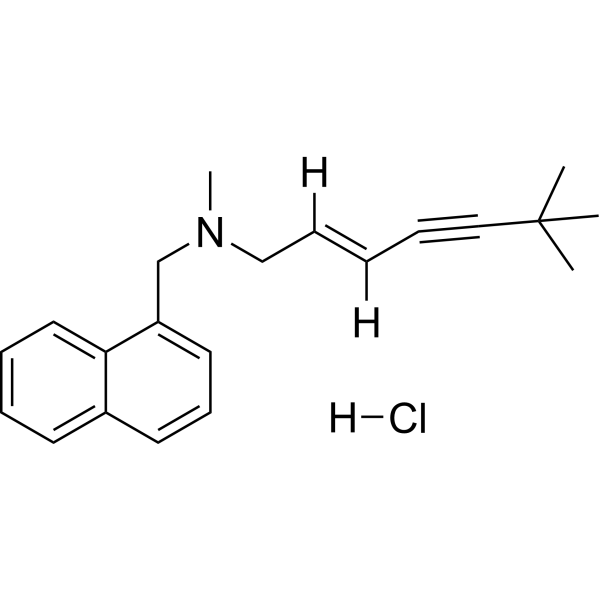
Cat. No.: HY-17395
CAS No.: 78628-80-5
Synonyms: TDT 067 hydrochloride
Research Areas:  

Infection

Terbinafine hydrochloride (TDT 067 hydrochloride) is an orally active and potent antifungal agent. Terbinafine hydrochloride is a potent non-competitive inhibitor of squalene epoxidase from Candida, with a Ki of 30 nM. Terbinafine hydrochloride also shows antibacterial activity against certain Gram-positive and Gram-negative bacteria . Terbinafine hydrochloride is a click chemistry reagent, it contains an Alkyne group and can undergo copper-catalyzed azide-alkyne cycloaddition (CuAAc) with molecules containing Azide groups.
loading...
    loading...
19
19 Cited Publications
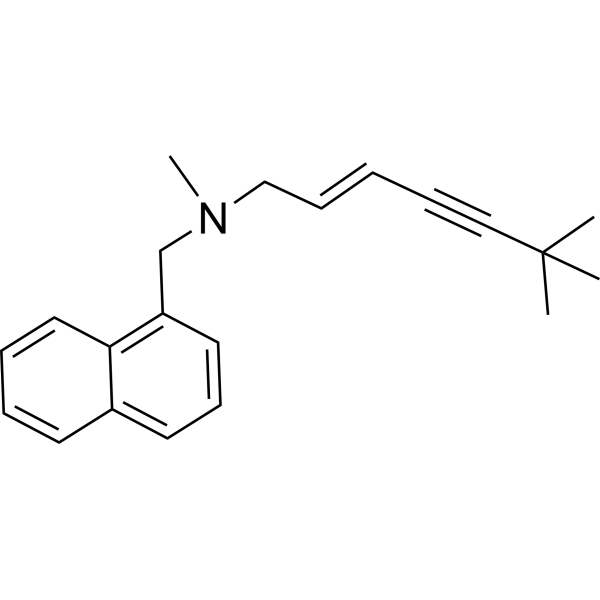
Cat. No.: HY-17395A
CAS No.: 91161-71-6
Synonyms: TDT 067
Research Areas:  

Infection

Terbinafine (TDT 067) is an orally active and potent antifungal agent. Terbinafine is a potent non-competitive inhibitor of squalene epoxidase from Candida, with a Ki of 30 nM. Terbinafine also shows antibacterial activity against certain Gram-positive and Gram-negative bacteria . Terbinafine is a click chemistry reagent, it contains an Alkyne group and can undergo copper-catalyzed azide-alkyne cycloaddition (CuAAc) with molecules containing Azide groups.
loading...
    loading...
18
18 Cited Publications
Cat. No.: HY-101091
CAS No.: 662163-81-7
Purity:  99.71%
Target:  

Apoptosis

Research Areas:  

Cancer

Importazole is a small molecule inhibitor of the nuclear transport receptor importin-β.
loading...
    loading...
18
18 Cited Publications
Cat. No.: HY-10249D
CAS No.: 3026697-00-4
Purity:  99.39%
Target:  

Akt

Research Areas:  

Cancer

AKT Kinase Inhibitor hydrochloride is an Akt kinase inhibitor with anti-tumor activity . AKT Kinase Inhibitor (hydrochloride) is a click chemistry reagent, it contains an Alkyne group and can undergo copper-catalyzed azide-alkyne cycloaddition (CuAAc) with molecules containing Azide groups.
loading...
    loading...
18
18 Cited Publications
Cat. No.: HY-12302
CAS No.: 142273-20-9
Purity:  98.20%
Synonyms: 9-Bromopaullone; NSC-664704
Target:  

CDK GSK-3

Research Areas:  

Cancer

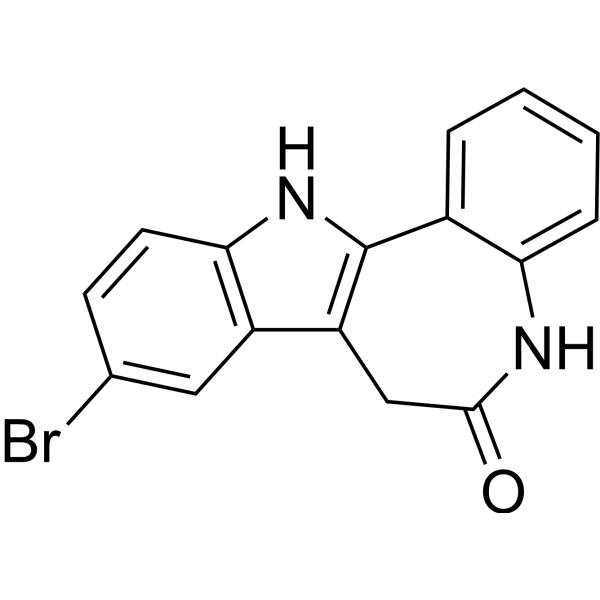
Kenpaullone is a potent inhibitor of CDK1/cyclin B and GSK-3β, with IC50s of 0.4 μM and 23 nM, and also inhibits CDK2/cyclin A, CDK2/cyclin E, and CDK5/p25 with IC50s of 0.68 μM, 7.5 μM, 0.85 μM, respectively. Kenpaullone, a small molecule inhibitor of KLF4, reduces self-renewal of breast cancer stem cells and cell motility in vitro.
loading...
    loading...
17
17 Cited Publications
Cat. No.: HY-12559
CAS No.: 254435-95-5
Purity:  98.08%
Synonyms: Debio-025; DEB-025
Target:  

Cyclophilin HCV

Research Areas:  

Infection

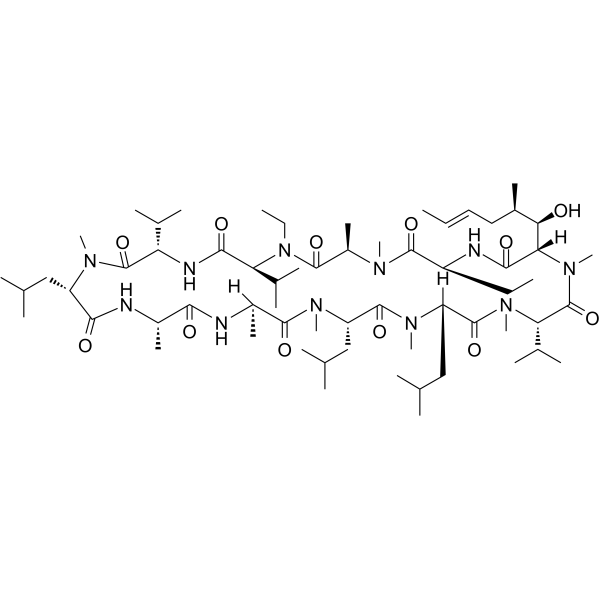
Alisporivir (Debio-025) is a cyclophilin inhibitor molecule with potent anti-hepatitis C virus (HCV) activity.
loading...
    loading...
17
17 Cited Publications
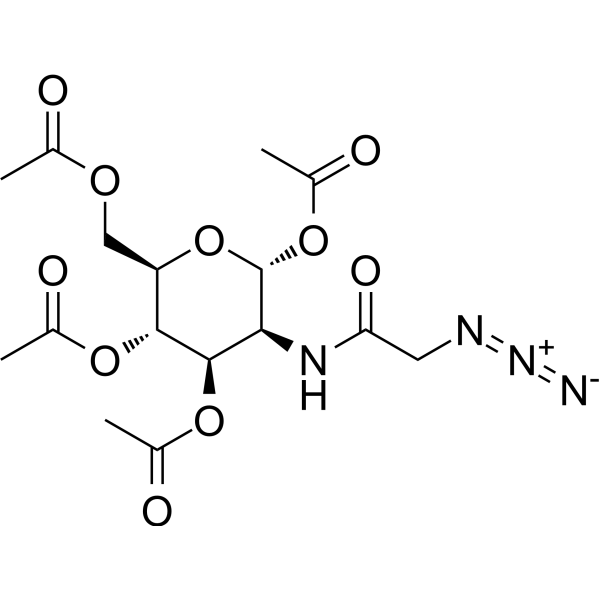
Cat. No.: HY-W728531
CAS No.: 1213701-11-1
Ac4ManNAz can be taken up by cells and is an azide-containing metabolic glycoprotein labeling reagent that selectively modifies proteins. Commonly used for cell labeling, tracking and proteomic analysis. Ac4ManNAz contains an Azide group and can undergo copper-catalyzed azide-alkyne cycloaddition reaction (CuAAc) with molecules containing Alkyne groups. Ac4ManNAz can also undergo strain-promoted alkyne-azide cycloaddition (SPAAC) with molecules containing DBCO or BCN groups.
loading...
    loading...
16
16 Cited Publications
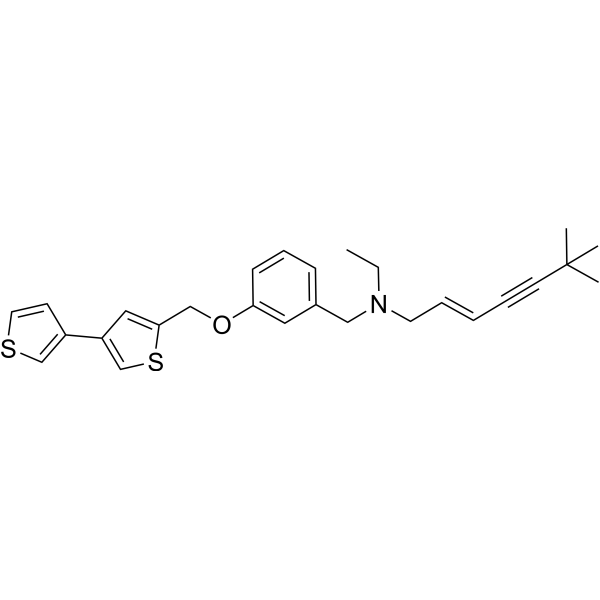
Cat. No.: HY-16343
CAS No.: 131060-14-5
Target:  

COX

Research Areas:  

Metabolic Disease

NB-598 is a potent and competitive inhibitor of squalene epoxidase (SE), and suppresses triglyceride biosynthesis through the farnesol pathway. NB-598 is a click chemistry reagent, it contains an Alkyne group and can undergo copper-catalyzed azide-alkyne cycloaddition (CuAAc) with molecules containing Azide groups.
loading...
    loading...
16
16 Cited Publications
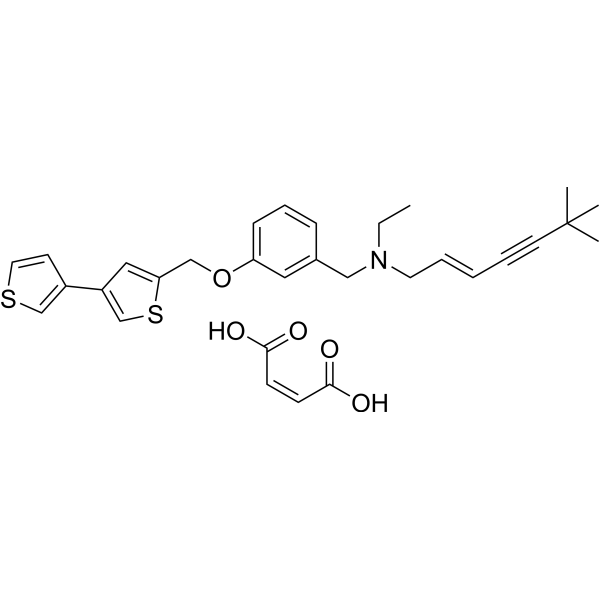
Cat. No.: HY-16343C
CAS No.: 155294-62-5
Target:  

COX

Research Areas:  

Metabolic Disease

NB-598 Maleate is a potent and competitive inhibitor of squalene epoxidase (SE), and suppresses triglyceride biosynthesis through the farnesol pathway. NB-598 (Maleate) is a click chemistry reagent, it contains an Alkyne group and can undergo copper-catalyzed azide-alkyne cycloaddition (CuAAc) with molecules containing Azide groups.
loading...
    loading...
16
16 Cited Publications
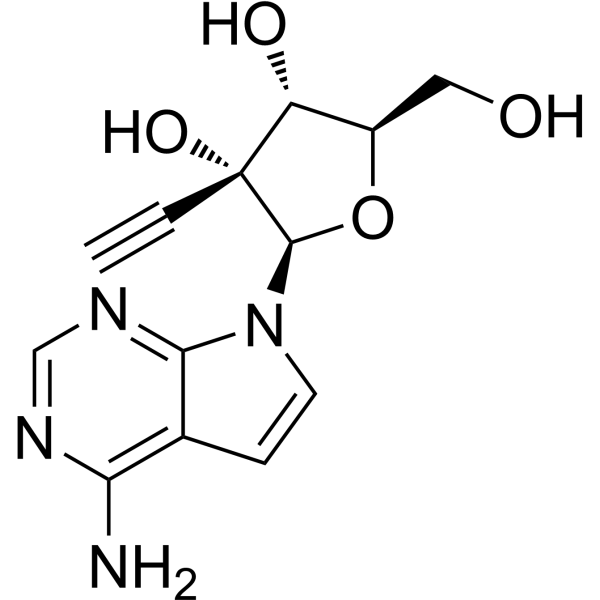
Cat. No.: HY-12957
CAS No.: 1044589-82-3
Purity:  98.00%
Synonyms: 7-Deaza-2'-C-acetylene-adenosine
Research Areas:  

Infection

NITD008 is a potent and selective flaviviruse inhibitor which can inhibit Dengue Virus Type 2 (DENV-2) with an EC50 of 0.64 μM. NITD008 is a click chemistry reagent, it contains an Alkyne group and can undergo copper-catalyzed azide-alkyne cycloaddition (CuAAc) with molecules containing Azide groups.
loading...
    loading...
16
16 Cited Publications
Cat. No.: HY-112433
CAS No.: 1660114-31-7
Purity:  99.95%
Target:  

NF-κB

Research Areas:  

Inflammation/Immunology

NIK SMI1 is a potent, selective NF-κB inducing kinase (NIK) inhibitor, which inhibits NIK-catalyzed hydrolysis of ATP to ADP with IC50 of 0.23±0.17 nM. NIK SMI1 is a click chemistry reagent, it contains an Alkyne group and can undergo copper-catalyzed azide-alkyne cycloaddition (CuAAc) with molecules containing Azide groups.
loading...
    loading...
14
14 Cited Publications
Cat. No.: HY-150031
CAS No.: 694488-83-0
Purity:  99.44%
Research Areas:  

Others

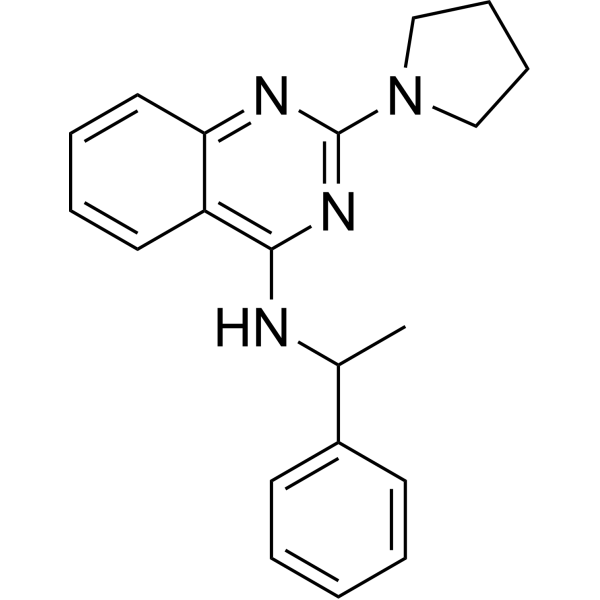
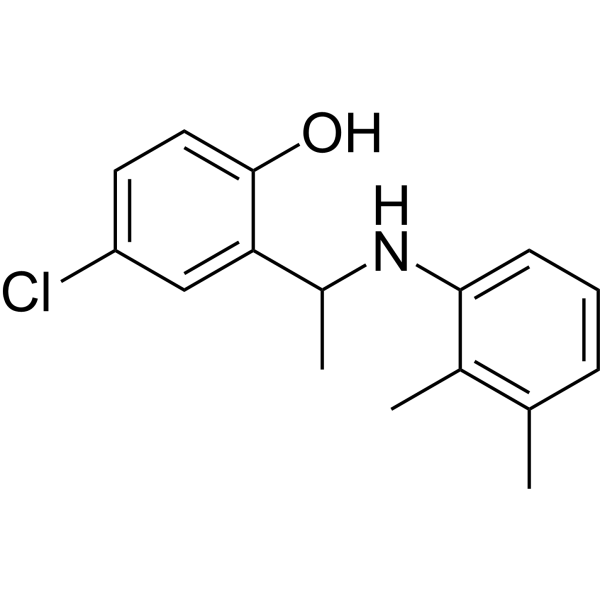
MFI8 is a small molecule inhibitor of mitochondrial .
loading...
    loading...
14
14 Cited Publications
Cat. No.: HY-129039
CAS No.: 778649-18-6
Purity:  99.58%
Synonyms: MB-3
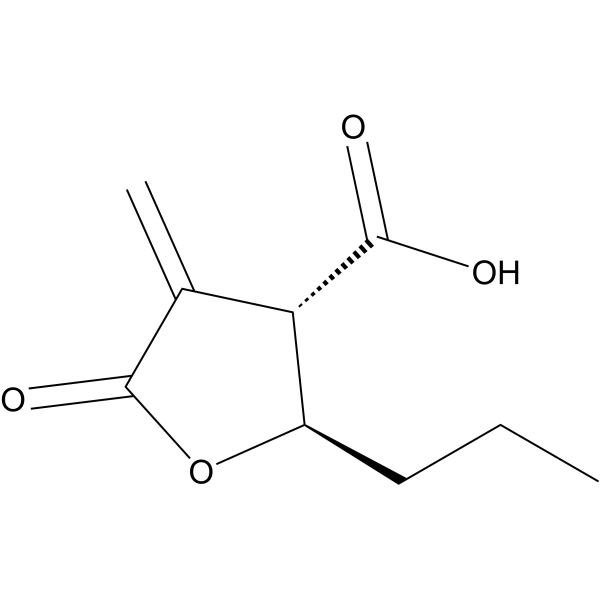
Butyrolactone 3 (MB-3) is a specifical small-molecule inhibitor of the histone acetyltransferase Gcn5 (IC50=100 μM), which has a high affinity to the Gcn5 enzyme comparable to that of its natural substrate, histone H3. Butyrolactone 3 shows weak inhibitory on CBP (IC50=0.5 mM). Butyrolactone 3 can be used in studies of cancer, metabolic, autoimmune and neurological diseases .
loading...
    loading...
13
13 Cited Publications
Cat. No.: HY-19980
CAS No.: 5291-32-7
Synonyms: APR-246; PRIMA-1Met
Research Areas:  

Cancer

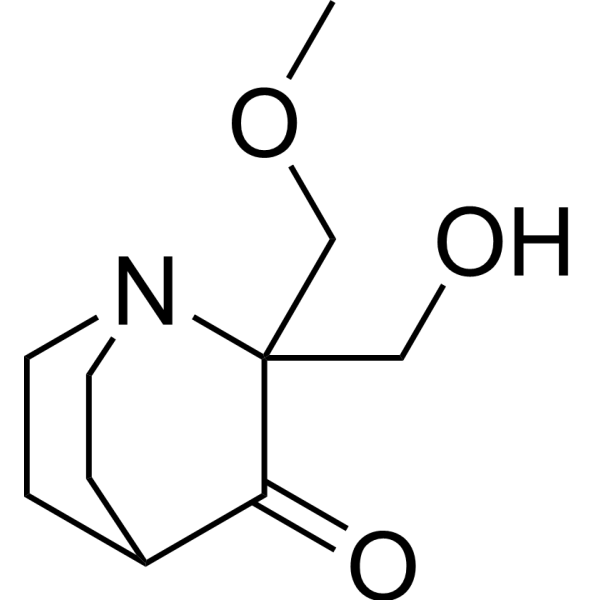
Eprenetapopt (APR-246) is a first-in-class, small molecule that restores wild-type p53 functions in TP53-mutant cells. Eprenetapopt triggers apoptosis in tumor cells. Eprenetapopt also targets the selenoprotein thioredoxin reductase 1 (TrxR1), a key regulator of cellular redox balance .
loading...
    loading...
13
13 Cited Publications
Cat. No.: HY-109804
CAS No.: 1001015-18-4
Purity:  98.27%
Research Areas:  

Inflammation/Immunology

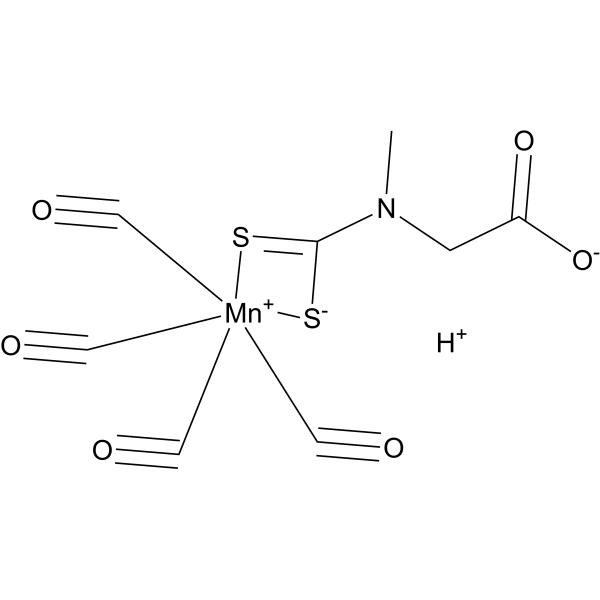
CORM-401 is an oxidant-sensitive CO-releasing molecule. CORM-401 induces NO increase in the regulation of endothelial calcium signalling. CORM-401 reduces TNF-α/CHX and H2O2-induced ROS production. CORM-401 uncouples mitochondrial respiration and inhibits glycolysis .
loading...
    loading...
13
13 Cited Publications
Cat. No.: HY-Y0337
CAS No.: 52-90-4
Synonyms: Cysteine
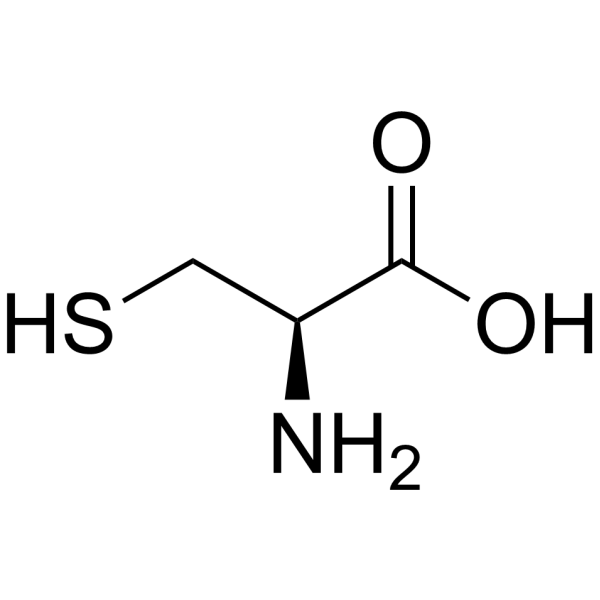
L-Cysteine (Cysteine) is an orally active conditionally essential amino acid with hypoglycemic effects, which acts as a precursor for biologically active molecules such as hydrogen sulphide (H2S), glutathione and taurine. L-Cysteine promotes the proliferation and differentiation of neural stem cells via the CBS/H2S pathway. L-Cysteine suppresses ghrelin and reduces appetite in rodents and humans. L-Cysteine can be used as an anorectic agent .
loading...
    loading...
13
13 Cited Publications
Cat. No.: HY-Y0337A
CAS No.: 52-89-1
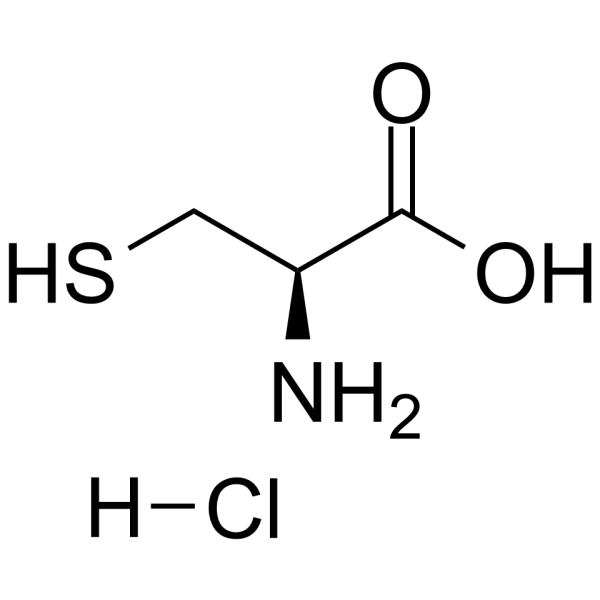
L-Cysteine hydrochloride is an orally active conditionally essential amino acid, which acts as a precursor for biologically active molecules such as hydrogen sulphide (H2S), glutathione and taurine. L-Cysteine hydrochloride suppresses ghrelin and reduces appetite in rodents. L-Cysteine hydrochloride inhibits Aspergillus flavus growth and AFB synthesis by disrupting cell structure and antioxidant system balance. L-Cysteine hydrochloride enhances relaxant responses of rat aortic rings to NO and reduces responses to endothelium-derived relaxing factor (EDRF) .
loading...
    loading...
13
13 Cited Publications
Cat. No.: HY-W016715
CAS No.: 7048-04-6
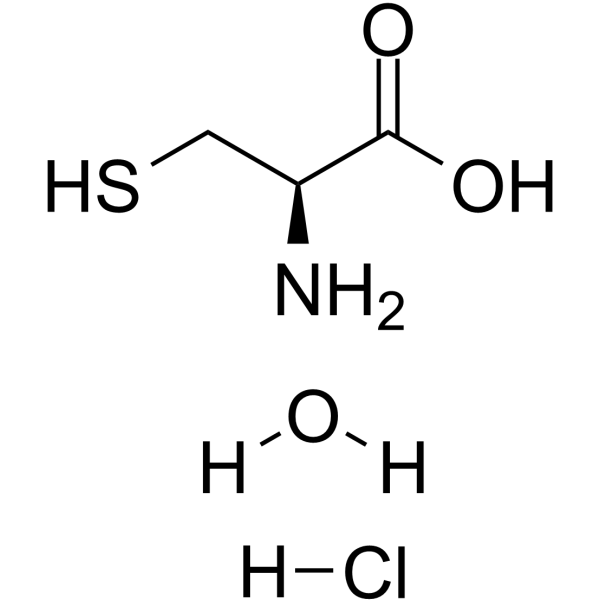
L-Cysteine hydrochloride hydrate is an orally active and essential amino acid, which acts as a precursor for biologically active molecules such as hydrogen sulphide (H2S), glutathione and taurine. L-Cysteine hydrochloride hydrate regulates CBS/H2S pathway, inhibits NF-κB activation and insulin and ghrelin secretion. L-Cysteine hydrochloride hydrate reduces blood sugar, vascular inflammation markers and appetite. L-Cysteine hydrochloride hydrate induces kidney damage. L-Cysteine hydrochloride hydrate can be used in the study of neurological diseases and diabetes .
loading...
    loading...

