
891 Results for "

Erectile Dysfunction (ED)

" in MedChemExpress (MCE) Product Catalog:
Products (891)

891 Results for "Erectile Dysfunction (ED)" in MCE Product Catalog:

7
7 Cited Publications
Cat. No.: HY-145923
CAS No.: 2489404-97-7
Purity:  99.38%
Synonyms: ABBV-CLS-484
Target:  

Phosphatase STAT JAK

Research Areas:  

Cancer

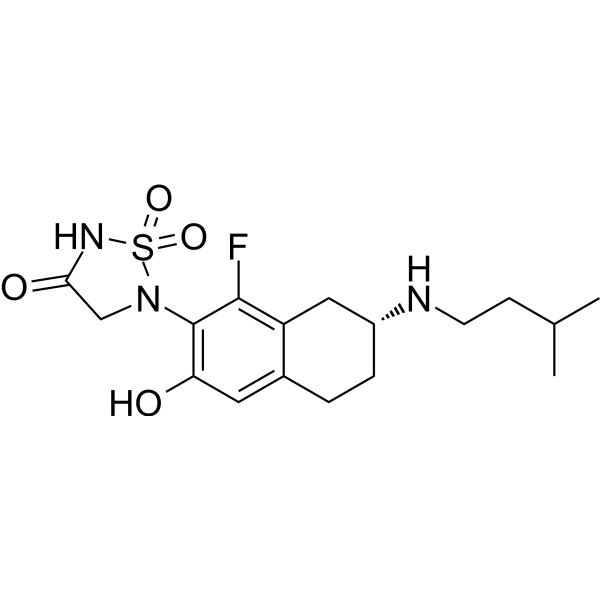
Osunprotafib (ABBV-CLS-484) is an orally active and selective active site PTPN1 (IC50: 2.5 nM) and PTPN2(IC50: 1.8 nM) inhibitor. Osunprotafib has 6-8-fold weaker activity on PTPN9 and no detectable activity on SHP-1 or SHP-2. Osunprotafib increases the sensitivity of human cancer cell lines to IFNγ. Osunprotafib generates robust anti-tumor immunity by enhancing JAK-STAT signalling and reducing T cell dysfunction .
loading...
    loading...
7
7 Cited Publications
Cat. No.: HY-B0561
CAS No.: 52-01-7
Synonyms: SC9420
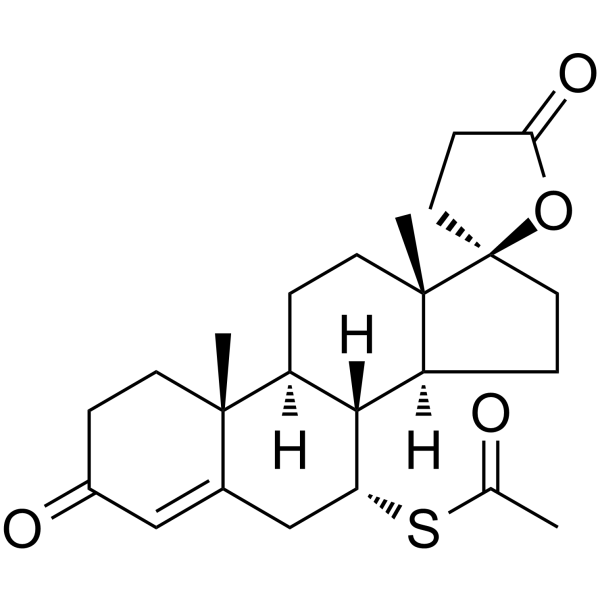
Spironolactone is an aldosterone antagonist that acts on the aldosterone mineralocorticoid receptor (IC50=24 nM) and androgen receptor (IC50=77 nM), promotes podocyte autophagy and regulates pain. Spironolactone improves hypertension-related vascular hypertrophy and remodeling by reducing angiotensin II (Ang II)-induced inflammation, reduces aldosterone-induced vascular and soft tissue calcification through PIT1-dependent signaling, and alleviates vascular dysfunction in type II diabetic mice by reducing oxidative stress and restoring NO/GC signaling; at low concentrations, it and its metabolites can interfere with aldosterone biosynthesis in the adrenal cortex and inhibit voltage-dependent Ca 2+ channels to exert antihypertensive effects .
loading...
    loading...
6
6 Cited Publications
Cat. No.: HY-B0442
CAS No.: 224785-90-4
Research Areas:  

Endocrinology Cancer

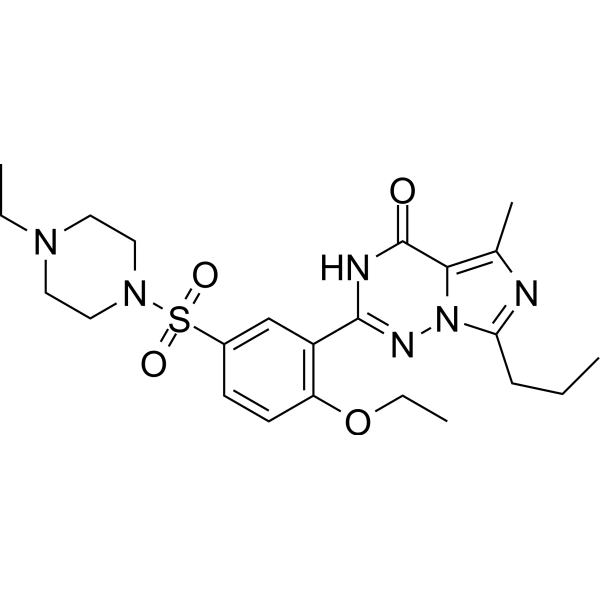
Vardenafil is a selective and orally active inhibitor of phosphodiesterase-5 (PDE5), with an IC50 of 0.7 nM. Vardenafil shows inhibitory towards PDE1, PDE6 with IC50s of 180 nM, and 11 nM, while IC50s are >1000 nM for PDE3 and PDE4 . Vardenafil competitively inhibits cyclic guanosine monophosphate (cGMP) hydrolysis and thus increases cGMP levels . Vardenafil can be used for the research of erectile dysfunction, hepatitis, diabetes [1]-[6].
loading...
    loading...
6
6 Cited Publications
Cat. No.: HY-B0442A
CAS No.: 224785-91-5
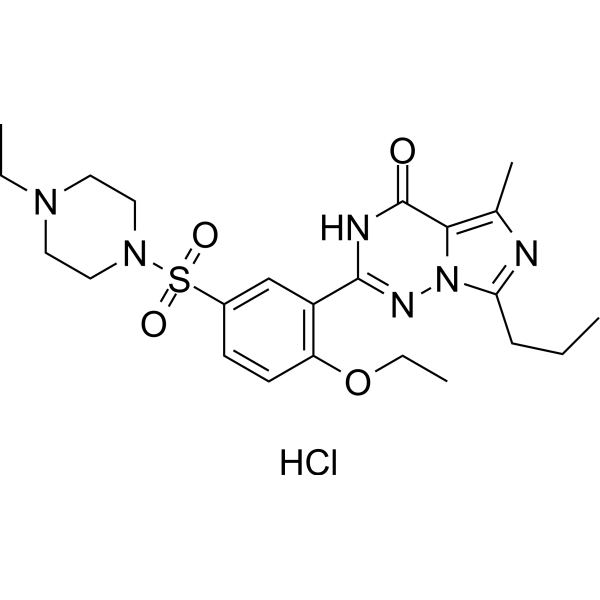
Vardenafil hydrochloride is a selective and orally active inhibitor of phosphodiesterase-5 (PDE5), with an IC50 of 0.7 nM. Vardenafil hydrochloride shows inhibitory towards PDE1, PDE6 with IC50s of 180 nM, and 11 nM, while IC50s are >1000 nM for PDE3 and PDE4 . Vardenafil hydrochloride competitively inhibits cyclic guanosine monophosphate (cGMP) hydrolysis and thus increases cGMP levels . Vardenafil hydrochloride can be used for the research of erectile dysfunction, hepatitis, diabetes [1]-[6].
loading...
    loading...
6
6 Cited Publications
Cat. No.: HY-B0442B
CAS No.: 330808-88-3
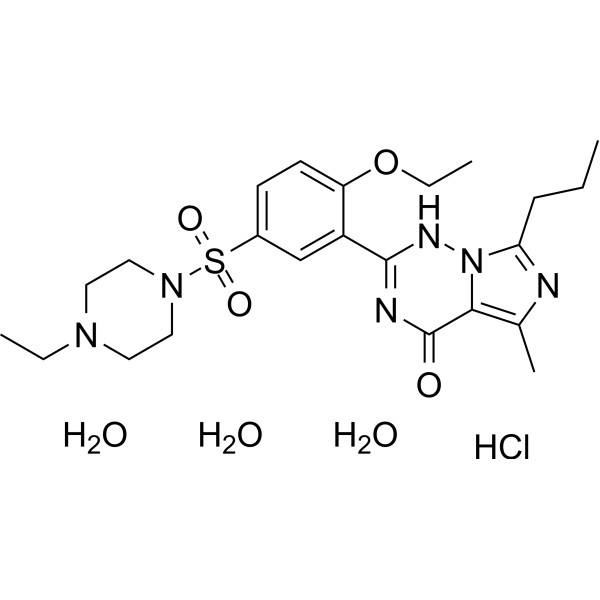
Vardenafil hydrochloride trihydrate is a selective and orally active inhibitor of phosphodiesterase-5 (PDE5), with an IC50 of 0.7 nM. Vardenafil hydrochloride trihydrate shows inhibitory towards PDE1, PDE6 with IC50s of 180 nM, and 11 nM, while IC50s are >1000 nM for PDE3 and PDE4 . Vardenafil hydrochloride trihydrate competitively inhibits cyclic guanosine monophosphate (cGMP) hydrolysis and thus increases cGMP levels . Vardenafil hydrochloride trihydrate can be used for the research of erectile dysfunction, hepatitis, diabetes [1]-[6].
loading...
    loading...
6
6 Cited Publications
Cat. No.: HY-129029
CAS No.: 66722-44-9
Purity:  99.78%
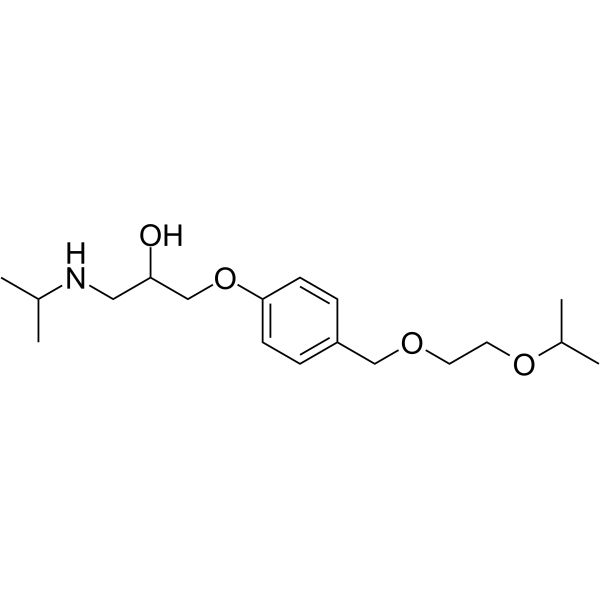
Bisoprolol is a potent, selective and orally active β1-adrenergic receptor blocker with little activity on β2-receptor. Bisoprolol has the potential for hypertension, coronary artery disease and stable ventricular dysfunction research .
loading...
    loading...
6
6 Cited Publications
Cat. No.: HY-B0076
CAS No.: 104344-23-2
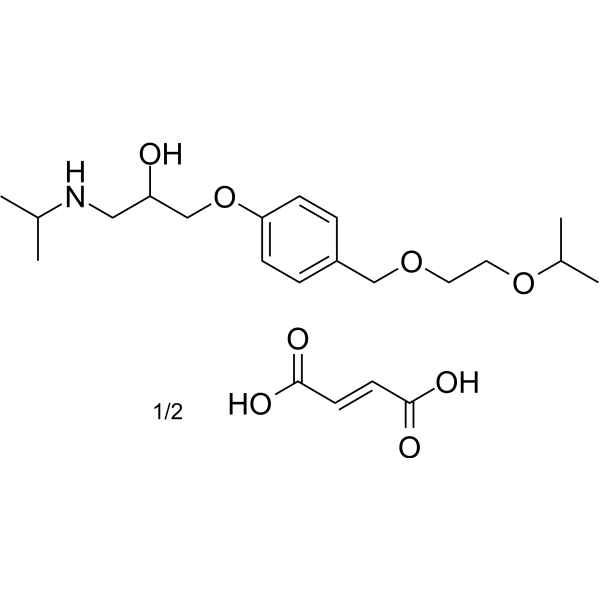
Bisoprolol hemifumarate is a potent, selective and orally active β1-adrenergic receptor blocker with little activity on β2-receptor. Bisoprolol hemifumarate has the potential for hypertension, coronary artery disease and stable ventricular dysfunction research .
loading...
    loading...
6
6 Cited Publications
Cat. No.: HY-W094474
CAS No.: 85144-11-2
Synonyms: hydrate/monohydrateortrihydrate
Target:  

GSK-3 Apoptosis

Research Areas:  

Infection Neurological Disease

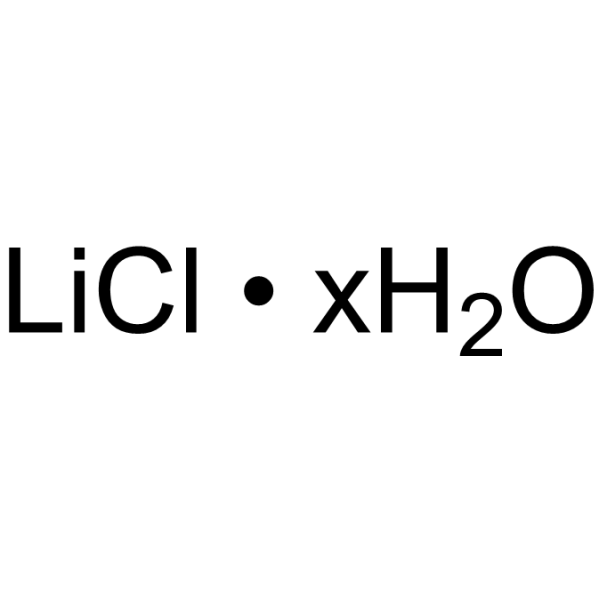
Lithium chloride hydrate, an orally active mood stabilizer, is a potent virus inhibitor and effective immunomodulatory agent. Lithium chloride hydrate has antidepressant activity by inhibiting GSK3β and promoting neurogenesis. Lithium chloride hydrate alleviates cognition dysfunction and the symptoms of acute mania and depression. Lithium chloride hydrate can also be used for research of virus infection and Alzheimer's disease .
loading...
    loading...
6
6 Cited Publications
Cat. No.: HY-17369
CAS No.: 150915-40-5
Synonyms: L700462 hydrochloride monohydrate; MK383 hydrochloride monohydrate
Target:  

Integrin

Research Areas:  

Cardiovascular Disease

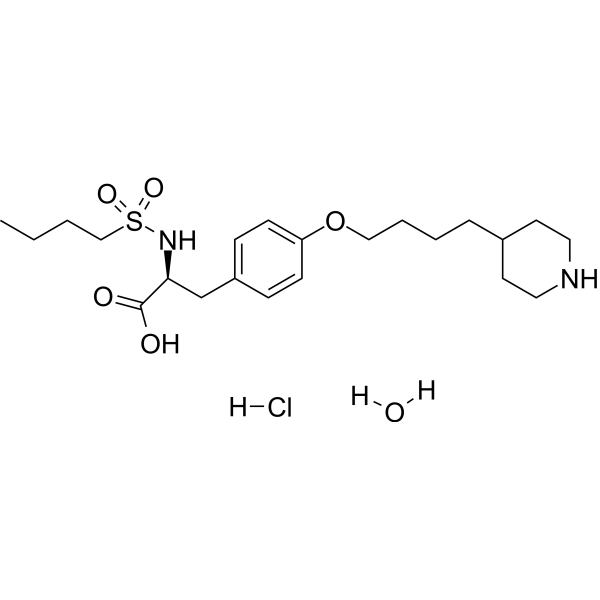
Tirofiban (L700462) hydrochloride monohydrate is a selective and reversible platelet integrin receptor (Gp IIb/IIIa) antagonist that inhibits fibrinogen binding to this receptor and has antithrombotic activity. Tirofiban hydrochloride monohydrate induces proliferation and migration on endothelial cell by inducing production of VEGF. Tirofiban hydrochloride monohydrate can significantly reduces myocardial no-reflow and ischemia-reperfusion injury by alleviating myocardial microvascular structural and endothelial dysfunction in the ischemic area .
loading...
    loading...
6
6 Cited Publications
Cat. No.: HY-17369B
CAS No.: 144494-65-5
Synonyms: L700462; MK383
Target:  

Integrin

Research Areas:  

Cardiovascular Disease

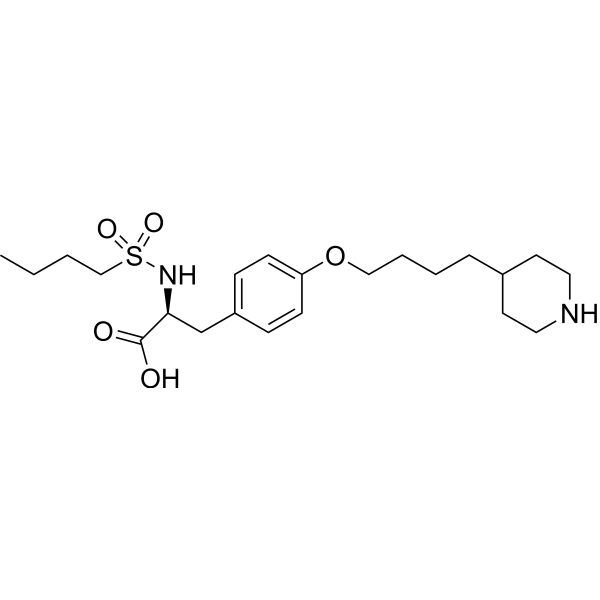
Tirofiban (L700462) is a selective and reversible platelet integrin receptor (Gp IIb/IIIa) antagonist that inhibits fibrinogen binding to this receptor and has antithrombotic activity. Tirofiban induces proliferation and migration on endothelial cell by inducing production of VEGF. Tirofiban can significantly reduces myocardial no-reflow and ischemia-reperfusion injury by alleviating myocardial microvascular structural and endothelial dysfunction in the ischemic area .
loading...
    loading...
6
6 Cited Publications
Cat. No.: HY-111431
CAS No.: 3233-58-7
Purity:  99.87%
Synonyms: p-Tolyl sulfate
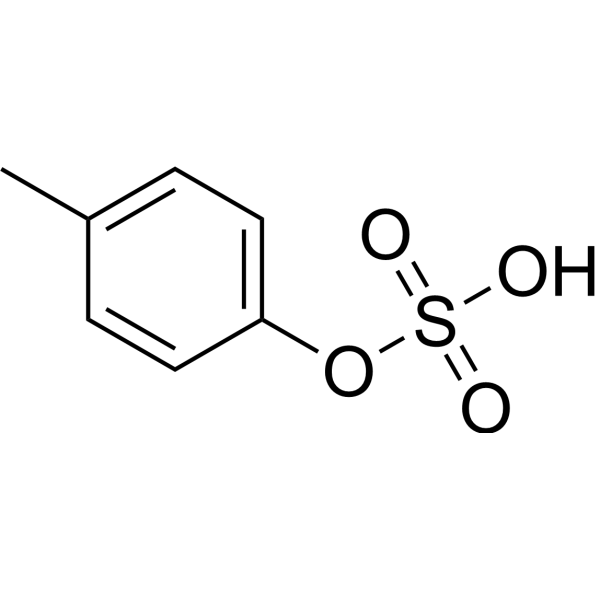
p-Cresyl sulfate (p-Tolyl sulfate) is a uremic toxin, that can cause renal damage and dysfunction. p-Cresyl sulfate shows antiproliferation activity. p-Cresyl sulfate increases the protein expression of HIF-1α and VHL, decreases the protein expression of HIF-2α. p-Cresyl sulfate induces epithelial-mesenchymal transition (EMT). p-Cresyl sulfate activates the JNK and p38 MAPK signaling pathways .
loading...
    loading...
6
6 Cited Publications
Cat. No.: HY-50722
CAS No.: 357400-13-6
Synonyms: NNC 55-0396 dihydrochloride
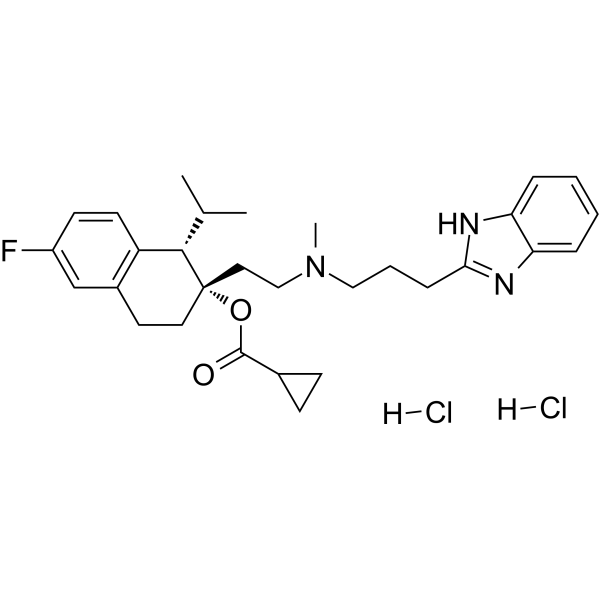
NNC 55-0396 (NNC 55-0396 dihydrochloride) is a blood-brain-barrier-permeable T-type Ca 2+ channel inhibitor and pan-P450 inhibitor. NNC 55-0396 selectively inhibits T-type Ca 2+ channels, suppresses HIF-1α expression and stability and inhibits Kv currents. NNC 55-0396 reduces brain infarct and attenuates neurological dysfunction. NNC 55-0396 inhibits the activity of multiple P450 enzymes. NNC 55-0396 (free base) can be used for the research of brain injury, hypertension, and glioblastoma .
loading...
    loading...
6
6 Cited Publications
Cat. No.: HY-N0430A
CAS No.: 1198398-71-8
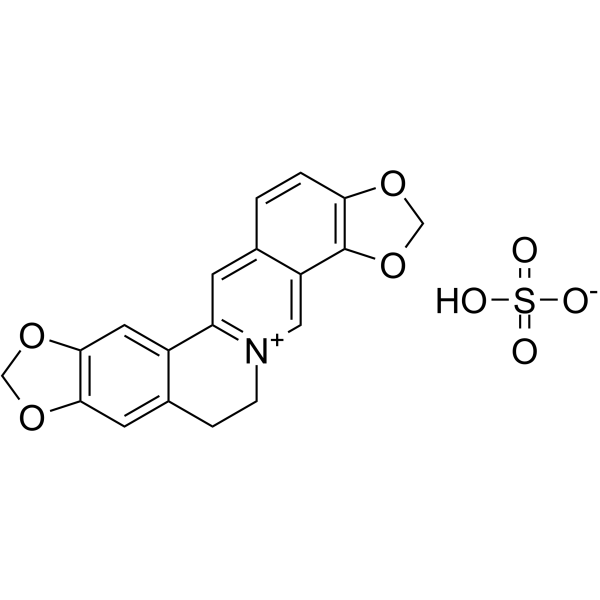
Coptisine Sulfate is an orally active and brain-penetrant alkaloid found in Coptis chinensis. Coptisine Sulfate is a reversible, uncompetitive IDO inhibitor with a Ki of 5.8 μM and an IC50 of 6.3 μM. Coptisine Sulfate suppresses neuroinflammation, reduces Aβ plaque burden and shows neuroprotective activity. Coptisine Sulfate shows anti-inflammation activity by blocking NF-κB, MAPK, and PI3K/Akt activation. Coptisine Sulfate inhibits cancer cells proliferation, induces DNA damage, G2/M phase cell cycle arrest, apoptosis, ROS production and mitochondrial dysfunction. Coptisine Sulfate inhibits Rho/ROCK pathway activation, reduces arrhythmia, limits cardiac injury marker release, reduces infarct size, and preserves cardiac function in rat myocardial ischemia/reperfusion models. Coptisine Sulfate downregulates HMGCR and upregulates LDLR and CYP7A1 to modulate cholesterol metabolism, reduces abnormal serum lipid levels, and promotes fecal bile acid excretion. Coptisine Sulfate be used for the research of cancer, hypercholesterolemia, Alzheimer’s disease, inflammatory disorders and cardiovascular disease .
loading...
    loading...
5
5 Cited Publications
Cat. No.: HY-A0020
CAS No.: 104121-92-8
Synonyms: ED-71; 2-(3-hydroxypropoxy)-1,25-dihydroxyvitamin D3
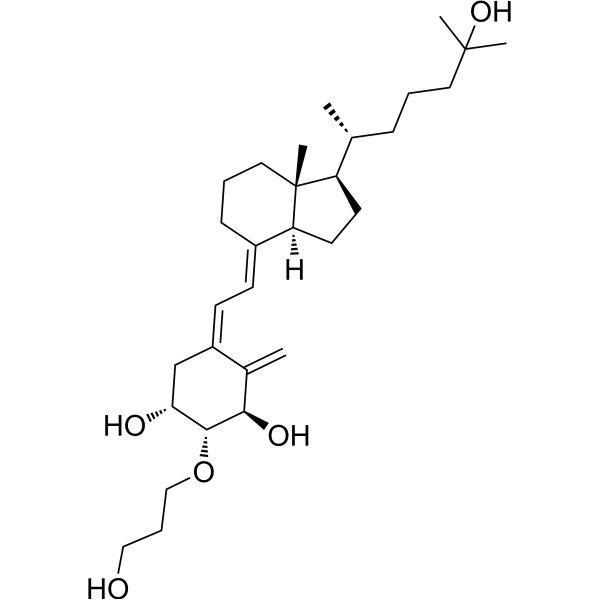
Eldecalcitol (ED-71) is an orally active vitamin D3 analogue, inhibits bone resorption and increases bone mineral density. Eldecalcitol (ED-71) displays anti-tumor effect and inhibits cell proliferation, migration and induces apoptosis by suppressing GPx-1 .
loading...
    loading...
5
5 Cited Publications
Cat. No.: HY-113216
CAS No.: 30315-93-6
Purity:  ≥98.0%
Synonyms: NG,NG-Dimethylarginine
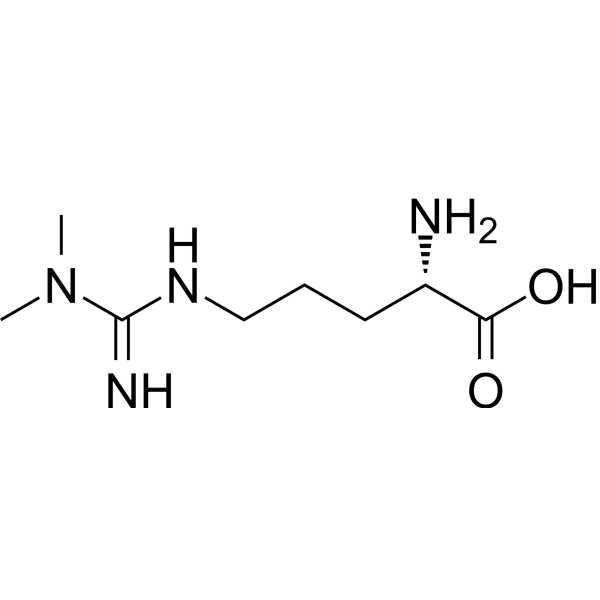
Asymmetric dimethylarginine is an endogenous inhibitor of nitric oxide synthase (NOS), and functions as a marker of endothelial dysfunction in a number of pathological states.
loading...
    loading...
5
5 Cited Publications
Cat. No.: HY-118861
CAS No.: 15690-57-0
Synonyms: (E)-Clomiphene; trans-Clomiphene; Enclomifene
Target:  

Estrogen Receptor/ERR

Research Areas:  

Metabolic Disease Endocrinology

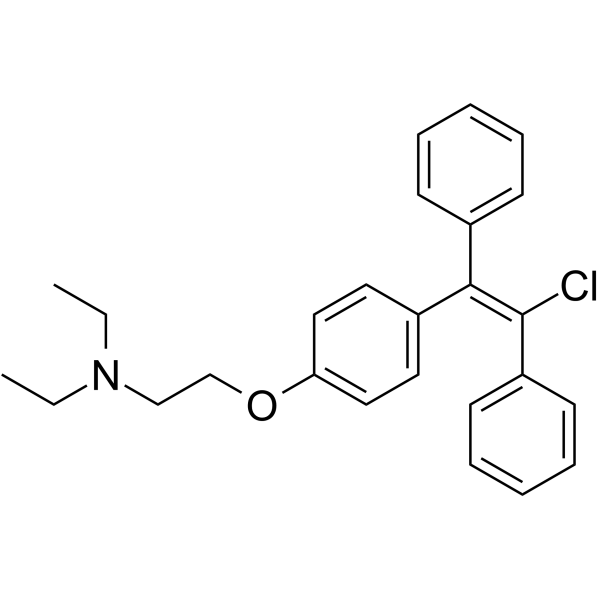
Enclomiphene ((E)-Clomiphene) is a potent and orally active non-steroidal estrogen receptor antagonist, with antioestrogenic property. Enclomiphene can be used for the research of ovarian dysfunction, testosterone deficiency, male hypogonadism and type 2 diabetes .
loading...
    loading...
5
5 Cited Publications
Cat. No.: HY-12406
CAS No.: 327031-55-0
Purity:  98.67%
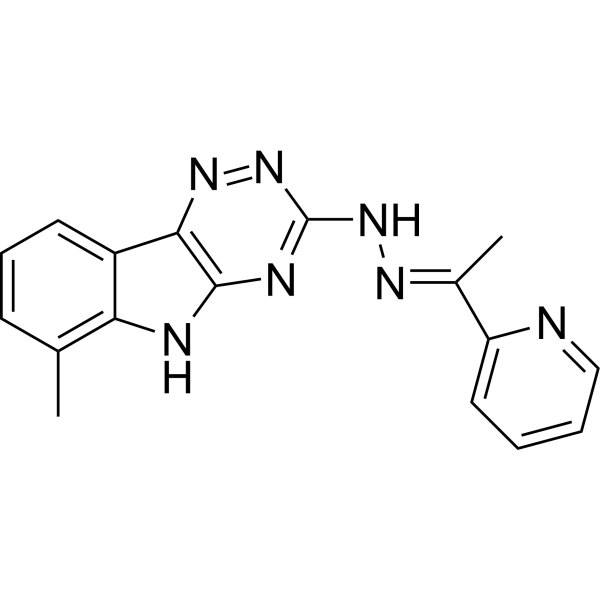
VLX600 is an iron-chelating inhibitor of oxidative phosphorylation (OXPHOS). VLX600 causes mitochondrial dysfunction and induces a strong shift to glycolysis. VLX600 displays selective cytotoxic activity against malignant cell and induces autophagy. Anticancer activity .
loading...
    loading...
5
5 Cited Publications
Cat. No.: HY-125623
CAS No.: 1392820-50-6
Purity:  98.14%
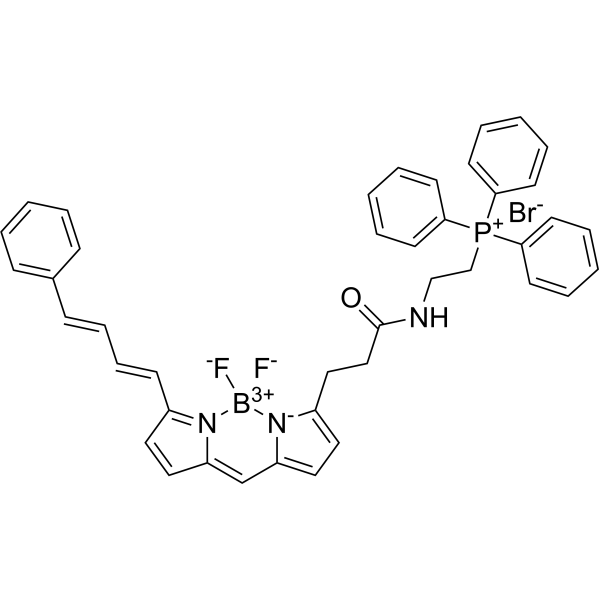
MitoPerOx is a mitochondrial-targeted, lipid peroxidation-indicating fluorescent probe with BODIPY581/591 fluorophores. The triphenylphosphine cation (TPP+) of MitoPerOx can be selectively enriched in mitochondria (depending on membrane potential) and can be used to detect lipid peroxidation in the inner mitochondrial membrane. Under the action of lipid peroxides, the BODIPY581/591 fluorophores of MitoPerOx shift their emission wavelength from 590 nm (reduced state) to 520 nm (oxidized state), and ratiometric detection can be performed at an excitation wavelength of 488 nm. MitoPerOx can specifically monitor the peroxidation of mitochondrial phospholipids (especially cardiolipin) and is used in the study of oxidative stress-related diseases (such as aging, neurodegenerative diseases, and mitochondrial dysfunction)[1][2].
loading...
    loading...
5
5 Cited Publications
Cat. No.: HY-N0194
CAS No.: 464-92-6
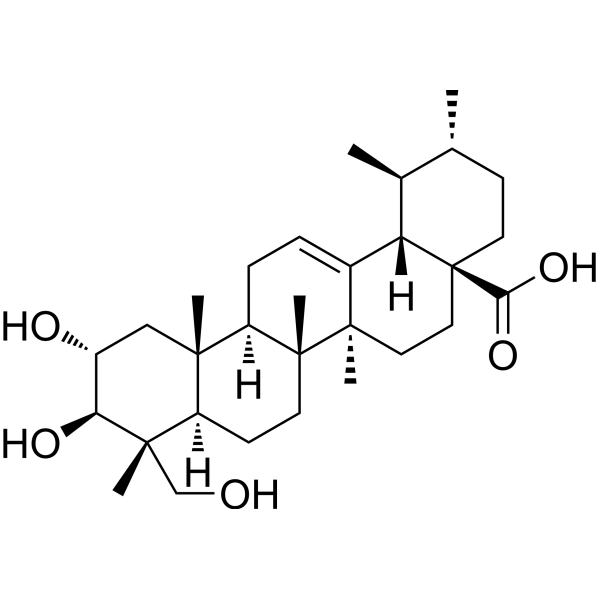
Asiatic acid, a pentacyclic triterpene found in Centella asiatica (Centella asiatica), has anticancer activity. Asiatic acid induces apoptosis in melanoma cells and has barrier protective effects on human aortic endothelial cells (HAEC). Asiatic acid also has anti-inflammatory activity and inhibits tumor necrosis factor (TNF)-α-induced endothelial barrier dysfunction. Asiatic acid also inhibits NLRP3 inflammasome activation and NF-κB pathway, effectively inhibits inflammation in rats, and has neuroprotective effects in rat spinal cord injury (SCI) model .
loading...
    loading...
4
4 Cited Publications
Cat. No.: HY-P2222
CAS No.: 478188-26-0
DX600 is a selective ACE2 specific inhibitor (KD: 1.3 nM), and does not cross-react with ACE. DX600 exacerbates diabetes-induced cardiovascular dysfunction and the increase in cardiac and renal NOX activity .
loading...
    loading...

