

891 Results for "

Erectile Dysfunction (ED)

" in MedChemExpress (MCE) Product Catalog:
Products (891)

891 Results for "Erectile Dysfunction (ED)" in MCE Product Catalog:

4
4 Cited Publications
Cat. No.: HY-P2222A
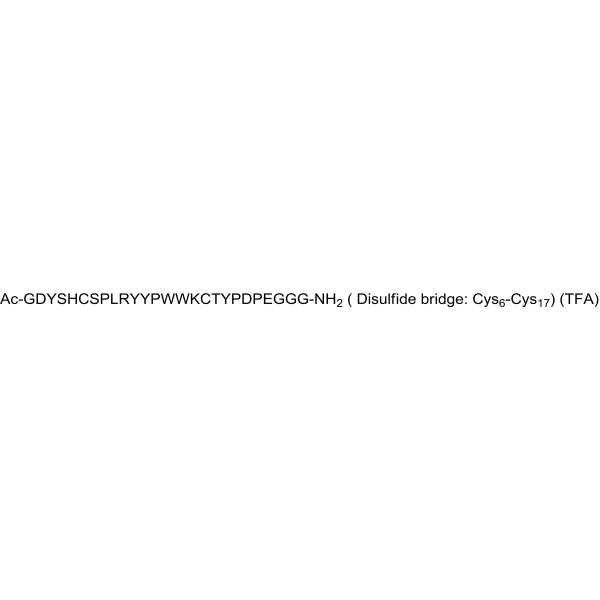
DX600 TFA is a selective ACE2 specific inhibitor (KD: 1.3 nM), and does not cross-react with ACE. DX600 TFA exacerbates diabetes-induced cardiovascular dysfunction and the increase in cardiac and renal NOX activity .
loading...
    loading...
4
4 Cited Publications
Cat. No.: HY-124293
CAS No.: 393121-74-9
Purity:  99.81%
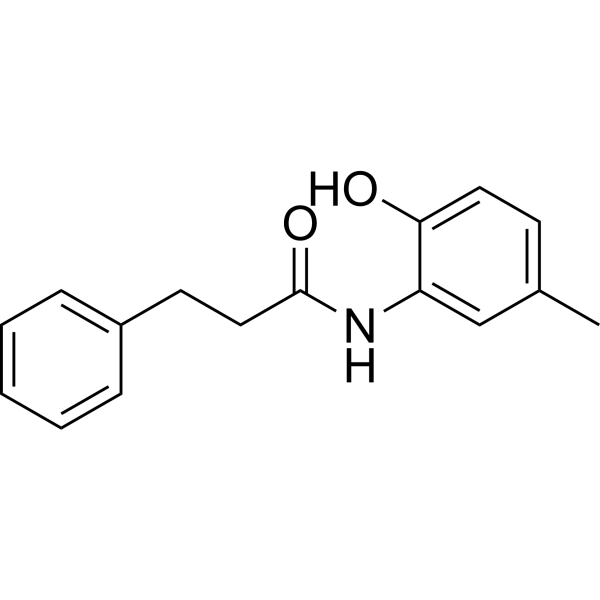
AA147 is a endoplasmic reticulum (ER) proteostasis regulator. AA147 promotes protection against oxidative damage in neuronal cells and prevents endothelial barrier dysfunction by activating ATF6 arm (selectively) of the unfolded protein response (UPR) and the NRF2 oxidative stress response. AA147 can rebalances XBP1s expression in vivo, and also induces survival motor neuron (SMN) expression and spinal motorneuron (MN) protection .
loading...
    loading...
4
4 Cited Publications
Cat. No.: HY-P0119
CAS No.: 320367-13-3
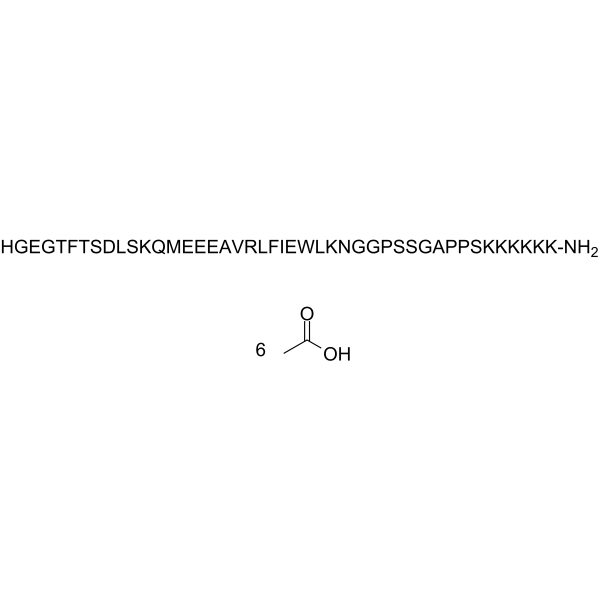
Lixisenatide is a glucagon-like peptide-1 (GLP-1) receptor agonist. Lixisenatide inhibits the inflammatory response through down regulation of pro-inflammatory cytokines, and suppresses of the Akt-MEK1/2 signaling pathway. Lixisenatide can inhibit oxidative stress, mitochondrial dysfunction and apoptosis. Lixisenatide can be used for the researches of inflammation, metabolic disease, neurological disease and cardiovascular disease, such as rheumatoid arthritis, diabetes, Alzheimer's disease and atherosclerosis .
loading...
    loading...
4
4 Cited Publications
Cat. No.: HY-P0119A
CAS No.: 1997361-87-1
Lixisenatide acetate is a glucagon-like peptide-1 (GLP-1) receptor agonist. Lixisenatide acetate inhibits the inflammatory response through down regulation of pro-inflammatory cytokines, and suppresses of the Akt-MEK1/2 signaling pathway. Lixisenatide acetate can inhibit oxidative stress, mitochondrial dysfunction and apoptosis. Lixisenatide acetate can be used for the researches of inflammation, metabolic disease, neurological disease and cardiovascular disease, such as rheumatoid arthritis, diabetes, Alzheimer's disease and atherosclerosis .
loading...
    loading...
4
4 Cited Publications
Cat. No.: HY-115386
CAS No.: 1101113-39-6
Purity:  98.00%
MitoTEMPOL is a mitochondria-targeted superoxide scavenger. MitoTEMPOL accumulates in mitochondria via membrane potential and locally scavenges superoxide anions. MitoTEMPOL alleviates hepatic oxidative stress and alterations in genes related to autophagy in STZ (HY-13753)-induced diabetic models. MitoTEMPOL inhibits diaphragmatic mitochondrial dysfunction and activation of proteolytic pathways in sepsis models. MitoTEMPOL also alleviates AGEs (HY-NP165)-induced ferritinophagy-dependent ferroptosis in human umbilical vein endothelial cells. MitoTEMPOL is used in research related to diabetes, sepsis, and vascular endothelial ferroptosis .
loading...
    loading...
4
4 Cited Publications
Cat. No.: HY-B0827
CAS No.: 165252-70-0
Synonyms: MTI-446
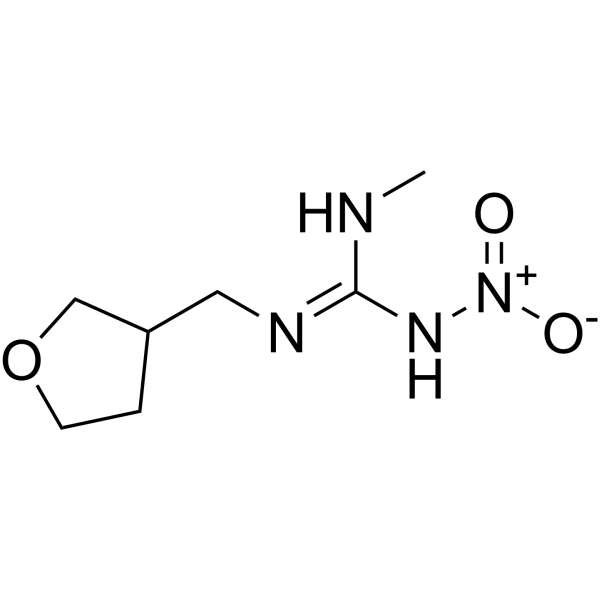
Dinotefuran is an orally active and competitive inhibitor and insecticide targeting insect nicotinic acetylcholine receptors (nAChRs). Dinotefuran blocks neural signaling and induces neural dysfunction in insects. Dinotefuran binds to [ 3H]epibatidine in the neural cord membrane of American cockroach with an IC50 of 890 nM and to [ 3H]α-bungarotoxin with an IC50 of 36.1 μM. Dinotefuran exhibits knockdown activity (KD50=0.351 nmol/g) and lethal activity (LD50=0.173 nmol/g) against German cockroach. Dinotefuran is mainly used for agricultural pest control, such as field control of piercing-sucking and chewing insects (e.g., aphids, planthoppers), while its environmental toxicological effects (e.g., oxidative stress and reproductive neurotoxicity on earthworms) are also a research focus to assess ecological risks .
loading...
    loading...
4
4 Cited Publications
Cat. No.: HY-B0464
CAS No.: 304-20-1
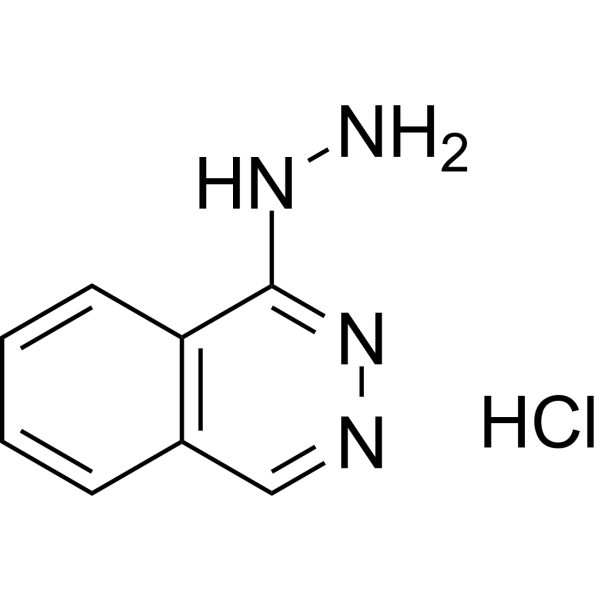
Hydralazine hydrochloride is an orally active, blood-brain barrier-permeable DNA methyltransferase inhibitor with vasodilatory, arterial smooth muscle relaxant and hypotensive activities. Hydralazine hydrochloride reactivates silenced tumor suppressor genes via mediating DNA demethylation, while exerting neuroprotective and anti-inflammatory properties. Hydralazine hydrochloride inhibits NOS-2 (iNOS) and COX-2, and reduces the production of NO and PGEE2; meanwhile, Hydralazine hydrochloride scavenges reactive oxygen species and inhibits macrophage activation. Hydralazine hydrochloride alleviates motor dysfunction, neuropathic inflammatory pain, and formalin-induced somatic and emotional pain responses. In addition, Hydralazine hydrochloride directly induces DNA strand breaks and sister chromatid exchange, exhibiting certain mutagenic characteristics. Hydralazine hydrochloride has been widely used in studies on hypertension, various cancers (such as cervical cancer, leukemia), spinal cord injury and the mechanisms of inflammatory pain .
loading...
    loading...
4
4 Cited Publications
Cat. No.: HY-B0464A
CAS No.: 86-54-4
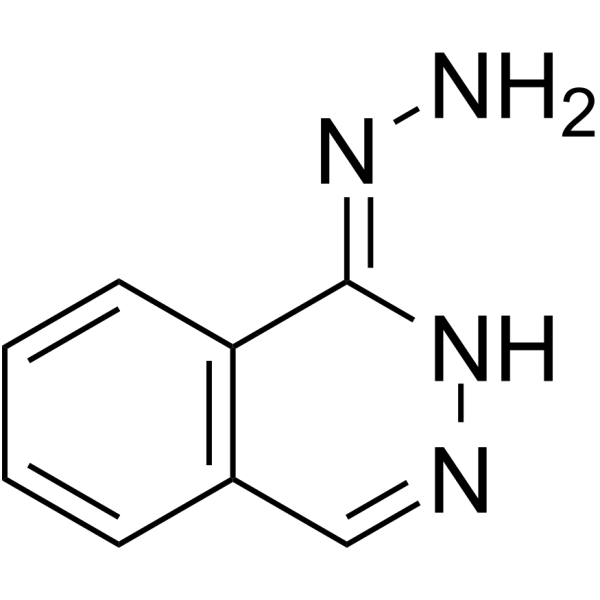
Hydralazine is an orally active, blood-brain barrier-permeable DNA methyltransferase inhibitor with vasodilatory, arterial smooth muscle relaxant and hypotensive activities. Hydralazine reactivates silenced tumor suppressor genes via mediating DNA demethylation, while exerting neuroprotective and anti-inflammatory properties. Hydralazine inhibits NOS-2 (iNOS) and COX-2, and reduces the production of NO and PGEE2; meanwhile, Hydralazine scavenges reactive oxygen species and inhibits macrophage activation. Hydralazine alleviates motor dysfunction, neuropathic inflammatory pain, and formalin-induced somatic and emotional pain responses. In addition, Hydralazine directly induces DNA strand breaks and sister chromatid exchange, exhibiting certain mutagenic characteristics. Hydralazine has been widely used in studies on hypertension, various cancers (such as cervical cancer, leukemia), spinal cord injury and the mechanisms of inflammatory pain .
loading...
    loading...
4
4 Cited Publications
Cat. No.: HY-113402
CAS No.: 636-58-8
Purity:  95.20%
Synonyms: γ-Glu-Cys
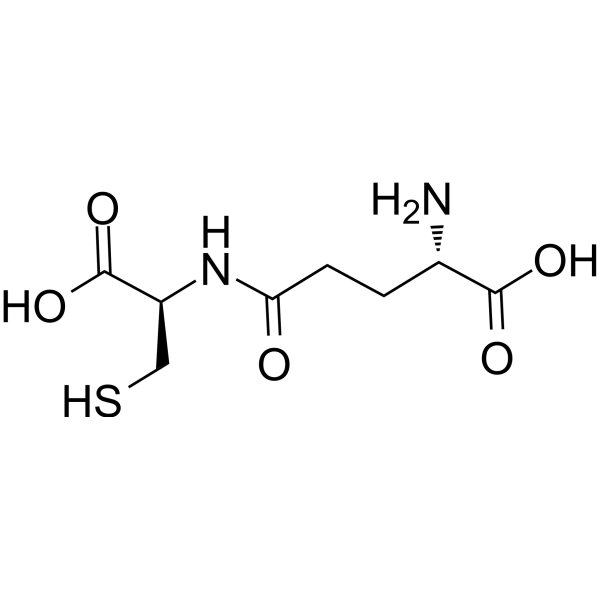
Gamma-glutamylcysteine (γ-Glu-Cys) is an orally active, blood-brain barrier permeable dipeptide . Gamma-glutamylcysteine activates AMPK, SIRT1, IL-4/STAT6, AC/cAMP/PI3K, IGF-1R/IRS1/PI3K, and Nrf2 signaling pathways; it inhibits NF-κB, JAK1/STAT1/3, MAPKs, cadmium-induced p38 MAPK, JNK, and PI3K/Akt signaling pathways. Gamma-glutamylcysteine regulates macrophage polarization, modulates the trafficking of CD36 and GLUT4, induces glutathione synthesis, improves metabolic dysfunction, reduces lipid deposition, ameliorates glucose homeostasis, inhibits apoptosis (Apoptosis), stabilizes mitochondria, suppresses lipid peroxidation, iron accumulation and ferroptosis (Ferroptosis), reduces ds-HMGB1 levels, reverses mechanical hyperalgesia, and alleviates hepatic lipid droplet formation. Gamma-glutamylcysteine is applicable to research related to inflammatory bowel disease, type 2 diabetes, cadmium-induced neurotoxicity, Alzheimer's disease, cerebral ischemia/reperfusion injury, neuropathy, and alcoholic liver disease .
loading...
    loading...
4
4 Cited Publications
Cat. No.: HY-113402A
CAS No.: 283159-88-6
Purity:  95.20%
Synonyms: γ-Glu-Cys TFA
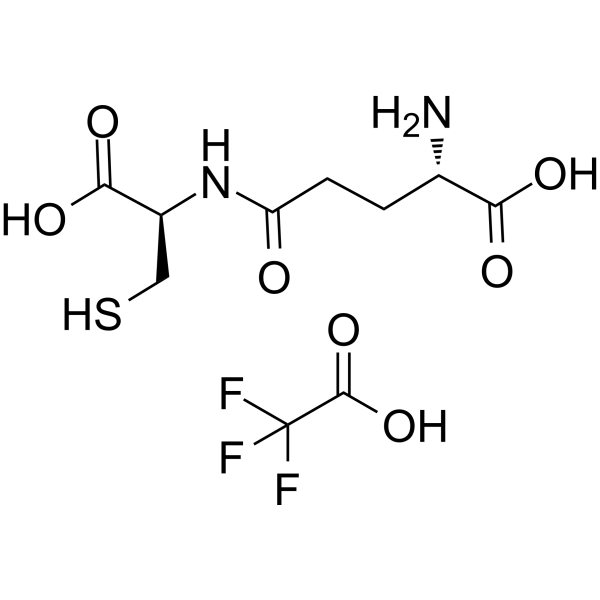
Gamma-glutamylcysteine TFA (γ-Glu-Cys TFA) is an orally active, blood-brain barrier permeable dipeptide . Gamma-glutamylcysteine TFA activates AMPK, SIRT1, IL-4/STAT6, AC/cAMP/PI3K, IGF-1R/IRS1/PI3K, and Nrf2 signaling pathways; it inhibits NF-κB, JAK1/STAT1/3, MAPKs, cadmium-induced p38 MAPK, JNK, and PI3K/Akt signaling pathways. Gamma-glutamylcysteine TFA regulates macrophage polarization, modulates the trafficking of CD36 and GLUT4, induces glutathione synthesis, improves metabolic dysfunction, reduces lipid deposition, ameliorates glucose homeostasis, inhibits apoptosis (Apoptosis), stabilizes mitochondria, suppresses lipid peroxidation, iron accumulation and ferroptosis (Ferroptosis), reduces ds-HMGB1 levels, reverses mechanical hyperalgesia, and alleviates hepatic lipid droplet formation. Gamma-glutamylcysteine TFA is applicable to research related to inflammatory bowel disease, type 2 diabetes, cadmium-induced neurotoxicity, Alzheimer's disease, cerebral ischemia/reperfusion injury, neuropathy, and alcoholic liver disease .
loading...
    loading...
3
3 Cited Publications
Cat. No.: HY-101795
CAS No.: 4608-49-5
Purity:  99.46%
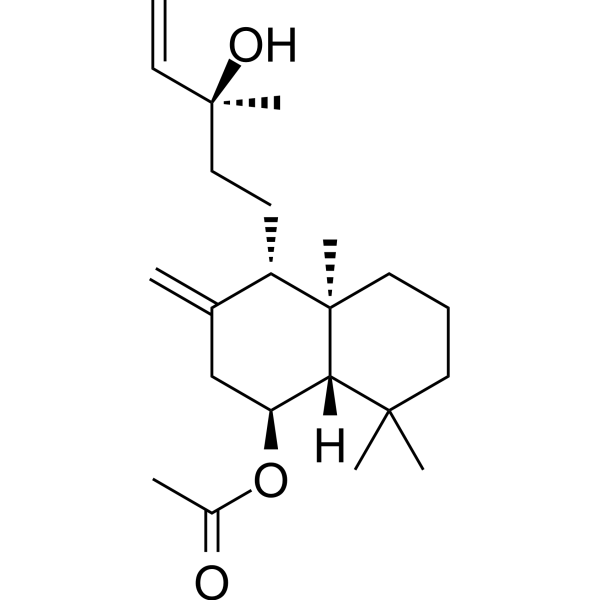
Larixyl acetate is a potent and selective TRPC6 inhibitor with IC50 values of 0.58 μM and 6.83 μM against hTRPC6-YFP and hTRPC3-YFP, respectively. Larixyl acetate prevents HPV and is effective in protecting against traumatic brain injury-induced systemic endothelial dysfunction .
loading...
    loading...
3
3 Cited Publications
Cat. No.: HY-139192
CAS No.: 2243506-33-2
Purity:  99.59%
Synonyms: NMDAR/TRPM4-IN-2
Target:  

iGluR TRP Channel ERK

Research Areas:  

Neurological Disease

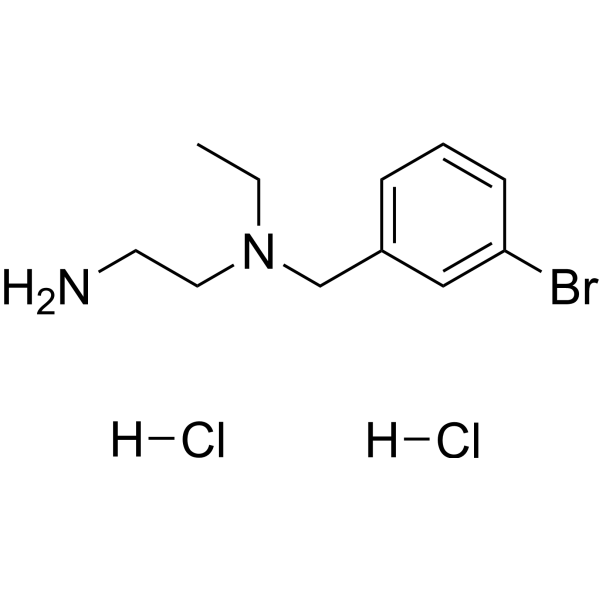
Brophenexin (compound 8) is a potent NMDAR/TRPM4 interaction interface inhibitor. Brophenexin shows neuroprotective activity. Brophenexin prevents NMDA-induced cell death and mitochondrial dysfunction in hippocampal neurons, with an IC50 of 2.1 μM. Brophenexin protects mice from MCAO-induced brain damage and NMDA-induced retinal ganglion cell loss .
loading...
    loading...
3
3 Cited Publications
Cat. No.: HY-42682
CAS No.: 1772-03-8
Synonyms: D-Galactosamine HCl
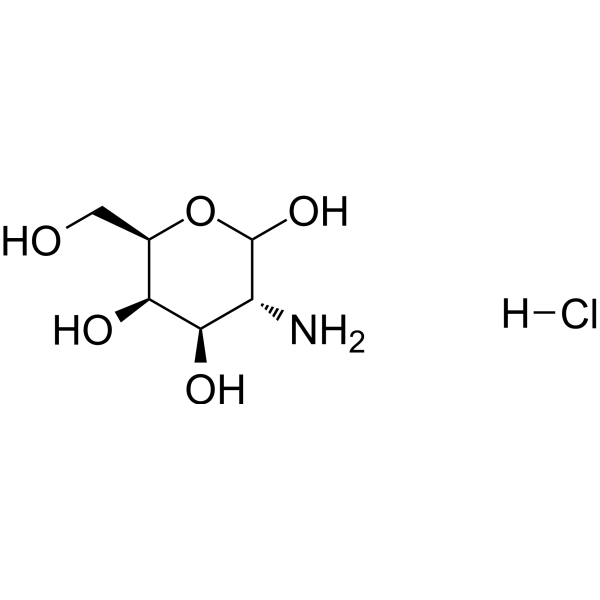
D(+)-Galactosamine (D-Galactosamine) hydrochloride, which is an established experimental toxin, primarily causes liver injury by the generation of free radicals and depletion of UTP nucleotides. D(+)-Galactosamine hydrochloride intoxication also induces renal dysfunction thus, renal failure is often associated with the end-stage of the liver damage. Lipopolysaccharide/D(+)-Galactosamine-induced acute liver injury is a known animal model of fulminant hepatic failure .
loading...
    loading...
3
3 Cited Publications
Cat. No.: HY-139192A
CAS No.: 1353979-43-7
Purity:  99.24%
Synonyms: NMDAR/TRPM4-IN-2 free base
Target:  

iGluR TRP Channel ERK

Research Areas:  

Neurological Disease

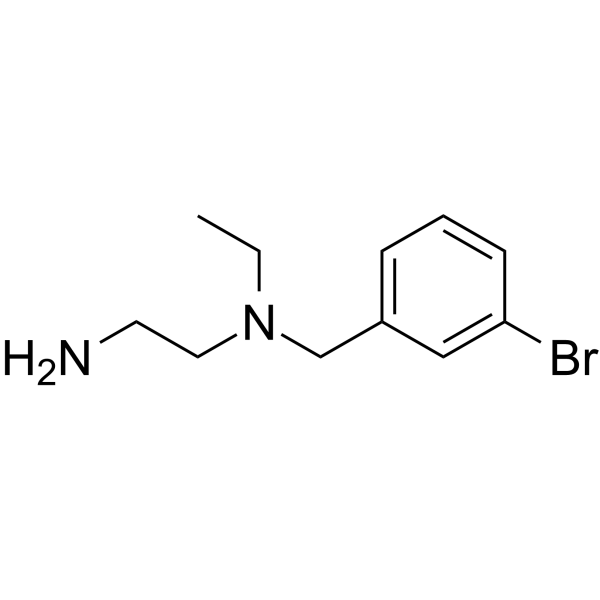
Brophenexin free base (compound 8) is a potent NMDAR/TRPM4 interaction interface inhibitor. Brophenexin free base shows neuroprotective activity. Brophenexin free base prevents NMDA-induced cell death and mitochondrial dysfunction in hippocampal neurons, with an IC50 of 2.1 μM. Brophenexin free base protects mice from MCAO-induced brain damage and NMDA-induced retinal ganglion cell loss .
loading...
    loading...
3
3 Cited Publications
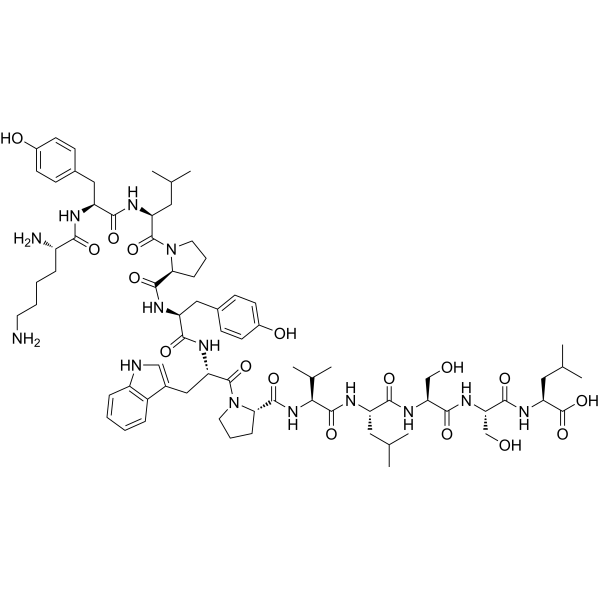
Cat. No.: HY-P2264
CAS No.: 676657-00-4
Target:  

Ephrin Receptor

Research Areas:  

Inflammation/Immunology

KYL peptide, an antagonistic peptide, selectively targets EphA4 receptor (IC50:4.22 μM, Kd:1.3 μM). KYL peptide binds to the ligand-binding domain of EphA4, effectively alleviates Aβ-induced synaptic dysfunction and synaptic plasticity defects in AD mice. KYL peptide can promote nerve regeneration after injury and modulating immune responses .
loading...
    loading...
3
3 Cited Publications
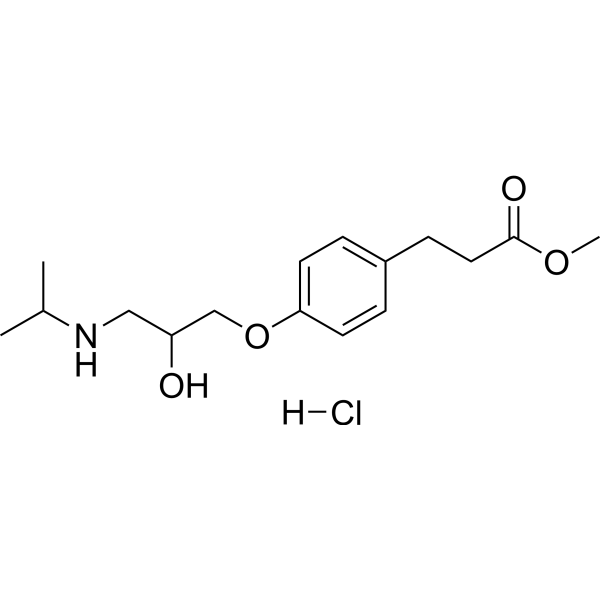
Cat. No.: HY-B1392
CAS No.: 81161-17-3
Esmolol hydrochloride is an ultra-short-acting cardioselective β1-adrenergic blocker. Esmolol hydrochloride exerts its antiarrhythmic effect by activating Neurokinin 1 Receptor. Esmolol hydrochloride attenuates post resuscitation myocardial dysfunction. Esmolol hydrochloride improves diabetic wound healing by inhibiting aldose reductase and the production of advanced glycation end products and promoting fibroblast migration. Esmolol hydrochloride can be used to study cardiac diseases such as arrhythmias and diabetic foot ulcers .
loading...
    loading...
3
3 Cited Publications
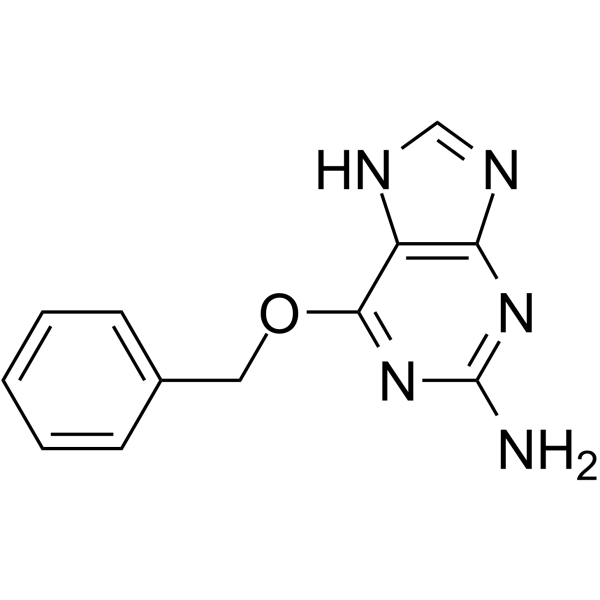
Cat. No.: HY-W002585
CAS No.: 19916-73-5
O6-Benzylguanine is an orally active, blood-brain barrier-penetrant inhibitor of O 6-methylguanine-DNA methyltransferase (MGMT/AGT). O6-Benzylguanine modulates p53 and its downstream p21 and cyclins to induce cell cycle arrest and apoptosis, and on the other hand activates mTORC1/MAPK and other signaling pathways to induce cellular senescence by inhibiting intracellular MGMT. O6-Benzylguanine is used in research related to various tumors, cellular senescence, and vascular smooth muscle dysfunction .
loading...
    loading...
3
3 Cited Publications
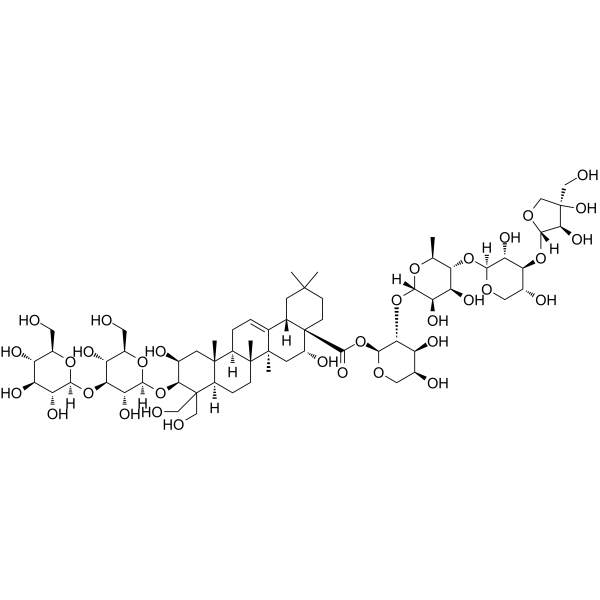
Cat. No.: HY-N4087
CAS No.: 66663-90-9
Platycodin D2 is an orally active triterpenoid saponin found in Platycodon grandiflorum. Platycodin D2 induces mitophagy in cancer cells through NIX, thereby activating the P21/CyclinA2 pathway and promoting cell senescence. Platycodin D2 induces mitochondrial dysfunction, enhances autophagy, inhibits hepatocellular carcinoma cell proliferation, and exhibits anti-tumor activity against multiple cancer cell types. Platycodin D2 promotes mRNA expression of T-bet, GATA-3, Th1 cytokines IL-2 and IFN-γ, and Th2 cytokines IL-4 and IL-10, enhances splenocyte proliferation, and acts as a vaccine adjuvant with low rabbit red blood cell hemolytic activity. Platycodin D2 induces mitochondrial ROS production, incomplete autophagy, and ferroptosis to inhibit breast cancer cell proliferation. Platycodin D2 can be used for the research of cancer, inflammation and immunology .
loading...
    loading...
2
2 Cited Publications
Cat. No.: HY-W269593
CAS No.: 335-76-2
Synonyms: PFDA
Research Areas:  

Metabolic Disease

Perfluorodecanoic acid (PFDA) is an orally active perfluoroalkyl substance. Perfluorodecanoic acid causes dysfunction of rat fetal Leydig cells via endoplasmic reticulum stress-mediated changes in lipid components. Perfluorodecanoic acid reduces testosterone biosynthesis in rat R2C Leydig cells by inducing endoplasmic reticulum stress. Perfluorodecanoic acid can be used in studies related to fetal Leydig cell dysfunction .
loading...
    loading...
2
2 Cited Publications
Cat. No.: HY-P99550
CAS No.: 2376858-66-9
Synonyms: MEDI-3506

Target:  

Interleukin Related

Research Areas:  

Inflammation/Immunology

Tozorakimab (MEDI-3506) is a human immunoglobulin G1 monoclonal antibody targeting interleukin-33. Tozorakimab reduces inflammation and epithelial dysfunction. Tozorakimab can be used to research chronic obstructive pulmonary disease .
loading...
    loading...

