


404 Results for "

Protein Oxidation

" in MedChemExpress (MCE) Product Catalog:
Products (404)

404 Results for "Protein Oxidation" in MCE Product Catalog:

  • Categories Recommended:
    More
6
6 Cited Publications
Cat. No.: HY-12695
CAS No.: 36051-31-7
Purity:  ≥95.0%
Synonyms: GTP trisodium
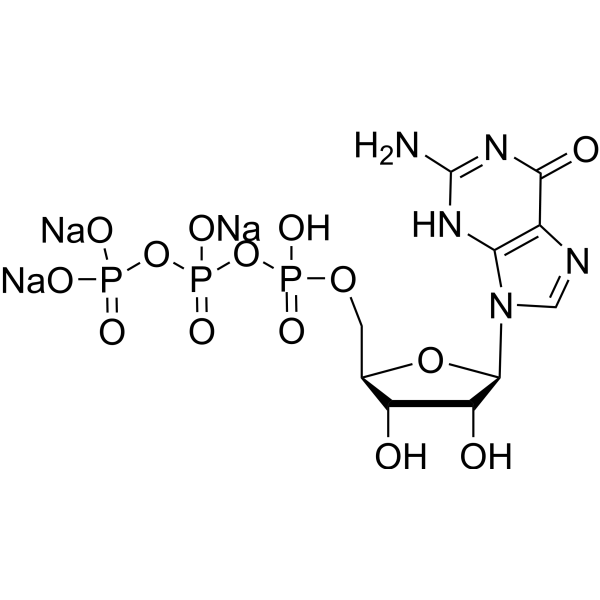
Guanosine triphosphate (GTP) trisodium is a critical nucleotide and regulator of cellular metabolism. Guanosine triphosphate trisodium promotes ribosomal DNA localization, pre-rRNA transcription and ribosome biogenesis by binding to RNA polymerase I and GPN proteins (GPN1/3). Guanosine triphosphate trisodium links MYC-dependent ribosome biogenesis to nucleotide sufficiency, acts as a metabolic gatekeeper supporting protein synthesis, DNA/RNA synthesis and cellular signal transduction, while also participating in the physiological activities of pancreatic β-cells and serving as an oxidative substrate for reactive oxygen species. In small cell lung cancer with high MYC expression, Guanosine triphosphate trisodium accumulates through the IMPDH-driven synthetic pathway, thereby affecting apoptosis and mitotic processes. Guanosine triphosphate trisodium is used in the research of small cell lung cancer, hepatoblastoma and cellular metabolism .
loading...
    loading...
5
5 Cited Publications
Cat. No.: HY-P1956
CAS No.: 70024-90-7
Synonyms: Human serum albumin
HSA Protein (Human serum albumin) is the most abundant protein in plasma and is a major determinant of plasma oncotic pressure. HSA Protein exhibits antioxidant, anticoagulant, anti-inflammatory, anti-platelet aggregation activities as well as colloid osmotic action. HSA Protein can block the inhibitory effect of GML on human T cells, providing protective function for T cells. HSA Protein is also associated with cardiovascular diseases and can partially prevent the LPS (HY-D1056) induced oxidative stress, as well as the upregulation of NF-κB, NF-κB, and peroxynitrite (ONOO -) in the vascular wall, contributing to the reduction of blood pressure .
This product is recombinant HSA Protein expressed in a microbial expression system.
loading...
    loading...
5
5 Cited Publications
Cat. No.: HY-Y0698
CAS No.: 62-55-5
Synonyms: Acetothioamide; TAA; Thiacetamide
Thioacetamide (TAA) is an indirect hepatotoxin and causes parenchymal cell necrosis. Thioacetamide requires metabolic activation by microsomal CYP2E1 to thioacetamide-S-oxide initially and then to thioacetamide-S-dioxide, which is a highly reactive metabolite, and its reactive metabolites covalently bind to proteins and lipids thereby causing oxidative stress and centrilobular necrosis. Thioacetamide can induce chronic liver fibrosis, encephalopathy and other events model .
loading...
    loading...
5
5 Cited Publications
Cat. No.: HY-B0780
CAS No.: 247257-48-3
Synonyms: BR-A-657
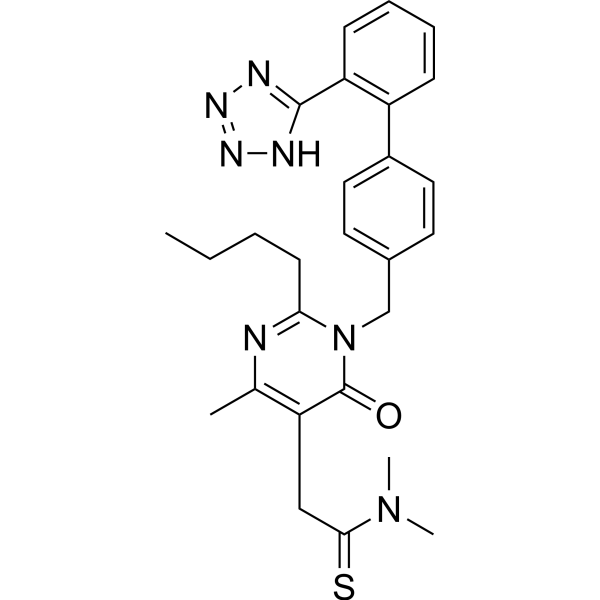
Fimasartan (BRA-657) is an orally effective angiotensin receptor AT1 non-peptide antagonist. Fimasartan has antihypertensive effects. Fimasartan improves neuroinflammation and brain injury mediated by NLRP3 inflammatome after intracerebral hemorrhage, and has neuroprotective effect. Fimasartan inhibits the expression of inducible nitric oxide synthase through the inactivation of NF-κB and activator protein-1 .
loading...
    loading...
4
4 Cited Publications
Cat. No.: HY-P2995
CAS No.: 9008-02-0
Hemoglobin is a iron-containing protein in red blood cells with oxygen binding properties. Hemoglobin is an inducer of HO-1. Hemoglobin consits of heme, which binds to oxygen. Hemoglobin also transports other gases, such as carbon dioxide, nitric oxide, hydrogen sulfide and sulfide. Hemoglobin absorbs unneeded oxygen in tissues, as an antioxidant .
loading...
    loading...
4
4 Cited Publications
Cat. No.: HY-124293
CAS No.: 393121-74-9
Purity:  99.81%
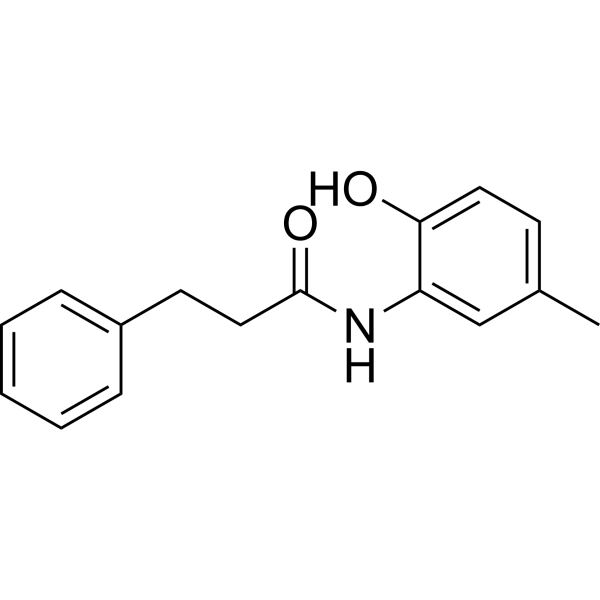
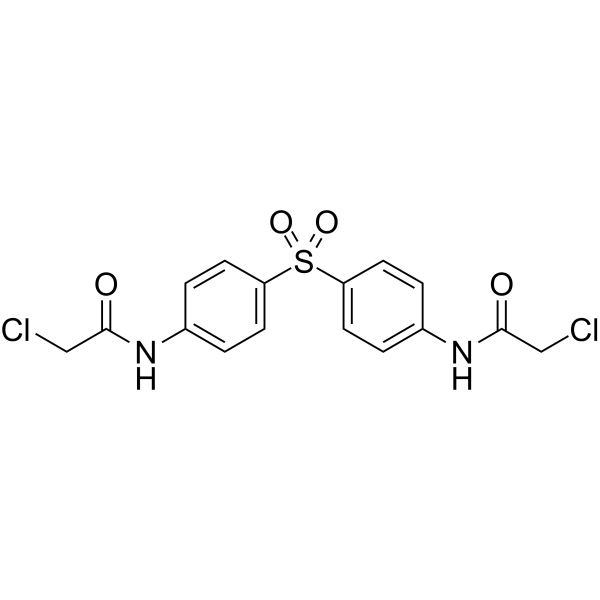
AA147 is a endoplasmic reticulum (ER) proteostasis regulator. AA147 promotes protection against oxidative damage in neuronal cells and prevents endothelial barrier dysfunction by activating ATF6 arm (selectively) of the unfolded protein response (UPR) and the NRF2 oxidative stress response. AA147 can rebalances XBP1s expression in vivo, and also induces survival motor neuron (SMN) expression and spinal motorneuron (MN) protection .
loading...
    loading...
4
4 Cited Publications
Cat. No.: HY-107574
CAS No.: 17328-16-4
Purity:  98.03%
TC-E 5003 is a selective protein arginine methyltransferase 1 (PRMT1) inhibitor with an IC50 of 1.5 µM against hPRMT1. TC-E 5003 modulates the lipopolysaccharide (LPS) (HY-D1056)-induced AP-1 and NF-κB signaling pathways with anti-inflammatory properties. TC-E 5003 also upregulates the expression of Ucp1 and Fgf21, activates protein kinase A signaling and lipolysis in primary subcutaneous adipocytes from both mouse and humans. TC-E 5003 is promising for research of obesity and associated metabolic disorders, oxidative stress, inflammation and cancers .
loading...
    loading...
4
4 Cited Publications
Cat. No.: HY-N0396
CAS No.: 19210-12-9
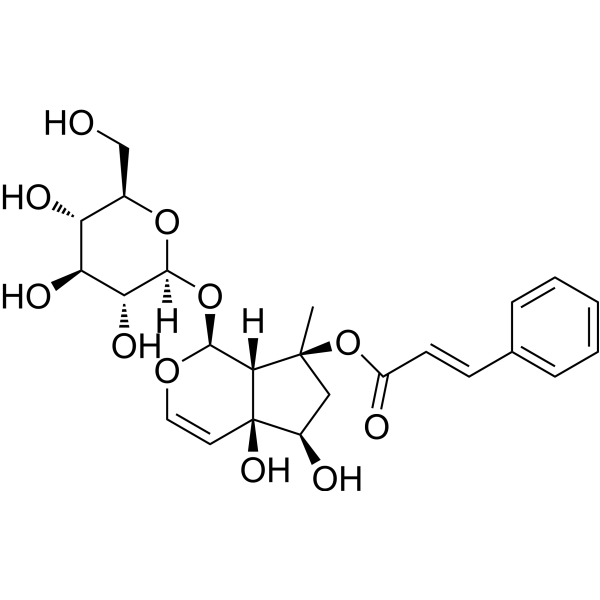
Harpagoside can be obtained by Harpagophytum procumbens, which has anti-inflammatory, anti-cancer, protective activity, and efficacy. Harpagoside has an inhibitory effect on COX-1 and COX-2 active, and suppresses NO production. Harpagoside inhibits HepG2 cell lipid polysaccharide, which is a protein that is expressed horizontally and selectively, and has anti-inflammatory and latent pain effects. Harpagoside has the ability to protect the body, and has a degenerative effect on the β-oxidation (Aβ).
loading...
    loading...
3
3 Cited Publications
Cat. No.: HY-B0481
CAS No.: 72432-03-2
Synonyms: BAY1099; BAY-m1099
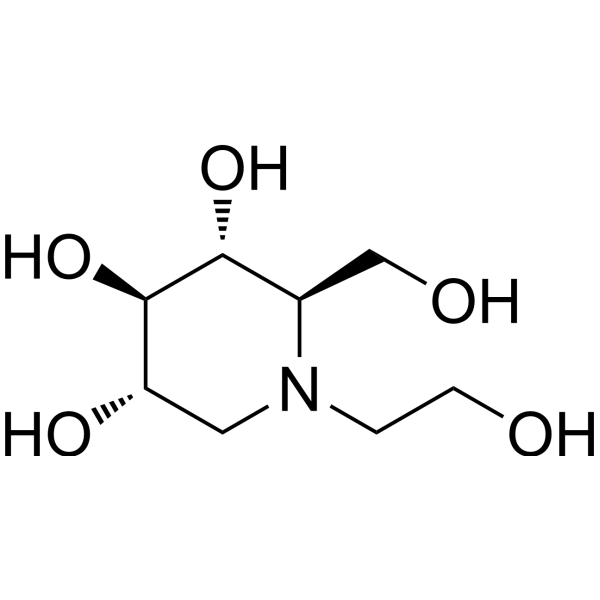
Miglitol (BAY-m1099) is an orally active antidiabetic compound that inhibits the breakdown of glycoconjugates into glucose. Miglitol inhibits glycoside hydrolase enzymes called α-glucosidases. Miglitol inhibits oxidative stress-induced apoptosis and mitochondrial ROS over-production in endothelial cells by enhancement of AMP-activated protein kinase. Dietary supplementation with Miglitol from pre-onset stage in OLETF rats delays the onset and development of diabetes and preserves the insulin secretory function of pancreatic islets .
loading...
    loading...
3
3 Cited Publications
Cat. No.: HY-P9930
CAS No.: 1256937-27-5
Synonyms: AMG 145
Evolocumab (AMG 145) is a human monoclonal antibody that inhibits PCSK9. Evolocumab is used in the study of hypercholesterolemia and atherosclerotic cardiovascular disease. Evolocumab binds to circulating PCSK9 protein and inhibits its binding to LDLR. Evolocumab has antioxidant and cytoprotective activities against H2O2-induced oxidative damage to endothelial cells. Evolocumab may also negatively regulate activation of the TLR-4/NF-κB signaling pathway to prevent inflammation .
loading...
    loading...
3
3 Cited Publications
Cat. No.: HY-113225B
CAS No.: 103192-46-7
Synonyms: GTP tritris solution (100 mM)
Guanosine triphosphate (GTP) tritris solution (100 mM) is a critical nucleotide and regulator of cellular metabolism. Guanosine triphosphate tritris solution (100 mM) promotes ribosomal DNA localization, pre-rRNA transcription and ribosome biogenesis by binding to RNA polymerase I and GPN proteins (GPN1/3). Guanosine triphosphate tritris solution (100 mM) links MYC-dependent ribosome biogenesis to nucleotide sufficiency, acts as a metabolic gatekeeper supporting protein synthesis, DNA/RNA synthesis and cellular signal transduction, while also participating in the physiological activities of pancreatic β-cells and serving as an oxidative substrate for reactive oxygen species. In small cell lung cancer with high MYC expression, Guanosine triphosphate tritris solution (100 mM) accumulates through the IMPDH-driven synthetic pathway, thereby affecting apoptosis and mitotic processes. Guanosine triphosphate tritris solution (100 mM) is used in the research of small cell lung cancer, hepatoblastoma and cellular metabolism .
loading...
    loading...
2
2 Cited Publications
Cat. No.: HY-131901
CAS No.: 637-03-6
Purity:  99.32%
Synonyms: Oxophenylarsine; PhAsO; Arsenosobenzene
Research Areas:  

Others

Phenylarsine oxide (PAO), an inhibitor of endocytosis, inhibits PTPε with an IC50 of 18 μM. Phenylarsine oxide (PAO) inhibits oxygen consumption and decreases cellular ATP content overlap with those used to inhibit protein internalization .
loading...
    loading...
2
2 Cited Publications
Cat. No.: HY-N4170
CAS No.: 23725-05-5
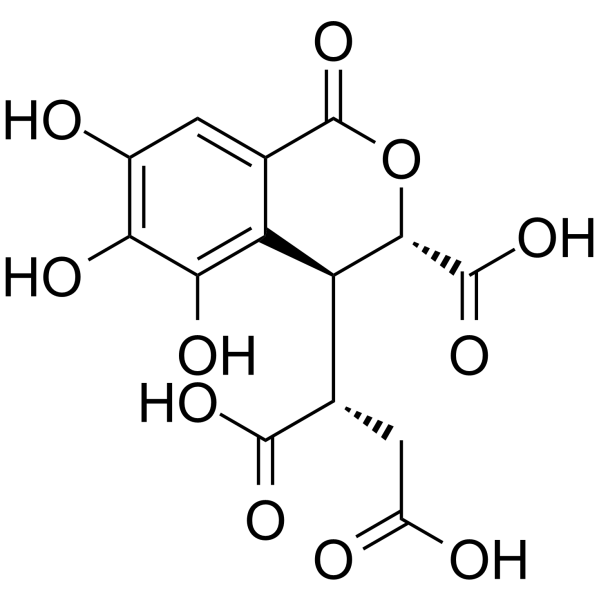
Chebulic acid is a phenolic acid compound isolated from Terminalia chebula with strong antioxidant activity, which breaks protein cross-links induced by advanced glycation end products (AGEs) and inhibits the formation of AGEs. Chebulic acid is effective in controlling elevated metabolic parameters, oxidative stress, and liver damage, supporting its beneficial role in asthma, diabetes, and liver protection .
loading...
    loading...
2
2 Cited Publications
Cat. No.: HY-125039
CAS No.: 1287585-40-3
Purity:  99.57%
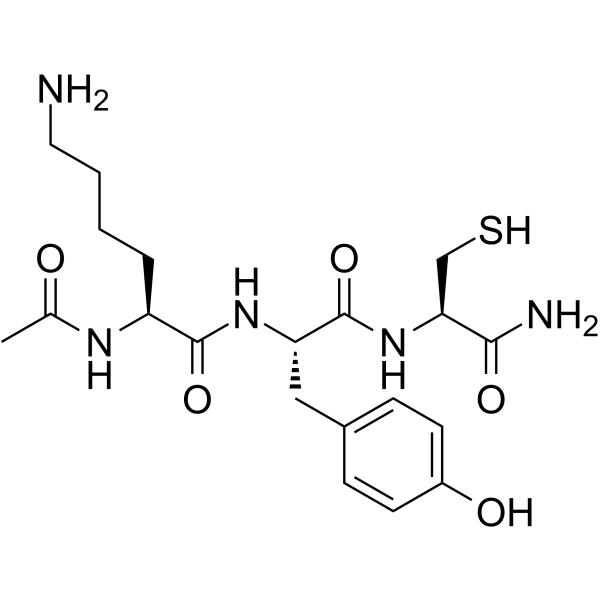
N-Acetyl lysyltyrosylcysteine amide is a potent, reversible, specific, and non-toxic tripeptide inhibitor of myeloperoxidase (MPO). N-Acetyl lysyltyrosylcysteine amide effectively inhibits MPO generation of toxic oxidants in vivo. N-Acetyl lysyltyrosylcysteine amide reduces neuronal damage and preserves brain tissue and neurological function in the stroked brain. N-Acetyl lysyltyrosylcysteine amide inhibits MPO-dependent hypochlorous acid (HOCl) generation, protein nitration, and LDL oxidation .
loading...
    loading...
2
2 Cited Publications
Cat. No.: HY-W012722
CAS No.: 816-66-0
Synonyms: α-Ketoisocaproic acid
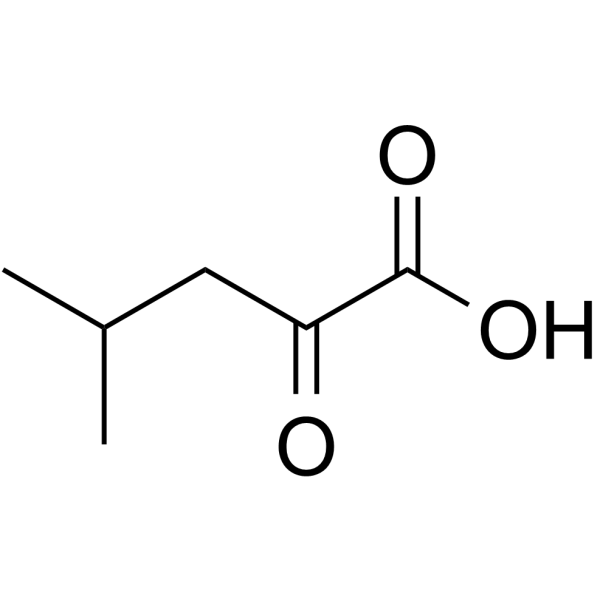
4-Methyl-2-oxopentanoic acid (α-Ketoisocaproic acid) is a metabolite of L-leucine and is involved in energy metabolism. 4-Methyl-2-oxopentanoic acid increases endoplasmic reticulum stress, promotes lipid accumulation in preadipocytes and insulin resistance by impairing mTOR and autophagy signaling pathways. 4-Methyl-2-oxopentanoic acid also causes oxidative damage, leading to cognitive deficits, inhibits α-ketoglutarate dehydrogenase activity, acts as an oxidative phosphorylation uncoupler and metabolic inhibitor. 4-Methyl-2-oxopentanoic acid acts as a nutrient signal and stimulates skeletal muscle protein synthesis. 4-Methyl-2-oxopentanoic acid can be used in the study of maple syrup urine disease .
loading...
    loading...
2
2 Cited Publications
Cat. No.: HY-13981
CAS No.: 1165910-22-4
Purity:  99.93%
Synonyms: LGD-4033
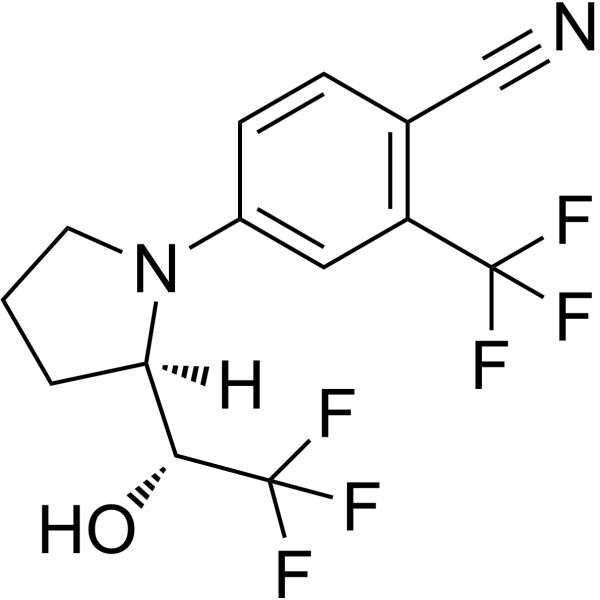
Ligandrol is an orally active, selective androgen receptor (AR) agonist. Ligandrol enhances protein synthesis, inhibits muscle breakdown and oxidative stress, improves muscle cell viability and bone tissue microstructure, and reduces Cisplatin (HY-17394)-induced muscle toxicity and apoptosis. Ligandrol promotes muscle growth, protects bone structure, and has anti-diabetic, anti-apoptotic and antioxidant effects. Ligandrol can antagonize Streptozotocin (HY-13753) damage to pancreatic islets and improve the symptoms of type 2 diabetes .
loading...
    loading...
2
2 Cited Publications
Cat. No.: HY-N6818
CAS No.: 5631-70-9
Synonyms: TMF
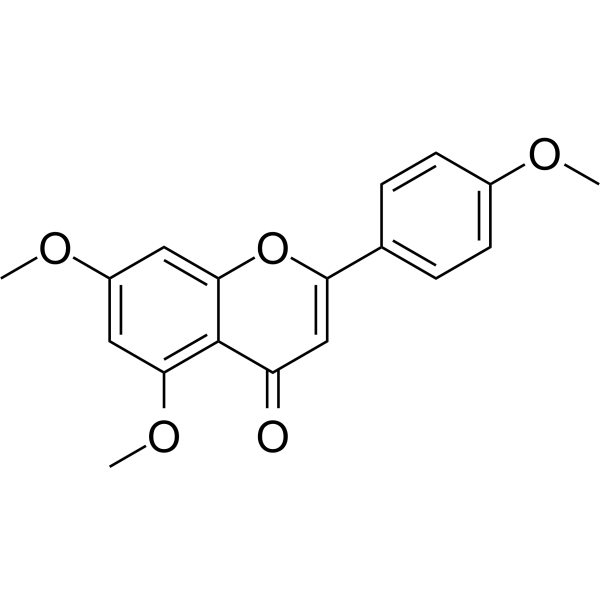
5,7,4’-Trimethoxyflavone can be isolated from the medicinal plant Kaempferia parviflora (KP). 5,7,4’-Trimethoxyflavone is a CFTR activator and EC50 is 64 μM. 5,7,4’-Trimethoxyflavone induces apoptosis, increases proteolytic activation of caspase-3, and degradation of ADP-ribose polymerase (PARP) protein. 5,7,4’-Trimethoxyflavone has antitumor activity. 5,7,4’-Trimethoxyflavone can be used to prevent skin aging and oxidative stress .
loading...
    loading...
2
2 Cited Publications
Cat. No.: HY-N0541
CAS No.: 69884-00-0
Synonyms: Ginsenoside A1
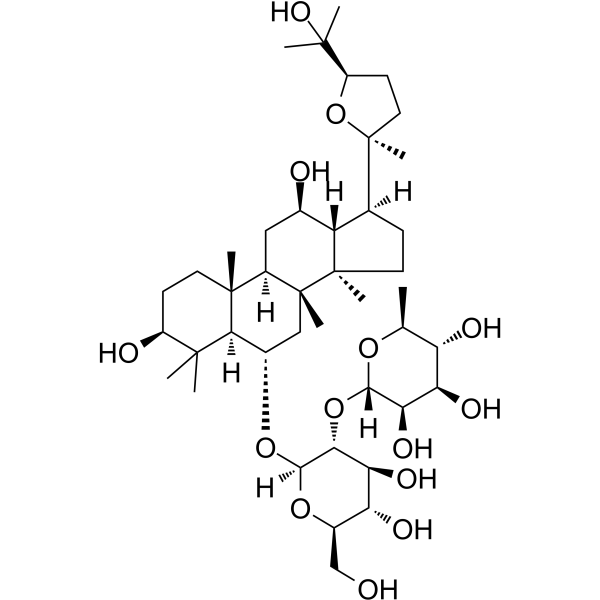
Pseudoginsenoside F11 is an orally active neuroprotective agent. Pseudoginsenoside F11 reduces the expression of β-amyloid precursor protein, inhibits the production of Aβ1-40, downregulates the expression of JNK2, p53 and activated Caspase 3, and restores the activities of SOD and Glutathione peroxidase. Pseudoginsenoside F11 inhibits the excessive activation of μ-Calpain and restores the level of neuronal Nitric oxide synthase. Pseudoginsenoside F11 reduces infarct volume, alleviates cerebral edema, decreases neuronal loss, improves neurological deficits and enhances long-term functional outcomes in transient cerebral ischemia models. Pseudoginsenoside F11 antagonizes Methamphetamine-induced behavioral deficits, dopamine level reduction and neurotoxicity without altering the baseline behaviors of normal mice. Pseudoginsenoside F11 can be used in studies related to Alzheimer's disease, transient cerebral ischemic injury and Methamphetamine-induced neurotoxicity .
loading...
    loading...
2
2 Cited Publications
Cat. No.: HY-N0735
CAS No.: 104112-82-5
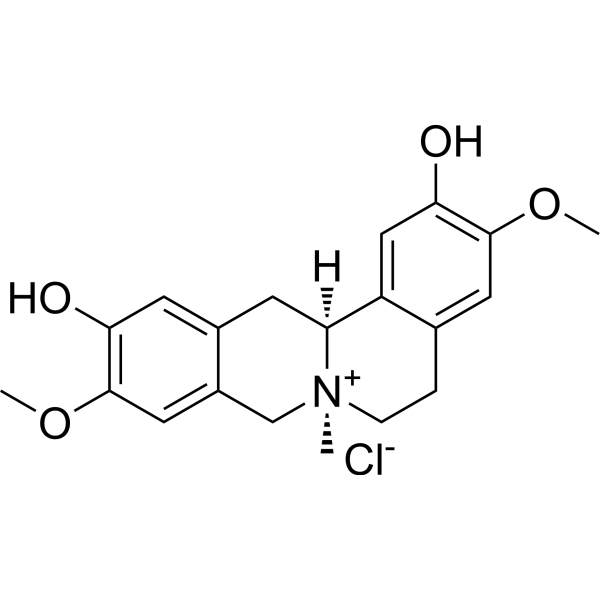
Phellodendrine chloride is an orally active plant alkaloid. Phellodendrine chloride inhibits the proliferation of KRAS-mutated pancreatic cancer cells by suppressing macropinocytosis and glutamine metabolism, inducing ROS accumulation and mitochondrial apoptosis. Phellodendrine chloride promotes autophagy by activating the AMPK/mTOR pathway, alleviating intestinal damage in ulcerative colitis. Phellodendrine chloride can alleviate gouty arthritis by inhibiting the IL-6/STAT3 signaling pathway. Phellodendrine chloride suppresses allergic reactions by altering the conformation of MRGPRB3/MRGPRX2 protein, thereby inhibiting the activation of PKC and subsequent downstream MAPK and NF-κB signaling. Phellodendrine chloride inhibits the AKT/NF-κB pathway and down-regulates the expression of COX-2, thereby protecting zebrafish embryos from oxidative stress. Phellodendrine chloride has an anti-major depressive disorder (MDD) effect by down-regulating CHRM1, HTR1A, and the PI3K/Akt signaling pathway .
loading...
    loading...
1
1 Cited Publications
Cat. No.: HY-D0018
CAS No.: 620-45-1
Synonyms: Dichlorophenylindophenol sodium; DCPIP sodium; Indochlorophenol sodium
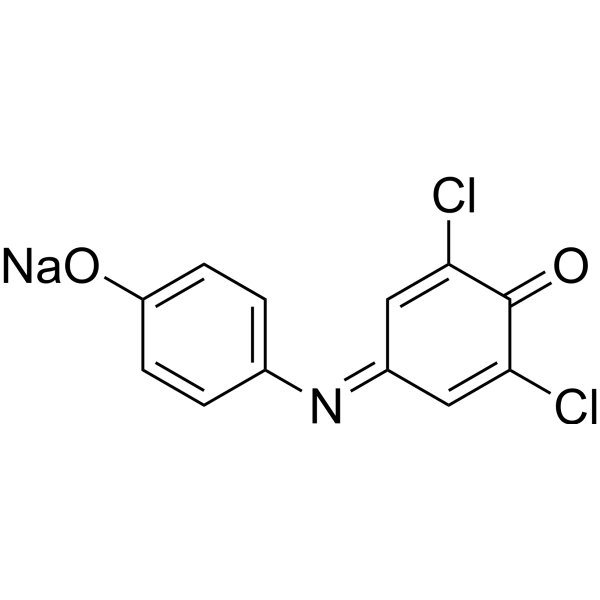
DCIP sodium is a blue dye commonly used in various biochemical and biotechnological applications as an indicator of redox reactions. DCIP sodium has unique chemical properties that change color according to the oxidation state of the substance being tested. It is commonly used in enzyme assays, such as measuring the activity of succinate dehydrogenase, or in protein quantification methods, such as the Lowry assay.
loading...
    loading...

