767 Results for "

PPAR

" in MedChemExpress (MCE) Product Catalog:
Products (767)

767 Results for "PPAR" in MCE Product Catalog:

  • Categories Recommended:
    More
Cat. No.: HY-N0853R
CAS No.: 19885-10-0
Alisol A (Standard) is the analytical standard of Alisol A (HY-N0853). This product is intended for research and analytical applications. Alisol A is an orally active tetracyclic triterpenoid compound of the prototerpane type. Alisol A can be extracted from the rhizome of Alisma orientale. Alisol A activates AMPK/ACC/SREBP-1c, SIRT1, PPARα, inhibits MMP-2/-9, decreases inflammatory cytokine expression (IL-1β, IL-6, IL-8). Alisol A has anti-tumor activity against breast cancer and colorectal cancer. Alisol A has anti-obesity and anti-atherosclerotic activities. Alisol A can be used in the research of hepatitis B, breast cancer, colorectal cancer, atherosclerosis, and obesity .
loading...
    loading...
Cat. No.: HY-N6812
CAS No.: 39089-30-0
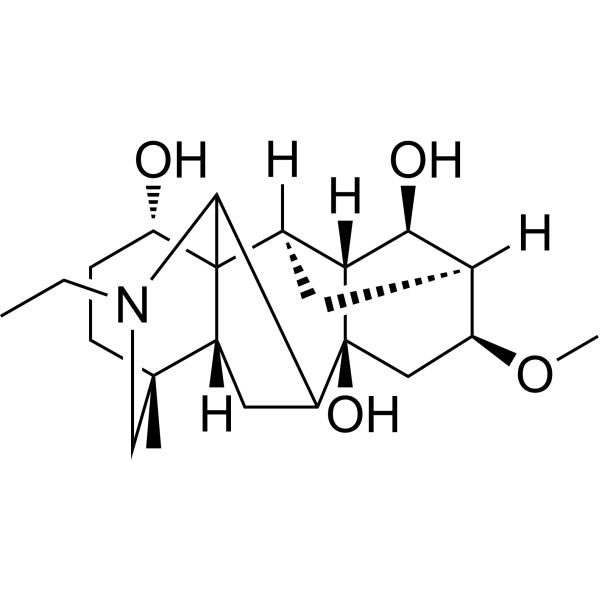
Karacoline is an orally active PPARγ activator and ERK/JNK MAPK inhibitor. Karacoline restricts ROS production, maintains mitochondrial membrane potential, and inhibits pulmonary cell apoptosis. Karacoline inhibits NF-κB pathway activation, reduces acetylation levels of p65 and the expression of MMP14 and MMP9, enhances the expression of type II collagen (collagen II) and aggrecan (aggrecan), and suppresses extracellular matrix degradation. In a mouse model of sepsis-induced acute lung injury, Karacoline alleviates lung injury, inhibits the release of IL-1β, IL-6 and TNF-α, increases the Bcl-2/BAX ratio, and reduces caspase 3 expression. Karacoline can be used in research related to acute lung injury and intervertebral disc degeneration .
loading...
    loading...
Cat. No.: HY-P85872
Synonyms: Mediator of RNA polymerase II transcription subunit 1; Activator-recruited cofactor 205 kDa component; ARC205; Mediator complex subunit 1; Peroxisome proliferator-activated receptor-binding protein; PBP; PPAR-binding protein; Thyroid hormone receptor-associated protein complex 220 kDa component; Trap220; Thyroid receptor-interacting protein 2; TR-interacting protein 2; TRIP-2; Vitamin D receptor-interacting protein complex component DRIP205;

Host:  

Mouse

Application:  

WB, ICC/IF, ELISA

Reactivity:  

Human

loading...
    loading...
Cat. No.: HY-Y1322
CAS No.: 115-86-6
Triphenyl phosphate is an orally active, blood-brain barrier-permeable aryl organophosphate flame retardant and endocrine disruptor. Triphenyl phosphate disrupts mitochondrial dynamic balance through oxidative stress, induces excessive mitophagy and apoptosis, and ultimately leads to myocardial fibrosis. In the brain, Triphenyl phosphate activates the NF-κB inflammatory pathway by disrupting the gut microbiota, alters tryptophan metabolism and elevates neurotoxins, thereby inducing anxiety- and depression-like behaviors. In the skeletal and reproductive systems, Triphenyl phosphate inhibits osteoblast differentiation and induces germ cell apoptosis by suppressing the MAPK/ERK pathway and activating the JNK signal, respectively. In adipose and placental tissues, Triphenyl phosphate promotes lipid accumulation by activating the PI3K/AKT-PPARγ axis, and disrupts placental metabolism via the MAOA/ROS/NF-κB cascade, impairing neurodevelopment of offspring .
loading...
    loading...
Cat. No.: HY-Y1322S
CAS No.: 1173020-30-8
Synonyms: Celluflex TPP-d15; DHPF 005-d15; Disflamol TP-d15; Disflamoll TP-d15; NSC 57868-d15; Phenyl phosphate ((PhO)3PO)-d15; Phoscon FR 903N-d15
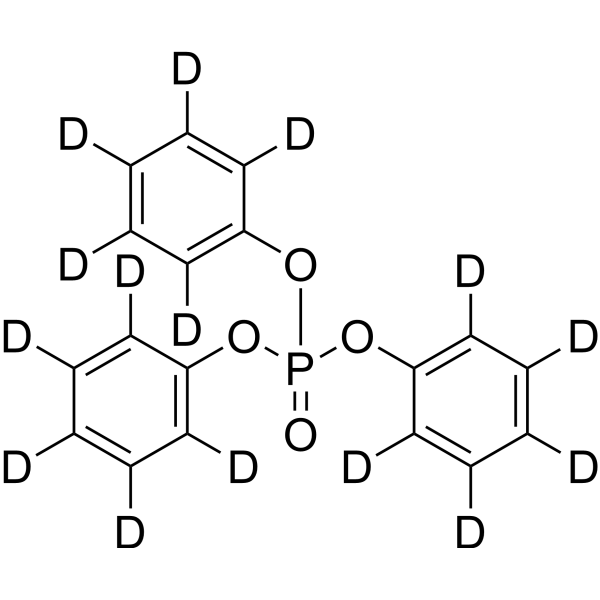
Triphenyl phosphate-d15 is the deuterium labeled Triphenyl phosphate. Triphenyl phosphate is an orally active, blood-brain barrier-permeable aryl organophosphate flame retardant and endocrine disruptor. Triphenyl phosphate disrupts mitochondrial dynamic balance through oxidative stress, induces excessive mitophagy and apoptosis, and ultimately leads to myocardial fibrosis. In the brain, Triphenyl phosphate activates the NF-κB inflammatory pathway by disrupting the gut microbiota, alters tryptophan metabolism and elevates neurotoxins, thereby inducing anxiety- and depression-like behaviors. In the skeletal and reproductive systems, Triphenyl phosphate inhibits osteoblast differentiation and induces germ cell apoptosis by suppressing the MAPK/ERK pathway and activating the JNK signal, respectively. In adipose and placental tissues, Triphenyl phosphate promotes lipid accumulation by activating the PI3K/AKT-PPARγ axis, and disrupts placental metabolism via the MAOA/ROS/NF-κB cascade, impairing neurodevelopment of offspring.
loading...
    loading...
Cat. No.: HY-113205S
CAS No.: 2738376-66-2
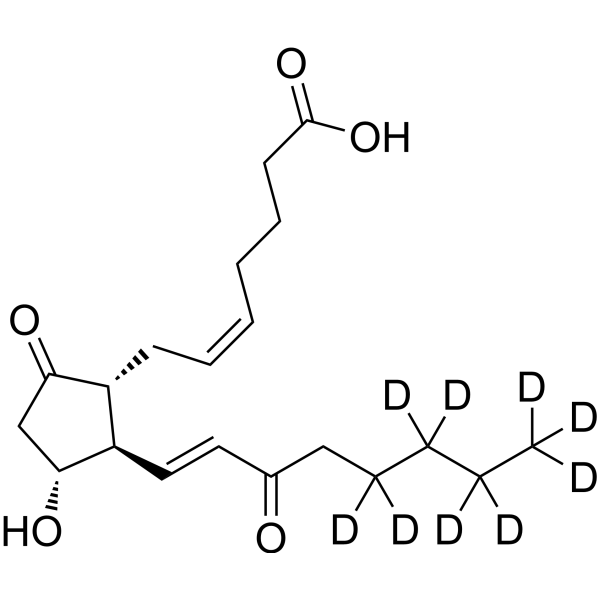
15-Keto-prostaglandin E2-d9 is the d9 labeled 15-keto-Prostaglandin E2 (HY-113205). 15-keto-Prostaglandin E2 (15-keto-PGE2) is an endogenous PGE2 metabolite. 15-keto-Prostaglandin E2 inhibits STAT3 activation by binding to the Cys259 residue of STAT3. 15-keto-Prostaglandin E2 binds to and stabilizes EP2 and EP4 receptors. 15-keto-Prostaglandin E2 inhibits the growth and progression of breast cancer cells. 15-keto-Prostaglandin E2 activates PPAR-γ and promotes fungal growth. 15-keto-Prostaglandin E2 disrupts glomerular vascularization during zebrafish development and reduces the surface area of the glomerular filtration barrier .
loading...
    loading...
Cat. No.: HY-113205S1
CAS No.: 2738376-85-5
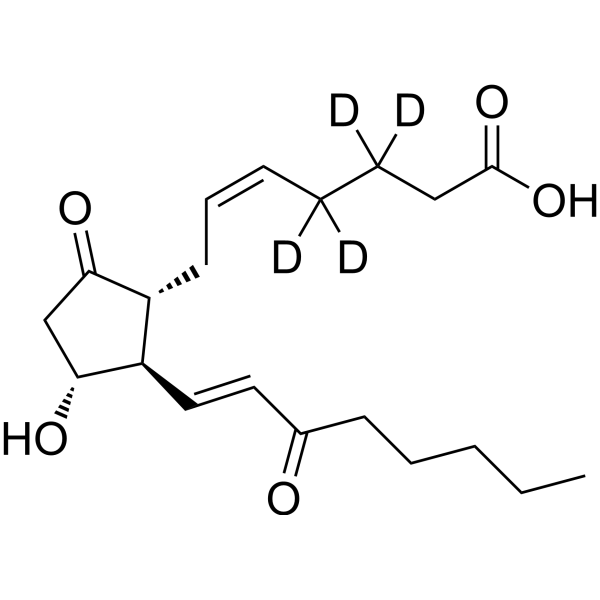
15-Keto-prostaglandin E2-d4 is the d4 labeled 15-keto-Prostaglandin E2 (HY-113205). 15-keto-Prostaglandin E2 (15-keto-PGE2) is an endogenous PGE2 metabolite. 15-keto-Prostaglandin E2 inhibits STAT3 activation by binding to the Cys259 residue of STAT3. 15-keto-Prostaglandin E2 binds to and stabilizes EP2 and EP4 receptors. 15-keto-Prostaglandin E2 inhibits the growth and progression of breast cancer cells. 15-keto-Prostaglandin E2 activates PPAR-γ and promotes fungal growth. 15-keto-Prostaglandin E2 disrupts glomerular vascularization during zebrafish development and reduces the surface area of the glomerular filtration barrier .
loading...
    loading...
Cat. No.: HY-113512
CAS No.: 90780-52-2
Purity:  98.8%
17-HDHA is a DHA-derived specialized pro-resolving mediator (SPM). 17-HDHA inhibits NF-κB activation by activating PPARγ and upregulating IκBα, targets FPR2 and Bcl-6, and also acts as a precursor of RvD1 and PD1. 17-HDHA inhibits pulmonary artery smooth muscle cell proliferation, regulates the expression of adiponectin, GLUT-4 and inflammatory cytokines, suppresses IgE production by B cells and promotes antibody secretion. 17-HDHA reduces adipose tissue inflammation, improves insulin sensitivity and glucose tolerance, alleviates pathological processes associated with pulmonary hypertension, and enhances antibody responses and virus neutralizing activity against influenza HA. 17-HDHA can be used in research related to obesity-associated inflammation, insulin resistance, glucose intolerance, pulmonary hypertension and influenza virus infection .
loading...
    loading...
Cat. No.: HY-N1983R
CAS No.: 38395-02-7
Caudatin (Standard) is the analytical standard of Caudatin (HY-N1983). This product is intended for research and analytical applications. Caudatin is an orally active and brain-penetrant C-21 steroidal found in Cynanchum bungei decne with a variety of biological activities. Caudatin can inhibit cell proliferation, migration, invasion, cause cell phase arrest, induce apoptosis, autophagy, ROS prodution and loss of mitochondrial membrane potential. Caudatin activates PARP, caspase-3, -7, -9, upregulates pro-apoptotic Bad and Bax and downregulates anti-apoptotic Bcl-2 and Bcl-XL. Caudatin suppresses VEGF, FAK phosphorylation, upregulates p21, p27, DR5 protein expression, activates the p38 MAPK, JNK and PPARα/TFEB-mediated autophagy-lysosomal signaling pathways. Caudatin can be used for the research of cancer, inflammation and neurological disease, such as glioma and Alzheimer's disease .
loading...
    loading...
Cat. No.: HY-W014589R
CAS No.: 96-76-4
Synonyms: 2,4-DTBP (Standard)
2,4-Di-tert-butylphenol (Standard) is the analytical standard of 2,4-Di-tert-butylphenol (HY-W014589). This product is intended for research and analytical applications. 2,4-Di-tert-butylphenol (2,4-DTBP) is an orally active RXRα activator and a human estrogen receptor ligand with anti-inflammatory and antioxidant activities, which can induce apoptosis in tumor cells. 2,4-Di-tert-butylphenol can activate the RXRα subtype in LXRα/RXRα, PPARγ/RXRα, and hormone receptor β/RXRα. 2,4-Di-tert-butylphenol also has antiviral and antifungal activities, and has the potential to inhibit Aβ-induced neurotoxicity. 2,4-Di-tert-butylphenol can be used as an intermediate in the preparation of antioxidants and UV stabilizers, and is also used in the manufacture of pharmaceuticals and fragrances .
loading...
    loading...
Cat. No.: HY-127167
CAS No.: 4143-64-0
Purity:  98.61%
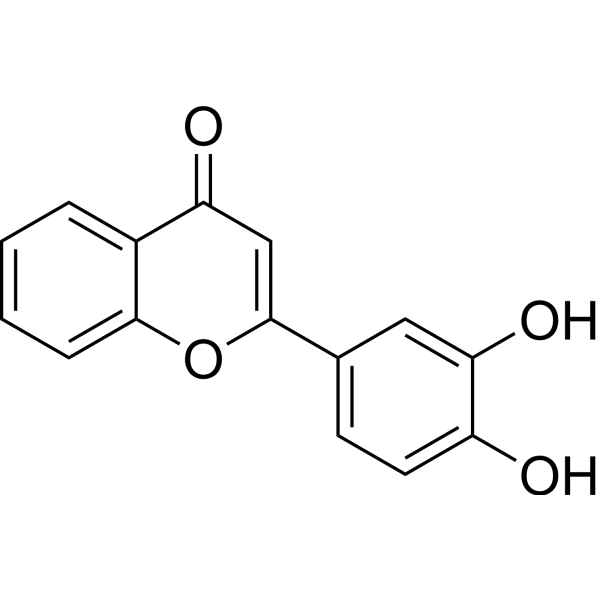
3',4'-Dihydroxyflavone is an orally active antioxidant. 3',4'-Dihydroxyflavone inhibits the NF-κB, JAK1/STAT1, AP-1, IRF3, and MAPK/MEK/ERK pathways, while activating Nrf2 and reducing Keap1, thereby exerting anti-inflammatory and antioxidant effects. 3',4'-Dihydroxyflavone inhibits NO, PGE2, pro-inflammatory cytokines, and ROS production, upregulates GSH, and activates KATP channels, adenosine A3 receptors, and GABAA receptors. 3',4'-Dihydroxyflavone inhibits PPARγ expression and adipogenic differentiation, induces osteogenic differentiation; it also inhibits 5-lipoxygenase and xanthine oxidase, weakly inhibits PARP1, and scavenges DPPH and superoxide radicals. 3',4'-Dihydroxyflavone can be used for research on peripheral nerve injury, septic shock, obesity, influenza A virus infection, infertility, and diabetic complications .
loading...
    loading...
Cat. No.: HY-N17617
CAS No.: 70238-51-6
S-Petasin is a phosphodiesterase (PDE) inhibitor with IC50 values of 25.5 μM and 17.5 μM for PDE3 and PDE4, respectively. S-Petasin inhibits cholesterol side-chain cleavage enzyme, 11β-hydroxylase, PPAR-γ, and iNOS induction at RNA and protein levels. S-Petasin induces apoptosis, activates caspases, cleaves PARP, modulates mitochondrial membrane permeability, and regulates BCL2/BAX, p53, Bcl-XL, MMP-2, MMP-9, p21, CDK4, and cyclin D1 expression. S-Petasin reduces inflammatory cell accumulation, cytokine and IgE levels, and enhances serum IgG2a levels. S-Petasin relaxes isolated sensitized guinea pig trachealis and exhibits gastrointestinal anti-spasmodic activity. S-Petasin reduces tonsillitis severity and asthmatic attack frequency. S-Petasin can be used for the research of prostate cancer, obesity, melanoma, allergic asthma, asthma, and peritonitis .
loading...
    loading...
Cat. No.: HY-W014589S
CAS No.: 1577233-55-6
Synonyms: 2,4-DTBP-d19
2,4-Di-tert-butylphenol-d19 (2,4-DTBP-d19) is the deuterium labeled 2,4-Di-tert-butylphenol (HY-W014589). 2,4-Di-tert-butylphenol (2,4-DTBP) is an orally active RXRα activator and a human estrogen receptor ligand with anti-inflammatory and antioxidant activities, which can induce apoptosis in tumor cells. 2,4-Di-tert-butylphenol can activate the RXRα subtype in LXRα/RXRα, PPARγ/RXRα, and hormone receptor β/RXRα. 2,4-Di-tert-butylphenol also has antiviral and antifungal activities and has the potential to inhibit Aβ-induced neurotoxicity. 2,4-Di-tert-butylphenol can be used as an intermediate in the preparation of antioxidants and UV stabilizers, and is also used in the manufacture of drugs and fragrances .
loading...
    loading...
Cat. No.: HY-W749327
CAS No.: 1413431-25-0
Synonyms: 2,4-DTBP-d21
2,4-Di-tert-butylphenol-d21 (2,4-DTBP-d21) is the deuterium labeled 2,4-Di-tert-butylphenol (HY-W014589). 2,4-Di-tert-butylphenol (2,4-DTBP) is an orally active RXRα activator and a human estrogen receptor ligand with anti-inflammatory and antioxidant activities, which can induce apoptosis in tumor cells. 2,4-Di-tert-butylphenol can activate the RXRα subtype in LXRα/RXRα, PPARγ/RXRα, and hormone receptor β/RXRα. 2,4-Di-tert-butylphenol also has antiviral and antifungal activities and has the potential to inhibit Aβ-induced neurotoxicity. 2,4-Di-tert-butylphenol can be used as an intermediate in the preparation of antioxidants and UV stabilizers, and is also used in the manufacture of drugs and fragrances .
loading...
    loading...
Cat. No.: HY-125848
CAS No.: 62025-49-4
Purity:  99.95%
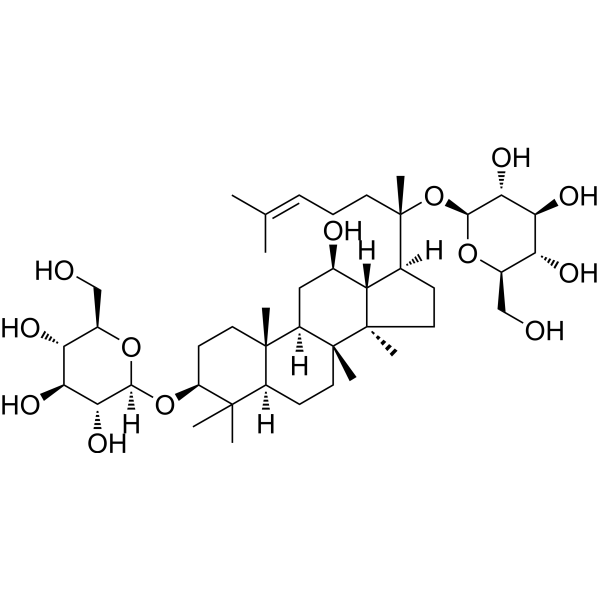
Ginsenoside F2 is an orally active bioactive compound that participates in the regulation of metabolism and inflammation. Ginsenoside F2 promotes the phosphorylation of AMPK and ACC, binds to PPARγ, inhibits the phosphorylation of MAPK, activates the PI3K/AKT/GSK-3β pathway, reduces GLRX expression, and regulates lipid metabolism. Ginsenoside F2 reduces ROS production and MDA levels, restores SOD activity in cells, and alleviates oxidative stress. Ginsenoside F2 induces cell apoptosis (Apoptosis) and increases the number of cleaved caspase-3-positive cells. Ginsenoside F2 reduces body weight gain, adipose tissue weight and serum lipid levels in obese mice, and activates the hepatic AMPK signaling pathway and the expression of antioxidant enzymes. Ginsenoside F2 alleviates atopic dermatitis in mice by inhibiting inflammation and reshaping the gut microbiota . Ginsenoside F2 is applicable to research related to insulin resistance, obesity, atopic dermatitis, liver cancer, glioblastoma and glioma .
loading...
    loading...
Cat. No.: HY-N2481R
CAS No.: 36948-76-2
Synonyms: Oroxyloside (Standard); Oroxylin A-7-O-β-D-glucuronide (Standard)
Oroxylin A-7-O-glucuronide (Standard) is the analytical standard of Oroxylin A-7-O-glucuronide (HY-N2481). This product is intended for research and analytical applications. Oroxylin A-7-O-glucuronide (oroxyloside) is an orally active flavonoid glucuronide and metabolite of Oroxylin A (HY-N0560). Oroxylin A-7-O-glucuronide can be extracted from the dried root of Scutellaria baicalensis. Oroxylin A-7-O-glucuronide exhibits prolyl oligopeptidase inhibitory activity. Oroxylin A-7-O-glucuronide inhibits the JNK pathway, upregulates PPARγ, and inhibits NF-κB p65 nuclear translocation. Oroxylin A-7-O-glucuronide reduces cytokine (IL-1β, IL-6) production. Oroxylin A-7-O-glucuronide exhibits anti-angiogenic, anti-tumor (glioma, liver cancer), anti-inflammatory, and hepatoprotective activities .
loading...
    loading...
Cat. No.: HY-116115
CAS No.: 1233715-33-7
Synonyms: 17-Oxo-DPA; 17-Oxo-7(Z),10(Z),13(Z),15(E),19(Z)-DPA
Target:  

NF-κB PPAR

Research Areas:  

Inflammation/Immunology

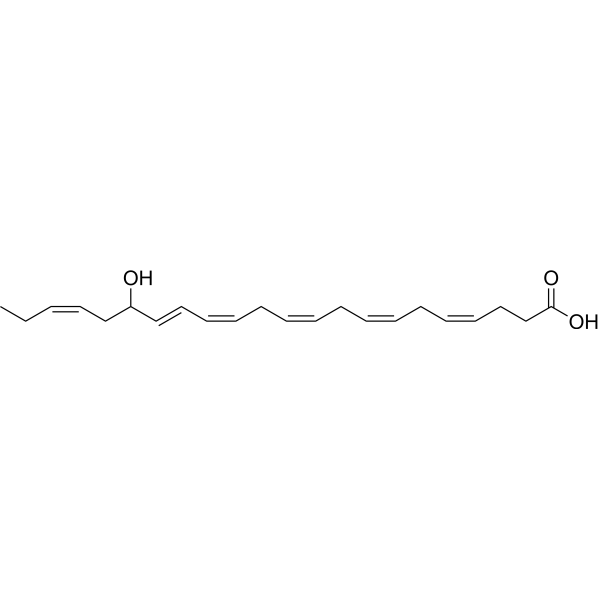
17-Oxo-7(Z),10(Z),13(Z),15(E),19(Z)-docosapentaenoic acid (17-Oxo-DPA; 17-Oxo-7(Z),10(Z),13(Z),15(E),19(Z)-DPA) is an electrophilic oxo-derivative (EFOX) of the docosahexaenoic acid (DHA) (HY-B2167). 17-Oxo-7(Z),10(Z),13(Z),15(E),19(Z)-docosapentaenoic acid is generated during inflammation by COX-2-catalyzed mechanism in activated macrophages. 17-Oxo-7(Z),10(Z),13(Z),15(E),19(Z)-docosapentaenoic acid acts as an agonist for PPARγ and a modulator for NF-κB signaling pathway, inhibits the production of pro-inflammatory cytokines and nitric oxide, and exhibits anti-inflammatory efficacy .
loading...
    loading...
Cat. No.: HY-154795
CAS No.: 658701-67-8
Purity:  99.81%
Synonyms: 18α-Glycyrrhizic acid Magnesium hydrate; 18α-GA Magnesium hydrate; 18α-Licorice-saponin H2 Magnesium hydrate
Magnesium isoglycyrrhizinate hydrate (18α-Glycyrrhizic acid Magnesium hydrate; 18α-GA Magnesium hydrate; 18α-Licorice-saponin H2 Magnesium hydrate) is a derivative of glycyrrhizic acid with oral activity. Magnesium isoglycyrrhizinate hydrate exhibits antioxidant, anti-inflammatory, hepatoprotective and cardioprotective activities. Magnesium isoglycyrrhizinate hydrate protects against ethanol-induced alcoholic liver disease in rats by upregulating the expression levels of SOD, GSH, PPAR-α and CPT-1 . Magnesium isoglycyrrhizinate hydrate shows cytotoxicity against T lymphocytes and inhibits HIV-1 replication in these cells . Magnesium isoglycyrrhizinate hydrate alleviates oxidative stress by reducing the levels of ROS, Nrf2, HO-1 and p-P65, and alleviates pyroptosis by downregulating the expression levels of NLRP3, GSDMD-N, P20 and c-IL-1β. Magnesium isoglycyrrhizinate hydrate inhibits autophagy, colonic fibrosis and myocardial fibrosis, and regulates intestinal barrier integrity. Magnesium isoglycyrrhizinate hydrate can be used in research related to alcoholic liver disease, HIV-1 infection, hepatotoxicity, acute liver failure, inflammatory bowel disease and myocardial fibrosis .
loading...
    loading...
Cat. No.: HY-N0515R
CAS No.: 945619-74-9
Ophiopogonin D (Standard) is the analytical standard of Ophiopogonin D. This product is intended for research and analytical applications. Ophiopogonin D can be isolated from the tubers of Ophiopogon japonicus, is a rare naturally occurring C29 steroidal glycoside. Ophiopogonin D is a CYP2J3 inducer that significantly inhibits Ang II induced NF-κB nuclear translocation, IκBα down-regulation, intracellular Ca2+ overload and activation of pro-inflammatory cytokines by increasing the expression of CYP2J2/EETs and PPARα in human umbilical vein endothelial cells (HUVECs). Ophiopogonin D can inhibit isteoclastic differentiation in RAW264.7 cells. Ophiopogonin D has protective effect as an antioxidant in H2O2-induced endothelial injury. Ophiopogonin D blocks ERK signaling cascades. Ophiopogonin D alleviates high-fat diet-induced metabolic syndrome and changes the structure of gut microbiota in mice. Ophiopogonin D has been used against inflammatory, metabolic and cardiovascular diseases .
loading...
    loading...
Cat. No.: HY-N1970R
CAS No.: 31721-94-5
5,7-Dihydroxychromone (Standard) is the analytical standard of 5,7-Dihydroxychromone (HY-N1970). This product is intended for research and analytical applications. 5,7-Dihydroxychromone is a flavonoid compound with antioxidant properties. 5,7-Dihydroxychromone induces Nrf2 nuclear translocation, increases Nrf2/ARE binding activity, and up-regulates Nrf2-dependent antioxidant genes HO-1, NQO1, GCLc. 5,7-Dihydroxychromone attenuates excessive ROS generation, inhibits activated caspase-3, caspase-9, cleaved PARP expression, and prevents neuronal apoptosis and cell death. 5,7-Dihydroxychromone increases LXRα and PPARγ mRNA expression, induces preadipocyte differentiation, and regulates blood glucose levels. 5,7-Dihydroxychromone inhibits radial growth of soil pathogenic fungi, radicle elongation of select seedlings, and transiently inhibits Bradyrhizobium sp. growth in high mannitol medium. 5,7-Dihydroxychromone can be used for the research of Parkinson’s disease, type 2 diabetes mellitus and pathogenic fungal infection .
loading...
    loading...

