3554 Results for "

fluorogenic caspace-3 substrate

" in MedChemExpress (MCE) Product Catalog:
Products (3554)

3554 Results for "fluorogenic caspace-3 substrate" in MCE Product Catalog:

  • Categories Recommended:
    More
7
7 Cited Publications
Cat. No.: HY-10873
CAS No.: 356068-97-8
Purity:  99.90%
Synonyms: SU-12662
Target:  

Drug Metabolite

Research Areas:  

Cancer

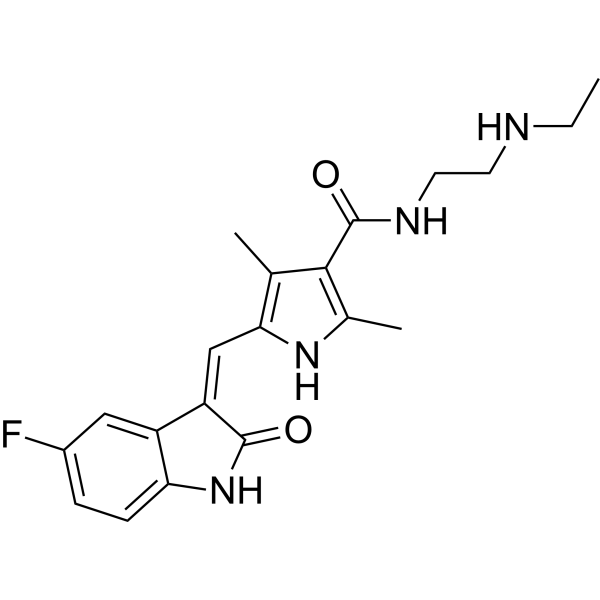
N-Desethyl Sunitinib (SU-12662) is a metabolite of Sunitinib (HY-10255A). N-Desethyl Sunitinib serves as a good transport substrate for human ABCB1, ABCG2 and murine ABCG2 [3].
loading...
    loading...
7
7 Cited Publications
Cat. No.: HY-112641A
CAS No.: 2558205-28-8
Purity:  99.92%
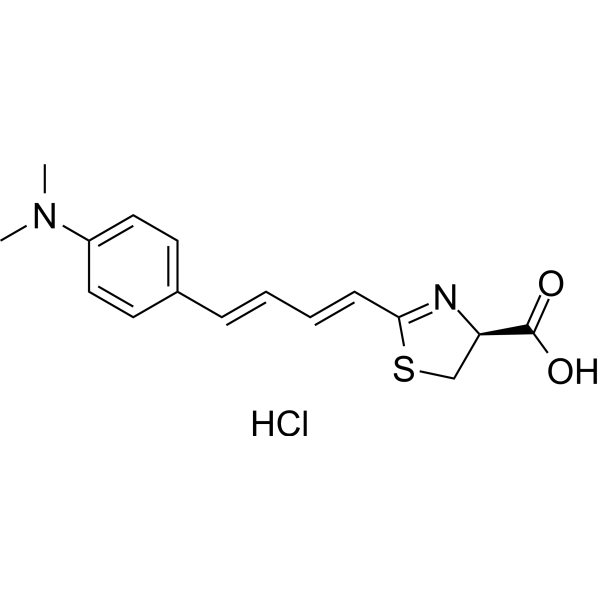
AkaLumine hydrochloride is a D-luciferin (HY-12591A) analogue with a Km of 2.06 μM for recombinant firefly luciferase (Fluc) protein. AkaLumine hydrochloride emits near-infrared (NIR) light (λmax=677 nm) in reactions with native Fluc. AkaLumine hydrochloride has high tissue-penetration and increases detection sensitivity from deep-tissue targets .
loading...
    loading...
7
7 Cited Publications
Cat. No.: HY-18962
CAS No.: 20324-87-2
Research Areas:  

Cancer

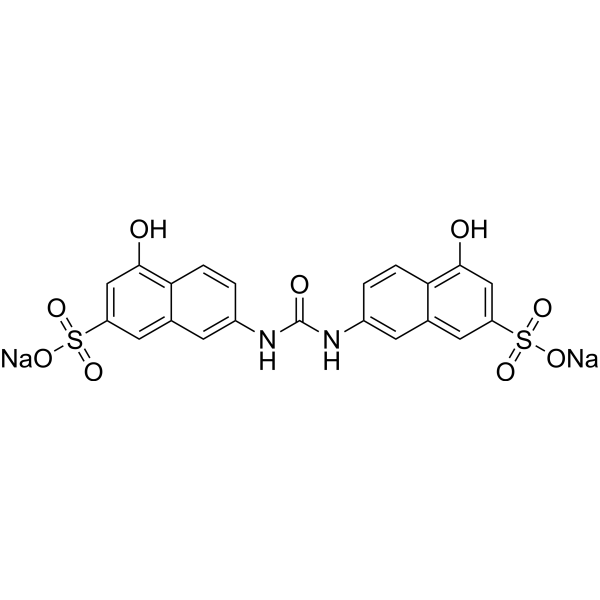
AMI-1 is a potent, cell-permeable and reversible inhibitor of protein arginine N-methyltransferases (PRMTs), with IC50s of 8.8 μM and 3.0 μM for human PRMT1 and yeast-Hmt1p, respectively. AMI-1 exerts PRMTs inhibitory effects by blocking peptide-substrate binding .
loading...
    loading...
7
7 Cited Publications
Cat. No.: HY-18962A
CAS No.: 134-47-4
Research Areas:  

Cancer

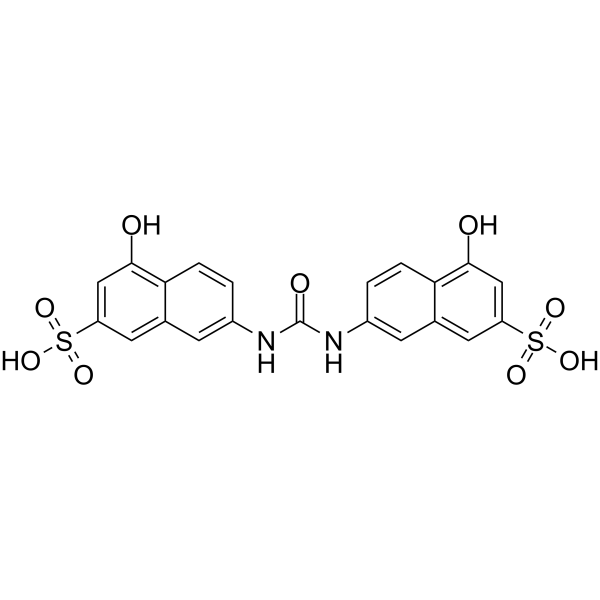
AMI-1 free acid is a potent, cell-permeable and reversible inhibitor of protein arginine N-methyltransferases (PRMTs), with IC50s of 8.8 μM and 3.0 μM for human PRMT1 and yeast-Hmt1p, respectively. AMI-1 free acid exerts PRMTs inhibitory effects by blocking peptide-substrate binding .
loading...
    loading...
7
7 Cited Publications
Cat. No.: HY-W011391
CAS No.: 67953-08-6
Target:  

Apoptosis ASCT

Research Areas:  

Cancer

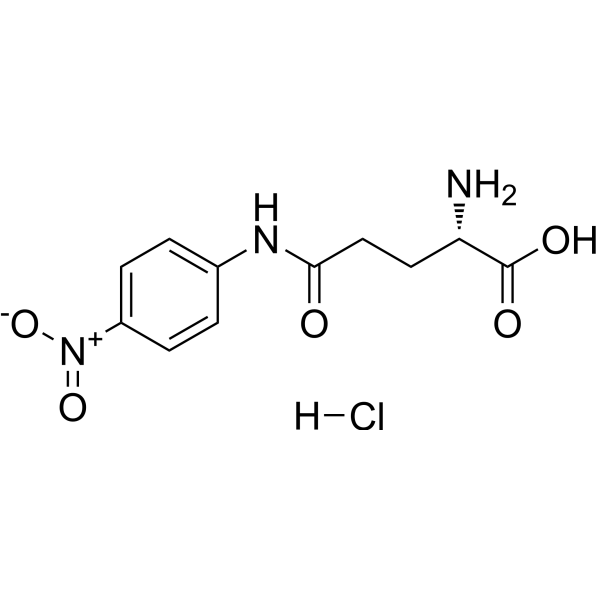
GPNA hydrochloride is a well known substrate of the enzyme γ-glutamyltransferase (GGT). GPNA hydrochloride is a specific glutamine (Gln) transporter ASCT2 inhibitor. GPNA hydrochloride also inhibit Na +-dependent carriers, such as SNAT family (SNAT1/2/4/5), and the Na +-independent leucine transporters LAT1/2. GPNA reversibly induces apoptosis in A549 cells .
loading...
    loading...
6
6 Cited Publications
Cat. No.: HY-15934
CAS No.: 7240-90-6
Synonyms: BCIG
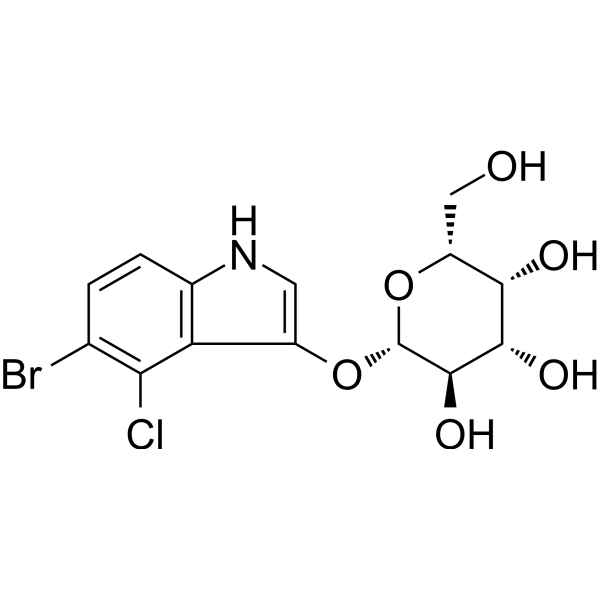
X-GAL (BCIG) is a widely used chromogenic β-galactosidase substrate. X-GAL is a colorless compound until cleaved by β-galactosidase, at which point X-GAL turns to an insoluble and detectable blue compound, making X-GAL particularly useful in techniques such as blue-white screening for cloning in bacteria. X-GAL can also be used for detection of β-galactosidase activity .
loading...
    loading...
6
6 Cited Publications
Cat. No.: HY-18743
CAS No.: 55779-48-1
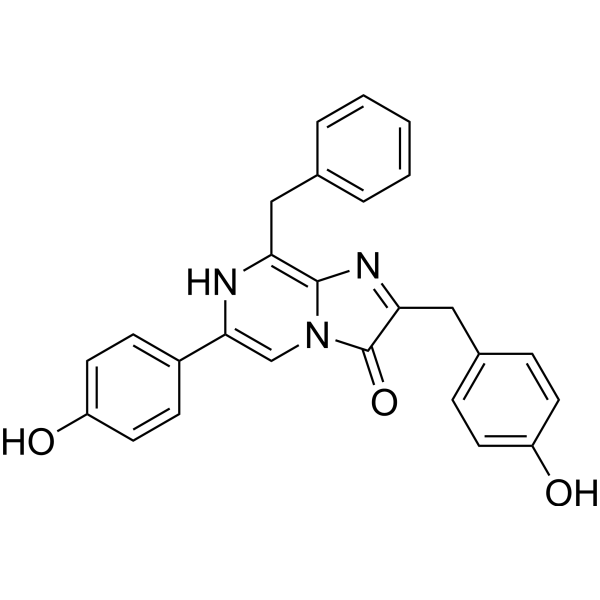
Coelenterazine is a luminescent enzyme substrate for apoaequorin and Renilla luciferase. Renilla luciferase and substrate coelenterazine has been used as the bioluminescence donor in bioluminescence resonance energy transfer (BRET) to detect protein-protein interactions. Coelenterazine is a superoxide anion-sensitive chemiluminescent probe and it can also be used in chemiluminescent detection of peroxynitrite (Ex/Em = 429/466 nm) [3].
loading...
    loading...
6
6 Cited Publications
Cat. No.: HY-18743A
Research Areas:  

Cancer

Coelenterazine TFA is a luminescent enzyme substrate for apoaequorin and Renilla luciferase. Renilla luciferase and substrate Coelenterazine TFA has been used as the bioluminescence donor in bioluminescence resonance energy transfer (BRET) to detect protein-protein interactions. Coelenterazine TFA is a superoxide anion-sensitive chemiluminescent probe and it can also be used in chemiluminescent detection of peroxynitrite (Ex/Em = 429/466 nm) [3].
loading...
    loading...
6
6 Cited Publications
Cat. No.: HY-100875
CAS No.: 78186-34-2
Purity:  98.08%
Synonyms: CL216942
Target:  

Topoisomerase

Research Areas:  

Cancer

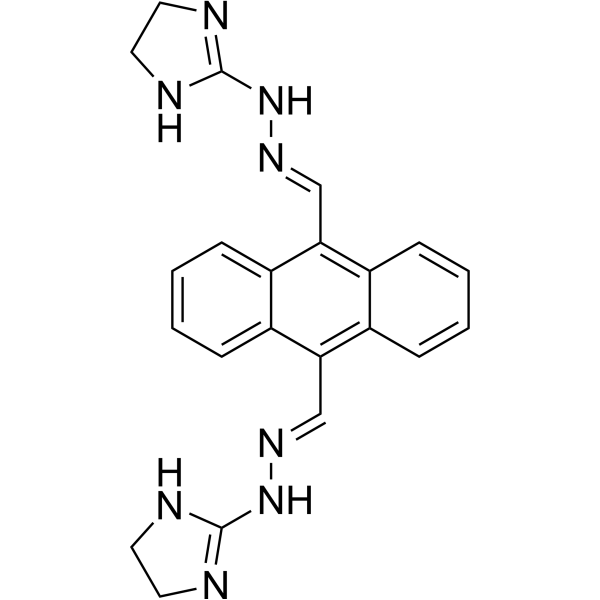
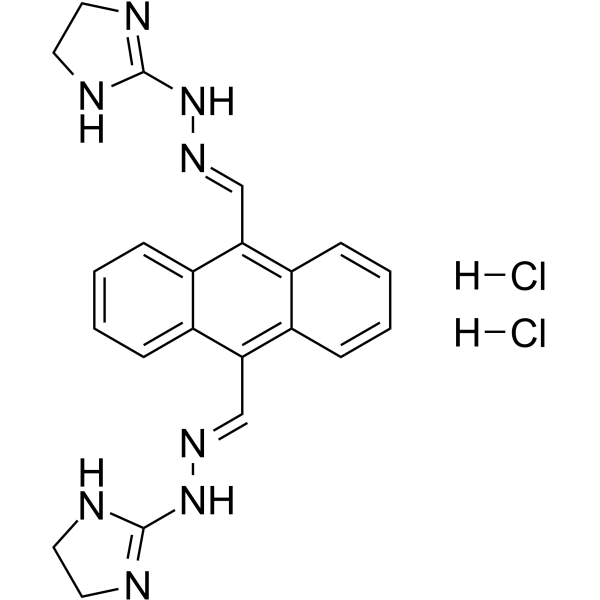
Bisantrene is a highly effective antitumor agent, it exerts its cytotoxicity by affecting DNA intercalation. Bisantrene targets eukaryotic type II topoisomerases. Bisantrene is a substrate of MDR1 [3] .
loading...
    loading...
6
6 Cited Publications
Cat. No.: HY-100875A
CAS No.: 71439-68-4
Purity:  98.86%
Synonyms: CL-216942 dihydrochloride
Target:  

Topoisomerase

Research Areas:  

Cancer

Bisantrene dihydrochloride is a highly effective antitumor agent, it exerts its cytotoxicity by affecting DNA intercalation. Bisantrene dihydrochloride targets eukaryotic type II topoisomerases. Bisantrene dihydrochloride is a substrate of MDR1 [3] .
loading...
    loading...
6
6 Cited Publications
Cat. No.: HY-15779A
CAS No.: 1449240-68-9
Purity:  99.62%
Target:  

SphK Apoptosis

Research Areas:  

Cancer

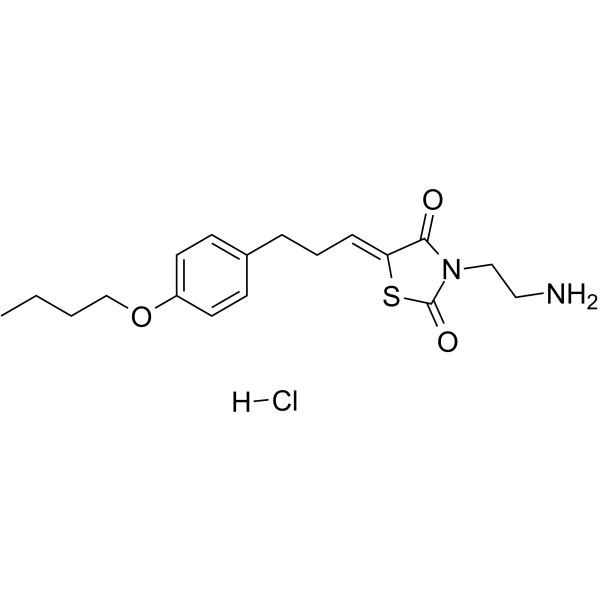
K145 hydrochloride is a selective, substrate-competitive and orally active SphK2 inhibitor with an IC50 of 4.3 μM and a Ki of 6.4 μM. K145 hydrochloride is inactive against SphK1 and other protein kinases. K145 hydrochloride induces cell apoptosis and has potently antitumor activity .
loading...
    loading...
6
6 Cited Publications
Cat. No.: HY-108631
CAS No.: 1190332-25-2
Purity:  99.68%
Target:  

PARP

Research Areas:  

Inflammation/Immunology

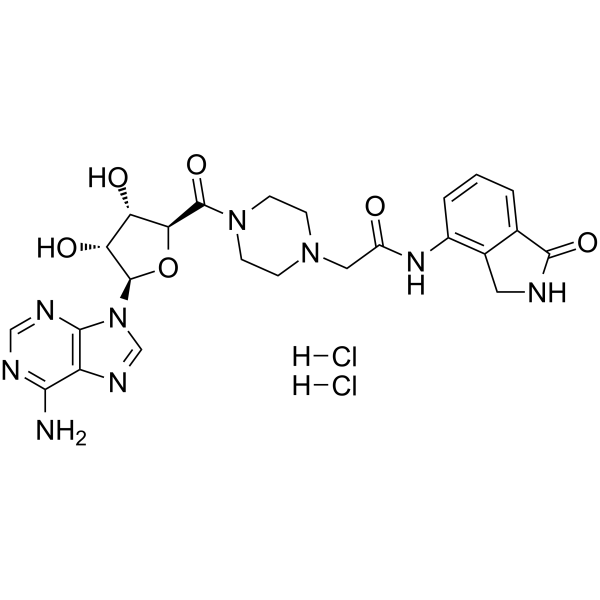
EB-47 dihydrochloride, a potent and selective PARP-1/ARTD-1 inhibitor with an IC50 value of 45 nM, shows modest potency against ARTD5 with an IC50 value of 410 nM. EB-47 mimics the substrate NAD +?and extends from the nicotinamide to the adenosine subsite .
loading...
    loading...
6
6 Cited Publications
Cat. No.: HY-15046
CAS No.: 366454-36-6
Target:  

PARP

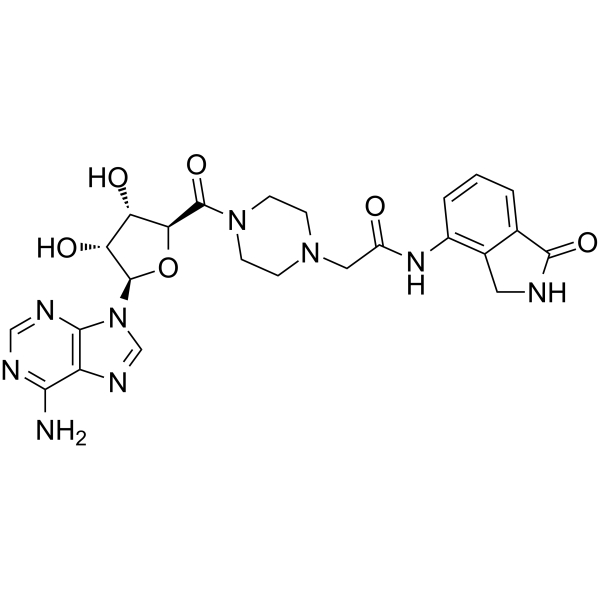
EB-47, a potent and selective PARP-1/ARTD-1 inhibitor with an IC50 value of 45 nM, shows modest potency against ARTD5 with an IC50 value of 410 nM. EB-47 mimics the substrate NAD + and extends from the nicotinamide to the adenosine subsite .
loading...
    loading...
6
6 Cited Publications
Cat. No.: HY-162001
CAS No.: 2745060-92-6
Target:  

CDK

Research Areas:  

Cancer

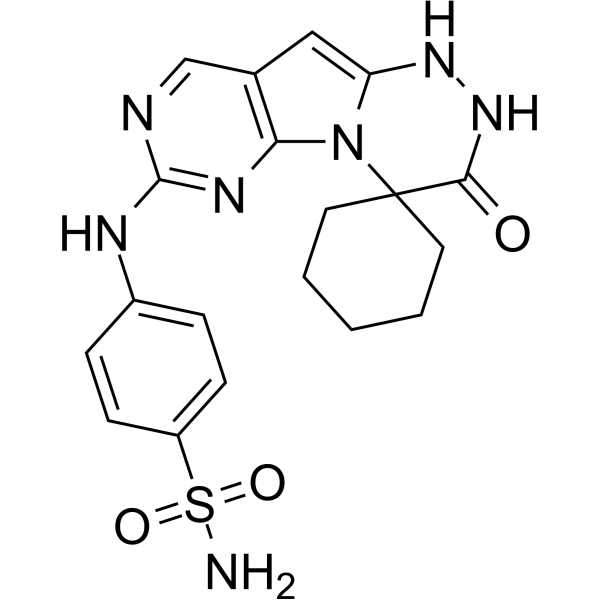
INX-315 is an orally active and selective CDK2 inhibitor that induces cell cycle arrest in the G1 phase. INX-315 reduces CDK2 substrate phosphorylation and inhibits tumor growth in a dose-dependent manner in xenograft mouse models. INX-315 may be used in cancer research .
loading...
    loading...
6
6 Cited Publications
Cat. No.: HY-128851A
CAS No.: 18439-24-2
Purity:  95.40%
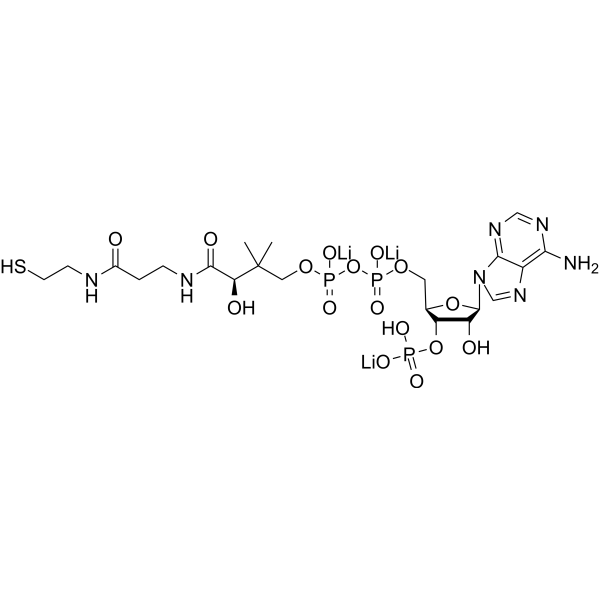
Coenzyme A (CoASH) is a ubiquitous and essential cofactor, which is an acyl group carrier and carbonyl-activating group for the citric acid cycle and fatty acid metabolism. Coenzyme A plays a central role in the oxidation of pyruvate in the citric acid cycle and the metabolism of carboxylic acids, including short- and long-chain fatty acids .
loading...
    loading...
6
6 Cited Publications
Cat. No.: HY-128851B
CAS No.: 55672-92-9
Purity:  99.46%
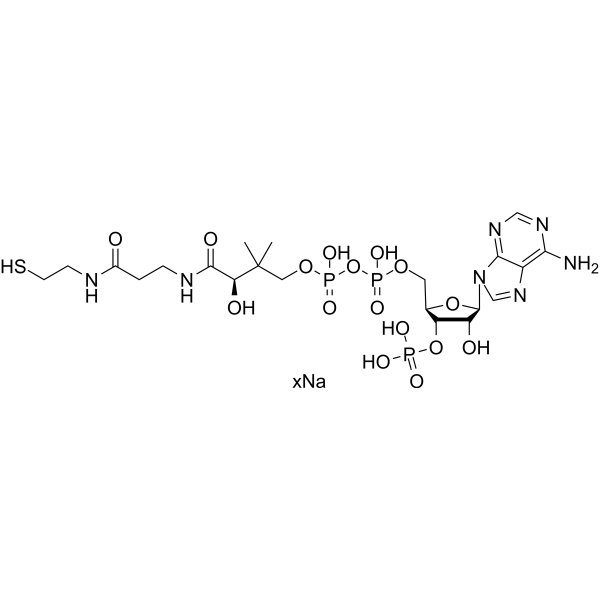
Coenzyme A (CoASH) sodium is a ubiquitous and essential cofactor, which is an acyl group carrier and carbonyl-activating group for the citric acid cycle and fatty acid metabolism. Coenzyme A plays a central role in the oxidation of pyruvate in the citric acid cycle and the metabolism of carboxylic acids, including short- and long-chain fatty acids .
loading...
    loading...
6
6 Cited Publications
Cat. No.: HY-12695
CAS No.: 36051-31-7
Purity:  ≥95.0%
Synonyms: GTP trisodium
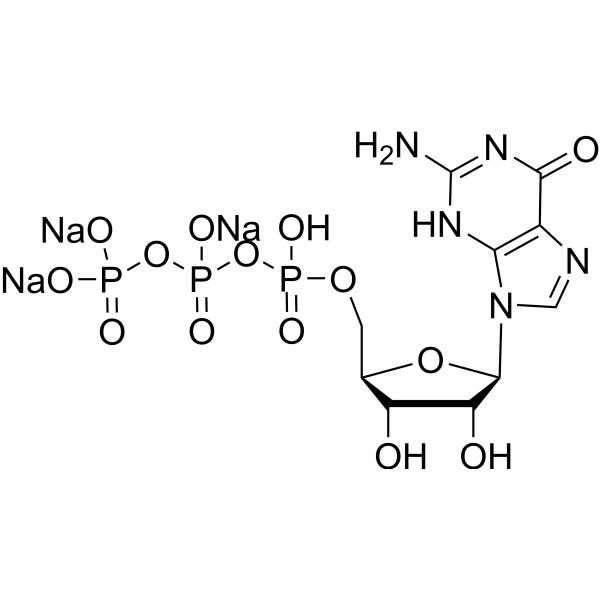
Guanosine triphosphate (GTP) trisodium is a critical nucleotide and regulator of cellular metabolism. Guanosine triphosphate trisodium promotes ribosomal DNA localization, pre-rRNA transcription and ribosome biogenesis by binding to RNA polymerase I and GPN proteins (GPN1/3). Guanosine triphosphate trisodium links MYC-dependent ribosome biogenesis to nucleotide sufficiency, acts as a metabolic gatekeeper supporting protein synthesis, DNA/RNA synthesis and cellular signal transduction, while also participating in the physiological activities of pancreatic β-cells and serving as an oxidative substrate for reactive oxygen species. In small cell lung cancer with high MYC expression, Guanosine triphosphate trisodium accumulates through the IMPDH-driven synthetic pathway, thereby affecting apoptosis and mitotic processes. Guanosine triphosphate trisodium is used in the research of small cell lung cancer, hepatoblastoma and cellular metabolism [3].
loading...
    loading...
5
5 Cited Publications
Cat. No.: HY-P1003
CAS No.: 169332-61-0
Target:  

Fluorescent Dye

Research Areas:  

Others

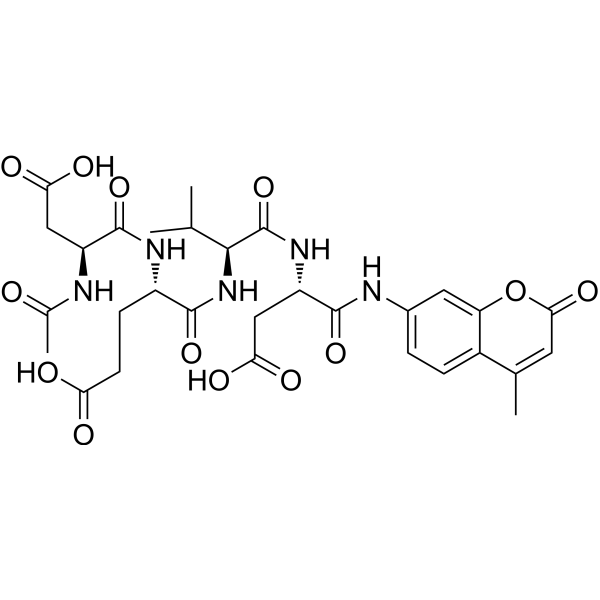
Ac-DEVD-AMC is a fluorescent substrate of caspase-3/caspase-7. When treating Ac-DEVD-AMC with cell lysate, Ac-DEVD-AMC releases amino-4-methylcoumarin (AMC) for fluorescence detection, with an excitation wavelength of 380 nm and an emission wavelength of 460 nm [3].
loading...
    loading...
5
5 Cited Publications
Cat. No.: HY-B1793
CAS No.: 56-34-8
Target:  

Potassium Channel

Research Areas:  

Neurological Disease Cancer

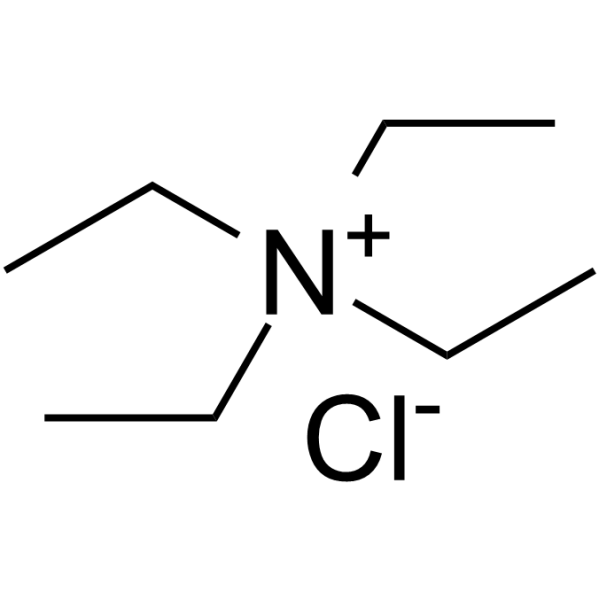
Tetraethylammonium chloride is a non-selective potassium channel blocker. Tetraethylammonium chloride is a good substrate for organic cation transporter (OCTN1). Tetraethylammonium chloride antitumor properties .
loading...
    loading...
5
5 Cited Publications
Cat. No.: HY-15258
CAS No.: 878672-00-5
Purity:  99.96%
Synonyms: RDEA594
Target:  

OAT URAT1

Research Areas:  

Metabolic Disease

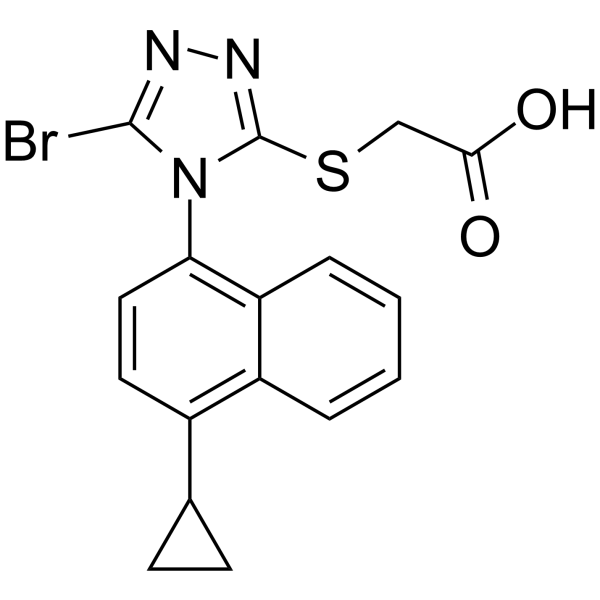
Lesinurad is a URAT1 and OAT inhibitor, is determined to be a substrate for the kidney transporters OAT1 and OAT3 with Km values of 0.85 and 2 µM, respectively.
loading...
    loading...

