1. Search Result
Search Result
Pathways Recommended: Cell Cycle/DNA Damage
Results for "

DNA function

" in MedChemExpress (MCE) Product Catalog:

119

Inhibitors & Agonists

5

Screening Libraries

6

Fluorescent Dye

5

Biochemical Assay Reagents

4

Peptides

1

Inhibitory Antibodies

30

Natural
Products

11

Isotope-Labeled Compounds

1

Click Chemistry

4

Oligonucleotides

Cat. No. Product Name Target Research Areas Chemical Structure
  • HY-D0814
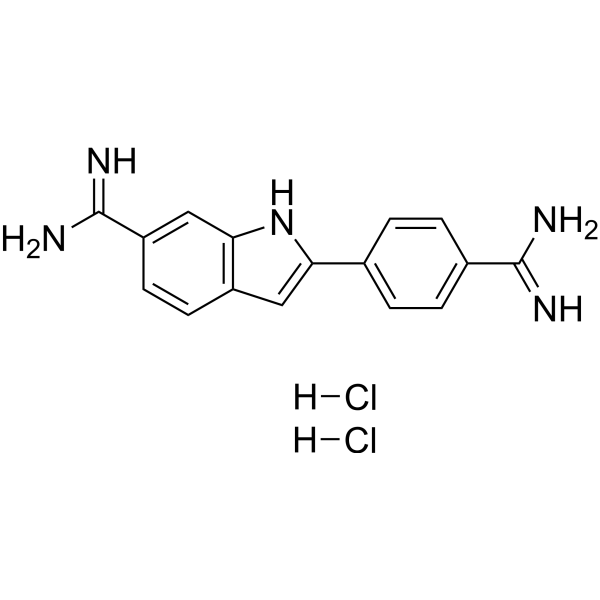
    DAPI dihydrochloride
    Maximum Cited Publications
    146 Publications Verification

    4',6-Diamidino-2-phenylindole dihydrochloride

    DNA Stain Sodium Channel Neurological Disease
    DAPI (4',6-Diamidino-2-phenylindole) dihydrochloride is a DAPI dye. DAPI is a fluorescent dye that binds strongly to DNA. It binds to the AT base pair of the double-stranded DNA minor groove, and one DAPI molecule can occupy three base pair positions. The fluorescence intensity of DAPI molecules bound to double-stranded DNA is increased by about 20 times, and it is commonly observed with fluorescence microscopy, and the amount of DNA can be determined based on the intensity of fluorescence. In addition, because DAPI can pass through intact cell membranes, it can be used to stain both live and fixed cells . DAPI (Compound 3) is an acid-sensing ion channel 3 (ASIC3) inhibitor. DAPI binds to ASIC3 and blocks the channel function. DAPI can be used in the study of chronic pain treatment (Ex/Em = 356/451 nm).
    DAPI dihydrochloride
  • HY-12512
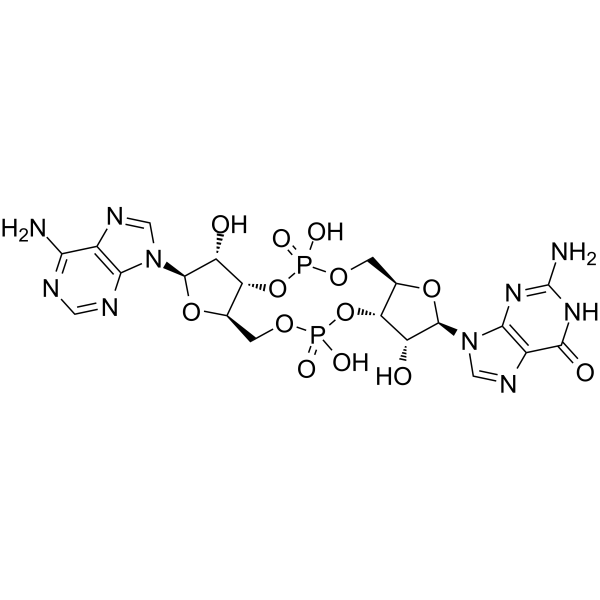
    cGAMP
    25+ Cited Publications

    Cyclic GMP-AMP; 3',3'-cGAMP

    STING Inflammation/Immunology
    cGAMP (Cyclic GMP-AMP) functions as an endogenous second messenger in metazoans and triggers interferon production in response to cytosolic DNA. cGAMP activates stimulator of interferon genes (STING), which activates a signaling cascade leading to the production of type I interferons and other immune mediators .
    cGAMP
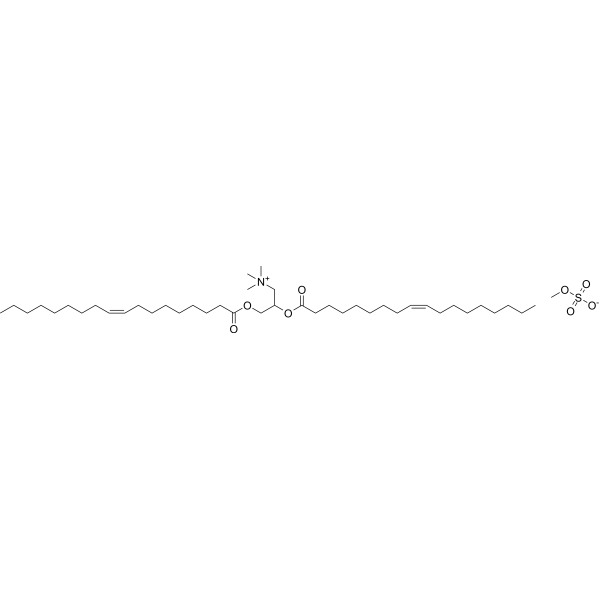
  • HY-W127378
    DOTAP methylsulfate
    10+ Cited Publications

    1,2-Dioleoyl-3-trimethylammonium-propane methylsulfate

    Liposome Others
    DOTAP methylsulfat is a cationic lipid reagent, a cationic derivative of trimethylammonium, linked to two 18-carbon fatty acid tails, each with a single olefin group. DOTAP methylsulfat can self-assemble with negatively charged ions (such as DNA) to form complexes, which can be adsorbed to the cell membrane surface and enter the cell by electrostatic interaction and endocytosis, respectively. DOTAP methylsulfat promotes endosomal membrane fusion with its own hydrophobic domain, releases DNA into the cytoplasm, and exerts gene delivery function. DOTAP methylsulfat can be widely used in research fields such as gene therapy, cell transfection, and non-viral vector design .
    DOTAP methylsulfate
  • HY-N0570
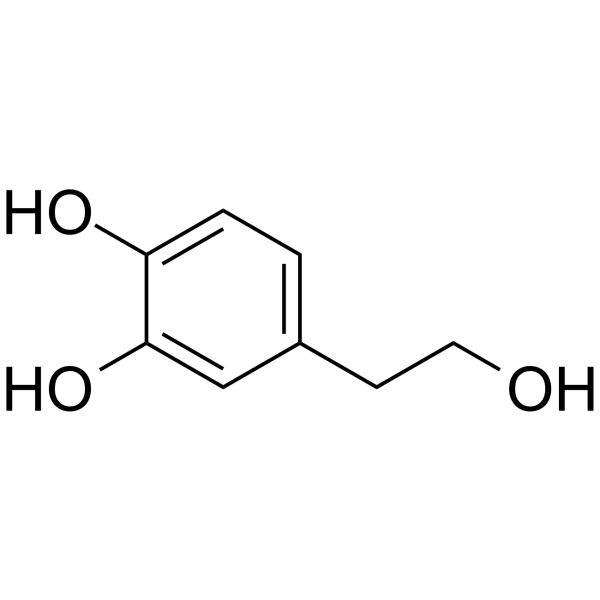
    Hydroxytyrosol
    5+ Cited Publications

    DOPET; 3,4-Dihydroxyphenethyl alcohol; 3-Hydroxytyrosol

    Apoptosis Bacterial Reactive Oxygen Species (ROS) SARS-CoV Estrogen Receptor/ERR Infection Cardiovascular Disease Neurological Disease Metabolic Disease Inflammation/Immunology Cancer
    Hydroxytyrosol (DOPET; 3,4-Dihydroxyphenethyl alcohol) is an orally active, blood-brain barrier-permeable multi-active compound with multiple effects including antibacterial, antioxidant, anti-platelet aggregation, and neuroprotective activities. Hydroxytyrosol not only inhibits the growth of Vibrio by increasing bacterial membrane permeability, but also interacts with DNA and mediates supercoiled DNA relaxation. Meanwhile, Hydroxytyrosol effectively reduces thrombosis and inhibits lipid oxidation by inhibiting COX activity and promoting vascular nitric oxide production. In terms of neuroprotection, Hydroxytyrosol significantly alleviates neuronal apoptosis and inflammatory responses by up-regulating the expression level of ERβ, thereby improving cognitive function in Alzheimer's disease models. Hydroxytyrosol has been widely used in scientific research related to Vibrio infection, arterial thrombosis, Alzheimer's disease and other related fields .
    Hydroxytyrosol
  • HY-128933
    AMP-PNP tetralithium
    3 Publications Verification

    Adenylyl-imidodiphosphate tetralithium

    Potassium Channel Metabolic Disease
    AMP-PNP (Adenylyl-imidodiphosphate) tetralithium is a non-hydrolyzable ATP analog. AMP-PNP tetralithium binds to ATP binding sites competely but is not hydrolyzed by enzymes, providing stable experimental conditions for studying ATP-dependent processes. AMP-PNP tetralithium can also be used to study enzyme activity, kinase regulation, DNA/RNA metabolism, ion channel function, and protein complex assembly .
    AMP-PNP tetralithium
  • HY-169422

    IDE275

    DNA/RNA Synthesis Cancer
    GSK4418959 (IDE275) is a selective, reversible and orally active WRN helicase inhibitor. GSK4418959 shows >10,000-fold selectivity over other helicases. GSK4418959 inhibits ATPase and DNA unwinding functions in an ATP-competitive manner. GSK4418959 can be used for the study of microsatellite instability-high (MSI-H) cancer, such as colorectal cancer (CRC) and endometrial cancer (EC) .
    GSK4418959
  • HY-147313
    TH10785
    2 Publications Verification

    DNA/RNA Synthesis Metabolic Disease Cancer
    TH10785 is a DNA glycosylase 1 (OGG1) activator, TH10785 can interact with the phenylalanine-319 and glycine-42 amino acids of OGG1 and increase the enzyme activity, generates β, δ-lyase enzymatic function. TH10785 can control the catalytic activity mediated by a nitrogen base within its molecular structure. TH10785 can be used for the research of various diseases and aging connected with DNA oxidative lesions .
    TH10785
  • HY-N6739

    Bacterial Apoptosis Fungal PI3K Akt TNF Receptor Interleukin Related Infection Cancer
    Beauvericin is a cyclohexapeptide Fusarium toxin with insecticidal, antibacterial, anticancer, antiviral and cytotoxic activities. Beauvericin causes cellular genotoxicity by producing DNA breaks, chromosomal aberrations and micronuclei, and inhibits the PI3K/AKT pathway to induce apoptosis, thereby inhibiting the growth of HCC. In addition, Beauvericin affects immune function by inhibiting lymphocyte proliferation and interfering with the differentiation process of human monocytes into macrophages .
    Beauvericin
  • HY-D0914

    FD&C Green No. 3; Food green 3; C.I. 42053

    Environmental Pollutants α-synuclein Neurological Disease
    Fast Green FCF is a sea green triarylmethane food dye, with absorption maximum ranging from 622 to 626 nm. Fast Green FCF inhibits α-synuclein aggregation, as well as and P2X4 receptor, and TLR4/Myd88/NF-κB. Fast Green FCF is widely used as a staining agent like quantitative stain for histones at alkaline pH after acid extraction of DNA, and as a protein stain in electrophoresis. Fast Green FCF improves cognitive impairment, depression, relieves pain allergies, and promotes reproductive function .
    Fast Green FCF
  • HY-13599
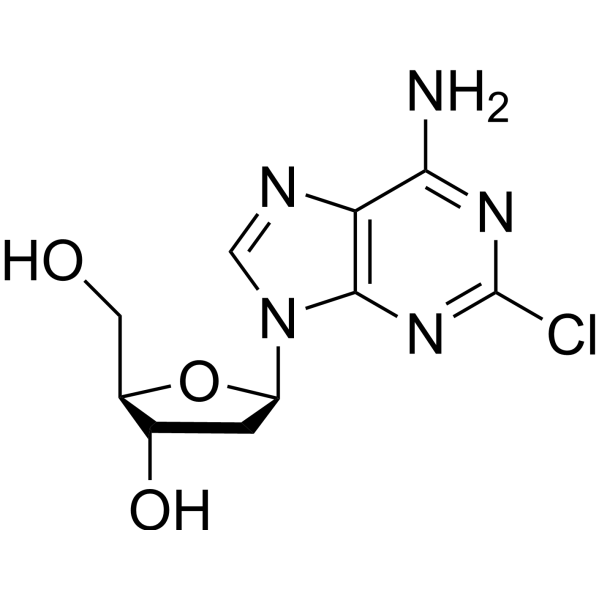
    Cladribine
    5+ Cited Publications

    2-Chloro-2′-deoxyadenosine; CldAdo; 2CdA

    Adenosine Deaminase Apoptosis Cardiovascular Disease Cancer
    Cladribine (2-Chloro-2′-deoxyadenosine), a purine nucleoside analog, is an orally active adenosine deaminase inhibitor. Cladribine functions as an inhibitor of DNA synthesis to block the repair of the damaged DNA. Cladribine can inhibit DNA methylation. Cladribine has anti-lymphoma activity. Cladribine can be used for the research of several hematologic malignancies and multiple sclerosis .
    Cladribine
  • HY-130777A
    AMP-PNP lithium hydrate
    3 Publications Verification

    Adenylyl imidodiphosphate lithium hydrate

    Drug Derivative Metabolic Disease
    AMP-PNP (Adenylyl imidodiphosphate) lithium hydrate is a non-hydrolyzable ATP analog. AMP-PNP lithium hydrate binds to ATP binding sites competely but is not hydrolyzed by enzymes, providing stable experimental conditions for studying ATP-dependent processes. AMP-PNP lithium hydrate can also be used to study enzyme activity, kinase regulation, DNA/RNA metabolism, ion channel function, and protein complex assembly .
    AMP-PNP lithium hydrate
  • HY-B0132
    Norfloxacin
    5 Publications Verification

    MK-0366

    Bacterial Endogenous Metabolite Antibiotic Infection
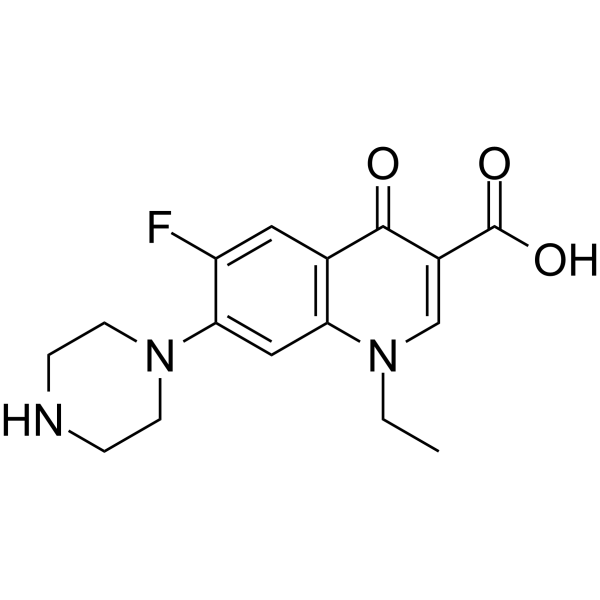
    Norfloxacin (MK-0366) is a broad-spectrum antibiotic that is active against both Gram-positive and Gram-negative bacteria, which functions by inhibiting DNA gyrase.
    Norfloxacin
  • HY-14771A
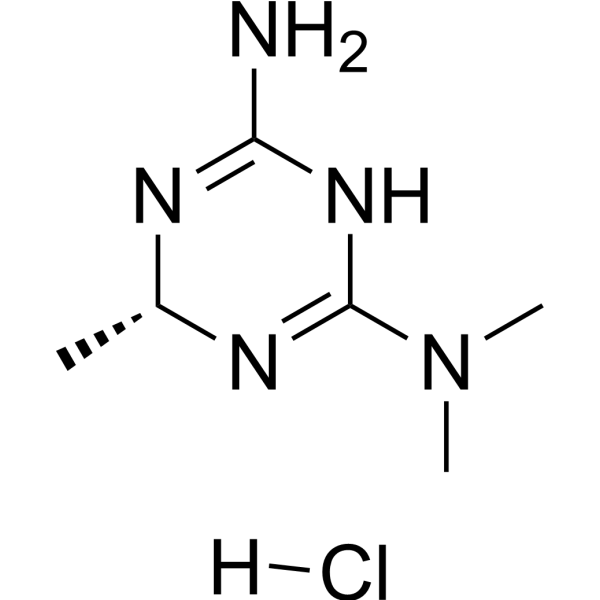
    Imeglimin hydrochloride
    5+ Cited Publications

    EMD 387008 hydrochloride

    Mitochondrial Metabolism Reactive Oxygen Species (ROS) Metabolic Disease
    Imeglimin hydrochloride (EMD 387008) is an oral glucose-lowering agent. Imeglimin also reduces reactive oxygen species (ROS) production, increases mitochondrial DNA and improves mitochondrial function .
    Imeglimin hydrochloride
  • HY-135960
    BO-264
    1 Publications Verification

    FGFR Apoptosis Cancer
    BO-264 is a highly potent and orally active transforming acidic coiled-coil 3 (TACC3) inhibitor with an IC50 of 188 nM and a Kd of 1.5 nM. BO-264 specifically blocks the function of FGFR3-TACC3 fusion protein. BO-264 induces spindle assembly checkpoint (SAC)-dependent mitotic arrest, DNA damage and apoptosis. BO-264 has broad-spectrum antitumor activity .
    BO-264
  • HY-N2183
    Baimaside
    3 Publications Verification

    Quercetin 3-O-sophoroside

    SARS-CoV Infection Neurological Disease
    Baimaside (Quercetin 3-O-sophoroside) is a flavonoid cholinergic function modulator that binds to SARS-CoV-2-related targets. Baimaside regulates the expression of cholinergic system-related proteins and acetylcholine levels, improves scopolamine-induced learning and memory impairment, protects hippocampal neurons, inhibits pollen protein fluorescence, and protects pollen DNA. Its biosynthesis is regulated by multiple enzymes. Baimaside is completely absorbed in rats, undergoes phase Ⅱ metabolism and gut microbiota decomposition, and inhibits the invasion and proliferation of SARS-CoV-2 and its variants, making it suitable for research related to Alzheimer's disease and COVID-19 .
    Baimaside
  • HY-14771
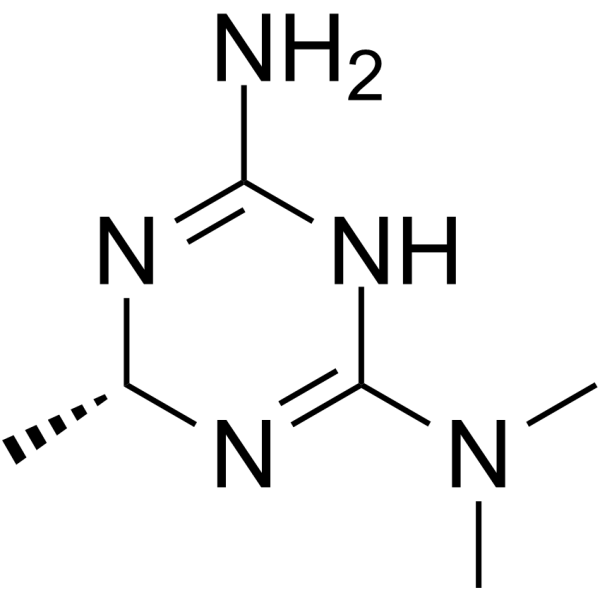
    Imeglimin
    5+ Cited Publications

    EMD 387008

    Mitochondrial Metabolism Reactive Oxygen Species (ROS) Metabolic Disease
    Imeglimin (EMD 387008) is an oral glucose-lowering agent. Imeglimin improves insulin sensitivity. Imeglimin also reduces reactive oxygen species (ROS) production, increases mitochondrial DNA and improves mitochondrial function .
    Imeglimin
  • HY-D1738
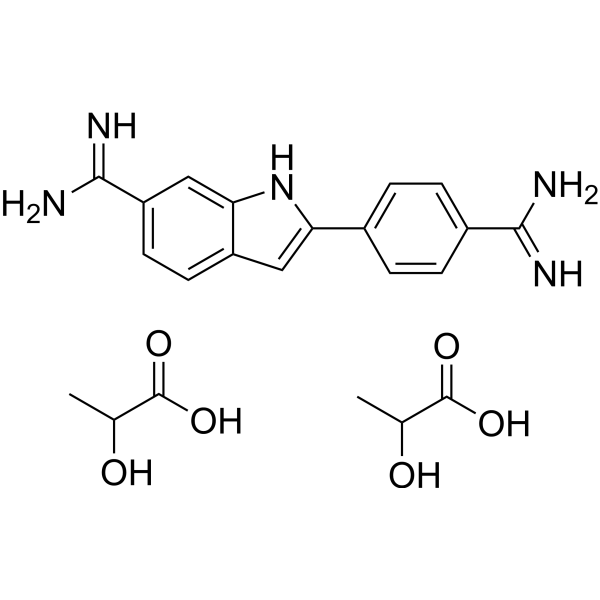
    DAPI dilactate
    110+ Cited Publications

    4',6-Diamidino-2-phenylindole dilactate

    Fluorescent Dye Others
    DAPI (4',6-Diamidino-2-phenylindole) dilactate is a DAPI dye. DAPI is a fluorescent dye that binds strongly to DNA. It binds to the AT base pair of the double-stranded DNA minor groove, and one DAPI molecule can occupy three base pair positions. The fluorescence intensity of DAPI molecules bound to double-stranded DNA is increased by about 20 times, and it is commonly observed with fluorescence microscopy, and the amount of DNA can be determined based on the intensity of fluorescence. DAPI cannot penetrate intact cell membranes and is commonly used for staining both live and fixed cells . DAPI (Compound 3) is an acid-sensing ion channel 3 (ASIC3) inhibitor. DAPI binds to ASIC3 and blocks the channel function. DAPI can be used in the study of chronic pain treatment (Ex/Em = 356/451 nm) .
    DAPI dilactate
  • HY-110385
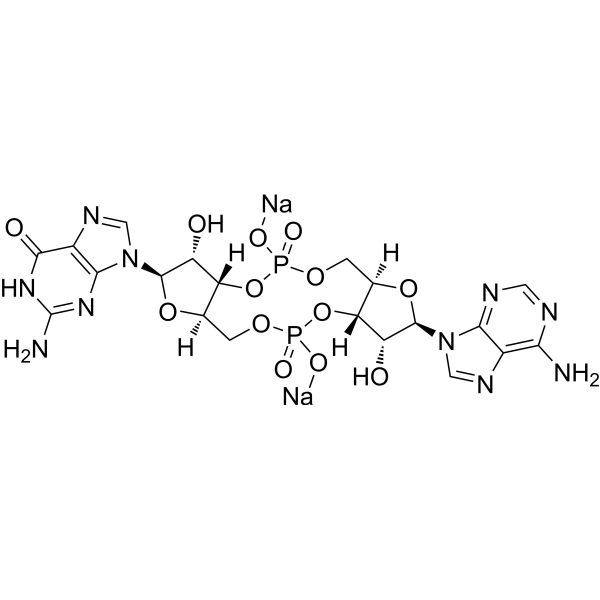
    cGAMP disodium
    Maximum Cited Publications
    26 Publications Verification

    Cyclic GMP-AMP disodium; 3',3'-cGAMP disodium

    STING Endogenous Metabolite Inflammation/Immunology
    cGAMP (Cyclic GMP-AMP) disodium functions as an endogenous second messenger in metazoans and triggers interferon production in response to cytosolic DNA. cGAMP diammonium activates stimulator of interferon genes (STING), which activates a signaling cascade leading to the production of type I interferons and other immune mediators .
    cGAMP disodium
  • HY-W015854

    Biochemical Assay Reagents Apoptosis DNA Alkylator/Crosslinker Neurological Disease Cancer
    Ethyl methanesulfonate is an orally active biochemical agent. Ethyl methanesulfonate induces Apoptosis. Ethyl methanesulfonate acts on DNA, alkylating it and causing changes in DNA structure, which in turn triggers a series of biological effects such as mutation and cell death. Ethyl methanesulfonate induces kidney and nervous system tumors. Ethyl methanesulfonate is widely used in the field of genetic toxicology research and is often used to induce gene mutations in organisms to study gene function, the mechanism of genetic diseases, and the effects of environmental mutagenic factors, etc .
    Ethyl methanesulfonate
  • HY-163385

    DNA Methyltransferase Cancer
    ALKBH1-IN-1 (Compound 13h) is a selective ALKBH1 inhibitor, with an IC50 of 0.026 μM and 1.39 μM in the fluorescence polarization and enzyme activity assay, respectively. ALKBH1-IN-1 can modulate the level of DNA 6mA modifications. ALKBH1-IN-1 can be used to study the functions of ALKBH1 and DNA 6mA .
    ALKBH1-IN-1
  • HY-127034

    Ser/Thr Protease DNA/RNA Synthesis Metabolic Disease Cancer
    Antipain dihydrochloride is a protease inhibitor isolated from Actinomycetes. Antipain dihydrochloride inhibits N-methyl-N'-nitro-N-nitrosoguanidine (MNNG)-induced transformation and increases chromosomal aberrations. Antipain dihydrochloride restricts uterine DNA synthesis and function in mice .
    Antipain dihydrochloride
  • HY-108858
    Dornase alfa
    1 Publications Verification

    rhDNAse

    DNA/RNA Synthesis Endonuclease Inflammation/Immunology
    Dornase alfa (rhDNase) is a recombinant human deoxyribonuclease I (rhDNase) that can specifically degrade extracellular DNA. Dornase alfa catalyzes the cleavage of DNA released by neutrophils in respiratory mucus, reduces sputum viscosity, thereby improving mucus clearance efficiency, reducing airway obstruction and alleviating inflammatory responses. Dornase alfa can be used to improve lung function (such as FEV_1) in cystic fibrosis (CF), reduce the risk of acute pulmonary exacerbations, and has good in vivo tolerability. Dornase alfa acts locally on the respiratory tract through aerosol inhalation, specifically improving the high viscosity of mucus caused by DNA accumulation and related respiratory symptoms .
    Dornase alfa
  • HY-W015490
    1,4-Naphthoquinone
    3 Publications Verification

    Environmental Pollutants DNA/RNA Synthesis NF-κB Monoamine Oxidase TNF Receptor Bacterial Infection Inflammation/Immunology Cancer
    1,4-Naphthoquinone is an inhibitor with broad-spectrum inhibitory activity targeting DNA polymerase, NF-κB and monoamine oxidase (MAO-A/B), with antibacterial and anti-biofilm efficacy. 1,4-Naphthoquinone is a competitive inhibitor of MAO-B (Ki=1.4 μM) and a non-competitive inhibitor of MAO-A (Ki=7.7 μM). 1,4-Naphthoquinone inhibits DNA polymerase pol α, β, γ, δ, ε, λ with IC50 ranging from 5.57-128 μM. 1,4-Naphthoquinone inhibits tumor cell proliferation, induces apoptosis and necrosis, and has anti-angiogenic and anti-inflammatory activities by inducing oxidative stress, depleting glutathione (GSH), inhibiting DNA polymerase-mediated DNA synthesis and blocking NF-κB nuclear translocation. 1,4-Naphthoquinone can be used in anti-bacterial , anti-tumor and anti-inflammatory studies, including inhibition of melanoma and colon cancer cell growth and endothelial cell function, as well as LPS-induced inflammation models .
    1,4-Naphthoquinone
  • HY-110088
    SCH529074
    3 Publications Verification

    MDM-2/p53 Cancer
    SCH529074 is a potent and orally active p53 activator. SCH529074 binds specifically and conformation-dependently to p53 DBD ( DNA binding domain) with a Ki of 1-2 μM in a saturable manner. SCH529074 restores mutant p53 function and interrupts HDM2-mediated ubiquitination of wild Type p53. SCH529074 can be used for the study of non-small-cell lung carcinoma (NSCLC) .
    SCH529074
  • HY-D2868
    DAPI
    130+ Cited Publications

    4',6-Diamidino-2-phenylindole

    DNA Stain Sodium Channel Neurological Disease
    DAPI (4',6-Diamidino-2-phenylindole) is a DAPI dye. DAPI is a fluorescent dye that binds strongly to DNA. It binds to the AT base pair of the double-stranded DNA minor groove, and one DAPI molecule can occupy three base pair positions. The fluorescence intensity of DAPI molecules bound to double-stranded DNA is increased by about 20 times, and it is commonly observed with fluorescence microscopy, and the amount of DNA can be determined based on the intensity of fluorescence. In addition, because DAPI can pass through intact cell membranes, it can be used to stain both live and fixed cells . DAPI (Compound 3) is an acid-sensing ion channel 3 (ASIC3) inhibitor. DAPI binds to ASIC3 and blocks the channel function. DAPI can be used in the study of chronic pain treatment (Ex/Em = 356/451 nm).
    DAPI
  • HY-144981
    HQ461
    1 Publications Verification

    CDK Molecular Glues Cancer
    HQ461 is a molecular glue that promotes CDK12-DDB1 interaction to trigger cyclin K degradation. HQ461-mediated degradation of cyclin K impairs CDK12 function, resulting in decreased CDK12 substrate phosphorylation, downregulation of DNA damage response genes, and cell death .
    HQ461
  • HY-N0656
    Usnic acid
    2 Publications Verification

    Bacterial DNA/RNA Synthesis Nuclear Factor of activated T Cells (NFAT) Apoptosis Infection Inflammation/Immunology Cancer
    Usnic acid is a secondary metabolite of lichens with a unique dibenzofuran skeleton. Usnic acid inhibits DNA/RNA synthesis and has antibacterial activity. Usnic acid induces cell cycle arrest and apoptosis and has anticancer activity. Usnic acid inhibits RANKL-mediated osteoclast formation and function by reducing the transcriptional and translational expression of NFATc1. Usnic acid has antioxidant and anti-inflammatory activities by inhibiting lipid peroxidation and myeloperoxidase .
    Usnic acid
  • HY-N6043

    Apoptosis Reactive Oxygen Species (ROS) Bacterial SARS-CoV Estrogen Receptor/ERR Infection Neurological Disease Inflammation/Immunology
    Hydroxytyrosol acetate is an orally active, blood-brain barrier-permeable multi-active compound with multiple effects including antibacterial, antioxidant, anti-platelet aggregation, and neuroprotective activities. Hydroxytyrosol acetate not only inhibits the growth of Vibrio by increasing bacterial membrane permeability, but also interacts with DNA and mediates supercoiled DNA relaxation. Meanwhile, Hydroxytyrosol acetate effectively reduces thrombosis and inhibits lipid oxidation by inhibiting COX activity and promoting vascular nitric oxide production. In terms of neuroprotection, Hydroxytyrosol acetate significantly alleviates neuronal apoptosis and inflammatory responses by up-regulating the expression level of ERβ, thereby improving cognitive function in Alzheimer's disease models. Hydroxytyrosol acetate has been widely used in scientific research related to Vibrio infection, arterial thrombosis, Alzheimer's disease and other related fields .
    Hydroxytyrosol acetate
  • HY-N7690

    Calcium Channel Cardiovascular Disease Metabolic Disease
    3,5,7,3’,4’-Pentamethoxyflavone is a Ca 2+ channel inhibitor. 3,5,7,3’,4’-Pentamethoxyflavone can protect DNA from oxidative damage. 3,5,7,3’,4’-Pentamethoxyflavone can induce relaxation of the human corpus cavernosum through calcium mobilization-related mechanisms. 3,5,7,3’,4’-Pentamethoxyflavone can promote the expression of eNOS and cystathionine gamma lyase CSE proteins in middle-aged male rats and regulate vascular function. 3,5,7,3’,4’-Pentamethoxyflavone can be used in research related to diabetes and cardiovascular diseases .
    3,5,7,3′,4′-Pentamethoxyflavone
  • HY-153804

    NCD

    Molecular Glues Others Cancer
    Naphthyridine caebamate dimer (NCD) is a DNA molecular glue that induces designed structural changes in target functional DNA to modulate function .
    Naphthyridine carbamate dimer
  • HY-W654342

    NSC 268508-d20; Neuridine-d20

    Isotope-Labeled Compounds Endogenous Metabolite Influenza Virus Infection Metabolic Disease Cancer
    Spermine-d20 (NSC 268508-d20) is deuterium labeled Spermine. Spermine (NSC 268508) functions directly as a free radical scabenger to protect DNA from free radical attack. Spermine has antiviral effects .
    Spermine-d20
  • HY-126940

    Reactive Oxygen Species (ROS) P-glycoprotein Apoptosis Cancer
    Furanodiene is a natural terpenoid isolated from Rhizoma Curcumae. Furanodiene plays anti-cancer effects through anti-angiogenesis and inducing ROS production, DNA strand breaks and apoptosis. Furanodiene suppresseed efflux transporter Pgp (P-glycoprotein) function and reduced Pgp protein level .
    Furanodiene
  • HY-161296

    Bacterial HIV Infection
    TH6342 is a SAMHD1 modulator that binds to pretetrameric SAMHD1 and prevents its oligomerization and allosteric activation. SAMHD1 is a dNTP triphosphohydrolase and an HIV-1 restriction factor. SAMHD1 can limit the replication of retroviruses and DNA viruses and has antiviral effects. The inhibitory mechanism of TH6342 does not occupy the SAMHD1 nucleotide-binding pocket, gently binds the target, and functions as a chemical probe .
    TH6342
  • HY-114211

    Histone Methyltransferase HSP Cancer
    SGC8158 is an inhibitor of PRMT7 and can be used to study the cellular function of PRMT7. SGC8158 decreases monomethylarginine levels of Hsp70 (the best characterized PRMT7 substrate). SGC8158 induces growth inhibition in various cancer cells (IC50: 2-9 μM), as well as multidrug-resistant (MDR) cancer cells. SGC8158 also enhances Doxorubicin (HY-15142A) induced DNA damage and Its cytotoxicity .
    SGC8158
  • HY-P99666

    IFNAR Infection Cancer
    Interferon alfa-2b is a type I interferon that activates novel genes and exerts potent antiviral and antiproliferative activity on target cells. Signaling by Interferon alfa-2b requires receptor-dependent activation of Stat1 and Stat2 to form a heterodimeric STAT that binds to the DNA-binding protein IRF-9 (p48) and forms ISGF-3 (IFN-stimulated gene factor 3). The driver genes are then further activated by ISGF-3 to achieve antiviral function .
    Interferon alfa-2b
  • HY-153118

    ctDNA sodium, Type I, fibers; DNA sodium, from calf thymus, Type I, fibers; Thymonucleic acid sodium, Type I, fibers

    Biochemical Assay Reagents Others Cancer
    Deoxyribonucleic acid sodium, from calf thymus, Type I, fibers is the sodium salts form of Calf thymus DNA (HY-109517). Calf thymus DNA is a double-stranded template DNA isolated from calf thymus. It can be used to study the interaction between DNA and DNA binding agents, as well as the structure and function of DNA, for DNA quantification and used as a substrate for DNA polymerase analysis, etc​ .
    Deoxyribonucleic acid sodium, from calf thymus, Type I, fibers
  • HY-116887

    Endogenous Metabolite Nucleoside Antimetabolite/Analog DNA/RNA Synthesis Cancer
    N6-Methyladenine is a DNA epigenetic modification that involves the addition of a methyl group to the sixth position of adenine. N6-Methyladenine plays an important role in distinguishing host DNA from exogenous DNA and controls many biological functions, such as DNA replication, transcription, mismatch repair, and chromosome replication. N6-Methyladenine can be used for the kidney diseases .
    N6-Methyladenine
  • HY-B0132S

    Bacterial Antibiotic Infection
    Norfloxacin-d5 is the deuterium labeled Norfloxacin. Norfloxacin is a broad-spectrum antibiotic that is active against both Gram-positive and Gram-negative bacteria, which functions by inhibiting DNA gyrase .
    Norfloxacin-d5
  • HY-B1777R

    NSC 268508 (Standard); Neuridine (Standard)

    Reference Standards Endogenous Metabolite Influenza Virus Infection Metabolic Disease Cancer
    Spermine (Standard) is the analytical standard of Spermine. This product is intended for research and analytical applications. Spermine (NSC 268508) functions directly as a free radical scabenger to protect DNA from free radical attack. Spermine has antiviral effects.
    Spermine (Standard)
  • HY-N1282

    Glutathione S-transferase Cytochrome P450 Cancer
    Seneciphylline is an orally effective hepatotoxic inducer. Seneciphylline is metabolized by CYP450 enzymes into active intermediates, which covalently bind to intracellular biomacromolecules such as proteins and DNA to form adducts, which in turn trigger a series of toxic reactions, such as inducing cell apoptosis and damaging mitochondrial function. Seneciphylline can be used in hepatotoxicity research[1][2].
    Seneciphylline
  • HY-125018

    SVT016426

    Caspase Cancer
    QM31 (SVT016426), a cytoprotective agent, is a selective inhibitor of Apaf-1. QM31 inhibits the formation of the apoptosome (IC50=7.9μM), the caspase activation complex composed by Apaf-1, cytochrome c, dATP and caspase-9. QM31 exerts mitochondrioprotective functions and interferes with the intra-S-phase DNA damage checkpoint .
    QM31
  • HY-W015490S

    Isotope-Labeled Compounds DNA/RNA Synthesis NF-κB Monoamine Oxidase TNF Receptor Bacterial Infection Inflammation/Immunology Cancer
    1,4-Naphthoquinone-d6 is the deuterium labeled 1,4-Naphthoquinone. 1,4-Naphthoquinone is an inhibitor with broad-spectrum inhibitory activity targeting DNA polymerase, NF-κB and monoamine oxidase (MAO-A/B), with antibacterial and anti-biofilm efficacy. 1,4-Naphthoquinone is a competitive inhibitor of MAO-B (Ki=1.4 μM) and a non-competitive inhibitor of MAO-A (Ki=7.7 μM). 1,4-Naphthoquinone inhibits DNA polymerase pol α, β, γ, δ, ε, λ with IC50 ranging from 5.57-128 μM. 1,4-Naphthoquinone inhibits tumor cell proliferation, induces apoptosis and necrosis, and has anti-angiogenic and anti-inflammatory activities by inducing oxidative stress, depleting glutathione (GSH), inhibiting DNA polymerase-mediated DNA synthesis and blocking NF-κB nuclear translocation. 1,4-Naphthoquinone can be used in anti-bacterial , anti-tumor and anti-inflammatory studies, including inhibition of melanoma and colon cancer cell growth and endothelial cell function, as well as LPS-induced inflammation models .
    1,4-Naphthoquinone-d6
  • HY-N0570R

    DOPET (Standard); 3,4-Dihydroxyphenethyl alcohol (Standard); 3-Hydroxytyrosol (Standard)

    Reference Standards Apoptosis Bacterial Reactive Oxygen Species (ROS) SARS-CoV Estrogen Receptor/ERR Infection Cardiovascular Disease Neurological Disease Metabolic Disease Inflammation/Immunology Cancer
    Hydroxytyrosol (Standard) (DOPET (Standard)) is the analytical standard of Hydroxytyrosol (HY-N0570). This product is intended for research and analytical applications. Hydroxytyrosol is an orally active, blood-brain barrier-permeable multi-active compound with multiple effects including antibacterial, antioxidant, anti-platelet aggregation, and neuroprotective activities. Hydroxytyrosol not only inhibits the growth of Vibrio by increasing bacterial membrane permeability, but also interacts with DNA and mediates supercoiled DNA relaxation. Meanwhile, Hydroxytyrosol effectively reduces thrombosis and inhibits lipid oxidation by inhibiting COX activity and promoting vascular nitric oxide production. In terms of neuroprotection, Hydroxytyrosol significantly alleviates neuronal apoptosis and inflammatory responses by up-regulating the expression level of ERβ, thereby improving cognitive function in Alzheimer's disease models. Hydroxytyrosol has been widely used in scientific research related to Vibrio infection, arterial thrombosis, Alzheimer's disease and other related fields .
    Hydroxytyrosol (Standard)
  • HY-W250163
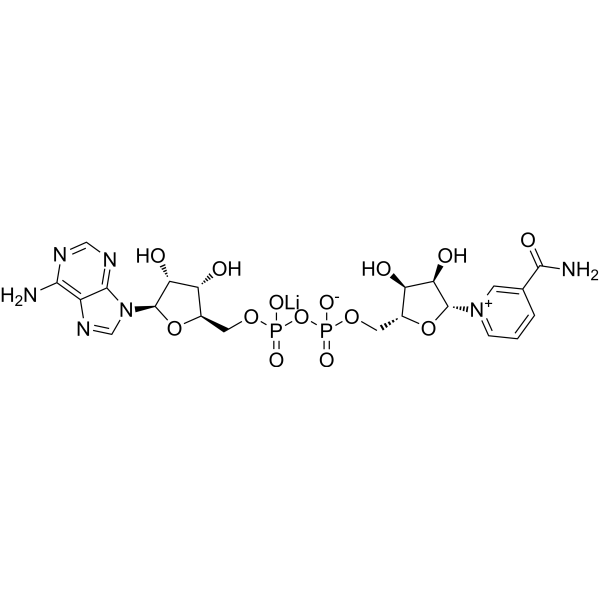
    NAD+ lithium
    Maximum Cited Publications
    44 Publications Verification

    β-DPN lithium; β-NAD lithium; β-Nicotinamide Adenine Dinucleotide lithium

    Biochemical Assay Reagents Metabolic Disease
    NAD+ lithium (β-DPN lithium) is a lithium salt of nicotinamide adenine dinucleotide. NAD+ is a coenzyme in the REDOX reaction. NAD+ can directly or indirectly affect several key cellular functions, including metabolic pathways, DNA repair, chromatin remodeling, cell aging, and immune cell function .
    NAD+ lithium
  • HY-B0132R

    MK-0366 (Standard)

    Reference Standards Bacterial Endogenous Metabolite Antibiotic Infection
    Norfloxacin (Standard) is the analytical standard of Norfloxacin. This product is intended for research and analytical applications. Norfloxacin (MK-0366) is a broad-spectrum antibiotic that is active against both Gram-positive and Gram-negative bacteria, which functions by inhibiting DNA gyrase.
    Norfloxacin (Standard)
  • HY-W543137

    G-quadruplex DNA/RNA Synthesis Mitosis Cancer
    Pt-ttpy, a metallo-organic complex and potent G-quadruplex ligand, effectively triggers substantial telomere-related DNA damage in cancer cells by inhibiting telomerase and/or telomere functions, while also causing various chromatin abnormalities during mitosis, such as chromatin bridges, ultrafine bridges (UFBs), and double-stranded breaks (DSBs).
    PT-ttpy
  • HY-169422A

    IDE275 (enantiomer)

    DNA/RNA Synthesis Cancer
    GSK4418959 enantiomer is an enantiomer of GSK4418959 (HY-169422). GSK4418959 (IDE275) is a non-covalent, reversible, selective and orally active WRN helicase inhibitor. GSK4418959 inhibits ATPase and DNA unwinding functions in an ATP-competitive manner. GSK4418959 can be used for the study of microsatellite instability-high (MSI-H) cancer .
    GSK4418959 (enantiomer)
  • HY-Q04764

    Thyroid Hormone Receptor Apoptosis Cancer
    TI17 is an inhibitor of the thyroid hormone receptor-interacting protein Trip13 and has anticancer activity. TI17 effectively inhibits multiple myeloma (MM) cell proliferation and induces cell cycle arrest and apoptosis. Trip13 is an AAA-ATPase that mediates double-strand break (DSB) repair; TI17 inhibits Trip13 function and increases DNA damage .
    TI17
  • HY-W582504

    CuCl(TPP)3

    DNA Stain Bacterial Fungal Infection Cancer
    Chlorotris(triphenylphosphine)copper (CuCl(TPP)₃) is a DNA-targeted metal complex. Chlorotris(triphenylphosphine)copper involves non-covalent interactions (such as groove binding mode) through the copper(I) center to affect DNA function, showing inhibitory activity against bacteria, fungi, and tumor cells. Chlorotris(triphenylphosphine)copper is promising for research of antibacterial, antitumor, and antioxidant agents .
    Chlorotris(triphenylphosphine)copper
  • HY-110385A
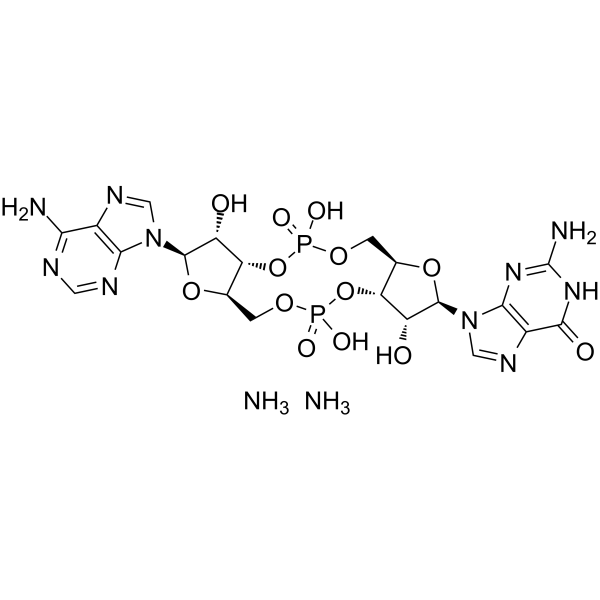
    cGAMP diammonium
    Maximum Cited Publications
    26 Publications Verification

    Cyclic GMP-AMP diammonium; 3',3'-cGAMP diammonium

    STING Endogenous Metabolite Inflammation/Immunology
    cGAMP (Cyclic GMP-AMP) diammonium functions as an endogenous second messenger in metazoans and triggers interferon production in response to cytosolic DNA. cGAMP diammonium activates stimulator of interferon genes (STING), which activates a signaling cascade leading to the production of type I interferons and other immune mediators .
    cGAMP diammonium

Inquiry Online

Your information is safe with us. * Required Fields.

Salutation


Country or Region *

Applicant Name *


Organization Name *

Department *


Email Address *


Product Name *

Cat. No.


Requested quantity *

Phone Number *


Remarks

Inquiry Online

Inquiry Information

Product Name:
Cat. No.:
Quantity:
MCE Japan Authorized Agent:

