

1. Search Result
Search Result
Results for "

EAE

" in MedChemExpress (MCE) Product Catalog:

94

Inhibitors & Agonists

26

Peptides

12

Inhibitory Antibodies

9

Natural
Products

1

Isotope-Labeled Compounds

2

Oligonucleotides

Cat. No. Product Name Target Research Areas Chemical Structure
  • HY-P1240
    MOG (35-55) mouse, rat
    Maximum Cited Publications
    9 Publications Verification

    Myelin Oligodendrocyte Glycoprotein Peptide (35-55), mouse, rat

    Endogenous Metabolite Neurological Disease Inflammation/Immunology
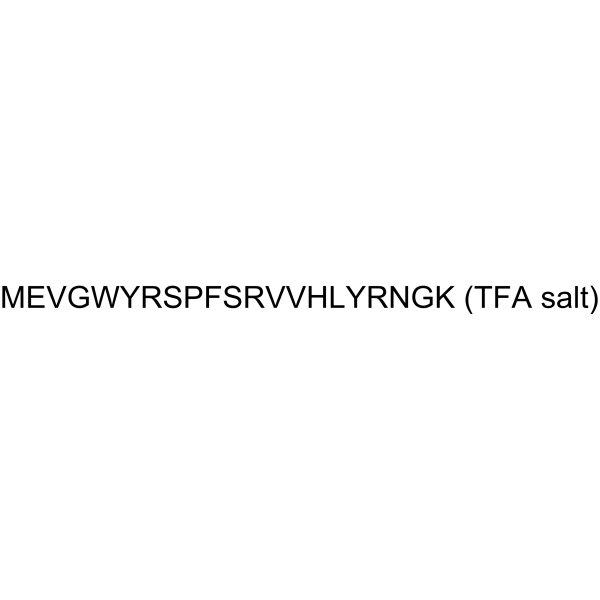
    MOG (35-55) mouse, rat (Myelin Oligodendrocyte Glycoprotein Peptide (35-55), mouse, rat) is a minor component of CNS myelin. MOG (35-55) mouse, rat has encephalitogenic activity and induces T cell proliferative. MOG (35-55) mouse, rat induces Th1 cytokine response as well as relatively high levels of IgG antibodies. MOG (35-55) mouse, rat produces a relapsing-remitting neurological disease with extensive plaque-like demyelination. MOG (35-55) mouse, rat (MOG (35-55)) can be used for experimental autoimmune encephalomyelitis (EAE) modeling .
    MOG (35-55)  mouse, rat
  • HY-100754
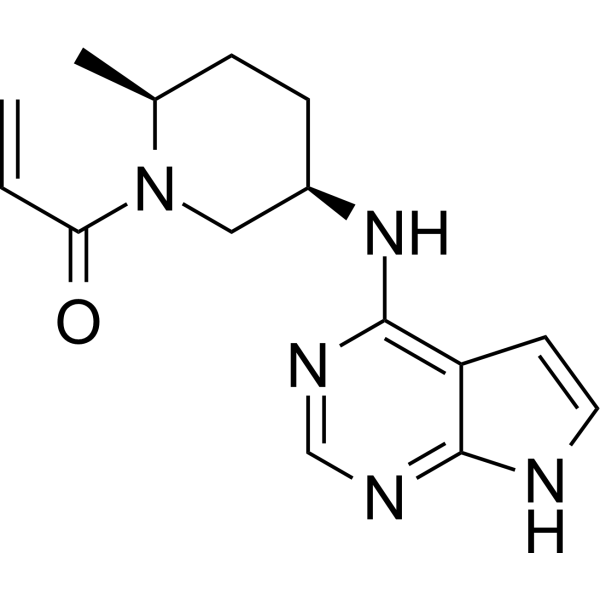
    Ritlecitinib
    5+ Cited Publications

    PF-06651600

    JAK Interleukin Related STAT Inflammation/Immunology
    Ritlecitinib (PF-06651600) is a highly selective, orally active, irreversible covalent JAK3 inhibitor (IC50=33 nM) without inhibitory activity towards JAK1, JAK2, and TYK2 (IC50 >10 μ M). Ritlecitinib rapidly inactivates the JAK3 kinase, and blocks signaling and downstream STAT phosphorylation mediated by common gamma chain cytokines such as IL-2 and IL-15. Ritlecitinib can inhibit Th1/Th17 cell differentiation and function, and effectively suppress preclinical animal models such as alopecia areata, adjuvant-induced arthritis (AIA), and experimental autoimmune encephalomyelitis (EAE) .
    Ritlecitinib
  • HY-153808
    Complete Freund's adjuvant (CFA)
    10+ Cited Publications

    Toll-like Receptor (TLR) Inflammation/Immunology
    Complete Freund's adjuvant (CFA) is an immunoadjuvant emulsified with antigen by its discoverer Jules T. Freund to enhance an animal's immune response to an antigen. Complete Freund's adjuvant (CFA) is also an inducer of the Th1 immune response and a ligand of TLRs. Complete Freund's adjuvant (CFA) contains heat-killed inactive tuberculosis bacilli and consists of a paraffin oil-in-water emulsion. Complete Freund's adjuvant (CFA) stimulates a strong and durable immune response and can be used to induce persistent inflammatory pain models in mice, experimental autoimmune myocarditis (EAM) models, and more. Incomplete Freund's adjuvant (IFA) (HY-153808A) is another type of Freund's Adjuvant that stimulates a weaker immune response .
    Complete Freund's adjuvant (CFA)
  • HY-A0124A
    Sapropterin dihydrochloride
    2 Publications Verification

    (6R)-BH4 dihydrochloride; (6R)-Tetrahydro-L-biopterin dihydrochloride

    Endogenous Metabolite Infection Metabolic Disease Inflammation/Immunology
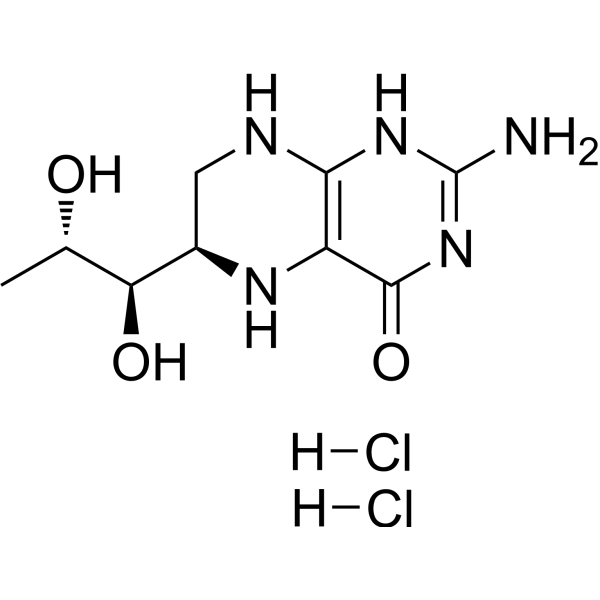
    Sapropterin ((6R)-BH4; (6R)-Tetrahydro-L-biopterin) dihydrochloride is an orally active phenylalanine hydroxylase (PAH) cofactor, which is effective in reducing blood phenylalanine concentrations. Sapropterin dihydrochloride can be used in study of phenylketonuria (PKU) phenylketonuria. Sapropterin dihydrochloride can aggravate experimental autoimmune encephalomyelitis (EAE) .
    Sapropterin dihydrochloride
  • HY-P3719
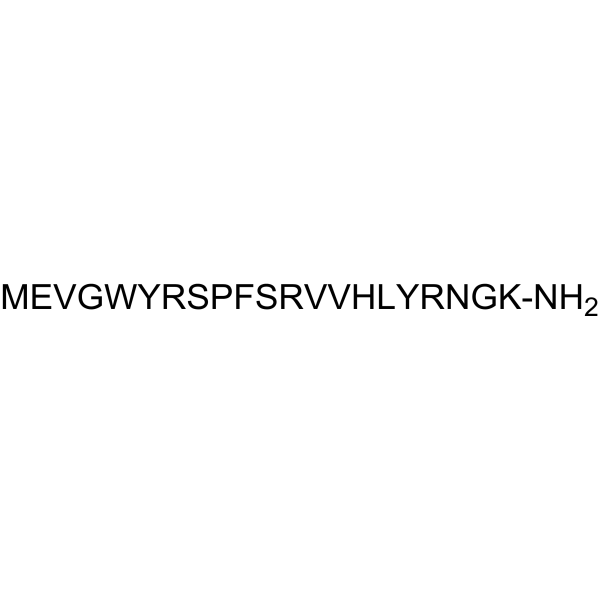
    MOG(35-55) amide, mouse, rat
    1 Publications Verification

    CCR Inflammation/Immunology
    MOG (35-55) amide, mouse, rat the terminal amidation form of the 35-55 fragment of the myelin oligodendrocyte glycoprotein (MOG) immunogenic peptide (MOG (35-55) (HY-P1240)). MOG(35-55) amide, mouse, rat can be used for experimental autoimmune encephalomyelitis (EAE) modeling .
    MOG(35-55) amide, mouse, rat
  • HY-153808A
    Incomplete Freund's adjuvant (IFA)
    4 Publications Verification

    Bacterial Inflammation/Immunology Cancer
    Incomplete Freund's adjuvant (IFA) (Montanide ISA-51) is an immunoadjuvant emulsified with antigen by its discoverer Jules T. Freund. Incomplete Freund's adjuvant (IFA) does not contain inactivated tuberculosis bacilli and consists of petroleum jelly containing lanolin. Incomplete Freund's adjuvant (IFA) induces high antibody titers and long-lasting effector T cell responses with no long-term effects on collagen disease, tumors, or death. Complete Freund's adjuvant (CFA) (HY-153808) is another type of Freund's Adjuvant that stimulates a stronger immune response .
    Incomplete Freund's adjuvant (IFA)
  • HY-168625

    Molecular Glues Inflammation/Immunology
    VAV1 degrader-3 (Example 185) is an orally active VAV1 molecular glue degrader (DC50: 7 nM). VAV1 degrader-3 reduces immune cell activation, immune cell proliferation and the production of various cytokines. VAV1 degrader-3 can be used for research of inflammatory or autoimmune disorder. VAV1 degrader-3 inhibits disease progression in experimntal autoimmune encephalomyelitis (EAE) mouse model, Collagen-induced arthritis (CIA) mouse model, etc. .
    VAV1 degrader-3
  • HY-101254
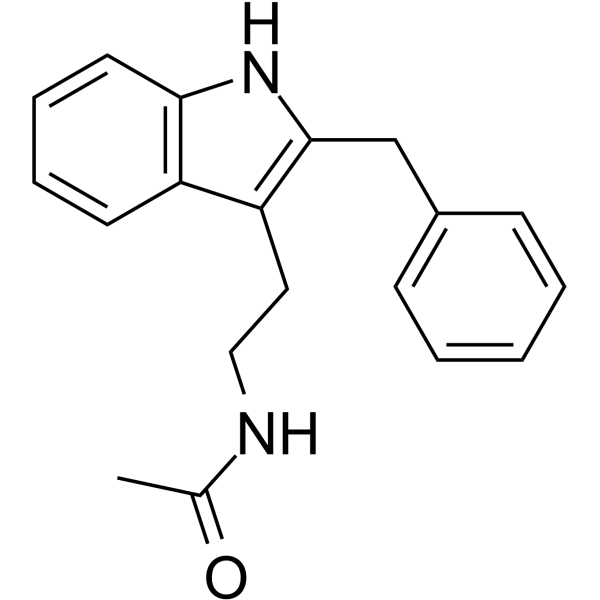
    Luzindole
    Maximum Cited Publications
    18 Publications Verification

    N-0774

    Melatonin Receptor Neurological Disease
    Luzindole (N-0774) is a selective melatonin receptor antagonist. Luzindole preferentially targets MT2 (Mel1b) over MT1 (Mel1a) with Ki values of 10.2 and 158 nM for human MT2 and MT1, respectively. Luzindole suppresses experimental autoimmune encephalomyelitis (EAE), and exerts antidepressant-like activity .
    Luzindole
  • HY-B0157
    Ketotifen
    3 Publications Verification

    HC 20-511

    Endogenous Metabolite Histamine Receptor SARS-CoV Influenza Virus Infection Inflammation/Immunology Endocrinology Cancer
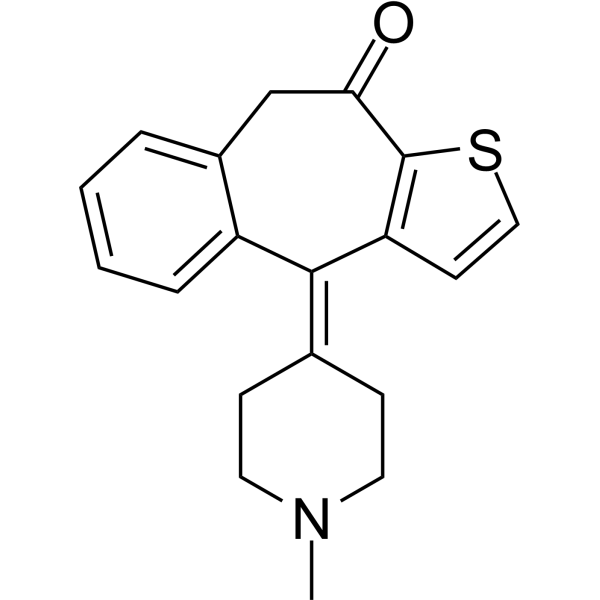
    Ketotifen (HC 20-511) is an orally active second-generation noncompetitive histamine 1 (H1) receptor blocker and mast cell stabilizer. Ketotifen can block 6-phosphogluconate dehydrogenase (PGD) in vitro. Ketotifen also has antiviral activity against SARS-CoV-2 and Influenza virus. Ketotifen can be used to the research of autoimmune encephalomyelitis (EAE) and asthma attack prevention .
    Ketotifen
  • HY-17606

    ACT-334441

    LPL Receptor Inflammation/Immunology
    Cenerimod (ACT-334441) is a potent, selective and orally active S1P1 receptor modulator, with an EC50 of 1 nM. Cenerimod shows more than 36 fold selctivity for hS1P1 over hS1P2, hS1P3, hS1P4, and hS1P5 receptor subtypes (EC50s=>10000, 228, 2134, and 36 nM, respectively). Cenerimod can attenuate murine experimental autoimmune encephalomyelitis (EAE) and murine sclerodermatous .
    Cenerimod
  • HY-142617
    ACT-1004-1239
    2 Publications Verification

    CXCR Neurological Disease Inflammation/Immunology Cancer
    ACT-1004-1239 is a potent, selective, orally active CXCR7 antagonist with an IC50 value of 3.2 nM .
    ACT-1004-1239
  • HY-B0157A
    Ketotifen fumarate
    3 Publications Verification

    HC 20511 fumarate

    Histamine Receptor Endogenous Metabolite SARS-CoV Influenza Virus Inflammation/Immunology Endocrinology Cancer
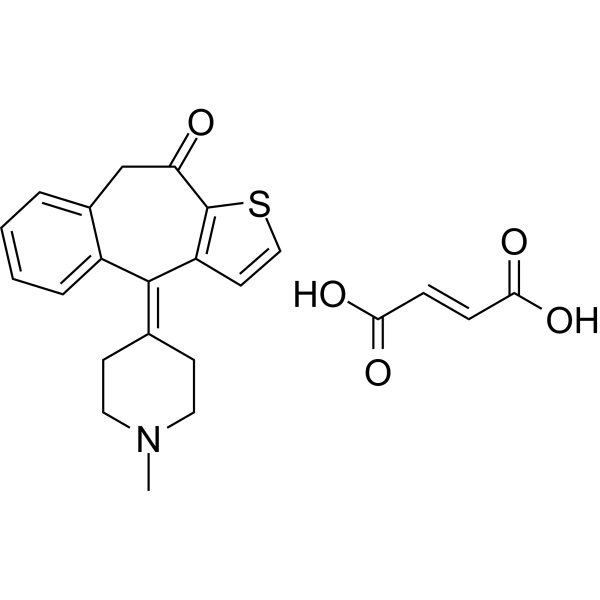
    Ketotifen (HC 20-511) fumarate is an orally active second-generation noncompetitive histamine 1 (H1) receptor blocker and mast cell stabilizer. Ketotifen fumarate can block 6-phosphogluconate dehydrogenase (PGD) in vitro. Ketotifen fumarate also has antiviral activity against SARS-CoV-2 and Influenza virus. Ketotifen fumarate can be used to the research of autoimmune encephalomyelitis (EAE) and asthma attack prevention .
    Ketotifen fumarate
  • HY-122704A
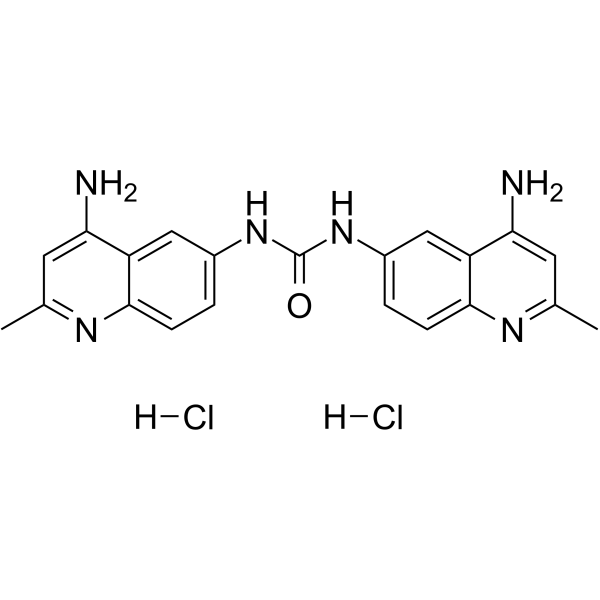
    Surfen dihydrochloride
    2 Publications Verification

    Aminoquinuride dihydrochloride

    FGFR HSV Tau Protein Infection Neurological Disease Inflammation/Immunology
    Surfen dihydrochloride is a potent heparan sulfate antagonist. Surfen inhibits FGF2 binding and signal transduction. Surfen binds to glycosaminoglycans and reduces tau hyperphosphorylation. Surfen dihydrochloride inhibits the activity of recombinant uronyl 2-O-sulfotransferase with an IC50 of approximately 2 μM. Surfen dihydrochloride inhibits HSV-1 viral infection. Surfen dihydrochloride inhibits neural differentiation, delays remyelination, and alleviates EAE .
    Surfen dihydrochloride
  • HY-P1240A
    MOG (35-55) TFA
    Maximum Cited Publications
    9 Publications Verification

    Myelin Oligodendrocyte Glycoprotein Peptide (35-55), mouse, rat TFA

    Endogenous Metabolite Neurological Disease Inflammation/Immunology
    MOG (35-55) (MOG (35-55)) TFA is a minor component of CNS myelin. MOG (35-55) (TFA) has encephalitogenic activity and induces T cell proliferative. MOG (35-55) (TFA) induces Th1 cytokine response as well as relatively high levels of IgG antibodies. MOG (35-55) (TFA) produces a relapsing-remitting neurological disease with extensive plaque-like demyelination. MOG (35-55) (MOG (35-55)) TFA can be used for experimental autoimmune encephalomyelitis (EAE) modeling .
    MOG (35-55) TFA
  • HY-P3206

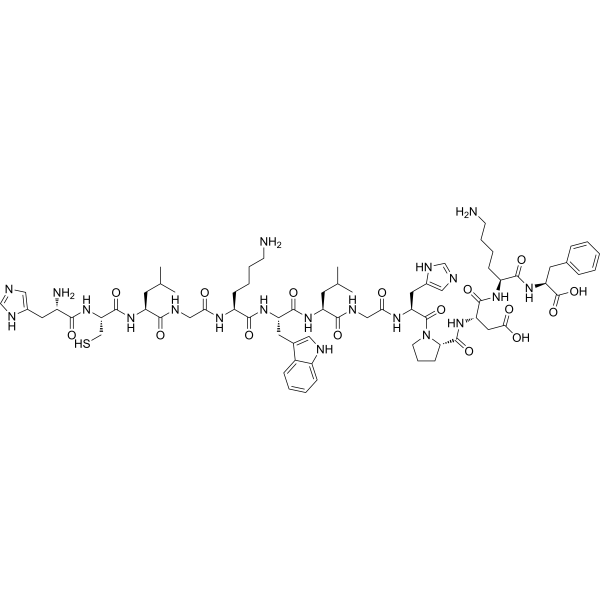
    Thymulin; Thymic factor

    ERK Neurological Disease Inflammation/Immunology Endocrinology
    Serum thymic factor (Thymulin) is a zinc-dependent immunomodulatory peptide hormone, which can be produced by the thymic epithelial cells. Serum thymic factor stimulates the release of hormones from the pituitary gland, exhibits hypophysiotropic activity. Serum thymic factor protects rats from Cephaloridine (HY-B2072)-induced nephrotoxicity by inhibiting ERK activation. Serum thymic factor exhibits anti-diabetic, anti-inflammatory and analgesic effects. Serum thymic factor can be used in research about endocrine, reproductive, neurodegenerative and inflammatory diseases .
    Serum thymic factor
  • HY-P10936A

    Aquaporin Neurological Disease Inflammation/Immunology
    AQP4 (201-220) TFA is an encephalitogenic epitope of AQP-4. AQP4 (201-220) TFA can induce experimental autoimmune encephalomyelitis (EAE) (characterized by midline lesions in the brain, retinal pathology, and lesions at the grey matter/white matter border zone in the spinal cord). AQP-4 is a target antigen in neuromyelitis optica .
    AQP4 (201-220) TFA
  • HY-N8441

    17β-Neriifolin

    Atg8/LC3 Na+/K+ ATPase Apoptosis Beclin1 Cardiovascular Disease Inflammation/Immunology Cancer
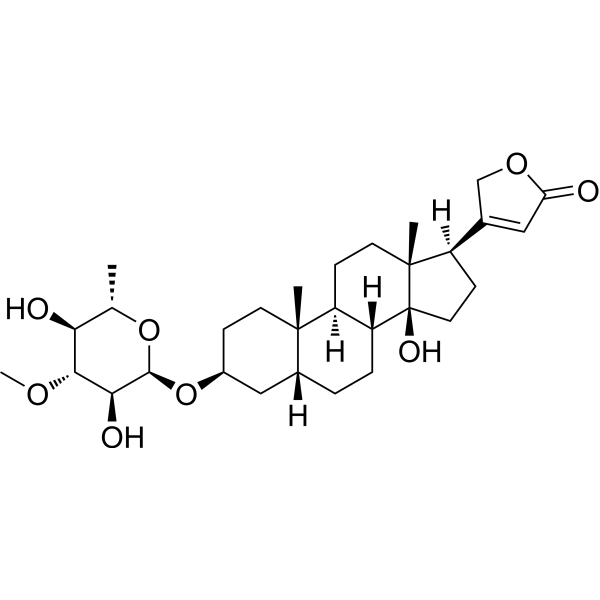
    Neriifolin, a CNS-penetrating cardiac glycoside, is an inhibitor of the Na +, K +-ATPase. Neriifolin can target beclin 1, inhibits the formation of LC3-associated phagosomes and ameliorates experimental autoimmune encephalomyelitis (EAE) development. Neriifolin induces cell cycle arrest and apoptosis in human hepatocellular carcinoma HepG2 cells [2.
    Neriifolin
  • HY-109520
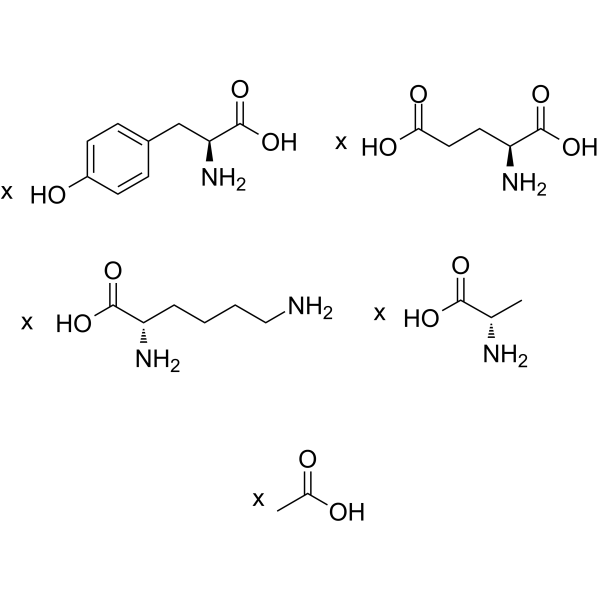
    Glatiramer acetate
    2 Publications Verification

    MHC Inflammation/Immunology Cancer
    Glatiramer acetate, a synthetic analogue of myelin basic protein and an immunomodulating agent, inhibits Experimental autoimmune encephalomyelitis (EAE), and can be used for the research of multiple sclerosis. Glatiramer acetate exhibits strong and promiscuous binding to MHC molecules and consequent competition with various myelin antigens for their presentation to T cells. A further aspect of its action is potent induction of specific suppressor cells of the T helper 2 (Th2) type that migrate to the brain and lead to in situ bystander suppression .
    Glatiramer acetate
  • HY-N2303
    Eriocalyxin B
    3 Publications Verification

    Apoptosis NF-κB Autophagy Reactive Oxygen Species (ROS) CDK PPAR FABP Akt mTOR Inflammation/Immunology Cancer
    Eriocalyxin B is a diterpenoid compound that can be isolated from Chinese herb Isodon eriocalyx. Eriocalyxin B exhibits multiple activities, such as anti-cancer, anti-inflammatory, and inhibition of adipogenesis. Eriocalyxin B is capable of inducing apoptosis and autophagy in tumor cells. Eriocalyxin B can be used in the research of cancers, autoimmune diseases, and other conditions .
    Eriocalyxin B
  • HY-100754C
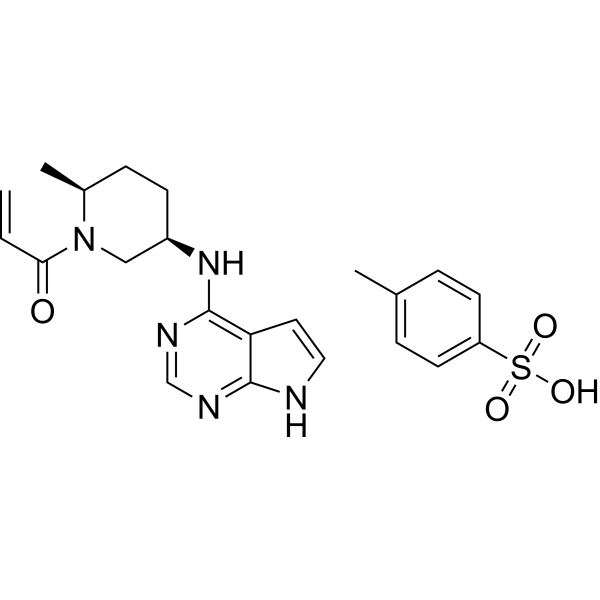
    Ritlecitinib tosylate
    5+ Cited Publications

    PF-06651600 tosylate

    JAK Interleukin Related STAT Inflammation/Immunology
    Ritlecitinib (PF-06651600) tosylate is a highly selective, orally active, irreversible covalent JAK3 inhibitor (IC50=33 nM) without inhibitory activity towards JAK1, JAK2, and TYK2 (IC50 >10 μ M). Ritlecitinib tosylate rapidly inactivates the JAK3 kinase, and blocks signaling and downstream STAT phosphorylation mediated by common gamma chain cytokines such as IL-2 and IL-15. Ritlecitinib tosylate can inhibit Th1/Th17 cell differentiation and function, and effectively suppress preclinical animal models such as alopecia areata, adjuvant-induced arthritis (AIA), and experimental autoimmune encephalomyelitis (EAE) .
    Ritlecitinib tosylate
  • HY-173591

    Formyl Peptide Receptor (FPR) Apoptosis Cardiovascular Disease Neurological Disease Inflammation/Immunology
    T0080 is a central nervous system-penetrant FPR1 inhibitor. By functionally blocking the FPR1 signaling pathway, T0080 effectively reduces neutrophil infiltration into ischemic brain tissue and maintains the integrity of the blood-brain barrier. T0080 alleviates tPA-associated hemorrhagic transformation, inhibits demyelination responses and the expression of NOX2. T0080 also possesses anti-apoptotic (apoptosis) and anti-inflammatory properties, thereby protecting myelin and reducing neurological deficits. T0080 is widely used in studies related to ischemic stroke complicated by hemorrhagic transformation after tPA thrombolysis, as well as multiple sclerosis .
    T0080
  • HY-148103

    REV-ERB Inflammation/Immunology
    SR12418 is a REV-ERB-specific synthetic ligand with IC50s of 68 nM and 119 nM for REV-ERBα and REV-ERBβ, respectively. SR12418 can be used in experimental autoimmune encephalomyelitis (EAE) and colitis research .
    SR12418
  • HY-101265

    S1p receptor agonist 1

    LPL Receptor Inflammation/Immunology
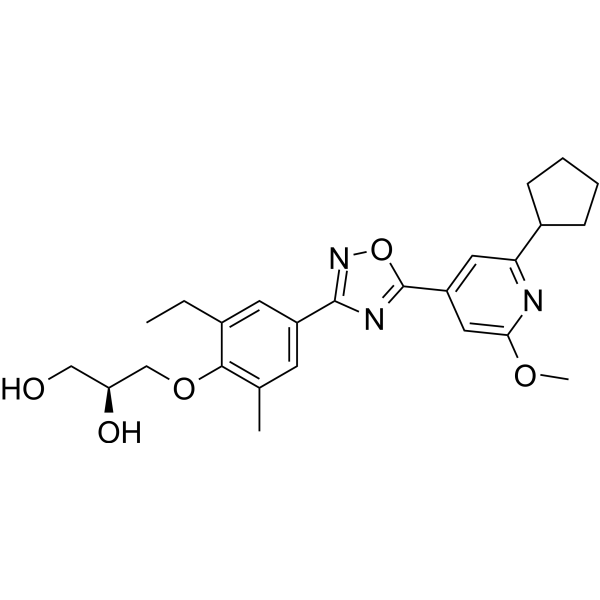
    Icanbelimod (S1p receptor agonist 1) is a potent and orally active S1P receptor agonist, exhibits an activity of inducing S1P1 internalization (EC50=9.83 nM). Icanbelimod has the potential for the study of arthritis and EAE (experimental autoimmune encephalitis). Icanbelimod is extracted from patent WO2015039587A1, Compound 2.
    Icanbelimod
  • HY-P99148

    TNF Receptor Metabolic Disease Inflammation/Immunology
    Anti-Mouse TNF alpha Antibody (TN3-19.12) is an anti-mouse TNF alpha IgG antibody inhibitor derived from host Armenian Hamster. Anti-Mouse TNF alpha Antibody (TN3-19.12) neutralizes cytotoxic activity in supernatants obtained from LNC-8 cells. Anti-Mouse TNF alpha Antibody (TN3-19.12) reduces the symptoms and severity of EAE (experimental allergic encephalomyelitis) in LNC-8 cells xenograft mice models. Anti-Mouse TNF alpha Antibody (TN3-19.12) prevents diabetes in NOD mice. Anti-Mouse TNF alpha Antibody (TN3-19.12) shows apparent radiosensitizing effect in CD2F1 mice .
    Anti-Mouse/Rat/Rabbit TNF alpha Antibody (TN3-19.12)
  • HY-P2459

    MHC Neurological Disease
    MOG (35-55), human is a component of CNS myelin. MOG (35-55), human is different from mMOG (35-55) by a proline for serine substitution at position 42. MOG (35-55), human is also immunogenic via bind to H-2b class II MHC and recognized by T cells, but not encephalitogenic, and is only partially cross-reactive with mMOG35–55. MOG (35-55), human induces minimal clinical signs of EAE relative to the rodent peptide .
    MOG (35-55), human
  • HY-117213

    S1P1-IN-Ex26

    LPL Receptor Neurological Disease Metabolic Disease Inflammation/Immunology
    Ex26 (S1P1-IN-Ex26) is a potent and selective sphingosine 1-phosphate receptor 1 (S1P1) antagonist (IC50=0.93 nM). Ex26 shows >3,000-fold selectivity for S1P1 over other Sphingosine 1-phosphate receptors. Ex26 can be used in experimental autoimmune encephalomyelitis reseach .
    Ex26
  • HY-126328

    PKC Interleukin Related Inflammation/Immunology
    PKC-theta inhibitor 1 is an orally active and selective ATP-competitive inhibitor of Protein Kinase Cθ (PKCθ), with a Ki value of 6 nM. PKC-theta inhibitor 1 inhibits T-cell-mediated inflammatory responses by suppressing the release of proinflammatory cytokines (IL-2 IC50 = 0.21 μM in anti-CD3/CD28-stimulated PBMCs; IL-17 IC50 = 1 μM in CD3/CD28-stimulated Th17 cells) PKC-theta inhibitor 1 significantly reduces symptoms in mice with ongoing experimental autoimmune encephalomyelitis (EAE). PKC-theta inhibitor 1 can be used for the study of T-cell-mediated inflammatory diseases such as multiple sclerosis .
    PKC-theta inhibitor 1
  • HY-114170
    ML604440
    3 Publications Verification

    Proteasome Inflammation/Immunology
    ML604440 is a specific and cell-permeable Proteasome β1i (LMP2) subunit inhibitor. ML604440 can be used in experimental colitis, EAE and autoimmune disease research. ML604440 shows synergistic effects and advantageous when combined with LMP7 inhibitor .
    ML604440
  • HY-P3206A

    Thymulin acetate; Thymic factor acetate

    ERK Neurological Disease Inflammation/Immunology Endocrinology
    Serum thymic factor acetate (Thymulin acetate) is the acetate salt form of Serum thymic factor (HY-P3206). Serum thymic factor acetate is a zinc-dependent immunomodulatory peptide hormone, which can be produced by the thymic epithelial cells. Serum thymic factor acetate stimulates the release of hormones from the pituitary gland, exhibits hypophysiotropic activity. Serum thymic factor acetate protects rats from Cephaloridine (HY-B2072)-induced nephrotoxicity by inhibiting ERK activation. Serum thymic factor acetate exhibits anti-diabetic, anti-inflammatory and analgesic effects. Serum thymic factor acetate can be used in research about endocrine, reproductive, neurodegenerative and inflammatory diseases .
    Serum thymic factor acetate
  • HY-P10936

    Aquaporin Neurological Disease Inflammation/Immunology
    AQP4 (201-220) is an encephalitogenic epitope of AQP-4. AQP4 (201-220) can induce experimental autoimmune encephalomyelitis (EAE) (characterized by midline lesions in the brain, retinal pathology, and lesions at the grey matter/white matter border zone in the spinal cord). AQP-4 is a target antigen in neuromyelitis optica .
    AQP4 (201-220)
  • HY-156374

    NOD-like Receptor (NLR) Pyroptosis Inflammation/Immunology
    D359-0396 is an orally active NLRP3 inflammasome inhibitor. D359-0396 inhibits pyroptosis and IL-1β release in macrophages. D359-0396 also inhibits the oligomerization of NLRP3, ASC and the cleavage of GSDMD. D359-0396 alleviates EAE, and also improves survival after septic shock in mice .
    D359-0396
  • HY-P10532

    PKC Others Inflammation/Immunology
    Myelin basic protein, MBP (68-86) is the portion of the 68th to 86th amino acid residues in the MBP protein sequence. Myelin basic protein, MBP (68-86) can act as an autoantigen, triggering the immune system to attack its own myelin. Myelin basic protein, MBP (68-86) is used as one of the immunogens in the experimental autoimmune encephalomyelitis (EAE) animal model to study immune responses associated with multiple sclerosis (MS) .
    Myelin basic protein, MBP (68-86)
  • HY-A0124

    (6R)-BH4; (6R)-Tetrahydro-L-biopterin

    Endogenous Metabolite Infection Metabolic Disease Inflammation/Immunology
    Sapropterin ((6R)-BH4; (6R)-Tetrahydro-L-biopterin) is an orally active phenylalanine hydroxylase (PAH) cofactor, which is effective in reducing blood phenylalanine concentrations. Sapropterin can be used in study of phenylketonuria (PKU) phenylketonuria. Sapropterin can aggravate experimental autoimmune encephalomyelitis (EAE) .
    Sapropterin
  • HY-142042

    MEK TGF-beta/Smad Neurological Disease Inflammation/Immunology Cancer
    3-Hydroxy-4-carboxyalkylamidino-5-arylamino-isothiazoles is an inhibitor for bone morphogenetic protein 2 (BMP2) with an IC50 of 2.2 μM. 3-Hydroxy-4-carboxyalkylamidino-5-arylamino-isothiazoles is inhibitor for mitogen-activated protein kinase 1 (MEK1). 3-Hydroxy-4-carboxyalkylamidino-5-arylamino-isothiazoles exhibits anti-inflammatory and neuroprotective activity in EAE mouse model .
    3-Hydroxy-4-carboxyalkylamidino-5-arylamino-isothiazoles
  • HY-P990004

    Tim3 Inflammation/Immunology Cancer
    Anti-Mouse TIM-3 Antibody (B8.2C12) is an anti-mouse TIM-3 IgG1 monoclonal antibody. Anti-Mouse TIM-3 Antibody (B8.2C12) can block the binding of Tim-3 with Phosphatidylserine (PtdSer) and CEACAM1 without interfering with the binding to Galectin-9. Anti-Mouse TIM-3 Antibody (B8.2C12) can inhibit tumor growth and activate tumor infiltrating CD8 + T cells. Anti-Mouse TIM-3 Antibody (B8.2C12) can be used for studying cancer such as breast cancer and colon cancer and constructing experimental autoimmune encephalomyelitis (EAE) models .
    Anti-Mouse TIM-3 Antibody (B8.2C12)
  • HY-P990144

    Integrin Inflammation/Immunology Cancer
    Anti-Mouse/Human VLA-4/CD49d Antibody (PS/2) is an anti-mouse/human VLA-4/CD49d IgG2b monoclonal antibody. Anti-Mouse/Human VLA-4/CD49d Antibody (PS/2) can reduce VLA-4 positive cells. Anti-Mouse/Human VLA-4/CD49d Antibody (PS/2) can inhibit the migration of Tc1 cells to tumors. Anti-Mouse/Human VLA-4/CD49d Antibody (PS/2) inhibits the retention of leukemia cells in the spleen and bone marrow by blocking VLA-4. Anti-Mouse/Human VLA-4/CD49d Antibody (PS/2) can be used for research on inflammation conditions and cancer such as experimental autoimmune encephalomyelitis (EAE), melanoma and leukemia .
    Anti-Mouse/Human VLA-4/CD49d Antibody (PS/2)
  • HY-125726

    (3'-sulfo)Galβ-Cer(d18:1/24:1); N-Nervonoyl Sulfatide; C24:1 Sulfatide

    Nuclear Factor of activated T Cells (NFAT) Inflammation/Immunology
    Sulfo galactosylceramide (N-Nervonoyl Sulfatide; C24:1 Sulfatide) is a glycolipid and the major sulfolipid species in mature myelin. Sulfo galactosylceramide interacts with C-type lectins and immunoglobulin-like receptors, with the highest affinity for LMIR5. Sulfo galactosylceramide induces MCP-1 production by basophils but not mast cells, and increases NFAT activation via LMIR5. Sulfo galactosylceramide alleviates symptoms and improves survival in a mouse model of chronic relapsing-remitting experimental autoimmune encephalomyelitis (EAE), and reduces inflammatory lesions and the number of infiltrating mononuclear cells in the lumbar spinal cord of EAE mice.
    Sulfo galactosylceramide
  • HY-117432

    NOD-like Receptor (NLR) Inflammation/Immunology
    JC-171 is a selective NLRP3 inflammasome inhibitor, with an IC50 of 8.45 μM for inhibiting LPS/ATP-induced interleukin-1β (IL-1β) release from J774A.1 macrophages .
    JC-171
  • HY-150307

    Protein Arginine Deiminase Inflammation/Immunology
    KP-302 (Compound 23) is a selective inhibitor of protein arginine deaminase PAD2 with a Ki of 60 μM. KP-302 also reverses physical disability in the EAE mouse model of multiple sclerosis (MS) and eliminates T cell infiltration in the brain. KP-302 can be studied in research as a disease-modifying agent for MS .
    KP-302
  • HY-158417

    LPL Receptor Inflammation/Immunology
    KSI-6666 is an orally active, competitive antagonist for sphingosine 1-phosphate receptor 1 (S1PR1), with an IC50 of 6.4 nM. KSI-6666 exhibits anti-inflammatory efficacy in autoimmune encephalomyelitis model and T cell transfer colitis model .
    KSI-6666
  • HY-A0124AR

    (6R)-BH4 dihydrochloride (Standard); (6R)-Tetrahydro-L-biopterin dihydrochloride (Standard)

    Endogenous Metabolite Reference Standards Infection Metabolic Disease Inflammation/Immunology
    Sapropterin ((6R)-BH4; (6R)-Tetrahydro-L-biopterin) dihydrochloride (Standard) is the analytical standard of Sapropterin dihydrochloride (HY-A0124A) . This product is intended for research and analytical applications. Sapropterin dihydrochloride is an orally active phenylalanine hydroxylase (PAH) cofactor, which is effective in reducing blood phenylalanine concentrations. Sapropterin dihydrochloride can be used in study of phenylketonuria (PKU) phenylketonuria. Sapropterin dihydrochloride can aggravate experimental autoimmune encephalomyelitis (EAE) .
    Sapropterin dihydrochloride (Standard)
  • HY-164495

    FAAH Thyroid Hormone Receptor Inflammation/Immunology Endocrinology
    Sob-AM2 is a potent substrate (Km=1.3 μM) targeting fatty acid amide hydrolase (FAAH) expressed in the brain and has blood-brain barrier permeability. Sob-AM2 delivers high concentrations of Sobetirome (HY-14823) to the central nervous system with minimal peripheral systemic dose, thereby stimulating central thyroid hormone receptor β (TRβ). In addition, Sob-AM2 can prevent myelin and axon degeneration in experimental autoimmune encephalomyelitis (EAE) mice .
    Sob-AM2
  • HY-P990250

    Wnt Inflammation/Immunology
    Anti-Mouse DKK3 Antibody (DKK3-4.22) is an anti-mouse DKK3 IgG1 monoclonal antibody. Anti-Mouse DKK3 Antibody (DKK3-4.22) can improve kidney function and increases T cell infiltration. Anti-Mouse DKK3 Antibody (DKK3-4.22) can reduce skin inflammation by blocking the immunosuppressive function of DKK3. Anti-Mouse DKK3 Antibody (DKK3-4.22) can be used for researches on inflammation conditions such as unilateral ureteral obstruction (UUO) and experimental autoimmune encephalomyelitis (EAE) .
    Anti-Mouse DKK3 Antibody (DKK3-4.22)
  • HY-P990156

    Transmembrane Glycoprotein Inflammation/Immunology
    Anti-Mouse Thy1.1/CD90.1 Antibody (19E12) is an anti-mouse Thy1.1/CD90.1 IgG2a monoclonal antibody. Anti-Mouse Thy1.1/CD90.1 Antibody (19E12) can deplete CD90.1 + cells. Anti-Mouse Thy1.1/CD90.1 Antibody (19E12) can clear Tregs. Anti-Mouse Thy1.1/CD90.1 Antibody (19E12) can be used for researches on inflammation conditions and immune response such as airway inflammation and experimental autoimmune encephalomyelitis (EAE) .
    Anti-Mouse Thy1.1/CD90.1 Antibody (19E12)
  • HY-N11451

    LNFP-III

    Arginase Aldehyde Dehydrogenase (ALDH) Indoleamine 2,3-Dioxygenase (IDO) Inflammation/Immunology
    Lacto-N-fucopentaose III (LNFP-III) is an immune modulator. Lacto-N-fucopentaose III reduces the severity of experimental autoimmune encephalomyelitis (EAE) and CNS inflammation .
    Lacto-N-fucopentaose III
  • HY-105723A

    Duazomycin A sodium

    Glutaminase Inflammation/Immunology
    Duazomycin (Duazomycin A) sodium is a glutamine antagonist. Duazomycin sodium can significantly enhance the effectiveness of 6-Mercaptopurine (6-MP) (HY-13677) in experimental allergic encephalomyelitis (EAE) without increasing toxicity .
    Duazomycin sodium
  • HY-111021
    ASP-4058
    1 Publications Verification

    LPL Receptor Inflammation/Immunology
    ASP-4058 is a next-generation, selective and oral bioactive agonist for Sphingosine 1-Phosphate receptors 1 and 5 (S1P1 and S1P5), ameliorates rodent experimental autoimmune encephalomyelitis with a favorable safety profile .
    ASP-4058
  • HY-122704

    Aminoquinuride

    FGFR HSV Tau Protein Infection Neurological Disease Inflammation/Immunology
    Surfen is a potent heparan sulfate antagonist. Surfen inhibits FGF2 binding and signal transduction. Surfen binds to glycosaminoglycans and reduces tau hyperphosphorylation. Surfen inhibits the activity of recombinant uronyl 2-O-sulfotransferase with an IC50 of approximately 2 μM. Surfen inhibits HSV-1 viral infection. Surfen inhibits neural differentiation, delays remyelination, and alleviates EAE .
    Surfen
  • HY-P990808

    Interleukin Related Infection Metabolic Disease Inflammation/Immunology Cancer
    Anti-Mouse CD122/IL-2Rβ Antibody (TM-Beta 1) is a rat-derived IgG2b κ type antibody inhibito, targeting to mouse CD122/IL-2Rβ. Anti-Mouse CD122/IL-2Rβ Antibody (TM-Beta 1) can block IL-2 and IL-15. Anti-Mouse CD122/IL-2Rβ Antibody (TM-Beta 1) can deplete natural killer (NK) cells and NKT cells. Anti-Mouse CD122/IL-2Rβ Antibody (TM-Beta 1) can be used for the researches of cancer, infection, inflammation, immunology and metabolic disease, such as melanoma, experimental autoimmune encephalomyelitis (EAE) and diabetes .
    Anti-Mouse CD122/IL-2Rβ Antibody (TM-Beta 1)
  • HY-P990122

    Interleukin Related Inflammation/Immunology
    Anti-Rat IL-4 Antibody (OX-81) is an antibody inhibitor against rat IL-4. Anti-Rat IL-4 Antibody (OX-81) can specifically block the anti-inflammatory effect of IL-4. Anti-Rat IL-4 Antibody (OX-81) can be used for research on inflammation conditions such as experimental allergic encephalomyelitis (EAE) .
    Anti-Rat IL-4 Antibody (OX-81)

Inquiry Online

Your information is safe with us. * Required Fields.

Salutation


Country or Region *

Applicant Name *


Organization Name *

Department *


Email Address *


Product Name *

Cat. No.


Requested quantity *

Phone Number *


Remarks

Inquiry Online

Inquiry Information

Product Name:
Cat. No.:
Quantity:
MCE Japan Authorized Agent:

