1. Search Result
Search Result
Isoforms Recommended: ERK2
Results for "

ERK2

" in MedChemExpress (MCE) Product Catalog:

97

Inhibitors & Agonists

1

Fluorescent Dye

1

Biochemical Assay Reagents

11

Peptides

9

Natural
Products

3

Recombinant Proteins

11

Antibodies

5

Oligonucleotides

Targets Recommended:
Cat. No. Product Name Target Research Areas Chemical Structure
  • HY-10182
    Laduviglusib
    Maximum Cited Publications
    295 Publications Verification

    CHIR-99021; CT99021

    Organoid GSK-3 Wnt β-catenin Autophagy Metabolic Disease Cancer
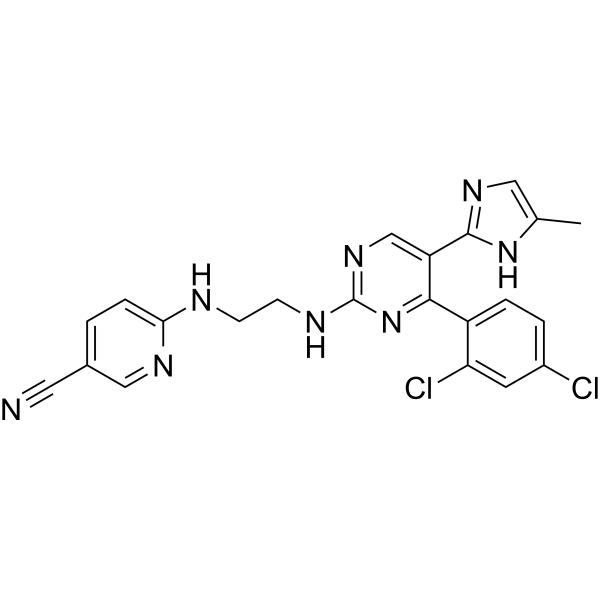
    Laduviglusib (CHIR-99021) is a potent, selective and orally active GSK-3α/β inhibitor with IC50s of 10 nM and 6.7 nM. Laduviglusib shows >500-fold selectivity for GSK-3 over CDC2, ERK2 and other protein kinases. Laduviglusib is also a potent Wnt/β-catenin signaling pathway activator. Laduviglusib enhances mouse and human embryonic stem cells self-renewal. Laduviglusib induces autophagy [2] .
    Laduviglusib
  • HY-50846
    SCH772984
    180+ Cited Publications

    ERK Cancer
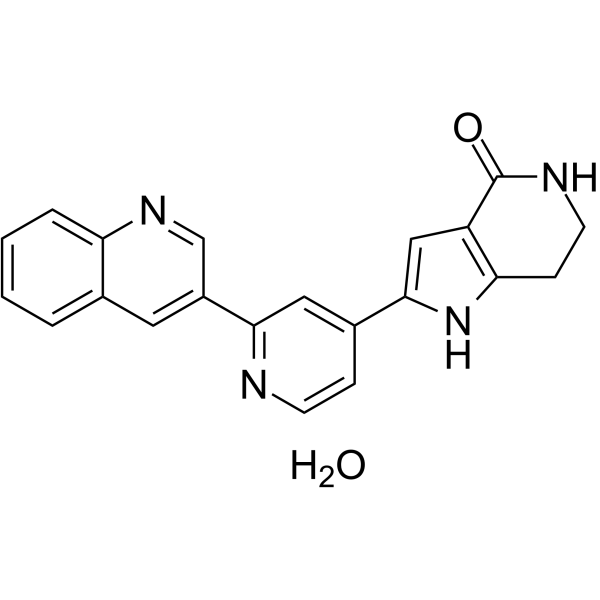
    SCH772984 is a highly selective and ATP-competitive ERK inhibitor, with IC50s of 4 and 1 nM for ERK1 and ERK2, respectively. SCH772984 has antitumor activity in MAPK inhibitor-na?ve and MAPK inhibitor-resistant cells containing BRAF or RAS mutations .
    SCH772984
  • HY-15816
    Ulixertinib
    45+ Cited Publications

    BVD-523; VRT752271

    ERK Cancer
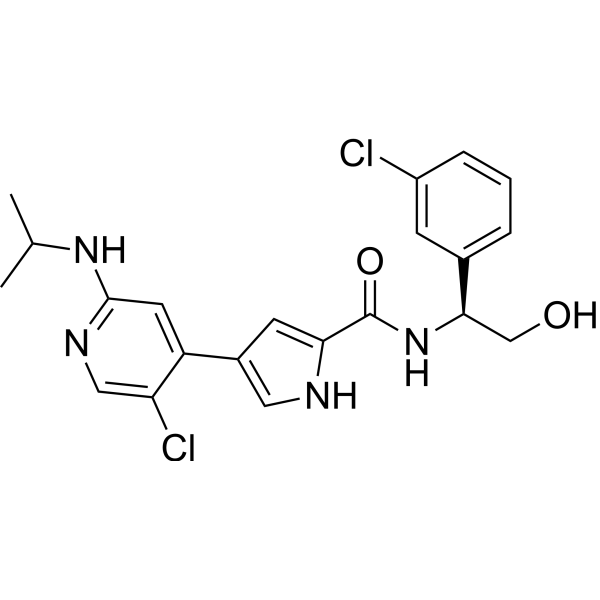
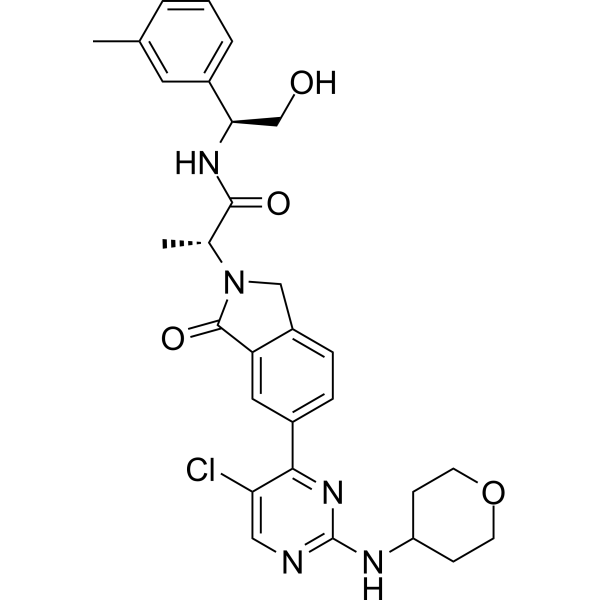
    Ulixertinib (BVD-523; VRT752271) is a potent, orally active, highly selective, ATP-competitive and reversible covalent inhibitor of ERK1/2 kinases, with an IC50 of <0.3 nM against ERK2. Ulixertinib (BVD-523; VRT752271) inhibits the phosphorylated ERK2 (pERK) and downstream kinase RSK (pRSK) in an A375 melanoma cell line [2].
    Ulixertinib
  • HY-10182B
    Laduviglusib trihydrochloride
    Maximum Cited Publications
    295 Publications Verification

    CHIR-99021 trihydrochloride; CT99021 trihydrochloride

    Organoid GSK-3 Wnt β-catenin Autophagy Cancer
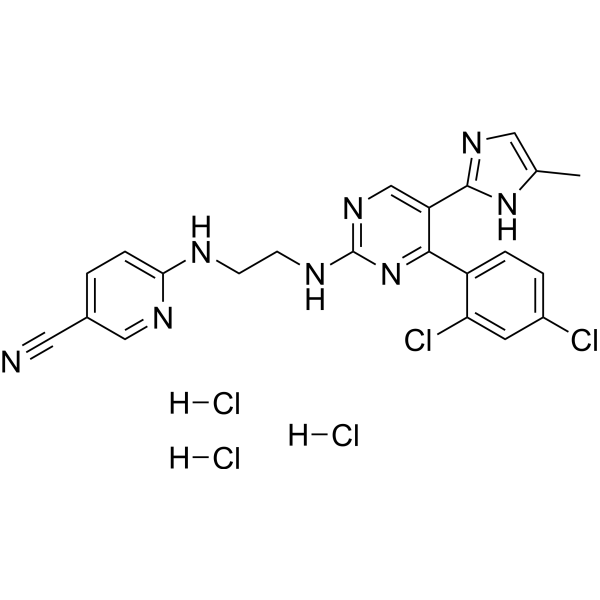
    Laduviglusib (CHIR-99021) trihydrochloride is a potent and selective GSK-3α/β inhibitor with IC50s of 10 nM and 6.7 nM. Laduviglusib trihydrochloride shows >500-fold selectivity for GSK-3 over CDC2, ERK2 and other protein kinases. Laduviglusib trihydrochloride is also a potent Wnt/β-catenin signaling pathway activator. Laduviglusib trihydrochloride enhances mouse and human embryonic stem cells self-renewal. Laduviglusib trihydrochloride induces autophagy [2] .
    Laduviglusib trihydrochloride
  • HY-15947
    Ravoxertinib
    50+ Cited Publications

    GDC-0994

    ERK Cancer
    Ravoxertinib (GDC-0994) is an orally active ERK kinase inhibitor with an IC50 of 6.1 nM and 3.1 nM for ERK1 and ERK2, respectively.
    Ravoxertinib
  • HY-101494
    Temuterkib
    30+ Cited Publications

    LY3214996

    ERK Cancer
    Temuterkib (LY3214996) is a highly selective inhibitor of ERK1 and ERK2, with IC50 of 5 nM for both enzymes in biochemical assays. Temuterkib potently inhibits cellular p-RSK1 in BRAF and RAS mutant cancer cell lines. Temuterkib shows potent antitumor activities in cancer models with MAPK pathway alterations.
    Temuterkib
  • HY-10182A
    Laduviglusib monohydrochloride
    Maximum Cited Publications
    295 Publications Verification

    CHIR-99021 monohydrochloride; CT99021 monohydrochloride

    Organoid GSK-3 Wnt β-catenin Autophagy Cancer
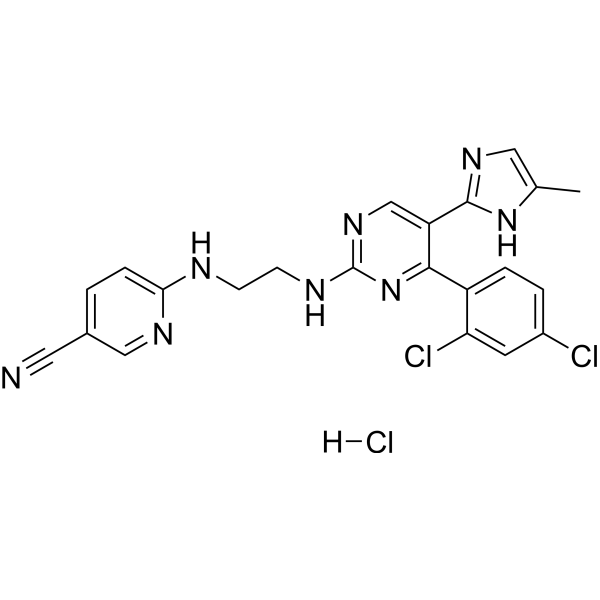
    Laduviglusib (CHIR-99021) monohydrochloride is a potent and selective GSK-3α/β inhibitor with IC50s of 10 nM and 6.7 nM. Laduviglusib monohydrochloride shows >500-fold selectivity for GSK-3 over CDC2, ERK2 and other protein kinases. Laduviglusib monohydrochloride is also a potent Wnt/β-catenin signaling pathway activator. Laduviglusib monohydrochloride enhances mouse and human embryonic stem cells self-renewal. Laduviglusib monohydrochloride induces autophagy [2] .
    Laduviglusib monohydrochloride
  • HY-15816A
    Ulixertinib hydrochloride
    45+ Cited Publications

    BVD-523 hydrochloride; VRT752271 hydrochloride

    ERK Cancer
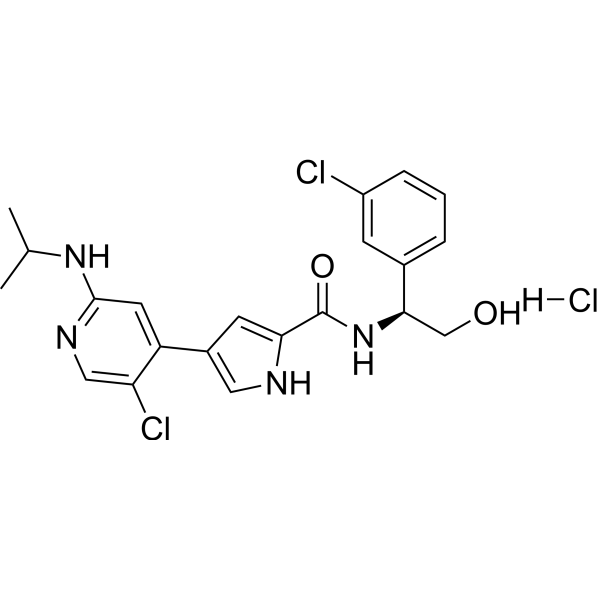
    Ulixertinib hydrochloride (BVD-523 hydrochloride) is a potent, orally active, highly selective, ATP-competitive and reversible covalent inhibitor of ERK1/2 kinases, with an IC50 of <0.3 nM against ERK2. Ulixertinib hydrochloride inhibits the phosphorylated ERK2 (pERK) and downstream kinase RSK (pRSK) in an A375 melanoma cell line [2].
    Ulixertinib hydrochloride
  • HY-12275
    FR 180204
    20+ Cited Publications

    Flavivirus Dengue Virus ERK Apoptosis Cancer
    FR 180204 is an ATP-competitive and selective ERK inhibitor. FR 180204 inhibits ERK1 and ERK2 with IC50s of 0.51 μM (Ki=0.31 μM) and 0.33 μM (Ki=0.14 μM), respectively .
    FR 180204
  • HY-13076
    CHIR-98014
    5+ Cited Publications

    GSK-3 Metabolic Disease
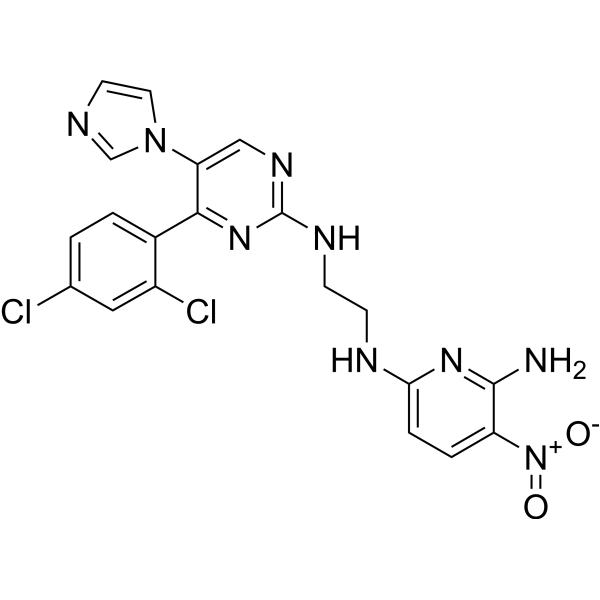
    CHIR-98014 is a potent, cell-permeable GSK-3 inhibitor with IC50s of 0.65 and 0.58 nM for GSK-3α and GSK-3β, respectively; it shows less potent activities against cdc2 and erk2.
    CHIR-98014
  • HY-P1342
    Prosaptide Tx14(A)
    1 Publications Verification

    Neurological Disease
    Prosaptide Tx14(A), a prosaposin-derived peptide, is a potent GPR37L1 and GPR37 agonist with EC50s of 5 and 7 nM, respectively. Prosaptide Tx14(A) increases both ERK1 and ERK2 phosphorylation in Schwann cells [2].
    Prosaptide Tx14(A)
  • HY-18932
    DEL-22379
    2 Publications Verification

    ERK Apoptosis Cancer
    DEL-22379 is an ERK dimerization Inhibitor. DEL-22379 readily binds to ERK2 with a Kd estimated in the low micromolar range, though binding is detectable even at low nanomolar concentrations. ERK2 dimerization is progressively inhibited with an IC50 of ~0.5 μM.
    DEL-22379
  • HY-111483
    Tizaterkib
    3 Publications Verification

    AZD0364

    ERK Cancer
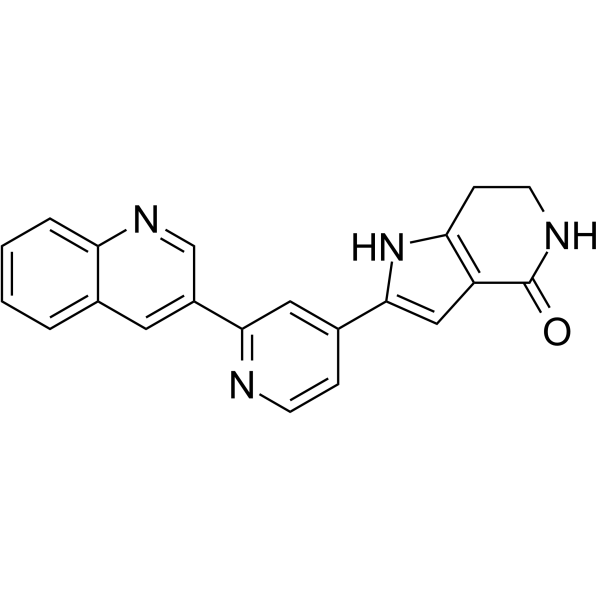
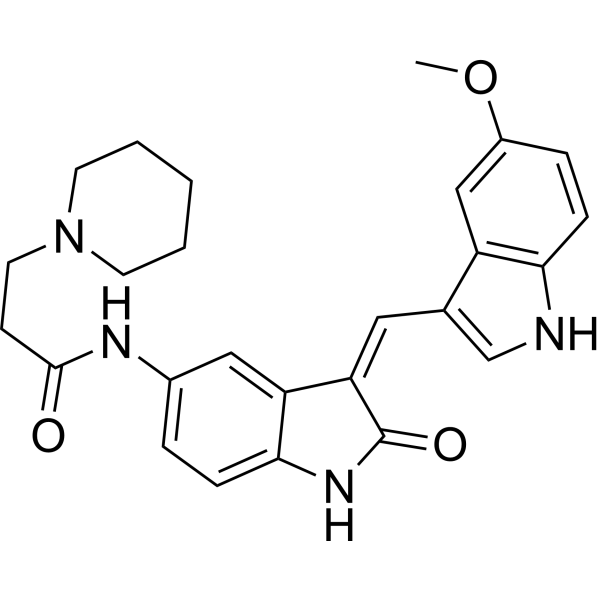
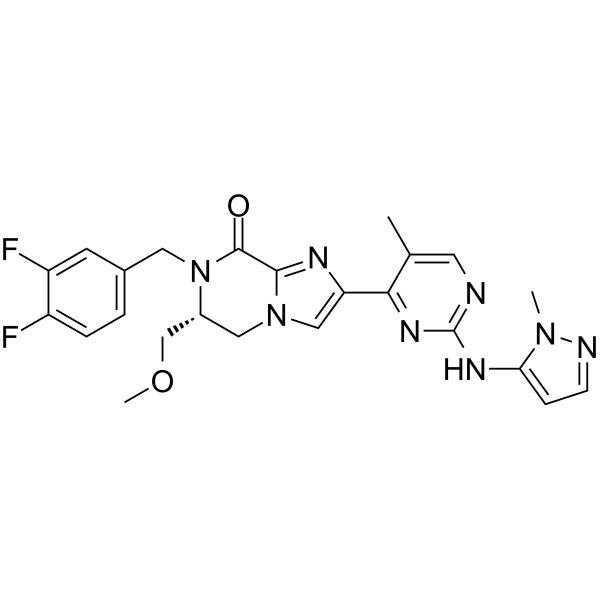
    Tizaterkib (AZD0364) is a potent and selective ERK2 inhibitor extracted from patent WO2017080979A1, compound example 18, has an IC50 of 0.6 nM.
    Tizaterkib
  • HY-108330
    AG126
    3 Publications Verification

    Tyrphostin AG126

    ERK Mitosis Inflammation/Immunology
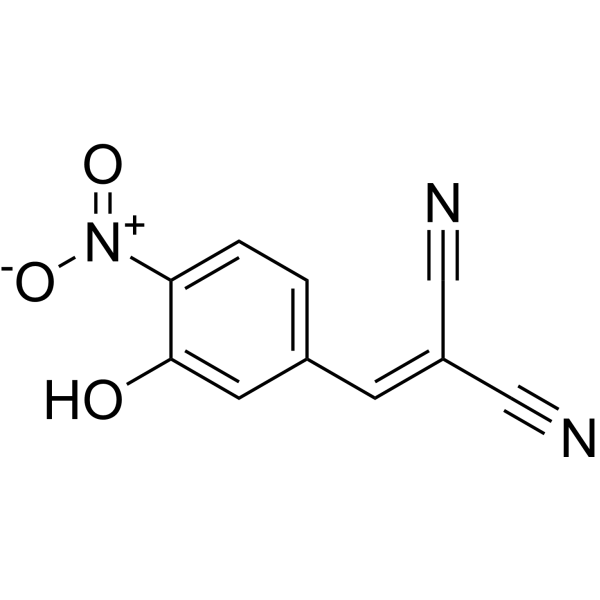
    AG126 is a tyrosine kinase inhibitor, can inhibit the phosphorylation of ERK1 and ERK2 at 25-50 μM. AG126 can be used in meiosis, mitosis, and postmitotic research [2] .
    AG126
  • HY-112287
    ERK1/2 inhibitor 1
    5+ Cited Publications

    ERK Cancer
    ERK1/2 inhibitor 1 is a potent, orally bioavailable ERK1/2 inhibitor, showing 60% inhibition at 1 nM and an IC50 of 3.0 nM against ERK1 and ERK2, respectively .
    ERK1/2 inhibitor 1
  • HY-131249
    MK2-IN-3
    4 Publications Verification

    MAPKAPK2 (MK2) Inflammation/Immunology
    MK2-IN-3 is a potent and selective inhibitor of MAPKAP-K2 (MK-2), with an IC50 of 8.5 nM. MK2-IN-3 shows selectivity for MK-2 over MK-3, MK-5, ERK2, MNK1, p38a (IC50s=0.21, 0.081, 3.44, 5.7, and >100 μM, respectively) and MSK1, MSK2, CDK2, JNK2, IKK2 (IC50s>200 μM). MK2-IN-3 can reduce TNFα production in both U937 cells and in vivo .
    MK2-IN-3
  • HY-137322

    Neurotensin Receptor Neurological Disease Metabolic Disease
    THX-B is a potent and non-peptidic p75 NTR (neurotrophin receptor p75) antagonist. THX-B can be used in the research of diabetic kidney disease, neurodegenerative and inflammatory disorders [2] .
    THX-B
  • HY-114491

    ERK Raf Cancer
    Rineterkib (compound B) is an orally available ERK1 and ERK2 inhibitor in the treatment of a proliferative disease characterized by activating mutations in the MAPK pathway. The activity is particularly related to the treatment of KRAS-mutant NSCLC, BRAF-mutant NSCLC, KRAS-mutant pancreatic cancer, KRAS-mutant colorectal cancer (CRC) and KRAS-mutant ovarian cancer. Rineterkib hydrochloride can also inhibit RAF [2].
    Rineterkib
  • HY-18285

    Wnt Casein Kinase ERK CDK Cancer
    Longdaysin is a inhibitor of the Wnt/β-catenin signaling pathway, which exerts antitumor effect through blocking CK1δ/ε-dependent Wnt signaling. Longdaysin inhibits CK1α, CK1δ, CDK7, and ERK2 with IC50s of  5.6 µM, 8.8 µM, 29 µM, and 52 µM, respectively [2].
    Longdaysin
  • HY-143212

    1-Stearoyl-2-docosahexaenoyl-sn-glycerol

    Ras p38 MAPK ERK PKC Metabolic Disease Inflammation/Immunology Cancer
    18:0-22:6 DG (1-Stearoyl-2-docosahexaenoyl-sn-glycerol) is a diacylglycerol (DG) that can interact with RasGRP (Ras guanine nucleotide-releasing protein) (Ki = 8.37 μM) and modulate the activation of MAP kinases (such as ERK1/ERK2), which play a crucial role in cellular signaling processes. 18:0-22:6 DG can also activate protein kinase C (PKC) isozyme. 18:0-22:6 DG can be used for research of cancer, immunology and metabolic disease [2].
    18:0-22:6 DG
  • HY-N0590
    Corynoxeine
    Maximum Cited Publications
    6 Publications Verification

    ERK Cardiovascular Disease
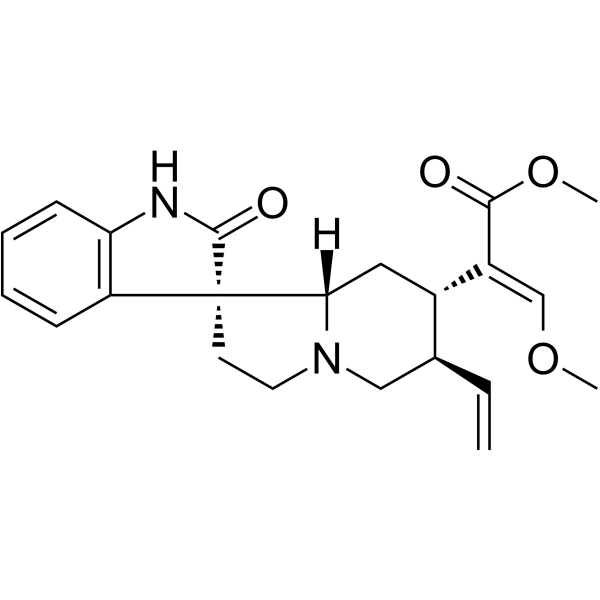
    Corynoxeine, isolated from the hook of Uncaria rhynchophylla, is a potent ERK1/ERK2 inhibitor of key PDGF-BB-induced vascular smooth muscle cells (VSMCs) proliferation.
    Corynoxeine
  • HY-N1374
    Magnolin
    2 Publications Verification

    ERK Inflammation/Immunology
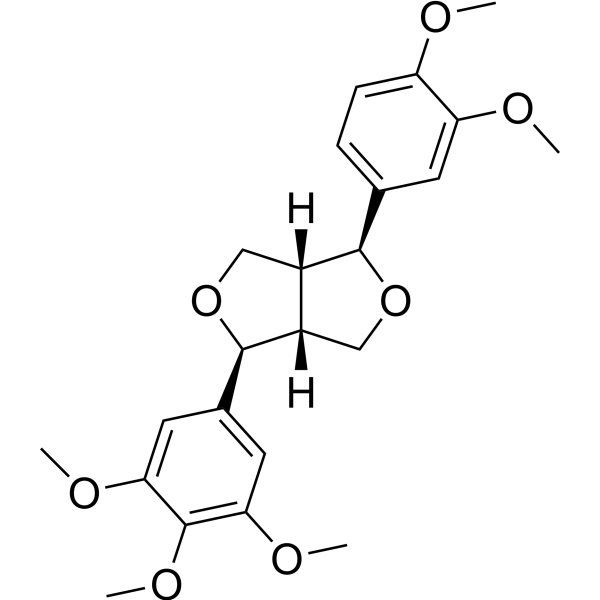
    Magnolin, a major component of Magnolia liliiflora, inhibits the Ras/ERKs/RSK2 signaling axis by targeting the active pocket of ERK1 and ERK2 with IC50s of 87 nM and 16.5 nM, respectively.
    Magnolin
  • HY-N6257
    Cafestol
    2 Publications Verification

    ERK PGE synthase COX NF-κB Apoptosis Autophagy AP-1 FAK Cardiovascular Disease Metabolic Disease Inflammation/Immunology Endocrinology Cancer
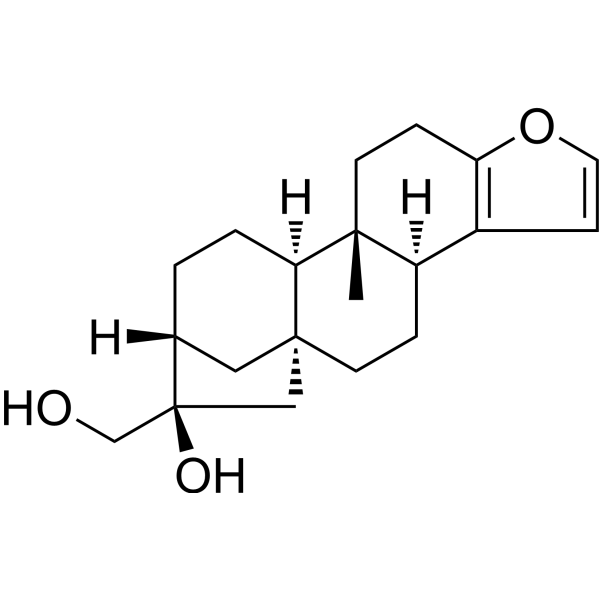
    Cafestol is an orally active diterpenoid and an inhibitor of ERK2. Cafestol has elevated blood lipids, anti-inflammatory, anti-angiogenic and anti-diabetic activities. In addition, Cafestol induces tumor cell apoptosis and autophagy, which can be used in the study of cancer [2] .
    Cafestol
  • HY-10182R

    CHIR-99021 (Standard); CT99021 (Standard)

    Organoid GSK-3 Autophagy Wnt β-catenin Reference Standards Cancer
    Laduviglusib (Standard) is the analytical standard of Laduviglusib. Laduviglusib (CHIR-99021) is a potent, selective and orally active GSK-3α/β inhibitor with IC50s of 10 nM and 6.7 nM. Laduviglusib shows >500-fold selectivity for GSK-3 over CDC2, ERK2 and other protein kinases. Laduviglusib is also a potent Wnt/β-catenin signaling pathway activator. Laduviglusib enhances mouse and human embryonic stem cells self-renewal. Laduviglusib induces autophagy [2] .
    Laduviglusib (Standard)
  • HY-14604
    Xaliproden hydrochloride
    1 Publications Verification

    SR57746A; SR57746 hydrochloride

    5-HT Receptor Dopamine Receptor Trk Receptor PKC ERK Akt JNK Neurological Disease Metabolic Disease
    Xaliproden (SR57746) hydrochloride (SR57746A) is an orally active, highly selective 5-HT1A receptor agonist. Xaliproden hydrochloride activates pertussis toxin-sensitive G protein-coupled signaling cascades, as well as the PKC, ERK1/ERK2, Akt and p21 Ras/MEK-1 pathways. Xaliproden hydrochloride also downregulates the JNK/p66/c-Jun signaling pathway, induces phosphorylation of the shc adaptor protein, regulates extracellular dopamine and 5-HT levels, and induces [ 35S]GTPγS labeling in rat brain structures rich in 5-HT1A receptors. Xaliproden hydrochloride exerts neurotrophic, neuroprotective, renoprotective, anti-inflammatory, anti-apoptotic, anti-fibrotic and analgesic effects. Xaliproden hydrochloride also enhances NGF-induced neurite outgrowth, promotes motor neuron survival, attenuates renal tubular injury and inhibits chemotherapy-induced mechanical allodynia, without activating or altering NGF-induced TrkA receptor activation. Xaliproden hydrochloride can be used in the research of motor neuron disease, diabetic nephropathy, chemotherapy-induced peripheral neuropathy, amyotrophic lateral sclerosis, Alzheimer's disease, acute tonic nociceptive pain, inflammatory pain, depression and anxiety [2] .
    Xaliproden hydrochloride
  • HY-15947A
    Ravoxertinib hydrochloride
    50+ Cited Publications

    GDC-0994 hydrochloride

    ERK Cancer
    Ravoxertinib hydrochloride (GDC-0994 hydrochloride) is an orally bioavailable inhibitor selective for ERK kinase activity with IC50 of 6.1 nM and 3.1 nM for ERK1 and ERK2, respectively.
    Ravoxertinib hydrochloride
  • HY-P10953

    PSP 29-mer, anti-inflammatory peptide

    ERK STAT Inflammation/Immunology
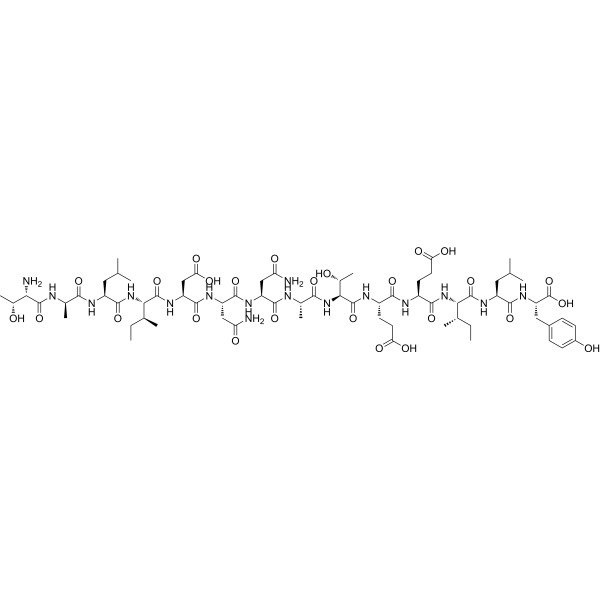
    Fulipiftide is a short peptide derived from pigment epithelium-derived factor (PEDF). Fulipiftide induces the expansion of nuclear stem cell factor +TSPC by activating ERK2 and STAT3 signaling pathways. Fulipiftide has anti-inflammatory activity and can be used in the study of acute tendon injury [2].
    Fulipiftide
  • HY-113041

    PGA2; Medullin

    Apoptosis Caspase PARP ERK MDM-2/p53 JNK HSV Infection Cancer
    Prostaglandin A2 (PGA2) is a Cyclopentenone prostaglandin. Prostaglandin A2 induces Caspase-dependent Apoptosis, activates p53. Prostaglandin A2 activates ERK2 and JNK1/SAPK. Prostaglandin A2 shows antiviral activity against HSV-1. Prostaglandin A2 has anti-tumor effects. Prostaglandin A2 can be used for the research of colorectal cancer, colorectal carcinoma, breast carcinoma, and herpetic keratitis [2] .
    Prostaglandin A2
  • HY-112457
    MK2-IN-3 hydrate
    4 Publications Verification

    MAPKAPK2 (MK2) Inflammation/Immunology
    MK2-IN-3 hydrate (compound 16) is an orally active, selective, and ATP-competitive MAPKAP-K2 (MK-2) inhibitor with an IC50 of 8.5 nM.MK2-IN-3 hydrate is exceptional selectivity against MK-3 (IC50=0.21 μM), MK-5 (IC50=0.081 μM), ERK2 (IC50=3.44 μM), MNK1(IC50=5.7 μM) as well as CDK2, JNK2, IKK2, MSK1, and MSK2 .
    MK2-IN-3 hydrate
  • HY-150700

    ERK Metabolic Disease
    RLX-33 is a potent, selective and blood-brain barrier (BBB) penetrant relaxin family peptide 3 (RXFP3) antagonist, also blocks relaxin-3-induced ERK1/2 phosphorylation, with IC50 values of 2.36 μM for RXFP3, 7.82 and 13.86 μM for ERK1 and ERK2 phosphorylation, respectively. RLX-33 can block the stimulation of food intake induced by the RXFP3-selective agonist R3/I5 in rats. RLX-33 can be used for the research of metabolic syndrome .
    RLX-33
  • HY-W010907
    Pamoic acid disodium
    4 Publications Verification

    GPR35 ERK Neurological Disease
    Pamoic acid disodium is a potent GPR35 agonist with an EC50 value of 79 nM. Pamoic acid disodium induces GPR35 internalization and activates ERK1/2 with EC50 values of 22 nM and 65 nM, respectively. Pamoic acid disodium potently recruits β-arrestin2 to GPR35 and has an antinociceptive effect .
    Pamoic acid disodium
  • HY-121280

    ERK Cancer
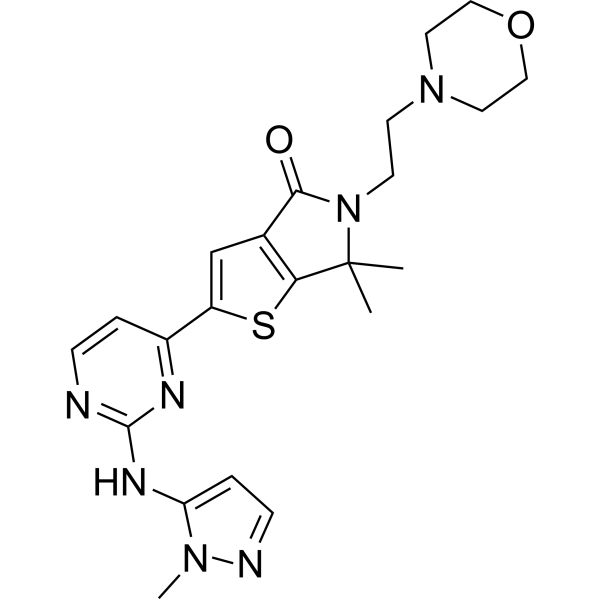
    ERK2-IN-4 (Compound 6o) is an effective and selective ERK2 inhibitor with a Ki of 0.006 μM. ERK2-IN-4 inhibits the ERK signaling pathway and can be used in cancer research .
    ERK2-IN-4
  • HY-145702

    MEK ERK Cancer
    MAP855 is a highly potent, selective, ATP-competitive and orally active MEK1/2 kinase inhibitor (MEK1 ERK2 cascade IC50=3 nM, pERK EC50=5 nM). MAP855 shows equipotent inhibition of wild-type and mutant MEK1/2 .
    MAP855
  • HY-161363

    ERK Metabolic Disease Cancer
    ERK2 allosteric-IN-1 (compound 1) is a selective and allosteric ERK2 inhibitor with the IC50 of 11 μM .
    ERK2 allosteric-IN-1
  • HY-100851A

    5-HT Receptor Cardiovascular Disease
    LY-272015 hydrochloride is an orally active, specific 5-HT2B receptor antagonist. LY-272015 hydrochloride completely inhibits the phosphorylation of ERK2 induced by 5-HT or BW723C86. LY-272015 hydrochloride is antihypertensive in Deoxycorticosterone Acetate (DOCA)-salt-hypertensive rats [2].
    LY-272015 hydrochloride
  • HY-151367

    ERK Cancer
    SHR2415 is a highly potent, selective and orally active ERK1/2 inhibitor. SHR2415 has inhibition activity for ERK1 and ERK2 with IC50 values of 2.8 nM and 5.9 nM, respectively. SHR2415 exhibits high potency with an IC50 value of 44.6 nM in Colo205 cells. SHR2415 can be used for the research of cancer .
    SHR2415
  • HY-15816R

    BVD-523 (Standard); VRT752271 (Standard)

    ERK Reference Standards Cancer
    Ulixertinib (Standard) is the analytical standard of Ulixertinib. This product is intended for research and analytical applications. Ulixertinib (BVD-523; VRT752271) is a potent, orally active, highly selective, ATP-competitive and reversible covalent inhibitor of ERK1/2 kinases, with an IC50 of <0.3 nM against ERK2. Ulixertinib (BVD-523; VRT752271) inhibits the phosphorylated ERK2 (pERK) and downstream kinase RSK (pRSK) in an A375 melanoma cell line [2].
    Ulixertinib (Standard)
  • HY-142433

    ERK Cancer
    ERK1/2 inhibitor 7 is a potent ERK inhibitor with an IC50 of 0.94 nM for ERK2 (WO2021110168A1, WX006) .
    ERK1/2 inhibitor 7
  • HY-112300

    ERK Cancer
    ERK2 IN-1 is a selective ERK2 inhibitor with an IC50 of 7 nM .
    ERK2 IN-1
  • HY-103544

    JNK Interleukin Related Bombesin Receptor Inflammation/Immunology Cancer
    [D-Arg1,D-Phe5,D-Trp7,9,Leu11]-Substance P, a Substance P derivative, is a biased agonist toward neuropeptide and chemokine receptors. [D-Arg1,D-Phe5,D-Trp7,9,Leu11]-Substance P activates G12. [D-Arg1,D-Phe5,D-Trp7,9,Leu11]-Substance P binds to IL-8 and GRP receptors. [D-Arg1,D-Phe5,D-Trp7,9,Leu11]-Substance P inhibits ERK-2 activation, activates JNK activity. [D-Arg1,D-Phe5,D-Trp7,9,Leu11]-Substance P stimulates an increase in neutrophil migration and Ca 2+ mobilization. [D-Arg1,D-Phe5,D-Trp7,9,Leu11]-Substance P is also a bombesin antagonist, and inhibits the growth of small cell lung cancer [2]
    [D-Arg1,D-Phe5,D-Trp7,9,Leu11]-Substance P
  • HY-107417

    VEGFR MEK FLT3 PDGFR ERK Cancer
    Hypothemycin, a fungal polyketide, is a multikinase inhibitor with Kis of 10/70 nM, 17/38 nM, 90 nM, 900 nM/1.5 μM, and 8.4/2.4 μM for VEGFR2/VEGFR1, MEK1/MEK2, FLT-3, PDGFRβ/PDGFRα, and ERK1/ERK2, respectively [2].
    Hypothemycin
  • HY-161462

    ERK p38 MAPK Cancer
    ERK2/p38α MAPK-IN-1 (Compound 1, In silico Hit-2) is a potent and selective ERK2 and p38α MAPK inhibitor, with an IC50 of 82 μM for ERK2. ERK2/p38α MAPK-IN-1 binds to the allosteric site of ERK2 and p38α MAPK in distinct manners. ERK2/p38α MAPK-IN-1 can be used for the research of type 2 diabetes .
    ERK2/p38α MAPK-IN-1
  • HY-113592
    ERK-IN-4
    1 Publications Verification

    ERK Cancer
    ERK-IN-4 is an ERK inhibitor binds preferentially to ERK2 with a Kd of 5 μM. ERK-IN-4 specificity inhibits ERK Rsk-1 and Elk-1 phosphorylation. ERK-IN-4 has little effect on ERK protein phosphorylation by its upstream activator MEK1/2 .
    ERK-IN-4
  • HY-170879

    p38 MAPK JNK Cancer
    JD123 inhibits JNK1 activity and the expression of cJun (1-135). JD123 is a ATP-competitive p38-γ MAPK inhibitor, but not effect to ERK1, ERK2, or p38-α, p38-β or p38-δ. .
    JD123
  • HY-10182C

    CHIR-99021 dihydrochloride; CT99021 dihydrochloride

    GSK-3 β-catenin Wnt Autophagy Organoid Neurological Disease Metabolic Disease Inflammation/Immunology Cancer
    Laduviglusib dihydrochloride (CHIR-99021 dihydrochloride; CT99021 dihydrochloride) is a potent, selective and orally active GSK-3α/β inhibitor with IC50s of 10 nM and 6.7 nM. Laduviglusib dihydrochloride shows >500-fold selectivity for GSK-3 over CDC2, ERK2 and other protein kinases. Laduviglusib dihydrochloride is also a potent Wnt/β-catenin signaling pathway activator. Laduviglusib dihydrochloride enhances mouse and human embryonic stem cells self-renewal. Laduviglusib dihydrochloride induces autophagy [2] .
    Laduviglusib dihydrochloride
  • HY-170526

    ERK JNK Cancer
    ERK2 IN-5 (Compound 5g) is an inhibitor for ERK2, and exhibits good affinity to ERK2 and JNK3 with Ki of 86 and 550 nM .
    ERK2 IN-5
  • HY-P4133

    ERK MEK Cancer
    MEK1 Derived Peptide Inhibitor 1 is a peptide inhibitor. MEK1 Derived Peptide Inhibitor 1 can inhibit the in vitro activation of ERK2 by MEK1 with an IC50 value of 30 μM. MEK1 Derived Peptide Inhibitor 1 can be used for the research of cell-permeable .
    MEK1 Derived Peptide Inhibitor 1
  • HY-111407B

    (R)-SCH900353

    ERK Cancer
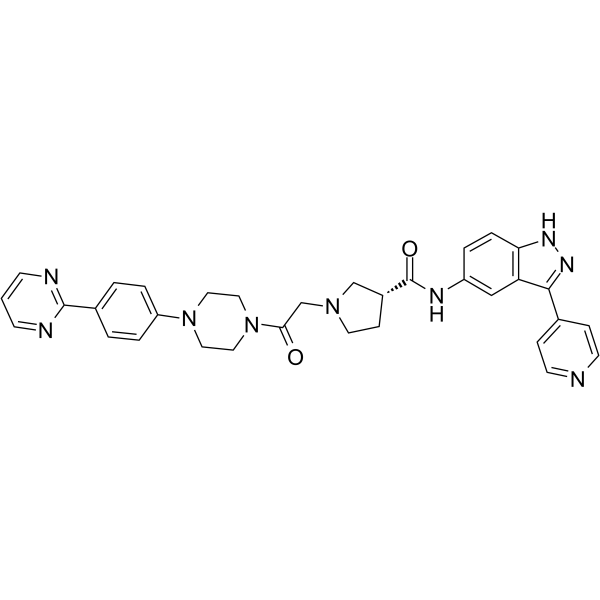
    (R)-MK-8353 ((R)-SCH900353) is the R-enantiomer of MK-8353 (HY-111407). MK-8353 (SCH900353) is a potent, selective and orally active ERK1 and ERK2 inhibitor with IC50s of 23.0 nM and 8.8 nM, respectively .
    (R)-MK-8353
  • HY-133084A

    ERK Cancer
    ERK-IN-2 free base is a ERK2 inhibitor with an IC50 value of 1.8 nM. ERK-IN-2 free base might lead to off-target toxicity and/or off-target activity at dose >10 μM .
    ERK-IN-2 free base
  • HY-177132

    WX001

    ERK Cancer
    Sonvuterkib (WX001) is a potent and orally active extracellular signal-regulated kinases (ERK) inhibitor with IC50 values of 1.4, 0.54 nM for ERK1, ERK2, respectively. Sonvuterkib inhibits cell proliferation. Sonvuterkib shows anticancer activity [2].
    Sonvuterkib

Inquiry Online

Your information is safe with us. * Required Fields.

Salutation


Country or Region *

Applicant Name *


Organization Name *

Department *


Email Address *


Product Name *

Cat. No.


Requested quantity *

Phone Number *


Remarks

Inquiry Online

Inquiry Information

Product Name:
Cat. No.:
Quantity:
MCE Japan Authorized Agent:

