
1. Search Result
Search Result
Results for "

HSC

" in MedChemExpress (MCE) Product Catalog:

74

Inhibitors & Agonists

1

Fluorescent Dye

5

Biochemical Assay Reagents

3

Peptides

3

Inhibitory Antibodies

11

Natural
Products

4

Recombinant Proteins

1

Isotope-Labeled Compounds

11

Antibodies

5

Oligonucleotides

1

GMP Molecules

Cat. No. Product Name Target Research Areas Chemical Structure
  • HY-10046
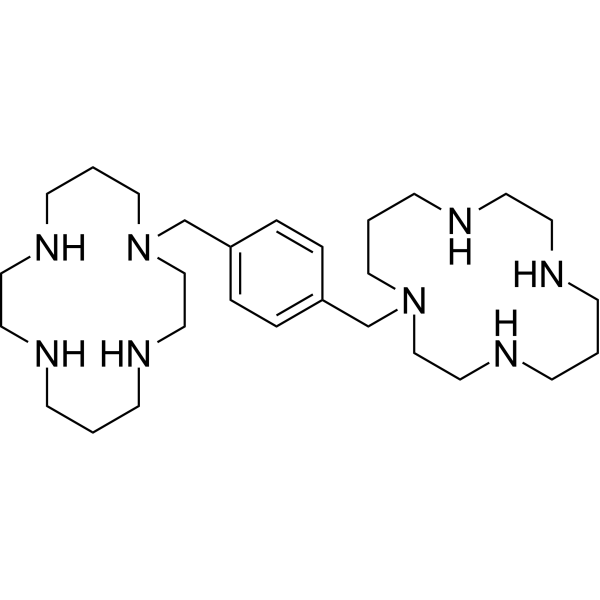
    Plerixafor
    Maximum Cited Publications
    102 Publications Verification

    AMD 3100; JM3100; SID791

    CXCR HIV Infection Inflammation/Immunology Endocrinology Cancer
    Plerixafor (AMD 3100) is a selective CXCR4 antagonist with an IC50 of 44 nM. Plerixafor, an immunostimulant and a hematopoietic stem cell (HSC) mobilizer, is an allosteric agonist of CXCR7. Plerixafor inhibits HIV-1 and HIV-2 replication with an EC50 of 1-10 nM .
    Plerixafor
  • HY-10341
    Fasudil Hydrochloride
    25+ Cited Publications

    HA-1077 Hydrochloride; AT-877 Hydrochloride

    ROCK Calcium Channel Autophagy PKA PKC HIV Cancer
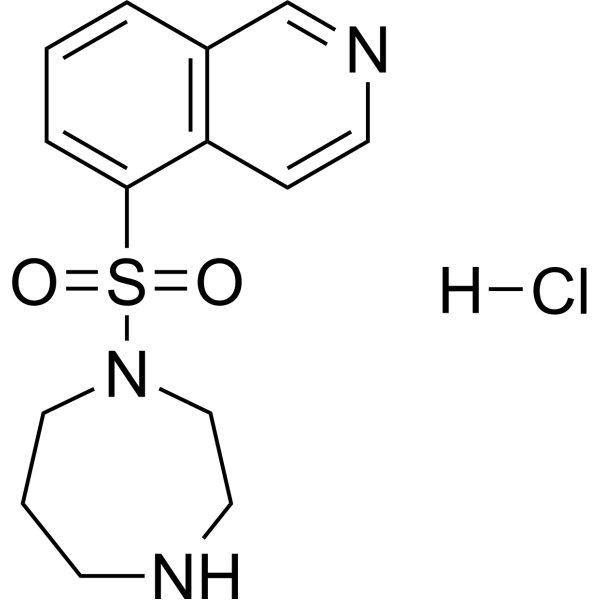
    Fasudil (HA-1077; AT877) Hydrochloride is a nonspecific RhoA/ROCK inhibitor and also has inhibitory effect on protein kinases, with an Ki of 0.33 μM for ROCK1, IC50s of 0.158 μM and 4.58 μM, 12.30 μM, 1.650 μM for ROCK2 and PKA, PKC, PKG, respectively. Fasudil Hydrochloride is also a potent Ca 2+ channel antagonist and vasodilator .
    Fasudil Hydrochloride
  • HY-10941
    VER-155008
    40+ Cited Publications

    HSP Autophagy Neurological Disease Cancer
    VER-155008 is an inhibitor of Hsp70, with IC50s of 0.5 μM, 2.6 μM, and 2.6 μM for Hsp70, Hsc70 and Grp7, respectively, and with a Kd of 0.3 μM for Hsp70.
    VER-155008
  • HY-129389
    Benzyl-α-GalNAc
    5+ Cited Publications

    Glycosyltransferase Cancer
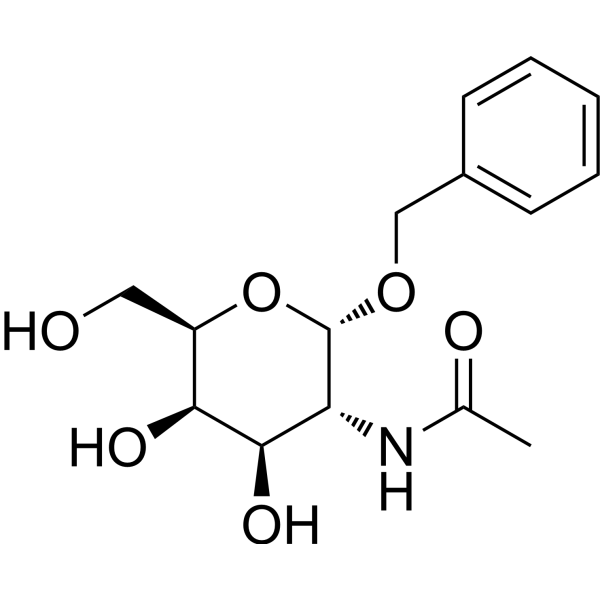
    Benzyl-α-GalNAc is a potent O-glycosylation inhibitor. Benzyl-α-GalNAc effectively inhibits the proliferation and activation of LX-2 cells and suppresses the expression of collagen I/III, which has good potential for investigation in liver fibrosis. Benzyl-α-GalNAc also significantly enhances the anti-tumour activity of 5-Fluorouracil (HY-90006) (e.g. pancreatic cancer) by inhibiting O-glycosylation .
    Benzyl-α-GalNAc
  • HY-P1624
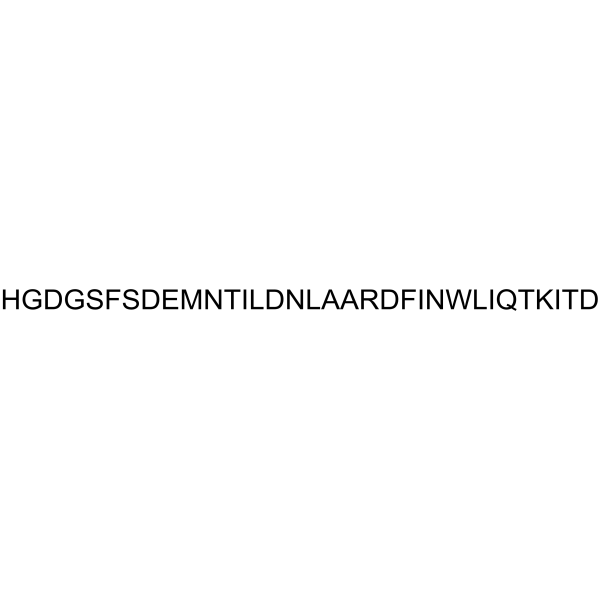
    Teduglutide
    2 Publications Verification

    ALX-0600

    Nuclear Hormone Receptor 4A/NR4A FXR Inflammation/Immunology
    Teduglutide (ALX-0600) is an analog of human glucagon like peptide-2 (GLP-2). Teduglutide can activate the expression of nuclear receptor subfamily 4 group a member 1 (NR4a1)/nur77 and intestinal FXR signaling in human hepatic stellate cells, thereby improving liver inflammation and fibrosis in mice with sclerosing cholangitis. Teduglutide can alleviate intestinal dysfunction in mice, improve lung injury, alleviate obesity related neuroinflammation and cell apoptosis .
    Teduglutide
  • HY-10341A
    Fasudil
    25+ Cited Publications

    HA-1077; AT877

    ROCK Calcium Channel Autophagy PKA PKC Cancer
    Fasudil (HA-1077; AT877) is a nonspecific RhoA/ROCK inhibitor and also has inhibitory effect on protein kinases, with an Ki of 0.33 μM for ROCK1, IC50s of 0.158 μM and 4.58 μM, 12.30 μM, 1.650 μM for ROCK2 and PKA, PKC, PKG, respectively. Fasudil is also a potent Ca 2+ channel antagonist and vasodilator .
    Fasudil
  • HY-15098
    Apoptozole
    10+ Cited Publications

    Apoptosis Activator VII

    HSP Apoptosis Cancer
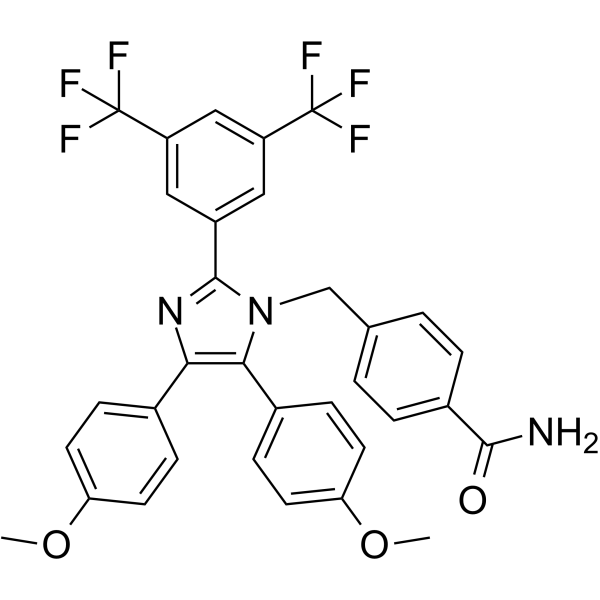
    Apoptozole (Apoptosis Activator VII) is an inhibitor of the ATPase domain of Hsc70 and Hsp70, with Kds of 0.21 and 0.14 μM, respectively, and can induce apoptosis.
    Apoptozole
  • HY-129098
    DMHCA
    1 Publications Verification

    LXR Metabolic Disease
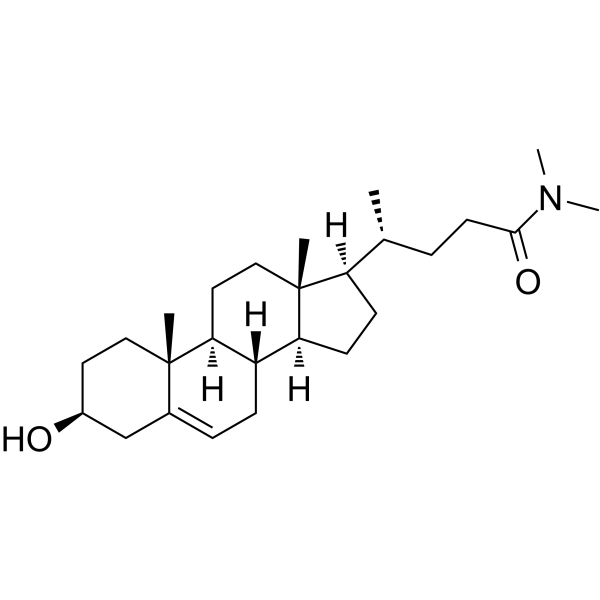
    DMHCA, a potent and selective LXR agonist, specifically activates the cholesterol efflux arm of the LXR pathway without stimulating triglyceride synthesis. DMHCA has anti-inflammatory effects?and can be used for the research of cholesterol homeostasis diabetes .
    DMHCA
  • HY-106420

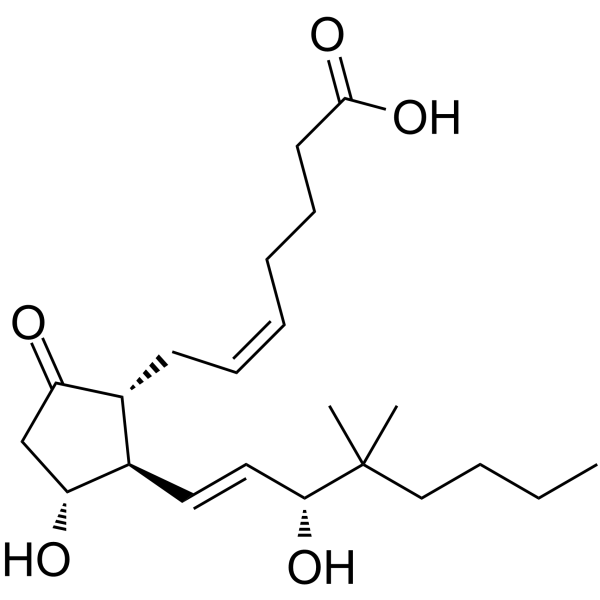
    16,16-dimethyl PGE2

    Wnt Prostaglandin Receptor Inflammation/Immunology
    16,16-Dimethyl prostaglandin E2 (16,16-dimethyl PGE2) is an orally active vertebrate Hematopoietic stem cells (HSCs) homeostasis critical regulator. 16,16-Dimethyl prostaglandin E2 can act through EP2/EP4 and has an interaction with the Wnt pathway .
    16,16-Dimethyl prostaglandin E2
  • HY-124748A
    ENMD-1068 hydrochloride
    2 Publications Verification

    Protease Activated Receptor (PAR) Apoptosis Inflammation/Immunology
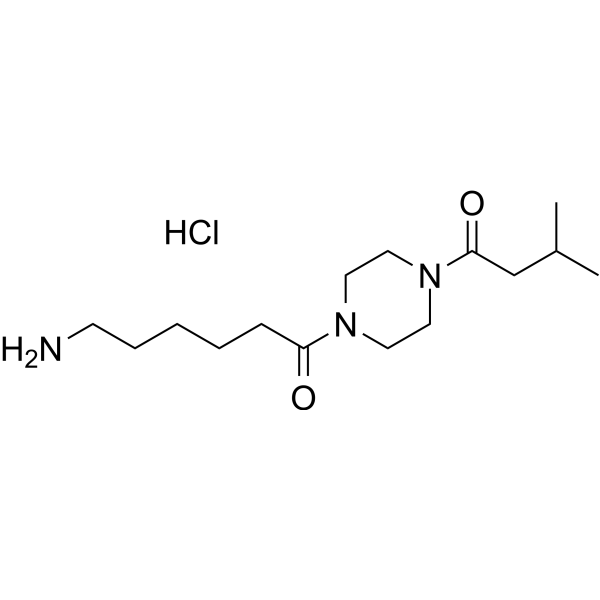
    ENMD-1068 hydrochloride is a selective protease-activated receptor 2 (PAR2) antagonist. ENMD-1068 hydrochloride reduces hepatic stellate cell activation and collagen expression by inhibiting TGF-β1/Smad signaling. ENMD-1068 hydrochloride also inhibits the proliferation of endometrial cells and induces apoptosis of epithelial cells in the lesion. ENMD-1068 hydrochloride can be used in the study of endometriosis and liver fibrosis .
    ENMD-1068 hydrochloride
  • HY-P99488

    JSP-191; AMG-191

    c-Kit Inflammation/Immunology Cancer
    Briquilimab (JSP-191 or AMG-191) is a humanized IgG1 monoclonal antibody that binds human CD117 (c-Kit). Briquilimab blocks the interaction between CD117 receptor and stem cell factor on various CD117 expressing tissues. Briquilimab can lead to inhibition of SCF/c-Kit signaling and MC apoptosis. Briquilimab is a non-toxic approach to target and deplete HSC, enabling blood and immune reconstitution with minimal toxicity with the other agents being used for transient immune suppression to prevent immunologic rejection. Briquilimab can be used in various disease research such as severe combined immunodeficiency (SCID), myelodyplastic syndromes (MDS), acute myeloid leukemia (AML), chronic spontaneous urticarial (CSU), chronic inducible urticarial (CIndU) and asthema .
    Briquilimab
  • HY-133146

    Phosphatase Apoptosis Inflammation/Immunology
    DJ001 is a highly specific, selective and non-competitive protein tyrosine phosphatase-σ (PTPσ) inhibitor with an IC50 of 1.43 μM. DJ001 displays no inhibitory activity against other phosphatases, with only modest inhibitory activity against Protein Phosphatase 5. DJ001 promotes promote hematopoietic stem cell regeneration .
    DJ001
  • HY-10341C
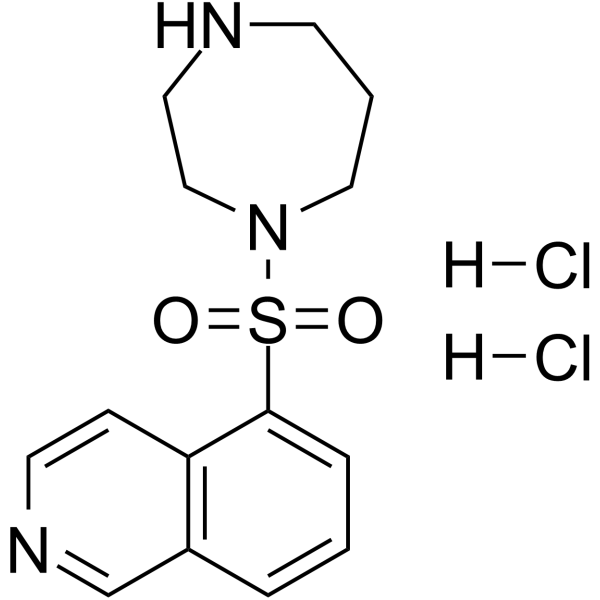
    Fasudil dihydrochloride
    25+ Cited Publications

    HA-1077 dihydrochloride; AT-877 dihydrochloride

    Calcium Channel ROCK PKA PKC Autophagy HIV Cancer
    Fasudil (HA-1077; AT877) dihydrochloride is a nonspecific RhoA/ROCK inhibitor and also has inhibitory effect on protein kinases, with an Ki of 0.33 μM for ROCK1, IC50s of 0.158 μM and 4.58 μM, 12.30 μM, 1.650 μM for ROCK2 and PKA, PKC, PKG, respectively. Fasudil dihydrochloride is also a potent Ca 2+ channel antagonist and vasodilator .
    Fasudil dihydrochloride
  • HY-134258

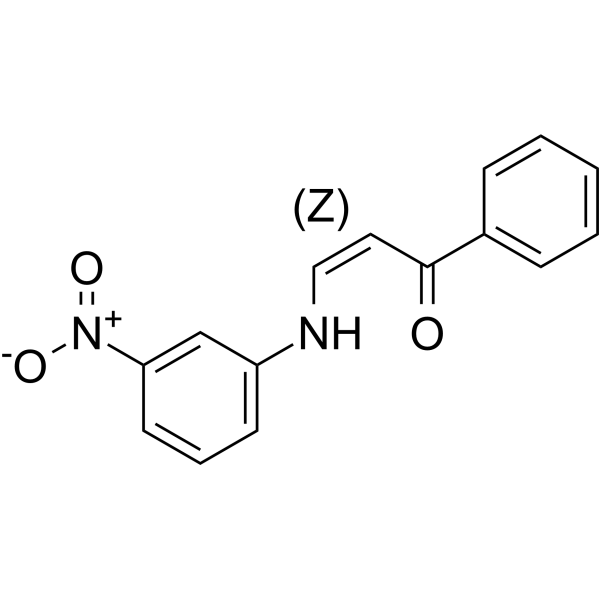
    HOXA Cardiovascular Disease Others Cancer
    MEISi-1 is a homeodomain inhibitor of small molecule MEIS1 protein. MEISi-1 significantly inhibited the activity of luciferase reporter genes containing MEIS binding sites (TGACAG) and induced self-renewal of mouse and human HSCS in vitro and in vivo. MEISi-1 can be used for research in blood diseases, heart regeneration and cancer .
    MEISi-1
  • HY-129453

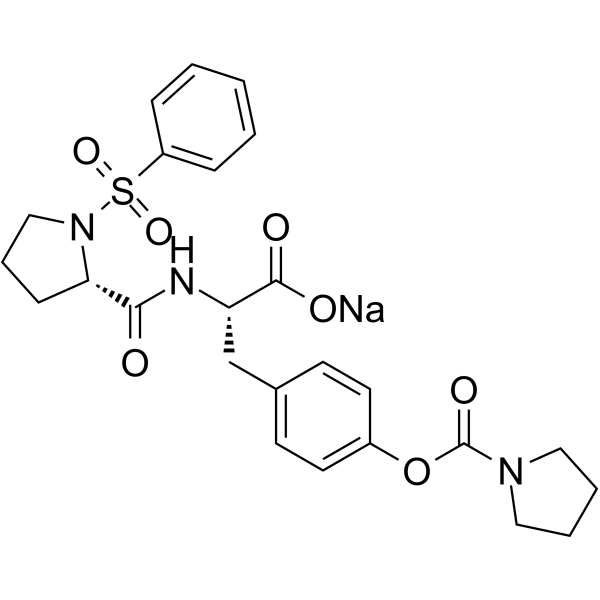
    Integrin Inflammation/Immunology
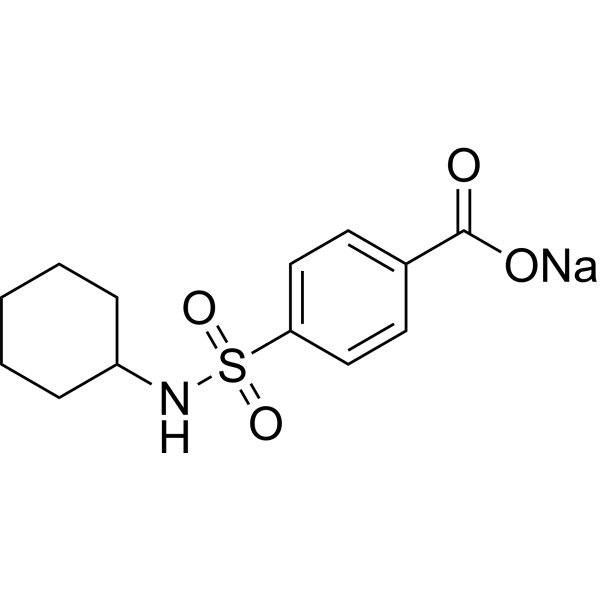
    BOP sodium is a potent and selective dual α9β1/α4β1 integrin inhibitor with Kd values in the picomolar range. BOP sodium shows the rapid and preferential mobilization of hematopoietic stem cell (HSC) and progenitors. BOP sodium has little inhibitory activity on α4β7, α1β1, α2β1, and α5β1, αIIBβ3 integrins .
    BOP sodium
  • HY-134259

    HOXA Cancer
    MEISi-2 is a selective inhibitor of MEIS, a key regulator of hematopoietic stem cell (HSC) self-renewal. MEISi-2 is developed for the research of cardiac injuries, hematopoiesis issues, bone marrow transplantations, and cancer .
    MEISi-2
  • HY-W107409

    Others Cancer
    Meridianin C is a marine natural product with anticancer activity. Meridianin C has significant inhibitory effects on four different human tongue cancer cells (YD-8, YD-10B, YD-38 and HSC-3). Meridianin C most strongly reduced the growth of YD-10B cells, the most aggressive and tumorigenic of the cell lines tested. Meridianin C also induced significant accumulation of large vesicles in YD-10B cells, validating its function through macrophagocytosis. Meridianin C reduces cellular levels of Dickkopf-related protein-3 (DKK-3), a known negative regulator of macrophagy. Meridianin C affects macrophagocytosis by downregulating DKK-3, thereby affecting cell proliferation .
    Meridianin C
  • HY-N3540

    Others Inflammation/Immunology
    Caraphenol A is a resveratrol trimer and is able to transiently reduce interferon-induced transmembrane (IFITM) protein expression. Caraphenol A safely enhances lentiviral vector gene delivery to hematopoietic stem and progenitor cells . Caraphenol A also inhibits human cystathionine β-synthase (hCBS) and human cystathionine γ- lyase (hCSE) with IC50s of 5.9 μM and 12.1 μM, respectively .
    Caraphenol A
  • HY-172275A

    Liposome Inflammation/Immunology
    DSPE-PEG2000-pPB is a PEG compound which composed of DSPE and a cyclic oligopeptide (pPB). pPB has a strong binding affinity with PDGFRβ, which is overexpressed on activated hepatic stellate cells (HSC). DSPE-PEG2000-pPB can be used for drug delivery .
    DSPE-PEG2000-Cys-SRNLIDC (Disulfide bridge: Cys1-Cys8)
  • HY-N3619
    Conophylline
    1 Publications Verification

    Apoptosis Neurological Disease Endocrinology
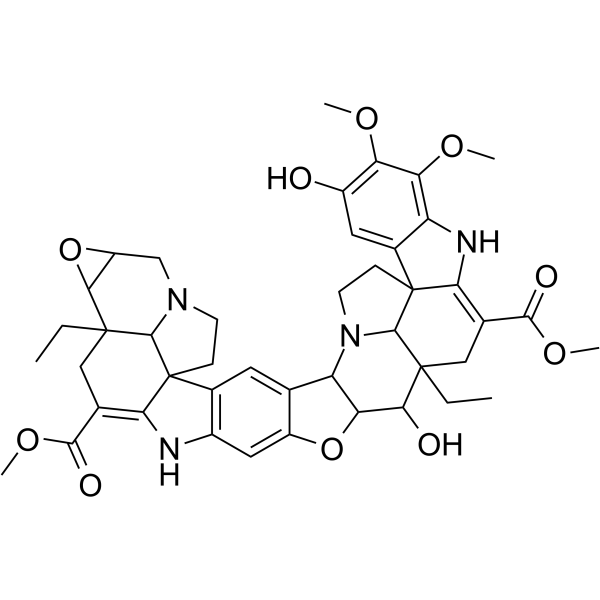
    Conophylline is a vinca alkaloid extracted from leaves of a tropical plant Ervatamia microphylla. Conophylline is a differentiation inducer of for pancreatic cells. Conophylline suppresses HSC and induces apoptosis .
    Conophylline
  • HY-100791
    NSC23005 sodium
    1 Publications Verification

    CDK Cancer
    NSC23005 sodium is a novel and effective p18 inhibitor (ED50=5.21 nM) in promoting Hematopoietic stem cells (HSCs) expansion in both murine and human models.
    NSC23005 sodium
  • HY-113806

    (±)-Oleracein E

    Bacterial Influenza Virus Apoptosis Infection Inflammation/Immunology
    (±)-Trolline ((±)-Oleracein E), an isoquinoline alkaloid, exhibits antibacterial activity against respiratory bacteria and antiviral activity against influenza virus A and B. (±)-Trolline significantly induces HSC apoptosis. (±)-Trolline can be used for the research of liver fibrosis .
    (±)-Trolline
  • HY-123535

    CDK Inflammation/Immunology
    P18IN003 is a potent p18(INK4C) inhibitor andspecifically block the activity of p18 protein. P18IN003 has the potential to be aneffective chemical agent for therapeutic expansion of HSC .
    P18IN003
  • HY-W024604

    4,4-Dimethylcyclopent-2-enone

    Others Cancer
    4,4-Dimethyl-2-cyclopenten-1-one, a natural compound from Apocyniveneti Folium, displays higher tumor-specific cytotoxicity .
    4,4-Dimethyl-2-cyclopenten-1-one
  • HY-155786

    TGF-beta/Smad Others
    3,7-DMF is an orally active inhibitor of TGF-β1-induced activation of HSCs. 3,7-DMF induces antioxidant genes and quenches ROS away, which can be used to study liver fibrosis .
    3,7-DMF
  • HY-175496

    Ceramidase Inflammation/Immunology
    Acid Ceramidase-IN-3 is a acid ceramidase (aCDase) inhibitor. Acid Ceramidase-IN-3 inhibits the enzymatic activity of aCDase with a pIC 50 of 8.5 in enzymatic assays and 6.8 in A375 melanoma cellular assays. Acid Ceramidase-IN-3 promotes HSC inactivation, as measured by a dose-dependent reduction in COL1A1 and ACTA2. Acid Ceramidase-IN-3 inhibits aCDase activity in HSCs, promotes HSC inactivation and suppresses YAP/TAZ nuclear localization. Acid Ceramidase-IN-3 increases Dynein/Kinesin (NDE1, NDEL1. KIF3B, KIF15) while decreases several proteins involved with signaling pathway (SARM1, RGAP1, PDGF-D,PDGFR-B). Acid Ceramidase-IN-3 can be used for the study of fibrotic diseases .
    Acid Ceramidase-IN-3
  • HY-108420
    INK4C-IN-2
    1 Publications Verification

    CDK Cancer
    INK4C-IN-2 is a p18 INK4C inhibitor. NK4C-IN-2 promotes hematopoietic stem cells (HSCs) division by inhibiting INK4C and activating CDK4/6, with an ED50 of 5.21 nM. INK4C-IN-2 shows no cytotoxic to normal 32D cells, HSCs, leukemia cell lines and myeloma cell lines .
    INK4C-IN-2
  • HY-120942

    CDK Cancer
    XIE18-6 is a potent INK4C (p18) inhibitor. XIE18-6 shows potent bioactivity in hematopoietic stem cells (HSCs) expansion with an ED50 of 105.5 nM .
    XIE18-6
  • HY-10046S

    Isotope-Labeled Compounds CXCR HIV Infection Inflammation/Immunology Endocrinology Cancer
    Plerixafor-d4 is the deuterium labeled Plerixafor. Plerixafor (AMD 3100) is a selective CXCR4 antagonist with an IC50 of 44 nM. Plerixafor, an immunostimulant and a hematopoietic stem cell (HSC) mobilizer, is an allosteric agonist of CXCR7. Plerixafor inhibits HIV-1 and HIV-2 replication with an EC50 of 1-10 nM .
    Plerixafor-d4
  • HY-13319G

    JNK Inhibitor XVI

    JNK Cancer
    JNK-IN-8 (JNK Inhibitor XVI) (GMP) is JNK-IN-8 (HY-13319) produced by using GMP guidelines. GMP small molecules work appropriately as an auxiliary reagent for cell therapy manufacture. JNK-IN-8 is a potent JNK inhibitor with IC50s of 4.7 nM, 18.7 nM, and 1 nM for JNK1, JNK2, and JNK3, respectively .
    JNK-IN-8
  • HY-133019

    Phosphodiesterase (PDE) Inflammation/Immunology
    ATX inhibitor 5 is a potent and orally active autotaxin (ATX) inhibitor, with an IC50 of 15.3 nM. ATX inhibitor 5 shows anti-hepatofibrosis effects and reduces CCl4-induced hepatic fibrosis level prominently .
    ATX inhibitor 5
  • HY-179133

    P2Y Receptor PKA Raf MEK ERK Inflammation/Immunology
    HDB-1 is a selective inhibitor of the P2Y14 receptor (P2Y14R) with an IC50 of 26 pM. HDB-1 shows no significant inhibition on P2Y1R, P2Y2R, P2Y4R, P2Y6R, and P2Y12R. HDB-1 blocks the activation of hepatic stellate cells (HSC) by inhibiting the PKA/Raf1/MEK/ERK signaling pathway mediated by P2Y14R, thereby alleviating the core pathological process of liver fibrosis. HDB-1 can be used for the study of liver fibrosis .
    HDB-1
  • HY-177267

    Drug Derivative ADC Payload Cancer
    Camptothecin derivative-3 (Compound 11) is a derivative of Camptothecin (HY-16560) and can serve as a payload for ADCs. Camptothecin derivative-3 has certain cytotoxicity, with IC50 values of 2 nM and 0.9 nM against HSC-2 and Namalwa/luc cells, respectively. Camptothecin derivative-3 can be used in tumor-related research .
    Camptothecin derivative-3
  • HY-P1624A

    ALX-0600 TFA

    Nuclear Hormone Receptor 4A/NR4A FXR Inflammation/Immunology
    Teduglutide TFA is a dipeptidyl peptidase IV resistant glucagon-like peptide 2 (GLP-2) analogue. Teduglutide TFA can activate the expression of nuclear receptor subfamily 4 group a member 1 (NR4a1)/nur77 and intestinal FXR signaling in human hepatic stellate cells, thereby improving liver inflammation and fibrosis in mice with sclerosing cholangitis. Teduglutide TFA can alleviate intestinal dysfunction in mice, improve lung injury, alleviate obesity related neuroinflammation and cell apoptosis .
    Teduglutide TFA
  • HY-131831A

    N6-benzyl ADP sodium

    ATP Synthase Cancer
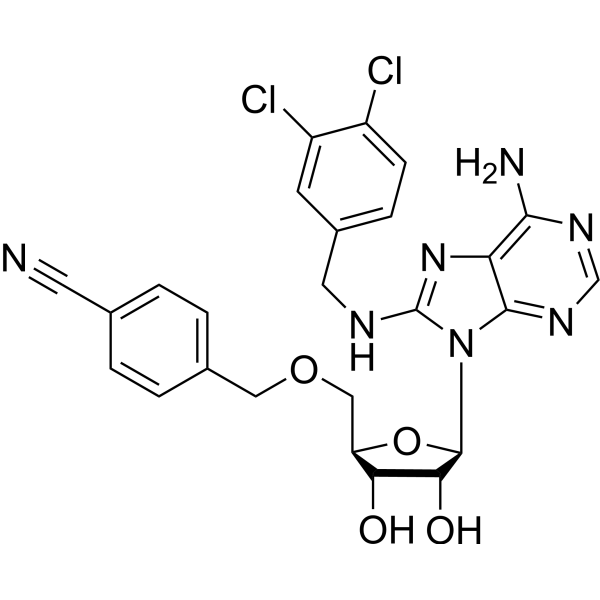
    6-Bn-ADP (N6-benzyl ADP) sodium is a derivative of Adenosine 5'-diphosphate (ADP) (HY-W010918) that inhibits ATP hydrolysis. 6-Bn-ADP sodium inhibits the ATPase activities of Mortalin, Hsc70, and Hsp70 protein with Kis of 86.51 μM, 294.5 μM, and 1612 μM, respectively .
    6-Bn-ADP sodium
  • HY-10046R

    AMD 3100 (Standard); JM3100 (Standard); SID791 (Standard)

    Reference Standards CXCR HIV Infection Inflammation/Immunology Endocrinology Cancer
    Plerixafor (Standard) is the analytical standard of Plerixafor. This product is intended for research and analytical applications. Plerixafor (AMD 3100) is a selective CXCR4 antagonist with an IC50 of 44 nM. Plerixafor, an immunostimulant and a hematopoietic stem cell (HSC) mobilizer, is an allosteric agonist of CXCR7. Plerixafor inhibits HIV-1 and HIV-2 replication with an EC50 of 1-10 nM .
    Plerixafor (Standard)
  • HY-N4215

    Others Inflammation/Immunology
    11(α)-Methoxysaikosaponin F is a triterpenoid saponin isolated from Bupleurum marginatum Wall.ex DC(ZYCH) which is a promising therapeutic for liver fibrosis. 11(α)-Methoxysaikosaponin F has an IC50 of 387.7 nM with viability of hepatic stellate cells-T6 (HSCs-T6). Triterpenoid saponins have numerous targets, important network positions, and strong inhibitory activity .
    11(α)-Methoxysaikosaponin F
  • HY-124748

    Protease Activated Receptor (PAR) Apoptosis Inflammation/Immunology
    ENMD-1068 is a selective protease-activated receptor 2 (PAR2) antagonist. ENMD-1068 reduces hepatic stellate cell activation and collagen expression by inhibiting TGF-β1/Smad signaling. ENMD-1068 also inhibits the proliferation of endometrial cells and induces apoptosis of epithelial cells in the lesion. ENMD-1068 can be used in the study of endometriosis and liver fibrosis .
    ENMD-1068
  • HY-178477

    G protein-coupled Bile Acid Receptor 1 TGF-β Receptor MMP Metabolic Disease Inflammation/Immunology
    LIFR/GPBAR1 modulator 1 is an orally active, potent GPBAR1 agonist (EC50 = 0.2 μM) and LIFR inhibitor (IC50 = 7.9 μM). LIFR/GPBAR1 modulator 1 upregulates leukaemia inhibitory factor (LIF)-mediated mRNA expression of LIFR and GPBAR1 and significantly reduces the expression of pro-fibrosis markers (COL1A1, ASMA, and TGFβ), and reduces TIMP1 expression and increases MMP9 expression. LIFR/GPBAR1 modulator 1 can be used for the study of human fibrotic disorders .
    LIFR/GPBAR1 modulator 1
  • HY-P990851

    c-Kit Inflammation/Immunology Cancer
    Anti-c-Kit/CD117 Antibody (SR-1) is a kind of mouse IgG2a κ chimeric antibody inhibitor, targeting to human c-Kit/CD117. Anti-c-Kit/CD117 Antibody (SR-1) binds to the extracellular domain of human c-Kit (also known as CD117) and blocks stem cell factor (SCF) binding to CD117. Anti-c-Kit/CD117 Antibody (SR-1) can be used for the researches of cancer and immunology, such as gastrointestinal stromal tumor (GIST) and xenograft .
    Anti-c-Kit/CD117 Antibody (SR-1)
  • HY-10341R

    HA-1077 Hydrochloride (Standard); AT-877 Hydrochloride (Standard)

    Reference Standards ROCK Calcium Channel Autophagy PKA PKC HIV Cancer
    Fasudil (Hydrochloride) (Standard) is the analytical standard of Fasudil (Hydrochloride). This product is intended for research and analytical applications. Fasudil (HA-1077; AT877) Hydrochloride is a nonspecific RhoA/ROCK inhibitor and also has inhibitory effect on protein kinases, with an Ki of 0.33 μM for ROCK1, IC50s of 0.158 μM and 4.58 μM, 12.30 μM, 1.650 μM for ROCK2 and PKA, PKC, PKG, respectively. Fasudil Hydrochloride is also a potent Ca 2+ channel antagonist and vasodilator .
    Fasudil Hydrochloride (Standard)
  • HY-W414644

    Parasite STAT Phosphatase MDM-2/p53 Apoptosis Infection Neurological Disease Inflammation/Immunology Cancer
    Fluacrypyrim, a Miticide, is a STAT3 inhibitor. Fluacrypyrim significantly increases the protein tyrosine phosphatases(PTPs) activity. Fluacrypyrim inhibits the growth of leukemia cells by a predominant G1 arrest with significant decrease of the protein and mRNA levels of cyclin D1. Fluacrypyrim selectively inhibits STAT3 signaling, inducing growth arrest and apoptosis in STAT3-dependent cancer cells. Fluacrypyrim mitigates IR-induced hematopoietic system injury mainly by preventing apoptosis in the HSCs. Fluacrypyrim demonstrates significant analgesic and anti-inflammatory effects by inhibiting uterine smooth muscle contraction and inflammatory responses .
    Fluacrypyrim
  • HY-119582

    MMP Inflammation/Immunology
    Safironil is an antifibrotic compound. Safironil is a competitive inhibitor of collagen protein synthesis. Safironil reduces liver fibrogenesis by inhibiting HSC activation .
    Safironil
  • HY-15001A

    SR1 hydrochloride

    Aryl Hydrocarbon Receptor Others
    Stemregenin 1 hydrochloride is a purine derivative that antagonizes aryl hydrocarbon receptor signaling in CD34+ cells. IC50 The value is 127 nM. Stemregenin 1 hydrochloride can be used to expand the pluripotency of hematopoietic stem cells (HSC) in stem cell studies .
    Stemregenin 1 hydrochloride
  • HY-172087

    VD/VDR Inflammation/Immunology
    VDR agonist 3 (Compound E15) is a potent vitamin D receptor (VDR) agonist. VDR agonist 3 can effectively inhibit HSC activation through VDR. VDR agonist 3 significantly reduces liver fibrosis without causing hypercalcemia in a CCl4-induced mouse liver fibrosis model .
    VDR agonist 3
  • HY-149899

    VD/VDR Others
    VDR agonist 2 (compound 16i) is a VDR (vitamin D receptor) agonist that can effectively inhibit TGF-β1-induced activation of hepatic stellate cells (HSC). VDR agonist 2 has significant anti-hepatic fibrosis effects both in vitro and in vivo .
    VDR agonist 2
  • HY-162147

    Nuclear Hormone Receptor 4A/NR4A Autophagy mTOR TGF-beta/Smad Atg8/LC3 p62 Neurological Disease Metabolic Disease Inflammation/Immunology Cancer
    Nur77 modulator 3 is a Nur77 modulator. Nur77 modulator 3 induces Nur77 expression, inhibits hepatic stellate cells (HSCs) activation, and reduces extracellular matrix (ECM) deposition. Nur77 modulator 3 enhances Nur77-denpendent autophagic flux and significantly inhibits the mTORC1 signaling pathway. Nur77 modulator 3 ameliorates HSCs activation, inflammation and hepatic fibrosis in vivo .
    Nur77 modulator 3
  • HY-RS05150

    Small Interfering RNA (siRNA) Others

    FUT1 Human Pre-designed siRNA Set A contains three designed siRNAs for FUT1 gene (Human), as well as a negative control, a positive control, and a FAM-labeled negative control.

    FUT1 Human Pre-designed siRNA Set A
    FUT1 Human Pre-designed siRNA Set A
  • HY-178328

    VD/VDR Collagen TGF-beta/Smad MMP JAK Metabolic Disease Inflammation/Immunology Endocrinology
    VDR agonist 4 is an orally active potent VDR agonist. VDR agonist 4 exerts VDR-dependent antifibrotic activity by regulating multiple fibrosis-related genes to suppress α-SMA and collagen I production, thereby inhibiting hepatic stellate cell (HSC) activation. VDR agonist 4 improves CCl4 (HY-RS16594)-induced hepatic fibrosis in mice. VDR agonist 4 can be used for liver fibrosis research .
    VDR agonist 4
  • HY-115893A

    CDK Cancer
    P18IN005 hydrochloride is a novel inhibitor of p18, exhibiting potent activity in negatively regulating haematopoietic stem cell (HSC) self-renewal. P18IN005 hydrochloride has been shown to be more effective than p27 in inhibiting HSC self-renewal in mouse models. P18IN005 hydrochloride promotes the expansion of functional HSCs in short-term cultures. P18IN005 hydrochloride serves as a valuable tool for dissecting the signaling pathways involved in stem cell self-renewal.
    P18IN005 hydrochloride

Inquiry Online

Your information is safe with us. * Required Fields.

Salutation


Country or Region *

Applicant Name *


Organization Name *

Department *


Email Address *


Product Name *

Cat. No.


Requested quantity *

Phone Number *


Remarks

Inquiry Online

Inquiry Information

Product Name:
Cat. No.:
Quantity:
MCE Japan Authorized Agent:

